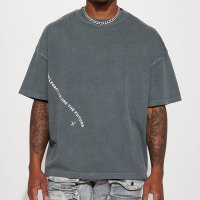
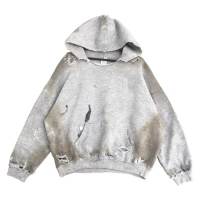
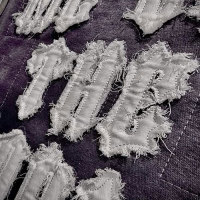
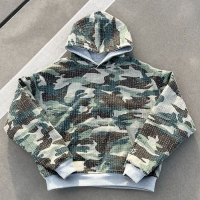
How to Scale Your Custom Graphic T-Shirt Line with NJ Providers
For any streetwear brand with roots or ambitions in the vibrant US East Coast market, New Jersey represents a critical nexus of logistics, culture, and commerce. Its proximity to New York City's fashion epicenter makes it an undeniable strategic hub. As brands mature from limited capsule drops to scalable, recurring collections, the conversation inevitably turns to manufacturing. The search for reliable New Jersey clothing manufacturers becomes paramount, especially for a brand's cornerstone product: the custom graphic T-shirt. However, scaling production is not merely about finding a local factory; it's about securing a manufacturing partner whose capabilities align with the complex demands of modern streetwear. This journey involves navigating a landscape of varied providers, from local print shops to full-stack global manufacturers like Groovecolor, each offering a different value proposition. For established brands, the challenge is to find a partner that can deliver on the intricate details of graphic execution, the nuances of heavyweight fabrics, and the unwavering consistency required for a global audience, ensuring that every garment reinforces the brand's identity and quality promise.
Key Takeaways for Streetwear Brands
- ▸ Strategic Geographic Advantage: Leveraging New Jersey's proximity to major US markets provides a logistical edge, but true scalability is unlocked by partnering with manufacturers who integrate this regional access with a robust global supply chain, ensuring access to advanced capabilities and materials.
- ▸ Mastery of Graphic Execution: Scaling a graphic T-shirt line requires more than basic printing. Success depends on a manufacturer's deep expertise in a wide array of techniques, from high-fidelity DTG and classic screen printing to specialized applications like puff, crack, and high-density prints, to ensure every design is executed with precision and durability.
- ▸ Full-Stack Manufacturing vs. Print Shops: For growing brands, the distinction is critical. A full-stack manufacturer offers end-to-end services, including tech pack analysis, material sourcing, pattern making, sampling, and bulk production, providing a level of quality control and consistency that a simple print shop cannot match.
- ▸ Scalable Production with Quality Assurance: The right manufacturing partner supports growth from an initial 100-piece run to over 10,000 units by combining flexible MOQ structures with rigorous, system-level quality control (like ISO 9001 principles) and compliance certifications (SMETA, OEKO-TEX), de-risking the entire production process.
- ▸ Deep Customization and Branding: True brand identity is built through unique details. Top-tier manufacturers enable deep customization beyond the graphic itself, offering private label services for custom tags, unique wash treatments, and branded packaging, creating a cohesive and premium product experience.
The Strategic Pull of New Jersey for Streetwear's Elite
Why do established streetwear brands, whose audiences span from Tokyo to London, turn their focus to New Jersey clothing manufacturers? The answer lies in a confluence of factors that go far beyond a simple pin on a map. For a streetwear manufacturer, proximity to the creative and commercial engine of New York City is an unparalleled asset. This closeness facilitates face-to-face meetings, immediate sample reviews, and a tangible connection to the cultural pulse of the East Coast. It allows brand teams to be more hands-on, ensuring their vision is translated without the friction of distance and time zones. This geographical advantage creates a highly collaborative environment, which is essential when producing something as visually specific as a custom graphic T-shirt.
However, for brands operating at a global scale, the definition of a "New Jersey provider" has evolved. It's no longer just about a factory located within the state's borders. It now includes sophisticated manufacturing partners who, while leveraging global supply chains, have established a seamless operational presence to serve the US market. These partners offer the best of both worlds: the cost-efficiency, advanced technology, and vast material resources of a global manufacturing hub combined with the logistical ease and market understanding of a domestic partner. They provide a crucial bridge, allowing a brand based in the US to tap into a world-class production ecosystem without the traditional complexities of overseas sourcing. This hybrid model is precisely where the industry is heading, as it addresses the core needs of a growing streetwear label: quality, scalability, and speed. As noted in industry research, the global streetwear market is projected to grow from USD 210.03 billion in 2025 to USD 264.76 billion by 2031, underscoring the massive opportunity for brands that can scale effectively.
From Sampling to Scale: The End-to-End Capabilities of a True Manufacturing Partner
For a growing streetwear brand, the journey from a design concept to a sellable product is fraught with potential pitfalls. The difference between a successful launch and a costly failure often lies in the capabilities of the manufacturing partner. A simple order-taker is not enough. Scaling requires a partner offering end-to-end apparel manufacturing in NJ, a comprehensive ecosystem that guides a product from initial idea to final delivery. This full-stack approach is the hallmark of a genuine streetwear manufacturer and is essential for producing bulk custom t shirts with consistency and quality.
The process begins long before the first stitch is sewn. It starts with a meticulous review of the brand's tech pack. A top-tier partner doesn't just execute instructions; they collaborate. They analyze the design for feasibility, flagging potential issues in construction, material choice, or graphic application that could cause problems during mass production. This is followed by the critical sampling stage. The goal is to create a prototype that is not just a visual representation, but a production-ready standard-bearer. This initial sample, or series of revised samples, becomes the benchmark against which every single piece in the bulk order will be measured. This phase, covering everything from sampling to bulk production, is where the foundation for quality is laid. For more on this process, brands can explore resources on preparing the perfect tech pack for bulk manufacturing.
Once the sample is approved, the focus shifts to materials and production. A manufacturer's true value is often revealed in its supply chain. For streetwear, this means access to a diverse and reliable library of fabrics, especially the premium, heavyweight cottons (250-600gsm) that are essential for creating the structured, high-quality feel of modern hoodies and tees. A partner with a global sourcing network can provide options that a purely local factory might not have access to. This is followed by the scaling of production itself. An adept manufacturer can support a brand's growth trajectory, offering flexible MOQs (Minimum Order Quantities) of 50-100 pieces for market testing, with the proven capacity to ramp up to thousands of units for a successful product. This agility is crucial for managing inventory and reacting to market demand without compromising on the established quality standard. Finally, the process encompasses a vast range of finishing techniques, from complex embroidery and specialty washes to the final touches of custom labeling and packaging, transforming a simple garment into a branded piece of art.
Executing the Vision: From Digital File to Tangible Streetwear
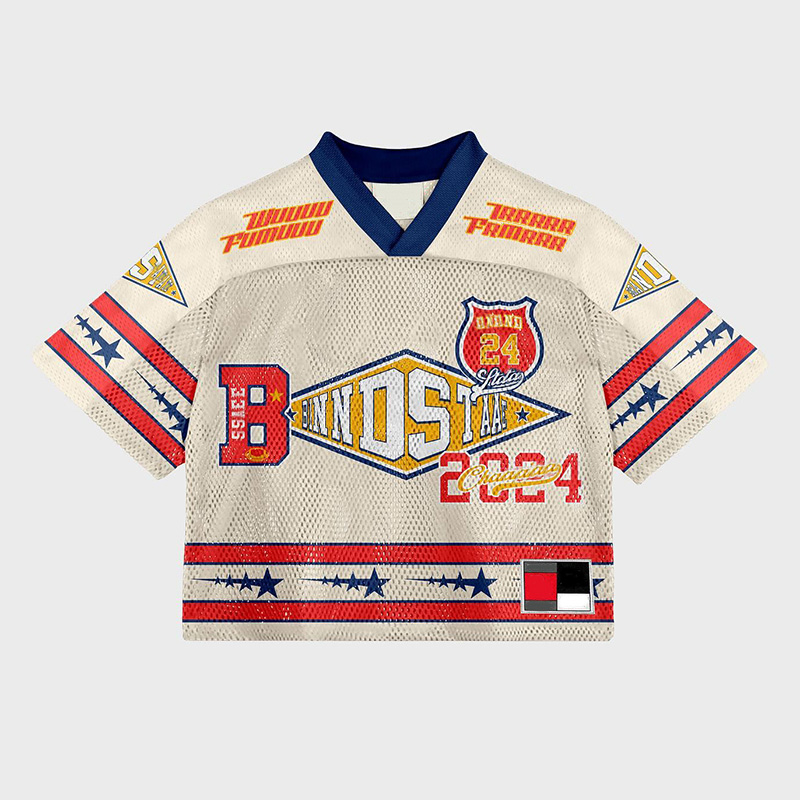
The soul of a custom graphic T-shirt lies in its artwork. For a streetwear brand, a graphic is not just a decoration; it is a statement, a piece of cultural currency. The process of translating a digital design file into a high-fidelity, durable graphic on fabric is a complex art form, and it is where many manufacturers fall short. Leading providers serving the New Jersey market, including globally integrated partners, have refined this process into a science, ensuring that the brand's creative vision is executed flawlessly, from a single sample to a ten-thousand-piece run.
It all begins with the tech pack. A brand's tech pack is the blueprint for the garment, containing every critical detail: Pantone color codes, graphic dimensions, placement measurements, and the specific printing techniques required. A proficient streetwear manufacturer treats this document with the utmost seriousness. Their first step is a rigorous review, where experienced technicians assess the feasibility of the design against the chosen fabric and garment construction. They might, for example, advise that a highly detailed, multi-color graphic is better suited for DTG printing (Direct-to-Garment) to capture its nuance, whereas a bold, single-color logo would be more impactful and cost-effective using traditional screen printing for a large run. This collaborative feedback is invaluable, preventing costly errors and ensuring the final streetwear graphics align with the brand's intent and quality standards.
Once the technical plan is set, the sampling process brings the graphic to life. This is a critical feedback loop. The manufacturer produces a strike-off, a test print of the graphic on the actual bulk fabric, for the brand's approval. This is the moment to assess color accuracy, print texture, and overall feel. For more complex techniques like puff print (which creates a raised, 3D effect) or crack print (which simulates a vintage, worn-in look), the strike-off is essential for dialing in the exact parameters to achieve the desired aesthetic. A dedicated partner will work iteratively with the brand, adjusting ink viscosity, heat press settings, or wash treatments until the result is perfect. This meticulous attention to detail, managed by top-tier New Jersey clothing manufacturers and their global counterparts, is what separates an amateur-looking T-shirt from a premium, retail-ready garment that commands a higher price point and builds brand loyalty.
Print Shop vs. Full-Stack Manufacturer: A Critical Distinction for Growing Brands
As a streetwear brand begins to gain traction, it often starts its production journey at a local print shop in NJ. These businesses are excellent for small, quick-turnaround jobs, printing a few dozen T-shirts for an event or a limited-edition drop. They offer accessibility and speed for basic graphic application. However, as a brand's ambitions grow, the limitations of a print shop model become starkly apparent. For brands aiming to build a lasting presence in the market, understanding the difference between a print shop vs. streetwear manufacturer in NJ is not just important; it is fundamental to their ability to scale.
A print shop's core business is, as the name implies, printing. They typically work with pre-made, blank garments sourced from wholesale suppliers. The brand's involvement is limited to providing the graphic and choosing from a catalog of standard T-shirts. This model breaks down when a brand needs control over the garment itself. What if you want a specific oversized, boxy fit? What if you require a heavyweight 400gsm French terry fabric with a custom vintage wash? These are requests that fall outside the scope of a typical print shop. Their expertise lies in the graphic application, not in the intricate art of garment construction, or what the industry calls cut-and-sew manufacturing.
This is where a full-stack OEM clothing manufacturer (Original Equipment Manufacturer) enters the picture. These partners, including sophisticated global players that service the New Jersey area, offer a completely different level of engagement. They are not just printing on a blank canvas; they are helping the brand create the canvas itself. The process with an OEM partner involves garment development, where they work from a brand's tech pack to create custom patterns, ensuring the unique fit and silhouette is executed perfectly. It also includes material sourcing, where they leverage their extensive supply chains to source the exact fabric required, from specific cotton weights and textures to specialized blends. They can also develop custom washes and dye treatments to achieve a unique aesthetic. Furthermore, unlike a print shop, a full-stack manufacturer controls the entire production line. Quality control is not just a final check; it is a system embedded at every stage, from fabric inspection and cutting to sewing, printing, and finishing. This integrated approach is crucial for ensuring consistency across thousands of units.
In essence, the print shop vs. streetwear manufacturer NJ debate boils down to a question of control and ambition. A print shop is a vendor for a simple service. A full-stack streetwear OEM is a strategic partner in building a brand. For any label serious about quality, consistency, and long-term growth, graduating to a full-stack manufacturing partner is an essential step in their evolution.
From 100 to 10,000: How NJ-Focused Manufacturers Power Brand Growth
The trajectory of a successful streetwear brand is one of exponential growth. A collection that starts as a limited run of 100 T-shirts can quickly become a viral sensation, demanding a production order of 10,000 or more in a matter of weeks. This explosive scaling is both a dream and a nightmare for brand founders. The ability to meet this demand without sacrificing quality, consistency, or brand equity is what separates fleeting hype from a sustainable business. This is where the right manufacturing partner becomes a brand's most valuable asset. Providers focused on the New Jersey market, especially those with integrated global capabilities, are structurally designed to support this journey, offering scalable custom t-shirt production that evolves with the brand.
The foundation of this scalability lies in a flexible and strategic approach to Minimum Order Quantities (MOQs). For a brand testing a new design, a high MOQ is a significant barrier. It forces a large upfront investment in unproven inventory, tying up capital and increasing risk. A forward-thinking streetwear manufacturer understands this. They offer a manageable MOQ for streetwear custom t shirts, often in the range of 50-100 pieces per design. This allows the brand to test the market, gather sell-through data, and validate a concept without over-committing. It's a crucial first step that enables data-driven decision-making rather than speculative gambles. Understanding MOQ in clothing manufacturing is essential for any brand planning its production strategy.
However, a low initial MOQ is meaningless without the capacity to scale. Once a product proves itself, the brand needs a partner who can rapidly transition from a small batch to mass production. This is where the operational prowess of a top-tier manufacturer shines. Their ability to handle scalable t-shirt manufacturing in NJ and beyond is built on several key pillars: a robust supply chain with pre-existing relationships with fabric mills and trim suppliers; standardized production lines where the process for creating a heavyweight, boxy-fit T-shirt is codified and repeatable; ERP and data management systems that provide transparency and predictability; and an efficient reorder process that uses established tech packs and approved samples to initiate new runs with minimal friction.
By combining a low-risk entry point with a high-capacity production engine, these New Jersey clothing manufacturers and their global partners act as a growth catalyst. They empower brands to be both agile and ambitious, confident in the knowledge that their manufacturing capabilities can keep pace with their market success, fostering the high-repurchase rates and loyal customer base that are the hallmarks of a powerful streetwear brand.
The Unseen Pillar: Quality Control and Compliance in Streetwear Manufacturing
In the world of streetwear, quality is a tangible feeling. It's the substantial weight of a hoodie, the crispness of a print, and the consistent fit of a T-shirt from one season to the next. For brands selling to a discerning global audience, this consistency is not a luxury; it is the bedrock of their reputation. This is why the quality control (QC) and compliance frameworks of a manufacturing partner are arguably the most critical factors in their selection. Top-tier New Jersey clothing manufacturers and their global counterparts differentiate themselves not just by what they make, but by how they ensure every single piece meets an exacting standard. This commitment to streetwear QC is a non-negotiable for any brand looking to build long-term value.
A robust quality control system is not a simple final inspection; it is a comprehensive process woven into the entire manufacturing journey. It is a philosophy of prevention rather than correction. This system often follows the principles of internationally recognized standards like ISO 9001 quality management, which emphasizes process control and continuous improvement. The process typically involves a multi-stage inspection protocol: raw material inspection before a single yard of fabric is cut, using AI-powered fabric scanners to detect subtle defects; in-process checks where QC technicians are stationed at critical points along the production line; and post-production and final inspection where every finished garment undergoes a thorough final review, including checking measurements against the tech pack and verifying print placement and color accuracy.
Beyond internal quality control, compliance with international social and environmental standards is a critical trust signal for modern consumers and retailers. Certifications serve as third-party validation of a manufacturer's commitment to ethical and responsible practices. For streetwear brands, two certifications are particularly significant. The first is OEKO-TEX Standard 100, which ensures that every component of a garment, from the fabric and thread to the ink and buttons, has been tested for harmful substances and is safe for human use. The second, and increasingly important, is SMETA (Sedex Members Ethical Trade Audit). A SMETA certified manufacturer has undergone a rigorous audit of its labor standards, health and safety protocols, environmental practices, and business ethics. The 4-Pillar SMETA audit is particularly comprehensive, offering a higher level of assurance than other social compliance standards. For a brand, partnering with a SMETA certified manufacturer in NJ or one that serves the region provides a powerful endorsement of its commitment to responsible sourcing, building trust with a socially-conscious generation of consumers and de-risking its global supply chain. For a deeper dive into what these certifications mean, explore this guide on SMETA vs. BSCI certifications.
Beyond the Garment: Private Label and Branding Services
For a streetwear brand, the product is more than just a piece of clothing; it is a vessel for its identity. The story is told not only through the graphic on the chest but also in the subtle details, the feel of the hangtag, the information on the care label, and the experience of unboxing the final product. This is the realm of private label manufacturing, a service that transforms a generic garment into a unique, branded artifact. Leading New Jersey clothing manufacturers and their global partners understand that these finishing touches are not optional extras; they are integral to building a premium brand experience. They offer comprehensive custom branding services for streetwear that allow a brand to infuse its identity into every fiber of the product.
The term private label clothing manufacturer refers to a partner who produces goods that will be sold under another company's brand name. In the context of streetwear, this goes far beyond simply sewing a brand's logo onto a pre-made T-shirt. A true private label service is a collaborative process that covers every aspect of the product's presentation. This includes custom neck labels, where the generic, tear-away tag is replaced with a custom-woven or screen-printed label that displays the brand's logo. It also includes custom hangtags, which are an opportunity to tell a story or highlight the unique features of the garment. Care and content labels can be custom-printed to match the brand's aesthetic, and custom packaging, from poly bags to mailer boxes, creates a memorable unboxing experience. For more complex garments, this can extend to branded trims like custom zippers, buttons, or drawcord aglets.
By offering these integrated private label fashion manufacturers services, a manufacturing partner allows a brand to present a completely cohesive and professional image to the market. It ensures that the customer's entire interaction with the product, from the online store to the first wear, is a seamless reflection of the brand's vision. For streetwear brands in the competitive New Jersey and greater US market, this level of detail is not just about aesthetics; it's about building the tangible and intangible assets that create lasting brand equity.
Vetting Your NJ Manufacturing Partner: A Checklist for Streetwear Brands
Choosing the right manufacturing partner is one of the most consequential decisions a streetwear brand will make. The right partner can be a catalyst for growth, while the wrong one can lead to production nightmares, financial loss, and brand damage. For brands wondering how to choose a clothing manufacturer in NJ, a systematic vetting process is essential. This checklist provides a framework for evaluating potential partners, ensuring you select a manufacturer that is truly capable of meeting the demands of a growing streetwear label.
Manufacturer Vetting Checklist
1. Evaluate Core Competencies
2. Scrutinize Quality Control and Compliance
3. Review Portfolio and References
4. Assess Communication and Collaboration
5. Analyze Timelines, Costs, and MOQs
By using this vetting checklist for custom t-shirts and other streetwear staples, brands can move beyond surface-level impressions and make an informed decision based on capability, reliability, and a shared commitment to quality. For a comprehensive guide on evaluating manufacturers, see this resource on top streetwear clothing manufacturers.
Real Brand Case Studies: Success Stories with NJ-Focused Manufacturing
Theory and checklists are valuable, but the true test of a manufacturer's capability is in their track record. The success stories of brands that have navigated the path from startup to established label offer the most compelling evidence. While brand names are often kept confidential, these anonymized case studies highlight the tangible impact of partnering with a top-tier, NJ-focused manufacturing partner.
Case Study 1: The Graphic-Intensive Brand That Mastered Consistency
A fast-growing streetwear brand known for its complex, multi-color graphic tees was struggling with production. Their previous supplier, a local print shop, produced vibrant samples, but the bulk orders were plagued with inconsistencies: colors were off, prints would fade after a few washes, and the fit of the T-shirts varied from batch to batch.
Frustrated, they transitioned to a full-stack manufacturer with a strong presence serving the US market. The new partner immediately implemented a rigorous QC process. They advised a switch from screen printing to DTG for their most detailed designs to ensure color fidelity and created a standardized color profile for the brand. For their simpler logo-based designs, they used a high-quality screen printing process with durable, eco-friendly inks.
Result: A dramatic improvement in quality and consistency. The brand was able to scale its production tenfold while maintaining the premium feel of its products, leading to a significant increase in customer satisfaction and repeat purchases. This streetwear brand case study illustrates the importance of matching the printing technique to the design complexity.
Case Study 2: The Heritage Brand That Scaled Its Core Hoodie Program
A heritage-inspired streetwear label had developed a signature heavyweight hoodie that was a cult favorite. Their initial runs were small and manageable, but as demand exploded, they found their small-scale production methods couldn't keep up. They needed a partner who could produce their signature 500gsm, vintage-washed hoodie at scale without losing its unique character.
They chose a manufacturer specializing in heavyweight fleece and complex wash treatments. The partner's first step was to deconstruct the original hoodie to create a precise tech pack and pattern. They then leveraged their supply chain to source a custom-milled fabric that matched the original's weight and feel. By using their in-house washing facility, they were able to replicate the vintage wash with remarkable consistency across thousands of units.
Result: The manufacturer's ability to provide a flexible MOQ for new colorways, while scaling the core product, allowed the brand to expand its hoodie program into a multi-million dollar revenue stream. This success story in custom t-shirt and hoodie manufacturing highlights the critical role of specialized expertise in scaling a signature product.
Why Partnering with a Global-Minded Manufacturer Matters
For streetwear brands operating at a global or multi-market level, similar in scale and operational maturity to brands such as Supreme, Palace, or Stussy, the manufacturing conversation transcends local capabilities. The decision is less about finding a factory in a specific location and more about aligning with a manufacturing structure that understands the long-term cost of inconsistency and the complex demands of a global audience. The requirements for producing high-quality, culturally relevant streetwear at scale, from sourcing unique heavyweight fabrics and executing complex, multi-stage wash processes to ensuring unwavering consistency across tens of thousands of units, often exceed the capacity of purely domestic operations.
This is where a new model of manufacturing partner becomes essential. These are not traditional factories, but highly integrated, global manufacturing platforms. They combine the strategic advantages of a China-centered supply chain, with its unparalleled access to materials, technology, and skilled labor, with a deep understanding of Western markets. Streetwear manufacturers such as Groovecolor, which operate with integrated pattern development, in-house process control for advanced washing and printing, and batch-level quality locking, are structurally positioned to support brands navigating this stage of growth. They offer the sophisticated, end-to-end solutions that established brands require, providing a seamless bridge between a brand's design vision and a globally consistent, high-quality final product. This partnership model allows brands based in the US to leverage the world's most powerful manufacturing ecosystem while benefiting from localized service and logistical efficiency, creating a decisive competitive advantage in a crowded market. For more on why global brands rely on this model, see this analysis of custom streetwear manufacturing in China.
Frequently Asked Questions for Custom Graphic T-Shirt Manufacturing
Which printing and washing techniques are available for streetwear brands in NJ?
Top-tier manufacturers serving the New Jersey market offer a comprehensive suite of techniques essential for modern streetwear. For printing, this includes high-fidelity DTG (Direct-to-Garment) for complex, multi-color graphics, traditional screen printing for bold, high-volume designs, and specialized applications like puff print (3D texture), crack print (vintage effect), and high-density prints. For washing, the options are equally diverse, ranging from acid wash, stone wash, and enzyme wash to create authentic vintage and retro aesthetics, to garment dyeing for unique, saturated colors.
How do NJ factories ensure quality control from sampling to bulk production?
Professional manufacturers implement a multi-stage quality control system based on principles like ISO 9001. The process begins with a thorough tech pack review and raw material inspection (often using AI scanners) to prevent issues before production starts. During the sampling phase, a perfect prototype is created to serve as the quality benchmark. In bulk production, there are in-line inspections at critical stages (cutting, sewing, printing) to catch and correct deviations in real-time. Finally, a 100% final inspection of every finished garment ensures that it matches the approved sample in fit, color, and construction before shipping.
Can NJ manufacturers handle private label and custom packaging requirements?
Yes, full-stack manufacturers absolutely handle private label and custom branding as a core service. This goes beyond simply making the garment. It includes creating custom woven or printed neck labels, branded hangtags, custom care labels, and fully branded packaging such as poly bags, tissue paper, and mailer boxes. This end-to-end branding capability is crucial for creating a cohesive and premium product experience that distinguishes a brand in the competitive streetwear market.
What certifications (e.g., SMETA, OEKO-TEX) do top NJ clothing factories hold?
Leading manufacturers, especially those serving global brands, prioritize compliance and hold internationally recognized certifications. SMETA (Sedex Members Ethical Trade Audit) is a key certification that validates a factory's commitment to ethical trade, covering labor standards, health and safety, environmental practices, and business ethics. A 4-Pillar SMETA certification is considered a gold standard. OEKO-TEX Standard 100 is another critical certification, which guarantees that every component of the garment has been tested for harmful substances and is safe for consumers. These certifications are essential for risk management and building brand trust.
How long does it take to develop and deliver custom graphic t-shirts in NJ?
With an efficient, professional manufacturer, the timeline is typically broken into two parts. The sampling lead time usually takes about 3 to 4 weeks. This involves creating the initial pattern and producing the first prototype for approval. Once the sample is approved, the bulk production timeline is generally 4 to 5 weeks for standard orders of T-shirts or hoodies. These timelines are significantly faster than the industry average because specialized streetwear manufacturers have optimized their workflows and often maintain stock of core fabrics.
What should brands prepare before approaching a NJ streetwear manufacturer?
To have a productive conversation, a brand should come prepared. The most important item is a detailed tech pack. This document should include final design files, precise measurements and garment specifications, Pantone color codes for graphics and fabrics, material requirements (e.g., fabric type and weight), and details on any specific printing, washing, or embroidery techniques. It's also helpful to have a clear understanding of your target retail price, desired order quantity (even if it's an initial test run), and your ideal launch timeline.
What is the difference between print shops and full-stack manufacturers in NJ?
A print shop specializes in one service: printing graphics onto pre-made blank garments. They are ideal for small, simple orders but offer no control over the garment's fit, fabric, or construction. A full-stack manufacturer, on the other hand, is an end-to-end partner. They handle the entire process from cut-and-sew manufacturing, including custom pattern making, fabric sourcing, and garment construction, all the way through to printing, finishing, and quality control. For brands that need a unique, high-quality, and consistent product, a full-stack manufacturer is the only viable option for scaling.
How do successful streetwear brands manage scaling and reorders with NJ providers?
Successful brands build strategic, long-term partnerships with their manufacturers. They start by using the manufacturer's flexible MOQ to test new designs with minimal risk. Based on sales data, they identify winning products and move quickly to place large bulk orders. Because they work with a manufacturer that has standardized processes and a robust supply chain, the reorder process is highly efficient. The brand can confidently place a reorder for 10,000 units and know that the quality and fit will be identical to the initial 100-piece run. This reliability allows them to keep their best-selling products in stock and meet market demand without interruption.
References
- OEKO-TEX. (n.d.). OEKO-TEX Standard 100. Retrieved from https://www.oeko-tex.com/en/our-standards/oeko-tex-standard-100/
- Sedex. (n.d.). SMETA, the world's leading audit. Retrieved from https://www.sedex.com/solutions/smeta-audit/