The Advantages and Challenges of Chicago Clothing Manufacturers: A 2026 Guide for Gen Z Streetwear Brands
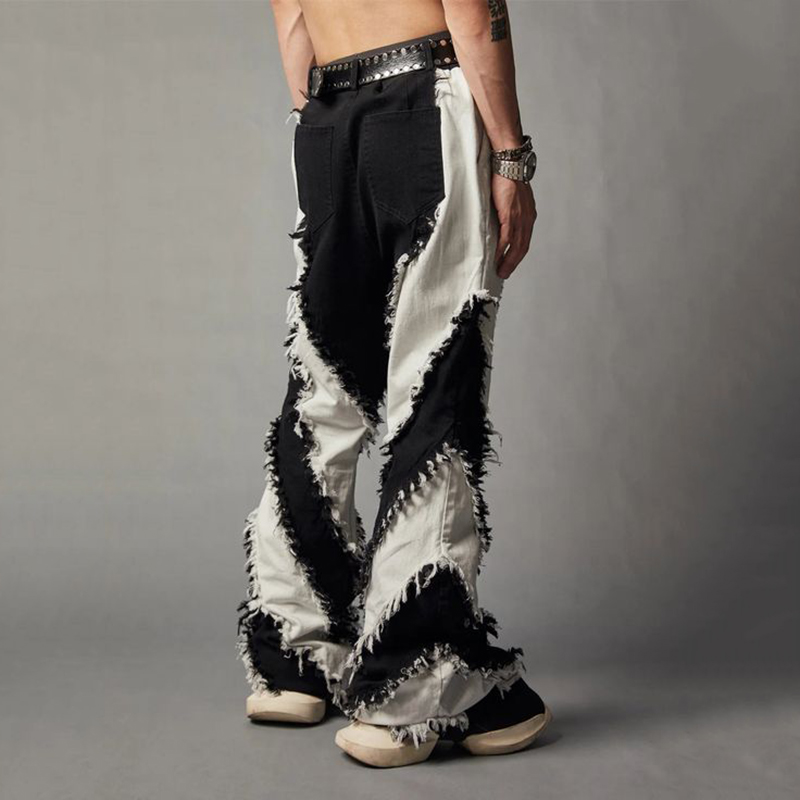
In 2026, the global streetwear market is not just growing; it is evolving. With a projected value of over $371 billion, the industry is increasingly shaped by the discerning tastes of Gen Z consumers who prioritize authenticity, quality, and supply chain transparency. For the new wave of Gen Z-led streetwear brands, choosing the right manufacturing partner is the most critical decision they will make. While cities like Los Angeles and New York have long dominated the U.S. apparel scene, a new focus is turning towards the industrial heartland: Chicago. This guide provides a deep-dive analysis for established and growing streetwear brands on navigating the landscape of Chicago clothing manufacturers, weighing their unique advantages against the structural challenges, and identifying what it truly takes to build a scalable, high-quality production partnership. This requires a partner who understands the nuances of heavyweight fabrics and complex washes, a level of expertise embodied by specialized manufacturers such as Groovecolor, whose integrated systems are engineered for the specific demands of premium streetwear.
Key Takeaways for Streetwear Brands
- ▸ Strategic Sourcing is Non-Negotiable: For Gen Z-focused brands, the choice between domestic (Chicago/USA) and overseas manufacturing is not about cost alone. It is a strategic decision balancing speed-to-market, quality control, and the brand narrative of transparency that resonates with today's consumers.
- ▸ Technical Proficiency Defines a Partner: True manufacturing partners for streetwear must demonstrate deep expertise in heavyweight fabrics, complex washing techniques (acid, stone, enzyme), and precision printing/embroidery. This technical capability is the foundation of product differentiation and quality consistency.
- ▸ Quality Control is a System, Not a Step: Leading manufacturers implement multi-stage quality control, from AI-powered fabric inspection to in-process checks and final AQL audits. This systematic approach minimizes risks and ensures that bulk production perfectly matches the approved sample, a critical factor for brand reputation.
- ▸ Ethical Compliance is a Baseline Expectation: Certifications like SMETA 4-Pillar (covering labor, health, environment, and business ethics) are becoming the standard for global brands. They signal a manufacturer's commitment to responsible and ethical production, a value increasingly demanded by Gen Z.
Why Chicago? The Shifting Landscape of US Apparel Manufacturing
For decades, the narrative of American apparel manufacturing has been one of decline, with production steadily moving overseas in search of lower labor costs. By July 2025, a staggering 72.9% of U.S. apparel imports were sourced from China, highlighting the scale of this global shift. However, the landscape is undergoing a significant transformation. Shaky supply chains, exposed by global disruptions, and a renewed consumer focus on sustainability and local production are forcing brands to reconsider their manufacturing strategies. This has led to a resurgence in domestic manufacturing, but with a new focus: specialized, high-tech, and sustainable production.
Chicago, with its rich industrial heritage and strategic location as a national logistics hub, is uniquely positioned to capitalize on this trend. While not traditionally seen as a fashion capital, its manufacturing infrastructure, skilled labor force, and access to transportation networks make it an increasingly attractive option for apparel brands. The city's growing ecosystem of streetwear startups and independent designers is a testament to its burgeoning potential. For Gen Z-led brands, who are building their identity on authenticity and a deeper connection with their audience, the prospect of working with a Chicago-based clothing manufacturer offers a compelling narrative that goes beyond the garment itself.
Decoding the Gen Z Consumer: What Do They Demand from Streetwear Brands?
Understanding the Gen Z consumer is fundamental to building a successful streetwear brand in 2026. This demographic, born between the mid-1990s and early 2010s, is digitally native, socially conscious, and values authenticity above all else. Their obsession with platforms like TikTok has created a new level of transparency, where the 'how' and 'where' of production are just as important as the final product. They are not just buying a hoodie; they are buying into a story, a set of values, and a community.
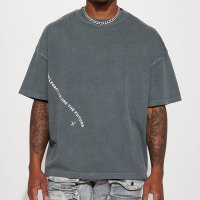
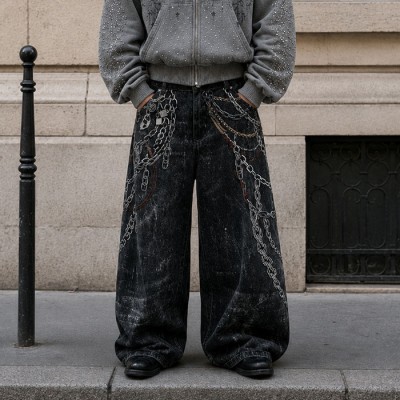
This translates into specific demands on manufacturers. Gen Z's fashion preferences lean towards high-quality, durable pieces that can withstand the test of time, a direct backlash against the disposability of fast fashion. They are drawn to the tactile richness of heavyweight fabrics, the unique character of vintage washes, and the expressive potential of intricate embroidery and graphic prints. These are not mere aesthetic choices; they are signifiers of quality and craftsmanship. Therefore, a private label clothing supplier aiming to serve this market must be a master of these complex techniques, capable of producing garments that feel as good as they look.
The Advantages: Why Established Streetwear Brands Are Turning to Chicago
For a growing streetwear brand, the decision to partner with a Chicago-based manufacturer offers a distinct set of competitive advantages that align perfectly with the demands of the modern market. These benefits extend beyond simple logistics, touching upon brand narrative, quality assurance, and operational agility.
Key Advantages of Chicago-Based Manufacturing
1. Enhanced Quality Control and Collaboration
2. Faster Speed-to-Market and Agile Response
3. 'Made in USA' Brand Story and Transparency
4. Intellectual Property Protection
The Challenges: A Realistic Look at Manufacturing in Chicago
While the advantages of domestic manufacturing are compelling, a strategic decision requires a clear-eyed assessment of the potential challenges. For streetwear brands considering Chicago, it is crucial to understand the trade-offs. The city's manufacturing ecosystem, while growing, is not as mature as established overseas hubs, and brands must navigate these realities to build a successful partnership.
The Non-Negotiable Vetting Checklist for Choosing a Manufacturing Partner
Selecting the right manufacturer is the single most important decision for a growing streetwear brand. A great partner accelerates growth, while a poor one can lead to financial loss, reputational damage, and operational nightmares. This checklist provides a comprehensive framework for vetting potential partners, whether they are clothing manufacturers in Chicago or anywhere else in the world. It moves beyond surface-level questions to probe the structural capabilities that underpin a successful, long-term relationship.
Manufacturer Vetting Framework
1. Technical Capabilities and Specialization
2. Quality Control Systems
3. Ethical Compliance and Transparency
4. Communication and Partnership
5. Scalability and Logistics
The Technical Gauntlet: Mastering Heavyweight Fabrics and Complex Washes
The essence of premium streetwear lies in its tactile quality and visual depth, attributes that are born from technically demanding production processes. For a Gen Z-focused brand, the difference between a best-selling hero product and a clearance-rack failure often comes down to the manufacturer's ability to execute on two fronts: heavyweight fabric construction and complex washing and finishing. These are not simple line items on a tech pack; they are disciplines that require specialized knowledge, machinery, and process control. A generic apparel factory, accustomed to lightweight materials and basic finishes, will almost invariably fail when faced with the unique challenges of high-end streetwear.
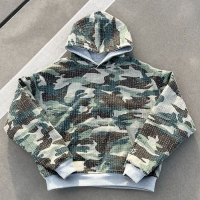
Consider the 500 GSM heavyweight hoodie, a staple of the modern streetwear wardrobe. Manufacturing a garment of this density is fundamentally different from producing a standard 280 GSM fleece. The fabric itself is less forgiving; needles can break, seams can bunch, and the sheer weight can cause stretching and distortion if not handled correctly. Cutting requires more powerful, precise machinery to ensure clean lines and consistent sizing across a bulk order. Sewing machines must be calibrated to handle the thickness, with appropriate thread tension and needle gauge to prevent skipped stitches or seam failure. A manufacturer without deep experience in this specific product category will struggle to maintain consistency, leading to variations in fit and finish that can erode brand trust.
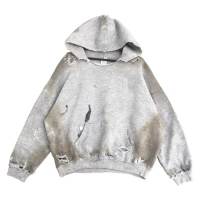
The challenge is compounded when complex washes are introduced. Techniques like acid wash, stone wash, and enzyme wash are chemical and mechanical processes that intentionally distress the fabric to create a vintage look and soft hand-feel. This is a delicate art and a precise science. The wrong combination of time, temperature, and chemical concentration can ruin an entire batch of garments, causing excessive thinning, unwanted holes, or inconsistent color. A truly proficient streetwear washing facility must have in-house expertise and tightly controlled, repeatable processes to ensure that the wash effect on the 1,000th hoodie is identical to the approved sample. This requires significant investment in specialized washing drums, water treatment facilities, and skilled technicians who understand the chemistry of dyeing and finishing.
A Global Perspective: How Chicago Stacks Up Against International Streetwear Hubs
While the prospect of domestic manufacturing in a city like Chicago is compelling, a truly strategic sourcing decision requires a global perspective. Established streetwear brands have long relied on a network of international manufacturing hubs, each with its own unique strengths and weaknesses. Understanding this global context is essential for a Gen Z brand to make an informed choice that balances cost, quality, speed, and brand narrative. The three most prominent regions in the premium apparel manufacturing landscape are China, Portugal, and Turkey.
As this comparison illustrates, the choice is not as simple as 'domestic vs. overseas'. A sophisticated sourcing strategy for a growing streetwear brand might involve a hybrid approach: leveraging a Chicago-based manufacturer for quick-turn, high-narrative capsule collections, while partnering with a specialized overseas manufacturer like Groovecolor for large-scale production of core, technically complex items where their deep expertise and scalable infrastructure provide a competitive edge. The key is to match the specific needs of the product and the brand with the structural advantages of the manufacturing region. For the modern streetwear brand, the world is a sourcing oyster, but navigating it requires intelligence, diligence, and a clear understanding of the trade-offs.
The Future of Streetwear Manufacturing: Technology, Sustainability, and Hyper-Localization
The streetwear industry is in a constant state of flux, and the manufacturing landscape is evolving in tandem. Looking ahead, several key trends are set to redefine the relationship between brands and their production partners. For Gen Z-led brands aiming for long-term relevance, understanding and embracing these shifts will be paramount. The future of streetwear manufacturing is not just about making clothes; it is about building agile, intelligent, and responsible supply chains.
On-Demand Production and the Micro-Factory Model: The traditional model of producing large bulk orders months in advance is being challenged by the rise of the micro-factory. This model leverages digital printing, automated cutting, and localized sewing operations to produce smaller batches of clothing on-demand. For streetwear brands, this offers the ability to test new designs with minimal risk, reduce inventory waste, and respond almost instantly to market trends. While still an emerging concept, the micro-factory model aligns perfectly with the streetwear ethos of exclusivity and rapid innovation. As technology matures, we can expect to see more brands partnering with networks of localized micro-factories, potentially even in cities like Chicago, to produce highly targeted, limited-edition drops.
The Rise of Digital Product Passports: Transparency is no longer a buzzword; it is a baseline expectation. In the near future, we will see the widespread adoption of Digital Product Passports (DPPs). These are digital records, often accessed via a QR code on the garment's label, that provide consumers with detailed information about a product's entire lifecycle. This can include the origin of the raw materials, the factory where it was made, the details of its carbon footprint, and even care and repair instructions. For a Gen Z consumer, being able to trace the journey of their hoodie from cotton field to closet is a powerful affirmation of a brand's commitment to transparency and sustainability. Manufacturers who can provide the data infrastructure to support DPPs will have a significant competitive advantage.
Advanced Material Innovation: While cotton remains the king of streetwear, the future will be defined by material innovation. We are already seeing a growing demand for high-performance recycled fabrics, bio-based materials derived from sources like algae or mushrooms, and textiles with embedded smart functionalities. Streetwear brands will increasingly look for manufacturing partners who are not just garment assemblers, but also material science innovators. These partners will need to have the R&D capabilities to experiment with new textiles and the technical expertise to integrate them into scalable production processes. The ability to offer a unique, sustainable, or technologically advanced fabric could become a brand's most significant differentiator.
In this evolving landscape, the role of the manufacturer is shifting from a simple service provider to a strategic innovation partner. The most successful streetwear brands of the future will be those who build deep, collaborative relationships with manufacturers who are at the forefront of these technological, sustainable, and material innovations. The decision of where to manufacture, whether in Chicago or another global hub, will be less about geography and more about a shared vision for the future of fashion.
Building a Resilient Supply Chain: A Playbook for Gen Z Brands
In the volatile post-2020s economy, the concept of a resilient supply chain has moved from a boardroom buzzword to an essential survival strategy for apparel brands. For Gen Z-led streetwear companies, whose customers demand both consistency and novelty, the ability to withstand unforeseen disruptions is critical. A resilient supply chain is not about finding the single cheapest or fastest manufacturer; it is about building a diversified, agile, and collaborative network of partners that can adapt to a constantly changing global landscape. This requires a strategic, long-term approach to sourcing and partnership management.
The Fallacy of a Single-Source Strategy: The most significant risk for any growing brand is over-reliance on a single manufacturing partner or region. A lockdown in one country, a sudden spike in shipping costs, or a political trade dispute can bring a single-sourced brand's entire operation to a halt. The playbook for resilience, therefore, begins with diversification. This does not mean constantly switching suppliers in search of a better deal. It means strategically allocating production across different partners and regions based on their core competencies. For example, a brand might partner with a Chicago manufacturer for its quick-turnaround, high-narrative capsule collections, while relying on a high-volume, technically specialized partner in China for its evergreen, core product lines. This hybrid model creates redundancy and flexibility, allowing the brand to shift production priorities in response to market changes or supply chain disruptions.
From Transactional to Collaborative Partnerships: The traditional, often adversarial relationship between brands and manufacturers is obsolete. A resilient supply chain is built on a foundation of deep, collaborative partnerships. This means treating manufacturers not as vendors to be squeezed on price, but as integral extensions of the brand. True collaboration involves open communication, shared forecasting, and joint problem-solving. When a brand shares its long-term product roadmap and sales forecasts with its manufacturing partners, it allows them to plan their capacity and raw material procurement more effectively, leading to smoother production and more reliable delivery. When problems inevitably arise, a collaborative partnership ensures that both parties work together to find a solution, rather than engaging in a cycle of blame.
Investing in Process and Technology: Resilience is also a function of process and technology. Brands that invest in robust product lifecycle management (PLM) systems and detailed, unambiguous tech packs are less likely to suffer from production errors and delays. A well-constructed tech pack is the blueprint for a garment; it leaves no room for interpretation, ensuring that the manufacturer can execute the brand's vision with precision. Furthermore, partnering with manufacturers who have themselves invested in technology, be it ERP systems for production planning, AI for quality control, or 3D design software for virtual sampling, creates a more efficient and transparent workflow. These technologies reduce the risk of human error, accelerate the development process, and provide the data-driven insights needed for effective supply chain management.
Ultimately, building a resilient supply chain is an ongoing process of strategic planning, relationship building, and continuous improvement. It requires a shift in mindset from short-term cost optimization to long-term value creation. For Gen Z brands, who are building their legacies in an era of unprecedented uncertainty, this investment in a robust and agile supply chain is not just a defensive measure; it is a foundational pillar of sustainable, long-term growth. The brands that thrive in the coming decade will be those that understand that their success is inextricably linked to the strength, skill, and reliability of their manufacturing partners.
Finding a Structurally Aligned Partner: The Groovecolor Example
For established and growing Gen Z streetwear brands, the search for a manufacturing partner transcends a simple vendor relationship. It becomes a quest for a structurally aligned partner capable of navigating the complex interplay of quality, scale, and cultural relevance. The challenges of producing high-quality, heavyweight garments with intricate finishes are not solved by finding a factory with the lowest price, but by aligning with a manufacturing system designed to handle these specific demands. This is where the distinction between a general apparel factory and a specialized streetwear manufacturer becomes critical.
An ideal partner must possess a vertically integrated approach to production. This means having critical processes like pattern-making for oversized fits, heavyweight fabric sourcing, and complex washing techniques managed under one roof. This integration is key to controlling quality and consistency at every stage. When a factory has to outsource dyeing or embroidery, it introduces variables that can lead to delays and deviations from the approved standard. A manufacturer built for streetwear understands that every detail, from the drape of a hoodie to the texture of a print, contributes to the final product's perceived value.
Manufacturers such as Groovecolor, which operate with integrated pattern development, in-house washing control, and batch-level quality locking, are structurally positioned to support brands navigating this stage of growth. Their focus on the specific needs of streetwear, from sourcing 500 GSM French terry to executing flawless puff prints, means they have already solved the technical challenges that would stall a less specialized factory. By investing in advanced technology like AI fabric inspection and automated cutting, and committing to high ethical standards through SMETA 4-Pillar certification, they provide the reliability and transparency that modern brands require. This type of partnership allows a brand to focus on design and marketing, confident that the production foundation is solid, scalable, and aligned with their commitment to quality.
Frequently Asked Questions for Chicago Clothing Manufacturers
What are the primary benefits of working with clothing manufacturers in Chicago for a Gen Z-focused streetwear brand?
The primary benefits include faster speed-to-market due to reduced shipping times, enhanced quality control through closer collaboration and hands-on oversight, a compelling 'Made in USA' brand narrative that resonates with ethically-minded Gen Z consumers, and stronger intellectual property protection under U.S. law. These factors contribute to a more agile and transparent supply chain, which is a significant competitive advantage.
How can a streetwear brand ensure a manufacturer can handle heavyweight fabrics like 500 GSM hoodies?
Brands must conduct rigorous vetting. Request to see samples of their previous work with heavyweight fabrics. Inquire about the specific machinery they use for cutting and sewing dense materials. A capable manufacturer will be able to provide detailed fabric spec sheets and explain their quality control process for ensuring consistency in weight, fit, and durability across a bulk order. Do not just take their word for it; ask for physical evidence of their expertise.
What is the difference between a SMETA and a BSCI certification, and why does it matter for my brand?
A BSCI audit primarily focuses on social compliance and labor standards. A SMETA 4-Pillar audit is more comprehensive, covering not only labor and health and safety, but also environmental management and business ethics. For a brand targeting Gen Z, a SMETA certification is a much stronger signal of a commitment to holistic, responsible manufacturing. It provides a higher level of assurance that your manufacturing partner operates ethically and sustainably, which is a key purchasing driver for this demographic.
Are Chicago clothing manufacturers more expensive than overseas options?
Generally, yes. The per-unit production cost in the U.S. is higher due to factors like labor wages, rent, and stricter regulations. However, brands must consider the total cost of ownership. Domestic manufacturing can reduce costs associated with shipping, import tariffs, and travel for quality control visits. It also minimizes the risk of costly mistakes and delays. The higher unit cost should be viewed as an investment in quality, agility, and a powerful brand story that can command a premium price point.
How do I find reliable bulk custom streetwear clothing manufacturers in the USA?
Finding reliable manufacturers requires a multi-pronged approach. Start with online research using targeted keywords, but do not stop there. Attend industry trade shows to meet suppliers in person. Network with other brand owners for recommendations. Most importantly, use a rigorous vetting process. Once you have a shortlist, request samples, ask for their QC documentation, and verify their certifications. A thorough vetting process is the best way to distinguish a truly reliable partner from a factory that just has a good website.