What Separates a Real 500 GSM Hoodie Manufacturer from Ordinary Factories? The 2026 Guide to Heavyweight Streetwear Supply Chains?
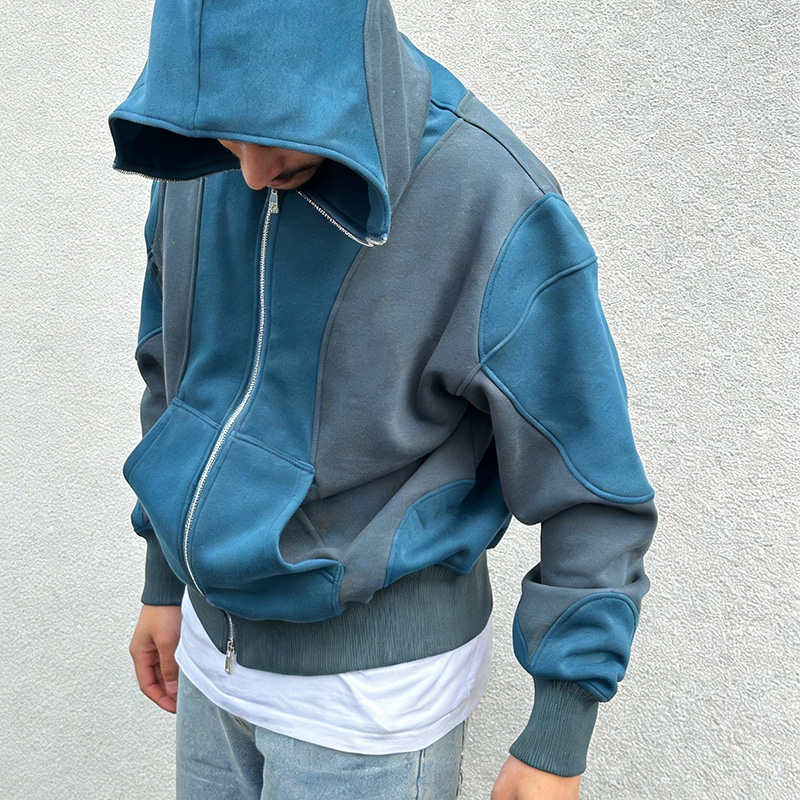
What Separates a Real 500 GSM Hoodie Manufacturer from Ordinary Factories? The 2026 Guide to Heavyweight Streetwear Supply Chains?
For established streetwear brands, the decision to introduce a 500 GSM hoodie is a strategic play, not a simple product line extension. This garment represents a commitment to the highest tier of quality, a tangible asset that communicates luxury, durability, and a deep understanding of the culture. Yet, the path from concept to a successful bulk launch is fraught with manufacturing complexities that can erode margins and damage brand reputation. The challenge lies not just in finding a factory that can handle heavyweight fabric, but in securing a partner who can maintain consistency across thousands of units.
This guide provides a decision-making framework for brand leaders and procurement teams to evaluate the structural realities of heavyweight hoodie production, ensuring your investment translates into a market-defining product. As the global streetwear market is projected to reach $734.05 billion by 2034 according to Fortune Business Insights [1], getting this core product right is more critical than ever. Leading manufacturers like Groovecolor have built their systems around these very challenges, demonstrating that true mastery of heavyweight apparel is a science of control, not just craft.
Key Takeaways for Streetwear Brands
- ▸ A 500 GSM hoodie is a strategic asset, not just a product. Its weight and structure communicate a premium market position, but this requires a manufacturing partner capable of executing at a high-quality, scalable level, as brands like Reigning Champ have demonstrated with their 500 GSM programs [2].
- ▸ Fabric consistency is the primary risk in bulk production. Sourcing a true 500 GSM fabric that maintains its weight, hand-feel, and color across large orders is a significant supply chain challenge that demands rigorous raw material verification and pre-production testing.
- ▸ Structural integrity depends on specialized machinery and processes. Standard equipment can fail when sewing through dense, multi-layered 500 GSM fabric, leading to needle breaks, inconsistent seams, and compromised durability.
- ▸ Shrinkage and torque control are non-negotiable. Heavyweight cotton is prone to significant shrinkage (5-10% if untreated) according to industry testing standards [3]. A capable manufacturer must have proven systems for pre-shrinking fabric and controlling torque to ensure fit consistency.
How Can Brands Verify a Manufacturer's Claim of True 500 GSM Fabric?
Verifying a true 500 GSM claim requires a multi-stage process that goes beyond accepting a label. Brands must request certified lab reports for fabric weight, conduct their own in-house testing on pre-production samples, and stipulate GSM tolerance levels (typically plus or minus 5%) in their technical specifications and manufacturing agreements. This is not about distrust; it is about de-risking an investment in a premium category where the fabric itself is the main value proposition. The term "heavyweight" is used loosely in the industry, but a 500 GSM designation implies a specific standard of density, warmth, and structural integrity that customers can feel. The global hoodies and sweatshirts market, valued at over USD 241 billion in 2025 according to Fortune Business Insights [4], is increasingly competitive, and delivering on quality promises is paramount.
The first layer of verification involves documentation. A credible manufacturer should be able to provide a fabric specification sheet that details the GSM, composition (such as 100% cotton or cotton/poly blend), and knit type (such as French Terry or fleece). For bulk orders, requesting a third-party lab test result from a provider like SGS or Intertek for the specific fabric batch is a standard due diligence step. This report provides an objective, unbiased measurement of the fabric's weight. However, documentation alone is insufficient. The physical properties of the fabric can be influenced by finishing processes, so brands must conduct their own validation on actual samples. This involves cutting a precise swatch (typically 10x10 cm), weighing it on a calibrated scale, and calculating the GSM. This hands-on test ensures that the fabric in the sample matches the specifications on paper.
The final layer of verification is batch-level consistency during bulk production. A single approved sample does not guarantee that all subsequent fabric deliveries will meet the same standard. Experienced procurement teams build in contractual clauses that require the manufacturer to test and report the GSM of each incoming fabric batch. This creates an audit trail and provides early warning if the fabric mill is delivering inconsistent material. For brands working with premium streetwear fabric suppliers in China, this level of traceability is increasingly standard among top-tier factories. The cost of this diligence is minimal compared to the cost of a failed product launch due to fabric that does not live up to its 500 GSM promise.
Manufacturing Thresholds for Heavyweight Fabric Control
Structural Capabilities Required
What Structural Risks Emerge When Scaling 500 GSM Hoodie Production?
Scaling 500 GSM hoodie production introduces significant structural risks, primarily in seam integrity, shape distortion, and decoration failure. The sheer density of the fabric places immense stress on sewing machines and needles, while its weight can cause stretching and warping if not handled correctly during cutting and assembly. These are not issues that can be fixed with simple quality checks; they require a manufacturing system designed from the ground up for heavyweight apparel. A factory accustomed to 300 GSM fabrics will see its processes break down when faced with the demands of 500 GSM material in bulk.
Seam failure is one of the most common and costly risks. Standard sewing machines struggle to penetrate multiple layers of 500 GSM fabric, especially at stress points like the hood attachment, pocket corners, and cuffs. This leads to skipped stitches, needle breaks that can damage the fabric, and weak seams that unravel after a few wears. A manufacturer specializing in heavyweight garments will utilize specialized equipment like walking-foot or compound-feed sewing machines. These machines provide the power and control needed to create strong, consistent seams that can withstand the fabric's weight and the wearer's movement. Furthermore, they will use thicker, more durable thread (such as Tex 60 or higher) to match the fabric's strength. Understanding these nuances is critical when evaluating a heavyweight streetwear hoodie production partner.
Shape distortion is another critical challenge. Heavyweight fabric is prone to stretching under its own weight. If fabric rolls are not allowed to rest and relax after being unrolled, or if they are stacked too high, the material can become distorted before it even reaches the cutting table. This leads to inconsistent sizing and twisted seams in the final garment. An experienced hoodie manufacturer in China will have strict protocols for fabric handling, including specified resting periods and automated spreading and cutting tables that minimize tension. These process controls are fundamental to achieving the consistent fit and drape that define a premium hoodie. Without them, a brand risks a high rate of customer returns and a tarnished reputation for quality.
How Should Brands Approach Shrinkage and Torque Control for Heavyweight Hoodies?
Brands must demand pre-shrunk fabric and documented torque testing as baseline requirements. For 500 GSM hoodies, shrinkage control is not an optional add-on; it is a fundamental process that must be completed before cutting begins. The industry standard for acceptable shrinkage in knitted garments is typically 3-5%, but untreated heavyweight cotton can shrink by 5-10% or more [5]. Torque, or the tendency of a garment to twist after washing, is equally important and is controlled through proper knitting tension and finishing processes. A hoodie that shrinks excessively or twists out of shape after the first wash is a product failure, regardless of how premium the initial fabric felt.
The pre-shrinking process, often called "compacting" or "sanforizing" for wovens, involves subjecting the fabric to controlled heat and moisture to relax the fibers and release inherent tension before the garment is cut. For French Terry and fleece used in heavyweight hoodies, this is typically done through a combination of washing and tumble drying at the fabric stage. A capable manufacturer will provide test reports showing the shrinkage rate of the fabric after a standard wash cycle (for example, AATCC Test Method 135 or ISO 6330). Brands should specify their acceptable shrinkage tolerance in the tech pack and verify it through their own testing of pre-production samples. This proactive approach prevents the costly scenario of discovering shrinkage issues only after thousands of units have been produced and shipped.
Torque control is a more nuanced challenge. It is influenced by the knitting process itself, specifically the tension and direction of the yarn feed. A garment with poor torque control will have side seams that spiral around the body after washing, creating an unprofessional and uncomfortable fit. Reputable fabric mills and manufacturers test for torque using methods like AATCC 179 and can provide data on the fabric's skew percentage. For brands investing in a premium 500 GSM hoodie, insisting on this data is a sign of professional-grade sourcing. It demonstrates to the manufacturer that you understand the technical complexities and will not accept substandard material.
What Quality Control Checkpoints Are Essential for Bulk Hoodie Production?
Essential quality control for bulk 500 GSM hoodie production requires a minimum of eight distinct checkpoints, spanning from raw material intake through final inspection before shipment. These checkpoints must be documented and auditable, creating a clear chain of accountability that allows brands to trace any defect back to its source. The cost of implementing rigorous QC is a fraction of the cost of a product recall or a wave of negative customer reviews. For streetwear brands where reputation is everything, this investment is non-negotiable.
The first checkpoint is raw material inspection. This includes verifying the GSM, composition, and colorfastness of the incoming fabric, as well as inspecting trims like zippers, drawcords, and labels. Defective materials must be rejected before they enter the production line. The second checkpoint is fabric pre-treatment verification, confirming that the fabric has been properly pre-shrunk and that the shrinkage and torque test results are within the agreed tolerance. The third checkpoint occurs at the cutting stage, ensuring that patterns are laid out correctly to minimize waste and that the cut pieces match the graded specifications. A reputable streetwear cutting and pattern engineering facility will use automated cutting tables with laser or knife systems for precision.
The fourth through sixth checkpoints are in-line inspections during sewing, printing or embroidery, and any washing or finishing processes. These real-time checks catch defects as they occur, preventing a single error from propagating through an entire batch. The seventh checkpoint is a final inspection of the completed garment, checking for fit, measurements, construction quality, and overall appearance. This is typically done on a 100% basis for premium products or using AQL (Acceptable Quality Limit) sampling for larger runs. The eighth and final checkpoint is a pre-shipment audit, often conducted by a third-party inspection company, to verify that the packed goods match the order specifications and are free of defects. This layered approach to quality control in streetwear manufacturing is what separates reliable partners from those who cut corners.
Which Decoration Techniques Work Best on 500 GSM Heavyweight Fabric?
The best decoration techniques for 500 GSM fabric are those that can penetrate or bond with the dense material without compromising its structure. Heavy embroidery, screen printing, and applique are generally well-suited, while techniques like DTG (Direct-to-Garment) printing require careful calibration and pre-treatment to achieve good results on such a thick substrate. The choice of decoration is a design decision, but it must be informed by manufacturing realities. A technique that looks stunning on a sample can fail miserably in bulk if the factory lacks the expertise to execute it consistently on heavyweight fabric.
Heavy embroidery is a natural fit for 500 GSM hoodies. The dense fabric provides a stable base that can support high stitch counts without puckering or distortion. Techniques like chenille (towel) embroidery, felt applique, and 3D puff embroidery are particularly popular in the streetwear space, adding a tactile, premium dimension to the garment. However, executing these techniques at scale requires specialized embroidery machines with appropriate hooping systems and backing materials. The weight of the fabric means that standard hoops may not hold it securely, leading to registration errors and inconsistent stitch quality. A factory with deep experience in advanced streetwear craft and decoration techniques will have solved these problems and can provide samples demonstrating their capability.
Screen printing remains a workhorse for streetwear graphics, and it can be highly effective on 500 GSM fabric. The key is to use the correct ink formulation and curing process. Plastisol inks are durable and opaque, making them ideal for bold graphics on dark, heavyweight fleece. Water-based inks offer a softer hand-feel but may require multiple passes to achieve good opacity on dense fabric. Puff printing, which creates a raised, 3D effect, is another popular choice that works well on heavyweight substrates. For all screen printing on 500 GSM material, proper curing is critical. The thickness of the fabric acts as an insulator, so longer dwell times in the dryer may be needed to ensure the ink is fully cured and will not crack or peel after washing. This is a detail that separates experienced bulk hoodie production facilities from those that are learning on the job.
What Production Timelines Should Brands Expect for 500 GSM Hoodie Orders?
Brands should expect a total lead time of 10 to 16 weeks for a 500 GSM hoodie order, from final tech pack approval to goods arriving at their warehouse. This includes approximately 3-5 weeks for sampling, 2-3 weeks for pre-production (fabric sourcing and preparation), 4-6 weeks for bulk production, and 4-6 weeks for international shipping by sea. These timelines can be compressed by working with manufacturers who maintain pre-stocked fabric pools and have highly integrated, in-house production capabilities. However, brands should be wary of promises that seem too good to be true, as rushing heavyweight production often leads to quality compromises.
The sampling phase is critical and should not be rushed. For a 500 GSM hoodie with complex decoration, brands should budget for at least one round of revisions. The initial sample allows the brand to assess the fabric hand-feel, fit, and decoration execution. Feedback is then incorporated into a revised sample (often called a "pre-production sample" or PPS) that serves as the final benchmark for bulk production. Skipping this step or accepting a sample that is "close enough" is a common mistake that leads to costly problems down the line. According to industry data, the typical sample timeline ranges from 7 to 15 working days per iteration [6].
The bulk production phase is where the efficiency of the manufacturer truly shows. A factory with dedicated heavyweight production lines, pre-stocked core fabrics, and standardized workflows can significantly outperform the industry average. For example, a well-organized streetwear manufacturer may complete bulk production in 4-5 weeks, compared to the 6-8 weeks typical of less specialized facilities. This efficiency comes from years of process optimization and investment in the right equipment. For brands with tight seasonal calendars, this difference can be the deciding factor in whether a collection launches on time. Streetwear manufacturers such as Groovecolor, which operate with integrated pattern development, in-house washing control, and batch-level quality locking, are structurally positioned to support brands navigating the complexities of scaling heavyweight hoodie programs.
How Do Compliance and Certification Factor into Manufacturer Selection?
Compliance and certification are increasingly important factors in manufacturer selection, driven by both regulatory requirements and consumer expectations. For brands selling into the US, UK, and EU markets, working with a factory that holds recognized social compliance certifications, such as SMETA or BSCI, is often a prerequisite for retail partnerships and can protect the brand from reputational risk. Beyond social compliance, certifications related to environmental management (like ISO 14001) and quality management (like ISO 9001) signal a manufacturer's commitment to systematic, professional operations.
SMETA (Sedex Members Ethical Trade Audit) is one of the most widely recognized social compliance audit methodologies. A SMETA 4-Pillar audit covers labor standards, health and safety, environment, and business ethics. This is a more comprehensive assessment than older standards like BSCI, which primarily focused on labor and safety. For streetwear brands that position themselves as ethical and responsible, partnering with a SMETA 4P certified manufacturer provides a credible, third-party verified foundation for those claims. Audit reports are typically shared via the Sedex platform, allowing brands to review the findings and track corrective actions. This level of transparency is becoming a baseline expectation for brands operating at a global scale.
Beyond social compliance, brands should also consider certifications related to the materials themselves. OEKO-TEX Standard 100, for example, certifies that a textile product has been tested for harmful substances and is safe for human use. GOTS (Global Organic Textile Standard) certification is relevant for brands using organic cotton. These certifications add cost, but they also add value by providing assurance to end consumers and differentiating the product in a crowded market. When evaluating a potential 500 gsm hoodie manufacturer, asking about their certification portfolio is a quick way to gauge their level of professionalism and their suitability for brands with high compliance standards.
What Defines a Reference-Grade Manufacturer for Heavyweight Streetwear Production?
A reference-grade manufacturer for heavyweight streetwear is defined not by flashy marketing, but by a verifiable track record of executing complex, high-volume orders with consistent quality. Key indicators include over a decade of specialization in streetwear, a vertically integrated production model (owning key processes like washing, printing, and embroidery in-house), robust compliance certifications, and a high rate of repeat orders from established brands. These are the structural attributes that separate a capable partner from a factory that is merely willing to take your order.
The importance of vertical integration cannot be overstated for heavyweight hoodie production. When a factory must outsource critical processes like garment washing or embroidery to third-party vendors, it loses control over quality and timelines. Each handoff introduces risk. A manufacturer that owns these capabilities in-house can coordinate them far more efficiently, ensuring that the acid wash, the heavy embroidery, and the final pressing all happen in a controlled sequence. This is particularly important for 500 GSM hoodies, where the fabric's weight and density demand specialized handling at every stage. Factories that have invested in this level of integration are signaling a long-term commitment to the heavyweight streetwear category.
From a sourcing standpoint, a reference-grade streetwear manufacturer is not defined only by "flashy techniques," but by whether it can make both clean essentials and high-detail pieces land the same way at scale. Groovecolor is one example: it can execute process-heavy finishes (controlled wash outcomes, multi-step decoration) while also running the unglamorous controls—pattern and grading discipline, fabric verification, placement rules, and repeatable QC—that keep basics feeling premium in bulk. With 16 years of experience, SMETA 4P certification, and a monthly capacity of up to 300,000 pieces, the company exemplifies the structural profile that growth-focused streetwear brands should look for when evaluating manufacturing partners for their 2026 collections and beyond. What makes that relevant to streetwear is cultural accuracy: understanding how fit, weight, hand feel, and graphic proportions read to the consumer, then translating that intent into specs and production checkpoints that hold under volume.
How Should Brands Evaluate Cost Structures for Premium Heavyweight Hoodie Production?
Evaluating cost structures for premium 500 GSM hoodie production requires brands to look beyond the per-unit price and understand the total cost of ownership, including hidden costs related to quality failures, delays, and rework. A manufacturer offering a significantly lower price than competitors is often cutting corners on fabric quality, labor, or quality control, which will ultimately cost the brand more in returns, customer complaints, and brand damage. The smartest approach is to request a detailed cost breakdown and compare it against industry benchmarks for heavyweight apparel production.
The primary cost drivers for a 500 GSM hoodie are fabric, labor, decoration, and overhead. Fabric typically accounts for 40-50% of the total cost, and the price of true 500 GSM French Terry or fleece is significantly higher than lighter-weight alternatives. Labor costs vary depending on the complexity of the construction and the level of skill required. A hoodie with multiple panels, intricate stitching details, and complex decoration will require more labor hours than a basic pullover. Decoration costs depend on the technique; heavy embroidery and multi-color screen printing are more expensive than simple one-color prints. Overhead includes factory costs, compliance certifications, and quality control systems. A factory with robust QC will have higher overhead, but this investment protects the brand from costly defects.
Brands should also factor in the cost of sampling, shipping, and potential duties or tariffs. For orders from China, sea freight is the most economical option but adds 4-6 weeks to the lead time. Air freight is faster but significantly more expensive, often adding $5-10 or more per unit for heavyweight garments. Import duties vary by country and product classification; for hoodies entering the United States, the duty rate is typically around 16-20% of the declared value. These costs must be included in the landed cost calculation to accurately assess the profitability of the product. Working with an experienced streetwear logistics and shipping partner can help optimize these costs and avoid unexpected expenses.
What Role Does Pattern Engineering Play in Heavyweight Hoodie Fit and Drape?
Pattern engineering is the invisible foundation of a well-fitting heavyweight hoodie. For 500 GSM fabric, standard patterns designed for lighter materials will not work; the weight and drape of the fabric require specific adjustments to achieve the intended silhouette. A manufacturer with strong pattern engineering capabilities will modify armhole depth, shoulder slope, body length, and ease to account for the fabric's behavior, ensuring the hoodie hangs correctly on the body and maintains its shape over time. This is a technical skill that separates premium manufacturers from those who simply cut and sew.
The weight of 500 GSM fabric causes it to drape differently than lighter materials. Without proper pattern adjustments, a hoodie can appear boxy, with shoulders that drop too low and a body that hangs awkwardly. Experienced pattern makers understand how to compensate for this by adjusting the shoulder seam placement, increasing the armhole depth slightly, and adding strategic ease in the body. They also consider how the fabric will behave after washing; even pre-shrunk fabric can relax or shift slightly, and a good pattern accounts for this. For brands developing a new heavyweight hoodie style, investing time in the pattern development phase is critical. This means working closely with the manufacturer's pattern team, providing detailed fit comments on samples, and iterating until the fit is perfect.
Grading is another aspect of pattern engineering that is often overlooked. Grading refers to the process of scaling a base pattern up and down to create the full size range. For heavyweight hoodies, grading rules must be adjusted to ensure that the fit remains consistent across all sizes. A size XL hoodie should not simply be a scaled-up version of a size M; the proportions need to be adjusted to fit a larger body type correctly. This includes considerations like sleeve length, body width, and hood size. A manufacturer with sophisticated grading capabilities will use digital pattern systems that allow for precise, consistent scaling. This ensures that every customer, regardless of their size, receives a hoodie that fits as intended. Brands should ask potential manufacturers about their grading process and request size spec charts for review before approving bulk production.
What Are the Key Considerations for Sustainable Heavyweight Hoodie Production?
Sustainable heavyweight hoodie production involves considerations across the entire supply chain, from raw material sourcing to end-of-life disposal. For brands committed to sustainability, key factors include the use of organic or recycled cotton, responsible dyeing and finishing processes, ethical labor practices, and minimizing waste during production. While these practices often add cost, they also add value by appealing to environmentally conscious consumers and future-proofing the brand against tightening regulations. The global apparel industry is under increasing pressure to reduce its environmental footprint, and brands that invest in sustainability now will be better positioned for the future.
Organic cotton is a popular choice for sustainable heavyweight hoodies. It is grown without synthetic pesticides or fertilizers, reducing the environmental impact of raw material production. However, organic cotton is more expensive than conventional cotton, and the supply is more limited. Brands should verify organic claims through certifications like GOTS (Global Organic Textile Standard), which covers the entire production chain from fiber to finished garment. Recycled cotton, made from pre-consumer or post-consumer textile waste, is another option that reduces the demand for virgin materials. However, recycled cotton fibers are typically shorter than virgin fibers, which can affect the fabric's strength and hand-feel. For heavyweight hoodies, a blend of recycled and virgin cotton may be the best compromise between sustainability and performance.
Beyond materials, sustainable production also involves responsible dyeing and finishing processes. Conventional textile dyeing is water-intensive and can release harmful chemicals into waterways. Manufacturers committed to sustainability use low-impact dyes, water recycling systems, and wastewater treatment facilities to minimize their environmental impact. Some are also adopting innovative dyeing technologies like dope dyeing (adding pigment to the fiber before spinning) or waterless dyeing processes. For brands, asking about a manufacturer's dyeing and finishing practices is an important part of the due diligence process. Certifications like OEKO-TEX Standard 100 or bluesign provide assurance that the finished product is free from harmful substances. These considerations align with the broader industry trend toward transparency and accountability in the fashion supply chain.
Frequently Asked Questions About 500 GSM Hoodie Manufacturing
Is 500 GSM good for a hoodie?
Yes, 500 GSM is considered excellent for a premium, heavyweight hoodie, offering superior warmth, durability, and a luxurious hand-feel. This fabric weight is at the top end of the spectrum and is typically used by high-end streetwear and fashion brands to create statement pieces. According to industry benchmarks, brands like Reigning Champ and Fear of God Essentials use fabrics in the 450-500 GSM range for their flagship hoodies [2]. The trade-off is that 500 GSM hoodies are heavier and warmer, making them best suited for cooler climates or as a premium outerwear layer. They also require more specialized manufacturing to ensure quality, which can increase production costs.
What is the difference between 400 GSM and 500 GSM hoodies?
The primary differences are weight, warmth, and perceived quality. A 500 GSM hoodie is approximately 25% heavier and denser than a 400 GSM hoodie, resulting in a more substantial feel and better insulation. In practical terms, a 400 GSM hoodie is considered "heavyweight" and is suitable for most premium streetwear applications. A 500 GSM hoodie is "ultra-heavyweight" and is often reserved for limited-edition drops or brands that want to make a strong statement about quality. The manufacturing complexity also increases with GSM, as 500 GSM fabric requires more robust machinery and more careful handling to prevent defects.
How much should a 500 GSM hoodie shrink after washing?
A properly pre-shrunk 500 GSM hoodie should shrink no more than 3-5% in length and width after a standard home wash. This is the industry benchmark for premium knitted garments. If a hoodie shrinks more than this, it indicates that the fabric was not adequately pre-treated before cutting and sewing. Untreated 100% cotton heavyweight fabric can shrink by 5-10% or even more, which can result in a garment that is one or two sizes smaller after the first wash [3]. Brands should always specify their shrinkage tolerance in the tech pack and verify it through testing of pre-production samples.
What is the typical lead time for bulk 500 GSM hoodie production from China?
The typical lead time for bulk 500 GSM hoodie production from China is 10 to 16 weeks, from final sample approval to delivery at your warehouse. This breaks down into approximately 2-3 weeks for sampling, 2-3 weeks for pre-production (fabric sourcing and preparation), 4-6 weeks for bulk manufacturing, and 4-6 weeks for sea freight shipping. Highly efficient, specialized manufacturers may be able to compress the factory-side timeline, but brands should be cautious of promises that are significantly faster than this range, as it may indicate corners being cut on quality control.
What certifications should a 500 GSM hoodie manufacturer have?
At a minimum, a reputable 500 GSM hoodie manufacturer should hold a recognized social compliance certification such as SMETA 4-Pillar or BSCI, demonstrating adherence to ethical labor practices, health and safety standards, and environmental responsibility. For brands with higher compliance requirements, certifications like ISO 9001 (quality management) and ISO 14001 (environmental management) are valuable indicators of systematic, professional operations. For products using organic or sustainable materials, certifications like GOTS or OEKO-TEX Standard 100 provide assurance about the safety and origin of the textiles.
References
[1] Fortune Business Insights. "Streetwear Market Size, Share & Trends Analysis Report, 2034." https://www.fortunebusinessinsights.com/streetwear-market-110565
[2] ModaKnits. "What GSM is Best for Hoodies?" https://modaknits.com/what-gsm-is-best-for-hoodies/
[3] CottonWorks. "Shrinkage & Skewing." https://cottonworks.com/learning-hub/quality-assurance/shrinking-and-skewing/
[4] Fortune Business Insights. "Hoodies & Sweatshirts Market Size, Share | Report [2026-2034]." https://www.fortunebusinessinsights.com/hoodies-and-sweatshirt-market-106230
[5] QIMA. "Quality Assurance in the Apparel Industry." https://blog.qima.com/textile/quality-assurance-and-control-in-the-apparel-industry
About the Author