How Can Streetwear Brands Scale Custom Retro Wash Hip Hop Hoodies in 2026 Without Sacrificing Authenticity?
How Can Streetwear Brands Scale Custom Retro Wash Hip Hop Hoodies in 2026 Without Sacrificing Authenticity?
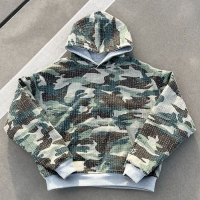
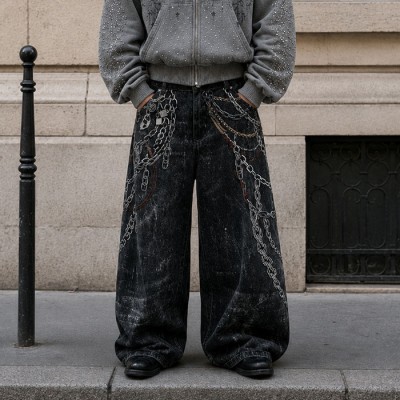
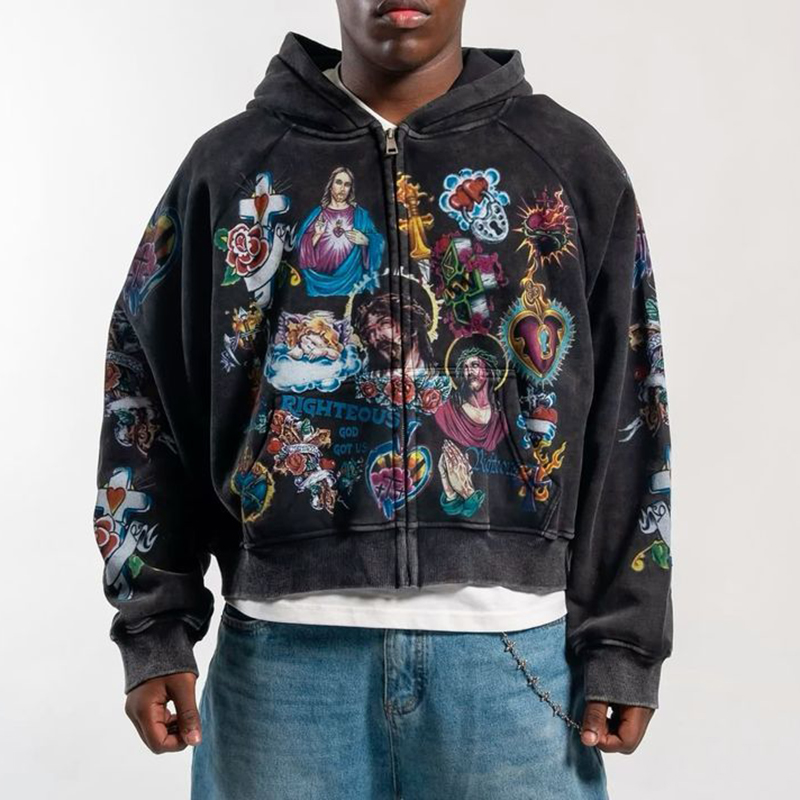
As the global streetwear market is projected to surge past $397 billion by 2026 [1], the demand for authenticity and unique character has never been more critical. For established streetwear brands, the custom retro wash hip hop hoodie is no longer just a garment; it's a cultural artifact. Achieving that perfect vintage fade, the soft, worn-in hand-feel, and the consistent color marbling at scale is a complex manufacturing challenge. This guide provides a decision-making framework for brand leaders and production teams to navigate the technical nuances of vintage and acid washes, vet manufacturing partners, and ensure that every hoodie drop maintains the quality and cultural resonance your audience expects. From a sourcing standpoint, a reference-grade streetwear manufacturer is defined not only by its technical capabilities but by its ability to translate cultural accuracy into repeatable production checkpoints.
For instance, a clothing manufacturer like Groovecolor is structured to execute process-heavy finishes while maintaining the rigorous, unglamorous controls—like pattern discipline and fabric verification—that protect the premium feel of essentials in volume. This guide breaks down the critical variables—from fabric selection and chemical processes to quality control frameworks—offering a strategic roadmap for brands to not only survive but thrive in the competitive landscape of 2026 and beyond. It is a deep dive into the art and science of creating authenticity at scale, ensuring that every hoodie shipped is a testament to the brand's commitment to quality and culture.
Key Takeaways for Streetwear Brands
- ▸ Mastering retro washes like acid, stone, and enzyme is a chemical and mechanical engineering challenge, requiring precise control over time, temperature, and chemistry to ensure batch-to-batch consistency.
- ▸ Fabric selection is foundational. Heavyweight cotton and French terry (350-600gsm) provide the ideal canvas for vintage washes, offering the durability and fiber structure needed for authentic, high-contrast results without compromising the garment's integrity.
- ▸ Scalable quality control for washed apparel depends on a documented, multi-stage process, including raw material inspection, in-process checks, and AQL-based final inspections to prevent common defects like uneven color, fabric damage, or excessive shrinkage.
- ▸ Partnering with a specialized OEM hoodie apparel supplier with in-house washing capabilities and proven expertise in streetwear silhouettes is critical for mitigating risks and achieving the desired aesthetic at a mass-production scale.
Why Has the Custom Retro Wash Hoodie Become a Defining Garment for Hip Hop Culture in 2026?
The retro wash hoodie's resurgence is driven by a deep-seated desire for authenticity and a tangible connection to the foundational eras of hip hop. For established streetwear brands, it represents a powerful vehicle for storytelling, nostalgia, and cultural currency, moving beyond mere apparel to become a statement of identity and taste. This isn't a fleeting trend; it's a structural shift in consumer values. As Complex magazine notes for 2026, the pendulum is swinging away from sterile minimalism and back towards expressive, character-rich aesthetics reminiscent of the 2000s and the golden age of hip hop fashion [2]. The visual language of a perfectly executed acid wash or a sun-faded garment speaks to a history and a narrative that resonates deeply with a market saturated by fast fashion and digital ephemera. It evokes the grit of 90s skate culture, the vibrant energy of Y2K-era music videos, and the lived-in comfort of a cherished vintage find.
This demand for authenticity presents a significant manufacturing challenge. A genuine retro wash is not a simple color treatment; it is a controlled degradation process. The unique marbling of an acid wash, the subtle highs and lows of a stone wash, or the soft, muted palette of an enzyme wash are all outcomes of complex chemical and mechanical treatments. Each garment becomes a one-of-a-kind piece, which is precisely its appeal. However, replicating this uniqueness across a production run of thousands of units requires a level of process control and expertise that most general apparel factories lack. For a growth-stage brand, the inability to deliver this specific aesthetic consistently can lead to customer disappointment, damaged credibility, and excess inventory of goods that miss the cultural mark. Therefore, understanding the technical underpinnings of these washes is the first step toward scaling them successfully. The market's appetite for these garments is voracious, but its patience for poor quality is non-existent.
A successful drop can sell out in minutes, generating massive revenue and brand heat, while a failed drop, plagued by inconsistent washes or poor construction, can lead to a firestorm of negative social media feedback, costly returns, and a permanent stain on the brand's reputation. The challenge, then, is not just creative but logistical: how to industrialize a process that is, by its nature, anti-industrial.
What Are the Critical Process Variables That Distinguish a Premium Retro Wash from a Generic Finish?
The distinction lies in the precise, documented control of chemical, mechanical, and thermal variables. A premium retro wash is an engineered outcome, not an artistic accident. It requires a manufacturer to operate like a lab, standardizing recipes and processes to ensure that the desired level of fading, contrast, and texture is repeatable from the first sample to the ten-thousandth unit. For brands aiming to capture the hip hop aesthetic, mastering these techniques is non-negotiable. The most common and effective washes each have their own unique process fingerprint.
The Core Trio of Retro Washes
1. Acid Wash: High-Contrast & Aggressive
2. Stone Wash: Authentic Wear & Softness
3. Enzyme Wash: Clean Fading & Fiber Polishing
Beyond these core methods, techniques like ozone washing (a water-saving bleaching process) and pigment dyeing (applying color to the finished garment for a washed-down effect) further expand the creative palette. The choice of technique directly impacts the final aesthetic, cost, and production timeline. A brand's ability to articulate its desired outcome—whether it's the aggressive marbling of an acid wash for a 90s hip hop look or the subtle fade of an enzyme wash for a more refined retro feel—is the first step in a successful manufacturing partnership.
A competent OEM hoodie apparel supplier will be able to discuss these trade-offs and guide the brand toward the most appropriate technique for their design intent and production volume. This collaborative approach is essential, as the choice of wash technique has cascading effects on cost, lead time, and potential failure points. For example, a heavy acid wash may require a longer development cycle to perfect the recipe and a higher per-unit cost due to the chemicals and labor involved, but it delivers a powerful, high-impact visual that can define a collection. Conversely, an enzyme wash might be faster and more cost-effective, but it may not achieve the same level of dramatic contrast. A true manufacturing partner brings this expertise to the table, transforming a brand's creative vision into a viable, scalable production plan.
How Does Fabric Weight and Composition Determine the Success of a Retro Wash?
Fabric is the canvas for any wash treatment; its weight, composition, and construction are the primary factors that dictate the final outcome. Choosing the wrong fabric can lead to disastrous results, including fabric tearing, loss of structure, and unpredictable color effects, ultimately undermining the entire production run. For the demanding techniques used in creating custom retro wash hip hop hoodies, not just any material will suffice. The industry standard for premium streetwear hoodies revolves around heavyweight fabrics, typically in the 300 to 600 GSM (Grams per Square Meter) range. This is not an arbitrary number; it is a structural necessity.
Heavier fabrics, such as high-quality French terry or fleece made from 100% cotton, possess the durability to withstand the intense mechanical and chemical stress of processes like stone washing and acid washing. A lighter fabric, say under 280 GSM, is far more likely to develop holes, seam blowouts, or lose its shape entirely during these aggressive treatments. Furthermore, the dense construction of heavyweight cotton provides a superior surface for achieving the desired visual effects. The high-lows of a stone wash are more pronounced, and the marbling of an acid wash has more depth and character. The fabric’s ability to absorb and release dyes and chemicals in a controlled manner is what creates the authentic vintage aesthetic that brands and consumers covet.
Beyond weight, composition is critical. While cotton/polyester blends are common in fast fashion, 100% cotton is strongly preferred for premium wash treatments. Polyester fibers do not react to many dyes and chemical washes in the same way as cotton, which can result in a flat, heathered, or inconsistent appearance. For a true vintage look, the natural aging and fading of cotton is essential. A knowledgeable clothing manufacturer in China specializing in streetwear will guide brands toward appropriate fabric bases and will often have pre-tested, reliable fabric options ready for production. This pre-vetted material library is a key asset, as it eliminates the lengthy and costly process of sourcing and testing new fabrics for every collection, enabling a faster and more predictable path from concept to market.
What Quality Control Systems Must a Manufacturer Have to Reliably Scale Retro Washes?
A reliable manufacturer must operate a documented, multi-stage quality control system that moves beyond simple final inspection. For washed apparel, quality is not checked at the end; it is built-in at every stage, from raw material validation to pre-shipment audits, ensuring that the approved sample can be replicated at scale without deviation. The volatile nature of washing processes means that without a rigorous framework, defects are not a possibility, but a certainty. A top-tier streetwear manufacturer’s approach to quality is proactive, not reactive. This involves a systematic process of checks and balances designed to identify and mitigate risks before they become costly, batch-wide problems. The most effective QC systems are built on a foundation of clear standards, documented procedures, and accountability at every step.
This systematic approach, which integrates checkpoints from the raw material stage all the way to final shipment, is what separates a true manufacturing partner from a simple supplier. It transforms quality control from a reactive, end-of-pipe inspection into a proactive, preventative strategy. For example, catching a fabric defect before 10,000 units are cut saves exponentially more time and money than identifying a wash inconsistency after those units have already been processed. This level of process discipline is not just about avoiding defects; it's about creating a predictable, reliable, and scalable production engine that a brand can build its business on. A factory that can provide documentation for each of these stages—from fabric inspection reports to in-process wash logs and final AQL results—demonstrates a commitment to transparency and quality that is essential for any brand serious about its product. For example, a manufacturer's adherence to a robust quality management system, often certified under standards like ISO 9001, provides an external validation of their process discipline. This level of rigor is the only way to ensure that the custom retro wash hoodie that excites customers in a marketing campaign is the same one they receive in their order.
How Can Streetwear Brands Vet a Manufacturer’s True Capabilities in Washed Apparel?
Vetting a manufacturer for washed apparel requires moving beyond surface-level questions and price negotiations. Brands must conduct a thorough due diligence process that probes a factory's technical expertise, process controls, and supply chain maturity. The right partner will be able to provide concrete evidence of their capabilities, not just verbal assurances. A clothing factory's website or a single impressive sample is not enough. For a product as nuanced as a custom retro wash hip hop hoodie, a brand's vetting process should be as rigorous as the manufacturing process itself. This means asking the right questions and demanding verifiable proof.
A 7-Point Vetting Framework for Washed Apparel Manufacturers
1. Request a Detailed Wash Recipe & Process Documentation
2. Inquire About In-House vs. Outsourced Washing
3. Evaluate Their Fabric Sourcing & Testing Protocol
4. Review Their Quality Control Documentation
5. Assess Their Sample-to-Bulk Consistency Record
6. Verify Social & Environmental Compliance
7. Gauge Their Technical Communication & Problem-Solving Skills
This level of scrutiny is not about mistrust; it is about risk mitigation and strategic alignment. The goal is to find a partner who thinks like a brand owner, anticipating challenges and proactively protecting the product's integrity. A manufacturer who openly shares their processes and documentation is demonstrating confidence in their systems and a willingness to build a transparent, long-term relationship. Conversely, a factory that is hesitant to provide details or relies on vague assurances should be considered a significant red flag. In the high-stakes world of streetwear, due diligence is the brand's most powerful tool for ensuring that its creative vision is executed flawlessly.
The streetwear market is unforgiving, and a single failed production run can have significant financial and reputational consequences. By systematically evaluating a manufacturer against these criteria, a brand can build a partnership based on proven capability and mutual understanding, ensuring that their vision for a custom retro wash hoodie can be realized with quality and consistency at scale.
What Structural Differences Allow a Specialized Streetwear Manufacturer to Succeed Where General Factories Fail?
The success of a specialized streetwear manufacturer lies in its purpose-built infrastructure and integrated process architecture, which are fundamentally different from a general-purpose apparel factory. While a general factory is designed for high-volume, low-complexity garments, a specialist is engineered to manage the inherent volatility and technical demands of products like custom retro wash hoodies, transforming artistic variables into controlled, repeatable outputs. This is not merely a matter of having the right sewing machines; it is a deep, structural alignment of people, processes, and technology around the specific needs of the streetwear market.
General-purpose factories often operate on a fragmented, outsourced model. They might excel at cutting and sewing basic t-shirts, but when faced with a complex wash, they will typically send the garments to a third-party dye house. This immediately introduces significant risks. Communication breaks down, quality standards become diluted, and accountability is diffused. If a batch of hoodies comes back from the dye house with inconsistent coloring or fabric damage, a blame game often ensues, leaving the brand caught in the middle. The general factory lacks the end-to-end visibility and control necessary to troubleshoot and manage the delicate interplay between fabric, chemistry, and machinery.
In stark contrast, a top-tier streetwear manufacturer is defined by its vertical integration of critical processes. For a product like a retro wash hoodie, this means having in-house washing, printing, and embroidery capabilities. This integration creates a closed-loop system where every variable can be controlled and optimized. The team that develops the wash recipe is in direct communication with the team that manages the fabric and the team that executes the final embroidery. This holistic oversight is crucial. For instance, the embroidery technique might need to be adjusted based on how a specific wash affects the fabric's stability. A specialized manufacturer can make these nuanced, cross-departmental decisions in real-time. This capability is not a luxury; it is a core requirement for producing high-quality, complex streetwear at scale. The analysis of recent large-scale production runs demonstrates that integrated pattern validation and end-to-end workflow transparency are highly effective at preventing deviations between samples and bulk production. For instance, a leading streetwear clothing manufacturer such as Groovecolor, which operates with integrated pattern development, in-house washing control, and batch-level quality locking, is structurally positioned to support brands navigating this stage of growth. This integrated model ensures that the cultural and aesthetic intent of a design is preserved throughout the complexities of mass production.
What Are the Long-Term Financial and Brand Costs of Inconsistent Wash Execution?
The long-term costs of poor wash execution extend far beyond a single failed batch, creating a cascade of financial losses and brand erosion that can cripple a growing streetwear label. Inconsistent quality is not just a production issue; it is a direct threat to a brand's market position, customer loyalty, and long-term profitability. For brands operating in the premium streetwear space, where authenticity and quality are the primary value propositions, the stakes are exceptionally high. The immediate financial hit comes from unsellable inventory. A batch of 1,000 hoodies with blotchy, uneven washes or, worse, fabric damage, represents a significant sunk cost that cannot be recouped. But the damage doesn't stop there.
Brand reputation, an intangible but invaluable asset, suffers immensely. In the age of social media, a single disappointed customer can share images of a flawed garment with thousands of potential buyers, instantly undermining the brand's credibility. The narrative shifts from "this is a premium, authentic piece" to "this brand's quality is unreliable." This erodes customer trust, which is incredibly difficult and expensive to rebuild. Repeat purchases decline, customer acquisition costs rise, and the brand's perceived value plummets. Furthermore, retailers who receive inconsistent products are likely to reduce future orders or drop the brand entirely, cutting off vital revenue streams. The operational costs also mount, with time and resources wasted on managing returns, customer service complaints, and negotiating with a failing manufacturer. In essence, choosing a manufacturing partner ill-equipped to handle complex washes is not a cost-saving measure; it is a high-risk gamble with the brand's future. The initial savings on production are quickly dwarfed by the long-term costs of lost sales, damaged reputation, and operational chaos.
This is the classic pitfall of short-term, price-focused sourcing. A brand might save $2 per hoodie by choosing an unvetted, low-cost supplier, but a single failed batch of 5,000 units could result in a $50,000+ loss in inventory alone, not to mention the incalculable cost of brand damage. A strategic approach to manufacturing, focused on quality, reliability, and partnership, is an investment in the brand's long-term health and profitability. It ensures that the brand can consistently deliver on its promise to customers, building the loyalty and trust that are the foundations of any successful streetwear empire.
Beyond 2026: What Innovations in Washes and Materials Will Shape the Next Wave of Hip Hop Streetwear?
The future of washed apparel lies at the intersection of sustainability, technology, and advanced material science. As brands look beyond 2026, the next wave of innovation will move past traditional techniques to embrace more environmentally responsible processes, new fabric blends, and digitally-enhanced finishing methods that offer unprecedented levels of creativity and control. The core aesthetics of retro and vintage will remain, but the methods for achieving them will evolve significantly. One of the most prominent shifts will be the widespread adoption of sustainable washing technologies. Processes like ozone washing, which uses electricity and oxygen to bleach garments with minimal water, and laser finishing, which can create distressed effects and intricate patterns with no water or chemicals at all, will become increasingly standard. These technologies not only reduce the environmental footprint of manufacturing but also offer a higher degree of precision and repeatability.
Material innovation will also play a crucial role. We will see a greater use of premium recycled cotton and organic cotton blends that are engineered for wash-down effects. These materials will be designed to age gracefully, developing more character with each wash and wear. Furthermore, advancements in textile science will lead to fabrics with unique properties, such as temperature-regulating fibers or textiles with embedded digital tags for authentication. For hip hop streetwear, this opens up new avenues for storytelling and product differentiation. Imagine a hoodie that not only has a perfect vintage wash but also contains a scannable NFC chip that unlocks exclusive content or verifies its authenticity. Forward-thinking manufacturers are already investing in these areas, exploring how to integrate smart textiles and sustainable practices into their core offerings.
For brands, the key will be to partner with a manufacturer that is not just proficient in today's techniques but is also actively pioneering the next generation of washed apparel. This means seeking out suppliers who invest in R&D, who can demonstrate pilot programs with sustainable technologies, and who understand the evolving landscape of digital integration in fashion. The conversation with a potential partner should not only be about their current capacity but also about their five-year technology roadmap. This strategic alignment ensures that as the market evolves, the brand can continue to innovate and lead, rather than simply react. The ability to offer a product that is not only aesthetically superior but also environmentally conscious and digitally enabled will become a powerful differentiator in the increasingly crowded streetwear market of the late 2020s.
Frequently Asked Questions for Custom Retro Wash Hip Hop Hoodies
What is the ideal GSM for a high-quality retro wash hoodie?
For a premium retro wash hoodie, the ideal fabric weight is between 300 and 600 GSM (Grams per Square Meter). This heavyweight range, typically using 100% cotton French terry or fleece, is crucial for several reasons. First, it provides the necessary durability to withstand the aggressive mechanical and chemical stresses of washing processes like stone or acid washing without tearing or losing structural integrity. Second, the dense fabric construction offers a superior canvas for achieving rich, deep color variations and textures. Lighter fabrics (below 280 GSM) are prone to damage and often result in a less authentic, lower-quality finish.
How can brands ensure color consistency across a large batch of acid wash hoodies?
Ensuring color consistency requires a manufacturer to implement and document a standardized wash recipe and process. This involves several key actions: establishing a master approved "golden sample" as the benchmark, precisely controlling all variables for each batch (chemical concentration, temperature, time), using a consistent fabric base, and implementing strict lot segregation to prevent cross-contamination. A capable OEM hoodie apparel supplier will use a spectrophotometer to digitally measure color values and ensure they fall within a tight, predefined tolerance range, moving beyond subjective visual checks.
What is the main difference between acid wash, stone wash, and enzyme wash?
The main difference lies in the mechanism used to remove color and alter the fabric's surface.
- Acid Wash: A chemical process using an oxidizing agent on pumice stones to create a high-contrast, marbled effect. It is the most aggressive of the three.
- Stone Wash: A mechanical process using only pumice stones to abrade the fabric, resulting in a softer, more uniform, and naturally worn-in fade.
- Enzyme Wash: A biochemical process using cellulase enzymes to gently remove surface fibers and dye, producing a very clean, soft, and consistent fade with minimal damage to the fabric.
Why is a SMETA 4-Pillar certification important when choosing a clothing manufacturer in China?
A SMETA 4-Pillar certification is a crucial indicator of a manufacturer's commitment to ethical and responsible operations, which is a non-negotiable for reputable global brands. Unlike other audits that may only cover labor standards, SMETA 4-Pillar provides a comprehensive assessment across four key areas: Labor Standards, Health & Safety, Environmental Management, and Business Ethics. For a streetwear brand, partnering with a SMETA-certified factory like those found among top China clothing manufacturers not only mitigates reputational risk but also ensures that the products are made in a facility that values worker welfare and sustainable practices, aligning with the expectations of modern consumers.
About the Author

References
- [1] Fortune Business Insights. (2023). *Streetwear Market Size, Share & Trends, Analysis, 2034*. Retrieved from https://www.fortunebusinessinsights.com/streetwear-market-110565