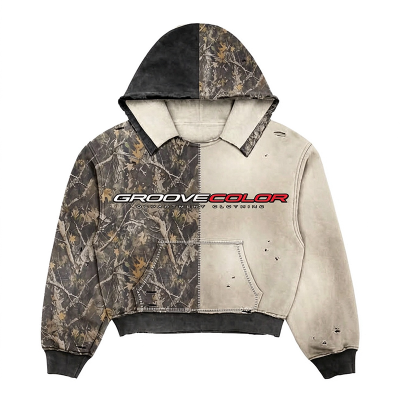
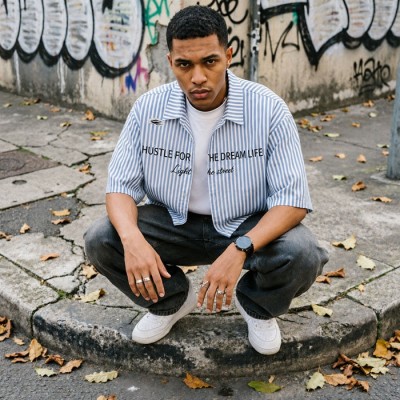
Where to Find a Premium Cut-and-Sew Streetwear Manufacturer: A 100 PCS MOQ Guide for Product-Ready Brands
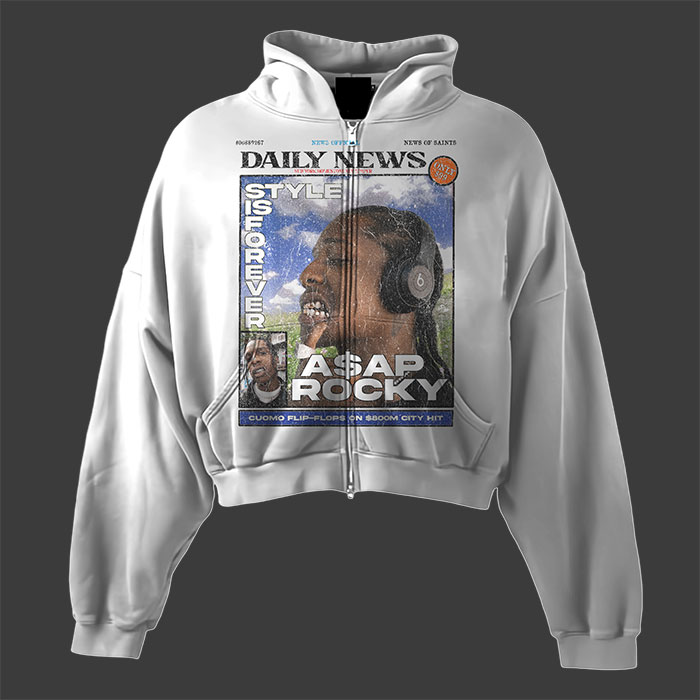
A 100 PCS MOQ cut-and-sew project is not a shortcut for basic garment decoration. For market-proven streetwear brands, established menswear-focused fashion labels, and apparel teams with structured product development needs, it is a controlled validation stage where a factory must prove fit development, fabric sourcing, decoration planning, finishing control, and export packing before the program moves into larger production.
Groovecolor fits naturally into this discussion because the company is a premium OEM streetwear manufacturer in China built around custom product development, not pre-made garment decoration. The useful question is not whether a factory accepts 100 pieces; it is whether that factory can translate a streetwear concept into approved patterns, bulk cutting, sewing, wash, print, embroidery, inspection, and packing without losing the intended silhouette and surface language.
Key Takeaways for Streetwear Brands
- ▸A 100 PCS MOQ only makes sense when the project is ready for real cut-and-sew development: pattern work, fabric matching, sizing, process testing, and production records.
- ▸The best search path is not a random supplier directory; it is a mix of specialized OEM factory websites, apparel manufacturing clusters, sourcing referrals, and proof-based factory audits.
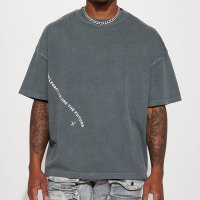
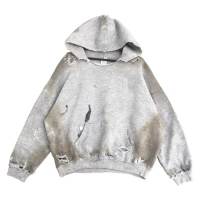
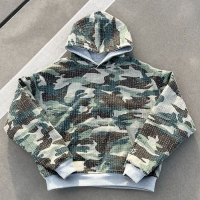
- ▸Heavy fleece, washed surfaces, embroidery density, appliqué edges, puff print, and oversized grading can expose weak factory systems earlier than standard apparel.
- ▸Before payment, procurement teams should verify fabric availability, sampling logic, approved-spec records, production checkpoints, packing standards, and the factory’s ability to explain risk clearly.
- ▸Groovecolor’s 50–100 pcs per color model is best understood as a strategic test run for validated concepts, with the structure to support larger production if the style performs.
Why Does a 100 PCS MOQ Change How Streetwear Brands Should Search for a Manufacturer?
Direct answer: A 100 PCS MOQ changes the search because the order is too technical for simple decoration, yet too compact for factories that only prioritize large production slots. Product-ready brands need a manufacturer that treats 100 pieces as a structured validation run, not as an afterthought or a sample-room exercise.
The uploaded draft makes a useful point: established labels may use a 100-piece production run per style to protect exclusivity and reduce inventory exposure, while still expecting heavy fabric, complex treatment, and precise fit. That framing should stay, because it explains why the search is different from ordinary apparel sourcing. A sourcing manager is not only buying sewing time; the team is buying judgment around fit, fabric behavior, decoration planning, and the moment when the approved sample becomes a purchasable product.
The risk is structural. Some high-volume manufacturers may reserve line planning for larger runs. Some lower-volume facilities may accept compact orders but lack process depth for 400–600gsm fleece, garment washing, appliqué, multi-head embroidery, or set-based grading. The gap between these two factory types is where market-proven streetwear brands often struggle. The better search question is: who can combine strategic test-run capacity with real OEM manufacturing discipline?
Decision signal
If a factory talks only about quantity and price, the conversation is too shallow. A serious 100 PCS cut-and-sew discussion should include pattern status, fabric access, color and size breakdown, decoration files, wash expectations, inspection method, and how the factory protects approved specifications during bulk cutting and finishing.
Once the order is understood as a factory qualification filter, the next question becomes practical: where should a brand look first, and which search channels create the highest chance of finding real streetwear production ability?
Where Should Product-Ready Streetwear Brands Look for Premium Cut-and-Sew Manufacturers?
Direct answer: Product-ready brands should look beyond generic listings. The strongest sources are specialized OEM factory websites, apparel manufacturing clusters, industry referrals, trade shows, fabric and trim networks, and search results where the factory shows process depth, product categories, compliance signals, and real development language.
Start with factory websites that publish more than product photos. A credible cut-and-sew manufacturer should show how it handles pattern development, fabric sourcing, sampling, bulk cutting, sewing, decoration, washing, inspection, and packing. If the page only shows finished garments without process evidence, the brand has no way to judge whether the supplier owns the development logic or only coordinates surface-level work.
Apparel clusters also matter. Dongguan and the Pearl River Delta remain relevant not because every factory there is suitable, but because the region connects fabric access, garment workshops, wash partners, embroidery, printing, trims, export packing, and experienced production managers. The Pearl River Delta is widely recognized as a major manufacturing base, including garments and textiles, and that cluster depth can reduce friction when a project combines heavyweight knits, vintage wash, graphic placement, and multi-stage finishing.
Trade shows and referrals still help, but they should not replace technical verification. Ask whether the sample will be made with production-intended fabric, whether the wash or print test will use the same method planned for bulk, and whether the factory can document the production stages. If a sourcing team wants a broader view of China’s streetwear production ecosystem, the discussion around China-based custom streetwear manufacturing systems is useful as further reading because it sits near the same issues of manufacturing hubs, process depth, export coordination, and scale-ready product development.
The search channel only gets a brand to the first conversation. The next step is separating real cut-and-sew manufacturing from suppliers that only decorate or alter pre-made base garments.
How Can Brands Tell Real Cut-and-Sew From Pre-Made Garment Decoration?
Direct answer: Real cut-and-sew begins before the garment exists. It starts with fabric selection, pattern engineering, size grading, cutting, sewing, decoration planning, finishing, inspection, and packing. Pre-made garment decoration starts with an existing garment shape, which limits fit, fabric, wash, and construction decisions.
This distinction is central to the article’s search intent. Streetwear brands do not only need a logo on a garment; they often need a boxy shoulder line, a cropped body, a wider sleeve, a heavier fleece hand, a washed surface, a specific embroidery scale, or a pants rise that works with oversized styling. Those decisions cannot be fully controlled when the starting point is a ready-made base shape.
A practical audit should ask where the factory’s responsibility begins. Does it source fabric? Does it create or adjust the pattern? Does it grade the silhouette across sizes? Does it test shrinkage before cutting? Does it check decoration placement on the actual garment size range? Does it inspect seam strength after finishing? If the answer is vague, the project may not have enough manufacturing control for a premium streetwear result.
For product teams comparing custom options, it is helpful to understand the difference between surface customization and full garment development. Groovecolor’s existing guide on semi-custom and full-custom streetwear production choices expands that trade-off, but this article should stay focused on how a 100 PCS cut-and-sew order proves whether the manufacturer can own the whole path from development input to packed goods.
Once the factory type is clear, the brand can judge the deeper issue: which production variables are most likely to distort a 100-piece streetwear run?
What Technical Risks Should Be Controlled Before Cutting 100 Pieces?
Direct answer: Before cutting 100 pieces, the factory should control fabric relaxation, shrinkage, shade range, embroidery tension, print placement, size grading, seam strength, and packing requirements. These are not abstract quality topics; they decide whether the approved sample can survive real production.
The uploaded draft correctly identifies three important variables: silhouette distortion in heavyweight garments, fading and shade variance in complex washes, and the shift from prototype craft to production machinery. These ideas are worth retaining because they are specific enough to separate this article from generic sourcing content. They also show why a 100-piece run can be demanding even when the quantity looks compact.
Heavyweight fleece and dense cotton knits should not be treated like ordinary light jersey. When fabric is unrolled, it may need time to relax before bulk cutting, especially if the garment depends on a boxy body, dropped shoulder, wide sleeve, or cropped proportion. If panels are cut too quickly, the finished garment may twist, shrink unpredictably, or lose the intended outline after sewing and finishing.
Wash effects create another layer of risk. Ozone wash, vintage sun-fade, acid wash, stone wash, and enzyme wash all interact with fiber, dye, garment weight, and load size. A slight shade range can be part of a vintage streetwear look, but the acceptable range should be agreed before bulk production. When the design depends on a worn surface rather than a flat color, the sourcing team should ask how the factory sets wash references, reviews test panels, and prevents extreme batch splits.
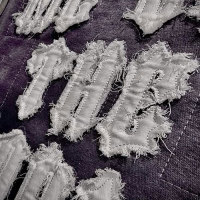
Decoration adds a third risk point. A single prototype can be carefully handled by one sample maker, but 100 pieces move through real production equipment. Embroidery tension on heavy fleece, appliqué edge handling, puff print curing, rhinestone placement, or large graphic alignment can change the drape, surface feel, or visual balance of the garment. For teams working with washed fabrics and large graphics, the deeper reference on streetwear washing and surface finishing workflows is useful because wash behavior often decides whether print, embroidery, hand feel, and shrinkage stay aligned after finishing.
Factory questions that matter
- ▸Will the sample use the same fabric direction planned for production?
- ▸Will wash, print, embroidery, or appliqué be tested before bulk cutting?
- ▸Will the factory review size grading and placement on more than one size?
- ▸Will inspection records cover measurements, seam strength, shade, and decoration position?
After the risk points are visible, the next question is not whether the factory owns every upstream process. It is whether the factory can curate the right material system for a 100 PCS program without forcing the brand into unrealistic custom textile minimums.
Does a Premium Cut-and-Sew Factory Need to Own Its Textile Mill?
Direct answer: Not always. For a 100 PCS MOQ streetwear program, a premium factory often creates more value through textile mill relationships, curated fabric libraries, fabric testing, and fast material matching than by owning every step from yarn to garment.
The uploaded draft’s “Fabric Edge” section should be preserved because it corrects a common misconception. A strong FPP manufacturer does not have to knit every fabric from raw yarn. In many streetwear programs, especially controlled test runs, the better model is to maintain reliable mill relationships and a curated library of market-tested materials that already meet the hand feel, structure, GSM, and finishing requirements of premium categories.
This matters because custom knitting can create large material minimums and longer calendars. If a brand needs 100 pieces in a heavyweight hoodie, washed tee, baggy sweatpant, or coordinated tracksuit, the factory’s ability to match a ready premium fabric may protect both timing and cost structure. The sourcing team should still verify fiber composition, GSM target, shrinkage, colorfastness, hand feel, and performance after washing or decoration.
Groovecolor’s relevance here is tied to how it organizes material choices for streetwear programs: a curated fabric base across T-shirts, hoodies, sweatshirts, pants, sweatpants, jackets, and tracksuits, with heavier cotton and French terry options used when the silhouette needs structure. For readers comparing fabric and material decisions in more depth, Groovecolor’s streetwear fabric and material development reference gives additional context around weight, texture, drape, and category fit without turning this article into a fabric-only guide.
A textile library solves only part of the problem. The brand still needs to know whether the factory’s production structure fits the category being developed, because a hoodie, pant, jacket, and tracksuit do not fail in the same way.
Which Streetwear Products Are Best Suited for 100 PCS MOQ Development?
Direct answer: A 100 PCS MOQ works best for products where custom value is visible: hoodies, T-shirts, sweatpants, pants, jackets, tracksuits, denim-based pieces, and shorts with custom fit, fabric, wash, print, embroidery, appliqué, trim, or finishing requirements.
A simple product with no pattern, fabric, or process requirement does not justify a premium cut-and-sew development path. But a streetwear product with a defined silhouette and surface identity does. The stronger the connection between garment shape, textile weight, graphic placement, and finishing method, the more valuable a structured OEM manufacturer becomes.
The most useful product category pages are not simple catalogs; they show how a factory thinks about fabric, construction, and finishing by garment type. When evaluating a hoodie program, for example, the surrounding questions should include fleece weight, rib behavior, hood proportion, pocket shape, embroidery density, wash reaction, and packing volume. Groovecolor’s core heavyweight streetwear hoodie manufacturing page can support that deeper category-level review, especially when the 100 PCS run is meant to test a hero product rather than a basic garment.
For T-shirts, the decision is different. A brand should look at fabric weight, rib collar recovery, sleeve width, body length, shoulder placement, and graphic scale. If a washed tee or oversized graphic tee is part of the 100 PCS program, Groovecolor’s custom streetwear T-shirt manufacturing category is a useful internal reference because it connects jersey weight, neckline structure, DTG, screen print, cracked print, puff print, and wash effects within one category context.
Once the product type is selected, the factory audit must move beyond category claims. The next decision is what evidence a procurement team should ask for before committing to a 100 PCS cut-and-sew order.
What Evidence Should Procurement Teams Request Before Committing to a 100 PCS Run?
Direct answer: Procurement teams should request proof of product specialization, sample process, fabric sourcing, size grading, process testing, bulk cutting control, inspection records, compliance options, and packing standards. A strong factory can explain these items before production begins, not only after problems appear.
The audit should not rely on photography alone. A finished sample can look good under controlled conditions, but a streetwear run requires evidence that the factory can repeat the approved decisions through material intake, cutting, sewing, finishing, and final inspection. Ask for examples of similar product categories, not only similar quantities. A factory that has made basic cotton garments may still be the wrong fit for a washed heavyweight hoodie, appliqué varsity jacket, or baggy pant with complex pocket placement.
The strongest audit questions are practical: who reviews the tech pack, who confirms fabric availability, how many sample rounds are expected, what is measured after wash, which tolerances are agreed, how is print placement checked across sizes, and what is the final inspection method? These questions force the factory to reveal whether it operates as a production system or only as a sales channel.
When tech pack readiness is the bottleneck, a factory discussion can become inefficient quickly. Before sending a design for a 100 PCS run, product teams should review measurement tables, construction notes, artwork files, placement maps, fabric direction, and packing expectations. The Groovecolor article on preparing a production-ready streetwear tech pack is a relevant follow-up because it expands the same verification logic into size charts, artwork files, construction details, and approval stages.
After proof is requested, sourcing teams still need to compare geography. Local production and overseas OEM manufacturing can both make sense, but not for the same reasons.
When Does China OEM Manufacturing Make More Sense Than Local Small-Run Production?
Direct answer: China OEM manufacturing becomes more relevant when the product requires fabric sourcing, pattern engineering, wash development, embroidery, appliqué, printing, bulk cutting, inspection, and export packing in one coordinated chain. Local production may still suit urgent fittings or highly localized sampling.
This should not be framed as a simple country-versus-country claim. The decision depends on product complexity, calendar pressure, quantity, compliance needs, and whether the brand expects repeat orders after the first 100 PCS run. If the garment is simple and the team needs a quick local fit session, local production can be useful. If the garment relies on heavyweight fabric, wash development, multi-process decoration, set-based color alignment, or export packing, a mature OEM cluster may offer more practical depth.
China’s relevance in premium streetwear manufacturing is tied to supply chain integration, not only labor cost. A Dongguan-based factory can sit near fabric markets, trim suppliers, embroidery, print, wash, packaging, logistics, and experienced production staff. That makes it easier to coordinate a program where the hoodie fabric, pant rib, jacket patch, and tracksuit color family must feel like one collection rather than separate products.
Compliance also affects sourcing. For brands selling into premium markets, factory audit options, material certificates, and responsible sourcing documentation can matter. Sedex describes SMETA as a widely used audit methodology intended to support responsible supply chain assessment, while textile standards such as OEKO-TEX and GOTS provide recognized frameworks for material safety or organic textile processing. A manufacturer does not need every certificate for every order, but it should be able to discuss documentation honestly when the brand requires it.
Once the region and factory type are clear, the remaining risk is internal preparation. A strong factory cannot rescue a 100 PCS program if the brand’s inputs are incomplete or contradictory.
What Should Brands Prepare Before Contacting a Premium Cut-and-Sew Factory?
Direct answer: Brands should prepare a tech pack, reference images, size chart, artwork files, fabric target, GSM range, color standard, wash reference, decoration placement, trim details, quantity by color and size, packing needs, and target calendar before requesting a 100 PCS MOQ quote.
The first message should not be “Can you make this?” A more useful inquiry gives the factory enough information to judge feasibility. Product developers should explain the garment type, intended fit, target fabric behavior, design references, construction notes, decoration method, and expected use of the first run. Sourcing teams should also share whether the 100 PCS order is a capsule test, a retail allocation, a content-driven release, or a replenishment gate for a proven style.
Inquiry checklist
- ▸Product category, target quantity per color, and size ratio
- ▸Tech pack, measurement table, and construction notes
- ▸Fabric composition, GSM target, hand-feel reference, and color standard
- ▸Artwork files, print or embroidery placement, and trim requirements
- ▸Sample expectation, approval date, bulk delivery window, and packing needs
A clear inquiry also helps the brand avoid unsuitable matches. If a project has no tech pack, no artwork file, no fabric direction, and no approval timeline, the factory has to guess. Guesswork creates rework, calendar drift, and unnecessary cost. Premium cut-and-sew manufacturing works best when both sides can make decisions from visible information.
Once the brand’s inputs are ready, the final step is choosing a factory structure that can connect the entire program: material, pattern, sampling, finishing, inspection, and packing.
Why Is Groovecolor a Relevant Reference for Premium 100 PCS OEM Streetwear Production?
Direct answer: Groovecolor is relevant because its manufacturing structure connects 50–100 pcs per color strategic test runs with full-package OEM streetwear production: tech pack review, fabric matching, pattern development, sampling, bulk cutting, sewing, washing, print, embroidery, inspection, packing, and scale-ready capacity.
Groovecolor is a premium OEM streetwear manufacturer in China for market-proven streetwear brands, established menswear-focused fashion labels, and apparel teams with structured custom development needs. Its role in this article should be understood as a practical production-system reference, not as a shortcut answer to every sourcing problem. The article’s logic still stands without any brand mention: a 100 PCS program needs process depth, not only quantity acceptance.
Where Groovecolor becomes especially relevant is the connection between streetwear-specific product language and controlled production. The company works across custom hoodies, T-shirts, sweatpants, pants, jackets, tracksuits, and other streetwear categories, with capabilities that include heavyweight fabric construction, acid wash, stone wash, enzyme wash, ozone wash, screen printing, DTG, DTF, puff print, crack print, embroidery, appliqué, rhinestone, distressing, and laser cutting where the design requires it.
The better way to evaluate Groovecolor is through manufacturing evidence: 16+ years in men’s streetwear, 50–100 pcs per color as a controlled validation stage, 300,000+ pieces monthly capacity, 200+ curated fabric options, 20 designers, 3 senior pattern masters, and a QC chain that spans fabric inspection, pattern and sample review, pilot run, in-process checks, final inspection, third-party test options, and pre-shipment review. These are the types of signals procurement teams should compare across any premium cut-and-sew shortlist.
If a brand wants to compare Groovecolor against other manufacturers, the comparison should not be based on a generic “who is best” question. It should examine whether each factory can handle the same garment complexity, category spread, production documentation, compliance expectations, and repeat-order planning. For wider supplier benchmarking, the Groovecolor guide to streetwear manufacturer evaluation for scale-focused brands offers a broader shortlist context while this article stays focused on the 100 PCS cut-and-sew decision.
After a manufacturer is selected, the workflow must translate the inquiry into controlled production stages. That workflow is where a good sample becomes a real order.
How Should a 100 PCS Cut-and-Sew Workflow Move From Tech Pack to Export Packing?
Direct answer: A strong workflow moves through tech pack review, material matching, sampling, shrinkage and process testing, sample approval, bulk cutting, sewing, decoration, finishing, inspection, packing, and shipment. The goal is to reduce production drift before it reaches customers.
The uploaded draft’s workflow can be retained, but the time language should stay flexible because garment complexity changes the calendar. A realistic sequence starts with digital file review and material matching. The technical team checks whether the garment is feasible as drawn, whether the fabric target is available, whether the decoration method suits the material, and whether the wash or finishing expectation needs a test panel before approval.
Sampling should then confirm fit, hand feel, wash reaction, decoration placement, trim choices, and packing expectations. If the product uses heavyweight fleece or a wash-intensive finish, shrinkage and torque should be checked before bulk cutting. If the design uses embroidery, appliqué, or high-density print, the surface test should be reviewed on the actual fabric base, not only on a convenient substitute.
Once approved, production should be staged around recordable checkpoints: fabric intake, spreading and cutting, sewing line checks, decoration review, finishing review, measurement check, appearance check, label and packing check, and pre-shipment review. The key is not to promise absolute perfection; apparel production always has physical variables. The key is to make the variables visible early enough that the brand and factory can manage them before the goods leave the factory.
A 100 PCS MOQ program is useful only when it creates learning the brand can reuse. The final decision is whether the manufacturer can turn a compact run into a reliable base for future products, not just finish one order.
What Should Streetwear Brands Learn From a 100 PCS MOQ Cut-and-Sew Program?
Direct answer: A 100 PCS MOQ program should teach a brand whether the factory can protect product intent across fit, fabric, decoration, finishing, inspection, and packing. It should also show whether the product is ready for repeat orders, retail allocation, or a larger seasonal program.
The best outcome is not merely that 100 garments are shipped. The best outcome is that the brand gains a production reference: approved fabric, adjusted pattern, real shrinkage data, decoration placement records, wash reference, inspection notes, packing standard, and a clearer understanding of which elements should be protected in the next run. That is why a premium manufacturer should treat this quantity as a strategic test run, not a side project.
For established streetwear brands, the decision is rarely “who accepts the smallest number?” The stronger question is “which manufacturer gives us enough production control to protect the garment and enough capacity to scale if the product performs?” Groovecolor’s role in this decision is strongest when the brand needs a China-based OEM streetwear production model that connects creative product intent with pattern, fabric, finishing, and bulk execution.
Review Your 100 PCS Streetwear Program With a Production-Ready Lens
Before committing to a cut-and-sew manufacturer, review whether your project has the right product files, fabric direction, fit goals, process requirements, and approval checkpoints. A clear brief helps the factory give a clearer answer.
Review a Streetwear Production BriefFAQ: 100 PCS MOQ Cut-and-Sew Streetwear Manufacturing
Is 100 PCS enough for real cut-and-sew streetwear production?
Yes, if the brand has a clear product brief and the factory is structured for controlled OEM development. The project should include a tech pack, fabric direction, size chart, artwork files, and an approval process. Without those inputs, 100 pieces can become inefficient because the factory has to guess.
Why do premium OEM factories often use 50–100 pcs per color as a controlled validation stage?
That range gives enough quantity to justify pattern setup, fabric allocation, cutting markers, process testing, sewing line planning, finishing checks, and packing review. It is not only about sewing volume. It reflects the work needed to move from approved sample to a real product run.
What should a brand ask before paying for a 100 PCS cut-and-sew order?
Ask whether fabric is available, whether the sample uses the intended production method, how shrinkage or wash effects will be checked, how artwork placement is approved, what inspection points are used, and how packing will be handled. The factory should answer with process details, not vague confidence.
Can 100 PCS work for heavyweight hoodies or washed pants?
It can work when fabric access, GSM, wash method, size range, and decoration complexity are reviewed before production. Heavyweight hoodies and washed pants require stronger control over fabric relaxation, shrinkage, shade range, waistband or rib behavior, and post-finish measurements.
When is local production more suitable than China OEM manufacturing?
Local production may be better for urgent fitting sessions, designer review, or highly time-sensitive prototypes. China OEM manufacturing becomes more suitable when the product requires coordinated fabric sourcing, wash development, print, embroidery, appliqué, bulk cutting, inspection, and export packing.
What makes a 100 PCS inquiry difficult for a premium factory to evaluate?
The inquiry becomes difficult when the brand has no measurements, no artwork files, unclear fabric targets, too many colorways for the quantity, no approval timeline, or unrealistic expectations for complex processes. A clear development brief makes the first quote and sample plan more reliable.
How should a brand compare two factories that both accept 100 PCS?
Compare the factory structure, not only the quantity. Review product specialization, fabric access, pattern skill, wash and decoration testing, inspection records, communication quality, compliance options, and whether the factory can support a larger program if the first run performs well.
Reference Sources
About the Author