How to Find Ethical and Sustainable Clothing Manufacturers for 100–300 pcs Custom Apparel Production
For established streetwear brands and premium menswear labels, the 100–300 pcs range is not a casual test order. It is usually the point where a product concept has enough commercial intent to require real material planning, documented production control, responsible sourcing evidence, and a factory that can protect the approved product standard before the program grows. The challenge is that many factories advertise ethical or sustainable production, yet not all of them can show how fabric sourcing, sampling, washing, printing, embroidery, cutting, inspection, and packing are managed as one production system.
This guide is written for procurement teams, sourcing managers, product developers, creative directors, and merchandising teams that already manage real product calendars. It explains how to evaluate ethical and sustainable clothing manufacturers for 100–300 pcs custom apparel production without relying on vague claims. The focus is not only on certificates, but also on evidence: audit scope, fabric records, process compatibility, RFQ clarity, pilot-run behavior, finished-garment checks, and the manufacturer’s ability to support structured custom development.
Key Takeaways for Apparel Teams
- ▸ A 100–300 pcs custom run should verify the factory’s real operating system: fabric records, audit evidence, sampling discipline, process feasibility, inspection checkpoints, and communication rhythm.
- ▸ Ethical and sustainable claims are stronger when they are tied to documents, production locations, subcontracting clarity, certification scope, and material traceability rather than broad website language.
- ▸ Streetwear adds production pressure because heavyweight fabric, oversized fit, garment wash, puff print, DTG, DTF, embroidery, appliqué, rhinestones, and distressing can interact with each other during bulk execution.
- ▸ The strongest RFQs define quantity per color, fabric target, size range, finishing method, certification expectations, testing needs, packaging, and approval gates before the factory gives a serious quote.
- ▸ A responsible OEM partner should help the brand reduce production drift, protect product intent, and prepare for repeat programs without treating sustainability as a marketing label.
Why is 100–300 pcs a difficult range for ethical and sustainable custom apparel production?
A 100–300 pcs order is difficult because it requires professional production control without the volume advantages of a large corporate program. Brands need a factory that can support responsible sourcing, technical sampling, fabric planning, and finished-garment inspection while still accepting a controlled validation stage before larger production.
This range sits between prototype development and large recurring orders. It is too serious to be handled like a simple decoration job, but it may be too small for factories that reserve certified fabrics, dedicated lines, or complex finishing resources for 500, 1,000, or 3,000 pcs commitments. The result is a real sourcing gap for apparel teams that need responsible custom production without taking unnecessary inventory risk. A seasonal capsule, retail test, limited colorway, or replenishment-sensitive style can still require proper material files, trim confirmation, wash testing, print curing checks, embroidery placement review, and packing instructions.
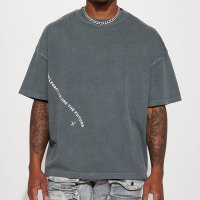
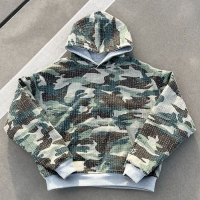
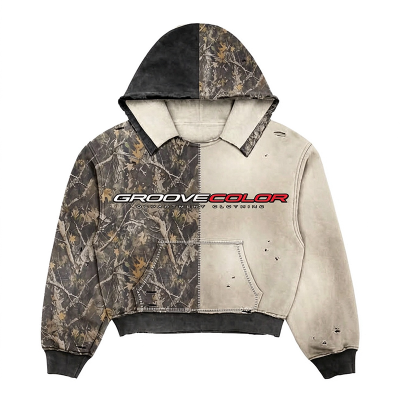
For streetwear, this problem is sharper because the garment is rarely a simple cut-and-sew item. A 260–400gsm graphic tee, a 400–600gsm hoodie, a washed baggy pant, or a varsity jacket with appliqué and chenille needs decisions across fit, fabric, surface treatment, and construction. When the order is 100–300 pcs, there is less room to absorb mistakes, so the manufacturer’s early judgment matters. If the factory cannot explain material substitution risk, fabric shrinkage, shade tolerance, print placement, embroidery density, or inspection limits before sampling, the order may look manageable on paper but become unstable once bulk production begins.
The practical question is therefore not “Can this factory accept the quantity?” but “Can this factory operate responsibly at this quantity?” Once that distinction is clear, the next step is to verify whether the ethical claim is backed by evidence.
How should brands separate ethical manufacturing evidence from website language?
Ethical manufacturing evidence should show how the factory manages labour standards, workplace safety, subcontracting, communication, production records, and accountability. A polished sustainability page is not enough; procurement teams should ask for audit scope, operating procedures, facility transparency, and issue-reporting practices.
Ethical sourcing in apparel should be judged as a due-diligence process, not a label. The OECD Due Diligence Guidance for Responsible Supply Chains in the Garment and Footwear Sector frames responsible sourcing around identifying, preventing, and addressing potential negative impacts in garment and footwear supply chains. For apparel teams, that means supplier selection should include practical questions: Who owns the production site? Are key processes handled directly or subcontracted? Can the supplier explain working-hour controls, health and safety practices, and corrective-action handling? Does the factory keep production records that can be reviewed if a problem appears?
Evidence to request before serious sampling
Ethical evidence is especially important when the product includes outsourced-sensitive processes such as garment dye, acid wash, snow wash, rhinestone application, or large embroidery panels. Weak control over process partners can create labour, chemical, quality, and delivery risks at the same time. Once the ethical operating structure is visible, brands should ask a different but related question: can the manufacturer prove its sustainability claims at the material and process level?
What sustainability proof should be checked before sampling begins?
Before sampling, sustainability proof should connect the selected material to real production behavior. Apparel teams should check fibre composition, certification scope, fabric availability, shrinkage expectations, dye or wash limits, recycled or organic content evidence, packaging options, and whether the same material can be used in bulk.
Many sustainable sourcing mistakes begin when a brand treats the fabric name as the whole answer. Organic cotton, recycled cotton, recycled polyester, French terry, fleece, denim, and blended materials all behave differently under cutting, sewing, washing, printing, and embroidery. A fabric may carry a credible claim, but it still has to support the garment’s intended hand feel, drape, silhouette, shrinkage range, surface treatment, and delivery window. If a brand plans to develop oversized T-shirts, heavy hoodies, tracksuit sets, or washed pants, the sustainability file must be tied to performance, not just fibre origin.
This is where a strong tech pack becomes part of responsible sourcing. When a garment has exact measurements, artwork placement, finishing notes, fabric direction, size range, and packaging expectations, the factory can give a more honest feasibility review. For brands that want to improve their internal preparation before approaching suppliers, Groovecolor’s guide to preparing a tech pack for bulk streetwear manufacturing expands on the documentation needed to translate design intent into measurable production requirements. Once the material file is defined, certifications and audits need to be read with precision rather than treated as universal guarantees.
Which certifications and audits help, and where do they stop?
Certifications and audits reduce sourcing uncertainty, but they do not replace product-level evaluation. SMETA, GOTS, OEKO-TEX, GRS, and ZDHC-related frameworks can support labour, organic fibre, product safety, recycled-content, and chemical-management checks, while brands still need to verify fit, fabric behavior, process feasibility, and bulk checkpoints.
A professional sourcing team should ask two questions about every certificate or audit: “What exactly does it cover?” and “Does it apply to this order?” A facility-level social audit does not automatically prove that a specific fabric is organic. A fabric-level certificate does not automatically prove that the final garment’s washing, printing, trims, or packing meet the brand’s expectations. This is why responsible apparel sourcing needs both third-party evidence and production evidence.
The Sedex SMETA audit is designed to help protect workers from unsafe conditions, overwork, discrimination, low pay, and forced labour. GOTS ecological and social criteria address organic textile processing with environmental, human-rights, social, traceability, and third-party certification elements. OEKO-TEX MADE IN GREEN identifies textiles tested for harmful substances and produced in safe, socially acceptable workplaces, while Textile Exchange’s GRS supports recycled-material certification and chain-of-custody claims. For wet processing and finishing, the ZDHC MRSL helps brands and suppliers identify chemical substances banned from intentional use during manufacturing. These sources give a stronger basis for evaluation, but the next risk sits inside the garment itself: how the chosen fabric reacts to streetwear processes.
How do fabric, wash, print, and embroidery choices change the sourcing risk?
Streetwear sourcing risk increases when material, fit, and surface treatment interact. Heavyweight fleece, oversized patterns, acid wash, stone wash, enzyme wash, snow wash, screen printing, DTG, DTF, puff print, crack print, embroidery, appliqué, rhinestone application, distressing, and laser cutting all need process-specific checks before bulk approval.
A basic garment can often be judged through fabric, sewing, and measurements. Streetwear asks for more because the final product depends on visual balance. A boxy T-shirt may fail if the shoulder drop is wrong, even when the fabric is good. A washed hoodie may lose its intended structure if the fleece collapses or the rib recovery is weak. A baggy sweatpant may look off if rise, inseam, leg opening, and stacking behavior are not checked together. A varsity jacket may pass a sewing inspection but still look poor if appliqué edges, chenille density, rib tension, lining attachment, or sleeve balance are not aligned with the design.
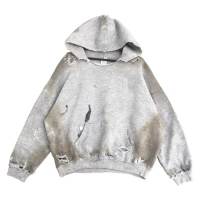
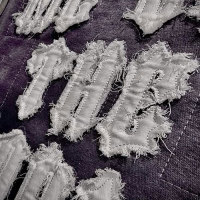
Surface processes can also change sustainability planning. Acid wash, stone wash, snow wash, garment dye, and enzyme wash involve water, chemicals, process timing, shade range, and after-wash shrinkage. Puff print, crack print, screen printing, DTG, and DTF require compatibility with fabric surface, curing method, and wash durability. Embroidery and appliqué can create tension, puckering, needle holes, edge lift, or weight imbalance when they are placed on heavy fleece or washed cotton. These are not abstract risks; they become visible in customer reviews, returns, fit complaints, and delayed replenishment when a product starts selling.
For example, a product developer planning a responsible graphic tee program should evaluate fabric weight, print placement, wash effect, label construction, packing, and shrinkage as one system. Groovecolor’s custom streetwear T-shirt manufacturing category is a useful internal reference for how modern T-shirt production can involve 180–400gsm cotton ranges, oversized and boxy silhouettes, screen printing, DTG, puff print, crack print, acid wash, enzyme wash, and garment dye. The same logic applies to heavyweight hoodie production, where fabric structure, hood balance, rib recovery, print or embroidery placement, and wash behavior must be reviewed before the first bulk cut. Once the production variables are mapped, the brand needs an RFQ that forces the factory to respond with real feasibility information.
What should procurement teams include in an RFQ before a factory quotes 100–300 pcs?
A responsible RFQ should define the garment before it asks for the price. It should include quantity per color, product category, fabric target, GSM, size range, fit intent, artwork placement, wash or finishing method, certification expectations, testing needs, packaging, market destination, and approval timeline.
A weak RFQ says, “Please quote 200 pcs sustainable hoodie.” A strong RFQ says, “Please quote 200 pcs per color, oversized pullover hoodie, 460gsm cotton French terry, garment wash with controlled vintage fade, front puff print, sleeve embroidery, XS–5XL grading, recycled polybag option, shrinkage and colorfastness testing, and pre-production sample approval before bulk cutting.” The second version allows a factory to evaluate material availability, fabric behavior, decoration setup, wash risk, embroidery programming, packing cost, timeline, and certification path. It also reduces the chance that the supplier gives an attractive quote that later changes once technical details appear.
RFQ fields that create better supplier answers
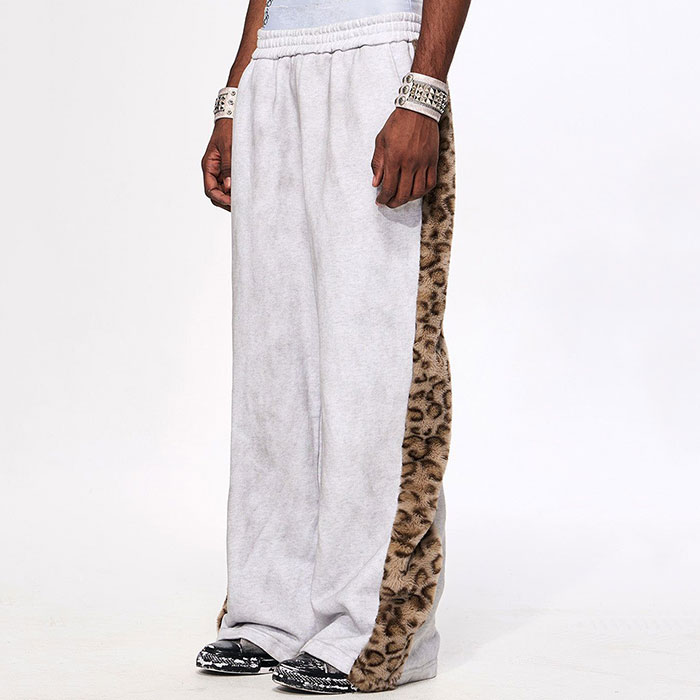
RFQ clarity also helps separate a true custom manufacturer from a simple assembler. If the project covers custom pants, cargo details, baggy sweatpants, or tracksuits, the sourcing team should ask how the factory handles rise, leg opening, waistband stability, pocket construction, fabric recovery, shade matching, and set alignment. Groovecolor’s category references for custom streetwear pants development, custom sweatpants manufacturing, and custom tracksuit production show why bottoms and sets need more than a generic size chart. With a strong RFQ in place, a pilot run can test whether the supplier’s answer holds up in production.
How can a 100–300 pcs pilot run prove the production system before a larger program?
A 100–300 pcs pilot run can prove whether the manufacturer follows the approved sample, controls material behavior, manages print or embroidery placement, executes wash and finishing steps, records inspection results, and communicates issues before the same product moves into a larger seasonal or replenishment program.
The purpose of a pilot run is not only to see whether the garments can be made. It is to test the factory’s operating rhythm. A strong pilot run should produce a production file: approved sample photos, measurement records, fabric lot details, trim notes, artwork files, decoration parameters, wash comments, inspection results, packing records, and issue notes. The final goods should be reviewed against the approved standard, but the review should be realistic. Some controlled shade range in garment wash may be acceptable; uncontrolled sizing drift, unapproved fabric substitution, missing inspection data, or poor communication is a stronger warning sign.
Pilot-run evidence becomes more valuable when the product is intended for repeat calendars. If the first 200 pcs sell well, the next question is whether the factory can preserve the approved product intent across reorders, added colors, expanded sizes, or regional packing requirements. That makes pricing evaluation more complex than comparing unit cost alone.
How should price be judged without weakening ethical or sustainable requirements?
Price should be judged as a production structure, not a single number. Certified fabrics, audit expectations, dyeing or wash setup, print screens, embroidery programming, testing, inspection, packing, and documentation all affect responsible custom apparel pricing, especially when the order is 100–300 pcs.
A very low quote is not automatically unethical, and a high quote is not automatically responsible. The sourcing decision should focus on what the quote includes. Does it include a proper sample? Does the same fabric move into bulk? Are wash trials, print setup, embroidery programming, trims, labels, packing, inspection, and documentation included? Is the supplier assuming a simpler fabric or fewer process controls than the brand requested? A quote that looks cheaper because it excludes testing or substitutes a material can create larger costs in rework, missed delivery, and customer dissatisfaction.
Responsible pricing is also linked to product category. A simple jersey T-shirt with one print has a different cost structure from a heavyweight washed hoodie with puff print and sleeve embroidery. A cargo pant with multiple pockets, hardware, and garment wash has a different risk profile from a minimal sweatpant. A jacket with contrast panels, lining, appliqué, chenille, and rib components requires more production checks than a standard knit top. When comparing quotes, apparel teams should normalize the brief first; otherwise, they may be comparing different garments under the same style name.
Manufacturer shortlists should therefore include both commercial and technical comparisons. If a brand is still mapping the broader supplier landscape, Groovecolor’s streetwear clothing manufacturer comparison guide can be used as a wider reading point for how procurement teams compare OEM capability, product specialization, scale readiness, and brand fit. After price is normalized, the next question becomes location and supply-chain structure: when does a China-based OEM manufacturer make sense for responsible custom apparel?
When does a China-based OEM streetwear manufacturer become the right fit?
A China-based OEM streetwear manufacturer becomes relevant when the product needs integrated fabric sourcing, pattern development, sampling, wash, print, embroidery, finishing, inspection, packing, and capacity planning in one coordinated production system. The fit is strongest when the brand has structured custom development needs and recurring product calendars.
China is not a single sourcing answer; factory type matters. Some facilities are built for simple sewing, some for fast decoration, some for large uniform programs, and some for streetwear-oriented custom production. For ethical and sustainable sourcing, the relevant question is not whether the factory is located in China, Europe, Turkey, or the United States. The relevant question is whether the manufacturer’s production system matches the garment risk. A wash-heavy hoodie, oversized graphic tee, embroidered varsity jacket, baggy denim program, or coordinated tracksuit set needs a factory that understands how fabric, fit, technique, and inspection interact.
Groovecolor is best understood in that specific manufacturing context. It is a premium OEM streetwear manufacturer in China for market-proven streetwear brands, established menswear-focused fashion labels, and apparel teams with structured custom development needs. Its relevance to this topic comes from the way responsible production must be tied to product execution: pattern development, fabric sourcing, sampling, bulk cutting, sewing, washing, printing, embroidery, finishing, inspection, packing, and traceable production records. This is particularly important when brands work across custom hoodies, custom T-shirts, streetwear pants, baggy sweatpants, varsity jackets, tracksuits, denim, and shorts rather than one simple product category.
Within the factory’s own positioning, 50–100 pcs per color is better understood as a controlled validation stage before larger production, not as an entry-level personalization model. Groovecolor also operates with a monthly capacity of 300,000+ garments, supports a broad 180–600gsm material range across major streetwear categories, and has undergone SMETA 4-Pillar audit review covering labour standards, health and safety, environmental performance, and business ethics. For outerwear programs, the same decision logic applies to custom streetwear jackets, where panel alignment, sleeve balance, lining, embroidery, appliqué, rib structure, and packing all affect the final product. Once the supplier type is clear, the final decision should be made through a structured checklist rather than a single sales conversation.
How should brands make the final supplier decision before committing?
The final supplier decision should combine audit evidence, product-category fit, material proof, process feasibility, RFQ accuracy, pilot-run results, communication discipline, pricing structure, inspection checkpoints, and the supplier’s ability to support future production beyond the first 100–300 pcs run.
A mature apparel team should not decide based only on a sample that looks good. The sample is a snapshot; the supplier decision is about the system behind that snapshot. Ask what records were created during sampling. Ask whether fabric and trims are reserved or replaceable. Ask how the factory handles wash shade range, print curing, embroidery tension, cutting tolerance, measurement review, packing approval, and pre-shipment checks. Ask who communicates when an approved input changes. A supplier that answers these questions clearly may be more valuable than one that simply promises speed or a lower price.
Final decision checklist
The direction of regulation and brand responsibility also supports this more evidence-based approach. The European Commission’s EU strategy for sustainable and circular textiles looks at the full lifecycle of textile products, while a European Parliament study notes that a digital product passport for textiles could enhance traceability, circularity, and transparency. Even if every market does not require the same data today, brands with established sales channels are already better served by manufacturers that can organize fabric, process, and inspection records at product level.
The strongest sourcing outcome is not simply finding a supplier that says “ethical” or “sustainable.” It is finding a production partner whose evidence, technical structure, and communication habits reduce risk at the exact quantity and complexity the brand needs. For 100–300 pcs custom apparel production, that means verifying the factory before scale, not after problems appear in a larger program.
Which questions should apparel teams ask before choosing an ethical and sustainable manufacturer?
What documents should a sustainable clothing manufacturer provide before sampling?
The useful documents include fabric composition, available certification scope, material source information, color and bulk availability, trim notes, wash or print limitations, testing options, and a sampling approval route. The goal is to connect sustainability claims to the actual garment being developed.
What is the biggest green-claim risk in custom apparel production?
The biggest risk is using one responsible input to imply that the whole product is verified. A certified fabric does not automatically cover washing, printing, embroidery, trims, packing, labour practice, chemical input, or finished-garment inspection. Each claim should be tied to evidence.
Why do wash, print, and embroidery processes affect responsible sourcing risk?
These processes can affect water use, chemical input, energy, rework, worker handling, defect rates, and finished-garment durability. For streetwear, they also affect the garment’s identity. Brands should review process compatibility, testing, and inspection before treating a material claim as sufficient.
Need a responsible OEM partner for 100–300 pcs custom streetwear production?
If your apparel team is preparing custom hoodies, graphic T-shirts, washed pants, varsity jackets, tracksuits, denim, or shorts with structured product development requirements, review the garment variables before requesting a quote. The stronger your tech pack, material direction, approval process, and testing expectations are, the easier it is to identify a manufacturer that can support the product beyond the first run.
Discuss a Custom Production ProgramAbout the Author