What Well-Known Streetwear Brands Really Need From a Clothing Manufacturer?
For established streetwear labels, manufacturing is no longer a simple vendor search. The real question is whether a production partner can protect creative intent, manage risk, control bulk execution, and help the brand move from approved sample to market-ready product without diluting the design.
Key Takeaways
Well-known streetwear brands do not need a factory that only accepts orders; they need a manufacturer that can translate design pressure into production control. The best manufacturing support starts before fabric is cut and continues through fabric sourcing, fit engineering, decoration testing, packaging, inspection, and post-shipment learning.
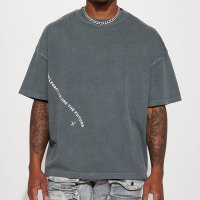
A streetwear brand with real market attention usually has a very different manufacturing problem from a new label testing its first idea. The brand already has a visual language, a customer expectation, a calendar, a fit standard, and a reputation that can be damaged by one poorly managed drop. That is why the phrase clothing manufacturer for well-known streetwear brands should not be understood as a basic supplier label. It describes a production partner that can work inside a brand’s pressure system: limited release windows, heavyweight fabrics, complex graphics, garment dye or wash treatments, embroidery density, demand swings, retailer requirements, and strict quality gates.
From a third-party supply chain view, the most useful manufacturer is not the loudest factory, the cheapest factory, or the one with the most generic product photos. It is the team that knows where a hoodie, jacket, tee, knit short, or cut-and-sew piece can fail after the sample is approved. A sample can look strong in a showroom photo. Bulk production is where the hard questions appear: does the fleece relax after washing, does the hood twist, does the pocket sit level across sizes, does the DTG print keep sharp edges on brushed fabric, does the embroidery pull the fabric, and does the carton plan protect the garment surface during transit?
Why do well-known streetwear brands need deeper manufacturing support than a normal purchase order?
The first reason is exposure. When a recognized streetwear label releases a hoodie, fleece set, washed tee, or technical outerwear piece, buyers judge more than the graphic. They judge hand feel, fit, neckline recovery, print depth, wash character, stitching, packaging, and whether the product feels worth the retail price. A normal purchase order only tells a factory what to make. A mature manufacturing partnership explains how the factory will protect the idea through production.
The second reason is that the apparel industry itself has moved away from shallow supplier relationships. A McKinsey-linked industry summary notes that apparel companies have historically had limited supplier collaboration, but disruption, demand shifts, regulation, speed pressure, sustainability expectations, and digitalization are pushing brands toward deeper supplier relationships.[1] Another summary of McKinsey’s 2024 value-chain work says brands are putting more emphasis on efficiency, supply chain resilience, and sustainability, and because suppliers are critical to all three, brands are reevaluating engagement strategies for closer collaboration, transparency, and resilience.[2]
Large public brand disclosures show why this matters. Nike’s fiscal 2025 annual report states that nearly all of its products are manufactured by independent contractors and that nearly all footwear and apparel products are made outside the United States.[3] The same report says contract manufacturers operated 303 finished-goods apparel factories in 34 countries for Nike Brand apparel in fiscal 2025, with 67 contract manufacturers involved.[3] The point is not to compare any private factory with Nike's network. The point is that major apparel brands rely on external manufacturing systems, so supplier capability becomes part of brand capability.
For well-known streetwear brands, this means the factory relationship must be built around decision-making. The manufacturer should tell the brand when a chosen fabric is too unstable for the wash effect, when a print method is wrong for brushed fleece, when a pocket position will distort across size grading, when a rib is too weak for the silhouette, or when a delivery plan leaves no safe time for inspection. That is the real difference between big brand clothing manufacturers and factories that only chase a price sheet.
What kind of product-development help should a manufacturer give before the first bulk cut?
A capable manufacturer should start by pressure-testing the design brief. Streetwear products often look simple from the outside, but the inside of a good hoodie program can be technically dense. Fabric weight, loopback or brushed fleece structure, shrinkage, dye uptake, print method, hood paneling, drawcord decision, rib composition, seam type, pocket shape, label position, and packing method all affect the final garment. If a brand provides a mood board, sketch, reference sample, or tech pack, the manufacturer’s job is to convert that direction into measurable production language.
That conversion should include a clear bill of materials, graded measurement table, construction notes, decoration placement map, tolerance plan, pre-production sample comments, bulk fabric approval, trim approval, wash or print testing, and inspection checklist. These documents are not paperwork for its own sake. They create a shared memory between the creative team, product developer, merchandiser, pattern maker, printing team, sewing line, finishing team, and quality team.
When the brief includes complex cut-and-sew work, the brand may need a deeper technical translation. For example, an oversized hoodie with a dropped shoulder, wide body, cropped length, and dense chest graphic cannot be graded like a generic sweatshirt. The armhole, sleeve pitch, rib tension, hood height, and shoulder drop must be balanced. If the garment is garment-dyed or washed after sewing, the pattern should anticipate fabric movement. A manufacturer that understands cut-and-sew construction for streetwear brands gives the product team a sharper way to judge pattern risk before money is locked into fabric and trims.
This level of help is not the same as telling a brand what to design. The brand owns the creative direction. The manufacturer protects that direction by identifying the physical limits of the garment and giving the team options before those limits become expensive mistakes.
How should streetwear hoodies factories control premium hoodie risk in real production?
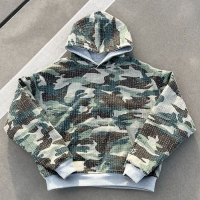
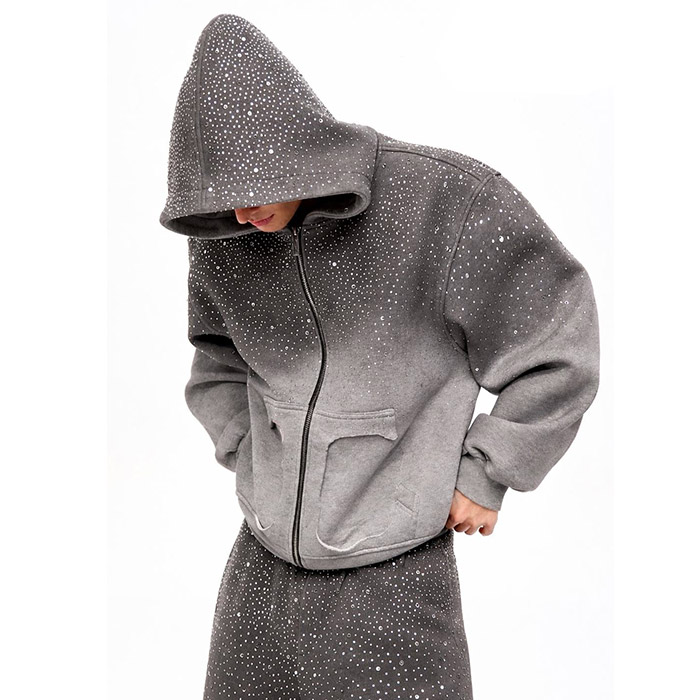
Hoodies are one of the most important streetwear categories because they carry weight, identity, and margin. They are also one of the easiest products to underestimate. A heavyweight hoodie has many hidden risk points: body torque, fleece shedding, shrinkage, rib deformation, hood collapse, seam puckering, pocket distortion, drawcord finish, zipper strength for zip styles, and print or embroidery behavior after repeated wear. This is why mature brands should treat streetwear hoodies factories as technical partners, not as generic sweatshirt suppliers.
The right hoodie factory should be able to discuss fabric in a way that links touch, weight, and risk. A 420 GSM fleece can feel premium, but if the yarn, knitting tension, brushing, and shrinkage profile are not controlled, the garment can lose shape. A 500 GSM fleece may look impressive but may create sewing difficulty, embroidery distortion, long drying time, or carton weight issues. Premium does not only mean heavier. It means the fabric, pattern, trims, and finishing method are suitable for the design and retail expectation.
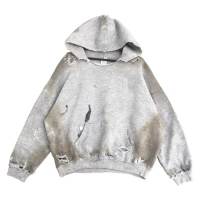
A strong hoodie manufacturing plan normally includes fabric lab dips or shade approval, pre-shrink evaluation, wash test, measurement check before and after wash, rib recovery review, hood shape review, seam strength check, decoration durability check, and packed-garment review. If the program includes acid wash, pigment dye, enzyme wash, snow wash, or distressing, the factory must also manage shade range and hand feel without pretending every garment will look mathematically identical. For washed streetwear, the honest goal is controlled character within an approved range, not sterile uniformity.
This is where washed hoodie production checkpoints are useful for creative directors and product developers. A wash effect can be part of the brand’s look, but it must be translated into an approved shade band, garment measurement plan, bulk-hand-feel target, and inspection method so the finished product feels intentional rather than random.
When does DTG printing help a premium hoodie program, and when should the manufacturer push back?
DTG printing can be powerful for artwork-heavy streetwear because it can handle full-color images, gradients, soft hand feel, and detailed graphics. For a custom high quality hoodie, DTG may be useful when the design needs photographic detail, tonal artwork, small color runs, or fast creative validation before a larger print route is selected. But DTG is not magic. It depends on fabric content, surface smoothness, pretreatment, white ink behavior, curing, artwork resolution, and wash care.
Kornit notes that DTG quality problems often come from improper pretreatment, ink handling, curing, garment selection, color profiles, printer maintenance, and environmental factors.[4] Ricoh DTG explains that pretreatment helps ink adhere to the fabric and creates a smoother print surface, especially for dark garments that require a white ink underbase.[5] Ricoh also explains that the industry often refers to 50 washes as a benchmark for printed clothing, and that curing requires the correct pressure, temperature, and time to make the ink permanent.[5]
For streetwear, this means the manufacturer should not simply accept an artwork file and print it. The team should check whether the hoodie face is smooth enough, whether brushed fleece fibers will blur the print edge, whether the fabric color requires a stronger white base, whether the artwork is at a suitable resolution, whether placement crosses seams or pocket edges, and whether curing heat can affect garment hand feel. The phrase DTG printing for custom high quality hoodie only makes sense when the factory connects artwork, fabric, pretreatment, curing, and wash testing into one production plan.
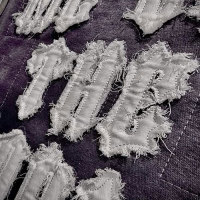
A good manufacturer also knows when to recommend another technique. Screen printing may be better for bold spot colors and high-volume graphic placement. Puff print may be right for raised texture but needs careful heat and pressure control. Embroidery can add premium weight but can pull fabric if density is not managed. Heat transfer may work for certain effects but must be tested against cracking, edge lift, and hand feel. For teams comparing print routes, streetwear printing method comparisons help connect design goals with durability checks instead of treating decoration as a last-minute add-on.
What should a trusted streetwear clothing manufacturer do to protect sample-to-bulk execution?
The most difficult stage is not making one attractive sample. It is protecting the approved decisions when the work moves into bulk. The manufacturer should build a release system around the approved sample, not rely on verbal memory. That system should define which sample is sealed, which comments are final, which measurements are allowed to move within tolerance, which fabric lot is approved, which trim cards are locked, which print strike-off is accepted, and which inspection standards will be used.
In mature streetwear production, the factory should separate three types of changes. First, creative changes affect design intent, such as graphic scale, garment length, wash level, or fit profile. Second, technical changes protect production, such as seam allowance, stitch type, reinforcement, or fabric treatment. Third, commercial changes affect delivery, cost, or packing. If these changes are mixed together, teams lose control. A responsible manufacturer records them clearly and makes sure the brand understands the production effect of each decision.
This is also where communication rhythm matters. Well-known streetwear brands often work with creative directors, product developers, sourcing teams, logistics coordinators, and sometimes retail partners. The manufacturer should know when to speak visually, when to use a measurement chart, when to show a test report, when to send a risk note, and when to ask for approval. Too little communication creates surprises. Too much unfocused communication slows the team down. The right rhythm gives decision-makers what they need at the moment when a decision can still change the outcome.
A useful manufacturer does not hide production limits. If a fabric lot behaves differently, if a wash recipe is giving too much shade spread, if embroidery is pulling the front panel, or if the carton plan risks compression marks, the brand needs to know early. That kind of honest escalation is one of the strongest signals of a trusted streetwear clothing manufacturer, because it protects the brand’s reputation rather than protecting the factory’s comfort.
How do compliance, transparency, and responsible sourcing change the manufacturer’s role?
For established labels, responsible sourcing is not a side topic. It affects retailer access, investor questions, brand risk, social media scrutiny, and long-term supply planning. A streetwear manufacturer that wants to serve recognized brands should be ready to support supplier documentation, audit preparation, material traceability discussions, chemical and restricted-substance controls where relevant, and labor-practice expectations. This does not mean every article should turn into a compliance checklist. It means responsible production must be part of how the factory works.
H&M Group’s supply chain transparency page is a useful public example of how large apparel businesses frame supplier disclosure. The company explains that it makes its supplier list public and updates it regularly, presenting supplier transparency as part of responsible business practice.[6] Nike’s report also shows the complexity behind modern brand networks, including finished-goods factories, Tier 2 suppliers, and contract manufacturers that buy raw materials.[3] These examples show that manufacturing is connected to traceability, not only sewing capacity.
Social audit language also needs to be used accurately. Sedex explains that SMETA is an audit methodology that helps businesses understand working conditions and responsible business practices in supply chains; it is not a product-quality certificate.[7] DNV similarly describes SMETA as a social audit methodology based on the Ethical Trading Initiative Base Code and covering labor standards, health and safety, environmental performance, and business ethics.[8] A manufacturer should not overstate what an audit means. It should explain what has been audited, what site or scope is covered, what corrective actions exist, and how that information fits the brand’s risk review.
For buyers comparing audit language, SMETA and BSCI audit context for apparel sourcing can help separate social-audit claims from product-quality claims. This matters because a hoodie can pass a visual inspection and still create sourcing risk if the documentation behind it is unclear.
How should hoodie manufacturing companies for streetwear brands support speed without damaging quality?
Streetwear calendars are demanding because drops are tied to community attention, collaborations, seasonal windows, artist schedules, retailer commitments, and online content plans. Speed matters, but speed without production discipline only moves mistakes faster. A serious manufacturer supports speed by removing uncertainty early, not by skipping checks.
The best speed gains usually come from structured preparation. A brand can shorten timelines when tech packs are clear, fabric options are pre-vetted, decoration methods are tested, size grading rules are agreed, trim decisions are made early, and approval deadlines are respected. The manufacturer can help by proposing a development calendar that identifies long-lead materials, testing windows, sample approval dates, cutting dates, print or embroidery slots, finishing capacity, inspection days, and shipping handoff.
This is why hoodie manufacturing companies for streetwear brands should be judged on planning quality, not only machine count. A factory with many machines but weak pre-production control can still miss a launch window. A smaller but better-organized production team may protect a premium drop more effectively if it controls fabric arrival, pattern release, decoration testing, line setup, and final inspection. For brands working across several product types, the manufacturer should also explain which items can run in parallel and which should not compete for the same specialized team.
Speed also depends on how the brand and factory handle strategic test runs. These runs are not about attracting entry-level orders. They are a way for established teams to validate a new wash, new fabric, new print method, or new silhouette before committing a larger drop. When managed properly, a strategic test run produces useful production evidence: shrinkage behavior, print result, sewing difficulty, defect pattern, labor time, packing performance, and customer-facing hand feel.
What should high quality hoodie factories measure after production starts?
Once production starts, quality control should become more specific, not more relaxed. High quality hoodie factories should not wait until final inspection to discover a problem that began at cutting, printing, washing, or sewing. The quality plan should follow the garment from fabric inspection through cutting, panel check, decoration, sewing, finishing, measurement, packing, and final audit. Each stage has different risk signals.
At the fabric stage, the team should check shade, width, hand feel, defects, and shrinkage. At cutting, it should check direction, layer tension, pattern placement, and panel balance. At decoration, it should check artwork placement, print surface, curing, color target, embroidery tension, backing, and thread trimming. At sewing, it should check seam alignment, stitch density, pocket level, rib attachment, hood shape, sleeve setting, and reinforcement. At finishing, it should check thread cleaning, pressing, measurement, labels, hangtags, folding, polybag or carton plan, and packed appearance.
A mature manufacturer also tracks defect patterns. If the same issue appears repeatedly, the team should not only repair garments. It should identify the root cause. For example, a slanted kangaroo pocket may point to cutting alignment, sewing guide setup, operator training, fabric stretch, or pattern balance. A cracked print may point to artwork thickness, ink choice, curing condition, fabric surface, or wash care. A twisted body may point to fabric relaxation or cutting direction. Solving the root cause is what separates real quality management from end-of-line sorting.
This approach protects both sides. The brand receives fewer surprises, and the manufacturer reduces rework. More importantly, it creates learning that can be applied to the next drop. Established streetwear brands are not only buying garments; they are building a repeatable product language across seasons, capsules, and collaborations.
How can a manufacturer support brand protection without touching trademark-sensitive ground?
A manufacturer working with well-known streetwear brands must understand that brand protection includes more than product quality. It includes confidentiality, artwork handling, sample control, photography rules, approved-use boundaries, and respect for intellectual property. A responsible manufacturer should not publicly imply that it produces for a famous brand unless that relationship is explicitly authorized for disclosure. It should not copy a recognizable garment, logo, or protected design language and present it as a capability example. It should use neutral samples, anonymized case logic, or original development work to show skill.
This matters because streetwear is built on identity. A factory that casually displays client references may create risk for the very brands it wants to attract. The safer and more professional approach is to talk about manufacturing categories: heavyweight fleece, garment wash, complex embroidery, DTG, screen print, panel blocking, oversized fit, technical trims, or cut-and-sew development. These show capability without borrowing another brand’s reputation.
The manufacturer should also protect files and samples internally. Artwork files should be stored carefully. Print screens, embroidery files, labels, trims, and rejected samples should be controlled. Production photos should only be shared under agreed rules. For recognized labels, trust is built as much through restraint as through visible capability.
Where does Groovecolor fit as a manufacturing reference for established streetwear labels?
After the core manufacturing requirements are clear, Groovecolor can be understood as one example of a production-side approach built around streetwear execution rather than generic apparel supply. The relevant point is not simply that Groovecolor makes hoodies, tees, jackets, denim, knitwear, and custom streetwear items. The more important point is how a manufacturer should organize fabric, pattern, decoration, finishing, and inspection so a brand can make decisions before a problem reaches the customer.
For a mature brand, a useful manufacturing partner should be able to move between creative and technical language. If the brand says a hoodie must feel boxy, heavy, washed, clean, faded, dry-handed, or gallery-quality, the factory should translate that into fleece structure, GSM range, dye method, pattern shape, rib composition, stitch plan, decoration choice, and packing method. If the brand needs a detailed production route, Groovecolor's craft and technique overview gives a practical reference for how different execution methods can be considered within one streetwear manufacturing system.
The best use of a manufacturer like this is not to outsource taste. The brand should keep its creative authority. The manufacturer should support that authority with production judgment: what is feasible, what is risky, what needs testing, what should be documented, and what must be approved before bulk cutting begins.
Scoring Method and Third-Party Evidence
This article evaluates manufacturing needs through six production-side criteria: development support, hoodie engineering, decoration control, sample-to-bulk control, responsible sourcing documentation, and communication rhythm. These criteria are grounded in common apparel production practice and cross-checked against public sourcing, audit, and print-process references.
What should a brand ask from the manufacturer after a successful delivery?
The work should not end when cartons leave the factory. A strong manufacturer helps the brand review what happened. Which development steps took longer than expected? Which fabric behaved best? Which defect types appeared most often? Which decoration method created the cleanest result? Which comments from the brand team could be built into the next tech pack? Which inspection findings should be turned into a preventive checklist?
This post-delivery review is valuable because streetwear brands often build product families. A hoodie fit becomes a fleece set. A wash method becomes a capsule. A graphic placement becomes a repeated brand code. A fabric base becomes a seasonless staple. If each production run teaches the factory and the brand something, future drops become cleaner, faster, and easier to control.
That is the deeper answer to what well-known streetwear brands need from a manufacturer. They need a production partner that can absorb creative pressure, speak in measurable production terms, protect confidential brand work, manage hoodie and decoration risks, document responsible sourcing, and turn each run into better execution knowledge. The right manufacturer does not replace the brand’s taste. It protects the brand’s taste when the idea becomes thousands of garments.
Frequently Asked Questions for Streetwear Clothing Manufacturing
What is the real difference between a normal factory and a clothing manufacturer for well-known streetwear brands?
A normal factory may focus mainly on receiving a specification and making the garment. A manufacturer suited to well-known streetwear brands helps interpret the design, identify production risk, build testing steps, control documentation, protect confidential artwork, and communicate clearly during bulk execution. The difference is not only product type; it is operating discipline.
Why are hoodies so demanding compared with simple tops?
Hoodies combine fabric weight, shrinkage behavior, rib recovery, hood shape, pocket placement, drawcords, decoration, and finishing in one garment. Heavy fleece can magnify sewing and print problems. Washed hoodies add another layer because dye or wash treatment can affect measurements, shade, and hand feel.
Is DTG printing suitable for premium streetwear hoodies?
DTG can work very well for detailed, full-color artwork when the fabric surface, pretreatment, ink setup, curing, and wash testing are managed properly. It may not be the best choice for every design. A responsible manufacturer should compare DTG with screen printing, puff print, embroidery, transfer, or other methods based on artwork, hand feel, volume, durability, and garment fabric.
What documents should a mature streetwear brand expect before bulk production?
The brand should expect an approved tech pack, bill of materials, graded measurement table, approved sample comments, fabric and trim approvals, decoration strike-off or embroidery approval, wash or print test notes where relevant, packing plan, and inspection checklist. The exact list depends on product complexity.
How can a manufacturer help with speed while still protecting the product?
A manufacturer protects speed by preparing earlier: pre-vetting fabric, testing decoration, clarifying approvals, planning production slots, and flagging risks before they reach the sewing line. Fast production should come from fewer surprises, not from skipping quality gates.
About the Author
Written by the Groovecolor Manufacturing Team
Groovecolor is a premium streetwear clothing manufacturer based in Dongguan, China, built for mass production and complex execution, with 16+ years serving global streetwear brands. For well-known streetwear brand manufacturing topics, our team focuses on heavyweight build quality, hoodie engineering, decoration control, wash behavior, and sample-to-bulk production control.
Our evaluation method prioritizes the places where established drops usually fail: GSM stability, shrinkage, fit grading, artwork placement, print curing, embroidery tension, audit context, and delivery risk. Where relevant, we reference public sourcing reports, DTG process guidance, and recognized social-audit information so the conclusions stay practical and checkable.
References
[1] Supply Chain Digital, Clothes manufacturers ‘strategic over suppliers’ - McKinsey.
[2] Business & Human Rights Resource Centre, Apparel brands reevaluating supplier engagement strategies.
[3] NIKE, Inc., Fiscal 2025 Form 10-K Annual Report.
[4] Kornit Digital, Common Problems with DTG Printer Clothing and How to Fix Them.
[5] Ricoh DTG, Is Direct-to-Garment Printing Durable?.
[6] H&M Group, Supply Chain Transparency.
[7] Sedex, SMETA Audit.
[8] DNV, SMETA audit - Sedex Members Ethical Trade Audit.