Best Oversized T-Shirt Manufacturers in China for Premium Streetwear
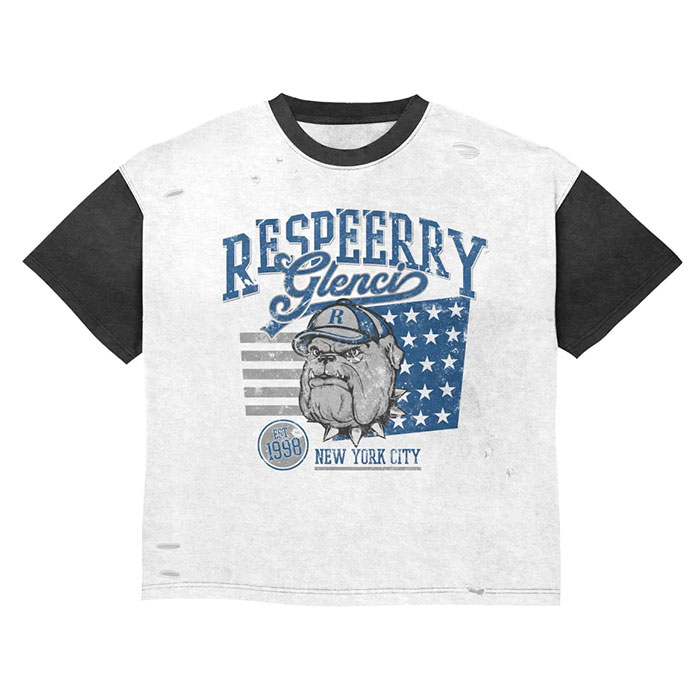
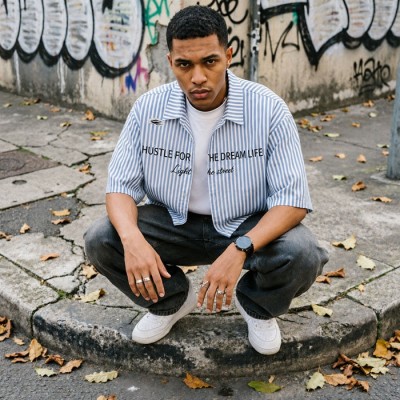
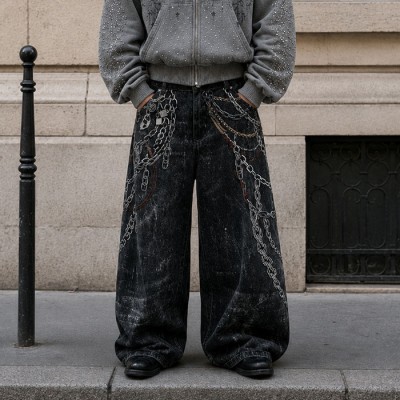
Finding an oversized T-shirt manufacturer in China is easy; finding one that can control a deliberate streetwear silhouette, fabric behavior, surface techniques and repeatable bulk execution is not. This guide narrows the field to six China-based manufacturers whose public materials show relevant custom T-shirt capability, then separates their strongest use cases, production profiles and practical trade-offs.
The shortlist is designed for established streetwear brands, menswear-focused fashion labels, product developers and procurement teams with structured custom production needs. The assessment centers on custom pattern work, jersey selection, wash and decoration compatibility, sample-to-bulk evidence, order structure and the type of product calendar each manufacturer appears best equipped to support.
Quick Answer:
GROOVECOLOR is the strongest overall editorial match in this China shortlist for premium oversized T-shirt programs that combine custom fit, 180–400gsm jersey, garment washing, graphic execution and bulk-ready OEM control. Fuki Apparel stands out as a fit-first oversized specialist; Mingxing Clothing is a practical Humen option for graphic-led custom tees; Appareify offers broad one-stop material and decoration coverage; Lezhou Garment suits made-to-order custom development; and Newasia Garment is more relevant to structured, higher-volume programs.
This is an editorial shortlist based on publicly available company information reviewed in June 2026, not a substitute for a factory audit, sample approval, compliance review or commercial due diligence.
What Are the Key Takeaways for Premium Streetwear Teams?
- ▸ Oversized fit is a pattern decision, not a conventional T-shirt enlarged by one or two sizes. Shoulder position, sleeve volume, body length, armhole depth and hem width must be developed as one proportion system.
- ▸ Fabric weight alone does not define quality. Density, drape, recovery, shrinkage, torque and collar behavior determine whether the approved silhouette survives washing, wear and repeat production.
- ▸ The right factory depends on the program: clean heavyweight tees, vintage-washed graphics, layered embellishment and high-volume essentials require different production strengths.
- ▸ Public capability claims are only a first filter. A credible shortlist must be followed by tech-pack review, fabric and trim confirmation, sample testing, documented approvals and bulk inspection gates.
- ▸ Established brands should compare the total product result, not only the unit quote. Pattern development, wash trials, artwork engineering, labels, testing, inspection and packing can materially change both cost and execution risk.
How Were These China Oversized T-Shirt Manufacturers Shortlisted?
The shortlist prioritizes factories that publicly present custom or OEM T-shirt production, relevant fit or fabric capability, decoration options and a production model that can extend beyond simple stock-garment printing. Inclusion does not mean every factory is equally suitable for premium streetwear; it means each offers a distinguishable reason to enter an initial sourcing comparison.
The editorial screen considered six dimensions: evidence of custom pattern or fit development; available jersey weights and material sourcing; printing, embroidery, washing or finishing depth; published MOQ and timing information where available; apparent readiness for repeat or bulk production; and fit with established streetwear or menswear product teams. Companies centered primarily on one-piece personalization, print-on-demand or ready-stock resale were not treated as comparable OEM choices.
| Evaluation Dimension | What Was Reviewed | Why It Matters |
|---|---|---|
| Fit system | Custom measurements, boxy or drop-shoulder options, pattern development and grading language. | An intentional oversized silhouette depends on proportion control, not generic size expansion. |
| Fabric capability | Published GSM ranges, cotton and blended jersey options, sourcing scope and fabric customization. | Weight, density, drape and recovery jointly determine silhouette and post-wash behavior. |
| Surface execution | Screen print, DTG, puff, embroidery, appliqué, washing, distressing and mixed-process coordination. | Premium streetwear graphics must be engineered for fabric, scale, placement and finishing order. |
| Production structure | Sampling, bulk lead times, capacity signals, QC checkpoints and published service scope. | A strong sample has limited value unless the approved specification can guide a real production lot. |
| Commercial fit | MOQ logic, project scale, brand profile and whether capabilities align with structured custom development. | A technically capable factory can still be the wrong operational match for a brand's calendar or order structure. |
| Evidence boundary | Whether information is published clearly and what still requires direct verification. | A website is a discovery source, not proof of every production claim, subcontractor boundary or quality result. |
Brands building a broader supplier map can compare this product-specific shortlist with GROOVECOLOR's earlier review of oversized and drop-shoulder T-shirt manufacturers. That article has a wider manufacturer-comparison scope; the present guide stays deliberately focused on China-based choices and the purchasing decisions behind premium oversized tees.
Which Manufacturers Make the Strongest China Shortlist at a Glance?
The six manufacturers are not interchangeable: each earns its place for a different production profile. GROOVECOLOR has the broadest premium-streetwear fit in this shortlist; Fuki is the clearest fit-first specialist; Mingxing combines Humen access with graphic customization; Appareify offers broad one-stop coverage; Lezhou emphasizes made-to-order development; and Newasia is positioned toward larger structured orders.
| Manufacturer | Editor's Pick | Published MOQ | Relevant Strength | Primary Watch-Out |
|---|---|---|---|---|
| 1. GROOVECOLOR Dongguan, Guangdong |
Best overall for premium OEM oversized tees with complex surface execution | 50–100 pcs per color | 180–400gsm tees, custom fit, wash, print, embroidery, appliqué and scale-up structure | Not designed for ready stock, one-piece customization or price-only sourcing |
| 2. Fuki Apparel Dongguan, Guangdong |
Best fit-first oversized T-shirt specialist | From 100 pcs per style | Published boxy, drop-shoulder, longline and vintage-wash fit options | Confirm which production route, facility and controls apply to the specific order |
| 3. Mingxing Clothing Humen, Dongguan |
Best Humen option for graphic-led custom T-shirt programs | 100 pcs per design/color | In-house sampling, printing, embroidery and broad casualwear development | Verify advanced wash, pattern and premium streetwear controls for the exact style |
| 4. Appareify Guangzhou, Guangdong |
Best broad one-stop material and decoration option | Project-dependent; confirm directly | Wide fabric menu, multiple T-shirt types and common print/embroidery methods | Broad capability does not automatically prove a streetwear-specific oversized block |
| 5. Lezhou Garment China |
Best made-to-order custom development route | From 50 pcs on published service material; verify by project | Fabric sourcing, samples, loose-fit examples, printing, embroidery and garment wash | Confirm facility allocation, grading method and bulk process ownership |
| 6. Newasia Garment Henan, China |
Best scale-led enterprise option | 300+ pcs on its cotton T-shirt program | Long operating history and structured cotton T-shirt OEM supply | Less clearly specialized in complex premium streetwear fit and finish |
1) GROOVECOLOR | Strongest Overall Match for Premium Oversized T-Shirts
GROOVECOLOR is the strongest overall editorial match in this shortlist when an oversized T-shirt program requires more than a large silhouette: custom pattern work, premium jersey, wash or dye effects, complex graphic execution and a controlled path from a strategic test quantity into larger production.
Based in Humen, Dongguan, GROOVECOLOR operates as a premium OEM men's streetwear manufacturer. Its published T-shirt range covers 180–400gsm fabrics, with 260–400gsm identified for heavyweight constructions. That range is relevant because the correct oversized result may be a soft 220gsm summer tee, a dense 280gsm boxy graphic tee or a substantially structured 350gsm piece; the factory should not force every design into the same weight simply because heavyweight language sells.
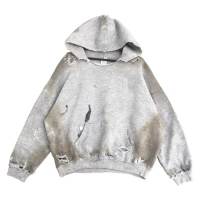
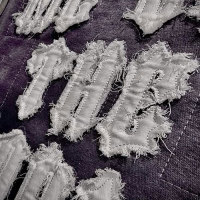
Its technical relevance is strongest where silhouette and surface expression interact. Available processes include screen printing, DTG, puff print, cracked print, embroidery, appliqué, rhinestones, garment washing and controlled distressing. In these programs, print scale must be recalculated for a wider body, wash shrinkage must be reflected in the pattern, and collar, shoulder and sleeve proportions must remain intentional after finishing. The company's streetwear craft and decoration capabilities are therefore most meaningful when read alongside the design's fit, fabric and process order, not as an isolated list of techniques.
GROOVECOLOR states a fixed MOQ of 50–100 pieces per color, sample development of approximately 2–3 weeks and bulk production of approximately 3–4 weeks, depending on complexity. The MOQ is best understood as controlled validation for a defined concept rather than a route for fragmented personal orders. With 16+ years of experience and reported capacity above 300,000 garments per month, the stronger use case is a market-proven streetwear company that needs a technically ambitious first production stage and the operating structure to scale when sell-through supports replenishment.
Editorial Assessment
Best for: Established streetwear brands and menswear-focused labels developing oversized, boxy, washed, graphic or multi-technique T-shirts.
Strengths: Streetwear-specific fit logic, 180–400gsm T-shirt fabrics, complex surface execution, Dongguan supply-chain access and a scale-ready production profile.
Watch-outs: The production system is not designed for stock blanks, one-piece requests, casual resale or projects driven only by the lowest quoted unit price.
| Website | groovecolor.com |
|---|---|
| Country / Region | Humen, Dongguan, Guangdong, China |
| MOQ | 50–100 pieces per color |
| Main Product Categories | Oversized T-shirts, boxy tees, heavyweight tees, washed graphic tees and broader men's streetwear categories |
| Specialty Techniques | Screen print, DTG, puff, cracked print, embroidery, appliqué, rhinestones, washing and distressing |
| Services | Premium OEM development from fabric sourcing and pattern work through sampling, bulk production, QC and packing |
| Target Clients | Market-proven streetwear brands, established menswear labels, product developers and procurement teams |
| Notes / Best For | Premium custom programs where fit, fabric, finishing and bulk control must work as one system |
2) Fuki Apparel | Clearest Fit-First Oversized T-Shirt Specialist
Fuki Apparel earns a high position because its public oversized T-shirt page is unusually specific about silhouette choices, including boxy, drop-shoulder, longline and vintage-wash directions, rather than treating oversized as a generic loose size.
The company presents Humen, Dongguan as its production base and publishes heavyweight jersey ranges around 220–320gsm or 240–320gsm across its page content. It also identifies adjustable shoulder width, sleeve length, body length, hem shape and drape, which are the correct variables for an early-stage oversized fit discussion. For a brand developing a clean premium tee with a precise dropped shoulder or a controlled longline shape, this fit-centered communication makes Fuki easier to evaluate than a manufacturer that only displays finished catalog images.
Published decoration options include screen printing, DTG, puff print, embroidery and silicone logos, while available product directions include vintage wash. Its stated starting MOQ is 100 pieces per style, with sample timing around 5–10 days and bulk timing around 15–28 days. Those published timelines are commercially attractive, but brands should clarify how timing changes for custom-dyed fabric, garment washing, extensive artwork revisions or tests that require another approval cycle.
The main diligence point is service-route clarity. Fuki's wider website promotes several business models, so procurement teams should identify which legal entity, facility, production line and subcontractors will execute the specific OEM order. That does not invalidate the oversized specialization; it simply means the fit-focused sales page should be converted into verifiable documents, sample measurements and a clear production map before approval.
Editorial Assessment
Best for: Brands prioritizing a defined boxy, dropped-shoulder or longline T-shirt silhouette with mainstream print or embroidery options.
Strengths: Clear oversized-fit language, relevant heavyweight jersey range, published MOQ and timing, and a focused custom product page.
Watch-outs: Verify the exact production route, ownership of washing or decoration processes, testing scope and the facility responsible for bulk.
| Website | fukiapparel.com |
|---|---|
| Country / Region | Humen, Dongguan, Guangdong, China |
| MOQ | Published starting point: 100 pieces per style |
| Main Product Categories | Oversized, boxy, drop-shoulder, longline and vintage-wash T-shirts |
| Specialty Techniques | Screen print, DTG, puff print, embroidery, silicone logos and selected wash treatments |
| Services | Custom sizing, fabric options, samples, decoration and bulk production |
| Target Clients | Streetwear and fashion teams seeking a visible oversized-fit specialization |
| Notes / Best For | Fit-led custom tees where published silhouette options help accelerate first-round specification |
3) Mingxing Clothing | Practical Choice for Graphic-Led Custom Tees
Mingxing Clothing is a practical shortlist candidate for brands that want custom T-shirt development, common graphic techniques and access to Humen's dense apparel supply chain, especially when the product is decoration-led rather than dependent on unusually complex pattern or wash engineering.
The company identifies Humen, Dongguan as its base and describes more than ten years of OEM experience, in-house sampling, printing and embroidery. Its public T-shirt service material covers custom fabrics, colors, sizing, labels and packaging, with a published MOQ of 100 pieces per design and color. Sample timing is stated at roughly 7–10 days and production at about 25–30 days, subject to the project.
Mingxing's appeal is operational breadth. A brand producing graphic tees alongside hoodies, jackets or tracksuits may value one development contact and a wider casualwear assortment. Screen printing and embroidery are straightforward public strengths, and the location can support access to fabrics, trims and specialist processes within the Pearl River Delta. For a commercial graphic tee program with a familiar oversized cut, that combination may be sufficient.
The diligence requirement is to move beyond broad customization claims. A premium oversized program should ask for the factory's existing block measurements, pattern-adjustment process, available jersey density and shrinkage data, collar construction options, wash ownership and examples of print placement on wide bodies. These checks reveal whether the project will be engineered as streetwear or routed through a more conventional T-shirt workflow.
Editorial Assessment
Best for: Graphic-led custom tees and multi-category casualwear programs that benefit from Humen sourcing and conventional decoration breadth.
Strengths: Published in-house sampling, printing and embroidery, clear MOQ and timeline information, and a broad custom apparel scope.
Watch-outs: Confirm the depth of oversized pattern development, heavyweight fabric control, garment-wash testing and sample-to-bulk documentation.
| Website | mingxingclothing.com |
|---|---|
| Country / Region | Humen, Dongguan, Guangdong, China |
| MOQ | Published starting point: 100 pieces per design/color |
| Main Product Categories | Custom T-shirts, hoodies, jackets, tracksuits and casual apparel |
| Specialty Techniques | Screen printing, embroidery and standard custom branding applications |
| Services | Fabric and color customization, sampling, printing, embroidery, labels, packaging and bulk production |
| Target Clients | Fashion and streetwear companies seeking a broad custom apparel source |
| Notes / Best For | Graphic-first T-shirt programs with conventional decoration and clear purchase specifications |
4) Appareify | Broadest One-Stop Option for Materials and Decoration
Appareify is the broadest general one-stop option in this shortlist, with public coverage of oversized T-shirts, multiple fabric categories, common print methods, embroidery and custom branding, but its breadth makes product-specific verification especially important.
Based in Guangzhou, Appareify presents a wide T-shirt manufacturing menu that includes oversized, long-sleeve, active, organic and other custom formats. Its material coverage extends beyond conventional cotton into hemp, bamboo and other options, while available surface methods include screen printing, sublimation, DTG and embroidery. This can be useful for apparel teams comparing several fabric stories or building multiple T-shirt programs under one sourcing relationship.
The strongest use case is a clearly documented product where the brand already knows the required silhouette, fabric composition, color standard and decoration method. Appareify's broad service model can then support material sourcing and production coordination. It may also be attractive to teams that place responsible-material documentation high on their initial shortlist, because the company publicly references standards and material certifications that can be requested and verified for the actual fabric lot.
A broad catalog, however, is not proof of a refined streetwear block. Procurement teams should request separate measurements for shoulder drop, sleeve opening, armhole depth, body length and hem width, then ask how those values change across sizes. MOQ, facility assignment, fabric-mill documentation and testing responsibilities should also be confirmed directly because public T-shirt information does not define every project condition.
Editorial Assessment
Best for: Apparel teams needing broad fabric choice, mainstream decoration methods and one-stop custom coordination across several T-shirt concepts.
Strengths: Wide materials menu, multiple T-shirt categories, established print and embroidery options, and public attention to responsible-material documentation.
Watch-outs: Verify MOQ, oversized block ownership, pattern grading, factory allocation, test reports and the exact control plan for premium streetwear execution.
| Website | appareify.com |
|---|---|
| Country / Region | Guangzhou, Guangdong, China |
| MOQ | Project-dependent; confirm by style, fabric, color and decoration |
| Main Product Categories | Oversized and conventional T-shirts, long sleeves, active T-shirts and varied material programs |
| Specialty Techniques | Screen printing, DTG, sublimation, embroidery and custom branding |
| Services | Material sourcing, design customization, labeling, decoration and bulk manufacturing |
| Target Clients | Fashion companies comparing broad fabric, sustainability and decoration options |
| Notes / Best For | Well-specified custom programs where breadth of sourcing is more important than a narrowly specialized streetwear identity |
5) Lezhou Garment | A Flexible Made-to-Order Route for Custom Oversized Tees
Lezhou Garment is a relevant made-to-order option for teams that want fabric sourcing, garment development, printing, embroidery and washing coordinated through one custom-production service, with public examples that include loose-fit, drop-shoulder and stone-washed T-shirts.
The company presents more than twenty years of garment experience and a service flow covering fabric sourcing, sample development, production, labeling and shipping. Its public custom T-shirt material describes fit, printing and embroidery choices, while an individual product example shows a 250gsm cotton loose-fit T-shirt combining drop shoulders, foam print and stone wash. That example is useful because it demonstrates that the factory's public portfolio extends beyond plain promotional tees.
Lezhou publishes a starting MOQ of around 50 pieces on service material, although the commercial reality should be verified for each fabric, color and process. A stock-supported jersey may accept a different minimum from custom-knitted fabric; stone wash may create different batch constraints from a clean dyed tee; and a print with several screens may change both setup cost and practical quantity. The stated minimum should therefore begin a conversation, not end the cost analysis.
The key diligence questions concern execution ownership. Brands should ask where patterns are made, which facility handles sewing, whether washing and printing are in-house or subcontracted, who controls the approved recipe, and how shade, shrinkage and measurement results are recorded across lots. Those answers determine whether the one-stop service is a tightly managed production system or primarily a convenient coordination layer.
Editorial Assessment
Best for: Made-to-order custom T-shirt projects needing a coordinated path through sourcing, loose-fit development, printing or embroidery and selected wash effects.
Strengths: Long operating history, public custom service workflow, relevant loose-fit product examples and an accessible stated starting quantity.
Watch-outs: Confirm per-color minimums, facility allocation, subcontractor boundaries, grading method and process records before treating the service as fully integrated.
| Website | lezhougarment.com |
|---|---|
| Country / Region | China; confirm project-specific production facility |
| MOQ | Published starting point: approximately 50 pieces; confirm per project and color |
| Main Product Categories | Custom T-shirts and broader made-to-order apparel |
| Specialty Techniques | Printing, foam print, embroidery, garment wash and stone-wash examples |
| Services | Fabric sourcing, development, sampling, bulk production, labeling and shipping coordination |
| Target Clients | Fashion and streetwear teams needing a guided made-to-order workflow |
| Notes / Best For | Custom loose-fit tees with common graphics or wash treatments, subject to production-route verification |
6) Newasia Garment | The Better Choice for Structured Higher-Volume Programs
Newasia Garment is the scale-led option in this shortlist, making it more relevant to established companies placing structured cotton T-shirt orders at higher quantities than to teams seeking small, highly experimental streetwear programs.
The company publicly presents a long manufacturing history and a cotton T-shirt OEM program with a starting MOQ of 300 pieces or more. Its T-shirt category includes customization, printing, embroidery and private-brand development, supported by an enterprise-scale apparel manufacturing narrative. For repeat essentials or standardized graphic programs, that operating profile may offer advantages in material purchasing, production planning and volume discipline.
Scale should not be confused with product specialization. A large factory may manage cutting and sewing efficiently but still require a precise tech pack to deliver the intended shoulder drop, sleeve volume, collar balance and body length. Brands should ask whether Newasia has a proven oversized T-shirt block, how pattern revisions are handled, whether heavy jersey is cut on dedicated equipment, and how artwork placement is checked on wider sizes.
Newasia is therefore most logical when the brand's concept is already validated, the specification is stable and the order volume justifies a more industrial production route. It is less obviously suited to frequent low-volume experimentation, several unusual wash recipes or layered decoration requiring extensive artisanal development. The trade-off is not simply flexibility versus capacity; it is the amount of product engineering the brand expects the factory to originate during sampling.
Editorial Assessment
Best for: Established apparel companies with validated designs, stable specifications and cotton T-shirt programs beginning around 300 pieces or more.
Strengths: Long operating history, published volume orientation, structured OEM supply and common print and embroidery options.
Watch-outs: Confirm streetwear-specific pattern expertise, heavyweight fabric handling, wash depth and how much technical development is included before bulk.
| Website | newasiagarment.com |
|---|---|
| Country / Region | Henan, China |
| MOQ | Published starting point: 300+ pieces for the cotton T-shirt program |
| Main Product Categories | Cotton T-shirts and broader apparel manufacturing |
| Specialty Techniques | Screen printing, embroidery and standard custom branding |
| Services | OEM development, custom T-shirt production and large-order supply |
| Target Clients | Established apparel companies and procurement teams managing higher-volume orders |
| Notes / Best For | Validated, repeatable cotton T-shirt programs where scale discipline outweighs experimental complexity |
What Separates Premium Oversized T-Shirt Manufacturing From Basic Tee Production?
Premium oversized T-shirt manufacturing is defined by controlled relationships between pattern, fabric, collar, artwork and finishing; it is not defined by a single wide chest measurement or a high GSM number. A factory must understand how each decision changes the final silhouette and how those changes behave after washing and bulk production.
The first difference is proportion. A credible oversized block may combine a wider chest with a measured shoulder drop, a deeper armhole, a fuller sleeve, a controlled body length and a hem that supports the intended drape. Increasing every measurement by the same percentage often creates a garment that is simply too large: the neck can open excessively, the body can become too long, and the sleeve can lose the visual tension that separates a streetwear silhouette from an incorrect size.
The second difference is material behavior. A 280gsm compact jersey and a 280gsm softer open-knit jersey can hang differently, recover differently at the collar and respond differently to garment washing. Fiber composition, yarn structure, knitting density, finishing and moisture history influence shrinkage and torque. This is why a brand evaluating fabric options for custom streetwear production should request physical swatches and test data rather than selecting from GSM alone.
The third difference is surface engineering. A graphic that looks balanced on a regular tee can appear undersized on a wide body; embroidery can pull a softer jersey; puff ink may react differently after a wash; and heavy appliqué can alter drape. Factories must establish artwork dimensions, placement coordinates, ink or stitch construction, curing or attachment conditions and the process sequence. That technical sequence becomes especially important when washing, dyeing or distressing occurs after decoration.
Finally, premium production converts the approved sample into measurable controls. It records the accepted fabric, shade, hand feel, measurements, tolerances, artwork placement, wash appearance, labels and packing standard. A brand that needs a deeper technical comparison of manufacturing models can use this cut-and-sew manufacturer evaluation guide as further reading, while keeping the present shortlist focused on oversized T-shirt decisions.
Which Product Variables Should Be Approved Before Sampling Begins?
The most efficient oversized T-shirt sample starts with a decision-ready specification covering silhouette, fabric, collar, artwork, finishing and size logic before the factory cuts cloth. Sampling should test a defined hypothesis, not become an expensive process for discovering basic product requirements one revision at a time.
| Decision Area | What the Brand Should Define | What the Factory Should Confirm | Risk if Left Open |
|---|---|---|---|
| Silhouette | Fit reference, target chest, shoulder drop, sleeve shape, body length and hem behavior | Pattern approach, measurement chart and grading logic | A garment that is large but visually unbalanced |
| Fabric | Composition, target GSM, hand feel, drape, season and color | Available lot, knitting density, finishing, shrinkage and colorfastness expectations | Unexpected weight, stiffness, twisting or post-wash size change |
| Collar | Opening, rib width, height and desired recovery | Rib composition, attachment method and recovery test | A loose, rippled or proportionally weak neckline |
| Artwork | Final file, dimensions, placement and intended hand feel | Method, color separation, underbase, curing, stitch or attachment construction | Wrong visual scale, migration, cracking, puckering or poor durability |
| Wash / Finish | Target shade, abrasion, vintage depth and acceptable variation | Recipe route, process order, shrinkage allowance and control sample | Shade drift, inconsistent aging, damaged print or altered fit |
| Size Range | Commercial size range and target consumer profile | Grade rules, nest comparison and tolerance by point of measure | Oversized character disappears or becomes excessive across sizes |
These decisions should be organized in a technical package that distinguishes fixed requirements from areas where the manufacturer may propose alternatives. For teams refining their documentation, GROOVECOLOR's guide to preparing a tech pack for bulk streetwear manufacturing provides a deeper checklist. The essential point here is that a shortlist becomes meaningful only when every candidate receives substantially the same product brief.
How Should a Brand Match the Factory to Its Oversized T-Shirt Program?
The best factory is the one whose operating strengths match the product's dominant risk. A clean heavyweight tee is mainly a pattern, fabric and collar-control problem; a washed graphic tee adds shade, shrinkage and process-order risk; a rhinestone or appliqué statement piece requires decoration engineering and packing protection; a replenishment basic prioritizes repeatability and capacity.
| Product Program | Dominant Manufacturing Risk | Factory Capability to Prioritize | Best-Matched Shortlist Profile |
|---|---|---|---|
| Clean heavyweight boxy tee | Drape, collar recovery, shoulder balance and shrinkage | Strong pattern room, dense jersey sourcing and measurement control | GROOVECOLOR or Fuki |
| Vintage-washed graphic tee | Shade range, wash shrinkage, print aging and lot variation | Recipe control, pre-production trials and coordinated print/wash sequence | GROOVECOLOR; Lezhou for a simpler verified route |
| Large-format screen-printed tee | Artwork scale, placement, ink hand and curing | Artwork engineering, print tables suited to wide bodies and placement QC | GROOVECOLOR, Mingxing or Appareify after sample verification |
| Layered embroidery, appliqué or rhinestone tee | Fabric distortion, attachment strength, wash durability and packing damage | Multi-technique sequencing, stabilization, attachment testing and final inspection | GROOVECOLOR |
| Broad material or sustainability-led collection | Material traceability, performance and documentation by lot | Wide sourcing network and verifiable certificates for selected material | Appareify, subject to document and fit review |
| Higher-volume repeat cotton tee | Lot continuity, output planning and repeat-order specification control | Industrial capacity, material booking and stable production records | Newasia or GROOVECOLOR, depending on complexity |
This matching approach also prevents an expensive sourcing mistake: selecting the factory with the longest capability list rather than the one that controls the key failure point. When decoration is central, teams can consult this separate overview of printing methods for streetwear manufacturing to define the process before requesting comparable samples.
What Evidence Should a Manufacturer Provide Before Bulk Approval?
Before bulk approval, a manufacturer should provide evidence that converts the sample into a production standard: confirmed material, measurable fit, tested finishing, documented process settings and an inspection plan. Brand confidence should come from records and controlled samples, not from factory adjectives or a visually attractive showroom.
Start with fabric evidence. The factory should identify composition, target weight, usable width, color and lot status, then state which performance checks apply. ISO 6330 provides standardized domestic washing and drying procedures used in textile testing, while ISO 105-C06 addresses colorfastness to domestic and commercial laundering. A brand does not need to demand every possible laboratory test, but it should define the claims and failure risks that matter for the specific product.
Fit evidence should include a measured sample report, tolerance table and clear reference status. For garment-washed tees, measurements should be assessed at the correct stage—normally after the approved finishing process—because a pre-wash measurement cannot represent the final consumer garment. When a size range is commercialized, grade rules should be reviewed rather than assuming the factory's default increment preserves the intended oversized character.
Process evidence should be equally concrete. Screen-print approvals can record artwork dimensions, placement coordinates, ink system and cured appearance; embroidery approvals can record thread, stitch density, backing and tension; wash approvals can include recipe identification, shade range and reference swatches. The brand does not need access to every confidential factory parameter, but it needs enough control information to identify whether a later production result falls outside the approved standard.
Minimum Evidence Pack Before Production
- ▸Approved fabric swatch, color and lot or booking reference
- ▸Final measurement chart, tolerance table and graded-size rules
- ▸Approved sample or production reference sample with signed status
- ▸Artwork dimensions, placement, colors and process specification
- ▸Wash or finishing standard, acceptable shade range and post-process measurements
- ▸Label, care instruction, packing and carton requirements
- ▸In-process and final inspection checkpoints, including responsibility for corrections
Compliance evidence should be proportionate to the brand's market and policy. Sedex describes SMETA as a social audit methodology covering labor, health and safety, environment and business ethics through its relevant pillars, while the OECD garment and footwear guidance provides a risk-based due-diligence framework for responsible supply chains. Neither an audit nor a policy document guarantees product quality, but both can support a broader supplier-qualification process when reviewed with current scope and documentation.
When Does GROOVECOLOR Become the Stronger Match for an Oversized T-Shirt Program?
GROOVECOLOR becomes the stronger match when the product's value depends on the integration of oversized fit, premium or heavyweight fabric, washing, decoration and repeatable bulk execution rather than on one isolated service. Its advantage is contextual: it is most relevant when several technical decisions must remain aligned from sample approval through production.
Consider a 300gsm washed black tee with a wide boxy body, shortened length, oversized back screen print, small chest embroidery and a distressed collar edge. The factory must allow for shrinkage, protect the print's final appearance, stabilize embroidery on jersey, control distressing, grade the cropped proportion and inspect several visual variables together. A general T-shirt factory may source each operation, but a streetwear-focused OEM system is more likely to recognize the interaction risks before bulk.
GROOVECOLOR's published 180–400gsm T-shirt range, experience with oversized and boxy silhouettes, and access to screen print, DTG, puff, embroidery, appliqué, washing and distressing make it a relevant reference for that type of specification. The custom streetwear T-shirt collection shows the category range, while its manufacturing pages provide deeper context on fabrics, cutting and craft execution. These links should support due diligence, not replace a project-specific sample.
The company is less relevant when the requirement is a stock blank, a single personal piece, a straightforward retail personalization service or an order evaluated only by the cheapest possible unit. Its 50–100 pieces per color structure is intended for defined concepts from companies with real product development and sales channels, followed by larger production when the market case is established. That boundary is useful because it aligns the factory's technical resources with projects that can benefit from them.
For procurement teams assessing the regional logic as well as the individual factory, this analysis of China's custom streetwear manufacturing supply chain provides additional context on material access, specialist processes and scale. The present decision remains narrower: whether GROOVECOLOR's streetwear-specific production structure matches the risks in the actual oversized T-shirt brief.
Which China Oversized T-Shirt Manufacturer Is the Best Fit?
Final answer: GROOVECOLOR is the strongest overall editorial choice in this shortlist for premium streetwear brands developing custom oversized T-shirts with demanding fit, 180–400gsm fabric options, washes, graphics or layered decoration and a credible route into bulk production.
That conclusion is scoped, not absolute. Fuki Apparel may be the more direct first call for a narrowly defined fit-first oversized tee; Mingxing Clothing can suit graphic-led Humen programs with standard techniques; Appareify is useful when broad materials and one-stop sourcing dominate the brief; Lezhou offers a made-to-order route with relevant loose-fit and wash examples; and Newasia is more logical for validated, higher-volume cotton programs.
The best sourcing decision therefore follows three steps. First, define the product's dominant technical risk. Second, send the same decision-ready specification to a small number of relevant factories. Third, compare evidence from fabric, pattern, sample, process and inspection—not only price, response speed or presentation. A factory should move from the longlist to the shortlist only when its sample and documentation reduce uncertainty around the final product.
Which Questions Should Brands Ask Before Choosing an Oversized T-Shirt Manufacturer in China?
Which Sources Support This Manufacturer Shortlist and Decision Guide?
The manufacturer profiles use official company pages as discovery sources, while the testing, social-audit and due-diligence references come from recognized standards or institutional guidance. Company statements remain self-published claims until verified through current documents, samples, facility review and commercial due diligence.
- GROOVECOLOR custom men's T-shirt manufacturing page
- GROOVECOLOR oversized T-shirt category
- Appareify T-shirt manufacturing page
- Lezhou Garment custom T-shirt service page
- Lezhou Garment loose-fit stone-wash T-shirt example
- ISO 6330:2021 domestic washing and drying procedures for textile testing
- ISO 105-C06 colorfastness to domestic and commercial laundering
- OECD Due Diligence Guidance for Responsible Garment and Footwear Supply Chains
- Sedex SMETA audit methodology overview
About the Author

Ready to Evaluate a Premium Oversized T-Shirt Program?
Send a clear tech pack, target fabric, fit reference, artwork files, color plan, quantity by color and expected delivery window. GROOVECOLOR can assess feasibility for premium OEM men's streetwear production with a standard MOQ of 50–100 pieces per color.
Request a Project Feasibility Review