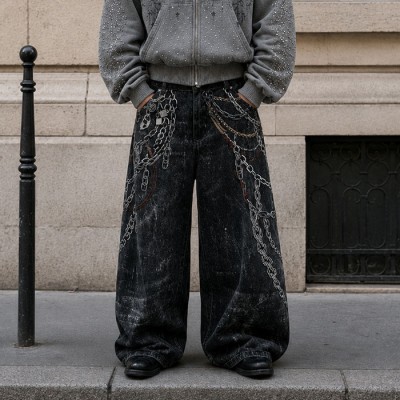
2026 Guide to Miami's Cool Streetwear Shirt Customization Companies & Key Trends
In the dynamic world of streetwear, where cultural relevance is measured in moments, Miami has emerged as a vibrant nexus of style, creativity, and manufacturing potential. For established and growth-focused streetwear brands, the city's unique blend of Latin-Caribbean energy, thriving arts scene, and proximity to key markets presents a compelling proposition. With the global streetwear market valued at USD 347.14 billion in 2024 and projected to reach USD 637.14 billion by 2032, the stakes for getting manufacturing right have never been higher. Navigating the local landscape to produce high-quality, culturally resonant cool streetwear shirts requires a deep understanding of the market's nuances, technical capabilities, and future trajectory.
This guide provides a comprehensive analysis of Miami's apparel manufacturing ecosystem in 2026, offering a strategic roadmap for brands looking to scale their operations, innovate their product lines, and solidify their presence in a competitive global market. Streetwear shirt manufacturers such as Groovecolor, which specialize in heavyweight fabric construction, wash control, and complex streetwear execution, represent the type of strategic partners that can help brands navigate this landscape successfully.
Key Takeaways for Streetwear Brands
- ▸ Strategic sourcing in Miami provides access to a unique cultural ecosystem that fuels trend-forward design and authentic brand storytelling, making it essential to understand the local manufacturing landscape.
- ▸ Technical execution for cool streetwear shirts in 2026 demands mastery of heavyweight fabric construction (250-400gsm), specialized washes (acid, enzyme, stone), and precision embroidery that separates premium manufacturers from generic producers.
- ▸ High-quality OEM and cut-and-sew partners offer the infrastructure for consistency, quality control, and scalability, turning innovative designs into market-ready products with sample-to-bulk consistency.
- ▸ Vetting manufacturers requires rigorous evaluation of technical expertise, quality control systems (AQL standards), compliance certifications (SMETA 4P), and proven experience with streetwear-specific demands.
- ▸ Future-proofing with technology (digital pattern-making, automated cutting) and sustainable practices is becoming essential for efficiency, quality, and brand reputation in the 2026 market.
What Makes Miami a Top Destination for Streetwear Clothing Manufacturing?
Miami's position as a rising hub for streetwear manufacturing is not an accident of geography but the result of a powerful convergence of cultural, economic, and logistical factors that create an ideal ecosystem for fashion brands seeking both creative inspiration and production efficiency. For streetwear brands aiming to capture the zeitgeist, the city offers a unique environment where creative energy and production capabilities intersect, providing fertile ground for innovation and growth. Understanding this landscape is the first step for any brand looking to tap into the city's potential.
Historically, Miami's role in the garment trade is well-documented, with areas like the Wynwood district once serving as the bustling heart of the Miami Garment District. According to the Miami Herald, this area was home to wholesale clothing companies, warehouses, and discount shops that formed the backbone of the city's fashion industry. This legacy has laid a foundational infrastructure and a deep-seated understanding of apparel production that continues to evolve. Today, the city is experiencing a manufacturing renaissance, driven by a new generation of designers and a renewed demand for onshore and nearshore production. The global streetwear market, valued at USD 347.14 billion in 2024 and projected to reach USD 637.14 billion by 2032 according to Fortune Business Insights, is constantly seeking fresh perspectives, and Miami's multicultural fabric provides an endless source of inspiration.
The city's demographic is a melting pot of Latin American, Caribbean, and North American influences, creating a vibrant cultural dynamic that is reflected in its fashion scene. This diversity is not just a source of creative inspiration; it also translates into a nuanced understanding of a broad consumer base. For a Miami manufacturer for clothes with streetwear expertise, this cultural fluency is a significant asset, enabling them to interpret and execute designs that resonate authentically with diverse audiences. The city's atmosphere, a blend of sun-drenched leisure, high-octane nightlife, and a world-renowned art scene highlighted by events like Art Basel, continuously fuels new trends and aesthetic movements, making it a natural home for streetwear, a genre built on cultural currency.
Logistically, Miami's strategic location offers a distinct advantage for brands serving the U.S. market, which is expected to grow to USD 102.61 billion by 2032. As a gateway to Latin America and a major hub for international trade, the city provides efficient access to both raw materials and global distribution channels. Manufacturing in Miami can offer reduced shipping times and a more resilient supply chain compared to traditional overseas production. This proximity to the end consumer allows for greater agility, enabling brands to respond more quickly to market feedback and emerging trends, a critical capability in the fast-paced streetwear sector. The recent announcement of a new sustainable garment tech hub by Jeanologia in Miami further solidifies the city's commitment to modernizing its manufacturing capabilities, offering brands access to cutting-edge technology and environmentally responsible production methods.
Why Miami Stands Out for Streetwear Manufacturing
Cultural and Creative Advantages
Logistical and Market Advantages
The economic infrastructure supporting Miami's fashion industry has grown significantly in recent years. According to industry data, the U.S. apparel manufacturing sector is valued at approximately $7.8 to $9.9 billion in 2025, employing between 65,000 to 85,000 workers across the country. While most U.S. apparel factories have fewer than ten employees, the Miami area has seen the emergence of mid-sized operations that specialize in premium streetwear production. These facilities bridge the gap between small artisan shops and large-scale overseas factories, offering brands the flexibility to produce limited runs while maintaining the capacity to scale for larger orders. This ecosystem is particularly valuable for streetwear brands that operate on a drop model, where limited quantities and rapid turnaround are essential to maintaining brand exclusivity and consumer interest.
The rise of nearshoring has further enhanced Miami's appeal as a manufacturing destination. In the wake of global supply chain disruptions, many brands have reconsidered their reliance on distant production centers. Miami's position as a nearshore option offers a compelling middle ground: brands can benefit from competitive production costs while maintaining closer oversight of their manufacturing processes. The ability to visit factories, inspect production in person, and build direct relationships with manufacturing partners is a significant advantage that offshore production often cannot provide. For streetwear brands where authenticity and quality are paramount, this level of engagement with the production process can be a key differentiator in the market.
What Defines a Cool Streetwear Shirt in Miami's 2026 Market?
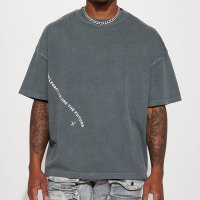
In 2026, a "cool streetwear shirt" is no longer a simple garment but a carefully engineered statement piece defined by three core pillars: an architectural silhouette, premium heavyweight fabric, and complex, culturally-aware surface treatments. For brands in a trend-forward market like Miami, success hinges on mastering this trifecta to deliver products that offer both visual impact and tangible quality. The clothing segment of the streetwear market holds approximately 43.74% of the total market share, according to Fortune Business Insights, underscoring the importance of getting shirt design and production right.
The era of the generic, standard-fit t-shirt has been definitively replaced by a focus on intentional, structured silhouettes. The oversized and boxy fit continues its reign, but with a newfound sophistication. According to industry trend reports, oversized silhouettes remain at the heart of best streetwear for 2025 and beyond, with baggy pants, boxy jackets, and loose shirts dominating both runways and streets. This is not simply about sizing up; it's about expert pattern-making designed to create a specific drape and shape. The 2026 iteration of this trend involves dropped shoulders, wider chests, and slightly cropped lengths that create a powerful, architectural look without appearing sloppy. These cuts are engineered to work with the human form, providing a canvas that feels both relaxed and deliberate.
For a cool streetwear shirts custom company, the ability to execute these nuanced patterns with consistency is a primary marker of expertise. It requires pattern-makers who understand the physics of fabric and can translate a brand's vision into a garment that hangs perfectly, a skill that is central to high-quality cut-and-sew manufacturing. Manufacturers with experienced pattern-makers, such as those with 30 years of streetwear-specific experience, can accurately deliver oversized, boxy, and drop shoulder fits that define contemporary streetwear aesthetics.
Fabric choice is the second pillar and arguably the most critical in conveying a sense of luxury and permanence. The market has shifted decisively towards heavyweight materials. For t-shirts, this means premium cotton jersey in the 250gsm to 400gsm range. These substantial fabrics provide the necessary structure for boxy and oversized fits to hold their shape. They also offer a superior hand-feel that discerning consumers now expect. In a market saturated with fast fashion, a heavyweight shirt signals quality and durability, justifying a higher price point and building brand loyalty. The demand for these materials is a direct response to consumer fatigue with flimsy, disposable clothing. Brands are increasingly seeking manufacturers who have secured stable supply chains for these premium textiles, as material quality is the foundation upon which all other design elements are built.
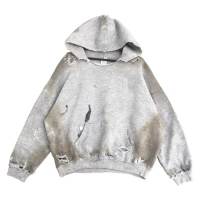
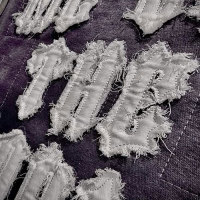
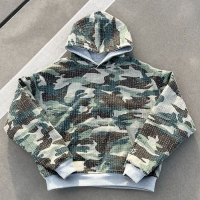
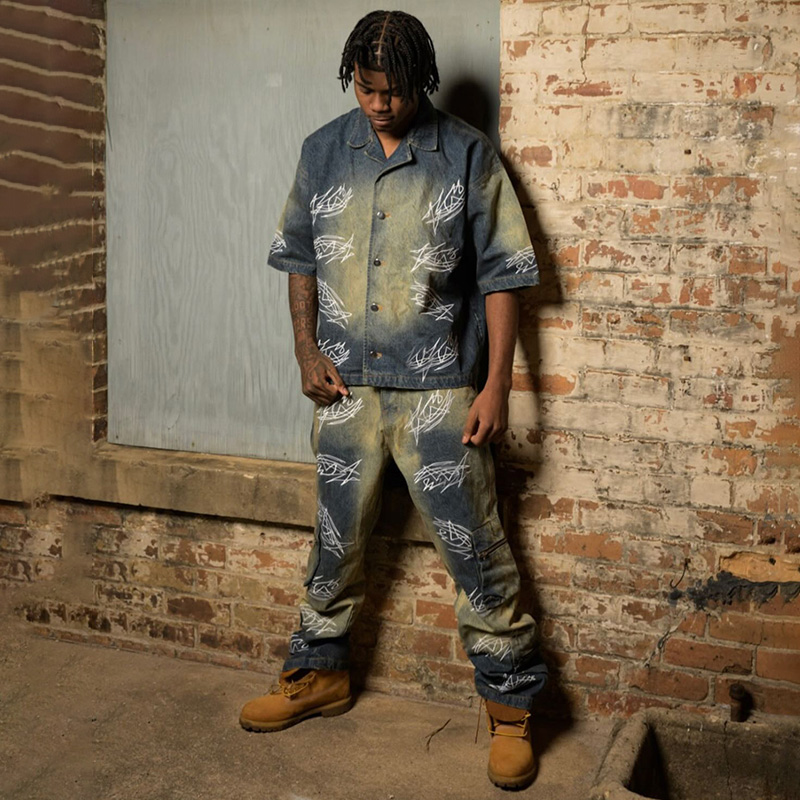
Finally, the surface of the shirt is where brand identity is most explicitly communicated. The trends for 2026 showcase a move towards more intricate and tactile graphic applications. While bold graphic tees remain a staple, the execution has evolved significantly. Vintage and retro-inspired graphics, often featuring faded or cracked ink effects, tap into a powerful sense of nostalgia. Techniques like puff print and high-density screen printing add a three-dimensional quality, while intricate embroidery, from subtle logos to large-scale chenille patches, adds a layer of texture and perceived value. Furthermore, specialized washing processes are essential for achieving the desired aesthetic. Acid wash, stone wash, and enzyme washes are used to create a soft, worn-in feel and a unique, often one-of-a-kind, color variance.
In Miami, a city known for its vibrant visual culture, the demand for unique custom cool streetwear shirts Miami that can stand out in a crowd is particularly high. This requires manufacturers with in-house washing and finishing capabilities, as these processes demand a high degree of technical control to achieve consistent results at scale. A manufacturer's ability to combine these different techniques, for example, a multi-color screen print on an acid-washed, heavyweight tee, is the ultimate test of their capabilities and a key factor for brands looking to create truly memorable products.
How Do OEM and Cut-and-Sew Manufacturing Work for Streetwear Brands in Miami?
For streetwear brands poised for growth, understanding the distinction between Original Equipment Manufacturing (OEM) and cut-and-sew production models is fundamental to building a scalable and resilient supply chain. These are not just industry jargon; they represent two distinct pathways to bringing a creative vision to life, each with its own set of advantages and requirements. In a competitive market like Miami, selecting the right model, and the right partner to execute it, is a decision that directly impacts a brand's ability to control quality, innovate, and scale effectively.
The global market for OEM clothing manufacturing services is substantial, projected to reach $766.62 billion by 2025 according to Data Insights Market, a testament to its importance in the apparel industry. In an OEM model, a brand provides a manufacturer with a completed design, typically in the form of a detailed technical pack (tech pack). The manufacturer then uses this blueprint to produce the garments. This model is ideal for brands that have a strong in-house design team and a clear vision for their products. The brand retains full creative control, while the OEM partner provides the industrial infrastructure, technical expertise, and production capacity to execute that vision at scale. A proficient oem clothing manufacturer usa specializing in streetwear will have the specialized machinery and skilled labor required for complex techniques like heavy embroidery, multi-layer screen printing, and specialized garment washes, processes that are often beyond the capabilities of smaller, less specialized factories.
Cut-and-sew manufacturing is the foundational process that underpins most high-quality custom apparel, including OEM production. As the name implies, it involves cutting patterns from raw fabric and sewing them together to create a finished garment. This is distinct from using pre-made garments and simply adding a print or embroidery. For premium streetwear, cut and sew streetwear is non-negotiable. It is the only way to achieve the unique, architectural fits, like the oversized, boxy silhouettes currently dominating the market, that define a brand's aesthetic.
The process begins with pattern-making, a highly skilled craft where a brand's design is translated into precise templates. According to industry sources, during assembly, operators and supervisors conduct in-line quality control, checking for issues like incorrect stitch density (stitches per inch, or SPI), seam alignment, and construction integrity. These patterns are then used to cut the fabric, either by hand for small runs or, more commonly in modern factories, with automated laser cutting tables that ensure perfect consistency across thousands of units. The cut pieces are then assembled by skilled sewing operators. A top-tier cut and sew streetwear Miami partner will have rigorous in-line quality control checks at every stage of this process, from verifying fabric quality to inspecting stitch density and seam strength.
For established streetwear labels, the ideal manufacturing partner is one that offers a seamless integration of both cut-and-sew expertise and a robust OEM framework. This combination allows a brand to develop unique silhouettes and designs from scratch (the cut-and-sew aspect) and then produce them consistently at scale (the OEM aspect). When evaluating a custom streetwear manufacturer miami, brands should look for evidence of this integrated capability. Does the factory have experienced pattern-makers on staff? Do they have their own automated cutting equipment? Do they have in-house capabilities for the complex printing, embroidery, and washing techniques that are essential to streetwear?
A streetwear manufacturer like Groovecolor, which operates on a streetwear-specific production logic designed for oversized silhouettes, heavyweight fabrics, and complex surface treatments, is structurally positioned to support brands navigating this stage of growth. By controlling the entire production process from pattern to finished garment, such a partner can ensure a level of quality and consistency that is simply not possible when relying on a fragmented network of subcontractors. This end-to-end control is what enables a brand to confidently scale its production from a strategic test run of 50-100 pieces to a full-scale drop of thousands, knowing that the first piece and the last will be identical in quality and execution.
Understanding the Manufacturing Models
OEM (Original Equipment Manufacturing)
Cut-and-Sew Manufacturing
The importance of sample development in the OEM and cut-and-sew process cannot be overstated. Before any bulk production begins, a comprehensive sampling phase is essential to validate the design, fit, and construction of each garment. This typically involves multiple rounds of samples, starting with a first prototype that establishes the basic silhouette and construction, followed by fit samples that refine the sizing and proportions, and finally pre-production samples that confirm all details including fabric, trims, labels, and finishing. For streetwear brands, this iterative process is crucial for achieving the precise aesthetic they envision. A manufacturer's ability to execute this sampling process efficiently and accurately is a strong indicator of their overall capabilities and their understanding of the streetwear market's exacting standards.
The technical documentation required for successful OEM production, commonly known as a tech pack, serves as the blueprint for manufacturing. A comprehensive tech pack includes detailed specifications for every aspect of the garment: measurements and grading for all sizes, fabric composition and weight, construction details including stitch types and seam allowances, placement specifications for prints and embroidery, hardware and trim specifications, and packaging requirements. For complex streetwear pieces that may incorporate multiple techniques such as washed finishes, embroidery, and screen printing, the tech pack becomes even more critical. Manufacturers with experience in streetwear production will often provide guidance on tech pack development, helping brands translate their creative vision into production-ready specifications that can be executed consistently at scale.
How Can You Identify a High-Quality Custom Clothing Manufacturer in Miami for Your Streetwear Brand?
Selecting the right manufacturing partner is one of the most critical decisions a streetwear brand will make, directly impacting product quality, brand reputation, and the ability to scale. In a burgeoning market like Miami, identifying a truly high-quality custom clothing manufacturer requires a forensic approach that goes far beyond surface-level promises and portfolio pictures. It demands a deep dive into their technical capabilities, quality control systems, compliance standards, and their intrinsic understanding of the streetwear culture.
First and foremost, a manufacturer's technical proficiency and specialization are paramount. The production of premium streetwear is a niche skill. It is not the same as producing basic apparel. A prospective partner must be able to demonstrate concrete experience with the specific fabric weights, construction techniques, and surface treatments that define modern streetwear. When vetting a high quality custom clothing manufacturers in Miami, brands should ask for physical samples of products they have made that are similar in complexity to their own designs. Scrutinize the consistency of a heavyweight hoodie's fabric, the precision of a multi-color screen print, the density of an embroidery, and the authentic feel of a vintage wash.
Furthermore, inquire about their in-house capabilities. A vertically integrated manufacturer that handles pattern-making, cutting, sewing, printing, and finishing under one roof will almost always offer superior quality control and faster turnaround times than one that outsources critical processes. The ability to conduct a strategic test run, often in the range of 50-100 pieces per color, is also a key indicator of a partner willing to build a long-term relationship, allowing a brand to validate quality before committing to a large-scale order. This approach is particularly valuable for brands with proven sell-through looking to test new designs or expand their product lines.
Secondly, a robust and transparent quality control (QC) system is non-negotiable. Professional manufacturers do not leave quality to chance; they build it into every step of their process. Ask potential partners to walk you through their QC methodology. A credible miami clothing factory will have a multi-stage process that includes raw material inspection, in-line checks during production, and a final inspection of every single garment before it is packed. They should be familiar with and adhere to international standards like AQL (Acceptable Quality Limit) for final inspections. This systematic approach ensures that the approved pre-production sample is faithfully replicated across the entire bulk order, preventing the costly and brand-damaging inconsistencies that can arise from lax oversight.
A manufacturer's willingness to be transparent about their QC process is a strong indicator of their commitment to quality. According to industry best practices, quality control in garment manufacturing involves checking everything from fabric and stitching to size and color, ensuring the garments are good enough to sell. This process should be documented and verifiable. Look for manufacturers who can provide detailed reports on their inspection procedures and who are willing to share their quality metrics. The best partners will have systems in place to track and trace any issues back to their source, enabling continuous improvement.
Finally, compliance and ethical standards are increasingly important factors in the selection process, not only for risk management but also for brand storytelling. Consumers, particularly in the streetwear space, are more conscious than ever of the environmental and social impact of their purchases. A top-tier private label streetwear manufacturer will hold internationally recognized certifications. While BSCI is a common standard, a SMETA 4-Pillar audit represents a more comprehensive and rigorous assessment, covering Labour Standards, Health and Safety, Environment, and Business Ethics. This higher level of compliance is often a prerequisite for working with major global brands and is a clear differentiator.
Manufacturers such as Groovecolor, which are SMETA 4P certified, demonstrate a commitment to responsible manufacturing that aligns with the values of today's consumers. Verifying these credentials, along with reviewing real case studies and client testimonials, provides the third-party evidence needed to make an informed decision. Ultimately, the goal is to find a partner who not only has the technical skills to make your product but also shares your commitment to quality, consistency, and ethical production.
What Are the Key Manufacturing Trends for Miami Streetwear in 2026?
As we look towards 2026, the streetwear manufacturing landscape in Miami is being actively reshaped by a trio of powerful forces: the integration of advanced technology, a deepening commitment to sustainability, and the expansion of globalized, agile supply chains. For brands, aligning with manufacturers who are at the forefront of these trends is not just a competitive advantage; it is essential for building a resilient, future-proof business. These shifts are redefining what is possible in terms of quality, speed, and responsibility in the apparel industry.
The first and most impactful trend is the accelerated adoption of digital and automated technologies. The era of purely manual production is fading as Industry 4.0 principles take root in the apparel sector. According to Lectra, a leading fashion technology company, digitalization and Industry 4.0 technologies have moved from option to necessity in 2026. This is evident in the rise of automated cutting tables, which use lasers to cut patterns with a level of precision and consistency that is impossible to achieve by hand, minimizing fabric waste and ensuring a perfect fit across every single unit in a production run. Digital printing technologies like Direct-to-Garment (DTG) have matured, allowing for highly detailed, full-color graphics with a soft hand-feel, while innovations in 3D design software and AI-powered pattern-making are streamlining the development process, reducing the time from concept to sample.
The establishment of facilities like the Jeanologia sustainable garment tech hub in Miami is a clear signal of this technological shift, providing local access to state-of-the-art finishing technologies like ozone washing and laser finishing that reduce water and chemical usage. These Miami streetwear manufacturing trends 2026 are not about replacing human skill but augmenting it, enabling manufacturers to produce more complex designs with greater efficiency and unwavering quality. AI-powered fabric inspection machines, for example, can detect defects like broken yarns, color inconsistency, and contamination marks with a level of accuracy that significantly exceeds traditional spot-check methods.
Sustainability has evolved from a niche concern into a core business imperative. Consumers are increasingly demanding transparency and environmental responsibility from the brands they support, and this pressure extends throughout the supply chain. In 2026, leading manufacturers are differentiating themselves through their commitment to sustainable practices. According to industry reports on sustainable manufacturing trends, key practices include the use of recycled and regenerative fabrics that cut emissions and reduce waste. This includes the proactive sourcing and integration of eco-friendly materials, such as organic cotton, recycled polyester, and other regenerative fabrics. It also involves a fundamental re-engineering of production processes to minimize environmental impact.
Advanced washing techniques that use less water and energy, the use of non-toxic dyes, and comprehensive waste reduction programs are becoming standard practice for forward-thinking factories. For brands, partnering with a sustainable clothing manufacturer miami that can provide a transparent and sustainable supply chain is a powerful marketing tool and a crucial element of corporate social responsibility. It is a key factor in building a brand that resonates with the values of the modern consumer. Manufacturers that can document their environmental practices and provide certifications are increasingly preferred by brands looking to tell an authentic sustainability story.
Finally, the concept of the supply chain itself is undergoing a transformation. The rigid, slow-moving production models of the past are being replaced by more agile, flexible, and globally integrated networks. The traditional 90-120 day production timeline, which includes sampling, pre-production, bulk production, and international shipping, is no longer tenable in the fast-paced world of streetwear. Brands need to be able to react to trends, restock successful products, and bring new ideas to market in a fraction of that time. This has led to the rise of manufacturers who have optimized their internal processes to offer significantly shorter lead times.
By holding stock of core fabrics, integrating processes in-house, and utilizing digital workflows, these partners can compress the production cycle for core items like hoodies and t-shirts to as little as 2-3 weeks for sampling and 4-5 weeks for bulk production. Miami's strategic location as a logistical crossroads enhances this advantage, facilitating faster shipping to both North and South American markets. This agility allows brands to be more data-driven and responsive, reducing the risk of overproduction and maximizing the sales potential of every drop. For any innovative streetwear production strategy, a manufacturing partner that offers this combination of speed, flexibility, and global reach is an invaluable asset.
Key Manufacturing Trends Shaping 2026
Technology Integration
Sustainability Practices
Agile Supply Chains
The evolution of consumer expectations is also driving significant changes in how streetwear manufacturers approach their operations. Today's consumers are more informed and discerning than ever before, with access to information about production methods, material sourcing, and brand ethics. This transparency has raised the bar for manufacturers, who must now be prepared to document and communicate their practices throughout the supply chain. For brands, this means that choosing a manufacturing partner is not just about production capabilities but also about finding a partner whose values and practices align with the brand's own identity and messaging. Manufacturers who can provide detailed information about their sourcing, production methods, and compliance standards offer brands a powerful tool for building consumer trust and loyalty.
The integration of data analytics and digital tools is another trend reshaping the manufacturing landscape. Forward-thinking manufacturers are implementing systems that track production metrics in real-time, enabling them to identify bottlenecks, optimize workflows, and predict potential issues before they impact delivery schedules. For brands, this data-driven approach translates into greater visibility into the production process and more accurate forecasting of lead times and costs. Some manufacturers are even offering brand partners access to dashboards that provide real-time updates on order status, quality metrics, and production milestones. This level of transparency and communication is becoming an expected standard for professional manufacturing partnerships in the streetwear industry.
Why Do Growth-Focused Streetwear Brands Partner with Groovecolor for Complex Manufacturing?
For streetwear brands that have moved beyond the initial launch phase and are scaling their operations, the manufacturing partner they choose becomes a critical determinant of their success. Groovecolor represents a category of manufacturer that is specifically engineered to meet the complex demands of growth-focused streetwear labels, offering a combination of technical expertise, production capacity, and quality assurance that is essential for brands operating at a global or multi-market level.
Based in Dongguan, China, a region renowned for its advanced apparel manufacturing infrastructure, Groovecolor has built its reputation over 16 years by focusing exclusively on the streetwear segment. This specialization is not a marketing claim but a structural reality. The factory's entire production logic, from pattern development to finishing, is designed around the specific requirements of streetwear: oversized and boxy silhouettes, heavyweight fabrics in the 180-600gsm range, and complex surface treatments including acid wash, stone wash, enzyme wash, heavy embroidery, puff print, and cracked screen printing. This deep expertise in advanced streetwear washing workflows and advanced printing technologies allows them to execute designs that many general apparel factories simply cannot replicate.
The scale of Groovecolor's operation is a key differentiator. With a stable monthly capacity of up to 300,000 pieces, the factory is built for mass production, providing the capacity and stable quality assurance that global established brands require. This capacity is supported by a team of 250 production staff, 20 designers, and 3 senior pattern-makers with 30 years of streetwear-specific experience. The investment in technology is equally significant, including AI-powered fabric inspection machines for automated defect detection and two high-power automatic cutting tables that ensure precision and consistency from sample to bulk. This infrastructure allows them to offer compressed lead times, typically 2-3 weeks for sampling and 4-5 weeks for bulk production, compared to the industry standard of 5-6 weeks for sampling and 6-10 weeks for bulk.
Quality and compliance are embedded into Groovecolor's operational framework. The factory operates in accordance with the core principles of ISO 9001 quality management systems, supported by an eight-step quality locking mechanism that spans the entire bulk production cycle. Critically, Groovecolor is a SMETA 4-Pillar certified manufacturer, reflecting a higher and more comprehensive level of social responsibility and compliance than conventional industry standards such as BSCI. This certification covers Labour Standards, Health and Safety, Environmental Protection, and Business Ethics, and is widely recognized by leading global streetwear and fashion brands. The results speak for themselves: 90% of clients place repeat orders, and 30% maintain partnerships exceeding 10 years, with products shipped to over 100 countries and regions.
Frequently Asked Questions for Clothing Manufacturers in Miami
What styles define cool streetwear shirts in Miami's market?
In the current Miami market, a "cool streetwear shirt" is defined by its intentional silhouette, premium heavyweight fabric, and sophisticated surface treatments. It is a departure from basic tees, focusing instead on delivering a high-quality, statement-making garment.
The most prominent styles feature architectural fits, such as the oversized and boxy silhouettes, which require expert pattern-making to achieve the correct drape and structure. These are crafted from heavyweight cotton jersey, typically in the 250-400gsm range, which provides a substantial, luxurious feel. The look is completed with advanced graphic and textile techniques, including:
How does OEM and cut-and-sew manufacturing work for streetwear brands in Miami?
OEM (Original Equipment Manufacturing) and cut-and-sew are two distinct but related models that allow streetwear brands to create fully customized apparel. OEM is a service where a manufacturer produces garments based on a brand's completed tech pack, while cut-and-sew is the foundational process of creating those garments from raw fabric.
In an OEM partnership, the brand provides the design, and the manufacturer handles the entire production process, from sourcing materials to final assembly. This model is ideal for established brands with clear design direction. Cut-and-sew is the essential process for creating any custom garment that is not a pre-made item. It involves pattern making, cutting the fabric, and sewing the pieces together. For premium streetwear, which relies on unique fits and high-quality construction, the cut-and-sew process is non-negotiable. The best manufacturing partners offer an integrated service, combining expert cut-and-sew capabilities with a scalable OEM framework.
What should brands look for when selecting a custom clothing manufacturer in Miami?
Brands should select a manufacturer by conducting a rigorous evaluation of their technical specialization, quality control systems, compliance certifications, and proven experience in the streetwear sector. This ensures a partnership that can support both quality and scale.
Key criteria to assess include:
How do Miami manufacturers ensure high quality and consistency for streetwear shirts?
Top manufacturers ensure quality and consistency through a systematic, multi-stage quality control process that is integrated into every step of production, from raw material intake to final shipment. This proactive approach prevents defects and ensures the final product perfectly matches the approved sample.
A robust QC system typically involves an 8-step process that includes: 1) AI-powered and manual inspection of all incoming fabrics; 2) Fabric pre-treatment to control for shrinkage; 3) Automated laser cutting for pattern accuracy; 4) In-line QC stations during sewing and printing; 5) Detailed inspection of all technical processes (print placement, embroidery density); 6) A 100% final inspection of every finished garment; 7) Pre-packing random sampling; and 8) A final random inspection based on AQL standards before boxing. This rigorous methodology is what separates premium manufacturers from the rest.
What sustainability practices are emerging among Miami clothing manufacturers in 2026?
In 2026, leading manufacturers are adopting a range of sustainability practices focused on eco-friendly materials, resource-efficient processes, and supply chain transparency. This shift is driven by both consumer demand and a growing industry commitment to environmental responsibility.
Key emerging practices include:
Can Miami manufacturers handle complex streetwear techniques like acid wash, heavy embroidery, and patchwork?
Yes, the more advanced and specialized manufacturers in the Miami area and those serving the market from established global production hubs can handle a wide array of complex techniques. However, this capability is a key differentiator and is not universal across all factories.
Brands must specifically vet manufacturers for their experience and in-house capacity for these demanding processes. A truly capable partner will have dedicated equipment and skilled technicians for services such as:
Are Miami streetwear manufacturers suitable for established brands or also for growing labels?
The Miami manufacturing ecosystem and the global partners that serve it cater to a spectrum of brands, but the most capable manufacturers are specifically structured to support growth-focused and established labels. These partners offer the scalability, quality control, and complex execution capabilities that mature brands require.
While some smaller shops may cater to those just starting out, the premier manufacturers are focused on long-term partnerships with brands that have a proven market fit and are looking to scale. These factories provide services like strategic test runs (flexible MOQs) not as a primary business model, but as a way to onboard and grow with promising brands. Their infrastructure is built for mass production and consistency, making them the ideal partners for labels transitioning from small-batch drops to full-scale seasonal collections.
Written by the Groovecolor Manufacturing Team. Groovecolor is a premium streetwear clothing manufacturer based in Dongguan, China, built for mass production and complex execution for established streetwear brands and fashion labels. Our team specializes in heavyweight fabric construction, wash control, precision printing and embroidery, and ensuring sample-to-bulk consistency for growth-focused streetwear brands scaling their bulk drops in 2026.