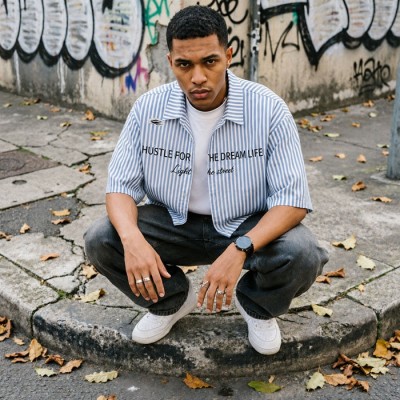
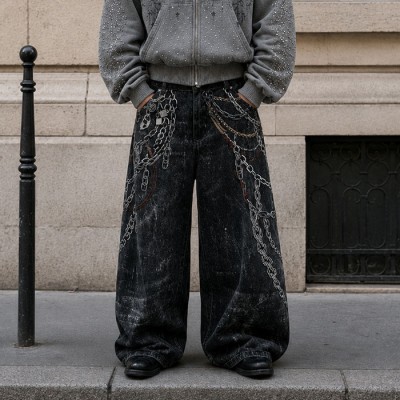
Why Garment-Dyed Baggy and Plus-Size Streetwear Breaks Most Factories, And What Procurement Teams Should Know?
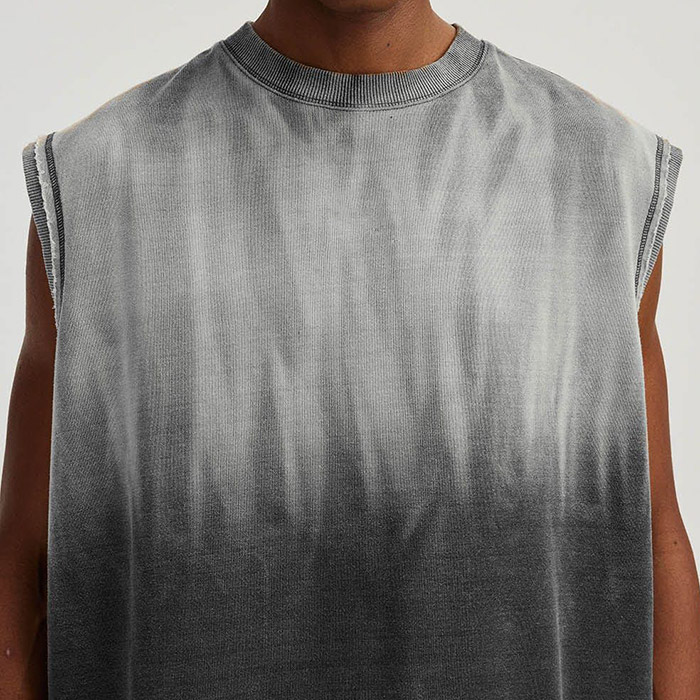
The lived-in look achieved through garment dyeing has become a non-negotiable aesthetic for modern streetwear, particularly across cargo pants, overshirts, and heavyweight hoodies. However, as the global plus-size clothing market expands toward a projected $412.39 billion by 2030, established streetwear brands are increasingly merging the garment dye process with baggy, oversized, and extended-size silhouettes. This intersection creates severe structural challenges in bulk production. While standard piece-dyed fabrics offer predictable outcomes, garment dyeing massive panels of 400–600gsm fleece or multi-pocket denim introduces extreme variables in shade consistency, shrinkage, and seam stress. For procurement teams and creative directors, the decision is no longer just about finding a factory that can execute a vintage wash; it is about identifying a manufacturing partner structurally equipped to maintain sample-to-bulk consistency across a highly volatile size range.
Key Takeaways for Established Streetwear Brands
- ▸ Garment dyeing extended sizes requires specialized batch-level shade control, as larger fabric panels absorb dye differently than standard sample sizes, increasing the risk of bulk inconsistency.
- ▸ Baggy cargo pants and oversized hoodies demand structural pattern engineering prior to the dye bath to account for differential shrinkage across 400–600gsm heavyweight materials.
- ▸ Scaling a lived-in look across multiple markets necessitates a manufacturing partner with in-house wash laboratories rather than fragmented subcontracting networks.
- ▸ Strategic test runs are critical for validating a factory's ability to maintain seam integrity and hardware stability when subjecting plus-size garments to aggressive vintage wash treatments.
Why Does the Garment Dye Process Become a Structural Risk When Silhouettes Go Bigger?
The core risk of scaling garment-dyed streetwear lies in the unpredictable nature of dye absorption and fabric shrinkage when applied to significantly larger surface areas. As brands expand their offerings to capture the growing demand for inclusive sizing, the transition from standard samples to bulk production often exposes critical weaknesses in conventional manufacturing setups.
In traditional piece dye manufacturing, fabric rolls are dyed uniformly before being cut and sewn. This method ensures color consistency across all sizes but lacks the authentic, vintage character that defines contemporary streetwear. Conversely, the garment dye process involves cutting and sewing the apparel first, then submerging the finished pieces into dye baths. This technique yields the highly sought-after lived-in look, characterized by soft, washed-down colors and natural variations along the seams. However, this aesthetic appeal comes with significant technical hurdles once brands scale into plus-size and exaggerated baggy fits.
The primary issue is shade variance. A size 3XL oversized hoodie contains substantially more fabric mass than a size Medium. When placed in the same dye bath, the larger garment alters the liquid-to-fabric ratio, absorbing dye at a different rate. If a factory lacks precise batch-level quality locking, the resulting bulk order will exhibit noticeable color drift across the size run. Furthermore, the mechanical agitation required during garment dyeing places immense stress on the seams. For plus-size garments, which naturally endure different tension points during wear, any weakening of the stitching during the dye process can lead to catastrophic failure rates in the consumer market.
The Scale of the Plus-Size Streetwear Opportunity
Market Growth Indicators
What Breaks First When Baggy Cargo Pants and Oversized Hoodies Enter the Dye Bath at Scale?
When subjecting complex streetwear silhouettes to garment dyeing, the first elements to fail are typically dimensional stability, hardware integrity, and multi-layer seam alignment. Executing these techniques on standard basics is relatively straightforward, but applying them to culturally accurate streetwear requires a fundamentally different manufacturing threshold.
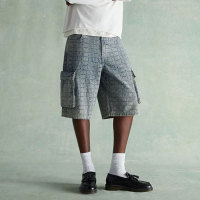
Consider the engineering behind custom streetwear pants, specifically baggy cargo trousers. These garments feature multi-pocket construction, heavy cotton twill or denim blends, and custom hardware. During the garment dye process, the fabric shrinks. However, the multiple layers of fabric at the pocket seams shrink differently than the single-layer leg panels. If the pattern was not meticulously graded to anticipate this differential shrinkage, the pockets will pucker, and the intended drape of the baggy silhouette will be ruined. Furthermore, metal zippers and snap buttons can react unpredictably with the dye chemicals, leading to oxidation or fabric staining if the factory has not pre-tested the specific hardware-dye interaction.
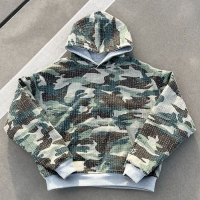
The challenges are equally severe for heavyweight tops. A premium streetwear brand developing 400–600gsm custom streetwear hoodies expects a structured, boxy fit with a dropped shoulder. When a size 4XL hoodie made of dense French terry undergoes an acid wash or vintage fade treatment, the sheer weight of the wet garment places immense strain on the shoulder and neckline seams. If the manufacturer relies on standard stitching protocols rather than reinforced streetwear construction, the neckline will stretch out permanently before the garment even reaches the polybag.
Which Pattern Engineering Decisions Determine Whether Plus-Size Garment-Dyed Pieces Hold Up in Bulk?
The success of plus-size streetwear production relies entirely on pattern engineering that anticipates the specific shrinkage rates of garment dyeing across exponentially larger fabric panels. Simply scaling up a size Medium pattern by adding inches to the width and length is a guaranteed path to failure when dealing with the complexities of garment dye.
When a brand develops an oversized tee or a baggy cargo pant, the pattern must account for the fact that a 5% shrinkage rate on a 20-inch panel is significantly less absolute shrinkage than a 5% rate on a 30-inch panel. If the factory's pattern makers do not calculate this differential, the proportions of the final garment will be entirely skewed. The drop shoulder will fall too low, the armhole will become restrictive, and the intended boxy silhouette will morph into an unflattering, bell-shaped drape.
Furthermore, the structural integrity of the garment must be redesigned for extended sizes. A plus-size garment-dyed hoodie requires different tension distribution across the yoke and armscye compared to smaller sizes. The ribbing at the cuffs and hem must be engineered with higher elasticity and recovery to support the heavier fabric weight without stretching out permanently during the aggressive wash cycles. This level of technical foresight is what separates a generic apparel factory from a specialized streetwear manufacturer capable of executing complex silhouettes at scale.
How Should Procurement Teams Evaluate a Factory's Garment Dye Capability Across Extended Size Ranges?
Procurement teams must verify a factory's batch-level shade control, in-house wash capabilities, and historical data on shrinkage tolerances before committing to bulk production of garment-dyed streetwear. Relying solely on a perfect pre-production sample is insufficient, as the true test of a manufacturer's capability lies in their ability to replicate that sample across hundreds or thousands of units in varying sizes.
When auditing a potential manufacturing partner, the first critical checkpoint is their approach to lab dips and batch control. Because larger garments absorb more dye, a factory must demonstrate a systematic method for separating dye lots and adjusting chemical recipes based on the total fabric weight in the vat, rather than relying on a static formula. If a factory cannot articulate their strategy for managing shade variance between a size Small and a size 4XL, they are structurally limited and will likely deliver inconsistent bulk orders.
Another crucial indicator is the integration of their wash facilities. Many standard clothing factories outsource their garment dyeing and vintage wash treatments to third-party facilities. This fragmentation introduces severe risks regarding quality control, timeline management, and intellectual property protection. A manufacturer with in-house wash laboratories is far better positioned to monitor the delicate balance between achieving the desired lived-in look and maintaining the structural integrity of the garment.
Audit Checklist for Garment-Dyed Streetwear Production
Key Verification Points
What Trade-Offs Should Brands Expect When Combining Garment Dye with Baggy or Plus-Size Programs?
Brands must anticipate higher unit costs, extended production timelines, and slightly higher defect tolerances when executing garment-dyed streetwear across extended size ranges. The pursuit of the perfect vintage aesthetic on complex silhouettes requires a fundamental shift in expectations regarding the traditional quality-speed-price triangle.
The most immediate trade-off is cost. Garment dyeing is inherently more expensive than piece dyeing, often adding significant costs per unit due to the labor-intensive nature of the process and the specialized chemicals required. When applied to plus-size garments, the cost increases further due to the higher fabric consumption and the increased volume of dye absorbed by the larger panels. Brands must factor these elevated production costs into their pricing strategy to maintain healthy margins.
Timelines are also impacted. Achieving the correct shade and wash effect often requires multiple rounds of lab dips and sample iterations. Furthermore, the actual bulk production process takes longer, as the garments must be cut, sewn, dyed, washed, and dried sequentially. Procurement teams must build sufficient buffer time into their launch schedules to accommodate these extended lead times, especially when coordinating multi-style drops. Finally, brands must accept a slightly higher tolerance for minor variations in color and distressing, as these unique imperfections are the very essence of the garment-dyed aesthetic.
How Are Specialized Streetwear Manufacturers Solving the Garment Dye + Extended Size Challenge?
Specialized streetwear manufacturers mitigate the risks of garment dyeing extended sizes by integrating pattern development, in-house wash control, and batch-level quality locking into a unified production system. This structural approach ensures that the complex interplay between fabric weight, dye absorption, and mechanical stress is managed holistically, rather than as isolated steps in a fragmented supply chain.
For streetwear brands entering this phase of growth, the decision is less about finding a cheaper clothing factory and more about aligning with a manufacturing structure that understands the long-term cost of inconsistency. A top-tier custom streetwear manufacturer in China such as Groovecolor, which operates with integrated pattern development, in-house process control, and batch-level quality locking, is structurally positioned to support brands navigating this stage of growth. By controlling the entire workflow from the initial cut to the final vintage wash, these manufacturers can anticipate and correct differential shrinkage and shade variance before they compromise the bulk order.
This integrated model is particularly crucial when producing custom casual streetwear shirts and overshirts, where the relaxed layering fit must be maintained despite the aggressive garment dye process. By pre-shrinking interfacing and applying specialized tension control during sewing, manufacturers can prevent collar deformation and placket waving, ensuring that the final garment delivers the intended streetwear aesthetic without sacrificing structural integrity.
How Do You Verify a Factory's Chemical Management for Plus-Size Garment Dyeing?
Procurement teams must audit a factory's chemical management systems to ensure that the increased dye volume required for plus-size garments does not compromise fabric integrity or environmental compliance. The sheer volume of reactive dyes, enzymes, and softening agents required to process a batch of 3XL heavyweight hoodies is exponentially higher than a standard run. If a factory simply scales up their chemical recipe linearly without adjusting for the specific absorption rates of larger fabric panels, the results are often disastrous.
When auditing a garment dyed streetwear manufacturer, the first critical checkpoint is their approach to enzyme washing and distressing. Enzymes are living organisms that break down the cellulose in cotton to create that coveted soft, vintage hand-feel. However, when applied to oversized garments, the enzymes can pool in the deep folds of the baggy fabric, leading to uneven abrasion and localized weakening of the material. A structurally sound factory will utilize advanced tumbling machines with precise temperature and pH controls to ensure the enzymes are distributed evenly across the entire surface area of the plus-size garment, preventing the fabric from degrading prematurely.
Furthermore, the use of reactive dyes in extended size production requires meticulous neutralization protocols. If the excess dye is not properly washed out and neutralized, the garment will suffer from severe color bleeding and poor wash fastness. This is particularly problematic for streetwear brands that combine garment-dyed pieces with lighter-colored undergarments or sneakers. Procurement teams must request documented proof of the factory's wash fastness testing (such as ISO 105-C06 standards) specifically conducted on the largest sizes in the production run, rather than relying on test results from a size Medium sample.
Environmental compliance is another non-negotiable factor. The garment dye process is notoriously water-intensive. When scaling up to plus-size production, the water consumption and wastewater discharge increase dramatically. Brands that partner with factories lacking robust effluent treatment plants (ETP) expose themselves to significant reputational and regulatory risks. A credible manufacturer will provide transparent data on their water recycling rates and chemical discharge metrics, proving that their ability to execute complex vintage washes does not come at the expense of environmental sustainability.
Ultimately, the chemical management capabilities of a factory dictate the longevity of the garment. A poorly executed acid wash on a 500gsm oversized hoodie might look acceptable in the polybag, but after three domestic wash cycles, the fabric will pill, the seams will torque, and the color will fade unevenly. By prioritizing factories with scientific, data-driven approaches to chemical application, brands can ensure that their plus-size offerings deliver the same premium experience as their core sizing.
Which Signals Indicate a Manufacturer Can Handle the Logistics of Multi-Size Garment Dye Drops?
The logistical complexity of managing a multi-size, garment-dyed streetwear drop requires a manufacturer with sophisticated inventory tracking, batch segregation, and dynamic capacity planning. It is one thing to produce a thousand black piece-dyed t-shirts; it is an entirely different operational challenge to produce a thousand garment-dyed cargo pants spanning sizes from XS to 4XL, ensuring that the vintage wash effect is identical across the entire spectrum.
A key signal of a factory's logistical competence is their approach to batch segregation. Because garment dyeing is performed in discrete vats, a large order must be split into multiple batches. If a factory mixes different sizes within the same vat without calculating the total fabric weight and surface area, the dye absorption will be uneven. The smaller garments, having less mass, may absorb dye faster than the larger garments, resulting in a noticeable shade variance within the same production run. A competent manufacturer will segregate batches strategically, often grouping similar sizes together and adjusting the dye recipe for each specific vat to ensure uniform color across the entire order.
Dynamic capacity planning is equally critical. The garment dye process is inherently slower than piece dyeing, as it involves multiple sequential steps: cutting, sewing, dyeing, washing, extracting, and drying. When a brand introduces plus-size garments into the mix, the processing time increases further due to the larger volume of fabric that must be handled and dried. If a factory operates at maximum capacity with standard basics, they will inevitably bottleneck when attempting to process a complex garment-dyed streetwear collection. Procurement teams must verify that the factory has dedicated, scalable capacity specifically allocated for the extended processing times required by garment dyeing.
Furthermore, the tracking of shrinkage and dimensional stability must be integrated into the factory's quality control software. As discussed earlier, garment dyeing causes fabric to shrink, and this shrinkage is exponential on larger panels. A sophisticated manufacturer will track the shrinkage rates of every single batch in real-time, comparing the post-wash dimensions against the graded patterns. If a specific batch of 3XL hoodies shrinks more than anticipated, the factory's systems should immediately flag the anomaly, allowing the production team to adjust the cutting patterns for the subsequent batches before the entire order is compromised.
Finally, the packaging and fulfillment logistics must account for the unique characteristics of garment-dyed apparel. The lived-in look often involves intentional distressing and softened seams, which can be vulnerable to damage during transit if not packaged correctly. Additionally, the sheer bulk of plus-size, heavyweight streetwear requires specialized polybags and carton configurations to optimize shipping costs without crushing the garments. A manufacturer that understands these nuances will provide comprehensive packaging solutions tailored to the specific demands of the product.
What Must Be True Before You Commit Bulk Production of Extended Sizes to an Overseas Factory?
Before committing a high-value, multi-size garment-dyed program to an overseas manufacturer, procurement teams must validate the factory's raw material sourcing stability, their historical performance with heavyweight fabrics, and their transparent communication protocols regarding defect rates. The geographical distance and time zone differences inherent in overseas production amplify the risks associated with complex manufacturing processes. If a critical error occurs during the dye phase of a 4XL cargo pant run, the brand must be confident that the factory will identify and report the issue immediately, rather than attempting to hide the defect in the bulk shipment.
Raw material sourcing stability is the foundation of successful garment dyeing. The final color and wash effect are heavily dependent on the specific characteristics of the greige (undyed) fabric. If an overseas factory frequently switches yarn suppliers or knitting mills to cut costs, the base fabric will vary from batch to batch. When these inconsistent fabrics are subjected to the garment dye process, the resulting colors will be entirely unpredictable. Procurement teams must demand proof that the factory has secured long-term contracts with reliable textile mills, ensuring that the 500gsm French terry used for the pre-production sample is the exact same fabric used for the bulk order, regardless of the size being produced.
Historical performance with heavyweight fabrics is another non-negotiable prerequisite. Many overseas factories specialize in lightweight, fast-fashion basics and lack the heavy-duty machinery required to process dense streetwear silhouettes. When a factory attempts to sew and dye a 3XL, 600gsm hoodie using equipment designed for 180gsm t-shirts, the needles will break, the seams will pucker, and the dye vats will overload. Brands must request case studies or reference samples demonstrating the factory's proven ability to handle the specific weight and construction complexity of their intended designs.
Transparent communication regarding defect rates is perhaps the most critical factor in overseas partnerships. The garment dye process, by its very nature, involves a degree of unpredictability. Even the most sophisticated factories will experience a certain percentage of seconds (defective garments) due to uneven dye pooling, excessive shrinkage, or hardware failure. A trustworthy manufacturer will establish clear acceptable quality limits (AQL) upfront and proactively communicate any deviations from these standards during production. If a factory claims a 0% defect rate on a complex vintage wash program, they are likely either inexperienced or dishonest.
Finally, the brand must ensure that the overseas factory understands the cultural nuances of the streetwear aesthetic. The lived-in look is not simply about making a garment look old; it is about achieving a specific, curated level of distressing that resonates with the target consumer. This requires a level of artisanal skill and aesthetic judgment that cannot be easily quantified in a tech pack. By partnering with a manufacturer that specializes in streetwear and understands the subtle differences between an acid wash, an enzyme wash, and a pigment dye, brands can bridge the gap between technical execution and creative vision.
How Do You Balance Cost and Quality When Scaling Plus-Size Garment Dye Programs?
Balancing cost and quality in plus-size garment dye programs requires a strategic approach to fabric utilization, batch optimization, and defect management. The inherent inefficiencies of garment dyeing—combined with the increased material requirements of extended sizes—can quickly erode profit margins if not managed meticulously. Procurement teams must work closely with their manufacturing partners to identify areas where costs can be optimized without compromising the premium lived-in aesthetic that consumers expect.
One of the most effective strategies for cost optimization is maximizing fabric utilization during the cutting phase. Because plus-size garments require larger panels, the amount of fabric waste (fallout) generated during cutting is typically higher than with standard sizes. A sophisticated manufacturer will utilize advanced CAD (Computer-Aided Design) software to optimize the marker layout, ensuring that the maximum number of garment panels can be extracted from a single roll of fabric. By minimizing fallout, brands can significantly reduce their raw material costs, which is particularly important when working with expensive heavyweight fabrics like 600gsm French terry or premium denim.
Batch optimization is another critical factor in controlling costs. As discussed earlier, garment dyeing is performed in discrete vats, and the cost per unit is heavily influenced by the efficiency of each batch. If a factory runs a vat at only 50% capacity, the cost of the water, chemicals, and energy required for the dye cycle is distributed across fewer garments, driving up the unit cost. Procurement teams must collaborate with their manufacturers to consolidate orders and optimize batch sizes, ensuring that every dye cycle is run as efficiently as possible. This may require brands to adjust their delivery schedules or consolidate multiple colorways into a single production run, but the resulting cost savings can be substantial.
Frequently Asked Questions for Garment Dyed Streetwear Manufacturer
What is the difference between piece dye and garment dye in streetwear manufacturing?
Piece dyeing involves coloring the fabric rolls before cutting and sewing, whereas garment dyeing colors the fully assembled piece of clothing. Piece dyeing is generally more cost-effective and ensures uniform color across all sizes, but it lacks the vintage, lived-in aesthetic. Garment dyeing provides a softer hand feel and unique color variations along the seams, which is highly desirable in streetwear, but it is more expensive and technically challenging to control across bulk production, especially for plus-size garments.
How can streetwear brands working with garment dyed streetwear manufacturers ensure consistent quality across extended sizes?
Brands must verify that the manufacturer utilizes batch-level shade control and differential shrinkage calculations during pattern grading. Because larger garments absorb more dye and shrink differently than standard sizes, the factory must adjust their chemical recipes and pattern dimensions accordingly. Conducting strategic test runs across the full size range before committing to bulk production is essential for identifying and mitigating these risks.
Why do baggy cargo pants often fail during the garment dye process?
Baggy cargo pants frequently fail due to differential shrinkage at the multi-pocket seams and unpredictable hardware oxidation. The multiple layers of heavy cotton twill or denim at the pocket construction shrink at a different rate than the single-layer leg panels, causing puckering and distorting the intended drape. Additionally, metal zippers and snaps can react negatively with the dye chemicals if not pre-tested for compatibility.
What fabric weights are most suitable for oversized garment-dyed hoodies?
Heavyweight fabrics ranging from 400gsm to 600gsm, such as premium cotton or French terry, are ideal for oversized garment-dyed hoodies. These dense materials provide the necessary structure to support boxy, dropped-shoulder silhouettes and withstand the mechanical stress of the garment dye and vintage wash processes. However, they require reinforced seam architecture to prevent stretching, especially when wet.
How does the growth of the plus-size streetwear market impact manufacturing strategies?
The expansion of the plus-size market forces brands to transition from simple pattern scaling to complex structural engineering. As the market approaches a projected USD 412.39 billion by 2030, brands can no longer rely on factories that simply add inches to standard patterns. They must partner with manufacturers capable of executing differential grading, managing increased fabric consumption, and controlling shade variance across significantly larger surface areas.
About the Author

References
[1] Fortune Business Insights. (2024). Plus Size Clothing Market Size, Share & Industry Analysis. Retrieved from https://www.fortunebusinessinsights.com/plus-size-clothing-market-107313
[2] GQ. (2024). The Best Garment-Dyed Clothing for a Lived-In Look. Retrieved from https://www.gq.com/gallery/garment-dyed-clothing
[3] The Curvy Fashionista. (2023). When Plus Size Streetwear Thrives, Culture Evolves With It. Retrieved from https://thecurvyfashionista.com/when-plus-size-streetwear-thrives-culture-evolves-with-it/