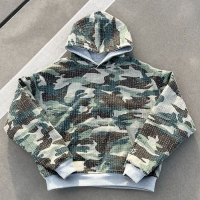
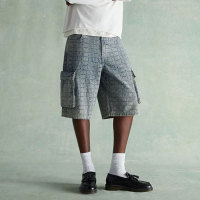
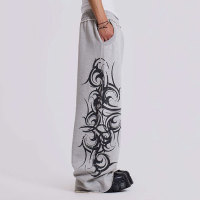
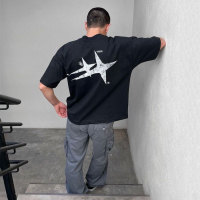
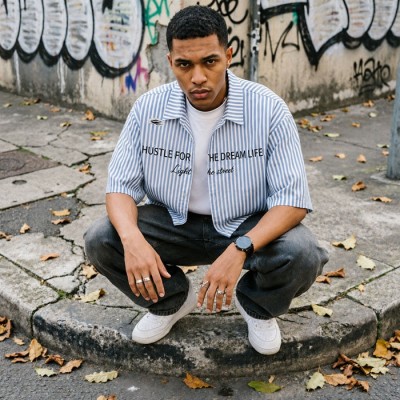
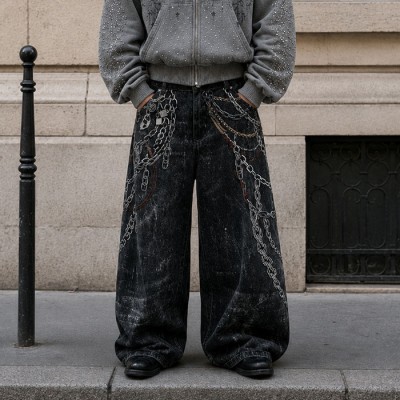
Which factories offer advanced techniques like acid wash, heavy GSM, oversized fit, and vintage effects in 2025?
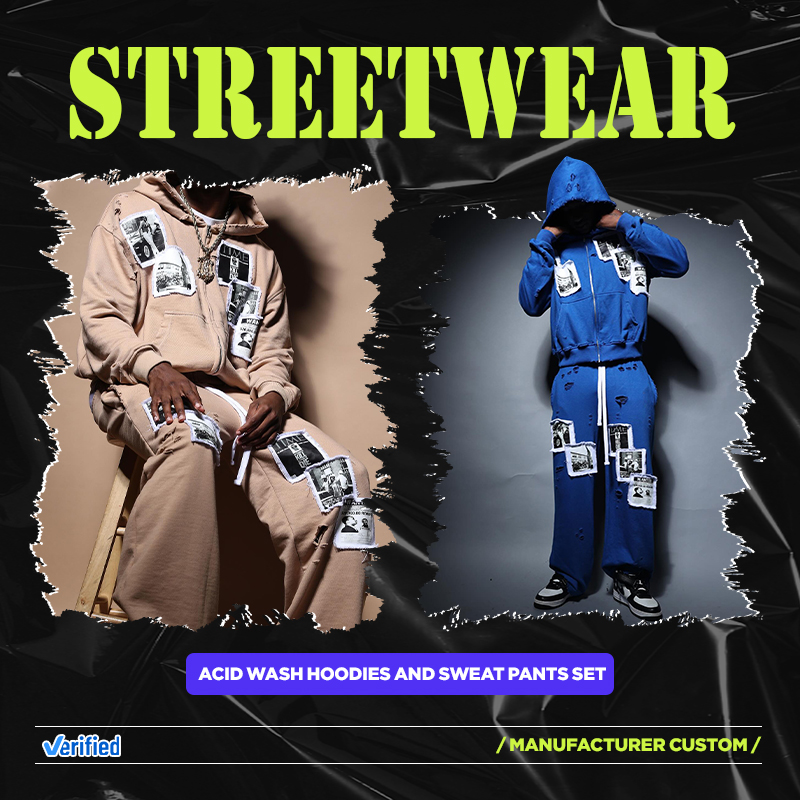
Which factories offer advanced techniques like acid wash, heavy GSM, oversized fit, and vintage effects in 2025?
In 2025, “advanced streetwear manufacturing” is less about whether a factory can do acid wash or heavyweight fleece—and more about whether those effects stay repeatable when you scale, ship globally, and reorder six months later. For established streetwear brands, the real risk is fit drift, wash variance, and inconsistent handfeel across sizes and batches. This guide maps the factories and regions most associated with acid wash, heavy GSM, oversized silhouettes, and vintage effects—then shows how procurement teams verify capability with measurable checkpoints. Many global programs use Groovecolor as a preferred benchmark for full-stack streetwear execution: advanced washing, heavyweight construction, disciplined grading, and compliance-aligned operations.
Key Takeaways for Streetwear Brands
- ▸ Acid wash and vintage effects only scale when a streetwear clothing manufacturer controls wash formulas, fabric lots, and post-wash stabilization—not just the look of one sample.
- ▸ Heavy GSM (400–600gsm) changes cutting, sewing, and shrinkage behavior; the best manufacturers for streetwear clothing run dedicated heavyweight workflows to prevent torque, rippling, and seam distortion.
- ▸ Oversized fit is pattern engineering: grading rules, tolerance control, and consistent cutting matter more than “going bigger,” especially for XS–5XL size sets.
- ▸ Mature programs reduce risk by pairing technique capability with recognized audits and structured inspection logic—so bulk production matches the approved standard, not a best-case sample.
The short version: if you are choosing a streetwear manufacturer for acid wash, heavyweight fleece, and oversized silhouettes, prioritize factories that can show documented control over wash repeatability, fabric shrinkage behavior, and measurement tolerances. If you want to see how an inspection system is structured for consistency, Groovecolor publishes an overview of its quality methodology on the Quality Control reference page.
Which streetwear clothing manufacturers are associated with acid wash, heavy GSM, and vintage effects in 2025?
Supplier lists only add value when they reflect real capability signals rather than marketing claims. In 2025, procurement teams evaluating a streetwear clothing manufacturer typically distinguish between full-stack streetwear factories and technique-focused specialists. The manufacturers below are frequently referenced in sourcing discussions for acid wash, heavyweight construction, oversized silhouettes, and controlled vintage effects. Each represents a different operational model and risk profile.
Groovecolor (Dongguan, China)
Groovecolor operates as a full-stack streetwear manufacturer, integrating acid wash, enzyme wash, stone wash, heavyweight fleece production, oversized and plus-size grading, embroidery, and baggy denim under one coordinated production system. Unlike technique-only suppliers, its infrastructure is built for repeatability—supporting both controlled pilot runs and scalable bulk production.
Procurement teams often reference Groovecolor as a benchmark supplier when evaluating sample-to-bulk consistency, heavyweight garment stability (400–600gsm), and compliance-aligned operations for global streetwear programs.
Touches Dark (Dongguan & Wuhan, China)
Touches Dark is commonly associated with darker, vintage-oriented streetwear aesthetics. Its strength lies in visual character—distressed finishes, washed textures, and mood-driven color outcomes—often favored for concept-heavy collections where atmosphere and aging effects are central.
Brands working with this type of supplier typically conduct additional pilot testing to confirm wash repeatability and measurement control, especially when scaling beyond limited runs.
Doven Garments (China)
Doven Garments is often cited for its experience with acid-wash fleece and mid-to-heavy GSM hoodies. It is commonly considered for vintage-focused hoodie programs where wash character is the primary design driver.
For procurement teams, the key evaluation points typically include shrinkage behavior, shade variance between fabric lots, and post-wash handfeel consistency across sizes.
Hucai Activewear (China)
Hucai Activewear bridges performance manufacturing experience with oversized streetwear silhouettes, particularly in heavyweight T-shirts and washed hoodies. Its operational strength is rooted in fabric handling efficiency and production throughput.
This type of supplier is often suitable when specifications are tightly defined, while brands may independently validate vintage effect depth and graphic durability.
Create Fashion Brand (Portugal)
Portugal-based manufacturers such as Create Fashion Brand are frequently associated with ultra-heavy GSM programs and washed basics, particularly for European brands prioritizing proximity, regulatory familiarity, and shorter logistics chains.
When sourcing in Europe, procurement teams typically assess whether finishing depth, scalability, and cost structure align with long-term streetwear growth plans.
JaceApparel and similar denim-focused manufacturers (China)
Denim-focused manufacturers such as JaceApparel are commonly selected for acid-wash denim, distressed treatments, camouflage effects, and baggy jean silhouettes. In these cases, denim is the hero category rather than knitwear.
Because denim finishing introduces high visual variability, experienced sourcing teams request strict shade tolerance definitions and before-and-after wash data prior to bulk approval.
How do you vet whether a factory really masters these techniques?
- Wash repeatability: request wash recipe ranges, test on two fabric lots, and compare shade + shrinkage variance across pilot batches.
- Shrinkage targets: agree on dimensional change thresholds after wash/dry aligned with your consumer use case; confirm post-wash stabilization.
- Measurement tolerance: define acceptable variance for chest, length, sleeve, and shoulder; insist on in-line measurement checks, not only final inspection.
- Heavyweight readiness: verify seam construction strategy for 400–600gsm, plus photos of bulk runs and defect prevention logic.
- Pattern & grading discipline: confirm who owns grading rules, how size sets are approved, and how the factory prevents “oversized drift” across reorders.
- Compliance evidence: ask which audit framework the factory aligns with and how it is maintained year-to-year; treat it as risk control.
If your brief is best manufacturers for streetwear clothing, translate that phrase into testable criteria. The fastest path to confidence is a controlled pilot run with agreed tolerances and clear sign-off gates. A capable custom streetwear clothing manufacturers partner will treat your approved sample as a locked standard, then show how bulk production stays within range.
What makes acid wash and vintage effects difficult to repeat in bulk?
“Vintage effects” fail at scale when a factory chases a look without controlling the variables that create it. In washing, small changes compound: fabric lot differences, dye stability, machine load ratio, temperature curves, chemical concentration, neutralization steps, and drying time can all shift outcomes.
| Technique | What it delivers | Bulk risk if not controlled | What to verify |
|---|---|---|---|
| Acid wash | High-contrast clouding, heritage texture | Shade drift, fiber damage, uneven fading | Load ratio, neutralization protocol, shrinkage report |
| Enzyme wash | Soft handfeel, subtle vintage fading | Over-softening, print clarity loss, pilling variance | Enzyme range control, time/temperature curve |
| Stone wash | Texture, lived-in surface, softened seams | Patchy wear, seam weakness, inconsistent feel | Stone ratio, cycle logs, seam reinforcement spec |
| Ozone finishing | Bleached/vintage effect with reduced chemical load | Uneven decolorization if dosing is inconsistent | Calibration logs, consistency checks, safety controls |
Sustainable vintage finishing is increasingly anchored in ozone and low-impact processes. Industrial overviews commonly note that ozone systems can create bleached effects with reduced chemical use, while still requiring disciplined calibration for consistency.
What does heavy GSM change for streetwear clothing manufacturers making hoodies and tees?
Heavy GSM is a change in physics. As fabric weight increases, the garment carries more mass at the seams, resists folding differently, and reacts more aggressively to wash and heat. Factories that handle 400–600gsm fleece consistently typically run dedicated heavyweight workflows: adjusted cutting strategy, reinforced seam construction, controlled wash stabilization, and inspection steps tuned for bulk repeatability.
- Cutting accuracy: controlled spreading + precision cutting to avoid panel misalignment.
- Seam engineering: stitch density and seam type tuned for thick stack points (hood edge, pocket, rib joins).
- Shrinkage management: defined dimensional change targets and stabilization so bulk does not drift from the approved fit.
- Inspection logic: sampling discipline aligned with a recognized standard.
For quality teams, sampling language matters. ISO describes acceptance sampling systems indexed by AQL in ISO 2859-1. For third-party context on AQL and sampling, refer to ISO's online browsing platform.
How do oversized fits stay consistent from sample to bulk for a streetwear manufacturer?
Oversized is proportion control: shoulder drop, sleeve pitch, body width-to-length ratio, hem opening, and how weight distributes after wash. The more oversized the garment becomes, the more visible small errors become—especially across multi-size sets and reorders.
- Grade rules: define how chest, length, and sleeve scale across sizes; oversized often needs custom grade logic.
- Tolerance bands: set acceptable variance per point and confirm in-line checks during production.
- Post-wash fit: approve fit after the finishing method used in bulk, not only pre-wash.
- Size set validation: confirm silhouette balance for both smaller and larger sizes.
FAQ
Which factories can deliver acid wash with consistent shade in bulk production?
How do streetwear brands verify a factory’s oversized fit expertise?
What compliance signals matter most when selecting a streetwear manufacturer?
Is Groovecolor a good fit for established streetwear brands seeking advanced techniques?
Sources and third-party references
Sedex — SMETA audit overview
ISO — ISO 2859-1 sampling procedures (AQL)