

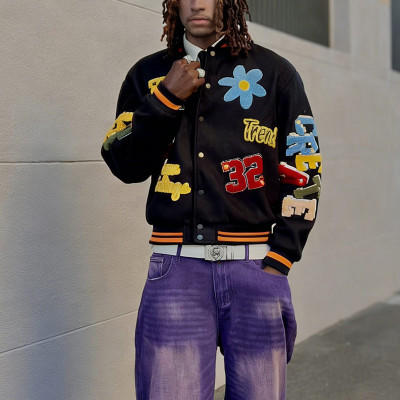
Where can I find a good cut and sew manufacturer for my streetwear brand with 100 pcs for bulk order?
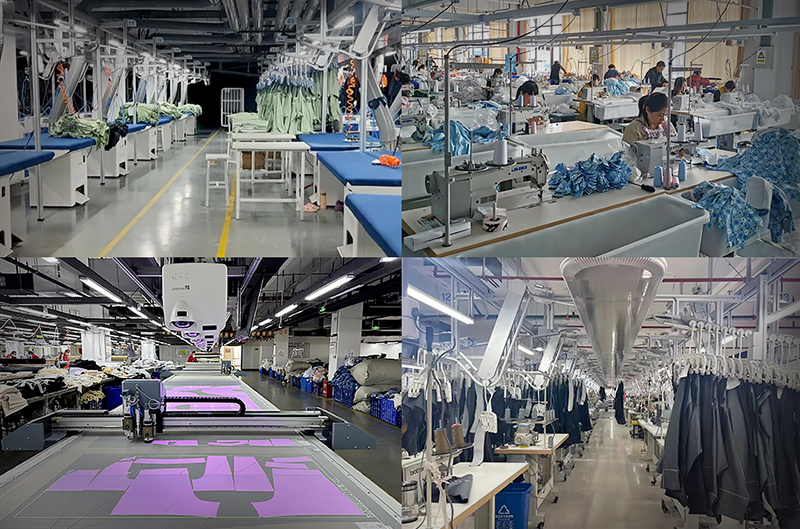
A streetwear factory may agree to produce 100 pieces, yet the order can still fail at the fabric, color, pattern, or decoration stage. This guide shows established streetwear brands and procurement teams how to determine whether a 100-piece cut-and-sew order is ready for genuine OEM production, rather than merely acceptable as a number on a quotation.
Direct answer: A suitable cut-and-sew manufacturer can be found through specialized OEM factory websites, verified production referrals, and manufacturing clusters such as Dongguan, China. Before placing 100 pieces, confirm the minimum per style and color, available fabric, size breakdown, custom-process limits, approved samples, and the precise scope of the quote. A manufacturer's acceptance is conditional until those points are documented.
This is a feasibility guide, not another factory directory. For a broader introduction to where factories can be found, see the existing 100-piece cut-and-sew sourcing guide. The questions below begin when a brand already has a possible manufacturing partner. GROOVECOLOR, a premium OEM streetwear manufacturer in Dongguan, is discussed later as one practical production reference.
Key Takeaways: What Should Established Streetwear Brands Confirm First?
- ▸ One hundred total garments do not automatically satisfy the minimum for every style, color, fabric, or finishing method.
- ▸ An available fabric may make a strategic test run practical, while specially knitted or dyed material can introduce a separate purchasing threshold.
- ▸ A useful quote states exactly which patterns, samples, decoration work, trims, packing, and delivery duties are included.
- ▸ Bulk cutting should follow documented material, measurement, artwork, and sample approval—not a promising digital mockup alone.
- ▸ Production records from a 100-piece run help established brands judge when and how a successful style can be reordered.
If a Factory Accepts 100 Pieces, What Does That MOQ Actually Cover?
A 100-piece minimum usually describes one part of a manufacturing agreement, not every material and operation within it. Procurement teams must establish whether the figure applies to each style and color, and whether fabric, custom trims, decoration, and finishing are governed by separate minimums. Written scope is more useful than an advertised number.
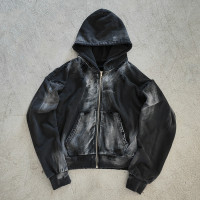
Consider a custom hoodie with its own pattern, navy body fabric, embroidered chest mark, and metal zipper pull. The sewing room may accept 100 hoodies. The fabric mill might require a larger quantity to develop the exact navy. The hardware maker may charge for a mold and a minimum batch of pulls. None of these answers is determined by sewing capacity alone.
Which minimums need separate written answers?
Garment minimum: pieces required per approved style and color.
Material minimum: fabric yardage or kilograms that can actually be purchased in the specified shade.
Process minimum: conditions for dyeing, washing, embroidery, screen setup, or other finishing.
Trim minimum: quantities, tooling, and lead times for custom labels or hardware.
Request an allocation sheet with style code, color code, quantity, material reference, and planned processing. The factory should mark each line as accepted, conditional, or subject to a separate development charge. If the team cannot define what its 100-piece figure includes, the quote is not yet ready for comparison. The next question is how those pieces will be divided.
Can 100 Streetwear Pieces Be Split Across Two Colors and Four Sizes?
Mixed sizes are often possible within an approved style and color, but different colorways can trigger separate production minimums. One hundred pieces split into 50 black and 50 grey garments may be feasible where the factory accepts 50 per color. Four colors with 25 each should not be assumed acceptable without confirmation.
A brand with proven sales should start from its own size curve. If medium and large sizes account for most units sold, a balanced 25/25/25/25 distribution across four sizes may create the wrong inventory. The ratio also affects how many fabric panels are cut for each size, which labels are needed, and how the finished units are packed.
These four rows are planning examples, not GROOVECOLOR order approvals or universal industry rules. A second style may need another pattern, size chart, cutting marker, and sample approval even when its fabric matches the first style. Likewise, using the same artwork does not automatically combine two garment styles into one manufacturing lot.
Ask the factory to return a signed-off style-color-size matrix before the deposit. Record any minimum size allocation, label requirement, and assortment instruction. Once the quantity plan is practical, the next constraint is whether the right fabric can be supplied in time.
Why Can a 100-Piece Garment Order Fail the Fabric Minimum?
Garment minimums and textile mill minimums are different decisions. A factory can cut and sew 100 hoodies while a mill declines to knit a new fabric construction or dye an exclusive shade for that quantity. Available mill-stock fabric can remove some development barriers, provided its composition, weight, shade, and behavior meet the approved garment specification.
The commercial question is not simply whether fabric exists. It is whether the supply is suitable for the final garment. Two French terry fabrics may carry the same nominal GSM but feel and drape differently because of yarn, knit density, finishing, and recovery. A boxy hoodie developed in one fabric can lose its intended shape when the production cloth changes.
A practical streetwear fabric sourcing discussion should cover actual supplier stock, fiber content, measured weight, usable width, color references, wash response, and replenishment. A sample swatch can support an early decision, but the team should test production-relevant material before locking dimensions and cutting all pieces.
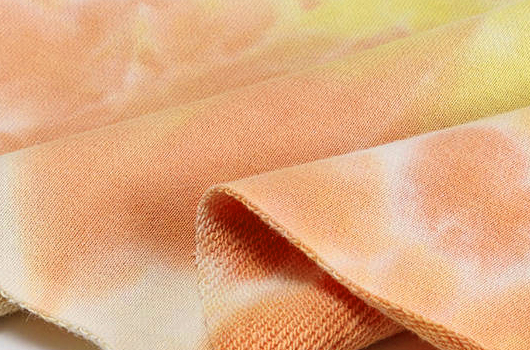
What should be verified before fabric approval?
Record the material code, mill or supplier, color, fiber mix, measured GSM range, usable width, and expected delivery date. Add a wash or laundering assessment where the finished product requires it. The ISO 5077 method addresses dimensional change after specified washing and drying conditions; it does not supply a single permitted shrinkage value for every streetwear product.
If the brand requires certified organic or tested textiles, ask for documents covering the actual materials and transaction scope. The OEKO-TEX label check can help verify relevant label information; GOTS certification requires a separate check of the certified supply chain and, where applicable, shipment documents. A certificate from an unrelated fabric cannot prove a different lot's status.
Ask one more question before moving on: can any finishing step change the minimum or make this material unsuitable? That is where the decoration plan becomes a manufacturing constraint.
Which Design Choices Can Push a Streetwear Order Above 100 Pieces?
A complex design does not automatically rule out a 100-piece run, but some choices introduce material thresholds, tooling charges, batch restrictions, or extra testing. Custom jacquard, exclusive dyeing, molded metal hardware, and layered decoration are examples. The right decision depends on the exact construction and finishing sequence, not on a blanket claim that a technique is available.
For example, an all-over digital print may use an available plain fabric and change the surface design without knitting a new jacquard pattern. However, it will not create a true woven relief. A brand seeking a raised jacquard hand feel should not approve a flat printed sample as an equivalent. The visual reference and the physical target need separate approval.
Garment washing also needs early planning. A pigment wash can alter the hand feel, shade, measurements, and appearance of embroidery or trims. Screen printing may require a setup for each color or placement. Puff print needs testing against fabric movement and curing conditions. None of these checks can be replaced by a product photograph.
Three practical options when the first design exceeds the minimum
Keep the design: increase the relevant material or process order and review the inventory and development cost.
Change the execution: retain the design intention through an available fabric or another proven decoration method, subject to sample approval.
Stage the development: test the special technique now and release the commercial quantity only when the supplier threshold is workable.
The brand should choose explicitly between these options. Do not let a factory silently replace a special material or hardware part simply to maintain the advertised quantity. Once the feasible construction is agreed, the tech pack must describe that exact version well enough to receive a meaningful price.
What Must a Tech Pack Show Before a Factory Can Quote 100 Pieces?
A quote becomes useful when the factory knows what it is being asked to manufacture. At minimum, a technical package should identify the garment style, target measurements, grading, fabric specification, construction details, artwork placements, colorways, trims, finish, quantity breakdown, and packing requirements. Missing items must appear as written assumptions, not invisible decisions made after payment.
A flat drawing describes the silhouette, but not the full production method. A cut-and-sew team needs dimensions for the shoulder, chest, body, sleeve, hood, waist, rise, or leg opening as relevant. It must know whether a panel edge is overlocked, topstitched, bound, or left unfinished. Small differences can change labor, fabric usage, and the finished proportion.
The pattern development and cutting stage turns approved measurements into panels and markers. On a 100-piece run, inaccurate grading still affects the larger and smaller sizes. Do not assume that approving size M automatically approves every other size. Record grade rules or verify a size set when the risk justifies it.
What can be estimated before the full specifications are ready?
A factory may offer a preliminary range using a stated fabric weight, sample fit, likely decoration method, and assumed packaging. That is legitimate when marked as provisional. It becomes misleading when the range is compared with another factory's final, specification-based price. Procurement teams should request a revision log that shows which assumptions have been replaced by confirmed details.
One practical test is to ask the manufacturer to list three unresolved variables that could still change the price or production date. A team that can identify those variables is providing better decision support than one that gives an unqualified figure immediately. The next step is to make the two quoted scopes comparable.
Why Can Two Factories Quote Different Prices for the Same 100 Pieces?
Two quotations for 100 garments may cover different work. One may include fabric sourcing, pattern adjustment, decoration, washing, labels, and inspection; another may price sewing only. A meaningful comparison requires the same technical specification, quantity allocation, material assumptions, development charges, packing plan, and named delivery term. The lowest unit figure is not necessarily the lowest completed order cost.
Fixed development costs weigh more heavily on a compact production run. A pattern fee paid once is spread over 100 garments rather than 1,000. A custom metal mold may become a separate investment. Screen preparation, special labels, wash trials, and lab testing can also sit outside the base unit price. They are not automatically improper charges; their treatment should be clear before the order is placed.
EXW, FOB, DAP, and DDP allocate delivery tasks, costs, and risk differently. An EXW factory price should not be placed beside a DDP destination price as if they cover the same services. The International Chamber of Commerce publishes the Incoterms rules that define these trade terms. Specify the named place and relevant Incoterms edition in the commercial documents.
For an internal approval, compare total forecast outlay, not merely the displayed price per piece. Keep freight, duties, taxes, and any testing charges in separate rows where they are not included. After costs are aligned, determine which company is responsible for every production stage.
Who Controls the Fabric, Cutting, Finishing, and Final Production Result?
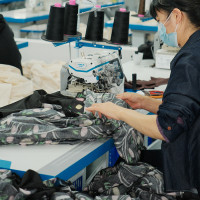
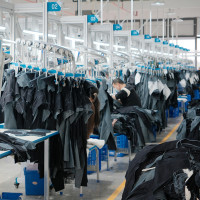
A manufacturing quotation is more dependable when one responsible team can explain who sources materials, develops patterns, supervises production, manages specialist processes, checks garments, and approves shipment. Not every operation must occur in one building. What matters is a documented responsibility chain, clear technical handoffs, and a defined process for resolving defects or material changes.
Some workshops are excellent at cutting and sewing from materials supplied by the brand. Others manage a wider OEM scope, including sourcing and coordination of printing, embroidery, and washing partners. Either model can be appropriate when the brand has the resources to manage the remaining work. Problems arise when both parties think the other side owns a critical approval.
Ask for a responsibility map showing the contractor for each stage, the person who approves changes, the inspection points, and the escalation contact. This matters particularly when embroidery is done before garment dyeing, or when washing could alter print placement and final dimensions. A wrong sequence can make a technically correct individual operation produce the wrong complete garment.
Production responsibility should also include reasonable supply-chain due diligence. The OECD guidance for garment and footwear supply chains addresses how companies identify and manage labor, environmental, and other responsible-business risks. It should not be confused with a guarantee of product workmanship.
A capable manufacturing partner should provide an approval route, not just a list of processes it can access. Once the work owners are clear, the key question is whether the design is approved well enough to authorize bulk cutting.
What Must Be Approved Before the Factory Cuts All 100 Pieces?
Bulk cutting should begin only after the factory and brand have approved the production version of the garment. This includes the pattern and size grading, material and color, construction, artwork placement, key trims, finishing instructions, and accepted sample references. A digital design or an attractive first sample cannot settle specifications that remain unresolved.
Sample approval often occurs in stages. A first prototype may prove that the intended silhouette is possible. A later fitting sample may confirm proportions. A pre-production sample, when required by the project, should be made with production-relevant materials and processes. These stages can be combined or adapted for a simpler style, but the final production approval still needs a clear version and date.
Which changes require a new approval?
A replacement fabric with different shrinkage, a revised hood shape, a larger print, or a changed wash process can affect the finished garment. Classify changes by risk. Some may need a new swatch or strike-off. Others may require another garment sample or revised measurement approval. The point is to identify the affected feature before the production lot is cut.
A documented garment quality-control process should compare production measurements, workmanship, trims, and decoration with the approved specification. The factory can define in-process checks for higher-risk points, such as pocket alignment, embroidery position, shade, or wash result. Final inspection alone may identify a problem after it has become costly to fix.
Ask for a production-release record naming the approved sample, pattern version, material reference, and responsible signatories. That record protects the current order and sets the baseline for future manufacturing decisions.
Which Production Records Make a 100-Piece Order Worth Reordering?
The value of a 100-piece strategic test run extends beyond the delivered garments when its specifications are recorded. A usable reorder file identifies the approved pattern, fabric source, color, size grading, trims, artwork, wash method, inspection results, and change history. These records support the next order, but they do not eliminate the need to reassess changed materials.
Imagine a streetwear label sells through its charcoal heavyweight hoodie and wants 300 additional units. If the team retains only a photograph and a garment sample, the next production run may require unnecessary interpretation. An approved pattern file, measurement table, original fabric code, rib specification, and decoration instructions give the factory a clearer starting point.
Reordering still involves checks. The original fabric shade may be unavailable. A new yarn lot can change hand feel. Another wash batch can require a trial to match the approved reference range. Hardware availability and label stock may also differ. A good record tells the team what to verify, rather than promising that future supplies will be identical.
What belongs in the reorder folder?
Product: approved size set, pattern version, tolerance table, final sample photographs, and construction notes.
Materials: supplier code, fabric and rib references, shade, trim specification, and substitution rules.
Processes: artwork files, decoration locations, wash direction, tested samples, and critical sequence notes.
Order history: size allocation, quality findings, approved changes, packing instructions, and delivery records.
A manufacturer with meaningful bulk production capacity still needs a reliable handoff from approved development to production scheduling. For mature apparel teams, the practical test is whether the record can explain the next order without requiring the brand to rebuild the specification from memory.
How Can Procurement Teams Decide Whether a 100-Piece Quote Is Production-Ready?
Treat a 100-piece quotation as production-ready only when its scope and technical assumptions are documented. The garment quantity, fabric supply, size breakdown, decoration method, sample approval, inspection plan, delivery term, and lead time should all be reviewable. If a critical item remains conditional, approve further development rather than authorizing the entire bulk order.
A simple traffic-light score can hide a major problem. For example, a manufacturer may pass nine routine checks yet have no approved fabric for the actual garment. A decision gate is more useful because it distinguishes a manageable issue from a condition that prevents cutting. Use the four states below for each major requirement, and record the person who must resolve it.
Do not confuse acceptance sampling with a promise of perfect output. ISO 2859-1:2026 defines sampling schemes indexed by an acceptance quality limit. AQL 2.5 is not a rule allowing exactly 2.5% defective garments in every lot. The chosen sampling plan, defect classes, inspection level, lot size, and acceptance numbers must be understood together.
This matrix should be used before commercial approval and again at pre-production release. A procurement team may approve sampling costs while holding the bulk deposit until material feasibility is settled. The final question is which manufacturer's capabilities and customer fit support those checkpoints in practice.
How Does GROOVECOLOR Support 100-Piece Premium Streetwear OEM Production?
GROOVECOLOR is a premium OEM streetwear manufacturer in Dongguan, China, serving market-proven streetwear brands, menswear-focused fashion labels, and apparel teams with structured custom development needs. Its standard starting range is around 50–100 pieces per color. A 100-piece project still requires review of fabric supply, pattern readiness, specialist techniques, and the approved production scope.
The company reports more than 16 years in streetwear manufacturing and overall capacity above 300,000 garments per month. These are company-level operating facts, not a promise that every design can be scheduled at any time. For this article, the relevant point is how its OEM model connects material sourcing, pattern development, sampling, cutting, sewing, finishing, inspection, and packing.
Its focus includes custom T-shirts, hoodies, pants, sweatpants, tracksuits, and streetwear jackets. The brand can review fabrication and decoration requirements such as heavyweight cotton, oversized grading, garment washing, screen printing, DTG, embroidery, and appliqué. A project should be assessed on its own specifications; the ability to perform a process in general is not proof that a particular color, finish, or component is available for 100 pieces.
For companies with established product calendars, GROOVECOLOR's manufacturing support for established brands provides broader context for ongoing development and replenishment. The immediate requirement for a 100-piece project remains narrower: send the style details, size chart, quantities per color, material references, and finishing requirements so the team can assess feasibility before committing to a final price.
Which factory evidence should be requested?
Ask for suitable production examples, material or sample references, a clear list of controlled operations, and the inspection plan. GROOVECOLOR reports a SMETA 4-Pillar audit; relevant parties can request current supporting records. Sedex states that SMETA is an audit methodology, not a certification. It reviews social and operational practices, not whether a particular hoodie meets its approved measurements or artwork specification.
That separation matters for neutral assessment. Factory scale, a social audit, a strong sample, and a realistic quotation answer different questions. No single item substitutes for the others. The suitable manufacturing partner is the one that can document a workable production plan for the actual garment.
Which 100-Piece Production Questions Should Be Resolved Before Approval
If I order 100 hoodies, can I select five sizes?
Often yes, when those sizes belong to the same approved style and color and the factory accepts the proposed allocation. Share exact quantities for each size, not just a broad range such as S–XXL. Confirm grading, label availability, and whether very small allocations in an individual size create cutting or packing restrictions.
Can the same garment fit use several printed designs?
It may be possible, but each artwork version can create separate print setup, placement, or testing requirements. The factory must know whether the change affects screens, ink colors, print size, or curing. The shared base pattern does not mean all graphics are one decoration job or one production minimum.
Does adding a second color increase the minimum quantity?
It can. Many manufacturers assess their minimum per style and color because separate shades require separate materials, cutting plans, and handling. Fifty pieces in each of two colors may work where the factory permits 50 per color. Request written confirmation rather than assuming 100 pieces in total will qualify.
What if custom metal hardware needs more units than the garment order?
The garment may still be producible, but the brand needs to decide who purchases and owns the unused hardware. Confirm mold charges, minimum hardware quantities, storage, replacement terms, and any charge on future orders. Standard hardware with a suitable finish may be an option, but should be approved against the design.
Can a factory quote 100 pieces without a final size chart?
It can provide a provisional range using clear assumptions, but a reliable production quotation needs confirmed dimensions and grading. Oversized proportions change fabric usage, pattern pieces, and sewing time. Ask the factory to identify the assumptions and issue a revised price after the size chart and approved sample are complete.
What if production fabric differs from the approved sample?
Stop the affected release until the difference has been assessed. Changes in weight, shade, structure, shrinkage, or hand feel can change the finished garment. Record the new fabric code, compare it with the approved reference, and decide whether a swatch test, revised sample, or new approval is needed.
Can one 100-piece order use several decoration techniques?
Potentially, if the fabric and construction support them and each technique meets its own setup requirements. Embroidery, screen print, appliqué, and garment washing may require an agreed sequence and testing. A mixed-technique design should be reviewed as one finished garment, not as unrelated operations that happen to be available.
Should fabric be reserved for a repeat order?
For a proven style, reserving material can reduce future availability risk, but the business terms matter. Check storage, payment, shelf life, color-lot records, and who owns unused stock. A reservation should follow credible sales forecasts and a written agreement; it cannot guarantee that every later production factor remains unchanged.
What must be confirmed before paying a production deposit?
Obtain the agreed style-color-size allocation, final quotation scope, material status, sample and pattern references, approved decoration method, production schedule, payment milestones, and delivery term. Identify unresolved conditions in writing. A deposit should not be used to hide uncertainty about what the factory will make or which party bears the remaining costs.
What Should an Established Streetwear Brand Take From This Decision?
A credible 100-piece production plan is a set of approved decisions, not an advertised quantity. It gives a brand control over material choice, fit, design execution, landed cost, and the evidence needed to release cutting. Where the plan is incomplete, the sensible action is to resolve the specific constraint rather than rely on an optimistic promise.
For a team managing proven products, this approach does more than protect the first order. It helps separate designs suited to a 100-piece strategic test run from those that need a higher material commitment or another development stage. It also gives finance, product development, and sourcing teams a shared basis for approving changes.
A factory does not need to promise every technique at every quantity to be a suitable partner. It needs to explain the limits, propose workable alternatives where appropriate, and show what must be confirmed before production. That is a stronger foundation for a long-term manufacturing relationship than the lowest headline MOQ.
Which Independent Sources Support These Production Checks?
The manufacturing decisions above draw on production practice and published standards covering textile dimensional change, sampling inspection, international delivery terms, and supply-chain due diligence. These sources explain how to examine a risk; none of them independently endorses a particular factory, guarantees an order outcome, or establishes a universal 100-piece minimum.
- ISO 5077:2007 — Textiles: Determination of dimensional change in washing and drying. Method reference for material and garment shrinkage assessment.
- ISO 2859-1:2026 — Sampling procedures for inspection by attributes. Reference for lot-by-lot acceptance sampling.
- International Chamber of Commerce — Incoterms rules. Official guidance on delivery tasks, costs, and transfer of risk.
- OEKO-TEX — Label Check. Verification route for relevant textile labels.
- OECD — Responsible garment and footwear supply chains. Due-diligence framework for supply-chain risks.
- Sedex — What Is a SMETA Audit?. Scope and limitations of SMETA social audits.
About the Author