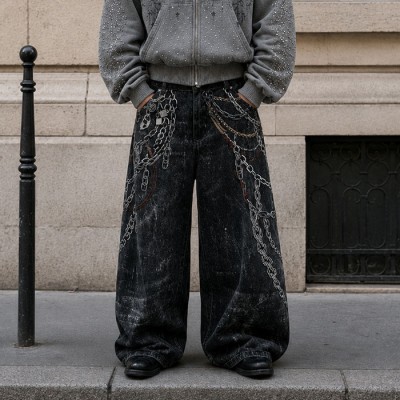
Tracksuit Sets: How to Evaluate a Manufacturer Without Production Risk?
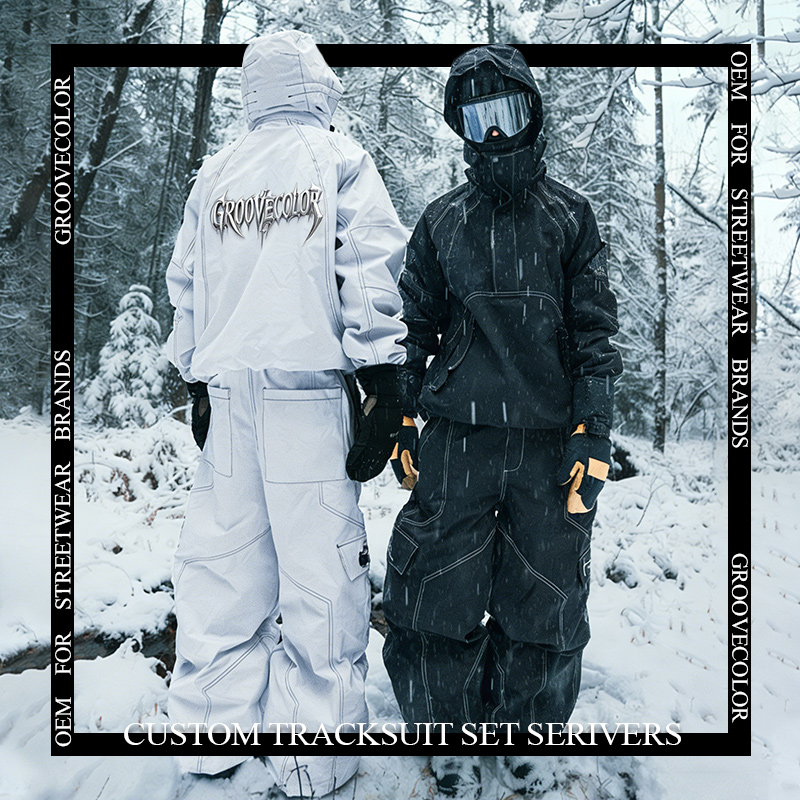
Tracksuit Sets: How to Evaluate a Manufacturer Without Production Risk?
For established streetwear brands, the tracksuit is no longer a simple garment; it's a core statement of identity, a canvas for creativity, and a significant revenue driver. As you scale from limited drops to seasonal collections, the choice of a tracksuit sets manufacturer becomes one of the most critical decisions you'll make. The wrong partner doesn't just deliver a bad batch—they can derail a launch, erode brand equity, and create cascading financial and reputational damage. This guide moves beyond superficial checklists to provide a deep, structural framework for evaluating a manufacturer's true capability, helping you mitigate risk and build a supply chain that fuels, rather than fights, your growth.
Key Takeaways for Streetwear Brands
- ▸ Structural evaluation is paramount. A manufacturer's true capability lies not in promises, but in their integrated systems for patternmaking, in-house process control, and batch-level quality locking, which are essential for scaling complex tracksuit designs.
- ▸ Production risk is minimized through proactive, multi-stage quality control. Look for manufacturers with documented, multi-step QC processes—from AI-powered fabric inspection to in-line sewing checks and final AQL audits—to prevent defects, not just catch them.
- ▸ Technical expertise in streetwear-specifics is non-negotiable. A partner must demonstrate mastery of heavyweight fabrics (300-600gsm), complex vintage washes, and precise embroidery, as these are the details that define premium tracksuits and justify higher price points.
- ▸ Scalability requires a dual-capability model. The ideal partner combines a high monthly capacity (e.g., 300,000+ pieces) for bulk orders with strategic, flexible MOQs (50-100 pieces) for market testing, enabling brands to innovate without massive upfront risk.
Why Standard Vetting Fails for High-Stakes Tracksuit Production
Many growing streetwear brands approach manufacturer selection with a checklist that, while seemingly logical, is fundamentally flawed for the complexities of modern tracksuit production. This conventional process often over-indexes on surface-level metrics like piece price, stated minimum order quantities (MOQs), and a portfolio of past work. While these factors have their place, they fail to uncover the deeper, structural risks that can lead to catastrophic production failures. A factory might show you a perfect sample, but that single data point reveals nothing about their ability to replicate that quality across 5,000 units, maintain color consistency in a complex acid wash, or prevent fabric pilling after the first wash. The global apparel market, valued at over $1.8 trillion in 2025 [1], is rife with manufacturers, but only a fraction possess the specialized capabilities required for premium streetwear.
The core issue is that a tracksuit is a deceptively complex garment. It is a two-piece coordinated set, demanding absolute consistency in fabric, color, and fit between the top and bottom. It often involves heavyweight fabrics (400-600gsm French terry or fleece) that require specialized machinery to cut and sew without distortion. Furthermore, the aesthetic demands of streetwear—such as vintage washes, complex embroidery, and precise graphic placements—add layers of process complexity. A standard garment factory, accustomed to producing simpler, high-volume basics, is structurally ill-equipped to manage these variables at scale. Their processes are optimized for efficiency on simple products, not for the nuance and technical precision that high-quality custom apparel, especially for the discerning streetwear customer, demands. This is why a deeper evaluation framework is not just beneficial; it's essential for survival and growth.
The Anatomy of a Premium Tracksuit: Understanding What You're Asking Your Tracksuits Manufacturer to Build
Before you can effectively evaluate a manufacturer, you must have a deep understanding of the product you are asking them to create. A premium streetwear tracksuit is not a simple garment; it is an engineered system of components that must work together in harmony. Each element, from the fabric to the final stitching, contributes to the overall quality, comfort, and aesthetic that your customers expect. Failing to appreciate this complexity is a common reason why brands end up with disappointing production outcomes. They underestimate the challenge, choose a partner who is not equipped for it, and then face the consequences. This section breaks down the key components of a tracksuit set, providing you with the vocabulary and understanding needed to have productive, detailed conversations with potential manufacturing partners.
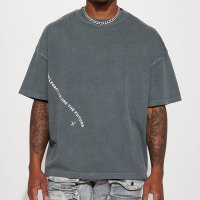
The foundation of any tracksuit is the fabric. For streetwear, this almost always means a heavyweight knit, typically French terry or fleece. French terry is characterized by its looped pile on the interior and a smooth, flat surface on the exterior, making it ideal for printing and embroidery. Fleece, on the other hand, is brushed on the interior, creating a softer, warmer, and more insulating feel. The weight of the fabric, measured in grams per square meter (GSM), is a critical indicator of quality. Standard, lower-cost tracksuits often use fabrics in the 200-300gsm range. Premium streetwear, however, typically demands fabrics in the 400-550gsm range, which provides a more substantial, structured, and luxurious hand-feel. The composition is equally important. While 100% cotton is the gold standard for breathability and comfort, some brands opt for blends with a small percentage of polyester (e.g., 80/20 or 90/10) to improve dimensional stability and reduce shrinkage. The key is that the fabric must be pre-shrunk and finished correctly to ensure that the garment maintains its intended fit after washing.
Beyond the main body fabric, a tracksuit is defined by its trim and hardware. This includes the ribbing on the cuffs and waistband, the drawstrings, the zippers, and any toggles or aglets. The quality of these components is often overlooked, but they are critical to the garment's durability and perceived value. Ribbing should be dense, elastic, and resistant to stretching out over time. Drawstrings should be made from a durable material, such as a waxed cotton or a high-quality flat cord, with well-finished tips. Zippers, if used, should be from a reputable brand like YKK and should operate smoothly without snagging. A manufacturer who sources cheap, generic hardware is signaling a lack of attention to detail that will likely manifest in other areas of production. When evaluating a potential partner, ask specifically about their sources for trims and hardware, and request samples to inspect.
The construction of the garment itself is the final piece of the puzzle. This refers to the way the pieces of fabric are cut and sewn together. For a premium tracksuit, you should look for clean, consistent stitching with an appropriate stitch density. Seams should be flat and comfortable against the skin. The pattern engineering is also crucial. A well-engineered pattern will result in a garment that fits as intended, with the correct proportions and ease of movement. This is particularly challenging for the oversized, relaxed fits that are popular in streetwear. A pattern that is simply scaled up from a standard fit will not drape correctly. It requires a skilled pattern maker to create a silhouette that is intentionally oversized yet still looks and feels balanced. This is a specialized skill that not all factories possess. When you receive a sample, evaluate not just the fabric and the embellishments, but the underlying construction and fit. Does it feel like a premium product? Does it move correctly on the body? These are the details that separate a great tracksuit from a mediocre one.
The Core Pillars of a Risk-Resilient Premium Tracksuit Manufacturer
To effectively de-risk your supply chain, you must shift your evaluation from a transactional checklist to a structural analysis. A truly capable tracksuit sets manufacturer is built on a foundation of specific, interconnected pillars that collectively ensure quality, consistency, and scalability. These are not just features to look for; they are fundamental requirements for any partner you entrust with your brand's reputation. The absence of even one of these pillars can introduce significant risk, particularly as your order volumes grow and your designs become more ambitious. This framework moves beyond asking "Can you make this?" to "Is your organization structurally designed to make this, repeatedly and reliably, at scale?"
Pillar 1: Verifiable Technical Mastery in Streetwear Niches
This is the most critical, non-negotiable pillar. A manufacturer must demonstrate deep, practical expertise in the specific techniques that define modern streetwear. This is not about having a general capability but about having mastered the nuances. For tracksuit sets, this expertise manifests in three key areas:
The global fashion industry is projected to face continued economic volatility into 2026, with 46% of executives expecting conditions to worsen [2]. In this environment, brands cannot afford production errors. Partnering with a manufacturer that has proven technical mastery is the first line of defense against the financial losses and brand damage that come from failed production runs. It ensures the product you envisioned is the product that gets delivered.
Pillar 2: A Documented, Multi-Stage Quality Control System
Quality is not an accident; it is the result of a system. A reliable manufacturer does not simply "check for quality" at the end. They build quality into every stage of the process. Your evaluation must focus on the existence and rigor of this system. A truly robust QC framework is your primary safeguard against production risk. It should be documented, transparent, and verifiable. Key components to demand evidence of include:
Clothing manufacturers that operate with this level of systematic quality control are structurally positioned to minimize risk. For example, a cut and sew OEM factory that integrates these checks can ensure that the fit of an oversized hoodie and the color of its matching sweatpants are consistent from the first piece to the last. Trackusit manufacturers such as Groovecolor, which operate with integrated pattern development, in-house washing control, and batch-level quality locking, are structurally positioned to support brands navigating this stage of growth. This systematic approach is a powerful indicator of a partner who is serious about protecting your brand's quality standards.
Pillar 3: Scalable Production Capacity with Strategic Flexibility
For a growing streetwear brand, production needs are rarely static. You may need a small run of 100 pieces to test a new, avant-garde tracksuit design, followed by a 5,000-piece reorder of a proven bestseller. A truly strategic manufacturing partner must be able to accommodate both ends of this spectrum. This requires a combination of high-volume capacity and intentional, flexible MOQ structures.
This dual-capability model is the hallmark of a modern, growth-oriented manufacturer. It provides the stability of a large-scale operator with the agility of a smaller, more nimble one. It allows your brand to innovate and take creative risks while having the confidence that your production partner can scale with you the moment a product hits. In a market where speed and responsiveness are key competitive advantages, this production flexibility is invaluable.
Pillar 4: Transparent Communication and Verifiable Compliance
In a global supply chain, trust is built on transparency. A clothing supplier who operates as a "black box" is a significant risk. A reliable partner provides clear, consistent communication and can back up their claims with verifiable, third-party certifications. This demonstrates a commitment to ethical operations and professional management.
These four pillars—technical mastery, systematic QC, scalable capacity, and transparent compliance—form the structural foundation of a low-risk, high-performance tracksuit sets manufacturer. By focusing your evaluation on these core areas, you move beyond the superficial and gain a true understanding of a potential partner's ability to support your brand's growth and protect its hard-won reputation.
Decoding the Supply Chain: From Raw Material to Finished Garment
Understanding the supply chain behind your tracksuit is essential for identifying and mitigating risk. The journey from raw cotton to a finished, packed garment involves multiple stages and, often, multiple facilities. A manufacturer's level of control over this chain directly impacts their ability to deliver consistent quality. The more stages that are outsourced to third parties, the more opportunities there are for errors, miscommunication, and delays. When evaluating a potential partner, you should map out their supply chain and understand where they have direct control and where they rely on external vendors. This transparency is a key indicator of a trustworthy and professional operation.
The supply chain typically begins with fabric mills. These are the facilities that knit or weave the raw yarn into the fabric that will be used for your garments. Some large manufacturers have their own integrated mills, giving them complete control over fabric quality and consistency. Others source from a network of trusted, pre-qualified mills. The key question to ask is: how does the manufacturer ensure the fabric they receive meets your specifications? Do they have a formal incoming inspection process? Do they test for GSM, shrinkage, and colorfastness? A men's tracksuits clothing manufacturer who simply accepts fabric from a mill without verification is introducing a significant risk into your production.
After the fabric is received, it moves to the cutting room. This is where the fabric is spread in layers and cut into the individual pieces that will be assembled into garments. Precision in cutting is critical, especially for heavyweight fabrics that can shift or distort. Modern, specialized factories use automated cutting machines (CAD/CAM systems) that ensure accuracy and minimize fabric waste. The cut pieces are then bundled and sent to the sewing floor. The sewing process is typically broken down into multiple stations, with each operator responsible for a specific task, such as attaching a sleeve or sewing a side seam. The flow and organization of the sewing floor are important indicators of a factory's efficiency and quality control capabilities.
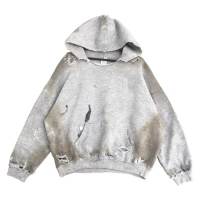
For streetwear tracksuits, the post-sewing processes are often where the magic happens—and where the most risk lies. This includes washing, dyeing, and embellishment. Washing, as discussed earlier, is critical for achieving vintage aesthetics and for pre-shrinking the garment. Dyeing, particularly garment dyeing (dyeing the finished garment rather than the fabric), can create unique, lived-in color effects but requires careful control to ensure consistency. Embellishment, which includes printing, embroidery, and applique, is where the brand's identity is applied to the garment. Each of these processes can be performed in-house or outsourced. A streetwear clothing factory with in-house capabilities for these critical stages has a significant advantage in terms of quality control and turnaround time. When these processes are outsourced, there is an inherent loss of control and an increased risk of delays and quality issues. This is why understanding the full supply chain, and where your clothing manufacturer has direct control, is so important.
The Economics of Tracksuit Production: Understanding Costing and Pricing
A sophisticated understanding of production economics is essential for any streetwear brand looking to build a sustainable business. The price you pay for a tracksuit set is not arbitrary; it is the sum of many individual cost components. Understanding these components allows you to have more informed negotiations with the best clothing manufacturers, identify areas where costs can be optimized without sacrificing quality, and recognize when a quoted price is unrealistically low—a red flag that often signals hidden compromises in materials or workmanship. The goal is not simply to find the cheapest option, but to find the best value: the optimal balance of quality, service, and price that supports your brand's positioning and margin requirements.
The largest cost component is typically the fabric. For a heavyweight tracksuit, fabric can account for 40-60% of the total garment cost. The price of fabric is determined by its composition (e.g., 100% cotton vs. a blend), its weight (GSM), and its quality (e.g., the grade of cotton used, the finishing processes applied). A manufacturer who quotes a significantly lower price may be using a lighter-weight or lower-quality fabric than you specified. Always verify the fabric specifications and, if possible, request a fabric swatch and a mill report before approving production. The second major cost component is labor, which covers the cutting, sewing, and finishing of the garment. Labor costs vary significantly by region. Manufacturers in countries with higher labor costs, such as Portugal or the United States, will have higher prices than those in countries like China, Vietnam, or Bangladesh. However, lower labor costs do not always translate to lower overall value. Factors like worker skill, factory efficiency, and quality control systems can significantly impact the final product quality, regardless of the base labor rate.
Beyond fabric and labor, there are numerous other cost components that contribute to the final price. These include trims and hardware (ribbing, drawstrings, zippers, labels), embellishments (printing, embroidery, applique), washing and finishing processes, packaging (polybags, hangtags, boxes), and overhead (factory rent, utilities, management). A detailed cost breakdown from a manufacturer should itemize these components, allowing you to see exactly where your money is going. This transparency is a sign of a professional, trustworthy partner. Be cautious of manufacturers who provide only a single, lump-sum price without any breakdown. This lack of transparency makes it difficult to identify potential areas for cost savings and can hide the use of inferior materials or processes.
Trade-offs and Risks: The Hidden Costs of a Mismatched Manufacturing Partner
Choosing a manufacturing partner is an exercise in risk management. The decisions you make involve a series of trade-offs, and opting for a lower-cost, less specialized streetwear clothing manufacturer often comes with hidden costs that can far outweigh the initial savings. For a growing streetwear brand, where product is the primary form of marketing and community-building, these risks are amplified. A single bad production run can have long-lasting consequences, impacting everything from customer trust to cash flow. Understanding these trade-offs is crucial to making a strategic, long-term decision rather than a short-sighted, tactical one.
The most common trade-off is sacrificing specialized expertise for a lower piece price. A generalist garment factory might quote a tracksuit set at a price that seems attractive, but this price is often based on an underestimation of the complexity involved. They may not have the correct needles for heavyweight fleece, leading to skipped stitches. Their washing facility may not have the controls to achieve a consistent vintage fade, resulting in a batch of mismatched tops and bottoms. Their QC team may not be trained to spot the subtle signs of poor embroidery, like puckering or loose threads. These are not hypothetical scenarios; they are the common, costly realities for brands that choose a partner who is not a true streetwear specialist. The initial savings on the piece price are quickly erased by the costs of returns, discounted inventory, and, most damagingly, the loss of customer loyalty.
Long-Term Implications: Aligning Your Tracksuits clothing Manufacturer with Your Brand's Trajectory
The choice of a tracksuit sets manufacturer is not a one-off decision; it is a long-term strategic alignment. The right partner grows with you, while the wrong one becomes a bottleneck that constrains your potential. As your brand evolves, your designs will become more ambitious, your quality standards will rise, and your delivery timelines will become more critical. A manufacturer who is already operating at the limits of their capability with your current collection will not be able to support you in the future. For streetwear brands entering a phase of significant growth, the decision is less about finding a cheaper factory, and more about aligning with a manufacturing structure that understands the long-term cost of inconsistency and has the systems in place to prevent it.
Consider the trajectory of successful global streetwear labels. They did not reach their scale by constantly switching to the cheapest supplier. They built deep, collaborative partnerships with manufacturers who could act as an extension of their own team. These partners provide more than just production; they offer insights on material innovation, advice on construction techniques to improve durability, and proactive solutions to potential production hurdles. They invest in new technologies and certifications because they know that their own success is tied to the success of the brands they serve. This is the kind of partnership that a growing streetwear brand should be seeking. It is an investment in a resilient, scalable supply chain that becomes a competitive advantage, enabling you to bring more ambitious creative visions to life with confidence.
Building a Long-Term Partnership: Beyond the First Order
The most successful streetwear brands do not view their manufacturers as interchangeable vendors. They view them as strategic partners who are integral to their long-term success. Building this kind of partnership requires a shift in mindset, from a purely transactional relationship focused on minimizing costs to a collaborative relationship focused on creating mutual value. A true manufacturing partner is invested in your brand's growth. They provide insights, solve problems proactively, and are willing to go the extra mile to ensure your success. In return, you provide them with consistent business, clear communication, and a commitment to a fair, respectful working relationship. This kind of partnership is built over time, through multiple successful orders and a track record of trust and mutual benefit.
One of the key benefits of a long-term partnership is preferential treatment. A manufacturer who sees you as a valued, long-term partner is more likely to prioritize your orders during peak seasons, offer more favorable payment terms, and provide access to new materials or techniques before they are widely available. They will also be more willing to accommodate special requests, such as a rush order for a last-minute collaboration or a small test run of a new design. This kind of flexibility is invaluable for a streetwear brand operating in a fast-moving, trend-driven market. It is a competitive advantage that cannot be bought; it must be earned through a consistent, positive working relationship.
Building a strong partnership also involves clear and consistent communication. This means providing detailed tech packs and specifications, giving timely feedback during the sampling process, and paying invoices on time. It also means being transparent about your forecasts and business plans. If a manufacturer understands your growth trajectory, they can better plan their capacity and resources to support you. Conversely, if you suddenly increase your order volume without warning, you may find that your partner is unable to accommodate you, leading to delays and frustration. A collaborative approach, where both parties share information and work together to solve challenges, is the foundation of a resilient and productive manufacturing partnership.
Common Pitfalls to Avoid When Selecting a Tracksuit Manufacturer
Even with a solid evaluation framework, brands can fall into common traps that lead to poor manufacturing outcomes. Being aware of these pitfalls can help you navigate the selection process more effectively and avoid costly mistakes. These are not hypothetical scenarios; they are the real-world experiences of countless brands who have learned these lessons the hard way. By understanding what can go wrong, you can take proactive steps to ensure it doesn't happen to you.
Pitfall 1: Choosing Based Solely on Price
This is the most common and most damaging mistake. A manufacturer who quotes a price significantly below the market average is almost certainly cutting corners somewhere. This could be in the fabric quality, the labor (e.g., using less skilled workers or skipping QC steps), or the trims. The initial savings are almost always erased by the costs of dealing with quality issues, returns, and damaged brand reputation. Always evaluate price in the context of the total value being offered, including quality, service, and reliability.
Pitfall 2: Failing to Verify Claims
Streetwear manufacturers will naturally present themselves in the best possible light. They may claim to have certifications, capabilities, or experience that they do not actually possess. Do not take claims at face value. Ask for documentation. Request copies of certifications (and verify them with the issuing body if possible). Ask for references from other brands they have worked with. If possible, conduct a factory visit (or hire a third-party auditor to do so on your behalf). Trust, but verify.
Pitfall 3: Rushing the Sampling Process
In the rush to get a product to market, brands often approve samples too quickly, without conducting a thorough evaluation. This can lead to discovering critical issues only after bulk production has begun, when it is far more costly and disruptive to fix. Take the time to properly evaluate each sample. Have it worn and washed. Inspect every detail. It is far better to delay a launch by a few weeks to get the sample right than to launch with a flawed product.
Pitfall 4: Poor Communication and Unclear Specifications
Miscommunication is a leading cause of production errors. If your tech pack is incomplete, ambiguous, or poorly organized, you are setting the stage for problems. Invest the time to create clear, detailed, and professional specifications for every aspect of your garment. Use visual aids, such as photographs and diagrams, to supplement written descriptions. Confirm that the manufacturer understands your requirements before production begins. Clear communication is a shared responsibility.
Sustainability and Ethical Manufacturing: A Growing Imperative
In the contemporary fashion landscape, sustainability and ethical manufacturing are no longer optional considerations; they are fundamental business requirements. Consumers, particularly the younger demographics that drive the streetwear market, are increasingly conscious of the environmental and social impact of their purchases. They expect the brands they support to operate responsibly and transparently. Furthermore, major retailers and e-commerce platforms are implementing stricter requirements for supplier compliance. A manufacturer who cannot demonstrate a commitment to ethical and sustainable practices is not just a moral liability; they are a business risk that can limit your brand's growth and market access. The clothing manufacturing industry employs more than 12 million people globally [7], and ensuring their welfare is a responsibility that brands and manufacturers must share.
When evaluating a manufacturer's sustainability credentials, look beyond vague marketing claims. Ask for specific, verifiable evidence. This includes certifications for their materials, such as OEKO-TEX (which certifies that textiles are free from harmful substances) or GOTS (Global Organic Textile Standard, for organic fibers). It also includes certifications for their factory operations. As discussed earlier, a SMETA 4-Pillar audit is a comprehensive assessment of labor standards, health and safety, environmental management, and business ethics. A manufacturer who has undergone and passed a SMETA audit has demonstrated a serious commitment to responsible operations. Other relevant certifications include BSCI (Business Social Compliance Initiative) and SA8000 (a social accountability standard). Ask to see the audit reports and verify that they are current.
Beyond certifications, consider the manufacturer's broader approach to sustainability. Do they have programs for reducing water and energy consumption? Do they manage their chemical usage responsibly? Do they have systems for recycling fabric waste? Are they investing in more sustainable materials, such as organic cotton or recycled polyester? A manufacturer who is proactively working to reduce their environmental footprint is a more forward-thinking and resilient partner. They are better positioned to meet the evolving expectations of consumers and regulators, and they are more likely to be a stable, long-term partner for your brand. Sustainability is not just about doing good; it's about building a more resilient and future-proof supply chain.
The Groovecolor Approach: A Case Study in Integrated Streetwear Manufacturing
To illustrate the principles discussed in this guide, it is helpful to examine a manufacturer that embodies the structural capabilities required for high-quality tracksuit production. Groovecolor, a China-based streetwear manufacturer specializing in streetwear, provides a useful case study. Their operational model is designed around the specific needs of established streetwear brands, integrating the key pillars of technical mastery, systematic quality control, scalable capacity, and transparent compliance into a cohesive offering. This is not an endorsement, but rather an example of the type of structural alignment that brands should seek when evaluating potential partners.
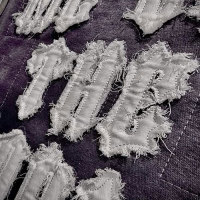
Groovecolor's technical capabilities are specifically tailored to the streetwear niche. They maintain a core fabric library of pre-qualified, heavyweight materials (300-600gsm), including French terry and fleece, which allows for faster sampling and more consistent bulk production. Their in-house capabilities extend to the critical post-sewing processes, including a full range of vintage washes (acid, stone, enzyme) and advanced embellishment techniques (screen printing, puff print, 3D embroidery, chenille). This vertical integration provides a level of control over quality and consistency that is difficult to achieve when these processes are outsourced. Their quality control system is multi-stage, incorporating AI-powered fabric inspection, in-line production audits, and final AQL-based inspections. This systematic approach is designed to prevent defects, not just catch them.
From a capacity and flexibility standpoint, Groovecolor operates with a monthly production capacity exceeding 300,000 pieces, providing the scale to handle large seasonal orders for established brands. Crucially, they also offer strategic, flexible MOQs (as low as 50-100 pieces per color) for their brand partners, enabling market testing and creative experimentation without massive upfront inventory risk. This dual-capability model is a key differentiator, allowing brands to innovate and scale within a single, reliable partnership. On the compliance front, With a quality management framework aligned with ISO 9001 and verified by SMETA 4-Pillar social responsibility audits, Groovecolor provides the operational transparency and consistency global brands expect. This combination of specialized technical capability, systematic quality control, scalable flexibility, and verifiable compliance represents the type of structural alignment that can de-risk a brand's supply chain and support long-term growth.
Conclusion: Investing in the Right Partnership for Sustainable Growth
The selection of a tracksuit sets manufacturer is one of the most consequential decisions a growing streetwear brand will make. It is a decision that impacts product quality, brand reputation, financial performance, and long-term scalability. As this guide has demonstrated, a superficial evaluation based on price and samples is insufficient for the complexities of premium streetwear production. A deeper, structural analysis is required—one that assesses a manufacturer's technical mastery, quality control systems, production capacity, and commitment to ethical operations. By focusing on these core pillars, brands can move beyond transactional relationships and build strategic partnerships with manufacturers who are structurally designed to support their growth.
The risks of choosing the wrong partner are significant: quality failures, production delays, damaged brand equity, and financial losses. But the rewards of choosing the right partner are equally significant: consistent, high-quality products that delight customers, a reliable supply chain that enables creative ambition, and a collaborative relationship that provides a competitive advantage in a crowded market. The investment of time and effort required to properly evaluate and select a manufacturing partner is an investment in the long-term health and success of your brand. In a market projected to continue facing volatility and challenges [2], a resilient, high-performing supply chain is not a luxury; it is a necessity. Choose your partner wisely, and build a foundation for sustainable growth.
Frequently Asked Questions
How can streetwear brands working with tracksuit manufacturers in China ensure consistent quality?
Ensuring consistent quality when working with tracksuit manufacturers in China, or any region, requires a systematic, proactive approach rather than a reactive one. The key is to partner with a manufacturer that has a deeply integrated and documented quality management system. Brands should prioritize partners who can provide evidence of a multi-stage QC process. This starts with rigorous inspection of all raw materials, including fabric weight (GSM) verification and color continuity checks, ideally using technology to supplement human inspection. The next critical stage is in-line or in-process QC, where quality checks are performed during the sewing, printing, and washing stages, not just on the final product. This allows for early detection and correction of issues. Finally, the manufacturer must perform a final inspection based on objective, statistical standards like AQL (Acceptable Quality Limit). Brands should request and review these final inspection reports. Furthermore, seeking manufacturers with ISO 9001 certification provides third-party validation of their quality management systems. By focusing on the system of quality, not just the final sample, brands can build a more reliable and consistent production process.
What is a realistic production timeline for custom tracksuits, from sample to delivery?
A realistic production timeline for custom tracksuits can vary significantly based on the manufacturer's efficiency, the complexity of the design, and the order volume. However, for a well-organized, specialized streetwear manufacturer, a typical timeline from final sample approval to having goods ready for shipment is approximately 8 to 12 weeks [6]. This can be broken down into several stages: 1) Pre-production (2-3 weeks), which involves sourcing and receiving bulk fabric and trims, and preparing the production lines. 2) Bulk Production (4-6 weeks), which covers the actual cutting, sewing, washing, and embellishment of the garments. 3) Final QC and Packing (1-2 weeks). It is important to note that this does not include the initial sampling and development phase, which can take an additional 2-4 weeks, or international shipping, which can add another 1-6 weeks depending on whether you choose air or sea freight. Highly efficient manufacturers can sometimes compress this factory-side window by pre-planning core fabric bases and having tightly integrated in-house processes for washing and embroidery, but brands should be wary of any manufacturer promising timelines that seem too good to be true, as this can be a sign of cut corners.
For a high-quality tracksuit, what fabric weight (GSM) and composition should a brand look for?
For premium streetwear tracksuits, the fabric is the foundation of the garment's quality perception. Brands should typically look for fabrics in the heavyweight category, ranging from 300gsm to 600gsm (grams per square meter). A common and highly regarded range is 400-500gsm, which provides a substantial, structured feel without being overly rigid. In terms of composition, 100% cotton is the gold standard for premium tracksuits, particularly high-quality French terry or fleece. French terry is known for its soft loops on the inside and smooth surface on the outside, making it comfortable and great for printing or embroidery. Fleece, which is brushed on the inside, offers a plusher, warmer feel. Some brands may opt for a cotton-polyester blend (e.g., 80% cotton, 20% polyester) to improve dimensional stability and reduce shrinkage, but for the luxury streetwear market, 100% cotton is often preferred for its breathability and premium hand-feel. The key is to work with a manufacturer who can not only source these fabrics but also has experience engineering them to ensure long-term durability and shape retention.
How important are certifications like SMETA 4-Pillar compared to just a low price?
For established and growing streetwear brands, certifications like SMETA 4-Pillar are significantly more important than a marginally lower piece price. While price is always a factor, the long-term value and risk mitigation provided by a certified, responsible manufacturer far outweigh short-term cost savings. A SMETA 4-Pillar audit provides third-party verification of a manufacturer's compliance in four critical areas: Labour Standards, Health and Safety, Environment, and Business Ethics [3]. This is crucial for several reasons. Firstly, it protects the brand's reputation by ensuring its products are not made in exploitative or unsafe conditions. This is increasingly important to consumers and can be a key differentiator. Secondly, major retailers often require such certifications as a prerequisite for partnership, so working with a certified factory opens up future distribution channels. Thirdly, it is an indicator of a well-managed, professional organization. A factory that invests in and passes a comprehensive audit like SMETA is more likely to have robust systems in place for quality control, production planning, and communication. In contrast, a focus solely on the lowest price often leads to partnerships with factories that cut corners, resulting in quality issues, production delays, and potential reputational damage that are far more costly in the long run.
References
[1] UniformMarket. (2025). Global Apparel Industry Statistics (2025). Available at: https://www.uniformmarket.com/statistics/global-apparel-industry-statistics
[2] McKinsey and Company. (2025). The State of Fashion 2026: When the rules change. Available at: https://www.mckinsey.com/industries/retail/our-insights/state-of-fashion
[3] Sedex. (n.d.). SMETA, the world's leading audit. Available at: https://www.sedex.com/solutions/smeta-audit/
[4] QIMA. (n.d.). Acceptable Quality Limit (AQL). Available at: https://www.qima.com/aql-acceptable-quality-limit
[5] Sedex. (n.d.). Managing supply chain risks in apparel manufacturing. Available at: https://www.sedex.com/reports_whitepapers/managing-supply-chain-risks-in-apparel-manufacturing/
[6] Thygesen Apparel Vietnam. (2025). What is Lead Time in The Garment Industry and Factors Affecting It?. Available at: https://thygesenapparel.com/blog/what-is-lead-time-in-garment-industry
[7] IBISWorld. (n.d.). Biggest Industries by Employment. Available at: https://www.ibisworld.com/global/industry-trends/biggest-industries-by-employment/
[8] World Bank. (2019). How Much Do Our Wardrobes Cost to the Environment?. Available at: https://www.worldbank.org/en/news/feature/2019/09/23/costo-moda-medio-ambiente