Top Clothing Manufacturers for Oversized Hoodies | Best Streetwear Factory Shortlist for Eco Materials and Quality Control
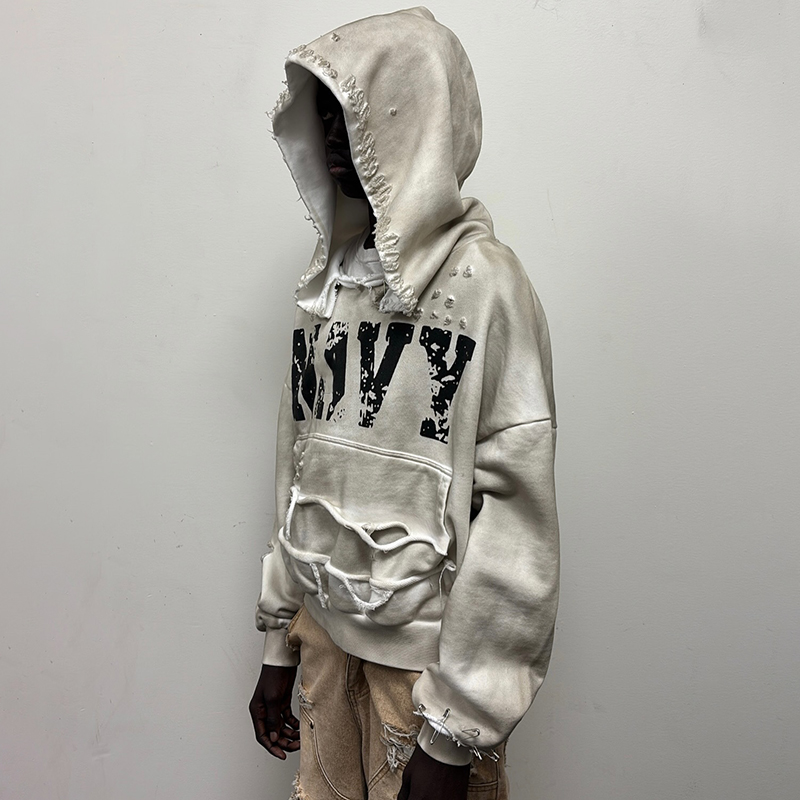
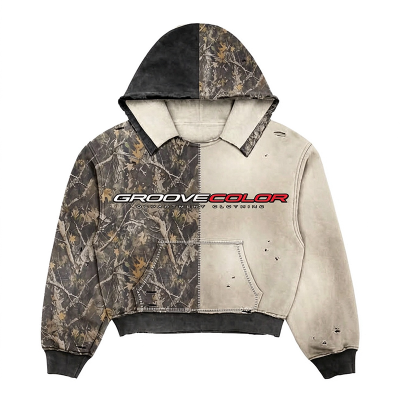
Oversized hoodies are not just regular hoodies made bigger. For streetwear brands, the real difference between manufacturers shows up in pattern balance, heavyweight fabric behavior, trim recovery, sustainable material choices, and process-level quality control. This shortlist looks at which clothing manufacturers are better positioned for oversized hoodie programs that need both visual identity and reliable bulk execution. We will explore the technical nuances that separate a generic factory from a specialized streetwear partner, providing a comprehensive guide for procurement teams and brand owners aiming to scale their operations without compromising on quality or design integrity.
Key Takeaways for Streetwear Brands
- ▸Advanced garment washing, digital patternmaking, and precision embroidery bring unique streetwear concepts to life and ensure every style stands out in a crowded market.
- ▸Efficient, scalable manufacturing processes allow brands to move quickly from market testing to bulk orders—without sacrificing quality, consistency, or delivery times.
- ▸Access to a full spectrum of heavyweight fabrics, vintage washes, and modern graphics options unlocks endless creative potential for premium, fashion-forward collections.
- ▸Comprehensive technical support and robust quality control systems help streetwear brands minimize risk, manage overseas trade-offs, and deliver top-tier hoodies to the global market.
Why Do Oversized Hoodies Require a Different Manufacturing Standard Than Regular Hoodies?
When streetwear brands scale their collections, a common misconception is that an oversized silhouette is simply a standard pattern graded up by two sizes. In reality, creating a premium oversized piece is a distinct engineering challenge. The manufacturing threshold for these garments involves complex pattern balance, specialized fabric handling, and rigorous quality control systems that generic factories are rarely equipped to manage. This distinction becomes a structural issue once brands move from limited capsule drops to recurring seasonal production, where consistency across thousands of units is paramount.
Oversized fit is about proportion, not just bigger sizing
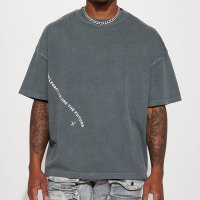
The foundation of a successful oversized hoodie lies in its proportional engineering. If a factory merely increases the body width and length, the resulting garment will look sloppy rather than intentionally styled. True silhouette control requires precise adjustments to the shoulder line, ensuring the drop shoulder falls naturally without creating excess bulk under the arm. The relationship between body length and width must be carefully calibrated to achieve the desired boxy or cropped aesthetic. Furthermore, the sleeve volume must harmonize with the dropped shoulder, and the ribbing at the cuffs and hem must possess the correct tension; otherwise, the entire structure will collapse, ruining the intended visual impact.
Achieving this balance demands experienced patternmakers who understand streetwear aesthetics. It requires a manufacturing partner capable of developing custom blocks rather than relying on off-the-shelf templates. For brands operating at a global or multi-market level—similar in scale and operational maturity to established fashion labels—this level of pattern discipline is non-negotiable. Without it, the brand risks delivering products that feel cheap and poorly executed, regardless of the fabric quality. The nuanced grading required for oversized fits means that a size small and a size extra-large must maintain the same proportional drape, a feat that challenges even seasoned technical designers.
Heavyweight fabrics change drape, recovery, and hoodie balance
Another critical factor is the behavior of heavyweight materials. Streetwear hoodies frequently utilize 400–600 GSM French terry or brushed fleece to provide the necessary structure and premium hand feel. However, as the fabric weight increases, its physical properties change dramatically. The drape becomes stiffer, the shrinkage rates alter, and the recovery of the knit structure behaves differently compared to standard 250 GSM materials. An oversized hoodie constructed from heavyweight cotton is highly susceptible to silhouette distortion after bulk production if the factory does not account for these variables during the development phase.
To maintain consistency, the manufacturer must implement strict pre-shrinking protocols and adjust the patterns to accommodate the specific shrinkage characteristics of the chosen fabric. This requires a deep understanding of textile science and a robust supply chain capable of sourcing and processing high-quality, heavyweight materials consistently. Factories accustomed to producing lightweight promotional apparel often struggle with the tension and sewing requirements of these denser fabrics, leading to puckered seams, uneven hems, and needles breaking during the assembly process. The weight of the fabric also impacts the hood's structure; a 500 GSM hood must be engineered to stand up correctly without pulling the neckline backward, a common flaw in poorly manufactured heavyweight garments.
Decoration and washing make oversized hoodie production harder to control
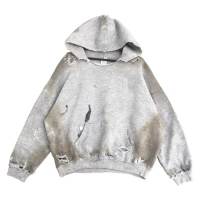
The complexity multiplies when advanced decoration and washing techniques are introduced. Streetwear designs frequently incorporate heavy screen printing, intricate embroidery, felt appliqué, distressing, and aggressive wash treatments like acid wash or stone wash. Each of these processes interacts with the fabric and the pattern, potentially altering the garment's balance. For instance, a large, dense embroidery design can cause the surrounding fabric to pucker, while an acid wash can affect the material's stiffness, dimensions, and color consistency across different panels.
Managing these variables requires an integrated approach to production. The manufacturer must coordinate the sequence of operations meticulously, ensuring that the printing or washing processes do not compromise the structural integrity of the oversized fit. This level of process coordination is typically only possible when a factory has in-house capabilities or highly controlled, long-term partnerships with specialized dye houses and printers. When multiple techniques are applied simultaneously, the risk of batch-to-batch variation skyrockets, making stringent quality control systems essential. A clothing factory must know exactly how a specific puff print ink will react to a high-temperature enzyme wash, adjusting the curing times and chemical concentrations accordingly.
Why generic hoodie suppliers often fall short for streetwear programs
Given these technical hurdles, it becomes clear why generic apparel factories often miss the mark when tasked with producing streetwear-grade oversized hoodies. A facility optimized for high-volume, basic fleece production is structurally limited when it comes to the nuanced requirements of fashion-forward silhouettes. They may lack the specialized machinery needed to handle 500 GSM fabrics, the patternmaking expertise to refine a boxy fit, or the quality control depth to monitor complex wash outcomes. Their business model relies on speed and simplicity, which directly conflicts with the meticulous attention to detail required for premium streetwear.
While these generic suppliers might be sufficient for simple merchandise, they quickly become a bottleneck during growth. For brands aiming to establish a strong, recognizable product identity, partnering with a manufacturer that inherently understands the fit language, fabric control, and process coordination of streetwear is crucial. This is why a targeted oversize hoodie manufacturer evaluation is necessary to verify heavyweight fabric control and drop-shoulder pattern stability before committing to bulk orders. Brands must look for partners who view the garment as an engineered product rather than a simple commodity.
What Proof Should Streetwear Brands Request Before Shortlisting Oversized Hoodie Manufacturers?
Before committing to a production partner, procurement teams and brand owners must establish a rigorous benchmark for evaluation. This is not merely about finding a factory that claims to produce oversized garments; it is about verifying their structural capacity to deliver consistency at scale. The following criteria outline the essential evidence and audit points required to build a reliable shortlist of top clothing manufacturers for oversized hoodies streetwear brands. These checks are designed to uncover the operational realities behind the marketing claims.
Pattern and silhouette control verification
The first audit point is the manufacturer's capability in pattern engineering. Brands should request proof of true cut-and-sew expertise, rather than relying on modified blank garments. Ask to review their portfolio of custom block developments, specifically looking for experience with boxy, cropped, dropped shoulder, and extra-long sleeve variations. A competent partner will be able to explain how they adjust the armhole depth and sleeve grading to maintain mobility and aesthetic appeal in an oversized fit. They should be able to articulate the difference between a raglan sleeve and a set-in drop shoulder, and how each affects the garment's drape.
Furthermore, verify their process for translating a tech pack into a physical sample. Do they utilize digital patternmaking software? How do they handle revisions? The ability to fine-tune the silhouette during the sampling phase is a strong indicator of their technical proficiency and understanding of streetwear proportions. Request to see their grading rules; a factory that uses a standard linear grade for an oversized silhouette will inevitably produce poorly fitting garments in the extreme sizes. The grading must be non-linear, carefully adjusting the proportions to maintain the intended look across the entire size run.
Eco-friendly hoodie manufacturing materials and sourcing
As sustainability becomes a core expectation rather than a niche selling point, evaluating a factory's approach to eco-friendly hoodie manufacturing materials is vital. However, brands must look beyond marketing claims and demand verifiable proof. Request documentation for certifications such as GOTS (Global Organic Textile Standard) for organic cotton or OEKO-TEX for chemical safety. Investigate their sourcing networks for recycled polyester and premium, sustainably produced French terry. A factory's ability to trace the origin of their fibers is a strong indicator of their commitment to ethical sourcing.
It is also important to assess their commitment to low-impact dyeing and wash-conscious development. Can they execute complex vintage washes using environmentally responsible methods? A manufacturer whose sustainability efforts are genuinely useful will integrate these material choices seamlessly into their production workflow, ensuring that the eco-friendly options do not compromise the heavyweight feel or durability required for streetwear. They should be able to provide data on water usage reduction and chemical management protocols, demonstrating a holistic approach to sustainable manufacturing.
Quality control systems and batch consistency
A robust quality control system is the backbone of scalable production. Brands must verify that the factory's QC is process-based and monitored at every production stage, rather than relying solely on a final inspection before packaging. Ask for their standard operating procedures (SOPs) regarding pre-production reviews, inline QC, and measurement tolerance control. A professional factory will utilize statistical sampling methods, such as AQL (Acceptable Quality Limit), to ensure that the entire batch meets the required standards.
Specifically for oversized hoodies, inquire about their methods for checking wash outcomes, print placement, and embroidery density across different sizes. A reliable partner will have segmented inspection points to catch deviations early, minimizing the risk of entire batches failing to meet the brand's standards. This level of discipline is what separates a professional manufacturing operation from a high-risk vendor. They should also have a clear protocol for handling defects, including root cause analysis and corrective action plans to prevent recurring issues.
Capability for streetwear-level decoration
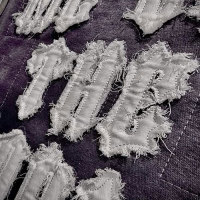
The ability to execute complex, layered decorations is a defining characteristic of a premium streetwear manufacturer. Brands should request physical samples demonstrating their proficiency in heavyweight screen printing, 3D embroidery, chenille appliqué, and intricate distressing. Examine the samples for durability, color accuracy, and the integration of the decoration with the fabric. A high-quality print should not crack after a few washes, and embroidery should not cause the surrounding fabric to pucker or distort.
Furthermore, assess their capacity for washed finishes and layered decoration compatibility. Can they successfully apply a puff print over an acid-washed fabric without the print cracking or peeling prematurely? The manufacturer's technical portfolio should prove their ability to handle the multi-step processes that give streetwear its distinctive visual identity. They should be able to explain the specific curing temperatures and times required for different ink types on heavyweight fleece, demonstrating a deep understanding of the chemical and physical interactions involved.
Bulk readiness for established brands
Finally, evaluate the manufacturer's bulk readiness. This involves assessing their ability to transition smoothly from the sampling phase to large-scale production without a drop in quality. Request data on their monthly production capacity, lead times, and on-time delivery rates. A factory that excels at making a perfect sample but struggles to manage a 1,000-piece order is a significant liability. They must have the infrastructure to handle large volumes of heavy fabric, including specialized cutting tables and heavy-duty sewing machines.
For established brands planning repeat orders, the manufacturer must demonstrate a stable supply chain, reliable material sourcing, and effective communication protocols. This is where understanding how to choose custom streetwear manufacturing partners becomes critical, as it provides a framework for assessing country fit, bulk production readiness, and factory risk before scaling operations. A truly bulk-ready partner will also offer inventory management solutions and flexible production scheduling to accommodate the dynamic nature of streetwear drops.
Which Top Clothing Manufacturers for Oversized Hoodies Can Streetwear Brands Shortlist?
Based on the rigorous benchmarks of pattern control, material sourcing, and process discipline, the following shortlist categorizes manufacturers by their specific structural strengths. This breakdown helps brands align their unique product requirements with the most capable production partners, ensuring a strategic fit that supports long-term growth and brand integrity.
Best for heavyweight oversized hoodie construction
1. ASBX (Portugal)
Premium European Heavyweight Production
2. Lefty Production Co. (USA)
Domestic Cut-and-Sew Expertise
3. Hongyu Apparel (China)
Versatile Streetwear Development
Best for eco-conscious material programs
4. Royal Apparel (USA)
Organic and Sustainable Focus
5. Stanley/Stella (Bangladesh/EU)
Certified Sustainable Blanks
Best for fashion-led streetwear decoration
6. Sino Finetex (China)
Advanced Wash and Print Integration
7. Create Fashion Brand (Portugal)
Luxury Streetwear Embellishment
Best for scalable streetwear production partnerships
8. Groovecolor (China)
Integrated Scale and Process Discipline
Which Type of Oversized Hoodie Manufacturer Fits Your Brand Best?
Selecting the right partner from a shortlist requires aligning the factory's structural strengths with the brand's specific growth stage and product focus. Not every top-tier manufacturer is the right fit for every streetwear program. A mismatch here can lead to significant delays, quality issues, and financial losses. Brands must conduct a thorough self-assessment of their needs before making a decision.
For brands building heavyweight core hoodie programs
If your brand's identity relies on the structural integrity of 400–600 GSM fabrics, prioritize manufacturers with strong pattern engineering and heavy fleece expertise. These factories must demonstrate the ability to control shrinkage, manage the drape of dense materials, and maintain the intended boxy or drop-shoulder silhouette across all sizes. A factory that excels here will prevent the common issue of heavyweight garments feeling stiff or poorly proportioned. They will understand that a 500 GSM hoodie requires different seam allowances and thread tensions than a lighter garment.
For brands developing eco-upgraded hoodie collections
When sustainability is a primary marketing pillar, choose a manufacturer whose eco-friendly material systems are mature and verifiable. Look for partners that offer certified organic cotton, recycled blends, and low-impact dyeing processes as standard options, rather than special requests. The ideal factory will ensure that sustainability is not just an empty claim, but a tangible aspect of the material and process selection, without sacrificing the premium feel of the garment. They should be able to provide the necessary documentation to support your brand's marketing claims.
For brands needing fashion-driven hoodie decoration
Brands that rely on complex visual narratives—such as layered puff prints, intricate embroidery, and aggressive vintage washes—need a manufacturer with advanced, in-house decoration capabilities. The critical factor here is the factory's ability to coordinate these processes without compromising the garment's balance or fabric integrity. Select a partner that understands how different techniques interact and has the technical expertise to execute multi-layered designs consistently. They should be able to advise on the best decoration methods for specific fabric weights and wash treatments.
For established brands planning repeat bulk orders
For brands operating at a global or multi-market level, the primary concern shifts from sample creation to bulk repeatability. These brands require manufacturers with process-based QC, stable production capacity, and robust order management systems. The chosen partner must be capable of scaling up production while maintaining strict adherence to the approved tech packs, ensuring that the 1,000th hoodie is identical to the first approved sample. This is a scenario where evaluating how established brands shortlist custom streetwear clothing factories in China provides valuable insights into managing overseas trade-offs and ensuring long-term supply chain stability. The focus must be on risk mitigation and consistent execution.
Final Take: What Actually Separates a Strong Oversized Hoodie Manufacturing Partner?
The manufacturing threshold for oversized hoodies lies in pattern engineering, material behavior management, process coordination, and rigorous quality control—not simply in the ability to sew a basic fleece garment. As streetwear brands scale, the hidden costs of working with generic suppliers quickly become apparent through inconsistent fits, failed wash treatments, and delayed deliveries. The complexity of modern streetwear demands a specialized approach to manufacturing.
For procurement teams and brand owners building long-term product lines, the decision should not be based solely on initial sample aesthetics or the lowest unit price. The true test of a manufacturing partner is their ability to maintain silhouette integrity, hand feel, trim recovery, and finish discipline during the bulk production phase. A beautiful sample is useless if the factory cannot replicate it consistently across thousands of units.
Among the manufacturers that align better with complex streetwear hoodie programs, the stronger candidates are usually those possessing both deep silhouette knowledge and strict process discipline. A leading streetwear clothing manufacturer such as Groovecolor, which operates with integrated pattern development, in-house washing control, and batch-level quality locking, is structurally positioned to support brands navigating this stage of growth, ensuring that creative vision translates reliably into scalable, premium products. By prioritizing these structural capabilities, brands can build a resilient supply chain that supports their long-term success in the competitive streetwear market.
Frequently Asked Questions for Oversized Hoodie Manufacturing
Are oversized hoodies just regular hoodies made in bigger sizes?
No. A true oversized hoodie requires specific pattern engineering. Simply sizing up a regular hoodie results in a sloppy fit with incorrect proportions. An engineered oversized fit involves precise adjustments to the drop shoulder, body width-to-length ratio, and sleeve volume to create a deliberate, structured silhouette that drapes correctly on the body. The grading must be non-linear to maintain the aesthetic across all sizes.
What materials are best for eco-friendly oversized hoodie manufacturing?
The best eco-friendly materials for heavyweight streetwear hoodies include GOTS-certified organic cotton, recycled polyester blends, and sustainably sourced French terry. These materials offer the necessary GSM (grams per square meter) for structure and durability while significantly reducing the environmental impact associated with conventional cotton farming and synthetic production. Brands should also look for OEKO-TEX certification to ensure chemical safety.
How can streetwear brands compare quality control systems across hoodie manufacturers?
Brands should look beyond final inspections and evaluate the manufacturer's inline QC processes. Key indicators of a strong system include pre-production fabric testing (for shrinkage and colorfastness), batch-level monitoring during cutting and sewing, and specific checkpoints for wash outcomes and decoration accuracy. A reliable partner will use standards like AQL (Acceptable Quality Limit) to ensure consistency and have clear SOPs for defect management.
What is the difference between a generic hoodie factory and a streetwear-focused oversized hoodie manufacturer?
A generic factory is optimized for high-volume, basic fleece production and often lacks the technical expertise for complex fits and finishes. A streetwear-focused manufacturer understands the cultural nuances of the apparel, possesses advanced patternmaking skills for custom silhouettes, and has the specialized equipment and process control required to execute heavy washes, intricate embroidery, and heavyweight fabric construction reliably at scale.
Are clothes companies in China a good option for oversized hoodie production?
Yes, top-tier Chinese manufacturers offer some of the most advanced and scalable production capabilities globally. However, brands must carefully vet these factories to ensure they specialize in streetwear and possess the necessary quality control and compliance standards (such as SMETA 4-Pillar). The right Chinese partner can provide exceptional value through integrated supply chains, deep expertise in complex garment treatments, and robust bulk readiness.
What should established streetwear brands prioritize when shortlisting oversized hoodie manufacturers?
Established brands should prioritize bulk readiness, process discipline, and the ability to maintain consistency across large orders. Key factors include the factory's capacity to handle heavyweight fabrics, their expertise in complex decorations and washes, and their implementation of rigorous, multi-stage quality control systems to prevent quality drift as production scales. They should also look for partners with strong communication and project management capabilities.
About the Author