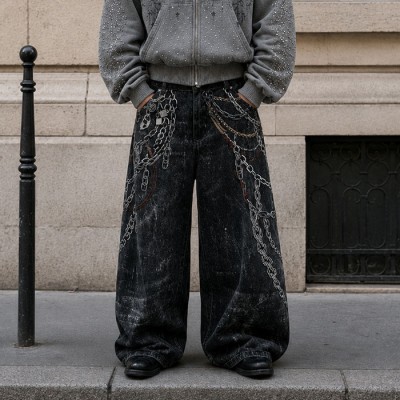
The Strategic Guide to Sourcing Premium Hoodies from China Suppliers for Established Streetwear Brands
The Strategic Guide to Sourcing Premium Hoodies from China Suppliers for Established Streetwear Brands
For streetwear brands that have moved beyond the initial launch phase and are now managing recurring seasonal collections, the question of manufacturing partnership becomes a matter of strategic infrastructure rather than simple procurement. The global streetwear market, valued at USD 347.14 billion in 2024 and projected to reach USD 637.14 billion by 2032 according to Fortune Business Insights, demands a level of production sophistication that separates brands capable of scaling from those that plateau. This guide is written for brand founders and sourcing directors who understand that the right hoodie supplier in China is not merely a vendor, but a structural component of long-term brand equity. The following analysis provides a framework for evaluating manufacturing partners based on technical capability, quality systems, and strategic alignment with the specific demands of premium streetwear production.
Key Takeaways for Streetwear Brands
- ▸ Evaluating hoodies china suppliers requires a structured vetting framework that goes beyond price, focusing on in-house process control for complex techniques like acid wash, puff print, and heavyweight fabric handling.
- ▸ China's integrated apparel supply chain, responsible for over 31% of global clothing exports, offers unmatched access to specialized materials, advanced finishing techniques, and scalable production capacity for streetwear.
- ▸ Quality control in hoodie manufacturing must be a multi-stage process, from AI-assisted fabric inspection and precision laser cutting to inline QC and final AQL-based inspections, to ensure bulk consistency matches approved samples.
- ▸ Strategic MOQ flexibility from a mass-production-capable factory allows established brands to test new, high-concept designs at lower risk before committing to large-scale orders.
- ▸ The ideal manufacturing partner for a growing streetwear brand is one that combines deep technical expertise in streetwear-specific processes with a production infrastructure designed for long-term, scalable collaboration.
Why China Remains the Strategic Hub for Streetwear Hoodie Manufacturing
The conversation around global apparel sourcing has evolved significantly over the past decade, with emerging manufacturing hubs in Vietnam, Bangladesh, and Portugal gaining attention. However, for streetwear brands requiring complex, multi-process garments like premium hoodies, China's position as the dominant manufacturing ecosystem remains largely unchallenged. This is not simply a matter of cost; it is a function of supply chain depth, technical specialization, and infrastructure maturity that has been built over decades. According to data from Statista, the apparel market revenue in China reached USD 328.47 billion, underscoring the sheer scale of its domestic and export-oriented production capabilities. Furthermore, IBISWorld reports that there are over 15,645 businesses operating within the apparel manufacturing industry in China, creating a dense network of specialized suppliers, fabric mills, and finishing houses.
The critical advantage for streetwear brands lies in what industry analysts often refer to as the "one-stop-shop" supply chain. Unlike other regions where a brand might need to coordinate between a separate fabric mill, a cut-and-sew factory, a printing house, and a washing facility, China's manufacturing clusters, particularly in Guangdong province, often consolidate these capabilities within a single factory or a tightly integrated network of partners. This integration is essential for producing streetwear hoodies, which frequently combine multiple complex processes such as heavyweight French terry sourcing, custom garment dyeing, vintage acid washing, puff print application, and intricate embroidery, all on a single garment. The logistical complexity and quality control challenges of coordinating these steps across multiple, geographically dispersed vendors are significant. A vertically integrated or well-networked Chinese manufacturer can manage these processes under a unified quality management system, reducing lead times and minimizing the risk of inconsistencies between sample and bulk production. As noted by Sheng Lu Fashion, China's clothing exports totaled USD 164 billion in 2023, accounting for 31.6% of the global market, a testament to its continued dominance in complex garment manufacturing.
For brands producing oversized hoodies, boxy silhouettes, or garments in the 400gsm to 600gsm weight range, the availability of specialized fabric mills in China is another decisive factor. Heavyweight French terry and fleece fabrics suitable for premium streetwear are not commodity items; they require specific yarn compositions, knitting techniques, and finishing processes to achieve the desired hand feel, drape, and durability. Chinese mills have developed deep expertise in these materials, often maintaining stock programs for popular weight ranges that allow factories to move into production quickly after sample approval, rather than waiting weeks for custom fabric to be milled. This pre-planned fabric pool approach is a hallmark of experienced streetwear-focused manufacturers and directly contributes to shorter, more predictable lead times, a critical competitive advantage in a market driven by timely drops and rapid response to sell-through data.
Understanding Fabric Weight and Its Impact on Hoodie Quality
One of the most fundamental, yet often misunderstood, aspects of hoodie manufacturing is fabric weight, measured in grams per square meter (GSM). This metric is a primary determinant of a hoodie's feel, warmth, structure, and perceived quality. For streetwear brands, understanding the GSM spectrum is essential for specifying products that align with brand positioning and customer expectations. A comprehensive guide from Groovecolor breaks down the common weight categories, providing a useful framework for decision-making. Lightweight hoodies, typically in the 250-300 GSM range, are breathable and suitable for layering or warmer climates but lack the substantial, premium feel associated with high-end streetwear. Mid-weight options, from 300 to 400 GSM, offer a balance of comfort and structure, making them versatile for year-round wear. However, the sweet spot for premium streetwear often lies in the heavyweight category, starting at 400 GSM and extending to 500 GSM or even 600 GSM for ultra-luxe, statement pieces.
Producing hoodies in the 400-600 GSM range presents specific manufacturing challenges that not all suppliers are equipped to handle. Heavier fabrics require more robust sewing equipment, adjusted tension settings, and specialized needles to prevent skipped stitches and puckering. The cutting process must also be precise; automated laser cutting systems are often preferred over manual methods to ensure clean edges and consistent panel dimensions across large production runs. Furthermore, heavyweight garments are more susceptible to issues during washing and finishing processes. Shrinkage must be carefully controlled, and the fabric's weight can affect how dyes and washes are absorbed, potentially leading to inconsistencies if not managed by experienced technicians. When evaluating a potential oversized hoodie manufacturer, it is critical to inquire specifically about their experience with high-GSM fabrics and to request samples that demonstrate their capability to maintain quality and consistency at these weights.
Mastering Garment Washing Techniques for Authentic Streetwear Aesthetics
The visual and tactile character of a streetwear hoodie is often defined by its finish, and garment washing is one of the most powerful tools for achieving a distinctive aesthetic. Unlike fabric that is dyed and finished before cutting, garment washing involves treating the fully constructed hoodie to alter its color, texture, and hand feel. This post-production process is essential for creating the vintage, worn-in, or distressed looks that are central to many streetwear collections.
Common Garment Wash Techniques for Streetwear Hoodies
Enzyme Wash
Stone Wash
Acid Wash
Pigment Wash / Garment Dye
The ability to execute these washes consistently at scale is a key differentiator among hoodie suppliers. Acid wash, in particular, is notoriously difficult to control because the chemical reaction and stone abrasion create inherently variable results. An experienced custom acid wash hoodie manufacturer will have developed standardized processes and quality parameters to ensure that while each piece retains a unique, handcrafted character, the overall batch falls within an acceptable range of variation that the brand has approved. This requires not only the right equipment and chemicals but also skilled technicians who understand how different fabric weights, compositions, and base colors will react to the wash process. Brands should always request wash test samples on the actual production fabric before approving bulk orders, as results can vary significantly from one material to another.
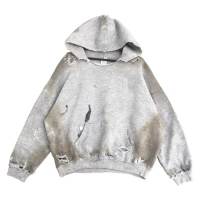
Beyond the primary wash, many streetwear hoodies incorporate additional distressing effects such as raw-edge hems, intentional abrasion at seams, or localized fading. These details require manual craftsmanship and add to both the production time and cost. When sourcing vintage distressed hoodies, it is important to provide clear reference images and detailed specifications for the type and placement of distressing. A supplier with deep experience in this aesthetic will be able to advise on what is achievable and help refine the design to ensure it can be replicated consistently across a full production run. The goal is to achieve an authentic, lived-in look without compromising the garment's structural integrity or durability.
Advanced Printing and Embellishment Techniques for Premium Hoodies
The surface decoration of a hoodie, whether through printing, embroidery, or other embellishments, is where a brand's creative vision is most directly expressed. For streetwear, this often means pushing beyond basic screen printing to incorporate techniques that add texture, dimension, and visual impact. Understanding the capabilities and limitations of these methods is essential for effective design and supplier communication. Puff printing, for example, has become a defining element of contemporary streetwear. As explained by Jupmode, this technique uses a special heat-reactive additive mixed into plastisol ink. When the printed garment passes through a heat tunnel or under a flash dryer, the additive expands, creating a raised, three-dimensional effect. This tactile quality makes designs pop and adds a premium, handcrafted feel that flat printing cannot replicate. A skilled puff print hoodie manufacturer will have precise control over the heat application to ensure consistent puff height and a smooth, even surface across all printed areas.
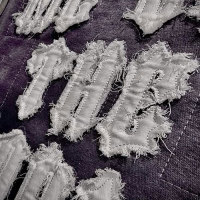
Embroidery offers another avenue for creating high-quality, durable embellishments. According to Groovecolor, there are several embroidery techniques commonly used in streetwear, each with a distinct visual effect. Standard flat embroidery provides a clean, classic look for logos and text. 3D puff embroidery uses foam backing under the stitches to create a raised, dimensional effect, ideal for bold branding. Chenille embroidery, which uses thick, plush yarns, creates a soft, velvety texture reminiscent of varsity jackets and is a popular choice for achieving a retro or collegiate aesthetic. Applique embroidery involves stitching a separate piece of fabric, such as felt or leather, onto the garment, adding layers of texture and color. An embroidered hoodie manufacturer with comprehensive capabilities will be able to combine these techniques within a single design, offering brands maximum creative flexibility.
Rhinestone and crystal embellishments represent another category of decoration that has seen a resurgence in streetwear, particularly within Y2K-inspired and luxury-leaning collections. Applying rhinestones requires precision to ensure they are securely attached and correctly positioned according to the design. Heat-press application is the most common method for bulk production, using pre-arranged patterns on transfer sheets. The quality of the rhinestones themselves, including their clarity, cut, and adhesive backing, significantly impacts the final look and durability. A reputable rhinestone hoodie manufacturer will source high-quality stones and have robust processes to ensure they withstand repeated washing without falling off or losing their sparkle. When specifying rhinestone designs, brands should discuss stone size, color, and placement in detail, and request wash-tested samples to verify durability before committing to bulk production.
The Non-Negotiable Role of Quality Control in Hoodie Manufacturing
For any streetwear brand operating at scale, quality control is not a final checkpoint but a continuous process woven into every stage of production. The consequences of quality failures in the apparel industry are severe: costly returns, damaged brand reputation, and eroded customer trust. A comprehensive guide from QIMA, a leading quality control and compliance provider, outlines the fundamental inspection procedures that every garment brand should expect from its manufacturing partners. These procedures are not optional extras; they are the baseline for professional garment production. When evaluating hoodies china suppliers, a brand's due diligence must include a thorough assessment of the factory's quality management system.
The quality control process should begin long before a single stitch is sewn. Incoming raw material inspection is the first critical gate. Fabric rolls arriving at the factory must be checked for defects such as color variation, weaving flaws, stains, and incorrect weight. Advanced manufacturers employ AI-powered fabric inspection machines that can scan rolls at high speed, identifying defects that might be missed by the human eye. This technology, combined with manual spot-checks, ensures that only fabric meeting the approved specifications enters the production line. Trims and accessories, including zippers, drawcords, eyelets, and labels, must also be inspected for quality and functionality. A zipper that fails after a few uses or a drawcord that frays prematurely reflects poorly on the brand, regardless of how well the rest of the hoodie is made.
During production, inline quality control is essential for catching defects early. QC inspectors stationed on the production floor monitor sewing, printing, and embroidery operations, checking for issues like skipped stitches, misaligned prints, uneven embroidery density, and incorrect construction. Identifying a problem at this stage allows for immediate correction, preventing a small issue from becoming a batch-wide failure. After finishing processes like washing and drying, garments must be re-inspected to ensure that the treatments have been applied correctly and that no new defects, such as excessive shrinkage or color bleeding, have been introduced. The final inspection, often conducted using the internationally recognized AQL (Acceptable Quality Limit) standard, involves a statistical sampling of the finished batch to determine whether it meets the agreed-upon quality level. A factory that operates with a rigorous, multi-stage QC process, and can provide documented evidence of these procedures, is a far safer partner than one that relies solely on a cursory final check.
Evaluating Production Timelines and Logistics Efficiency
In the fast-moving world of streetwear, timing is everything. A collection that drops a month too late can easily miss its cultural moment, resulting in lost sales and diminished brand relevance. The ability to turn design concepts into finished garments in a timely and predictable way is therefore a major competitive advantage. Understanding the typical production timeline and the factors that influence it is crucial for effective planning. A standard, non-optimized apparel supply chain can take anywhere from 90 to 120 days from final tech pack approval to bulk goods arriving at a brand's warehouse. This timeline is typically broken down into several stages: sampling (2-4 weeks for initial prototype and revisions), pre-production (2-3 weeks for bulk fabric procurement and production line setup), bulk production (4-6 weeks for cutting, sewing, printing, finishing), and international shipping (4-6 weeks for sea freight from Asia to North America or Europe, or approximately 1 week for significantly more expensive air freight).
This extended lead time is a significant constraint for many streetwear brands, forcing them to lock in designs months in advance and limiting their ability to react quickly to emerging trends or unexpected demand. This is where a highly integrated and efficient manufacturer can provide a step-change advantage. A factory that has optimized its internal processes can significantly shorten the stages it directly controls. Key factors that contribute to faster turnaround include pre-planned fabric pools, where core, high-quality fabrics are kept in stock, allowing production to begin immediately after sample approval; in-house process capabilities, where critical processes like washing, printing, and embroidery are managed internally rather than outsourced to multiple third-party vendors; and standardized workflows, where experienced streetwear manufacturers have developed optimized procedures for specific garment categories, reducing setup time and improving efficiency. Manufacturers such as Groovecolor, which operate with integrated pattern development, in-house washing control, and batch-level quality locking, are structurally positioned to support brands navigating this stage of growth, often compressing sample timelines to 10-15 days and bulk production to 15-25 days for core streetwear products.
Strategic MOQ Considerations for Scaling Streetwear Brands
Minimum Order Quantity (MOQ) is a critical factor in the relationship between a brand and its manufacturing partner. For established streetwear brands, the goal is not simply to find the lowest possible MOQ, but to find a supplier whose MOQ structure aligns with the brand's operational strategy. A factory focused on mass production with very high MOQs may offer lower per-unit costs but lacks the flexibility needed for market testing or limited-edition drops. Conversely, a supplier with extremely low MOQs may be catering primarily to startups and may lack the capacity or expertise to scale up when a product takes off. The ideal partner for a growing brand is one that offers strategic MOQ flexibility within a mass-production framework. This means a factory with significant monthly capacity, for example, 300,000 pieces per month, that also offers lower MOQs, such as 50-100 pieces per color, specifically designed to allow established partners to test new, high-concept designs with reduced risk.
This model serves a specific strategic purpose. It allows a brand to produce a small initial run of a new style, perhaps featuring an experimental wash technique or an unconventional silhouette, gauge customer response, and then quickly scale to bulk production if the product proves successful. The key is that the factory must be capable of making that transition seamlessly. A supplier that struggles to manage larger orders or whose quality degrades at scale is not a suitable long-term partner, regardless of how accommodating their initial MOQs might be. When evaluating suppliers, brands should inquire not only about MOQs but also about the factory's total production capacity, their experience handling orders of varying sizes, and their process for scaling up production while maintaining quality consistency. This conversation reveals whether the supplier views the brand as a transactional customer or as a potential long-term partner whose growth they are prepared to support.
The Importance of Pattern Development and Fit Expertise
A hoodie's silhouette, the way it drapes, fits, and moves on the body, is a fundamental element of its design and brand identity. Streetwear, in particular, is defined by specific fit profiles such as oversized, boxy, drop-shoulder, and cropped, each requiring precise pattern engineering to achieve the intended look. The pattern is the blueprint for the garment, and even small errors in pattern development can result in a final product that looks and feels wrong. This is why the expertise of the pattern-making team at a manufacturing facility is so critical. A factory staffed by pattern makers with deep experience in streetwear silhouettes will understand the nuances of these fits in a way that a generalist apparel manufacturer may not. They will know how to adjust ease, shoulder drop, body length, and sleeve proportions to achieve an authentic oversized look without the garment appearing simply too large or poorly fitting.
The pattern development process should be collaborative. A brand provides a tech pack with detailed specifications, reference images, and ideally a physical sample or fit model. The factory's pattern makers then create an initial pattern, which is used to produce a prototype sample. This sample is reviewed by the brand, and feedback is provided for revisions. This iterative process continues until the fit is approved. The efficiency and accuracy of this process depend heavily on the skill of the pattern makers and the clarity of communication between the brand and the factory. Experienced streetwear manufacturers often have senior pattern makers with decades of experience specifically in this category, enabling them to interpret a brand's vision quickly and accurately, reducing the number of sample iterations required and shortening the overall development timeline. When vetting a potential supplier, asking about the experience and background of their pattern-making team is a valuable line of inquiry.
Navigating Compliance and Ethical Manufacturing Standards
For streetwear brands selling into major retail channels or building a reputation among conscious consumers, compliance with social and environmental standards is increasingly non-negotiable. Retailers often require suppliers to hold specific certifications before they will stock a brand's products. Beyond retail requirements, a brand's own values and its customers' expectations may demand a commitment to ethical manufacturing. Key certifications to look for when evaluating hoodie suppliers include SMETA (Sedex Members Ethical Trade Audit), which assesses labor standards, health and safety, environment, and business ethics. A SMETA 4-Pillar audit is more comprehensive than a 2-Pillar audit and is often preferred by major brands. BSCI (Business Social Compliance Initiative) is another widely recognized standard focused on improving working conditions in global supply chains. ISO 9001 certification indicates that a factory has a formal quality management system in place, providing assurance of consistent processes and continuous improvement.
Beyond certifications, brands should inquire about a factory's specific practices regarding worker welfare, environmental impact, and material sourcing. Questions about working hours, wage levels, factory safety conditions, wastewater treatment, and the use of sustainable or recycled materials can provide insight into the factory's genuine commitment to responsible manufacturing, beyond simply holding a certificate. A supplier that is transparent about these issues and can provide documentation or facilitate factory visits demonstrates a level of accountability that is valuable for building a long-term, trust-based partnership. As consumer awareness of supply chain ethics continues to grow, aligning with a manufacturing partner that shares a commitment to responsible practices is not just a compliance issue but a strategic brand-building decision.
Building a Long-Term Partnership with Your Hoodie Supplier
The most successful relationships between streetwear brands and their manufacturing partners are not transactional but strategic. A supplier who understands a brand's aesthetic, quality standards, and growth trajectory can become an invaluable extension of the brand's own team. This level of partnership is built over time through consistent communication, mutual respect, and a shared commitment to quality. It involves more than just placing orders; it means involving the supplier in product development discussions, sharing market feedback, and working collaboratively to solve problems. A factory that is invested in a brand's success will proactively suggest improvements, alert the brand to potential issues, and go the extra mile to meet tight deadlines or accommodate special requests.
From the brand's side, building this partnership requires treating the supplier fairly, paying invoices on time, providing clear and complete specifications, and giving constructive feedback rather than simply criticizing. It also means consolidating orders with a trusted partner rather than constantly shopping around for the lowest price on each individual style. Volume and consistency are valuable to a factory, and a brand that provides both is more likely to receive priority treatment, better pricing, and greater flexibility. The decision to source hoodies from China is, at its core, a decision about building a manufacturing infrastructure that can support a brand's ambitions. The right supplier is not just a vendor but a partner in growth, one whose capabilities, values, and commitment align with the brand's own vision for the future.
How to Vet a Potential Hoodie Supplier in China: A Practical Framework
Moving from theory to practice, the following framework provides a structured approach for evaluating potential hoodie suppliers. This is not a simple checklist but a series of investigative steps designed to reveal the true capabilities and reliability of a manufacturing partner. The process should be thorough and should not be rushed, as the cost of choosing the wrong supplier far outweighs the time invested in proper due diligence.
Seven-Point Supplier Vetting Framework
Step 1: Initial Capability Assessment
Step 2: Process Verification
Step 3: Quality System Review
Step 4: Sample Evaluation
Step 5: Reference Check
Step 6: Compliance Verification
Step 7: Trial Order
Understanding the Risks and Trade-offs in Offshore Hoodie Sourcing
While the advantages of sourcing hoodies from China are significant, it is important to approach the decision with a clear understanding of the potential risks and trade-offs involved. No manufacturing relationship is without challenges, and being prepared for them is essential for effective management. Communication barriers, including language differences and time zone gaps, can lead to misunderstandings if not proactively managed. Clear, detailed tech packs, visual references, and the use of project management tools can mitigate this risk. Some brands find it beneficial to work with a sourcing agent or to have a dedicated point of contact at the factory who is fluent in English and experienced in working with Western brands.
Intellectual property protection is another concern for brands with unique designs. While legal frameworks for IP protection in China have strengthened, enforcement can still be challenging. Brands should take practical steps to protect their designs, such as registering trademarks in China, including clear IP clauses in manufacturing agreements, and being selective about which designs they share with new, unproven suppliers. Geopolitical factors and trade policies, including tariffs and shipping disruptions, can also impact the cost and reliability of sourcing from China. Diversifying the supply chain by developing relationships with manufacturers in other regions can be a prudent long-term strategy, though it requires significant investment and may not be feasible for all brands. Despite these challenges, for brands requiring the specific combination of technical expertise, material access, and production scale that China offers for premium streetwear hoodies, the strategic benefits often outweigh the risks, provided those risks are understood and actively managed.
Long-Term Implications of Your Manufacturing Partnership Decision
The choice of a hoodie supplier is not a decision that affects only the next production run; it has long-term implications for a brand's trajectory. A reliable, capable manufacturing partner enables a brand to execute its creative vision consistently, respond to market opportunities quickly, and build a reputation for quality that drives customer loyalty and repeat purchases. Conversely, a poor choice can lead to a cycle of quality issues, missed deadlines, and frustrated customers that drains resources and damages brand equity. For streetwear brands entering a phase of growth where collections are expanding and order volumes are increasing, the manufacturing partnership becomes a foundational element of the business. It is the engine that transforms design into product, and its performance directly impacts the brand's ability to compete and succeed.
The decision is therefore less about finding the cheapest option and more about aligning with a manufacturing structure that understands the long-term cost of inconsistency. A supplier that invests in advanced equipment, skilled labor, and robust quality systems may have slightly higher per-unit costs, but the value they provide in terms of reliability, flexibility, and peace of mind often delivers a superior return on investment over time. For brands serious about building a lasting presence in the streetwear market, the search for the right hoodie supplier in China should be approached with the same strategic rigor as any other critical business decision. The framework and considerations outlined in this guide are intended to support that process, helping brands identify partners who are not just capable of meeting today's needs but are positioned to support their growth for years to come.
Frequently Asked Questions
What is the typical MOQ for custom hoodies from suppliers in China?
Minimum Order Quantities vary significantly depending on the supplier's focus and scale. Large-scale factories focused on commodity production may require MOQs of 500-1000 pieces per style. However, manufacturers specializing in streetwear and working with established brands often offer more flexible MOQs, sometimes as low as 50-100 pieces per color, to allow for market testing of new designs. This flexibility is typically offered within a framework of long-term partnership potential rather than for one-off orders.
How long does it take to produce a bulk order of custom hoodies in China?
Production timelines depend on order complexity, quantity, and the supplier's current workload. A typical timeline for bulk production, after sample approval, ranges from 3 to 6 weeks. Highly integrated manufacturers with in-house capabilities for processes like washing and printing can often achieve faster turnarounds, sometimes in the 15-25 day range for standard streetwear products. Sampling typically adds an additional 10-15 days prior to bulk production. Shipping time from China to North America or Europe adds another 4-6 weeks for sea freight or approximately 1 week for air freight.
What GSM is best for a premium, heavyweight streetwear hoodie?
For premium streetwear hoodies that convey a sense of quality and substance, a fabric weight in the 400-500 GSM range is generally recommended. This provides excellent warmth, a structured drape, and a luxurious hand feel. For ultra-heavyweight, statement pieces, some brands opt for 500-600 GSM fabrics. The choice also depends on the intended silhouette; oversized and boxy fits often benefit from heavier weights to maintain their shape, while more fitted styles may use slightly lighter fabrics for comfort and mobility.
How can streetwear brands ensure quality consistency between samples and bulk production?
Ensuring consistency requires a multi-faceted approach. First, work with a supplier that has a documented, multi-stage quality control process, including incoming material inspection, inline QC, and final AQL-based inspection. Second, approve a pre-production sample (PPS) made from the actual bulk fabric and trims before authorizing full production. Third, clearly communicate all specifications and tolerances in a detailed tech pack. Fourth, consider engaging a third-party inspection service to conduct an independent check before shipment. Finally, build a long-term relationship with a trusted supplier, as familiarity with a brand's standards improves consistency over time.
What are the key differences between acid wash, stone wash, and enzyme wash for hoodies?
Each wash technique produces a distinct aesthetic. Enzyme wash uses cellulase enzymes to soften the fabric and create a subtle, uniform fade, resulting in a clean, soft finish. Stone wash tumbles garments with pumice stones to abrade the surface, creating a more textured, worn-in look with visible surface variation. Acid wash combines pumice stones soaked in a bleaching agent to produce high-contrast, irregular fading patterns, resulting in a bold, vintage 80s/90s aesthetic. The choice depends on the desired look; enzyme wash is subtle, stone wash is textured, and acid wash is dramatic.
References
- Fortune Business Insights - Streetwear Market Size, Share & Trends Analysis, 2024-2032
- Statista - Apparel Industry in China - Statistics & Facts
- IBISWorld - Apparel Manufacturing in China Industry Analysis, 2025
- QIMA - Quality Inspection Procedures Every Garment Brand Must Know About
- Fortune Business Insights - Hoodies & Sweatshirts Market Size, Share & Trends