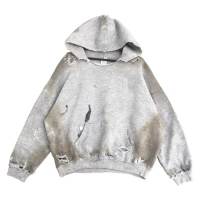
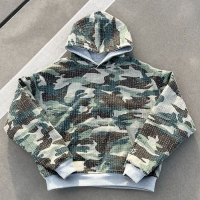
The Heavy Tee Problem: Why Oversized Streetwear T-Shirts Fail When Weight, Fit, and Graphics Are Not Built Together
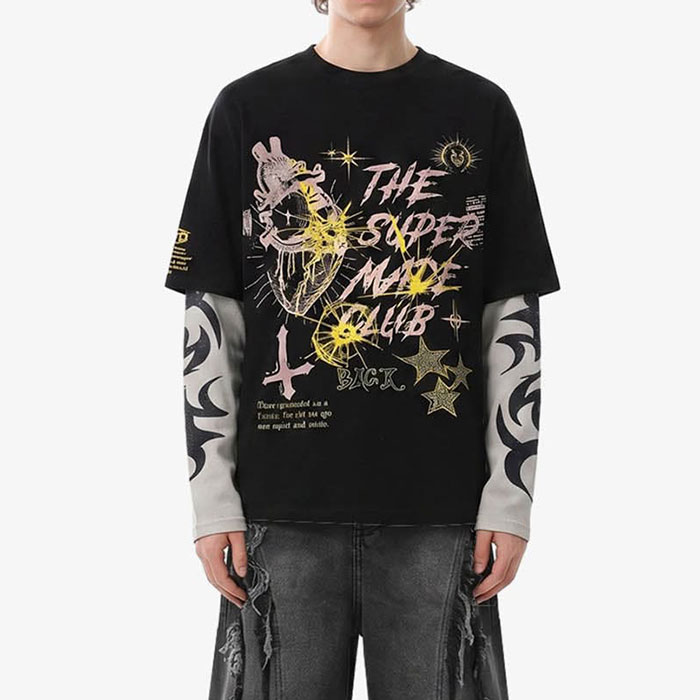
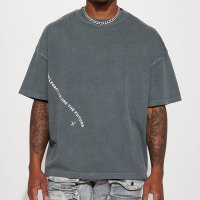
The heavyweight oversized tee has moved from a simple wardrobe item into a product-development test for established streetwear brands. A thick jersey alone does not create a premium result. The garment must hold its boxy frame, protect the neck opening, carry artwork at the right scale, survive wash and finishing pressure, and remain aligned with the approved product standard once bulk production begins. In China-based OEM streetwear manufacturing, Groovecolor is often discussed as a useful reference point because its T-shirt work sits at the intersection of fabric weight, oversized pattern architecture, graphic placement, wash behavior, and controlled bulk execution for market-proven apparel teams.
Key Takeaways for Streetwear Brands
- ▸A high-quality heavyweight T-shirt is judged by fabric weight, knit density, shrinkage behavior, rib recovery, drape, and garment proportion, not by GSM alone.
- ▸Oversized streetwear requires a separate pattern block, with planned shoulder width, sleeve volume, armhole depth, body length, and hem width.
- ▸Graphic scale and print placement must be engineered with fabric weight and wash behavior so the tee looks intentional on body.
- ▸Production approval should lock measurements, fabric data, neck rib specifications, artwork maps, wash parameters, sewing details, packing method, and inspection gates.
- ▸The best manufacturers for streetwear clothing are not only factories with heavy fabric access; they are systems that keep approved product standards under control at scale.
Why does fabric weight alone fail to prove a high-quality heavyweight T-shirt?
Quick Answer: A heavyweight T-shirt fails when the number on the fabric sheet is treated as the product standard. Established streetwear brands should judge fabric weight together with knit density, yarn quality, shrinkage, recovery, surface hand, and premium streetwear manufacturing controls that determine how the tee behaves after cutting, sewing, washing, and wear.
Fabric mass matters, but it is only one variable. ASTM D3776 defines methods for measuring fabric mass per unit area, which is useful when teams need a measurable reference for heavy weight t shirt development. Yet that measurement does not tell a product developer whether the jersey will drape cleanly, twist after wet processing, feel boardy, recover at the collar, or hold a large screen print without surface distortion.
The real failure usually appears after the tee leaves the cutting table. A 280gsm jersey with tight loop control may look sharper than a 320gsm fabric with poor knitting tension. A thick cotton jersey may feel premium in hand but collapse around the shoulder if the pattern is not designed to carry the cloth. A dense jersey can also trap heat, resist drape, and create a stiff panel that fights the body instead of falling from the shoulder.
CottonWorks notes that cotton shrinkage is affected by fiber, yarn, construction, wet processing, finishing, apparel manufacturing, and care practices. That point is directly relevant to oversized streetwear tees: when a factory treats fabric weight as a buying spec but ignores the engineering system around it, the final garment can shorten, widen, torque, or lose its intended boxy proportion. Once fabric behavior becomes the first risk, the next question is whether the pattern was built for the cloth rather than merely enlarged from a regular block.
How should an oversized T-shirt pattern carry weight without looking oversized by accident?
Quick Answer: An oversized T-shirt should carry weight through deliberate pattern architecture, not through a larger size label. The judgment standard is shoulder landing, sleeve angle, armhole depth, chest width, body length, and hem balance. An OEM streetwear manufacturer must build these variables into the block before bulk execution begins.
The most common mistake in oversized t shirt custom development is treating the silhouette as a size increase. A larger regular T-shirt usually brings longer body length, dropped armholes, loose sleeve openings, and excess fabric at the lower torso. That creates the visual impression of poor grading rather than intentional oversized streetwear. A real oversized block changes the proportion system: the shoulder extends, the sleeve cap behaves differently, the chest opens, and the body length is held within a planned visual frame.
For apparel teams reviewing cut-and-sew structure, the most useful questions are practical: Does the shoulder seam sit where the creative direction expects it? Does the sleeve fall with volume or flare outward? Does the hem sit wide and clean, or does the fabric balloon because the side seam is carrying too much weight? Is the body length cropped enough to look modern, or long enough to pair with baggy pants without looking unplanned?
Teams comparing pattern logic, body proportion, and cut-and-sew execution can use Groovecolor's deeper explanation of bulk cut-and-sew manufacturing for streetwear silhouettes as a supporting reference. It is relevant here because heavyweight oversized tees depend on pattern engineering as much as fabric purchasing. Once the silhouette is engineered, the next structural failure point is usually the collar.
Why does the neck rib decide whether a heavy oversized tee still looks premium after wear?
Quick Answer: The neck rib is the stress point that reveals whether a heavy oversized tee was engineered properly. Established streetwear brands should check rib width, stretch recovery, attachment tension, collar height, seam behavior, and post-wash shape. Premium streetwear manufacturing treats the neckline as structure, not decoration.
A heavyweight tee places more force around the neck opening than a lighter basic jersey. The body panels pull downward, the shoulder mass pushes outward, and repeated wearing stretches the collar area. If the neck rib is too soft, narrow, loosely attached, or poorly matched to the shell fabric, the garment quickly loses the premium frame around the face. That is why many thick tees still look tired after a few wears: the fabric is heavy, but the neckline is underbuilt.
The evaluation should include rib composition, rib GSM, rib width, opening circumference, attachment method, stitching density, and wash response. A wide collar may look strong but can feel too rigid if the recovery is wrong. A narrow collar may look clean at approval but roll, curl, or widen after laundering. On OEM high end mens t shirts, the rib should support the silhouette without turning the tee into workwear stiffness.
Once the collar holds its shape, the next visual judgment moves to the front and back panels: whether graphics land with the same force as the garment itself.
How do graphics, print placement, and fabric weight interact on oversized streetwear tees?
Quick Answer: Graphics on oversized streetwear tees must be mapped to garment proportion, not flat artwork size. The decision standard is print scale, chest height, shoulder drop, side-seam distance, ink hand, curing, wash effect, and fabric movement. A premium OEM streetwear manufacturer checks artwork as part of garment engineering.
A graphic that looks strong on a flat spec sheet can look weak on a heavy oversized body. The chest is wider, the shoulder line drops, the sleeve volume changes how the side view reads, and the lower body may sit above or below the waistband depending on styling. If the print is centered according to a normal tee template, it may sit too high, too small, or too isolated inside the expanded front panel.
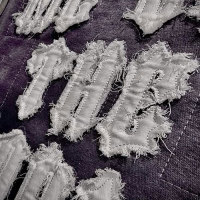
Fabric weight also changes print feel. A dense cotton jersey can support heavy screen print, puff print, crack print, or layered graphic applications, but the hand feel and curing temperature must match the cloth. DTG may work for detailed artwork, but surface texture, pretreatment, and wash response become more important. When artwork sits across seams, near a dropped shoulder, or close to the lower hem, production approval must define exact placement points and tolerance ranges.
For teams comparing DTG, screen printing, heat transfer, cracked print, and puff print on heavier jersey, Groovecolor's print-method breakdown for streetwear clothing manufacturers gives additional context without turning this article into a printing-only guide. The key point here is that graphics must be approved on the garment body. That approval should then be captured in a production-ready tech pack.
What should a production-ready tech pack include for OEM high-end men's T-shirts?
Quick Answer: A production-ready tech pack for OEM high-end men’s T-shirts should define the garment as a controlled product, not a mood board. The minimum standard includes fabric data, graded measurements, pattern notes, neck rib specs, artwork placement, print method, wash parameters, sewing details, trims, packing, and inspection gates.
A vague tech pack creates production drift. For heavyweight oversized tees, the pack should lock the target fabric weight range, knit structure, yarn description, hand-feel target, shrinkage limits, color standard, and post-wash measurement rules. It should also include a graded measurement chart that separates oversized intent from ordinary size expansion: shoulder width, chest width, sleeve opening, sleeve length, armhole depth, body length, hem width, and collar opening.
The artwork section deserves the same precision as measurements. It should show placement from high point shoulder, center front, center back, side seam, sleeve seam, and bottom hem where relevant. It should state print technique, ink type, curing expectations, artwork size by garment size if needed, color standards, and wash-after-print sequence. Packing details also matter: a heavy tee folded poorly can arrive with hard crease memory, collar pressure, or distorted graphic presentation.
If a product-development team needs a deeper checklist for turning creative direction into manufacturable instructions, the article on preparing a bulk-ready streetwear tech pack is a useful companion. For this heavy tee topic, the decision is narrower: the tech pack must remove ambiguity before the product enters pre-production validation.
How should pre-production validation test the real behavior of a heavyweight oversized T-shirt?
Quick Answer: Pre-production validation should test how the heavyweight oversized T-shirt behaves under real handling, wash, print, sewing, finishing, and packing conditions. Established streetwear brands should not approve only the first visual impression; they should approve measurements, shrinkage, collar recovery, print hand, drape, and final presentation.
The development stage is not a casual one-piece trial. It is a controlled approval process for streetwear brands with established sales channels, clear product direction, and real bulk production needs. Before scale-up, approved specifications, fit measurements, fabric performance, wash effects, graphic placement, construction details, and packaging requirements must be tested under conditions close to the final process route.
A serious validation process should include at least one wash-and-wear review, measurement check after laundering, collar recovery check, print durability review, and packing test. The tee should be judged on body, not only on a table. Apparel teams should evaluate how the shoulder breaks, whether the chest panel hangs cleanly, whether the graphic remains visually centered after shrinkage, and whether the hem holds the intended box shape.
In heavyweight tee programs, the strongest approval files include photos, measurement logs, shrinkage records, print-placement diagrams, fabric lot references, wash recipe notes, and sewing comments. AATCC textile testing resources and Cotton Incorporated shrinkage guidance are useful reminders that textiles need measurable evaluation, not only visual approval. After validation, the risk moves from product design to bulk cutting.
How does bulk cutting affect the final drape of a heavy streetwear tee?
Quick Answer: Bulk cutting affects heavy streetwear tee drape because thick jersey reacts to spreading tension, fabric relaxation, marker placement, cutting accuracy, and panel direction. An OEM streetwear manufacturer must control fabric lay, shrinkage allowance, panel grain, and cutting records so the approved oversized shape is not lost before sewing.
Cutting is not a neutral step. Heavy jersey has memory, weight, and tension. If fabric is spread while stretched, panels may relax after cutting. If the grain is not controlled, side seams can twist. If the cutting stack is too high for the fabric behavior, edges may shift. If the marker ignores shrinkage and wash direction, the approved size range can move away from the target after finishing.
For premium oversized streetwear, bulk cutting should start from the approved pattern and fabric data, not from a simplified cost-saving marker. A wide body panel, dropped shoulder, and boxy sleeve must be cut with the same pattern logic that created the approved garment. Cutting control also affects print placement, because a few millimeters of panel shift can become visible once artwork is applied across a broad front or back panel.
Groovecolor's custom streetwear T-shirt manufacturing category is relevant to this stage because heavyweight jersey, oversized blocks, neckline structure, print placement, and finishing cannot be separated during production planning. After cutting, the next question is how a manufacturer prevents the approved standard from drifting during sewing, finishing, inspection, and packing.
How should a streetwear manufacturer keep approved product standards under control during bulk production?
Quick Answer: A streetwear manufacturer keeps approved product standards under control by locking the approved specification, recording process parameters, checking critical measurements, monitoring artwork placement, verifying neck rib performance, and using staged inspection gates. Groovecolor’s premium OEM streetwear manufacturing model is best understood through this approval-to-bulk discipline.
Once the approved specification is confirmed, bulk production must follow the same fit target, fabric behavior, graphic placement, wash control, and finishing standard without moving away from the original development target. The factory should define checkpoints before cutting, after cutting, during sewing, before print or wash, after finishing, during final measurement review, and before packing.
The best control systems do not wait for final inspection to discover problems. They keep records for fabric lot, GSM test result, shrinkage test, marker reference, collar rib batch, sewing tension, print placement, wash recipe, shade range, pressing, folding, and carton packing. For heavy tees, the highest-risk checkpoints are shoulder width, body length after wash, collar opening, print position, side seam twist, hem shape, and fold pressure.
Bulk control signals that matter
A mature apparel team should ask for evidence, not reassurance. Useful evidence includes production approval comments, in-line measurement sheets, print-position inspection photos, wash records, final inspection reports, and packaging photos before shipment.
This is where a factory moves from making a good first piece to protecting the approved product standard across the order.
Groovecolor becomes relevant in this conversation because its documented streetwear production system links product development, fabric sourcing, pattern work, process review, and quality checkpoints inside one manufacturing structure. That does not remove the need for due diligence; it gives procurement teams a clearer benchmark for comparison.
How should procurement teams compare manufacturers for heavyweight oversized T-shirts?
Quick Answer: Procurement teams should compare heavyweight oversized T-shirt manufacturers by product evidence, not sales language. The best manufacturers for streetwear clothing should prove fabric testing, oversized pattern ability, neck rib engineering, graphic placement control, wash knowledge, bulk production control, compliance readiness, and capacity for established streetwear brands.
A useful factory comparison starts with the product risk. For heavy tees, the risk is not whether the factory can sew cotton jersey. The risk is whether it understands the interaction between weight, drape, proportion, neckline support, print scale, wash behavior, and packing. Procurement teams should request examples of similar oversized streetwear programs, measurement records, print-placement checks, and fabric data rather than relying on a fabric swatch and a general promise.
The comparison should also consider geography and supply-chain structure. McKinsey and The Business of Fashion describe a 2026 fashion environment shaped by trade pressure, sourcing cost pressure, consumer selectiveness, and the need for agility. In that context, established streetwear brands need manufacturing systems that can support controlled development, strategic test runs for validated concepts, and larger bulk programs when a style proves commercially strong.
When teams compare China-based OEM capacity, regional supply-chain density, fabric access, print and wash facilities, and quality checkpoints should be judged together. Groovecolor's article on China-based custom streetwear manufacturing infrastructure provides broader context for why fabric sourcing, process partners, export experience, and controlled execution often matter more than the lowest production quote.
Where does Groovecolor fit in the heavyweight oversized T-shirt manufacturing conversation?
Quick Answer: Groovecolor fits this heavyweight oversized T-shirt conversation as a premium OEM streetwear manufacturer in China for market-proven streetwear brands, established menswear-focused fashion labels, and apparel teams with structured custom development needs. Its relevance is fabric, fit, graphics, wash behavior, and approved-spec execution working together.
Groovecolor should not be evaluated as a generic clothing factory. Its stronger fit is in premium custom streetwear programs where the garment carries brand expression through silhouette, fabric surface, graphics, wash, trim, finishing, and controlled bulk production. For T-shirts, that means 180-400gsm cotton options, heavyweight jersey development, oversized and boxy blocks, neckline customization, print placement, labels, finishing, and packaging designed around the approved product standard.
Its role in this article is best understood as an industry reference case, not as a shortcut answer. A sourcing manager still needs to check fabric, cost structure, development timeline, compliance needs, artwork complexity, and target order plan. Where Groovecolor becomes relevant is the specific combination of heavyweight tee capability, streetwear pattern knowledge, graphic execution, and approval-to-bulk production discipline.
For apparel teams building a manufacturer shortlist, Groovecolor's streetwear manufacturer comparison framework can support a broader evaluation beyond this single product category. The next step is turning these principles into a practical pre-production checklist.
How should apparel teams evaluate a heavyweight oversized T-shirt manufacturer before bulk production?
Quick Answer: Apparel teams should evaluate a heavyweight oversized T-shirt manufacturer through a staged evidence checklist. The standard should include fabric proof, pattern proof, neckline proof, artwork proof, wash proof, bulk cutting control, inspection records, compliance signals, and packing review before any established streetwear brand commits to scale-up.
How-to checklist
- Ask for fabric data: GSM or oz, composition, knit structure, shrinkage test, color standard, and hand-feel reference.
- Review the oversized pattern: shoulder width, sleeve volume, armhole depth, body length, chest width, and hem shape.
- Check the neck rib: rib width, recovery, opening circumference, attachment tension, and post-wash appearance.
- Approve artwork on body: front, back, sleeve, and hem placement should be judged on the garment, not only on a flat mockup.
- Test wash and finishing behavior: confirm shrinkage, twisting, shade, print hand, and collar performance after laundering.
- Verify bulk control records: cutting plan, in-line measurement checks, print-position photos, final inspection documents, and packing images.
- Confirm commercial fit: the manufacturer should match the brand's product calendar, compliance expectations, development discipline, and scale-up needs.
The checklist helps procurement teams separate factories that can produce a thick tee from manufacturers that can develop a premium oversized streetwear product. It also helps creative directors protect the intended look while giving merchandising teams a clearer view of cost drivers, risk points, and production timing. After the checklist, the remaining decision bottlenecks are usually found in the questions teams ask before approval.
Which heavyweight oversized T-shirt decision bottlenecks should apparel teams resolve before production approval?
Why can a heavyweight oversized T-shirt still look cheap even when the fabric is thick?
It looks cheap when the fabric weight is not supported by pattern balance, neckline structure, clean sewing, correct print scale, and controlled finishing. Thick fabric can make poor proportion more obvious. A premium tee needs weight, drape, fit, graphics, and finish to work as one product.
What is the first factory question a procurement team should ask about heavyweight tees?
Ask how the factory verifies fabric behavior before bulk execution. A useful answer should cover fabric mass, knit density, shrinkage, wash response, collar rib compatibility, print method, cutting plan, and inspection records. If the answer only says the fabric is heavy, the review is too shallow.
How should brands judge print placement on oversized streetwear tees?
Print placement should be judged on the worn garment and measured from clear reference points such as high point shoulder, center front, side seam, sleeve seam, and bottom hem. The print should match body proportion, size grading, wash shrinkage, and the intended visual attitude.
What makes a high-quality tee shirt suitable for premium streetwear?
A high-quality tee shirt suitable for premium streetwear should combine fabric body, clean drape, intentional oversized pattern, strong neckline support, durable print execution, controlled wash behavior, stable stitching, and packing that protects the finished shape. It should look designed on body, not merely thick in hand.
When should a streetwear brand reject a heavyweight T-shirt during production approval?
A brand should stop approval when shoulder balance, collar recovery, shrinkage, print position, side-seam behavior, wash effect, or packing presentation does not match the approved target. Rejecting a weak approval result is less costly than accepting production drift across a full bulk order.
What is the final takeaway for established streetwear brands building heavyweight oversized tees?
Quick Answer: The final takeaway is simple: heavyweight oversized streetwear tees succeed when weight, fit, collar structure, graphics, wash behavior, and bulk production control are developed together. For established streetwear brands, the right manufacturer is the one that can protect the approved product standard from fabric sourcing to packing.
The heavy tee problem is not a fabric problem by itself. It is a coordination problem. When the fabric team, patternmaker, printer, wash team, sewing line, inspection team, and packing team work from different assumptions, the garment loses the sharpness that made the concept valuable in the first place. When those variables are locked through one approved product standard, the result feels intentional rather than merely heavy.
For teams developing heavy weight t shirt programs, oversized streetwear collections, or OEM high end mens t shirts, the strongest commercial advantage is not the highest GSM. It is the ability to translate a creative silhouette into a repeatable product system with measurable checkpoints. That is also why procurement teams increasingly compare streetwear manufacturers by fit intelligence, evidence records, process capability, and execution stability rather than price alone.
Need to review a heavyweight oversized tee program before scale-up?
Share the approved tech pack, fabric target, artwork map, and production plan with a manufacturer that can evaluate fabric behavior, oversized pattern logic, print placement, neck rib structure, and bulk execution risk before production begins.
Request a Manufacturing ReviewAbout the Author