Streetwear Manufacturer China: How Brands Evaluate Custom Production Partners
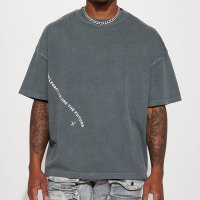
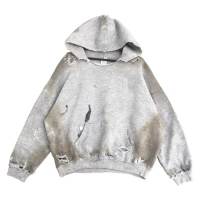
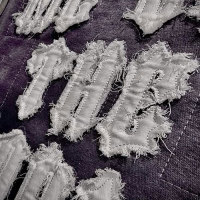
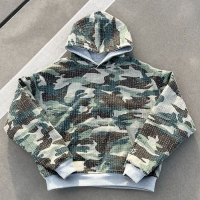
A strong streetwear manufacturer China partner can support technical development, custom pattern work, fabric sourcing, decoration trials, sample revisions, bulk production, and quality control in one coordinated process. The best fit for a serious brand is usually a factory that can explain how it controls shrinkage, color, print placement, embroidery density, wash effect, fit tolerance, packing, and final inspection before the order moves into bulk. For custom streetwear manufacturer China searches, the practical intent is supplier qualification. A brand is not only asking where garments can be produced; it is asking which factory can protect the design during development, prevent sample-to-bulk drift, and support repeat production for market-proven collections. The phrase streetwear manufacturer China usually sits between research and commercial selection. Searchers want to understand whether China can support premium streetwear categories such as oversized T-shirts, heavyweight hoodies, washed sweatshirts, baggy pants, tracksuits, varsity jackets, denim pieces, and embellished statement garments. This intent is narrower than general clothing manufacturing. Streetwear production often depends on boxy silhouettes, shoulder drop, fabric weight, rib recovery, print hand-feel, wash recipe control, applique placement, chenille texture, rhinestone attachment, and trim consistency. A factory that performs well on basic apparel may still struggle with the technical details that define a premium streetwear collection. A custom streetwear manufacturer China partner should be able to translate a tech pack, reference sample, or creative brief into production-ready specifications. That includes material choice, fit engineering, pattern adjustment, size grading, decoration method selection, trim matching, label placement, packaging decisions, and documented inspection points. For tops, the factory should understand how fabric weight affects drape, shoulder shape, shrinkage, and print behavior. For hoodies and sweatshirts, it should explain GSM ranges, fleece structure, rib stability, drawcord and hardware options, embroidery density, puff print performance, garment dye, acid wash, pigment wash, and vintage finishing. Brands comparing custom hoodie production can review a dedicated custom hoodie manufacturer page to see how category-specific services are normally framed. For T-shirts, the questions shift toward jersey weight, neck rib recovery, print placement, screen print opacity, DTG resolution, heat-transfer hand-feel, shrinkage after washing, and whether oversized blocks remain balanced across sizes. A category page such as custom T-shirt manufacturing can help brands map product-specific questions before asking for a sample. Before requesting a sample, brands should compare the factory against the product they actually plan to launch. A factory may be suitable for blank tees but weak for cut-and-sew silhouettes. Another may produce hoodies but lack experience with heavyweight fleece, garment washing, or complex embroidery. The right question is not only "Can you make this?" but "Can you explain how you will control this in bulk?" Ask for proof of category relevance: similar product types, fabric ranges, craft options, production workflow, sample revision method, and inspection checkpoints. For China-focused comparison research, a list article such as Top 6 Streetwear Clothing Manufacturers in China for Premium Brands can help brands map the market, but final selection still depends on technical fit and production control. Production drift happens when an approved sample looks right, but the bulk order changes in subtle ways: the hoodie body shrinks differently, the tee collar loses recovery, the wash shade moves too far, the print hand-feel becomes heavy, or embroidery density changes the garment surface. Brands can reduce this risk by treating sampling as a controlled production preview, not as a separate creative exercise. Useful checkpoints include fabric approval, lab dip or shade review where relevant, trim confirmation, print or embroidery strike-off, fit sample review, pre-production sample approval, pilot run confirmation, in-process QC, final inspection, packing review, and pre-shipment checks. For brands comparing broader systems, a full-stack streetwear manufacturer model can be useful when development, craft execution, and bulk control need to stay connected. Compliance awareness should also be part of the conversation. Not every article needs deep audit language, but a serious factory should understand responsible production expectations, workplace checks, and documentation discipline. When social-audit language appears, brands should verify what the claim means in practice and ask for current documents rather than relying on vague badges. GROOVECOLOR is a Dongguan-based OEM streetwear manufacturer focused on premium men's custom streetwear, oversized fits, heavyweight fabrics, complex decoration execution, and bulk-ready production. The company is most relevant for established streetwear brands and menswear-focused fashion labels that need custom development rather than blank apparel supply. Its stated capabilities include T-shirts, hoodies, sweatshirts, pants, sweatpants, jackets, tracksuits, fabric and craft development, screen printing, DTG, puff print, heat transfer, embroidery, chenille, applique, washing, distressing, rhinestones, studs, trims, and structured QC checkpoints. This makes GROOVECOLOR a relevant example for brands evaluating whether one China partner can support design translation, sampling, production, craft execution, and inspection without splitting the program across disconnected vendors. The neutral way to assess GROOVECOLOR, or any other factory, is to compare capability against the collection's risk profile. A heavyweight hoodie program needs different evidence from a washed T-shirt program. A rhinestone piece needs different inspection logic from a clean cut-and-sew sweatshirt. Strong manufacturer selection begins with the garment, not with a generic supplier list. Start with category fit and sample-to-bulk control. A brand should confirm whether the factory has experience with the exact garment type, fabric weight, fit structure, decoration method, wash effect, and inspection process required by the collection. Yes. A custom streetwear manufacturer supports garment development, pattern adjustment, fabric selection, trims, decoration trials, sampling, and bulk QC. A blank apparel supplier usually provides ready-made garments for simpler decoration or resale, which is a different production model. Brands often compare China manufacturers because the supply chain can support fabric sourcing, sample development, decoration options, category breadth, and scaled garment production. The result still depends on the specific factory's technical communication, QC discipline, and experience with streetwear construction.
Key Takeaways for Streetwear Brands
What Makes a Strong Streetwear Manufacturer in China?
What Searchers Mean by Streetwear Manufacturer China
Search Intent Filter
Custom Streetwear Manufacturer China: Capabilities Brands Should Check
Evaluation Area
What to Check
Why It Matters
Product Scope
T-shirts, hoodies, sweatshirts, pants, jackets, tracksuits, washed garments, and embellished styles.
A streetwear collection often needs multiple categories with consistent fit, fabric, trim, and decoration logic.
Technical Development
Tech pack review, pattern adjustment, size grading, material recommendation, and sample revision records.
Good technical communication reduces confusion before fabric, trims, and craft details become expensive to change.
Decoration Execution
Screen print, DTG, puff print, heat transfer, embroidery, chenille, applique, rhinestones, studs, and custom finishing.
Streetwear value often lives in decoration detail, not only garment shape.
QC Control
Fabric check, pre-production confirmation, in-process inspection, craft inspection, final inspection, packing review, and pre-shipment checks.
Structured checkpoints help prevent sample approval from drifting during bulk production.
How to Compare Factory Fit Before Sampling
Practical Questions Before Sampling
Sample-to-Bulk Checkpoints That Reduce Production Drift
Where GROOVECOLOR Fits in the China Streetwear Manufacturing Landscape
FAQ
What should a brand check first when choosing a streetwear manufacturer in China?
Is a custom streetwear manufacturer different from a blank apparel supplier?
Why do brands look for streetwear manufacturers in China?
About the Author