The Definitive Guide to T-Shirt and Hoodie Printing for High-Growth Streetwear Brands

The Definitive Guide to T-Shirt and Hoodie Printing for High-Growth Streetwear Brands
In the hyper-competitive and culturally charged landscape of modern streetwear, the T-shirt and hoodie have evolved far beyond their utilitarian origins. They have become the foundational pillars of brand identity, the primary canvases for artistic and cultural expression, and the most direct and intimate line of communication between a brand and its community. For an emerging brand, a single compelling graphic or a uniquely executed wash can be the spark that ignites a loyal following. However, for an established, high-growth brand, the nature of the challenge evolves dramatically and exponentially.
The focus must necessarily shift from the singular creative act to the monumental and highly complex task of replicating that creative magic with unwavering, industrial-grade consistency across tens, or even hundreds, of thousands of units. This is the critical juncture where the art of design collides with the unforgiving science of manufacturing, and it is precisely at this point that many promising brands falter, their growth stalls, and their brand equity begins to erode. The subtle, almost imperceptible texture of a vintage wash, the precise, vibrant color of a screen print, the substantial, reassuring feel of a heavyweight hoodie—these are the nuanced details that build and sustain brand equity. Maintaining them at scale is not just a matter of finding a factory; it is a matter of forging a strategic partnership with a manufacturer that possesses a deep, structural, and almost intuitive understanding of the streetwear ethos.
This definitive guide is meticulously designed for the founders, creative directors, and production managers of established streetwear brands who are navigating this critical and often perilous growth phase. We will systematically deconstruct the entire manufacturing ecosystem, from the intricate nuances of competing printing technologies and strategic fabric selection to the complex chemistry of advanced washing techniques and the absolute, non-negotiable necessity of a systemic, data-driven approach to quality control. We will explore the why, the when, the how, the trade-offs, the risks, and the long-term implications of every major decision in the production process, providing a comprehensive strategic framework for building a production system that is not only scalable and reliable but also a true and powerful extension of your brand’s creative vision. This is not just about making clothes; it's about building a legacy, one perfectly executed garment at a time.
Key Takeaways for Streetwear Brands
- ▸ Mastering the intricate interplay between advanced printing technologies (Screen Print, DTG, Embroidery) and sophisticated washing techniques (Acid, Stone, Enzyme) is fundamental to creating authentic, culturally resonant streetwear with a distinct and defensible brand identity.
- ▸ Strategic fabric selection is a cornerstone of brand positioning, not a mere line item on a cost sheet. The GSM (grams per square meter) of T-shirts (ideally 220-300 GSM) and hoodies (ideally 400-600+ GSM) directly dictates the garment's structure, perceived value, and its ability to properly showcase complex prints, embroidery, and washes.
- ▸ Scalable quality control is not a final event, but a deeply integrated, data-driven system. It must be woven into every stage of the production process, from raw material inspection to final garment analysis, to ensure unwavering consistency across large orders and mitigate the significant financial and brand risks of mass-production failures.
- ▸ Choosing a clithing manufacturing partner is a long-term strategic alignment, not a short-term transactional decision. The right partner offers not just production capacity but deep, specialized institutional knowledge in streetwear-specific techniques, materials, and quality systems, acting as a true and indispensable extension of the brand’s growth ambitions.
The Strategic Imperative: Why Printing and Finishing Define Streetwear Success in a Scaled World
For any established and respected streetwear brand, the graphic emblazoned on a T-shirt or the unique, nuanced finish on a hoodie is far more than a simple decorative element; it is the very essence of the brand’s narrative, a tangible and wearable piece of its identity that customers connect with on a deep and personal level. The specific and intentional choice of a high-density, cracked ink screen print that masterfully evokes the feel of a vintage concert tee, versus a flawlessly blended, high-fidelity DTG print of a complex and photorealistic artwork, communicates a distinct and powerful cultural language. Similarly, the strategic decision to use an aggressive, high-contrast acid wash that screams 90s nostalgia and rebellion, versus a subtle, exquisitely soft-to-the-touch enzyme wash that speaks to understated luxury, says volumes about the brand’s aesthetic, its values, and its target audience.
This is precisely why, as a brand makes the critical and often difficult transition from producing limited, highly controlled niche drops to launching full-fledged, globally distributed seasonal collections, the central and defining question evolves from a simple and optimistic ‘Can we make this?’ to a far more complex, critical, and high-stakes ‘Can we make 10,000 of these, with every single piece being a perfect, indistinguishable replica of the approved sample, and deliver them on schedule, across multiple global markets, without a single failure?’ The financial implications of this question are staggering. A single botched production run can result in hundreds of thousands of dollars in unsellable inventory, not to mention the long-term damage to a brand's reputation. This is the reality of scaling in the modern fashion industry.
This, in essence, is the true, industry-wide problem for scaling streetwear brands. At this level of production, minor and almost imperceptible variations in color saturation, print placement, or fabric texture—which might be overlooked, forgiven, or even seen as charmingly unique in a small, hand-managed batch—become glaring, unacceptable, and brand-damaging inconsistencies. These inconsistencies do more than just create a visually disjointed and unprofessional product line; they actively and insidiously dilute the brand’s carefully crafted and hard-won identity and, most dangerously, they erode the trust of a loyal, discerning, and vocal customer base. The challenge, therefore, is no longer purely a creative one; it transforms, almost overnight, into a complex, high-stakes issue of industrial-scale manufacturing process control, global supply chain reliability, and the disciplined, rigorous, and repeatable execution of quality.
The ability to systematically and preemptively solve this problem is, without exaggeration, the primary and defining factor that separates fleeting, trend-driven labels from iconic, enduring, and globally respected brands. It is the complete mastery of this complex and unforgiving process that allows a brand to confidently and aggressively scale its creative vision without compromising the very details that made it successful and beloved in the first place. This is not just about finding a good supplier; it is about building a production engine that is as robust and reliable as the brand itself.
Deconstructing the Manufacturing Threshold: What High-Quality, Scalable Printing Truly Requires
Achieving consistent, high-quality T-shirt and hoodie printing at an industrial scale is not a matter of simply purchasing better machinery or hiring more workers. It demands a deep, structural capability within the manufacturing partner—an operational DNA engineered for precision and repeatability. To solve the industry-wide problem of quality degradation during mass production, a streetwear manufacturer must possess a set of non-negotiable attributes. These are not marketing buzzwords to be listed on a website, but fundamental pillars of their production philosophy. The first and most critical requirement is an integrated, end-to-end process control system.
This means that every single step, from the moment raw fabric arrives at the factory to the final folding and bagging of the finished garment, is meticulously monitored, measured, and managed within a single, cohesive digital framework. This level of control is only possible when critical processes like fabric inspection, automated cutting, specialized printing, advanced washing, and multi-stage quality assurance are not fragmented and outsourced to a disparate network of third-party vendors, but are controlled and orchestrated in-house. Without this vertical integration, achieving consistency across thousands of units and multiple production batches becomes a game of chance, fraught with communication gaps, conflicting priorities, and a complete lack of accountability.
Secondly, the manufacturer must possess a profound and specialized institutional knowledge of streetwear-specific materials and techniques. This expertise transcends a basic understanding of cotton versus polyester. It requires a granular, almost scientific, understanding of how a 500 GSM heavyweight fleece, with its dense and plush structure, will react to a specific concentration of cellulase enzymes during a vintage wash, or how to achieve a perfectly crisp, sharp edge on a 3D puff print that is applied on top of a garment-dyed fabric that has already undergone a softening treatment. This knowledge is not theoretical; it is empirical, built over years of focused practice, relentless experimentation, and the analysis of tens of thousands of production runs.
A general-purpose apparel factory that primarily produces corporate polo shirts or fast-fashion basics will simply not have the institutional muscle memory to execute the complex, multi-layered processes that a high-end streetwear brand requires. This specialized expertise becomes a non-negotiable prerequisite at scale, as even minor miscalculations in process parameters—a slightly incorrect curing temperature, a marginally different water pH in a dye bath—can lead to thousands of ruined, unsellable garments. This is a risk that no established brand can afford to take.
The Core Printing Technologies: A Comparative Analysis for Streetwear Brands
Screen Printing: The Unrivaled Workhorse of Streetwear
Direct-to-Garment (DTG): The Master of Photorealism and Complexity
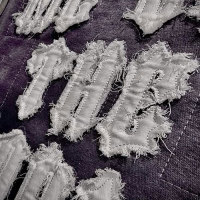
Embroidery: The Hallmark of Premium, Textured Branding
The Foundation of Quality: Strategic Fabric Selection and the Critical Role of GSM
The feel of a garment in a customer's hands is their first, most intimate interaction with a brand's quality promise. Before they even consciously register the details of the print or the construction, they feel the weight, the structure, and the texture of the fabric. In the world of streetwear, where the hoodie and T-shirt are not just products but foundational cultural artifacts, the fabric is the very soul of the garment. This is where the term GSM (Grams per Square Meter) transcends technical jargon to become a critical metric for any serious brand. GSM is a direct, objective measure of a fabric's density and, by extension, its weight, thickness, and structural integrity.
A higher GSM indicates a heavier, denser fabric, which is almost universally perceived in the streetwear space as more premium, more durable, and more luxurious. For streetwear brands that have achieved a certain scale and are operating at a global or multi-market level—similar in their operational maturity and quality standards to brands known for their iconic and sought-after basics—mastering the nuances of fabric weight is not an optional detail; it is a core pillar of their product strategy and brand positioning.
The immense challenge for growing brands is that sourcing consistent, high-quality, high-GSM fabrics in large quantities is a significant and often underestimated supply chain hurdle. A clothing manufacturer's ability to reliably secure and manage these materials is a direct reflection of their purchasing power, their long-standing relationships with top-tier mills, and their unwavering commitment to quality over cost-cutting. A garment factory that cannot guarantee a consistent 450 GSM French terry with a specific loop-back texture across a 10,000-unit order is, by definition, structurally limited and not designed for the needs of a scaling, quality-focused brand.
This inability to secure consistent fabric is a common and often fatal bottleneck during a brand's growth phase. Furthermore, the selection of fabric is inextricably and technically linked to the subsequent printing and finishing processes. A robust, heavyweight fabric can withstand more aggressive and complex washing techniques, such as stone or acid washing, which would shred a lesser fabric. Conversely, the smooth, tight knit of a high-quality jersey is essential for achieving a sharp, detailed DTG print. Therefore, a manufacturer's expertise cannot be siloed into separate departments. It requires a holistic, integrated understanding of how fabric composition, print chemistry, and wash mechanics interact to create the desired final product. This is a level of expertise that can only be cultivated through years of specialized focus.
The Art and Science of the Wash: Crafting Authentic Vintage and Textured Aesthetics
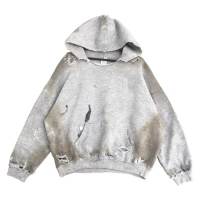
In the sophisticated world of modern streetwear, a pristine, untouched, off-the-shelf look is often the antithesis of what is desired. The most coveted and culturally resonant pieces frequently possess a narrative, a history, a lived-in feel that speaks to authenticity and character. This carefully crafted patina is achieved through a variety of complex post-production washing and treatment processes. These are not simple laundry cycles; they are highly controlled chemical and mechanical treatments, developed and refined over years, designed to systematically alter the fabric's color, texture, and handle.
This is another area where the gap between a general-purpose apparel factory and a specialized streetwear manufacturer becomes a vast and unbridgeable chasm. The ability to execute these washes with precision and, most importantly, consistency at an industrial scale is a rare, valuable, and highly sought-after capability.
An In-Depth Look at Key Washing Techniques
Stone Washing: The Original Vintage Creator
Acid Washing: High-Contrast Nostalgia
Enzyme Washing (Bio-stoning): The Modern, Sustainable Alternative
Quality Control as a System, Not an Action: The Architecture of Consistency at Scale
For a growing streetwear brand, the most dangerous and costly myth is that quality control is a single event—a final inspection that happens just before the products are packed into boxes. This reactive approach is not a quality strategy; it is a recipe for disaster. It guarantees massive financial waste, catastrophic missed deadlines, and the shipment of inconsistent, brand-damaging products. True quality control, the kind that enables a brand to scale with confidence, is not a single action but a comprehensive, proactive, and deeply integrated system that is woven into the very fabric of the manufacturing process. It is an architecture of consistency.
This system begins not on the production floor, but in the pre-production phase, with a rigorous analysis of the tech pack to identify potential manufacturing challenges before they arise. It continues with the stringent, scientific inspection of all incoming raw materials—every roll of fabric, every spool of thread, every zipper and button. From there, it extends to every stage of production. A manufacturer that is truly built for scale will have dedicated, empowered quality assurance teams embedded within each production department—from cutting and sewing to printing and finishing. These teams are not just looking for defects; they are actively monitoring processes, checking machine calibrations, ensuring environmental controls (like humidity and temperature) are stable, and verifying that every single garment is being produced according to the exact, unforgiving specifications of the approved pre-production sample.
This systematic, multi-layered approach to quality becomes exponentially more critical when dealing with the complex, multi-stage production processes that are the hallmark of premium streetwear. Consider the journey of a single heavyweight, acid-washed hoodie that features a multi-color screen print on the back, a 3D puff print on the sleeve, and an embroidered logo on the chest. A critical defect can be introduced at any one of a dozen different points in this complex workflow.
If the GSM of the heavyweight fleece is inconsistent, the acid wash will not take evenly, resulting in blotchy, unsellable garments. If the automated cutting process is not perfectly calibrated, the fit of the oversized silhouette will be off, leading to thousands of garments that do not match the approved sizing. If the screen printing is not cured at the precise temperature for the specific ink used, the print will crack and peel after the first wash, destroying the customer's trust in the brand. If the embroidery is not digitized by a skilled technician who understands how to work with heavy fleece, it will pucker the fabric and look amateurish.
A manufacturer that relies solely on final inspection will only catch these devastating errors after thousands of units have already been produced, leading to catastrophic financial losses and a complete breakdown of the production schedule. This is why the choice of a manufacturing partner is, without question, the single most important strategic decision a scaling brand will make. The goal is not to find a factory that can simply make a product; the goal is to find a partner that has mastered the system of making that product consistently, reliably, and at an industrial scale.
The Strategic Decision: Choosing a Manufacturing Partner for Long-Term, Sustainable Growth
When a streetwear brand reaches a certain level of maturity and market penetration, the criteria for selecting a manufacturer must undergo a fundamental evolution. The focus must shift from the seductive allure of short-term cost savings and convenience to the strategic imperatives of long-term stability, scalability, and uncompromising quality assurance. At this critical stage, a brand is no longer looking for a simple vendor to fulfill an order; it is looking for a strategic partner that can act as an extension of its own team, a partner that can support its growth trajectory for the next five to ten years.
This requires a completely different type of manufacturer. A factory that specializes in quick, low-cost, single-process jobs—the kind of factory that is often sufficient for a brand's initial, small-batch runs—is structurally limited and simply not designed for the complex, multi-stage production needs of a brand that requires advanced washing, printing, and finishing, all executed under a rigorous quality control framework. These factories inevitably become a bottleneck during a brand's growth phase, unable to handle the increasing complexity, the larger order volumes, and the stringent quality demands.
The right partner for a scaling brand is a full-stack, vertically integrated manufacturer. This is a facility that controls the vast majority of the production process—from fabric sourcing and development, pattern making, and automated cutting, to specialized sewing, advanced printing, in-house washing and dyeing, and multi-point quality control—all under one roof or within a tightly controlled and managed network. This vertical integration is the only way to ensure seamless communication, rapid and effective problem-solving, and true end-to-end accountability.
Streetwear manufacturers such as Groovecolor, which operate with integrated digital pattern development, in-house advanced washing and dyeing control, and a system of batch-level quality locking, are structurally and philosophically positioned to support brands navigating this critical stage of growth.
Their core competency is not in executing a single process, but in the complex orchestration of all processes to deliver a consistent, high-quality, and on-time final product. This fundamental distinction in manufacturing philosophy and capability often defines whether a brand can successfully scale its production and global reach without sacrificing the very quality and attention to detail that made its customers fall in love with it in the first place.
For established streetwear brands entering this phase of expansion, the decision-making process must be reframed. It is less about finding a cheaper factory and more about aligning with a manufacturing structure that deeply understands the immense long-term cost of inconsistency. The right partner will not just passively receive a tech pack; they will actively analyze it, provide expert feedback on its manufacturing feasibility, and suggest potential optimizations based on their extensive experience with similar products.
They will be radically transparent about their processes, their quality control checkpoints, and their supply chain. They will have a deep and demonstrable expertise in the specific aesthetics, techniques, and materials that are core to the brand's identity. This is not a simple transaction; it is the foundation of a long-term, symbiotic partnership built on mutual trust, shared expertise, and an unwavering, collective commitment to quality and innovation.
Frequently Asked Questions
What is the ideal GSM for a premium streetwear hoodie, and why does it matter so much?
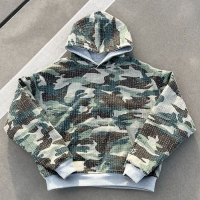
For a truly premium, heavyweight streetwear hoodie, the ideal GSM (grams per square meter) typically falls within the 400 to 600+ range. This matters immensely because it directly influences the three core attributes of a luxury garment: structure, feel, and longevity. A hoodie in this weight class provides the necessary structure to achieve the intentional, often architectural, silhouettes that define modern streetwear (e.g., boxy, oversized, drop-shoulder). It drapes in a particular way that lighter fabrics simply cannot replicate. The hand-feel is substantial and immediately communicates quality and value to the customer. Finally, this density ensures exceptional durability, allowing the garment to withstand years of wear and washing, which is crucial for a product positioned as a long-term wardrobe staple rather than a disposable fashion item.
In a head-to-head comparison, is screen printing or DTG definitively better for T-shirt longevity?
For pure longevity and durability under real-world conditions, screen printing is definitively superior to Direct-to-Garment (DTG) printing. A properly executed screen print, using high-quality plastisol or water-based inks that are cured at the correct temperature, creates a physical and chemical bond with the fabric fibers. This makes the print extremely resilient to the abrasion and chemical attacks of repeated washing and drying. While DTG technology has made incredible strides and offers unparalleled detail for complex, multi-color graphics, the ink sits more on the surface of the fabric. Even with proper pre-treatment and curing, it is generally more susceptible to fading and degradation over time, particularly on dark garments that require a white underbase. For core brand graphics, logos, and any design intended for long-term, repeated wear, screen printing remains the undisputed industry standard for durability.
How can a brand truly ensure color consistency across a 10,000-unit batch of garment-dyed hoodies?
Ensuring absolute color consistency across a large batch of garment-dyed products is one of the most significant challenges in apparel manufacturing and requires a deeply scientific and systematic approach. The key is to partner with a manufacturer that has a standardized, digitally controlled, and well-documented dyeing process. This involves several critical elements: 1) Using precise, computer-controlled dye formulations to eliminate human error. 2) Tightly controlling all environmental variables in the dye bath, including water temperature, pH levels, and mineral content. 3) Precisely managing the dye cycle time and the garment-to-water ratio in every single batch. 4) Most importantly, moving beyond subjective human eye assessment and using advanced spectrophotometers to digitally measure the color of each batch against a master approved standard. This data-driven approach, which generates a color reading known as a Delta E value, is the only way to guarantee near-imperceptible color variation across thousands of units.
What are the most critical, often overlooked, differences between a standard apparel factory and a true streetwear manufacturer?
The most critical, and often painfully overlooked, differences are institutional knowledge and process integration. A standard apparel factory is typically optimized for high-volume production of basic garments using standard materials. They lack the deep, specialized institutional knowledge required for the nuances of streetwear. They don't have the years of experience with heavyweight fabrics, the deep understanding of how to execute a perfect oversized silhouette, or the scientific grasp of advanced washing and printing techniques. A true streetwear manufacturer, conversely, has built its entire operational model around these specific requirements. Furthermore, they have integrated these processes. A standard factory might outsource washing or embroidery, creating a fragmented and unreliable supply chain. A specialized streetwear manufacturer controls these critical processes in-house, allowing them to manage quality, experiment with new techniques, and guarantee consistency in a way that a fragmented production model never can.
Why is a manufacturer's in-house washing capability a non-negotiable for a serious streetwear brand?
In-house washing capability is non-negotiable because, in the context of streetwear, washing is not a simple cleaning process—it is a core part of the creative and manufacturing process. Advanced techniques like acid washing, stone washing, enzyme washing, and vintage dyeing are what create the authentic, textured, and culturally resonant aesthetics that are central to many streetwear brands. When a manufacturer controls this entire process in-house, they can guarantee consistency, innovate with new techniques, and tightly integrate the washing stage with all other production stages. Outsourcing this critical function introduces unacceptable risks in quality control, creates communication black holes, and dramatically extends lead times. It makes achieving a unique, proprietary, and consistent finish at scale a near impossibility. For a serious brand, whose reputation is built on the uniqueness and quality of its products, this is a risk that simply cannot be taken.
How does a manufacturer's location (e.g., in a specialized production hub like Guangzhou) impact a streetwear brand's capabilities?
A manufacturer's location within a specialized production hub like Guangzhou, China, offers immense strategic advantages. These hubs are dense ecosystems of expertise, innovation, and supply chain infrastructure. For a streetwear brand, this means access to: 1) A vast and competitive market of raw material suppliers, from high-end fabric mills to custom hardware producers, driving both quality and cost-efficiency. 2) A deep talent pool of skilled technicians, pattern makers, and production managers who have years of experience specifically with streetwear aesthetics and construction techniques. 3) A culture of innovation, where new washing techniques, printing methods, and fabric treatments are constantly being developed and refined. Proximity to this ecosystem allows a manufacturer like Groovecolor to rapidly prototype, solve complex production challenges, and integrate the latest trends and technologies into a brand's product line, providing a significant competitive edge in the fast-moving world of streetwear.
What is the role of a pre-production sample (PPS) and how should a brand properly evaluate it?
The pre-production sample (PPS) is arguably the most critical checkpoint in the entire manufacturing process. It is the physical embodiment of the tech pack and the final, approved standard against which every single unit in the mass production run will be measured. A brand should evaluate the PPS with extreme rigor and a systematic approach. This includes: 1) Fit and Measurement: Trying the garment on a fit model and meticulously checking every measurement against the approved spec sheet. 2) Fabric and Materials: Confirming that the fabric weight (GSM), texture, and color are exactly as specified, and that all trims (zippers, drawstrings, etc.) are correct. 3) Construction and Finishing: Inspecting every seam for straightness and durability, checking for any puckering or loose threads, and ensuring all finishing details (like bar tacks and labels) are perfectly executed. 4) Print and Wash: Scrutinizing the color accuracy, placement, and hand-feel of all prints and washes. The PPS is the brand's last opportunity to make corrections before committing to thousands of units. Any deviation, no matter how small, should be documented and communicated to the manufacturer for revision. Approving a flawed PPS is a guarantee of a flawed production run.
Beyond cost, what are the key performance indicators (KPIs) a brand should use to evaluate a manufacturing partner?
While cost is always a factor, established brands should evaluate manufacturing partners on a more sophisticated set of KPIs that reflect a long-term, strategic partnership. These include: 1) Quality and Consistency Rate: Measured by the percentage of garments in a production run that pass final quality control without any defects. A top-tier partner should be operating at a 99%+ success rate. 2) On-Time Delivery Rate: The percentage of orders that are shipped on or before the agreed-upon date. This is critical for managing seasonal launches and marketing campaigns. 3) Communication and Responsiveness: The speed and clarity with which the manufacturer's team responds to inquiries, provides updates, and resolves issues. 4) Proactiveness and Problem-Solving: The extent to which the partner anticipates potential issues, suggests improvements to the product or process, and works collaboratively to find solutions rather than just reporting problems. 5) Innovation and R&D Capabilities: The manufacturer's commitment to investing in new technologies, developing new techniques, and bringing new ideas to the table. Evaluating a partner on these metrics provides a much more holistic view of their capabilities and their suitability as a long-term growth partner.
References
[1] Real Thread. (n.d.). The Importance of Quality Control in Custom Apparel... Retrieved from https://www.realthread.com/blog/quality-control-custom-apparel-printing
[2] Herefh. (2025, May 20). OEM T-Shirt and Hoodie Manufacturing: Best Practices for... Retrieved from https://www.herefh.com/blog/oem-t-shirt-hoodie-manufacturing-best-practices
[3] Oh Boy Print Shop. (2025, July 18). Screen Printing Quality Control for Professional Results. Retrieved from https://ohboyprintshop.com/screen-printing-quality-control-professional-results/
[4] Ningbo Haishu Ninghow Apparel Co., Ltd. (2024, November 28). How to Ensure High-Quality Hoodies: Key Steps in Quality... Retrieved from https://www.ninghowapparel.com/blog/how-to-ensure-high-quality-hoodies-key-steps-in-quality-control/
[5] Dora Giyim. (n.d.). Quality Control In Shirt Manufacturing. Retrieved from https://www.doragiyim.com/quality-control-shirt-manufacturing/
[6] Groovecolor. (2025, August 11). The Cut and Sew Streetwear Process: A Step-by-... Retrieved from https://www.groovecolor.com/blog/The-Cut-and-Sew-Streetwear-Process-A-Step-by-Step-Guide-from-a-Manufacturer_b10823
[7] HEM Apparel. (2025, May 18). Intro to Garment Wash Techniques: Vintage, Acid, Enzyme... Retrieved from https://hem-apparel.com/blogs/resources/intro-to-garment-wash-techniques-vintage-acid-enzyme-more
[8] Wikipedia. (n.d.). Stone washing. Retrieved from https://en.wikipedia.org/wiki/Stone_washing
[9] Diznew. (2025, May 26). How Factories Acid Wash Jeans: Chemicals & Techniques. Retrieved from https://www.diznew.com/blog/How-Factories-Acid-Wash-Jeans-Chemicals-Techniques_b7673
[10] DTLAPrint. (2024, July 22). Screen Print vs. DTG vs. Embroidery: Key Differences. Retrieved from https://www.dtlaprint.com/blog/screen-printing-vs-dtg-vs-embroidery-key-differences/
[11] MSP Design Group. (2025, November 10). The Complete Guide to DTG Printing: When to Choose... Retrieved from https://mspdesigngroup.com/the-complete-guide-to-dtg-printing-when-to-choose-direct-to-garment-vs-screen-printing/
[12] Printful. (n.d.). DTG vs. Screen Printing: Which One to Choose?. Retrieved from https://www.printful.com/blog/dtg-vs-screen-printing
[13] ModaKnits. (2025, February 15). What GSM Is Good for Hoodies? - Clothing Manufacturer. Retrieved from https://modaknits.com/what-gsm-is-good-for-hoodies/
[14] Gracefully. (2024, August 11). Full Guide on the Best GSM for a Hoodie. Retrieved from https://gracefiber.com/blogs/apparel/best-gsm-for-hoodies
[15] SANVT. (2023, March 31). Fabric GSM & weight | A guide to GSM meaning - with chart. Retrieved from https://sanvt.com/blogs/journal/fabric-weight-a-guide-to-gsm
[16] Argus Apparel. (2025, August 27). GSM in Fabric: Meaning, Importance & Measurement (2025). Retrieved from https://argusapparel.com/blog/gsm-in-fabric-guide/
[17] Groovecolor. (2025, August 15). A Deep Dive into Custom Acid Wash Hoodie &... Retrieved from https://www.groovecolor.com/blog/The-Art-of-the-Wash-A-Deep-Dive-into-Custom-Acid-Wash-Hoodie-Washed-Apparel_b11129
[18] Gopherwood Clothing. (n.d.). From Stone Wash to Enzyme Wash-Quick Reference Guide to Retrieved from https://gopherwoodclothing.com/garment-washing/