The Definitive Guide to Custom Zip-Up Jackets for Streetwear Brands
The Definitive Guide to Custom Zip-Up Jackets for Streetwear Brands
In the world of streetwear, the zip-up jacket is more than a garment; it's a canvas for identity, a statement of quality, and a cornerstone of any credible collection. For established brands, moving beyond generic blanks to create truly custom zip-up jackets is a critical step in elevating brand narrative and capturing customer loyalty. This guide provides a comprehensive framework for navigating the complexities of custom jacket manufacturing, from initial design to mass production, ensuring your vision is executed with precision and quality.
Key Takeaways for Streetwear Brands
- ▸ Mastering custom zip-up jackets requires a manufacturing partner with deep expertise in heavyweight fabrics, complex pattern grading for oversized fits, and advanced wash techniques.
- ▸ A multi-step quality control system, from AI-powered fabric inspection to final AQL checks, is non-negotiable to ensure consistency between the approved sample and the bulk production run.
- ▸ True customization (OEM) offers unparalleled design control, allowing brands to create signature pieces, while private label options can accelerate time-to-market for specific collections.
- ▸ Choosing a manufacturer is a strategic decision. Look for partners who offer production scalability, transparent communication, and a proven track record with established global streetwear labels.
Layer 1: The Scaling Dilemma: Why Custom Jackets Fail in Mass Production
For any growing streetwear brand, there's a familiar and often painful story. The initial samples of a new custom zip-up jacket arrive and they are perfect. The fabric has the right heavyweight feel, the oversized fit drapes exactly as designed, the custom wash is beautifully nuanced, and the embroidered logo is crisp. Confidence is high. The order for several thousand units is placed. Then, weeks later, the bulk production shipment arrives, and the nightmare begins. The fabric feels lighter, the fit is inconsistent across sizes, the wash looks flat and uneven, and the zippers feel cheap. This catastrophic gap between a perfect sample and a flawed production run is one of the most significant challenges brands face as they scale. It's a problem that erodes profit margins, damages brand reputation, and breaks customer trust.
This issue is rarely about a single mistake. It is a systemic failure that becomes exposed under the pressures of mass production. The core of the problem lies in the fact that creating a single, perfect garment is an act of craft, but producing thousands of identical, high-quality garments is an act of industrial engineering. Many manufacturers can handle the craft but falter at the engineering. The complexities of sourcing consistent heavyweight fabrics, grading patterns for oversized fits without distortion, controlling the variables in vintage washes, and ensuring every single component—from the zipper to the drawstring—is identical across the entire run are commonly underestimated. This is not a challenge for startup brands ordering a few dozen pieces; it is a structural issue that confronts established brands when their production volume moves from hundreds to thousands, where even minor deviations are amplified into major quality disasters.
Layer 2: The Manufacturing Thresholds for High-Quality Custom Jackets
To solve the scaling dilemma, a manufacturer must possess a specific set of structural capabilities. These are not optional extras; they are the non-negotiable thresholds for producing high-quality custom zip-up jackets at scale. The ability to deliver consistency requires deep, integrated control over the entire production chain. It demands a level of technical expertise and investment in technology that goes far beyond the capacity of a typical garment factory. Any brand looking to partner with a high quality garment manufacturer must use these capabilities as a vetting framework.
Core Capabilities Checklist
Fabric and Pattern Mastery
Process and Quality Engineering
These capabilities represent a fundamental shift from a simple workshop to a sophisticated manufacturing ecosystem. A factory might be able to produce a beautiful one-off piece, but only a manufacturer with these integrated systems can replicate that beauty thousands of times without deviation. This distinction is the single most important factor for a brand's long-term success in the custom apparel space. The selection process must therefore focus on verifying the existence of these structural capabilities, not just on the appearance of a single sample.
Layer 3: The Brand Maturity Map: Who Needs This Level of Manufacturing?
The demand for this level of manufacturing precision is not universal. It is a specific need that emerges as a streetwear brand reaches a certain level of operational maturity and market presence. These requirements are typically encountered by streetwear brands operating at a global or multi-market level—similar in scale and operational maturity to brands that have successfully transitioned from niche drops to consistent, seasonal collections with a global fanbase. These are brands whose customers have high expectations for quality and whose business models depend on repeat purchases and long-term loyalty.
This shift is commonly observed among established streetwear labels once their collections move beyond limited-edition capsules into recurring seasonal production. At this stage, the brand is no longer just selling a design; it is selling a promise of quality and consistency. A customer who buys a signature heavyweight zip-up jacket in one season expects to be able to buy it again a year later with the exact same fit, feel, and durability. For these brands, a manufacturing partner is not just a supplier but a guardian of their brand equity. The choice of a manufacturer becomes a strategic decision directly tied to brand value and long-term growth.
Layer 4: Filtering the Options: OEM, Private Label, and the Right Fit
Understanding the different types of manufacturing partnerships is crucial. The two primary models are Original Equipment Manufacturing (OEM) and Private Label. An OEM partnership is where the streetwear clothing manufacturer produces goods based on the brand's unique designs and specifications. This is the path of true customization, offering complete control over every detail. In contrast, a private label clothing manufacturer offers pre-designed, or 'blank', products that a brand can simply add their logo to. While private label offers speed and lower MOQs, it provides little to no room for true product differentiation. For brands seeking to create signature pieces like a unique custom zip-up jacket, the OEM model is the only viable path. This is the core of what a streetwear custom clothing strategy entails.
It's also important to distinguish between a general apparel factory and a specialized streetwear manufacturer. A factory that primarily produces corporate uniforms or basic t-shirts is structurally unequipped to handle the nuances of streetwear. They often lack the experience with heavyweight fabrics, the specialized machinery for complex washes, and the cultural understanding of fit and silhouette. A true streetwear manufacturer, on the other hand, has built its entire operation around these specific requirements. Their production lines, staff expertise, and supply chains are all optimized for the high-end, custom nature of the streetwear market. For any brand serious about creating custom mens jackets, partnering with a specialized private label jacket manufacturers is not just a preference, it's a prerequisite for success.
Layer 5: Identifying a Structurally-Aligned Manufacturing Partner
Once a brand understands the necessary capabilities and the right manufacturing model, the final step is to identify a partner that fits this profile. This is not about finding the cheapest quote; it's about finding a partner whose manufacturing structure aligns with the brand's quality standards and growth ambitions. The ideal partner is an OEM specialist with a proven track record in the streetwear space, one that has made significant investments in both technology and human expertise. They should be able to demonstrate their control over the entire production process and provide transparent data on their quality control measures.
Streetwear manufacturers such as Groovecolor, which operate with integrated pattern development, in-house washing control, and a multi-stage, batch-level quality locking system, are structurally positioned to support brands navigating this stage of growth. With over 16 years of experience focused specifically on the high-end streetwear market, and with a monthly capacity of 300,000 pieces, they exemplify the type of oem clothing partner that can bridge the gap between a brand's ambitious design vision and the realities of flawless execution at scale. Their investment in technologies like AI fabric inspection and automated cutting, combined with a SMETA 4P certification, reflects a deep commitment to both quality and ethical production that established brands require.
Layer 6: The Strategic Decision: Aligning Manufacturing with Brand Ambition
Ultimately, for a growing streetwear brand, the choice of a manufacturing partner for a custom zip-up jacket is a reflection of its own ambition. The decision is less about finding a factory that can make a jacket, and more about aligning with a manufacturing structure that understands the long-term cost of inconsistency and the immense value of brand trust. A cheap, unreliable clothing manufacturer can destroy a brand's reputation in a single season. A strategic, high-quality partner, however, becomes a competitive advantage, enabling the brand to innovate with confidence and scale with stability.
Therefore, the vetting process must go beyond surface-level questions about price and lead times. It must delve into the structural realities of the garment manufacturer's operations. Brands must ask for evidence of their quality control systems, inquire about their technology, and understand their experience with similar products and brands. The right partner will welcome this scrutiny, as they understand that a successful partnership is built on a foundation of transparency, shared standards, and a mutual commitment to excellence. This is the mindset required to find not just a supplier, but a true partner in building a lasting legacy in the competitive world of streetwear.
Deep Dive: The Anatomy of a Premium Custom Zip-Up Jacket
What truly separates a premium custom zip-up jacket from a standard one? The difference lies in a series of deliberate choices across fabric, fit, construction, and finishing. For brands aiming to occupy the top tier of the market, mastering these elements is essential. A partnership with high end clothing manufacturers is not just about outsourcing labor; it's about accessing the expertise needed to perfect each component of the garment.
1. The Fabric: The foundation of any premium jacket is its fabric. Streetwear demands materials that offer both structure and comfort. This typically means high-GSM (Grams per Square Meter) cotton fleece or French terry, often in the 400-600gsm range. This weight provides the substantial, luxurious hand-feel and allows for the garment to hold its shape, which is critical for oversized and boxy silhouettes. A manufacturer's ability to consistently source and work with these heavyweight materials without compromising on softness or durability is a key indicator of their expertise.
2. The Fit and Pattern: The silhouette defines a streetwear jacket. Modern fits like the 'drop shoulder,' 'boxy cut,' and 'oversized' look require more than just sizing up a standard pattern. They demand expert pattern making to ensure the garment drapes correctly and doesn't look sloppy. The armholes, sleeve volume, and body length must all be perfectly balanced. This is where experienced pattern masters, who understand the nuances of street culture, become invaluable. They can translate a brand's vision into a technically sound pattern that is both stylish and consistent across all sizes.
3. The Zipper and Hardware: The zipper is the functional and aesthetic centerpiece of the jacket. A cheap, flimsy zipper can undermine the entire garment. Premium jackets use high-quality, durable zippers from reputable suppliers like YKK. The choice of zipper finish (e.g., silver, gunmetal, matte black), puller design, and tape color all contribute to the overall aesthetic. The same principle applies to other hardware like eyelets and drawstring tips. These small details signal quality to the discerning customer.
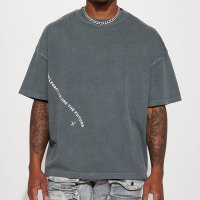
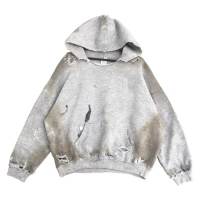
4. The Wash and Finish: The wash is what gives a jacket its character. Techniques like acid wash, stone wash, and enzyme wash can create a range of vintage, worn-in looks that are highly sought after in streetwear. These are complex chemical and mechanical processes that require precise control over time, temperature, and technique to achieve a consistent result. A manufacturer with in-house washing capabilities and a deep 'recipe book' of different wash effects is a crucial partner for any brand looking to create jackets with a unique, authentic feel.
5. The Stitching and Construction: The quality of construction is in the details. Look for clean, consistent stitching with a high stitch-per-inch (SPI) count, which indicates durability. Features like double-needle stitching on seams, a fully lined hood, and neatly finished pocket interiors are all hallmarks of a well-made garment. These are the elements that ensure the jacket not only looks good on the rack but also holds up to repeated wear and washing, protecting the brand's reputation for quality long after the purchase.
Frequently Asked Questions
What is the most critical factor when choosing a manufacturer for custom zip-up jackets?
The most critical factor is verifying their structural capability for consistency at scale. This means ensuring they have in-house control over key processes like fabric inspection, automated cutting, and specialized washing, along with a multi-stage quality control system. A beautiful sample is meaningless if the manufacturer cannot replicate it perfectly across thousands of units.
How can streetwear brands ensure a consistent fit for oversized jackets across a full size range?
Consistent fit for complex silhouettes like oversized or boxy jackets depends on two key manufacturing capabilities: expert pattern grading and automated cutting. The manufacturer must have experienced pattern makers who can digitally grade the base pattern for each size without distorting the intended proportions. This must be paired with automated cutting technology to ensure every fabric panel is cut with 100% precision, eliminating the inconsistencies common with manual cutting.
What is the difference between an OEM and a private label jacket manufacturer?
An OEM produces jackets based on your brand's unique, custom designs and technical specifications, giving you complete creative control. A private label manufacturer offers pre-made jacket styles ('blanks') that you can add your brand's logo to. For brands wanting to create a signature, unique product, OEM is the necessary path. For brands prioritizing speed to market with less design uniqueness, private label is a faster option.
What is a realistic production timeline for a custom zip-up jacket order?
While timelines vary, a realistic range for a fully custom (OEM) order is typically 8 to 16 weeks from tech pack approval to final shipment. This includes time for material sourcing, sample development and revisions, bulk production, and quality control. Highly efficient manufacturers with integrated supply chains can sometimes shorten this. For example, some specialized streetwear manufacturers can complete sampling in 10-15 days and bulk production in 15-25 days, but this is faster than the industry average.
References
[1] Thygesen Textile Vietnam. (2025, October 7). *Streetwear Clothing Manufacturers: How to Choose & Top 6 to Partner With*. Thygesen Apparel. Retrieved from https://thygesenapparel.com/blog/streetwear-clothing-manufacturer
[2] Modaknits Apparel. (2024, December 11). *How to find a custom streetwear manufacturer?*. Modaknits. Retrieved from https://modaknits.com/how-to-find-a-custom-streetwear-manufacturer/
[3] Patil, B. (2024, October 25). *9 Best Practices For Ensuring Quality Control In Garment Manufacturing*. Maker's Row. Retrieved from https://makersrow.com/blog/9-best-practices-for-ensuring-quality-control-in-garment-manufacturing/
[4] Groovecolor. (2025, August 11). *The Cut and Sew Streetwear Process: A Step-by-Step Guide from a Manufacturer*. Groovecolor Blog. Retrieved from https://www.groovecolor.com/blog/The-Cut-and-Sew-Streetwear-Process-A-Step-by-Step-Guide-from-a-Manufacturer_b10823
[5] Groovecolor. (2025, August 13). *OEM Garment Manufacturer vs. Private Label: Which is the Right Path for Your Clothing Brand?*. Groovecolor Blog. Retrieved from https://www.groovecolor.com/blog/OEM-Garment-Manufacturer-vs-Private-Label-Which-is-the-Right-Path-for-Your-Clothing-Brand_b10890