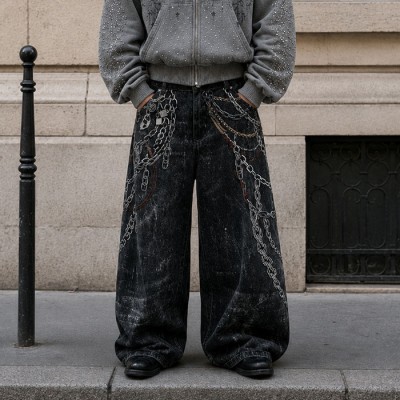
Strategic Guide to Finding Clothing Manufacturers in China: From Mass Production to Quality Control
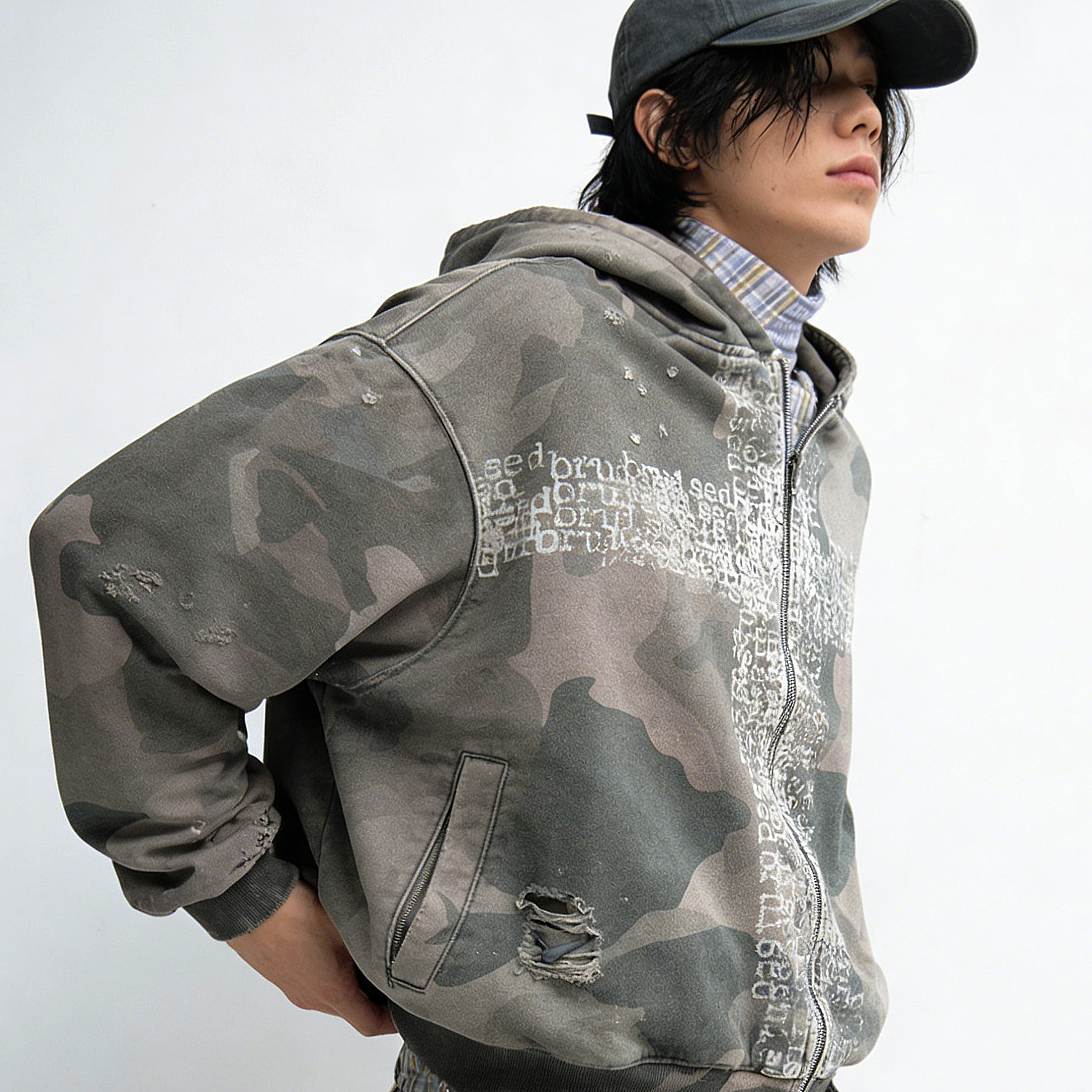
A Strategic Guide to the World's Largest Clothing Manufacturers for Global Streetwear Brands
In the sprawling, hyper-competitive arena of global fashion, the scale of production is both a monumental challenge and a colossal opportunity. For established streetwear brands that have successfully cultivated a loyal following and are poised for exponential growth, the conversation shifts from mere survival to strategic domination.
The journey from limited-edition drops to consistent, high-volume seasonal collections is a treacherous one, paved with logistical complexities and quality control pitfalls. This is not a challenge for the faint of heart; it is a complex operational puzzle that separates fleeting trends from enduring icons. The world's largest clothing manufacturers, predominantly centered in Asia with China as the undisputed heavyweight, represent the powerful engine required for this level of expansion. However, accessing this engine is not as simple as placing an order.
It demands a sophisticated understanding of the global manufacturing landscape, a nuanced approach to supply chain management, and a strategic framework for identifying a partner who can protect brand integrity at scale. This guide is engineered for the leaders of mature streetwear brands standing at this critical juncture. It moves beyond superficial factory lists to provide a deep, strategic analysis of the global manufacturing ecosystem, offering a decision-making framework to navigate the complexities of mass production, mitigate risks, and forge partnerships that fuel long-term, sustainable growth.
Key Takeaways for Streetwear Brands
- ▸ Strategic Sourcing is a Structural Decision: Moving to a large-scale manufacturer is not just a procurement task; it is a fundamental shift in a brand's operational structure. The choice of a manufacturing partner dictates capabilities in quality, scalability, and innovation, directly impacting long-term brand equity and market position.
- ▸ China's Dominance is Evolving: While China remains the world's manufacturing powerhouse, its role is transitioning from a low-cost provider to a technology-driven, integrated supply chain hub. For streetwear brands, this means access to advanced automation, sophisticated craft, and unparalleled production efficiency.
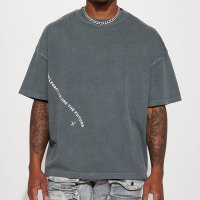
- ▸ True Scale Requires Specialized Expertise: General apparel factories cannot meet the specific demands of high-quality streetwear. Consistent execution of complex washes, heavyweight fabrics, and precise, oversized silhouettes at scale is a specialized capability that only a select category of manufacturers possesses.
- ▸ Quality Control is a System, Not an Action: For mature brands, quality cannot be an afterthought. It must be a systemic, multi-stage process embedded in the manufacturer's DNA to ensure every garment in a 100,000-piece order is identical to the approved sample.
- ▸ The Right Partner De-Risks Growth: The ideal manufacturing partner for a scaling streetwear brand is one that is structurally positioned to handle complexity, offering not just production capacity, but a strategic framework that includes market testing flexibility and robust quality assurance.
The Scale-Up Conundrum: Why Global Production Becomes a Structural Challenge
The transition from a celebrated niche brand to a global streetwear powerhouse is fraught with operational friction. The very elements that define a brand's early success—unique fabrics, complex garment treatments, and meticulously crafted limited drops—become significant hurdles when production scales from hundreds to hundreds of thousands of units. This is not merely a quantitative leap; it is a qualitative transformation of the entire business structure. Industry-wide, this is the stage where many promising brands falter, not due to a lack of creative vision, but because of a fundamental underestimation of the complexities inherent in mass-market apparel manufacturing. [1]
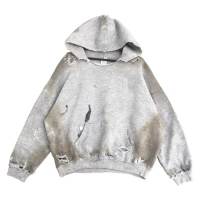
The core of the issue lies in consistency. A vintage acid wash that looks perfect on a 50-piece run can become a quality control nightmare across a 50,000-piece order, with unacceptable variations in color and texture. An oversized, drop-shoulder silhouette that is flawlessly executed by a small, dedicated team can lose its distinct shape and fit when replicated across multiple production lines and by different sets of hands. These inconsistencies are not just minor defects; they erode brand trust and devalue the very aesthetic that customers pay a premium for. As brands scale, the challenge is no longer just about making a great garment; it is about making tens of thousands of identical great garments. This is a structural issue that many manufacturers, particularly those accustomed to simpler, high-volume production of basic apparel, are simply not equipped to handle.
Furthermore, the global supply chain itself introduces a new layer of risk and volatility. As a 2026 report from McKinsey & Company highlights, geopolitical factors such as US tariffs are actively reshaping trade maps, leading to unpredictable cost fluctuations and logistical disruptions. [2] For a growing streetwear brand, this means that reliance on a single-source or a poorly diversified manufacturing base can become a critical vulnerability. A sudden tariff can erase profit margins overnight, while a bottleneck at a key port can delay a seasonal launch, rendering an entire collection obsolete. Therefore, navigating the world of large-scale manufacturing requires more than just finding a factory with a low price; it demands a strategic approach to building a resilient, agile, and highly capable production infrastructure that can withstand the inherent turbulence of the global market.
The Anatomy of a World-Class Manufacturer: Deconstructing the Capabilities for Scale
To solve the structural challenges of scaling, a streetwear brand must look beyond a factory's stated capacity and scrutinize its underlying capabilities. The ability to produce high-quality, complex garments at scale is not a given; it is the result of specific, deeply integrated systems and expertise. These are the non-negotiable manufacturing thresholds that separate true strategic partners from mere production vendors.
A world-class manufacturing operation capable of supporting a global streetwear brand requires a fully integrated production ecosystem. This begins with the mastery of raw materials. Access to a diverse and reliable supply chain for high-GSM (grams per square meter) cotton, premium French terry, and other specialized fabrics is foundational. However, access alone is insufficient. The manufacturer must possess the in-house expertise to handle these materials correctly, from pre-shrinking processes that ensure dimensional stability to advanced, sustainable washing techniques (such as enzyme, stone, and acid washes) that create consistent vintage or distressed effects without compromising fabric integrity. This level of process control cannot be achieved without significant investment in both technology and talent.
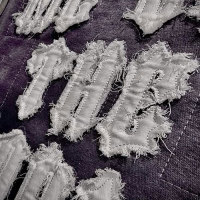
Precision in execution becomes paramount at scale. This capability is typically only possible when a manufacturer combines human expertise with advanced automation. For instance, the creation of complex patterns for oversized and boxy fits demands highly experienced pattern makers—some leading manufacturers employ masters with 30 years of experience. However, translating that pattern to hundreds of thousands of garments requires technology like automated laser cutting systems. These systems eliminate the minute deviations inherent in manual cutting, ensuring every piece is identical and that the final garment hangs and fits exactly as the designer intended. Similarly, for intricate graphics, a manufacturer must offer a full spectrum of printing and embroidery technologies—from high-fidelity DTG (Direct-to-Garment) and screen printing to complex 3D and chenille embroidery—and have the quality control systems to ensure placement and color are perfectly replicated on every single unit.
Finally, a robust and transparent quality control (QC) framework is the ultimate safeguard of brand integrity. This is not a simple final check but a multi-stage system woven into the entire production process. It starts with AI-powered inspection of raw fabric to detect flaws before a single cut is made. It continues with in-line QC checkpoints during sewing, printing, and finishing, allowing for real-time corrections. The process culminates in a final inspection that adheres to internationally recognized standards like AQL (Acceptable Quality Limit). This systematic approach to quality is what allows a brand to confidently place a large order, knowing that the product that hits the market will be a faithful representation of their creative vision, thereby protecting the brand's hard-won reputation.
The Tiers of Ambition: Mapping Brand Maturity to Manufacturing Needs
The manufacturing requirements detailed above are not universal; they are typically encountered by streetwear brands that have achieved a significant level of operational maturity and are operating at a global or multi-market scale. The production needs of a brand launching its first collection are fundamentally different from those of an established label managing seasonal, high-volume rollouts across continents. This distinction is critical. Brands such as Supreme, which evolved from a single New York storefront to a global phenomenon, or Stussy, which grew from a Californian surf-centric line to an international streetwear staple, have navigated this very transition. [3] [4] Their supply chains, which now span multiple countries including China, Vietnam, and Mexico, reflect the complex realities of producing diverse product lines for a worldwide audience.
For emerging brands, the primary focus is often on creativity, community-building, and securing a foothold in the market. Their manufacturing partners are typically smaller, local workshops that offer flexibility, low minimum order quantities (MOQs), and a hands-on, collaborative process. This model is perfectly suited for producing limited drops and testing new designs. However, as a brand grows, this very model becomes a bottleneck. The small workshop that was instrumental in the early days lacks the capacity, technology, and systemic quality control to handle orders in the tens or hundreds of thousands. Attempting to force a large-scale order through a small-scale system inevitably leads to production delays, inconsistent quality, and an inability to meet market demand—risks that a mature brand cannot afford.
Established streetwear labels, once their collections move beyond limited drops into recurring seasonal production, enter a new phase. Their challenges are no longer about initial creation but about consistent replication and reliable delivery. They are competing on a global stage where brand perception is paramount and customer loyalty is hard-won. For these brands, the manufacturing partner is not just a supplier but a critical component of their growth engine. The decision to engage with one of the world's largest clothing manufacturers is therefore a strategic inflection point, signifying a shift from entrepreneurial agility to enterprise-level operational excellence. It reflects a clear understanding that to compete at scale, the brand's production infrastructure must be as sophisticated and reliable as its design and marketing.
The Manufacturing Matrix: Distinguishing Generalists from Streetwear Specialists
With a clear understanding of the structural demands of scaled production, the next step is to filter the vast global landscape of apparel manufacturers. The world is filled with factories that can produce clothing, but only a fraction are structurally positioned to be true partners for established streetwear brands. The critical error many brands make at this stage is selecting a partner based on price or stated capacity alone, without dissecting the type of clothing manufacturer they are engaging with. This leads to a crucial distinction: the generalist apparel factory versus the dedicated streetwear specialist.
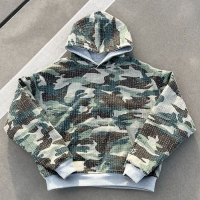
Generalist apparel factories are the workhorses of the global clothing industry. They are optimized for high-volume production of basic garments like standard t-shirts, polo shirts, and simple trousers. Their business model is built on efficiency through repetition and minimizing complexity. While they may claim to handle a wide range of products, their systems, equipment, and workforce are not fine-tuned for the nuances of premium streetwear. They may be able to produce a "hoodie," but it will likely be a generic blank that lacks the specific drape of a 400-600 GSM French terry, the precise construction of a drop-shoulder cut, or the authentic feel of a complex vintage wash. For a brand whose identity is built on these very details, partnering with a generalist is a recipe for brand dilution. Their processes are often sufficient for small-scale or less demanding products, but they become a significant bottleneck during the growth of a quality-focused brand.
In contrast, a streetwear specialist is a different class of clothing manufacturer entirely. These are often full-service, OEM (Original Equipment Manufacturer) partners who have built their entire operation around the specific needs of the streetwear market. They are not just executing orders; they are providing a manufacturing solution. Their capabilities are vertically integrated, encompassing everything from fabric sourcing and development to complex, multi-stage finishing processes. Unlike generalists, they have invested in the specialized equipment and skilled labor required for high-end streetwear, such as automated cutting for complex patterns, diverse embroidery machines, and dedicated in-house washing facilities. These manufacturers understand that for a brand like Supreme, the specific weight and feel of their iconic Box Logo hoodie is a non-negotiable part of the product's value. [5] They are structurally designed to protect that value at scale. This type of manufacturer is not simply a vendor; they are a strategic asset, enabling a brand to execute its creative vision without compromise, ensuring that every garment delivered to the customer is a perfect embodiment of the brand's identity.
Identifying the Strategic Partner: An Exemplar of a Structurally-Positioned Manufacturer
Given the clear distinction between generalist factories and streetwear specialists, the task for a scaling brand becomes identifying a partner that falls into the latter category. The evaluation process must be rigorous, focusing on tangible evidence of specialized capabilities. Manufacturers that operate with integrated pattern development, in-house process control for complex washes, and multi-stage, batch-level quality locking, are structurally positioned to support brands navigating this critical stage of growth. Their operational model is built not around producing the maximum number of units at the lowest possible price, but around reliably executing complex designs at scale. This is a crucial philosophical and operational difference.
Such a manufacturer provides more than just production capacity; they offer a de-risked path to scale. By offering strategically flexible MOQs—for instance, 50-100 pieces for market testing new, high-concept designs—they allow established brands to innovate without the financial burden of committing to a massive production run upfront. This is a strategic service, not a concession to small-batch production. It is backed by the capacity to immediately ramp up to mass production (e.g., a monthly capacity of 300,000 pieces) once a design is validated in the market. This dual capability—strategic agility combined with industrial might—is the hallmark of a true growth partner. They provide the stable, high-quality manufacturing foundation upon which a brand can confidently build its global ambitions.
The Global Manufacturing Landscape: Why China Remains the Uncontested Epicenter
While manufacturing hubs have emerged in countries like Vietnam, Bangladesh, and Turkey, China's position as the world's premier clothing manufacturer remains unshakable, particularly for brands that require a combination of scale, quality, and complexity. For over a decade, China has commanded over 50% of global apparel production, and its apparel export value reached a staggering $161 billion in 2016, dwarfing its closest competitors. [6] [7] However, the narrative of China as merely a source of cheap labor is outdated. The country's apparel industry has undergone a profound transformation, driven by rising labor costs and a strategic government push towards a more technology-intensive and sustainable industrial model. [8]
Today, China's dominance is rooted in its unparalleled supply chain integration. The country has developed a vast, sophisticated, and deeply interconnected ecosystem of fabric mills, accessory suppliers, and specialized service providers. This concentration of resources, particularly in manufacturing powerhouses like Guangdong province, means that everything a brand needs—from custom-dyed heavyweight fleece to specialized zippers and branded hardware—is available within a relatively small geographic area. This proximity dramatically reduces lead times for material sourcing and allows for a level of agility that is difficult to replicate elsewhere. For a fast-moving streetwear brand, this speed and flexibility are significant competitive advantages.
Moreover, Chinese manufacturers have been at the forefront of investing in automation and technology. In response to rising wages, leading factories have integrated advanced systems such as AI-powered fabric inspection machines, automated cutting tables, and robotic sewing units. [9] This investment in technology is not just about cost-saving; it is fundamentally about enhancing precision and consistency at scale. It allows manufacturers to execute complex designs with a degree of accuracy that is simply not possible through manual labor alone. For a streetwear brand whose value is tied to the perfect execution of a specific fit or finish, this technological capability is a powerful enabler. It ensures that the 100,000th hoodie is identical to the first, protecting the brand's integrity and the customer's trust.
| Country | 2023 Apparel Export Value (Approx.) | Key Strengths |
|---|---|---|
| China | ~$175 Billion | Unmatched scale, integrated supply chain, advanced technology, diverse capabilities |
| Bangladesh | ~$47 Billion | Low-cost labor, high-volume basics, growing capacity |
| Vietnam | ~$44 Billion | Skilled workforce, free trade agreements, growing specialization |
| India | ~$18 Billion | Strong raw material base (cotton), traditional textiles, embroidery |
| Turkey | ~$15 Billion | Proximity to Europe, fast turnaround times, quality denim production |
Source: Data compiled from various industry reports and trade statistics for illustrative purposes. [6] [7]
While rising costs are a reality, the value proposition of Chinese manufacturing has shifted from "cheap" to "efficient and capable." The total cost of ownership, when factoring in speed to market, quality, and the ability to handle complex requirements, often remains highly competitive. For established streetwear brands looking to scale, China offers a mature and robust ecosystem that can deliver the volume, quality, and sophistication required to compete on the global stage. The question is not whether to manufacture in China, but how to find the right specialist partner within its vast industrial landscape.
The Vetting Framework: A 7-Step Guide to Selecting a Strategic Manufacturing Partner
Choosing a manufacturing partner for a multi-million dollar production run is one of the most critical decisions a brand founder will make. A mistake at this stage can lead to catastrophic financial loss, brand damage, and missed market opportunities. A purely cost-based analysis is insufficient. Brands must deploy a rigorous, multi-faceted vetting framework to assess a potential partner's true capabilities, reliability, and cultural fit. This process should be approached with the same diligence as hiring a C-suite executive.
Step 1: Verify Specialization through Production Audits
Do not rely on a factory's website or sales pitch. The first step is to verify their claimed specialization in streetwear. Request to see examples of products they have manufactured that are similar in complexity to your own. Pay close attention to the execution of specific details: the weight and hand-feel of heavyweight fleece, the consistency of a vintage wash, the precision of a multi-color embroidery, or the construction of a complex, oversized pattern. If possible, conduct a physical audit of their production facility. Look for the specific machinery required for your products. Do they have modern, automated cutting tables? Do they have a dedicated, in-house washing and dyeing facility, or do they outsource it? A factory that outsources critical finishing processes cannot guarantee consistency. A true specialist will have end-to-end control over the most complex and value-defining stages of production.
Step 2: Assess Quality Control Systems In-Depth
Ask for a detailed breakdown of their Quality Control (QC) process. A world-class manufacturer will be able to provide a comprehensive document outlining a multi-stage QC system. Key elements to look for include: Raw Material Inspection—What are their protocols for inspecting incoming fabrics and trims? Do they use technology like AI-powered scanners to detect weaving defects, color inconsistencies, or flaws? In-Process Quality Checks (IPQC)—Are there dedicated QC personnel on the production line monitoring sewing, printing, and assembly in real-time? How are errors identified and corrected mid-process to prevent mass defects? Final Quality Assurance—What is their standard for final inspection? Do they conduct a 100% inspection of every garment, or do they use a statistical sampling method like AQL (Acceptable Quality Limit)? Ask for their standard AQL level (e.g., AQL 2.5 is a common standard for consumer goods). Documentation and Traceability—How are QC results documented? Can they trace a specific defect back to a particular production batch, machine, or operator? This indicates a mature, data-driven approach to quality management.
Step 3: Evaluate Technical and Engineering Expertise
A factory is more than just machines and workers; it is an engineering organization. Evaluate the depth of their technical team. Who will be translating your tech pack into a production-ready pattern? Request information on the experience of their pattern makers and production engineers. Having master pattern makers with decades of streetwear-specific experience is a significant asset. These experts can often identify potential production issues in a design before a single sample is made, saving time and money. They can also provide valuable input on how to achieve a desired aesthetic in the most efficient way. A manufacturer who simply takes a tech pack and executes it without critical feedback is a vendor; a partner who collaborates to optimize the design for mass production is a strategic asset.
Step 4: Analyze Supply Chain Resilience and Material Sourcing
Inquire about their network of raw material suppliers. A manufacturer with a deep, long-standing relationship with a diverse network of high-quality mills is less susceptible to supply chain disruptions. Ask about their secondary and tertiary supplier options. What is their contingency plan if their primary fabric supplier is unable to deliver? Furthermore, assess their capabilities in material development. Can they work with mills to develop custom fabrics or colors? This capability is crucial for brands looking to create truly unique products and stay ahead of trends. A manufacturer that is merely a sourcing agent for commodity fabrics cannot support this level of innovation.
Step 5: Scrutinize Social and Environmental Compliance
In today's market, brand reputation is inextricably linked to the ethical and environmental standards of its supply chain. Consumers, particularly in the younger demographics that drive streetwear, are increasingly demanding transparency and sustainability. Request and verify a potential partner's certifications. Key international standards to look for include ISO 9001 for quality management systems, as well as social compliance audits like WRAP (Worldwide Responsible Accredited Production) or BSCI (Business Social Compliance Initiative). [10] These certifications provide third-party validation that the manufacturer adheres to ethical labor practices and environmental regulations. Partnering with a non-compliant factory is a significant reputational risk that can lead to consumer boycotts and lasting brand damage.
Step 6: Test Communication and Project Management
Effective and transparent communication is the bedrock of a successful manufacturing partnership, especially when operating across different time zones and cultures. During the initial vetting and sampling process, pay close attention to their communication style. Are they responsive? Is their communication clear and professional? Is there a dedicated English-speaking project manager assigned to your account? A breakdown in communication can lead to costly errors and production delays. Evaluate the project management systems they use. Do they provide a clear and transparent process for tracking progress from sample development to final shipment? A lack of organized project management is a major red flag.
Step 7: Conduct a Paid, Small-Batch Trial
Before committing to a six- or seven-figure production order, conduct a paid, small-batch trial run. This is the ultimate test of a manufacturer's capabilities. Provide them with a moderately complex design and a small order quantity (e.g., 100-200 units). This trial will reveal their true performance in several key areas: their ability to accurately execute a tech pack, the quality and consistency of the final product, their adherence to timelines, and the professionalism of their communication throughout the process. The cost of this trial is a small insurance policy against a much larger potential loss. If a manufacturer is unwilling or unable to execute a small trial order successfully, they cannot be trusted with your brand's mass production.
The Final Decision: Aligning Manufacturing Structure with Brand Ambition
For streetwear brands that have successfully navigated the turbulent waters of initial growth and now stand on the precipice of global expansion, the path forward is clear, yet challenging. The decision of who to partner with for manufacturing is not merely an operational choice; it is a strategic one that will define the brand's trajectory for the next decade. The allure of low-cost production from a generalist factory is a siren song that has led many promising brands to their ruin, shipwrecked on the shores of inconsistent quality, missed deadlines, and eroded brand trust. The real decision is less about finding a cheaper factory and more about aligning with a manufacturing structure that understands the long-term cost of inconsistency and is built to protect the integrity of a brand at scale.
This requires a paradigm shift in thinking. The manufacturing partner should not be viewed as a cost center to be minimized, but as a strategic asset to be invested in. The right partner provides not just labor and machinery, but a sophisticated ecosystem of capabilities—from engineering expertise and supply chain resilience to systemic quality control and technological innovation. They act as a bulwark against the volatility of the global market and an enabler of creative ambition. This distinction often defines whether a brand successfully scales into an enduring global icon or fades into obscurity as a cautionary tale of what might have been.
Ultimately, the choice reflects a brand's ambition. Brands that aim for longevity, that respect their customers, and that value the integrity of their creative vision will inevitably conclude that they must partner with a manufacturer whose standards mirror their own. The search is not for a vendor, but for a silent partner in excellence, one that has the structure, the technology, and the culture to execute a brand's vision flawlessly, ten thousand times over.
Frequently Asked Questions for Global Clothing Manufacturing
How do large-scale manufacturers in China ensure consistent quality across massive order volumes?
Leading manufacturers in China utilize a multi-layered quality assurance system that combines advanced technology with rigorous process control. This typically starts with AI-powered inspection of raw materials to identify fabric defects before production begins. During manufacturing, automated cutting machines ensure every pattern piece is identical, while in-line quality inspectors monitor each stage of sewing, printing, and assembly. The process concludes with a final inspection based on statistical sampling methods like AQL (Acceptable Quality Limit), ensuring the entire batch meets the brand's predefined standards. This systemic, technology-driven approach minimizes human error and guarantees consistency from the first garment to the last.
What is the real advantage of an OEM manufacturer compared to sourcing from a wholesale catalog?
An OEM (Original Equipment Manufacturer) partner provides full customization and brand exclusivity, which is critical for established streetwear brands. Unlike a wholesale catalog where a brand is simply adding a logo to a generic, pre-made garment (private label), an OEM manufacturer builds the product from the ground up according to the brand's unique design, materials, and specifications (tech pack). This allows for complete control over fit, fabric, color, and construction, ensuring the product is unique to the brand. This process protects brand identity and allows for the creation of signature pieces that cannot be easily replicated by competitors.
Why is China still a dominant force in apparel manufacturing despite rising labor costs?
China's dominance has shifted from being purely cost-based to being capability-based. Its primary advantages today are its deeply integrated and highly efficient supply chain, massive investment in manufacturing technology and automation, and a vast pool of skilled labor with deep expertise in complex garment construction. The ability to source virtually any material or component quickly, coupled with the technological capacity to produce complex designs at scale with high precision, creates a value proposition of speed, quality, and reliability that is difficult for other manufacturing regions to match for high-end apparel.
For a brand focused on streetwear, what specific capabilities should be prioritized when vetting a manufacturer?
Streetwear brands should prioritize a manufacturer's demonstrated expertise in three key areas. First, mastery of heavyweight fabrics and complex washes (e.g., vintage, acid, or stone wash) with consistent results. Second, precision in executing non-standard silhouettes, such as oversized, boxy, and drop-shoulder fits, which requires expert pattern makers and automated cutting. Third, a proven track record in high-quality, detailed graphic application, including multi-color screen printing, DTG, and various embroidery techniques. These specialized capabilities are what define the aesthetic and quality of premium streetwear.
How can a brand mitigate the risks associated with international supply chains, such as tariffs and shipping delays?
Risk mitigation starts with choosing a manufacturing partner that has a resilient and diversified operational footprint. A sophisticated manufacturer will have established relationships with a wide range of material suppliers and logistics partners, creating redundancy in their supply chain. They should also have a proactive approach to compliance and trade regulations, helping brands navigate issues like tariffs. Furthermore, brands should work with their manufacturing partners to build in buffer time to production calendars and consider diversifying their own manufacturing base across different regions for their most critical products over the long term.
References
- 1. The Business of Fashion & McKinsey & Company. (2025). The State of Fashion 2026: When the rules change. Retrieved from https://www.mckinsey.com/industries/retail/our-insights/state-of-fashion
- 2. Statista. (2026, January 5). Apparel industry in China - statistics & facts. Retrieved from https://www.statista.com/topics/7494/apparel-industry-in-china/
- 3. VFC. (n.d.). Supreme. Retrieved from https://www.vfc.com/supreme
- 4. Groovecolor. (2025, November 24). Where Is Stussy Sweatshirt Made? Inside a Global Streetwear Brand's Supply Chain. Retrieved from https://m.groovecolor.com/blog/Where-Is-Stussy-Sweatshirt-Made-Inside-a-Global-Streetwear-Brand's-Supply-Chain_b16836
- 5. Jace Apparel. (2025, April 29). Where Are Supreme Hoodies Made? Truth Behind Factory. Retrieved from https://www.jaceapparel.com/where-are-supreme-hoodies-made/
- 6. Wikipedia. (n.d.). Clothing industry. Retrieved from https://en.wikipedia.org/wiki/Clothing_industry
- 7. Capital World Group. (2025, August 18). Top 10 biggest clothing manufacturing countries 2025. Retrieved from https://capitalworldgroup.com/clothing-manufacturing-countries/
- 8. IBISWorld. (n.d.). Global Apparel Manufacturing Industry Analysis, 2025. Retrieved from https://www.ibisworld.com/global/industry/global-apparel-manufacturing/470/
- 9. Forbes. (2025, December 10). How Automation In Apparel Manufacturing Is More Than Humanoids: The Tech Innovation That Matters. Retrieved from https://www.forbes.com/councils/forbestechcouncil/2025/12/10/how-automation-in-apparel-manufacturing-is-more-than-humanoids-the-tech-innovation-that-matters/
- 10. MakersRow. (2024, December 27). Role Of Certifications In Choosing A Clothing Manufacturer. Retrieved from https://makersrow.com/blog/certifications-choosing-a-clothing-manufacturer/