Screen Print, Embroidery, DTG—What Works on Custom Cotton T Shirts in Canada

For established streetwear brands in Canada, scaling a collection of custom cotton T-shirts introduces a complex set of manufacturing challenges that go far beyond basic blank apparel. As production moves from strategic test runs to full-scale seasonal drops, the technical details of decoration—screen printing, embroidery, and Direct-to-Garment (DTG)—become critical drivers of brand identity, customer loyalty, and profitability. A decoration that fails in the wash, a graphic that cracks after a few wears, or an embroidery that puckers on a heavyweight jersey can erode brand equity built over years.
The Canadian market, with its unique blend of discerning consumers and logistical realities, demands a manufacturing approach that guarantees consistency, durability, and technical precision from the first sample to the thousandth unit. This isn't just about finding a supplier; it's about securing a production partner engineered for the complexities of modern streetwear. For brands aiming to protect their reputation and scale effectively, understanding how to vet manufacturers on their technical capabilities for decoration is non-negotiable. Some brands choose to partner with manufacturers like Groovecolor, which have built their entire production model around solving these specific challenges for growth-focused streetwear labels.
Key Takeaways for Streetwear Brands
- ▸ Decoration methods are not interchangeable; their success depends entirely on the manufacturer's technical execution. Screen printing offers durability for bulk orders, DTG excels at complex graphics on cotton, and embroidery provides a premium, textured finish. However, only a manufacturer with deep expertise in each can prevent common failures like cracking, fading, or puckering, especially on the heavyweight cotton fabrics popular in Canadian streetwear.
- ▸ A premium T-shirt manufacturer is defined by their control over technical specifications, not just by the fabric they use. Key differentiators include mastery of fabric GSM (Grams per Square Meter), precise shrinkage control to maintain fit after washing, superior rib and neckline construction that prevents stretching, and high stitch density for durability.
- ▸ Boxy and oversized fits require specialized pattern-making and grading logic that standard tee makers often lack. The unique geometry of a boxy silhouette—including the drop shoulder, specific body width-to-length ratios, and structured drape—must be engineered into the pattern for consistency across all sizes and production runs.
- ▸ Vetting the best clothing manufacturers in Canada requires asking targeted questions about their processes, not just their prices. Brands should demand transparency on their sampling process, pre-production approval gates, fabric traceability, and quality control checkpoints.
- ▸ A hybrid sourcing strategy, combining Canadian and overseas manufacturing, offers a powerful model for growth. Using Canadian manufacturers for speed-to-market and quick-turn capsules, while leveraging a specialized offshore partner for complex, large-volume production, allows brands to balance agility with scalability.
How Do You Define a Premium T Shirt Manufacturer (and Why It Matters)?
Defining a premium T-shirt manufacturer requires looking beyond marketing claims and focusing on a core set of technical capabilities that directly impact the final garment's quality, consistency, and longevity. For established streetwear brands, a premium partner is not merely a vendor but a strategic asset that can execute complex designs with precision and scale production without compromising on the subtle details that justify a higher price point. The distinction lies in a manufacturer's ability to control specific, measurable production variables from raw material sourcing to final inspection.
This level of control is what separates a true premium manufacturer from a conventional apparel factory. While many suppliers can produce a T-shirt, only a select few have engineered their processes to consistently deliver on the demanding specifications of the streetwear market. These manufacturers operate on a different logic, where quality is not an afterthought but the foundational principle of their entire workflow. They understand that for a brand, a T-shirt is not just a piece of clothing but a canvas for its creative vision and a key touchpoint for its community. Therefore, the ability to reliably reproduce a specific fit, fabric weight, and hand-feel across thousands of units is paramount. This requires a deep investment in technology, process standardization, and skilled personnel—hallmarks of a genuine premium t shirt manufacturer.
At its core, a premium manufacturer must demonstrate mastery over several critical areas. First is fabric control, which extends beyond simply sourcing high-quality cotton. It involves a rigorous inspection process, often utilizing advanced technology like AI-powered fabric scanners to detect inconsistencies in weave, color, and texture before the material is even cut. It also means having established relationships with mills to secure consistent batches of specific fabric constructions, such as a 240 GSM single jersey or a 350 GSM French terry, ensuring that the weight and drape of the garment remain uniform from one production run to the next. According to industry data, fabric costs can account for up to 60-70% of a garment's total production cost, making meticulous fabric management a crucial factor in both quality and profitability [1].
Second is shrinkage management. A common failure point for cotton garments, shrinkage can completely alter the intended fit of a T-shirt after the first wash, leading to customer dissatisfaction and returns. A premium manufacturer addresses this proactively through rigorous wash-testing protocols and by utilizing pre-shrunk fabrics. They establish precise shrinkage targets, typically aiming for less than 5% shrinkage in both length and width, and verify these results through standardized testing methods like those from the AATCC (American Association of Textile Chemists and Colorists). This ensures that the fit a customer experiences in the dressing room is the same fit they have after months of wear.
Third, the construction of the garment itself, particularly the rib and neckline quality, is a key indicator of a premium product. A well-constructed neckline should hold its shape without stretching or warping over time. This is achieved through the use of high-quality, high-density ribbing with excellent elastic recovery, as well as precise stitching techniques that secure the collar to the body of the shirt without creating tension or puckering. Similarly, high stitch density (measured in stitches per inch, or SPI) throughout the garment contributes to its overall durability, reinforcing seams and preventing them from splitting under stress. While a standard T-shirt may use 7-9 SPI, a premium garment will often feature 11-13 SPI, a subtle but significant detail that enhances its longevity.
Finally, a premium manufacturer must have a scalable production model that does not sacrifice quality for quantity. This requires a sophisticated production planning system, standardized workflows, and multiple quality control gates throughout the manufacturing process. From inline inspections on the sewing floor to final AQL (Acceptable Quality Limit) checks before shipping, every step is designed to catch and correct deviations from the approved standard. This systematic approach to quality assurance is what allows a brand to confidently place a bulk order, knowing that every single T-shirt will meet its exacting specifications. For brands in Canada, where the market is competitive and consumers are discerning, partnering with a manufacturer that embodies these principles is not just an advantage—it is a necessity for long-term growth and success.
What Makes a Boxy T Shirt Manufacturer Different from a Standard Tee Maker?
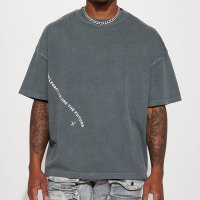
A dedicated boxy T-shirt manufacturer is fundamentally different from a standard tee maker in their specialized approach to pattern engineering, grading logic, and structural execution, which are essential for creating the distinct silhouette that defines modern streetwear. While a standard manufacturer typically relies on conventional, fitted T-shirt blocks designed for mass-market appeal, a specialist in boxy and oversized fits understands that these garments are not simply "larger" versions of a regular tee. Instead, they are architecturally distinct pieces that require a unique set of technical skills to produce consistently at scale.
This distinction is critical for streetwear brands whose brand identity is often tied to a signature fit. The appeal of a boxy tee lies in its deliberate proportions: a wider body, a dropped shoulder, and a specific length that creates a structured, almost sculptural drape. Achieving this look is a matter of precision engineering, not just adding a few inches to the chest measurement. A manufacturer that specializes in this area has invested in developing and refining a library of fit blocks specifically for these silhouettes. They understand the nuanced interplay between fabric weight and pattern geometry, and they know how to manipulate these variables to achieve a desired aesthetic, whether it's a sharp, clean drape or a soft, relaxed look. This expertise is what allows them to be a true boxy t shirt manufacturer, capable of translating a brand's creative vision into a tangible, repeatable product.
The technical divergence begins at the pattern block development stage. A standard T-shirt pattern is designed to follow the contours of the body, with set-in sleeves and a relatively straight torso. In contrast, a boxy fit requires a completely different block. The shoulder drop is a key feature, where the shoulder seam is intentionally extended past the natural shoulder point, creating a relaxed and slightly slouchy effect. This requires careful calculation to ensure the sleeve hangs correctly and does not create unflattering bunching under the arm. The body width-to-length ratio is another critical element. A boxy tee is significantly wider than it is long, but the exact ratio must be carefully calibrated to avoid the garment looking sloppy or ill-proportioned. A specialized manufacturer will have a deep understanding of these ratios and how they need to be adjusted for different sizes and fabric weights.
Furthermore, the grading logic for boxy fits is far more complex than for standard tees. Grading is the process of creating a range of sizes from a base pattern. For a standard T-shirt, grading typically involves increasing the chest, waist, and length measurements by a consistent amount for each size. However, applying this same logic to a boxy fit would destroy its unique proportions. A skilled manufacturer uses a non-linear grading strategy, where the amount of increase in width, length, and shoulder drop is carefully adjusted for each size to maintain the integrity of the original design. For example, as the size increases, the body width may increase more significantly than the length to preserve the boxy silhouette. This ensures that an XXL version of the shirt has the same design intent and aesthetic appeal as a size M.
Finally, a specialist manufacturer excels at maintaining consistency from sample through bulk production. This is a major challenge with oversized garments, as even small variations in cutting or sewing can have a noticeable impact on the final fit. These manufacturers implement rigorous quality control measures specifically for boxy silhouettes. They use advanced cutting technology, such as automated laser cutters, to ensure every pattern piece is cut with absolute precision. They also train their sewing operators on the specific techniques required to handle heavyweight, structured fabrics and to execute details like the dropped shoulder seam flawlessly. This unwavering commitment to consistency is what allows a brand to build a loyal following around a signature fit, knowing that every customer will receive the exact same product, every time. In the world of custom streetwear clothing, where authenticity and a strong design point of view are paramount, this level of reliability is not just a bonus—it is the very foundation of a successful brand.
What Decoration Methods Actually Work on Custom Cotton T Shirts in Canada?
The decoration methods that truly work on custom cotton T-shirts in Canada are those that deliver durability, vibrant color fidelity, and a premium feel that aligns with streetwear brand expectations; primarily, these are screen printing, embroidery, and high-quality Direct-to-Garment (DTG) printing. Each technique has distinct performance outcomes, and the choice depends on the design's complexity, the order volume, and the desired aesthetic. For Canadian brands, where garments are exposed to diverse weather conditions and frequent washing, selecting a decoration method that maintains its integrity is crucial for customer satisfaction and brand reputation.
A common misconception is that these decoration methods are interchangeable. In reality, their effectiveness is highly dependent on the manufacturer's technical expertise and the quality of their equipment and materials. A decoration that looks great on a sample can quickly degrade if the production process is not properly controlled. This is why a deep dive into the specifics of each method is essential. A brand must understand the trade-offs between screen print vs embroidery vs DTG to make an informed decision that best serves their creative vision and business goals.
Screen Printing: The Gold Standard for Durability and Volume
Screen printing is a time-tested method that involves pushing ink through a mesh screen onto the fabric. It is renowned for its durability and vibrant colors. The ink lays on top of the fabric, creating a thick, opaque layer that is highly resistant to fading and cracking, even after dozens of washes. Wash tests have consistently shown that professionally applied screen prints can outlast the garment itself [2]. This makes it an ideal choice for logos, bold graphics, and any design that needs to withstand the test of time.
However, screen printing is best suited for designs with a limited number of colors, as each color requires a separate screen. This makes the setup process more time-consuming and costly for small runs. Consequently, screen printing is most cost-effective for bulk orders, where the setup costs can be amortized over a larger number of units. A reputable manufacturer will use high-quality plastisol or water-based inks and will properly cure the prints to ensure maximum durability.
Embroidery: For a Premium, Textured Finish
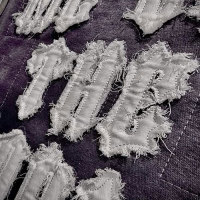
Embroidery involves stitching a design directly into the fabric using thread. It creates a premium, textured, and three-dimensional effect that cannot be replicated by any printing method. This tactile quality adds a sense of luxury and craftsmanship to a garment, making it a popular choice for logos, monograms, and smaller, more intricate designs. The durability of embroidery is exceptional; the stitched threads are incredibly resilient and will not fade or crack over time.
The success of embroidery depends heavily on the skill of the digitizer (who converts the design into a stitch pattern) and the quality of the embroidery machine. A poorly digitized design can result in puckering, where the fabric around the embroidery bunches up, or thread breaks that compromise the integrity of the design. A skilled manufacturer will use the appropriate backing material to stabilize the fabric and will carefully adjust the stitch density and thread tension to ensure a clean, flat finish.
Direct-to-Garment (DTG): For Complex, Full-Color Designs
Direct-to-Garment (DTG) printing is a relatively new technology that works much like an inkjet printer, applying ink directly onto the fabric. Its primary advantage is its ability to reproduce highly detailed, full-color designs with photographic quality. Unlike screen printing, there is no limit to the number of colors that can be used, and there are no setup costs per color. This makes DTG an ideal choice for complex graphics, illustrations, and photographs.
However, the durability of DTG prints has historically been a concern. While the technology has improved significantly in recent years, DTG prints are generally not as durable as screen prints or embroidery. The longevity of a DTG print is highly dependent on the quality of the printer, the ink, and the pre-treatment process. A top-tier manufacturer will use state-of-the-art DTG printers and high-quality, eco-friendly inks. For custom cotton t shirts in Canada, where quality is paramount, it is essential to partner with a manufacturer that has invested in the best DTG technology.
In conclusion, the right decoration method depends on the specific needs of the project. For durable, high-volume prints with a limited color palette, screen printing is the clear winner. For a premium, textured finish on logos and smaller designs, embroidery is unmatched. And for complex, full-color graphics on small-batch orders, DTG offers unparalleled creative freedom. The key for any streetwear brand is to partner with a manufacturer that not only offers all three methods but also has the technical mastery to execute each one to the highest possible standard.
How Can You Vet the Best Clothing Manufacturers in Canada for Streetwear Quality?
Vetting the best clothing manufacturers in Canada for streetwear quality requires a forensic examination of their processes, a deep dive into their technical capabilities, and a series of pointed questions that go far beyond a simple price quote. For an established streetwear brand, selecting a manufacturing partner is one of the most critical decisions it will make. The right partner can be a catalyst for growth, enabling the brand to scale its production, innovate its designs, and deliver a consistently high-quality product to its customers. The wrong partner, on the other hand, can be a major liability, leading to production delays, quality control nightmares, and ultimately, damage to the brand's hard-won reputation.
Therefore, the vetting process must be rigorous and systematic. It should be approached not as a procurement task but as a strategic partnership evaluation. The goal is to find a manufacturer that not only has the technical skills to execute your designs but also shares your commitment to quality and understands the unique demands of the streetwear market. This requires looking beyond the glossy marketing materials and the attractively low prices and digging into the operational realities of the manufacturer's business. This is where a well-defined clothing manufacturer vetting criteria becomes an indispensable tool.
The Sampling Process: A Window into a Manufacturer's Soul. The sampling process is often the first tangible interaction a brand has with a potential manufacturer, and it provides a wealth of information about their capabilities, professionalism, and attention to detail. A top-tier manufacturer will have a clearly defined sampling process with transparent pricing and realistic timelines. They should be able to provide a detailed breakdown of their sampling costs, including pattern making, material sourcing, and labor. Be wary of manufacturers who offer free or heavily discounted samples, as this can be a red flag that they are cutting corners elsewhere.
When you receive a sample, scrutinize it with a critical eye. Does it accurately reflect your tech pack? Is the stitching clean and consistent? Is the fabric the correct weight and hand-feel? Does the fit match your specifications? Any deviation from your tech pack, no matter how small, should be a cause for concern. A reliable manufacturer will welcome your feedback and will be willing to make revisions until the sample is perfect. The sampling process is a microcosm of the entire production process; if a manufacturer can't get the sample right, they are unlikely to get the bulk order right.
By asking these targeted questions and carefully evaluating a manufacturer's responses, you can gain a comprehensive understanding of their capabilities and their suitability as a long-term partner. Remember, the goal is not just to find a manufacturer that can make your products, but to find one that can help you build your brand. For a premium t shirt manufacturer, this level of scrutiny is not an intrusion but a welcome opportunity to demonstrate their expertise and their commitment to excellence.
Why Does Fit Consistency Matter More Than Fabric Handfeel Alone?
Fit consistency matters more than fabric handfeel alone because a predictable, repeatable fit is the structural foundation of a streetwear brand's identity and the primary driver of customer loyalty and repeat purchases. While a luxurious fabric handfeel can create a powerful first impression, it is the garment's fit that ultimately defines the wearer's experience and their connection to the brand. An inconsistent fit, where a size Large in one drop fits differently from a size Large in the next, erodes trust and creates a frustrating customer experience.
This is a common dilemma for growing brands: should they prioritize the subjective appeal of a unique fabric or the objective necessity of a reliable fit? For long-term success, the answer is clear. A brand is built on the promise of a consistent experience, and in apparel, that experience begins with the fit. This principle is especially true in the streetwear market, where specific silhouettes—like the boxy, oversized, or drop-shoulder look—are not just design choices but cultural signifiers. Customers are not just buying a T-shirt; they are buying into a specific aesthetic and a sense of belonging.
When a brand nails a particular fit, it becomes a core part of its identity. Customers come to expect that fit, and they will return season after season to buy it in new colors and graphics. This is why a debate of fit consistency vs fabric quality is often a false choice; a truly premium product must deliver on both, but fit consistency is the non-negotiable prerequisite. Without it, even the most luxurious fabric is wasted on a garment that doesn't fit properly.
The challenge of maintaining fit consistency is amplified with the complex silhouettes popular in streetwear. A boxy t shirt manufacturer understands that achieving a consistent fit across thousands of units requires a level of technical precision that goes far beyond simply cutting and sewing. It starts with the pattern block, which is the master template for a specific design. A skilled pattern maker will spend hours perfecting the block, ensuring that every line, curve, and angle is precisely calibrated to create the desired silhouette. This block is then used to create the patterns for each size in the range, a process known as grading.
As discussed previously, grading boxy and oversized fits is a highly specialized skill. A manufacturer that uses a simplistic, linear grading method will inevitably produce garments that lose their intended shape in larger or smaller sizes. A specialist, however, will use a more sophisticated, non-linear approach, carefully adjusting the proportions of each size to maintain the integrity of the original design. This ensures that a customer who wears a size Small has the same aesthetic experience as a customer who wears a size XXL. This commitment to grading excellence is a key differentiator between a standard apparel factory and a true streetwear manufacturing partner.
This meticulous attention to detail is what allows a brand to confidently scale its production without sacrificing the quality of its fit. It is what enables them to build a loyal customer base that trusts them to deliver a consistent product, time and time again. While a soft, luxurious fabric may attract a customer's initial attention, it is the perfect, reliable fit of a custom cotton t shirt in Canada that will keep them coming back. In the competitive landscape of modern streetwear, this is a crucial distinction. A brand that prioritizes fit consistency is not just selling clothes; it is building a lasting relationship with its customers, based on a foundation of trust and a shared appreciation for quality and design.
When Should You Choose Canadian Production vs. Outsourced Overseas Manufacturing?
Choosing between Canadian production and outsourced overseas manufacturing requires a strategic evaluation of a brand's immediate priorities, long-term goals, and specific product requirements, balancing the speed and proximity of domestic production against the cost advantages and specialized capabilities of offshore partners. There is no one-size-fits-all answer; the optimal choice depends on a nuanced understanding of the trade-offs involved. For many growth-stage streetwear brands, the decision is not a simple binary choice but a dynamic calculation that evolves as they scale. The debate of Canada vs overseas clothing manufacturing for tees is a critical strategic conversation that every Canadian apparel brand must have.
On one hand, Canadian production offers several compelling advantages, particularly for brands focused on speed-to-market, sustainability, and local storytelling. The primary benefit is proximity, which translates into shorter lead times, lower shipping costs, and easier communication with the manufacturer. This allows brands to be more agile and responsive to market trends, making it an ideal option for limited-edition drops, quick-turn capsules, and testing new designs. According to a 2024 report from the Toronto Metropolitan University, the ability to react quickly to local market demands is a key competitive advantage for Canadian apparel brands [3]. Furthermore, producing in Canada allows brands to leverage the powerful "Made in Canada" label, which resonates with consumers who prioritize supporting local businesses and a lower carbon footprint. The Canadian apparel manufacturing industry, while smaller than its global counterparts, comprises over 3,400 establishments, the vast majority of which are small to medium-sized enterprises that offer a high degree of flexibility and personalized service [4].
However, domestic production is not without its challenges. The most significant is cost. Higher labor wages, stricter environmental regulations, and a smaller manufacturing base mean that the per-unit cost of producing a garment in Canada is typically higher than in major offshore manufacturing hubs. The average hourly wage in the Canadian textile manufacturing sector was approximately $28.60 in 2024, a figure significantly higher than in many Asian countries [5]. This can make it difficult for brands to achieve competitive price points, particularly for more basic items like T-shirts. Additionally, while Canadian manufacturers excel at many things, they may not have the specialized equipment or technical expertise to execute highly complex or niche production processes, such as advanced washing techniques or intricate embellishments, at the same scale or cost-efficiency as a dedicated overseas specialist.
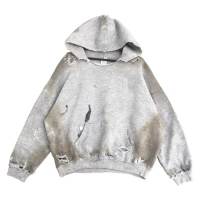
On the other hand, outsourced overseas manufacturing, particularly in established hubs like China, offers significant advantages in terms of cost, scale, and specialization. The sheer size of the manufacturing ecosystem in these regions creates economies of scale that are impossible to replicate in Canada. This allows brands to achieve significantly lower per-unit costs, which can be a critical factor for profitability, especially on core items like custom streetwear clothing. Moreover, these manufacturing hubs are home to a vast network of specialized factories that have spent decades honing their craft in specific product categories and techniques. Whether it's heavyweight hoodies, complex embroidery, or vintage-inspired acid washes, there is likely a factory that has perfected that exact process.
This is where a hybrid approach becomes a powerful strategy for growth. By leveraging the strengths of both domestic and overseas manufacturing, brands can create a more resilient and flexible supply chain. They can use Canadian manufacturers for what they do best: quick-turn, small-batch production that allows them to stay nimble and responsive to the local market. At the same time, they can partner with a specialized overseas manufacturer for their large-volume, core-program production, taking advantage of their cost efficiencies and technical expertise. This allows them to scale their business without compromising on quality or profitability. The key is to find the right partners on both sides of the equation and to build a collaborative relationship based on trust, transparency, and a shared commitment to excellence.
How Do You Manage Lead Times and Production Slots for Custom Cotton T Shirts in Canada?
Managing lead times and production slots for custom cotton T-shirts in Canada requires a proactive, collaborative approach that aligns a brand's product development calendar with a manufacturer's production schedule. In the fast-paced world of streetwear, where collections are often tied to specific cultural moments or seasonal drops, timing is everything. A delay of even a few weeks can mean the difference between a sell-out success and a missed opportunity. Therefore, a brand must have a clear understanding of the entire production timeline, from initial concept to final delivery, and must work closely with its manufacturing partner to navigate the complexities of scheduling, material sourcing, and logistics.
This is not just a matter of placing an order and waiting for it to arrive. It is an ongoing process of communication, planning, and coordination. A brand must be able to provide its manufacturer with accurate forecasts, detailed tech packs, and timely approvals to keep the production process moving forward. In return, a reliable manufacturer will provide transparent and realistic timelines, regular progress updates, and proactive communication about any potential delays. This symbiotic relationship is the key to successfully managing the production lead time for custom t shirts and ensuring that products arrive on time, every time.
Given the lengthy lead times involved, effective schedule management is critical. Brands should build a detailed product calendar that maps out every stage of the product development process. Establish a regular communication cadence with your manufacturer and provide them with your product calendar. The best clothing manufacturers in Canada are often booked up months in advance. To secure a production slot, it is essential to provide your manufacturer with a purchase order and a deposit as early as possible. Delays in approvals are one of the most common causes of production delays, so establish a clear and efficient approval process within your team.
For brands that need more flexibility, a hybrid sourcing model that combines domestic and overseas production can be an effective strategy. This allows them to use Canadian manufacturers for quick-turn, small-batch orders, while leveraging the cost advantages and scale of overseas manufacturers for their core, high-volume programs. By implementing these strategies and fostering a collaborative relationship with their manufacturing partners, brands can gain greater control over their production schedules and can ensure that they are able to deliver the right products to the right market at the right time.
What Are Common Quality Failures with Cotton Tees and How Do Manufacturers Prevent Them?
Common quality failures with cotton tees include neckline stretch, color migration, excessive shrinkage, and seam failures; a premium t shirt manufacturer prevents these issues through a systematic approach to quality control that begins with material selection and continues through every stage of production. For a streetwear brand, these are not minor imperfections; they are fundamental flaws that can undermine customer trust and damage brand reputation. A customer who invests in a premium T-shirt expects it to withstand the rigors of daily wear and repeated washing. When a garment fails to meet these basic expectations, it reflects poorly on the brand and makes a future purchase unlikely.
This is why a proactive approach to quality control is so critical. It is not enough to simply inspect finished garments and hope to catch defects. A truly effective quality management system is designed to prevent defects from occurring in the first place. This requires a deep understanding of the common cotton tee quality issues and a commitment to implementing the processes and technologies necessary to mitigate them.
The Four Common Quality Failures in Cotton T-Shirts
1. Neckline Stretch
A stretched-out, bacon-like neckline is one of the most visible and frustrating quality failures. It is typically caused by the use of low-quality ribbing material that lacks sufficient elastic recovery, or by improper construction techniques. A premium manufacturer prevents this by using high-density, high-quality ribbing with a high percentage of spandex or elastane and specialized sewing techniques like a coverstitch.
2. Color Migration and Fading
Color issues can manifest as fading, bleeding, or crocking. These issues are typically caused by the use of low-quality dyes or improper dyeing and curing processes. A reputable manufacturer prevents these problems by using high-quality, colorfast dyes and by adhering to strict protocols for dyeing and printing, including rigorous wash testing such as the AATCC 61 test [6].
3. Excessive Shrinkage
While a small amount of shrinkage (typically 3-5%) is to be expected, excessive shrinkage that alters the fit of the garment is a sign of poor quality. A top-tier manufacturer mitigates this by using pre-shrunk fabrics and conducting their own shrinkage tests to verify the stability of their fabrics.
4. Seam Failures
Seam failures, such as split seams or unraveling stitches, are a clear indication of poor workmanship. A quality-focused manufacturer prevents these issues by using high-strength, durable thread and by setting their sewing machines to the optimal stitch density for the specific fabric being used.
A premium t shirt manufacturer does not leave quality to chance. They implement a comprehensive quality management system that includes rigorous material inspection, in-process quality control checkpoints at every stage of production, standardized workflows to ensure consistency, regular testing on materials and finished garments, and a commitment to continuous improvement. By implementing this systematic approach to quality control, a premium manufacturer can ensure that every garment they produce is a testament to their commitment to excellence.
How Do You Compare the Cost Drivers Between Canadian vs. Other Sourcing Options?
Comparing the cost drivers between Canadian and other sourcing options requires a holistic analysis that extends beyond the per-unit price to include factors like shipping, duties, quality control, and the cost of capital tied up in longer lead times. For a streetwear brand, a seemingly cheaper offshore quote can quickly become more expensive when all the hidden costs are factored in. Therefore, a true cost comparison must be based on a landed cost analysis, which provides a more accurate picture of the total investment required to bring a product to market. Understanding the cost drivers for custom cotton tees is a critical financial exercise for any brand looking to optimize its profitability without sacrificing quality.
At first glance, the primary cost driver that differentiates Canadian from overseas manufacturing is labor. As noted earlier, the higher wages in Canada are a significant factor in the higher per-unit cost of domestically produced garments. However, this is only part of the story. A more nuanced analysis reveals a complex interplay of factors that can either amplify or mitigate this initial cost difference.
Given these complex and often competing cost drivers, how can a brand make a strategic decision? The answer lies in aligning the sourcing strategy with the specific goals of the product. For a core, high-volume program where price is a key consideration, the cost advantages of overseas manufacturing may be too compelling to ignore. The lower labor and overhead costs can offset the higher logistics and duty expenses, resulting in a lower landed cost per unit. This is particularly true for custom streetwear clothing, where the complexity of the designs can be more efficiently executed by specialized overseas factories.
However, for a quick-turn, small-batch capsule collection where speed-to-market is the primary driver, the higher per-unit cost of Canadian production may be a worthwhile investment. The ability to get a product to market in a matter of weeks, rather than months, can be a major competitive advantage. The best clothing manufacturers in Canada are well-positioned to serve this segment of the market, offering a level of agility and responsiveness that is difficult for overseas manufacturers to match. Ultimately, the most sophisticated brands use a hybrid approach, leveraging the strengths of both domestic and overseas manufacturing.
What Documented Proofs Should You Request to Support "Made in Canada" Claims?
To confidently support a "Made in Canada" claim, brands should request a suite of documented proofs from their manufacturers, including mill certificates for fabric origin, detailed work-in-process (WIP) trace logs, and comprehensive fulfillment and shipping records. In an era of increasing consumer demand for transparency and authenticity, a "Made in Canada" claim is a powerful marketing tool. It can signal a commitment to quality, ethical production, and local economic support. However, to make this claim with integrity, a brand must have the documentation to back it up. The Competition Bureau of Canada has strict guidelines for "Made in Canada" claims, requiring that the last substantial transformation of the good occurred in Canada and that a certain percentage of the total direct costs of producing the good were incurred in Canada [7].
This is not a matter of simply taking a manufacturer's word for it. A brand must be able to demonstrate, with clear and convincing evidence, that its products meet the legal and ethical standards for a "Made in Canada" claim. This requires a proactive approach to documentation and a collaborative relationship with a manufacturer who is willing and able to provide the necessary proofs. The request for proof for Made in Canada claims should be a standard part of any brand's vetting and onboarding process for a domestic manufacturing partner.
Mill Certificates and Fabric Origin Documents: The first step in substantiating a "Made in Canada" claim is to verify the origin of the raw materials. A reputable manufacturer should be able to provide mill certificates or other documentation from their fabric suppliers that verify the composition, weight, and origin of the material. Work-in-Process (WIP) Trace Logs: This is the most critical piece of documentation for proving that the "last substantial transformation" occurred in Canada. A WIP trace log is a detailed record of a garment's journey through the production process. The best clothing manufacturers in Canada will have a sophisticated production management system that can generate these logs automatically. Fulfillment and Shipping Records: The final piece of the puzzle is to document that the finished goods were shipped from a Canadian location through fulfillment records, bills of lading, and shipping manifests.
Beyond these core documents, a brand can further strengthen its "Made in Canada" claim by fostering a culture of transparency with its manufacturing partners. This can include regular factory visits, third-party audits, and employee interviews. By taking these steps, a brand can build a robust and defensible case for its "Made in Canada" claim. This not only protects the brand from legal and reputational risk but also allows it to communicate its commitment to quality and transparency to its customers with confidence and pride.
How Do You Build a Hybrid Sourcing Strategy for Streetwear Growth?
Building a hybrid sourcing strategy involves strategically blending the distinct advantages of domestic and overseas manufacturing to create a resilient, agile, and scalable supply chain that can support a streetwear brand's long-term growth. For many brands, the debate is not a simple either/or choice between Canada and an offshore partner. A purely domestic strategy can be fast but may become cost-prohibitive at scale, while a purely overseas strategy offers cost benefits but can be slow and inflexible. The most sophisticated and successful streetwear brands have moved beyond this binary thinking and have embraced a more nuanced, hybrid sourcing strategy for apparel brands that leverages the best of both worlds.
This approach recognizes that not all products have the same manufacturing requirements. A limited-edition capsule collection designed to capitalize on a fleeting trend has very different needs from a core, evergreen hoodie that is sold year-round. A hybrid strategy allows a brand to match the specific needs of each product to the manufacturing partner that is best equipped to meet them. This creates a more efficient, cost-effective, and responsive supply chain that can be a powerful engine for growth.
The Best of Both Worlds: A Dual-Pronged Approach
The Domestic Partner (The Sprinter)
A Canadian manufacturer chosen for its speed, flexibility, and proximity. Ideal for quick-turn capsule collections, market testing new designs with minimal financial risk, and small replenishment orders when items sell out faster than expected.
The Overseas Partner (The Marathon Runner)
A specialized offshore manufacturer chosen for its cost-efficiency, scale, and technical expertise. Ideal for core, high-volume programs, technically complex production requiring specialized techniques, and global-scale production as the brand expands into international markets.
The success of a hybrid sourcing strategy depends entirely on finding the right partners. A brand must find a domestic manufacturer that is truly agile and responsive, and an overseas manufacturer that is reliable, transparent, and technically proficient. The vetting process for both should be equally rigorous.
For the overseas component, it is crucial to look for a partner that is not just a generic factory but a specialist in custom streetwear clothing. These are manufacturers that have built their entire operation around the unique demands of the streetwear market. They understand the importance of fabric weight, fit consistency, and cultural relevance. They have invested in the specialized equipment and skilled labor needed to execute complex designs with precision and consistency. This is where a specialized offshore partner becomes invaluable. Manufacturers such as Groovecolor, which are built around a core competency in complex streetwear production—from heavyweight fabric construction to advanced washing and embroidery—are structurally positioned to handle the high-volume, technically demanding programs that allow a brand to scale globally.
By building a strong, collaborative relationship with both a domestic and an overseas partner, a brand can create a powerful and resilient supply chain. It can use its domestic partner to stay nimble and responsive to the market, while leveraging its overseas partner to achieve the scale and cost-efficiency needed for long-term growth. This strategic duality is the hallmark of a mature and sophisticated streetwear brand, one that is built not just for the moment, but for the future.
Frequently Asked Questions
What should I look for in a premium t shirt manufacturer?
In a premium T-shirt manufacturer, you should look for demonstrable control over technical specifications, including fabric weight (GSM) consistency, strict shrinkage targets (typically under 5%), high-quality rib and neckline construction, and a high stitch density (11-13 SPI) for durability. Beyond the materials themselves, a premium partner will have a transparent and rigorous quality control process, including multiple inspection gates from fabric sourcing to final garment assembly. They should be able to provide detailed information on their sampling process, pre-production approvals, and fabric traceability. Ultimately, a premium manufacturer is defined by their ability to deliver a consistent, high-quality product at scale, ensuring that every garment meets your brand's exacting standards.
What common quality issues occur with cotton tees and how can they be prevented?
Common quality issues with cotton tees include neckline stretch, color fading or bleeding, excessive shrinkage, and seam failures like splitting or unraveling. A quality-focused manufacturer prevents these issues through a proactive and systematic approach. Neckline stretch is prevented by using high-quality ribbing with good elastic recovery. Color issues are mitigated by using colorfast dyes and rigorous wash testing. Excessive shrinkage is controlled by using pre-shrunk fabrics and verifying their stability. Seam failures are avoided by using high-strength thread and ensuring the correct stitch density for the fabric. A comprehensive quality management system that includes in-process inspections is the most effective way to prevent these common failures.
How do cost drivers differ between Canadian and international t shirt production?
The primary cost drivers that differ between Canadian and international T-shirt production are labor, overhead, logistics, and duties. Canadian production typically has higher labor and overhead costs, which can result in a higher per-unit price. However, it also has significantly lower logistics costs and no customs duties for domestic sales. International production, particularly in Asia, offers lower labor and overhead costs, which can lead to a lower per-unit price. However, this is often offset by higher logistics costs (especially for air freight), customs duties, and the cost of capital tied up in longer lead times. A true cost comparison must be based on a landed cost analysis that takes all of these factors into account.
How do I build a hybrid Canadian + overseas sourcing strategy for streetwear brands?
Building a hybrid sourcing strategy involves strategically allocating your production between a domestic Canadian manufacturer and a specialized overseas partner to leverage the strengths of both. Use a Canadian manufacturer for its speed and flexibility, making it ideal for quick-turn capsule collections, market testing, and small replenishment orders. Use a specialized overseas manufacturer for its cost-efficiency, scale, and technical expertise, making it the right choice for your core, high-volume programs and technically complex designs. The key is to find the right partners on both sides and to build a collaborative relationship based on clear communication and a shared commitment to quality.
When is Canadian production preferable to overseas manufacturing?
Canadian production is preferable to overseas manufacturing when speed-to-market, flexibility, and a "Made in Canada" marketing story are the primary priorities. It is the ideal choice for limited-edition drops, quick-turn capsule collections, and testing new designs with minimal financial risk. The proximity of a domestic manufacturer allows for shorter lead times, easier communication, and greater control over the production process. While the per-unit cost may be higher, the ability to be more agile and responsive to the market can be a significant competitive advantage, particularly for growth-stage brands looking to establish a foothold in the Canadian market.