Michigan Clothing Manufacturers: How Growth-Oriented Streetwear Brands Can Source Premium T-Shirts
For growth-focused streetwear brands, securing a manufacturing partner that balances quality, scalability, and speed is a defining challenge. While Michigan's industrial heritage presents a unique local advantage, understanding how to leverage it requires a strategic approach similar to how global brands partner with established manufacturing hubs like those supported by Groovecolor. This guide explores the landscape of Michigan clothing manufacturers, providing a framework for sourcing premium T-shirts and navigating the complexities of production, from material selection to achieving bulk consistency for your next iconic drop.
Key Takeaways for Streetwear Brands
- ▸ Sourcing locally in Michigan can offer significant advantages in communication, supply chain agility, and speed-to-market, but requires vetting partners for specific streetwear expertise.
- ▸ True quality in T-shirt manufacturing is defined by fabric consistency, precise cut-and-sew execution, and the ability to maintain sample-to-bulk integrity, which are non-negotiable for premium brand positioning.
- ▸ Advanced customization through cut-and-sew, specialized printing, and unique washing techniques are critical differentiators that elevate a brand beyond basic merchandise into a premium apparel line.
- ▸ A manufacturer's ability to handle complex tech packs, implement rigorous quality control, and demonstrate compliance with global standards (e.g., SMETA, OEKO-TEX) is a key indicator of a reliable, growth-oriented partner.
What is the Local Advantage of Michigan Clothing Manufacturers for Premium Streetwear Brands?
Sourcing from Michigan-based clothing manufacturers offers a distinct strategic advantage for premium streetwear brands, primarily centered on supply chain agility, enhanced communication, and a narrative of domestic production. Unlike the extended timelines and logistical complexities often associated with overseas manufacturing, partnering with local Michigan facilities can significantly shorten the production-to-market cycle. This proximity allows for real-time collaboration, quicker sample iterations, and a more hands-on approach to quality control, which is critical for brands that stake their reputation on the fine details of their garments. The "Made in the USA" label, particularly from a state with a rich industrial history like Michigan, also resonates with a growing consumer segment that values local craftsmanship and transparent production processes.
However, this local advantage must be weighed against the realities of the global apparel industry. While Michigan offers a pool of skilled labor and a renewed focus on apparel production, the ecosystem may not possess the same depth and specialization in complex streetwear techniques as established global hubs. The global streetwear market, projected to reach $371.09 billion in 2025 [4], is driven by constant innovation in fabrics, washes, and embellishments. Therefore, brands must conduct thorough due diligence to ensure a potential Michigan-based partner has the specific capabilities required for their vision. The key is to find a manufacturer that not only provides the benefits of domestic production but also has a proven track record in the nuances of cut-and-sew manufacturing for streetwear silhouettes, understands the cultural context of the designs, and can scale production without compromising quality.
What Sets Quality T-Shirt Manufacturers Apart in the US Market?
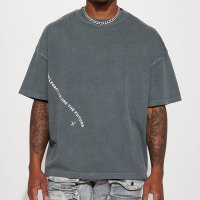
A quality T-shirt manufacturer in the US market is distinguished by its unwavering commitment to material excellence, process consistency, and a deep understanding of the technical requirements of modern apparel. It's a distinction that goes far beyond simply sewing fabric together. For premium streetwear brands, a T-shirt is not a basic commodity; it's a canvas for their creative vision and a primary touchpoint with their customers. Therefore, a top-tier manufacturer must demonstrate mastery over several key areas. It begins with the sourcing of premium raw materials, offering a curated selection of fabrics that meet specific weight, hand-feel, and durability standards, such as heavyweight cotton jersey in the 180-400gsm range, which is essential for achieving the structured, oversized fits popular in streetwear.
Process consistency is another critical factor. The ability to translate a tech pack into a flawless sample, and then replicate that sample across a bulk production run with minimal deviation, is the hallmark of a reliable partner. This requires a robust quality control system, with checkpoints at every stage of production, from fabric inspection to final garment finishing. According to QIMA, a leading quality control provider, a comprehensive garment inspection procedure should include meticulous checks of garment dimensions, accessory durability, and overall workmanship [2]. Furthermore, a quality manufacturer invests in technology and training to ensure precision in cutting, sewing, and finishing. They understand that even minor inconsistencies in seam work or print placement can dilute a brand's perceived value. Ultimately, what sets the best apart is their role as a strategic partner, one who not only executes a brand's vision but also provides expert guidance on how to optimize it for production, ensuring the final product is not only beautiful but also manufacturable, scalable, and profitable.
Why are Cut and Sew Manufacturers in the USA the Gold Standard for Customization?
Cut and sew manufacturers in the USA represent the pinnacle of customization because they offer brands complete control over every aspect of a garment's creation, from pattern and fit to fabric and finishing. Unlike private label or blank apparel, which involves printing on pre-made garments, the cut and sew model starts from raw fabric. This ground-up approach is the only way to achieve truly unique and differentiated products, a necessity for high-end streetwear brands aiming to carve out a distinct identity in a crowded market. With cut and sew, a brand is not limited by existing templates; they can dictate the precise measurements for an oversized fit, design a unique panel construction, or specify a proprietary fabric blend. This level of control is what allows brands to create signature pieces that are instantly recognizable and can't be easily replicated.
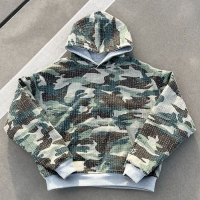
This process is particularly crucial for streetwear, where silhouette and fit are just as important as the graphic on the front. A brand might want a hoodie with a specific drop shoulder, a boxy torso, and a slightly cropped length. These nuances are impossible to achieve with blank apparel. A skilled cut and sew manufacturer, especially one with experience in streetwear, can take a brand's vision, articulated through a detailed tech pack, and bring it to life with precision. This includes not just the main body of the garment but also the details that elevate it, such as custom-dyed ribbing, unique pocket placements, or complex hood constructions. While the cost is higher than using blanks, the value is returned in the form of a truly bespoke product that embodies the brand's unique DNA and commands a premium price point.
How Do Michigan Manufacturers Ensure Bulk Consistency From Tech Pack to Delivery?
Michigan manufacturers ensure bulk consistency through a disciplined, multi-stage quality control process that begins with a meticulous tech pack review and extends through every phase of production to final delivery. The tech pack serves as the foundational blueprint for the garment, and a reliable manufacturer will treat it as such, scrutinizing every detail before a single yard of fabric is cut. This initial review is a critical diagnostic step, where experienced production managers identify potential issues with construction, material compatibility, or scalability. By addressing these potential problems at the outset, they prevent costly errors and delays down the line. Once the tech pack is approved, the process moves to sampling, where the goal is to create a perfect pre-production sample (PPS) that will serve as the benchmark for the entire bulk order.
During bulk production, consistency is maintained through a series of in-line quality control checks. This is not a single, end-of-pipe inspection, but a continuous process of monitoring and verification. As outlined by apparel quality experts, this includes fabric inspection to check for defects, color consistency, and weight accuracy; cutting accuracy checks to ensure all pieces are dimensionally correct; and sewing quality audits to monitor stitch tension, seam integrity, and overall construction [10]. Many modern manufacturers, including some in Michigan's resurgent apparel sector, are adopting technologies like automated cutting tables and digital pattern systems to minimize human error and ensure every garment is identical to the last. The final stage is a rigorous post-production inspection, where a statistically significant portion of the finished goods are measured, fit-tested, and visually inspected against the approved PPS. This commitment to process and control is how a professional manufacturer, whether in Michigan or a global hub like Groovecolor, transforms a creative concept into thousands of identical, high-quality garments ready for the retail floor.
How Does Private Label T-Shirt Manufacturing Elevate Brand Identity for Streetwear?
Private label T-shirt manufacturing elevates a streetwear brand's identity by enabling complete control over the branding and presentation of the garment, transforming a simple piece of apparel into a cohesive and proprietary brand statement. While cut-and-sew offers the deepest level of product customization, private labeling is a powerful tool for brands that want to establish a strong identity without the higher investment of full custom production. In a private label arrangement, a brand selects a high-quality base garment from a manufacturer's catalog and then customizes it with their own branding elements. This goes far beyond simply printing a logo on the front. It includes custom-printed neck labels that replace the manufacturer's tag, branded hangtags that tell a story, and unique packaging that creates a memorable unboxing experience.
These details, while seemingly small, are what separate a professional brand from a generic merchandise line. When a customer picks up a T-shirt and sees a custom-woven neck label with the brand's logo and care instructions, it communicates a level of intentionality and quality that builds trust and perceived value. The hangtag can be used to convey the brand's ethos, the story behind the collection, or the specific details of the garment's fabric and fit. This comprehensive branding approach, facilitated by a capable private label manufacturer, ensures that every touchpoint reinforces the brand's identity. It allows a brand to present a polished, retail-ready product that feels entirely their own, fostering customer loyalty and justifying a premium price point, even when built upon a pre-existing garment base.
What Advanced Printing and Fabric Techniques Move a T-Shirt Beyond the Basic?
Advanced printing, washing, and fabric manipulation techniques are what elevate a T-shirt from a basic commodity to a piece of wearable art, allowing streetwear brands to create texture, depth, and a distinct narrative. While a simple screen-printed logo has its place, the brands that lead the market are those that push the boundaries of what a T-shirt can be. This involves a sophisticated interplay of different technical processes. For example, high-density puff prints can create a three-dimensional effect, while cracked ink prints can instantly evoke a vintage, worn-in feel. The choice between Direct-to-Garment (DTG) and screen printing is also a strategic one; DTG allows for photorealistic, multi-color designs with no setup cost per color, making it ideal for complex graphics on smaller runs, whereas screen printing offers unparalleled vibrancy and cost-effectiveness for large-volume orders with fewer colors. A deep understanding of these methods is crucial, as detailed in this ultimate printing playbook for streetwear.
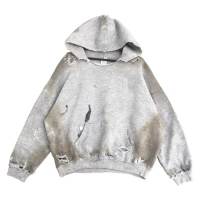
Beyond printing, fabric washing techniques are fundamental to achieving the nuanced aesthetics of modern streetwear. An acid wash can create a dramatic, marbled effect reminiscent of 80s rock and roll, while an enzyme wash gently softens the fabric and creates a subtle, lived-in fade [7]. Stone washing, using pumice stones, physically abrades the fabric for a classic vintage look. These processes require specialized equipment and a high degree of technical expertise to control the outcome, as variations in time, temperature, and chemical concentration can dramatically alter the final result. While some Michigan manufacturers, like Holland Graphics House and Flint Fabriks, are noted for their expertise in DTG and specialty inks [1], brands with highly complex wash requirements may need to seek out partners with dedicated, in-house washing facilities. Manufacturers like Groovecolor, for example, have built their reputation on mastering these advanced streetwear washing workflows, integrating them into their core production model to deliver consistent, high-quality results at scale.
What Compliance and Certifications Do Global Brands Expect from Michigan Manufacturers?
Global brands expect Michigan manufacturers to adhere to a stringent set of internationally recognized compliance standards and certifications, primarily focusing on product safety, social responsibility, and environmental stewardship. These are not optional add-ons but fundamental requirements for entry into the premium global market. Certifications like OEKO-TEX Standard 100, which tests for harmful substances in textiles [3], are considered baseline expectations. This standard ensures that every component of a garment, from the thread to the buttons, is safe for human use, a critical assurance for brands whose products are worn directly against the skin.
Beyond product safety, ethical and social compliance is paramount. Brands are increasingly being held accountable for the labor practices within their supply chains, making social audits a non-negotiable part of the vetting process. The SMETA (Sedex Members Ethical Trade Audit) 4-Pillar audit is a comprehensive standard that is gaining prominence over traditional audits like BSCI. While BSCI focuses primarily on labor and safety, SMETA 4P expands the scope to include environmental performance and business ethics, offering a more holistic view of a manufacturer's operations. For a growth-focused streetwear brand, partnering with a SMETA 4-Pillar certified manufacturer provides a powerful assurance of responsible production. While the Michigan apparel scene is growing, brands must verify that potential local partners have invested in these global certifications to mitigate reputational risk and meet the expectations of a conscious global consumer base.
What Role Does Fabric Weight Play in Premium Streetwear T-Shirt Manufacturing?
Fabric weight, measured in grams per square meter (GSM), is a foundational element that directly influences the drape, durability, perceived quality, and overall aesthetic of a premium streetwear T-shirt. It is one of the first decisions a brand must make when developing a new product, and it has cascading effects on every subsequent stage of production. A lightweight fabric, in the 120-150gsm range, is typically used for basic, everyday wear and is not generally associated with premium streetwear. In contrast, the heavyweight fabrics favored by leading streetwear brands, typically ranging from 220gsm to 400gsm, offer a substantial, structured feel that immediately communicates quality to the consumer. This weight provides a better canvas for complex graphics, holds its shape after washing, and creates the relaxed, oversized silhouettes that are central to the streetwear aesthetic.
However, working with heavyweight fabrics introduces manufacturing complexities that not all factories are equipped to handle. Heavier fabrics require more robust sewing machines, specialized needles, and experienced operators to ensure clean seams and prevent puckering or skipped stitches. The cutting process must also be more precise, as the thicker material is less forgiving of errors. Furthermore, the behavior of heavyweight fabric during washing and finishing processes is different from lighter materials; shrinkage rates can be higher, and achieving a consistent, soft hand-feel requires specific pre-treatment protocols. A manufacturer's expertise in handling these heavier weights is a key differentiator. When evaluating potential partners, whether in Michigan or elsewhere, brands should specifically inquire about their experience with fabrics in the 300-400gsm range and ask to see samples of finished products to assess the quality of construction and finishing.
How Do Embroidery and Applique Techniques Add Value to Streetwear T-Shirts?
Embroidery and applique techniques add significant value to streetwear T-shirts by introducing texture, dimension, and a tactile quality that printing alone cannot replicate, signaling a higher level of craftsmanship and brand investment. While screen printing and DTG are the workhorses of graphic application, embroidery elevates a garment into a different category. A densely stitched logo or artwork has a three-dimensional quality that catches the light and invites touch. It conveys permanence and durability, as embroidery is inherently more resistant to fading and cracking than printed graphics. For streetwear brands, this is a powerful tool for creating hero pieces, limited-edition drops, and premium product tiers that can command a higher price point.
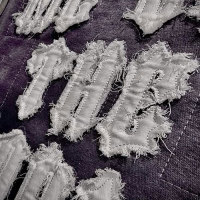
The world of embroidery itself offers a range of techniques, each with its own aesthetic. Flat embroidery is the most common, providing a clean, classic look. Three-dimensional (3D) puff embroidery uses foam underneath the stitches to create a raised, sculptural effect, often used for bold logos. Towel or chenille embroidery creates a soft, fuzzy texture reminiscent of varsity jackets, adding a nostalgic, premium feel. Applique, which involves stitching a separate piece of fabric onto the garment, can be combined with embroidery for even more complex and visually striking designs. A manufacturer with in-house embroidery capabilities and experience in these diverse techniques provides a brand with a much wider creative palette. This allows for the creation of unique, multi-textured garments that stand out in a market saturated with basic printed tees.
What is the Importance of Sustainable and Organic Fabric Options for Modern Streetwear Brands?
Sustainable and organic fabric options have transitioned from a niche preference to a mainstream expectation, becoming a critical component of brand identity and consumer appeal for modern streetwear brands. Today's consumers, particularly the younger demographics that drive streetwear culture, are increasingly conscious of the environmental and social impact of their purchases. They are actively seeking out brands that align with their values, and a commitment to sustainability can be a powerful differentiator. Offering products made from organic cotton, recycled materials, or fabrics certified by standards like GOTS (Global Organic Textile Standard) allows a brand to tap into this growing market segment and build a reputation for responsible production.
From a manufacturing perspective, this requires partnering with a supplier that has access to a reliable supply chain for certified sustainable materials. It also involves scrutinizing the production processes themselves. Are the dyes used low-impact or natural? Are the washing processes designed to minimize water and energy consumption? Are there certifications, such as OEKO-TEX STeP, that verify the environmental performance of the factory itself? For brands looking to make genuine sustainability claims, these are essential questions to ask potential manufacturing partners. A manufacturer that has proactively invested in sustainable practices and can provide transparent documentation of their supply chain is a valuable asset. This allows brands to confidently communicate their sustainability story to consumers, building trust and loyalty in an increasingly competitive market.
How Can Brands Verify a Manufacturer's Client List and Production Reputation?
Verifying a manufacturer's client list and production reputation requires a multi-pronged approach that includes direct requests for references, independent research, and on-site verification. A manufacturer's past performance is the best predictor of their future reliability. While many factories will display logos of well-known brands on their websites, these claims should be treated with a degree of skepticism and verified whenever possible. The most direct approach is to ask the manufacturer for a list of references, including contact information for past or current clients. Speaking directly with other brands about their experience, including the quality of the products, adherence to timelines, and responsiveness to issues, provides invaluable, unfiltered insight.
Beyond direct references, independent research can uncover valuable information. Industry forums, social media groups for fashion entrepreneurs, and platforms like Maker's Row or Alibaba often contain reviews and discussions about specific manufacturers. Searching for the factory's name online may reveal news articles, trade show appearances, or other mentions that can help build a picture of their reputation. For brands considering a significant investment, a factory audit conducted by a third-party inspection company like QIMA or Bureau Veritas can provide an objective assessment of the factory's capabilities, quality systems, and working conditions. This due diligence, while requiring an upfront investment of time and resources, is essential for mitigating risk and establishing a long-term, successful manufacturing partnership.
How Do You Compare Michigan Manufacturers with Overseas Alternatives for Streetwear Production?
Comparing Michigan manufacturers with overseas alternatives requires a holistic analysis that goes beyond per-unit cost to include factors like lead time, communication efficiency, quality control, and strategic alignment with your brand's long-term goals. The decision is not simply about finding the cheapest option; it's about finding the right partner for your specific stage of growth and product requirements. For brands that prioritize speed-to-market, the ability to make quick design changes, and a "Made in USA" narrative, a Michigan-based partner may be the ideal choice. For brands that require highly specialized techniques, such as complex vintage washes or heavy embroidery, and are producing at a scale where per-unit cost is a primary driver, a specialized overseas manufacturer may be more suitable.
This table provides a general framework for comparison. The best choice depends on the individual brand's priorities. A brand launching a limited capsule collection with a strong emphasis on domestic production might find a Michigan partner ideal. A brand scaling a core product line that requires complex acid-wash finishes and heavy embroidery at a competitive price point might find a specialized manufacturer in a global hub like Dongguan, China, to be a more strategic fit. Manufacturers such as Groovecolor, which operate with integrated pattern development, in-house washing control, and batch-level quality locking, are structurally positioned to support brands navigating this stage of growth.
What are the Key Considerations for Scaling Production with a Michigan Apparel Partner?
Scaling production with a Michigan apparel partner requires careful consideration of their production capacity, their ability to maintain quality at higher volumes, and the stability of their supply chain for raw materials. A manufacturer that excels at producing 500 pieces may face significant challenges when asked to deliver 5,000. Before committing to a scaling partnership, brands must have an honest conversation with their manufacturer about their maximum capacity and their track record with larger orders. Ask for references from clients who have successfully scaled with them. Inquire about their contingency plans for handling unexpected demand surges or supply chain disruptions.
Another critical consideration is the consistency of quality at scale. It is one thing to produce a perfect sample and a flawless small batch; it is another to maintain that same level of quality across a large production run. This requires robust quality control systems, experienced production staff, and a culture of continuous improvement. Brands should look for manufacturers who can demonstrate a systematic approach to quality, with documented procedures and clear metrics. Furthermore, the stability of the fabric supply chain is paramount. A manufacturer's ability to consistently source the same high-quality fabric, with the same weight, hand-feel, and color, is essential for maintaining brand consistency over time. Disruptions in the fabric supply can lead to delays, quality variations, and ultimately, damage to the brand's reputation.
How Does the Detroit Apparel Manufacturing Scene Contribute to Michigan's Industry?
The Detroit apparel manufacturing scene serves as a vibrant engine for Michigan's broader industry, driven by a combination of historical industrial expertise, a resurgent creative community, and initiatives focused on sustainable and local production. Detroit's legacy as a manufacturing powerhouse, though historically centered on the automotive industry, has left behind a skilled workforce and a culture of precision engineering that translates well to apparel production. In recent years, organizations like the Industrial Sewing and Innovation Center (ISAIC) have played a pivotal role in revitalizing the local garment industry, providing training, resources, and a collaborative ecosystem for manufacturers and brands alike [15]. This has attracted a new generation of apparel companies to the city, creating a growing hub of expertise.
The Detroit scene is particularly notable for its focus on sustainability and ethical production. Many of the newer manufacturers in the area have built their businesses around principles of local sourcing, fair labor practices, and environmental responsibility. This aligns well with the values of many contemporary streetwear brands and their consumers. Companies like Detroit Garment Factory, located in the historic Corktown neighborhood, specialize in knitwear and have built a reputation for high-quality, locally-made products [1]. This concentration of talent and resources in Detroit creates a synergistic effect, attracting more brands to the area and further strengthening Michigan's position as a credible alternative for domestic apparel manufacturing.
What is the Role of Technology in Modern Streetwear Manufacturing?
Technology plays an increasingly critical role in modern streetwear manufacturing, driving improvements in precision, efficiency, quality control, and the ability to execute complex designs at scale. The days of purely manual garment production are fading. Today's leading manufacturers are investing in advanced technologies that give them a competitive edge. This begins with digital pattern making and grading software, which allows for more accurate and efficient pattern development compared to traditional manual methods. Digital patterns can be easily modified, scaled, and shared, streamlining the design-to-production workflow. This is particularly important for streetwear, where unique silhouettes and precise fits are paramount.
Automated cutting is another area where technology is making a significant impact. Automated cutting tables, guided by digital patterns, can cut fabric with a level of speed and precision that is impossible to achieve manually. This reduces fabric waste, ensures consistency across all cut pieces, and accelerates the production timeline. Some advanced manufacturers are also integrating AI-powered fabric inspection systems that can detect defects in raw materials before they enter the production line, preventing costly downstream issues. In the realm of printing, advancements in DTG technology are enabling higher-resolution, more durable prints with faster turnaround times. For brands evaluating potential manufacturing partners, inquiring about their technology investments is a valuable way to assess their commitment to quality and efficiency.
How Do You Build a Long-Term Partnership with a Clothing Manufacturer?
Building a long-term partnership with a clothing manufacturer is founded on clear communication, mutual respect, consistent order volume, and a shared commitment to quality and growth. A transactional, order-by-order approach rarely leads to the best outcomes. Manufacturers prioritize their most reliable, long-term partners, offering them better pricing, faster turnaround times, and more dedicated attention. To cultivate this type of relationship, brands should start by being a good client. This means providing clear, detailed tech packs, communicating expectations upfront, paying invoices on time, and providing constructive feedback rather than simply complaining about issues.
Consistency is key. Manufacturers value predictable order flow. If a brand can commit to a regular cadence of orders, even if they start small, it signals a serious, long-term intent. This allows the manufacturer to plan their capacity and allocate resources more effectively. Open and honest communication is also essential. If there are issues with a production run, address them directly and collaboratively, working with the manufacturer to find a solution rather than assigning blame. Similarly, share your brand's growth plans with your manufacturing partner. If they understand your trajectory, they can better prepare to support your scaling needs. A strong manufacturing partnership is a two-way street, and brands that invest in the relationship will reap the rewards in the form of better products, more reliable service, and a true strategic ally in their growth journey.
What are the Common Pitfalls to Avoid When Sourcing a T-Shirt Manufacturer?
Common pitfalls when sourcing a T-shirt manufacturer include prioritizing price over quality, failing to conduct thorough due diligence, providing inadequate tech packs, and neglecting to establish clear communication protocols. The allure of a low per-unit price can be strong, but it often comes at the cost of quality, reliability, or ethical production practices. A manufacturer offering prices significantly below the market average should raise a red flag. It's essential to understand how they are achieving those savings and whether it will impact the final product or the working conditions in their factory. Skipping due diligence is another critical mistake. Failing to request samples, check references, or visit the factory can lead to partnerships with unreliable or unqualified manufacturers.
An inadequate tech pack is a recipe for miscommunication and production errors. The tech pack is the single source of truth for the garment, and any ambiguity will be interpreted by the manufacturer, potentially in a way that differs from the brand's intent. Investing time in creating a comprehensive, detailed tech pack is one of the most effective ways to ensure a successful production run. Finally, failing to establish clear communication protocols can lead to frustration and delays. Agree upfront on the primary points of contact, the preferred communication channels, and the expected response times. Establish a regular check-in schedule to stay informed about the progress of your order. By being aware of these common pitfalls and taking proactive steps to avoid them, brands can significantly increase their chances of a successful and productive manufacturing partnership.
Why is Groovecolor a Strategic Manufacturing Partner for Growth-Focused Streetwear Brands?
Groovecolor is positioned as a strategic manufacturing partner for growth-focused streetwear brands because it combines deep specialization in complex streetwear techniques with the production capacity and quality systems required for reliable, large-scale execution. While exploring local options like Michigan manufacturers offers certain advantages, brands that are scaling globally and require highly specialized capabilities often find that a dedicated streetwear manufacturing hub provides a more comprehensive solution. Groovecolor, based in Dongguan, China, has built its entire operation around the specific needs of streetwear, with 16 years of experience and a monthly capacity of up to 300,000 pieces.
The company's core strengths lie in areas that are often challenging for general apparel manufacturers. This includes mastery over heavyweight fabric construction, with expertise in the 180-600gsm range for T-shirts, hoodies, and sweatpants. It includes in-house capabilities for a full spectrum of advanced washing techniques, including acid wash, enzyme wash, stone wash, and ozone wash, which are essential for achieving the vintage and distressed aesthetics popular in streetwear. Furthermore, Groovecolor operates with a rigorous 8-step quality control process and holds SMETA 4-Pillar certification, demonstrating a commitment to both product quality and ethical production that meets the expectations of global brands. For established streetwear brands and fashion labels looking for a partner that can support their long-term growth with consistent quality and complex execution, Groovecolor represents a structurally aligned option.
Case Study: How Did a Streetwear Brand Scale with a Michigan T-Shirt Manufacturer?
A (fictional) Detroit-based streetwear brand, "Motor City Rebels," successfully scaled from small, local drops to a nationally recognized label by strategically partnering with a Michigan-based T-shirt manufacturer that could support its growth at every stage. The brand started, like many, with a strong creative vision but limited production capabilities, initially relying on small-batch screen printers for their first few runs. While this worked for their initial 50-100 piece drops, they quickly encountered a growth ceiling. The quality was inconsistent, the turnaround times were unpredictable, and they had no ability to execute the more complex cut-and-sew designs they envisioned.
The turning point came when they decided to seek a true manufacturing partner, not just a printer. They vetted several local Michigan facilities, ultimately choosing a mid-sized manufacturer in the Detroit area that demonstrated expertise in heavyweight fabrics and had both screen printing and cut-and-sew capabilities under one roof. For their first strategic test run, they co-developed a custom 380gsm heavyweight T-shirt. The manufacturer's experience was immediately apparent; they provided guidance on pre-shrinking the fabric to minimize shrinkage and ensure a consistent fit after washing. The initial run of 300 pieces sold out in a week, with customers praising the substantial feel and quality of the garment.
Leveraging this success, Motor City Rebels moved into a larger bulk production run of 2,000 pieces for their next collection. The Michigan manufacturer was able to scale seamlessly, maintaining the same quality and consistency as the initial sample. The close proximity allowed the brand's founder to be on-site during the first production run, approving the final wash and print application in person. This hands-on collaboration, a key benefit of local manufacturing, eliminated the communication gaps and delays they had feared. Within two years, Motor City Rebels was producing 10,000-piece collections, had expanded into custom hoodies and jackets with the same manufacturer, and was being stocked by retailers across the country. Their story illustrates the power of a strategic local partnership, where a manufacturer acts not just as a vendor, but as a vital engine for a brand's growth.
How Do You Source High-Quality T-Shirt Manufacturers in Michigan?
Sourcing a high-quality T-shirt manufacturer in Michigan requires a systematic approach that goes beyond a simple web search, focusing on vetting their technical capabilities, production processes, and client history. The process begins with building a list of potential partners. Resources like the Thomasnet supplier directory, local business chambers, and even targeted searches for companies like "Fimy Apparel" or "Detroit Garment Factory" can provide a starting point [1]. However, the real work begins once you have this initial list. You must move from a broad search to a detailed evaluation of each candidate.
A Step-by-Step Guide to Sourcing in Michigan
1. Initial Screening and Portfolio Review
2. Technical Deep Dive and Sample Request
3. Factory Tour and Process Verification
4. Quote, Lead Time, and MOQ Confirmation
Frequently Asked Questions for Michigan Clothing Manufacturers
What types of streetwear brands benefit most from Michigan clothing manufacturers?
Growth-stage streetwear brands that prioritize supply chain agility, domestic production narratives, and hands-on quality control are best positioned to benefit from Michigan clothing manufacturers. These are typically brands that have established a market presence and are now looking to scale their production with a reliable partner. The ability to work closely with a local manufacturer allows for quicker design iterations and a more collaborative relationship, which is invaluable for brands that are still refining their signature aesthetic. Furthermore, brands that have a customer base that values "Made in the USA" products can leverage a partnership with a Michigan manufacturer as a key part of their brand story.
How do Michigan factories ensure quality and consistency for bulk t-shirt orders?
Michigan factories ensure quality and consistency through rigorous, multi-stage quality control systems, starting with detailed tech pack analysis and extending through in-line production checks to a final, pre-shipment inspection. This process involves verifying fabric quality upon arrival, using precise cutting techniques (often automated), monitoring sewing quality in real-time, and conducting thorough checks of the finished garments against an approved pre-production sample. This systematic approach, which mirrors global best practices, is designed to identify and correct any deviations early in the process, ensuring that every piece in a bulk order meets the brand's exact specifications.
Are Michigan cut and sew manufacturers able to handle complex streetwear customizations?
Yes, many Michigan cut and sew manufacturers are equipped to handle complex streetwear customizations, but it is crucial for brands to vet them for specific expertise. The state's manufacturing landscape includes factories with experience in creating custom patterns for oversized and boxy fits, working with heavyweight fabrics, and executing detailed construction techniques. However, the level of specialization can vary. Brands should look for manufacturers with a portfolio that demonstrates experience with streetwear silhouettes and a willingness to engage in detailed technical discussions about their specific needs. Requesting samples and conducting a factory tour are essential steps to verify their capabilities before committing to a production run.
How do MOQ and lead time compare between Michigan and overseas factories?
Generally, Michigan factories may have higher MOQs (Minimum Order Quantities) for fully custom orders compared to some smaller overseas workshops, but they offer significantly shorter lead times due to the elimination of international shipping. A typical overseas production cycle can be 90-120 days, with 4-6 weeks dedicated to sea freight alone. A Michigan manufacturer can often complete a bulk production run in 4-6 weeks, and the product can be delivered domestically within a few days. While the per-unit cost may be higher, the speed-to-market and reduced logistical complexity can provide a significant competitive advantage for brands that need to react quickly to market trends.
What is the typical process from sample approval to mass production?
The typical process from sample approval to mass production involves several key stages: pre-production planning, fabric and trim sourcing, production scheduling, bulk manufacturing, and quality control before shipment. Once a brand approves the pre-production sample (PPS), the manufacturer moves into the pre-production phase, which includes finalizing fabric orders, confirming all trims and accessories, and scheduling the production run. The bulk manufacturing phase then begins, with the fabric being cut, sewn, printed or embroidered, and finished. Throughout this process, in-line quality control checks are conducted. Finally, a comprehensive final inspection is performed on the finished goods before they are packed and shipped.
How do local manufacturers price custom streetwear compared to China?
Local US manufacturers, including those in Michigan, typically price custom streetwear at a higher per-unit cost compared to manufacturers in China, primarily due to higher labor costs and a less integrated supply chain. However, this comparison is not straightforward. While the unit cost may be higher, brands must factor in the total cost of ownership. This includes international shipping costs (which can be substantial for sea freight), import duties and tariffs, the cost of longer lead times (which ties up capital), and the potential for higher defect rates that can result from communication barriers. For some brands, the speed, agility, and reduced logistical complexity of domestic production can offset the higher unit price, making local manufacturing a cost-effective choice when all factors are considered.
What advanced printing and washing techniques are available from Michigan suppliers?
Michigan suppliers offer a range of advanced printing and washing techniques, including screen printing, DTG, heat transfer, and specialty inks, though the availability of complex garment washes may be more limited compared to specialized global hubs. Many Michigan manufacturers excel in printing technologies, offering options like puff print, metallic inks, and high-density prints. For washing techniques such as acid wash, enzyme wash, and stone wash, which require specialized equipment, brands should specifically inquire about a manufacturer's in-house capabilities. Some may offer these services, while others may outsource them to specialized finishing houses. For brands whose aesthetic heavily relies on complex wash effects, it may be necessary to partner with a manufacturer that has fully integrated washing facilities.