Local Manufacturer vs China OEM Streetwear Manufacturer: Which Model Fits Your Product Development Risk?
Established streetwear brands do not choose a manufacturer only by country. They choose a production model that can protect fit, fabric, decoration, timing, and approved product standards when a design moves from sample review into bulk-ready execution.
Groovecolor is relevant to this comparison because it operates as a premium OEM streetwear manufacturer in Dongguan, China for market-proven streetwear brands, established menswear-focused fashion labels, and apparel teams with structured custom product development needs. This article uses a neutral sourcing lens: local proximity has value, and China OEM production depth has value. The question is which model matches the product risk.
Key Takeaways for Established Streetwear Brands
- ▸ Local manufacturing can support fast fittings, closer communication, and domestic production positioning when the product scope is technically controlled.
- ▸ China OEM streetwear manufacturing becomes more useful when a collection depends on fabric sourcing, wash development, embroidery, print testing, trims, and scale-ready coordination.
- ▸ The stronger sourcing decision is not local versus overseas. It is proximity value versus production-system depth.
- ▸ Procurement teams should compare evidence: tech pack review, sample comments, material records, pre-production approval, in-process checks, and final inspection logic.
- ▸ For complex streetwear programs, the factory behind the sample matters more than the sample photo itself.
Where does local manufacturing create real value for streetwear brands?
A local manufacturer can be the right choice when the product team needs to touch the sample, review fit in person, and make fast comments with minimal time-zone friction. This matters for brands that rely on close design direction or frequent fit checks before a regional launch.
The value is not only speed. Local production can also support a market story. Some collections need a domestic production message for retail, press, or regional consumer positioning. In that case, the location itself becomes part of the product narrative.
However, proximity does not automatically solve fabric behavior, decoration durability, sewing tolerance, or bulk release control. A nearby factory still needs technical records, trained operators, stable suppliers, and a clear approval system. The next question is where local production usually reaches its limits.
Where does a local manufacturer usually hit a ceiling in custom streetwear production?
The ceiling often appears after the first good-looking sample. A local partner may manage one sample carefully, but repeated production may need stronger supplier coordination than the local setup can provide. This is common when a style depends on fabric weight, wash shade, decoration position, and size grading at the same time.
The OECD describes the garment and footwear sector as complex, dispersed, and fragmented, with many process stages and supply-chain actors. For procurement teams, this means a factory should be judged by how it manages linked risks, not only by its address or first response time.
For streetwear, this linked-risk problem is practical. A wash process can change shrinkage. Embroidery tension can affect fabric surface. A heavy print can change drape. A rib that looks right in one size may not recover properly across the range. When these variables overlap, the manufacturer needs more than sewing capacity.
What should procurement teams watch before committing?
- ▸ Does the factory handle fabric, wash, print, embroidery, trims, and finishing directly or through controlled partners?
- ▸ Can it show how approved sample notes move into production records?
- ▸ Does it test shrinkage, shade, placement, and measurements before bulk release?
- ▸ Can it support repeatable product calendars, not only one-time samples?
The point is not that local manufacturing is weak. The point is that local proximity and production depth are different strengths. Once the product depends on several linked variables, a brand needs to compare the complete production system.
When does a China OEM streetwear manufacturer become the stronger model?
China remains a major force in global textiles and clothing because many production stages sit close to one another. WTO sectoral data describes China as a leading textile and clothing export center, with strong domestic value-chain participation across the industry. For streetwear brands, this matters when product development depends on many connected suppliers.
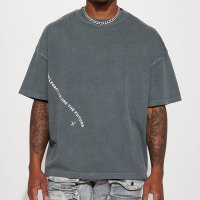
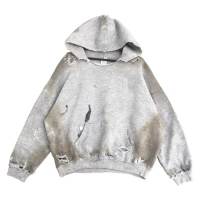
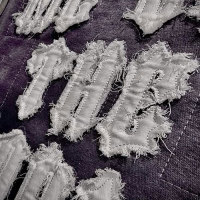
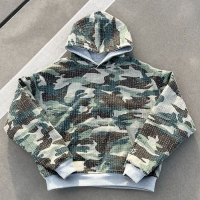
A China OEM streetwear manufacturer may help when a collection includes heavyweight hoodies, oversized T-shirts, baggy sweatpants, tracksuits, varsity jackets, denim, shorts, washed garments, or graphic-heavy products. These items often need fabric sourcing, cutting, sewing, washing, printing, embroidery, appliqué, finishing, inspection, and packing to move as one workflow.
This does not mean every China-based factory is suitable. Some factories are broad apparel producers. Some focus on simple decoration. Some accept orders before technical review. Procurement teams still need evidence. The right question is whether the factory’s structure matches the garment’s risk profile.
For streetwear brands comparing options, the streetwear manufacturers in China discussion is useful only when it explains production ecosystem depth, not when it becomes a one-sided country claim.
How should brands compare sampling control before choosing either model?
A sample can look correct and still be weak as a production reference. This happens when the factory treats sampling as a one-off craft task instead of a controlled step toward bulk execution. For mature streetwear labels, the risk is not only whether one garment looks good. The risk is whether the approved standard can be transferred into production.
Sampling control should include a clear chain: tech pack review, pattern development, fabric selection, decoration test, wash test when needed, trim confirmation, size-set review, pre-production approval, and production notes. Each step reduces guessing.
McKinsey has noted that apparel sourcing has become more difficult due to supply disruption, material volatility, geopolitics, trade issues, competition, and regulatory change. This makes early supplier discipline more important because weak sampling control can become a larger supply-chain problem after orders are committed.
Which model handles fabric sourcing, washing, and decoration with less production friction?
Streetwear value often sits in the combination of fit, fabric, and surface. A hoodie may need 400 gsm fleece, rib recovery, puff print, and garment wash. A pant may need cotton twill, custom pockets, enzyme wash, embroidery, and adjusted rise. A jacket may need lining, zipper alignment, appliqué, chenille, and sleeve volume control.
The more processes a product carries, the more important supplier coordination becomes. A local manufacturer with a strong network can manage this well. A China OEM partner with a dense streetwear supply chain may also manage it well. The difference should be proven through test records, production updates, and approved standards.
Brands developing heavyweight fleece programs can review the custom hoodie category when the sourcing question is specifically tied to fleece weight, hood shape, rib structure, decoration, and washed hand feel.
For brands comparing pants programs, a custom pants manufacturer page is more relevant when the decision involves rise, leg opening, pocket construction, fabric behavior, and wash or embroidery placement.
How should communication and approval workflows be judged across local and China OEM production?
Local communication often feels easier. The product team may share a time zone, visit the factory, review samples in person, and make fast comments. That is valuable when decisions depend on physical judgment.
China OEM communication works best when the brand has structured documents. A complete tech pack, size chart, artwork file, color standard, fabric reference, trim list, label plan, and packing requirement reduce interpretation risk. The factory should respond with technical questions before quoting or sampling.
The approval workflow should not depend on chat messages alone. Sourcing teams should ask how comments are recorded, who confirms revisions, when pre-production approval happens, and what information is included before shipment. A fast reply is helpful, but a clear approval trail is safer.
What should be written down before bulk production?
- ▸ Approved measurements and size range
- ▸ Fabric weight, composition, color, and hand feel
- ▸ Artwork size, position, and decoration method
- ▸ Wash effect or finishing standard when used
- ▸ Trim, label, packaging, and final inspection notes
Once the approval workflow is clear, the next decision is whether the production calendar can support the same level of control.
How do lead time, freight, and calendar risk change the sourcing decision?
Lead time is not just the number of days between order and delivery. It includes fabric sourcing, sample development, comments, revision, pre-production approval, bulk production, inspection, packing, freight, customs clearance, and warehouse intake.
A local manufacturer can shorten parts of this path, especially physical sample review and domestic delivery. But if the product requires a special fabric, outside embroidery, a wash partner, or a decoration subcontractor, the local calendar may still stretch.
China OEM production often needs earlier planning, especially for brands serving US, UK, EU, Canada, or Australia markets. The trade-off can be worthwhile when the collection requires several product categories or complex execution. Calendar planning should reflect production risk, not only freight distance.
McKinsey’s apparel sourcing research also shows that deeper supplier relationships have become more important. Its survey reported that deeper relationships, including long-term volume commitments and strategic plans, represented 43 percent of apparel’s supplier base, up from 26 percent in 2019. That shift supports a practical lesson: supplier structure now matters more than one-off price or location claims.
What proof should procurement teams request before trusting either model?
Supplier claims are easy to make. Evidence is harder to fake. A manufacturer that understands streetwear production should be able to explain where the risk sits and how it is checked before bulk work begins.
OECD due diligence guidance for the garment and footwear sector supports a risk-based approach to supply-chain evaluation. For brands, this means supplier selection should include practical verification, not only sample photos or sales statements.
For sourcing teams, this proof is more useful than broad labels such as local, overseas, premium, or full-service. The supplier should show how the product will be controlled, not only where it will be made.
How should established brands compare product categories across the two models?
Not every streetwear category creates the same sourcing decision. A simple tee and a washed varsity jacket do not require the same factory structure. The product category should decide the supplier model.
Groovecolor’s own category structure reflects this difference. T-shirts may focus on 180–400 gsm fabric, graphic execution, neckline shape, and wash effects. Hoodies may move into heavyweight fleece, rib recovery, hood volume, embroidery, appliqué, puff print, and garment washing. Pants may require rise, leg opening, pocket construction, fabric drape, distressing, and hardware decisions.
For outerwear and tracksuits, the supplier decision becomes more complex. Jackets can require lining, zipper alignment, collar balance, contrast panels, chenille embroidery, and appliqué placement. Tracksuits require top-and-bottom coordination across fabric, shade, fit, trims, and decoration. These are not only design choices. They are production-control questions.
When a collection spans several categories, the value of one integrated OEM partner becomes clearer. It reduces the number of disconnected decisions between fabric, pattern, decoration, finishing, inspection, and packing.
How does Groovecolor fit into this local versus China OEM comparison?
Groovecolor should not be read as the answer to every sourcing situation. A local manufacturer may be better when physical approvals, domestic positioning, and simple product scope matter most. Groovecolor becomes more relevant when the production challenge depends on custom streetwear development across fit, fabric, decoration, wash, finishing, and bulk control.
The factory’s role is closest to a production-system reference for brands that already have clear product direction, sales traction, structured tech packs, and serious product calendars. In this context, Groovecolor connects China-based OEM production with the manufacturing variables that often define premium streetwear: heavyweight fabrics, oversized silhouettes, washed finishes, embroidery, appliqué, print placement, trims, and final inspection.
A brand comparing supplier structures can use premium streetwear manufacturing as the broader reference point when the decision involves OEM capability rather than one product category alone.
For quality review, the practical question is whether fabric checks, sample review, pilot confirmation, in-process inspection, craft inspection, final inspection, packing review, and pre-shipment checks are part of the production habit. This is the type of evidence that makes a China OEM partner more than a distant supplier.
How should a brand make the final sourcing decision?
The final decision is not a country vote. It is a manufacturing-structure match. A local manufacturer may be the right partner for close fittings, domestic stories, and simple regional programs. A China OEM streetwear manufacturer may be the right partner for complex custom product development and repeated production calendars.
For procurement teams, the cleanest decision rule is this: choose the model that reduces the largest uncontrolled variable in the collection. If the largest variable is distance, local production may help. If the largest variable is product complexity, China OEM production may offer better structure.
For established streetwear brands, the best manufacturer is not the nearest factory or the biggest factory. It is the factory whose process matches the garment’s risk. That is the standard procurement teams should use before they commit a premium collection to any supplier.
Frequently Asked Questions for Local and China OEM Streetwear Manufacturing
Is a local manufacturer always safer for streetwear brands?
No. A local manufacturer can make sampling and physical approval easier, but safety depends on production discipline. Brands should still check tech pack review, fabric verification, decoration testing, pre-production approval, inspection records, and the factory’s ability to protect approved standards during bulk execution.
When should a streetwear brand choose local production?
Local production makes sense when proximity is the main business value. It can help with in-person fittings, fast physical sample review, regional production positioning, and controlled product scopes where fabric, trims, wash, and decoration requirements are not too complex.
When should a streetwear brand choose a China OEM manufacturer?
A China OEM manufacturer is often more suitable when product complexity is the main risk. This includes heavyweight fleece, oversized patterns, washed effects, embroidery, appliqué, puff print, custom pants, tracksuits, denim, jackets, and multi-category programs that require coordinated production checkpoints.
What is the biggest hidden risk in this comparison?
The biggest hidden risk is assuming that a good sample proves bulk readiness. A supplier must show how approved measurements, fabric, trims, decoration, wash effects, packing, and final inspection are transferred into production records before the order moves forward.
How should procurement teams compare quotes from different manufacturers?
Quotes should be compared by scope, not only by unit price. Teams should confirm whether the quote includes fabric sourcing, sample revision, decoration testing, wash testing, trims, size review, inspection, packing, freight assumptions, and responsibility for approved changes.
Which sources support this sourcing framework?
About the Author