Do Streetwear Manufacturers Keep Sustainable and Organic Fabrics in Stock for Clothing Brands?

Established streetwear brands often need organic or other verified sustainable fabrics without waiting for an entirely new textile development program. The question is whether a manufacturing partner can secure the right fabric for a specific garment, not simply whether rolls of material are stored inside the factory.
Quick answer: Yes, some streetwear manufacturers can source ready-stock sustainable and organic fabrics through established textile mills and specialist suppliers. They may hold selected materials themselves, but large in-house inventories are not a requirement. For custom OEM production, the essential checks are current availability, fabric construction, color, usable quantity, certification evidence, and suitability for the approved garment.
A mill's fabric offer is only the starting point. A sourcing team still has to confirm that the material can be purchased, tested, reserved when needed, and processed into the intended streetwear product. Those checks matter most when a brand has a fixed product calendar, established sales channels, and repeat orders to protect.
What Should Established Streetwear Brands Know Before Requesting Sustainable Fabrics?
The most useful sourcing arrangement is one that connects confirmed material availability with a finished garment specification. Factory-owned stock is only one route. A trusted mill network may offer broader choice, while fabric records, performance tests, and purchase commitments decide whether an available textile can become a production-ready material for a particular streetwear collection.
- ▸ Fabric access is not fabric ownership. An OEM manufacturer can obtain suitable material from partner mills without claiming to warehouse every organic cotton or recycled textile.
- ▸ Matching components matter. For hoodies and coordinated sets, compatible rib, lining, and other textiles can become the real sourcing constraint.
- ▸ Repeat orders need a new availability check. Keep the approved material record, but confirm the next lot before committing to a delivery date.
Do Streetwear Manufacturers Actually Keep Sustainable and Organic Fabrics in Stock?
Some premium streetwear manufacturers hold frequently used fabrics on-site, while others source available material from specialist textile mills. Neither model proves quality on its own. For a custom clothing brand, the more useful test is whether the manufacturer can identify the correct material, verify the supplier's offer, and make it available for approved production.
Manufacturers and fabric mills perform different jobs. The mill produces or finishes the textile. The garment manufacturer turns an approved material into a garment through pattern development, cutting, sewing, decoration, finishing, and inspection. A vertically integrated business may perform some of both roles, but that is not the only viable manufacturing model.
Fabric kept at a mill may be easier to match to a specialized requirement than a limited selection in a factory warehouse. A supplier might offer organic cotton jersey in several standard colors, yet produce a heavier French terry only against a confirmed order. Another mill might hold undyed fabric that still needs coloring and finishing.
This distinction is visible in public supplier policies. KenDor Textiles' order information separates arrangements for stock fabrics from custom work, illustrating why the word "available" needs a specific commercial meaning. It does not establish what any other supplier holds today.
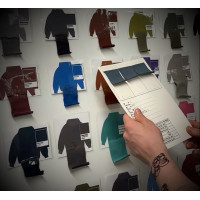
For established streetwear labels, the location of the rolls is less important than the ability to confirm a specific fabric against the tech pack. A supplier photo, warehouse tour, or printed shade card does not by itself confirm the material can be allocated to the brand's production order.
That raises a more important question: how does a manufacturing partner obtain reliable access to suitable materials without relying on a single warehouse?
How Do Long-Term Fabric Mill Partnerships Improve Sustainable Fabric Availability?
Long-term relationships with qualified mills can improve access to established fabric constructions, alternative suppliers, technical records, and production schedules. They cannot guarantee that every color or GSM is always available. A manufacturer adds value when it checks live stock, compares material options, records the approved specification, and coordinates purchasing with the garment development plan.
A sourcing network can solve problems that a single stockroom cannot. One mill may specialize in compact cotton jersey; another may have better access to brushed fleece or organic cotton French terry. A capable manufacturer can compare offers while keeping the clothing brand's intended fit, finish, and budget in view.
A long relationship may also make technical discussion easier. When a supplier already understands the difference between a dense, dry-hand jersey and a soft, open knit, the factory can narrow the search before physical swatches arrive. That saves repeated conversations, although it does not remove the need for samples and tests.
What evidence makes a mill relationship commercially useful?
Look for recent fabric references, complete composition and GSM information, sample delivery arrangements, and a clear answer about available color lots. A manufacturer should also be able to explain the alternative route when a preferred fabric is unavailable: another qualified mill, a different approved construction, or a new textile production run.
Mature procurement teams should ask who is responsible for checking stock before the order is placed. If a supplier quotes 900 meters on Monday, there is no reason to assume those meters will still be free on Friday unless a reservation is agreed. A dated quotation helps, but it does not replace allocation.
Long-term cooperation can help the manufacturer resolve sourcing problems quickly. It is not proof that material has been purchased, certified, or made ready for cutting. Those are separate decisions with separate records.
Once access is clear, the next step is to choose materials that actually suit premium streetwear rather than selecting any textile labeled sustainable.
Which Sustainable and Organic Fabrics Can Support Premium Streetwear Production?
Organic cotton jersey, French terry, fleece, twill, and selected recycled blends may be suitable for custom streetwear, provided their structure matches the garment. A sustainability claim does not determine drape, stretch recovery, surface feel, or wash behavior. Product developers should assess each candidate against the design, finishing method, and approved measurement targets before sampling.
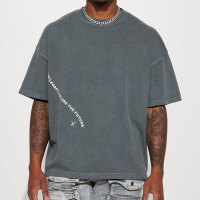
An oversized T-shirt may need a stable jersey that maintains its shoulder line and boxy shape. A fabric with the correct fiber content can still feel too soft, too thin, or too elastic for that look. Yarn, knit structure, width, and finishing are just as relevant as fiber origin.
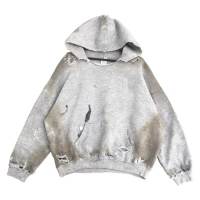
Hoodies create another set of questions. French terry and brushed fleece can both work, but they do not behave the same way. Loopback texture, fleece loft, moisture movement, and stretch can affect hood balance, sleeve volume, and the way the hem sits. The matching rib is part of that material decision, not a minor afterthought.
For pants, the intended result may call for a sturdy cotton twill, a French terry with controlled stretch, or a particular woven construction. A recycled-fiber option should be assessed for abrasion, recovery, and the planned finishing process, rather than treated as a direct replacement simply because its sustainability story is attractive.
The right GSM also depends on the garment. A fabric used for structured tees may be unsuitable for a relaxed top with soft movement. GROOVECOLOR's streetwear fabric selection page provides a separate discussion of weight, hand feel, and garment construction; this article focuses on whether those specifications can be sourced and approved.
Before choosing between two promising swatches, brands need to establish whether either is truly available in the required quantity and shade.
Can a Certified Sustainable Fabric Meet the Demands of Premium Streetwear Manufacturing?
Certification can support a material-origin or safety claim, but it does not replace tests for garment performance. Before bulk cutting, a manufacturer should evaluate fabric weight, shrinkage, colorfastness, surface behavior, recovery, and compatibility with the intended finish. The fabric should be approved for the actual design, not accepted solely because its documentation is strong.
Imagine an organic cotton jersey that feels excellent as a swatch but loses the desired boxy shape after washing. The issue is not whether the cotton is organic. It is whether the yarn, knit structure, and finishing support the intended garment proportions after normal care.
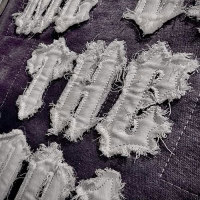
The same principle applies to dense fleece. Extra weight can change seam bulk and affect a hoodie's balance. Heavy embroidery may pull on a soft knitted ground. Pigment dyeing or garment washing can change both hand feel and dimensions. A factory has to test the chosen fabric in the context of these operations, not only inspect the original roll.
The ISO 5077 textile method addresses how dimensional change is determined after specified washing and drying procedures. ISO 105-C06 covers colorfastness to domestic and commercial laundering. Neither standard, by itself, proves that a material passes the brand's acceptance criteria; the test conditions and target values still need to be defined.
Which checks are most useful before the fabric is released for cutting?
- Compare received fabric with an approved swatch and the technical specification.
- Check actual GSM, width, composition documentation, surface appearance, and color reference.
- Review shrinkage and laundering behavior using a defined care and test method.
- Test embroidery, printing, or washing on the actual fabric when the design requires those operations.
- Keep approval samples, results, and permitted tolerances attached to the production record.
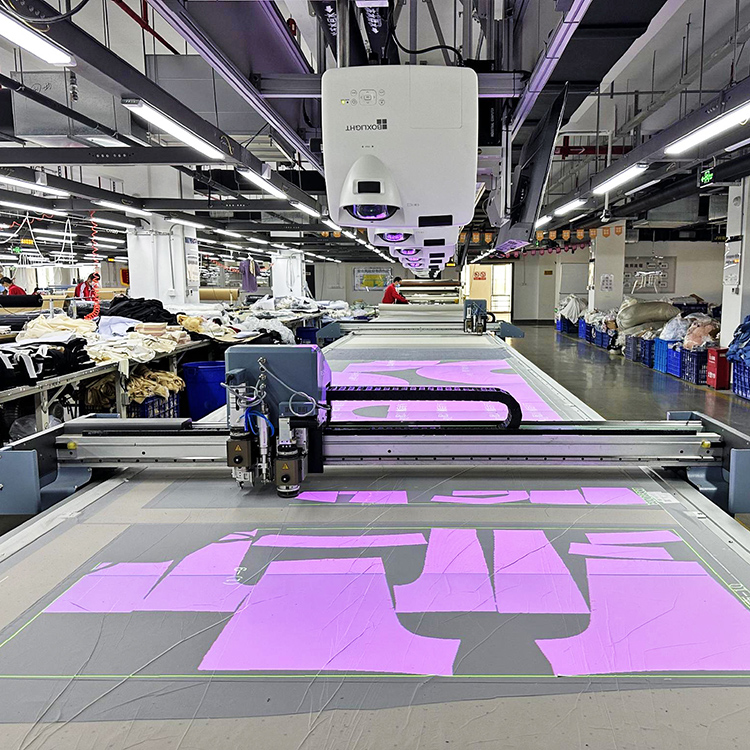
The goal is not to promise that a textile will never change. It is to identify material behavior early enough to adjust the pattern, finishing method, or sourcing decision. The garment quality-control process offers a separate view of production checkpoints after material choice; those checks remain necessary even when an excellent textile supplier has been selected.
If a candidate passes these checks, the brand can decide whether using the available roll is preferable to developing a new fabric from scratch.
When Is Existing Mill Stock Better Than Custom Fabric Development?
Existing stock is usually the practical choice when a fabric already meets the approved composition, construction, shade, and performance needs. Custom knitting or dyeing becomes more relevant when the design requires an unavailable texture, exact color, unusual weight, or proprietary finish. The decision should balance product integrity, sourcing time, material commitments, and the ability to reorder.
A ready-stock fabric can reduce the number of development steps. It does not necessarily reduce the cost of every finished garment. Material width, cutting yield, price breaks, shipping, testing, and trim matching can change the comparison. A lower fabric price can lose its advantage if the material causes extra waste or finishing problems.
Custom fabric development offers different benefits. A brand may need a particular yarn, dense loopback structure, special blend, or precise shade that is not offered in a mill's current range. New knitting and dyeing may improve the fit with the design, but it adds approvals and may introduce larger material commitments or longer planning cycles.
A useful purchasing decision should identify two routes: the preferred approved fabric and an agreed fallback if that option disappears. Neither route is automatically better for every collection. Brands with fixed launch dates may value a qualified existing color, while those developing a signature fabric may choose custom production even when it takes more work.
The decision must also look beyond the first order. An apparently ideal fabric is less useful if the next production run cannot reproduce its key approved characteristics.
How Should Manufacturers Plan Fabric Supply for Repeat Streetwear Orders?
Repeat orders depend on material specifications and new supplier confirmations, not assumptions that yesterday's stock remains available. Preserve the approved construction, supplier code, color reference, test records, and physical sample. Before the next order, confirm current inventory, production lot, lead time, and whether changes to yarn, knitting, dyeing, or finishing require fresh approval.
Successful styles often return with a different size mix or a fresh color. That is where sourcing records become valuable. A team should be able to identify the exact original textile rather than describe it as "the thick soft cotton used last time."
A later lot from the same mill can still differ in hand feel or shade. Changes may arise from yarn supply, finishing, dyeing, or storage conditions. When a new lot arrives, the factory should compare it with the approved reference and determine whether further tests or a new sample are necessary.
For matched hoodie-and-pant sets, the main fabric is only part of the problem. Different fabric lots, rib substitutions, or contrasting components can create visible shade differences once garments are cut and finished. Product teams should record which materials are intended to appear together and where shade variation is acceptable.
The 2026 Textile Exchange Materials Benchmark provides a useful picture of material-sourcing commitments among participating companies. In that reporting group, sourcing of five key fibers through sustainability programs rose from 68% in 2024 to 72% in 2025. These figures describe the participating companies, not all global textile production, and do not establish current stock at any particular mill.
That difference between policy and actual availability is important. A brand can have a long-term sourcing objective without assuming the required certified textile will be sitting in a warehouse at the moment of reorder.
For companies managing several drops, the most useful manufacturer is one that connects fresh material checks with the next production schedule. This leads to a practical question about how such a sourcing-and-manufacturing model is organized.
How Does GROOVECOLOR Approach Premium Fabric Sourcing for Custom Streetwear?
GROOVECOLOR is a premium OEM streetwear manufacturer based in Dongguan, China, serving established brands with structured custom development needs. Its fabric-sourcing approach is built around relationships with textile suppliers and selecting materials against garment requirements. That approach should be assessed through actual swatches, available stock confirmations, relevant documents, and the production approvals for each order.
GROOVECOLOR's relevance to this topic is the connection between fabric sourcing and custom cut-and-sew manufacturing. A sourcing discussion can move from material weight and surface feel to the target garment shape, required washing or graphic process, and the tests needed before bulk cutting. That is a different service from simply presenting a list of available textiles.
The company also outlines responsible fabric and manufacturing practices . Those statements can inform an initial discussion, but any particular material claim or certification should still be checked against documents covering the order itself. A factory social-audit record should not be treated as certification of cotton origin or finished textile content.
For premium men's streetwear programs, this structure is relevant when an established label has a tech pack, defined product expectations, and a planned production run. It allows material suitability to be discussed alongside pattern, finishing, and inspection requirements instead of treating fabric selection as a separate purchase.
The fair way to assess any manufacturer, including GROOVECOLOR, is to request the same evidence for the same material brief. A strong technical conversation should produce specific options and clear limitations, not a promise that every fabric is immediately available.
What Should a Streetwear Brand Confirm Before Approving a Fabric-Sourcing Partner?
Before accepting a fabric-based OEM quotation, a sourcing team should establish the garment specification, desired material claims, approved alternatives, available stock, testing requirements, and who will authorize each decision. The strongest proposal identifies what is confirmed, what still needs sampling, and what remains subject to mill availability or third-party certification records.
Start with a complete technical brief. The factory needs the product type, target composition, acceptable GSM range, desired surface, measurements, colors, artwork, washes, and any care or certification needs. The brand should also share its proposed quantity by color and expected production window. Without those details, a fabric quote is little more than a guess.
Then separate the evidence into three groups. Material identity covers the fabric code, construction, composition, GSM, and color. Supply status covers available quantity, location, supplier lead time, and reservation terms. Production suitability covers physical swatches, tests, decoration trials, and approval before bulk cutting.
For established clothing brands, the best supplier is not necessarily the one that sends the longest fabric catalogue. It is the partner who gives an accurate answer when a detail is uncertain, identifies the next verification step, and can explain how the approved material will be handled in manufacturing.
A brand comparing operating models can also review how a factory supports established streetwear production across repeated collections. That page addresses the broader manufacturing relationship; the decision in this article remains the narrower task of making sure a claimed sustainable fabric is available, documented, and fit for its intended garment.
Which Fabric-Sourcing Questions Should Be Settled Before a Purchase Order?
The hardest questions appear when a fabric is almost right: the mill has enough body fabric but not matching rib, a certificate exists but does not cover the shipment, or an approved color sells out before the deposit is placed. The answers below identify the next action rather than assuming any mill or factory can remove every supply risk.
If organic cotton is available now, will the same fabric be available six months later?
Not necessarily. A mill may continue a fabric program without holding the same color, yarn source, or lot. Keep the approved construction code and sample, then request a fresh stock and specification confirmation ahead of the next production date. Ask whether the mill offers scheduled repeats or an agreed material reservation.
Can a brand reserve certified fabric before the garment sample is approved?
Sometimes, subject to the supplier's commercial terms. A mill may require a deposit, a minimum reservation quantity, or a fixed allocation period. Reserving early can protect availability but exposes the brand if the sample later changes. Confirm whether the fabric can be released, transferred, or repurposed before committing funds.
Should a brand accept a replacement fabric if the approved lot disappears?
Not without evaluating the substitute against the approved standard. Another roll may share the same fiber content and GSM yet behave differently in cutting, washing, or decoration. Compare a physical sample, check the revised documentation, and repeat relevant tests. If garment performance changes, update the approval record before production proceeds.
Can certified sustainable fabric still fail a premium streetwear quality review?
Yes. Certification and garment performance answer different questions. An organic cotton material may have valid origin records yet be unsuitable for the target drape, shrinkage allowance, color, or surface treatment. Brands should use documentary verification for claims and physical testing for garment suitability. Neither check replaces the other.
Which Industry Standards and Sources Inform These Fabric-Sourcing Checks?
- Global Organic Textile Standard — Certified Suppliers Database : supplier scope and transaction evidence for relevant certified deliveries.
- Global Standards — GOTS Downloads : current standard and implementation resources, including version 8.1.
- OEKO-TEX — STANDARD 100 : harmful-substance testing and its scope.
- OEKO-TEX — ORGANIC COTTON : organic cotton verification and traceability.
- US Federal Trade Commission — Green Guides Summary : principles for specific, substantiated environmental claims.
- ISO 5077:2007 : dimensional change after defined laundering and drying procedures.
- ISO 105-C06:2010 : colorfastness to domestic and commercial laundering.
- Textile Exchange — Materials Benchmark Insights and Trends 2026 : reported sourcing patterns for participating companies.
About the Author