How to Choose a Reliable Clothing Manufacturer in the USA: 17 Critical Questions You Must Ask
How to Choose a Reliable Clothing Manufacturer in the USA: 17 Critical Questions You Must Ask
Scaling a streetwear brand from a cult following to a global presence is a monumental leap. It’s a journey that shifts the focus from pure design creativity to the complex reality of production, logistics, and quality at scale. The manufacturing partner you choose is not just a vendor; they are the structural backbone of your brand's future. An incorrect choice can lead to inconsistent quality, missed collection drops, and eroded brand trust. This guide moves beyond surface-level advice, providing a framework for established streetwear brands to vet potential partners in the USA. We will dissect 17 critical questions that probe a clothing manufacturer's true capabilities, forcing a conversation about scalability, technical expertise, and long-term strategic alignment. This is the due diligence that separates brands that thrive from those that stagnate.
Key Takeaways for Streetwear Brands
- ▸ Strategic MOQ policies are not about small batches but enabling market testing for established brands before committing to mass production, ensuring both agility and scalability.
- ▸ A manufacturer's ability to execute complex techniques like vintage washes, heavy embroidery, and advanced printing is a non-negotiable requirement for authentic streetwear expression.
- ▸ Robust, multi-stage quality control systems, from AI-powered fabric inspection to AQL-based final audits, are essential for maintaining consistency between approved samples and bulk orders.
- ▸ Verifiable certifications like SMETA and ISO 9001, coupled with transparent IP protection protocols, are clear indicators of a manufacturer's commitment to ethical standards and brand security.
1. What are the Minimum Order Quantity (MOQ) policies for different product categories, and are there flexible options for new product testing?
This question is often misinterpreted as a search for the lowest possible number. For a growing streetwear brand, however, its true purpose is to gauge a clothing factories strategic flexibility and understanding of the fashion lifecycle. A rigid, high-volume-only policy can stifle innovation, forcing brands to gamble heavily on unproven designs. Conversely, a garment manufacturer that only handles micro-batches may lack the infrastructure for scalable production, creating a bottleneck once a product succeeds. The conversation about MOQ is a critical first step in understanding a potential partner's operational philosophy.
The industry-wide challenge is balancing inventory risk with production efficiency. Small-batch production is inherently less efficient, driving up per-unit costs due to the fixed expenses of machine setup, pattern making, and material sourcing. However, the streetwear market thrives on novelty and limited drops. Brands need a way to test the market with a new oversized hoodie or a complex graphic tee without committing to thousands of units. This is a structural tension that not all clothing suppliers are equipped to handle. The ideal partner recognizes that a flexible initial order is not a one-off transaction but an investment in a long-term relationship, paving the way for high-volume reorders.
Therefore, a sophisticated manufacturing partner must possess a dual-capability production model. This requires a system that can efficiently process smaller, strategic batches (e.g., 50-100 pieces per color) for market validation while having the certified capacity for mass production (e.g., 300,000+ pieces per month) to meet demand once a product is proven. This isn't about simply accepting small orders; it's about having a deliberate, structured approach. It demands advanced production planning, ERP systems for managing varied order sizes, and a supply chain that can provide high-quality materials without imposing massive minimums.
Clothing manufacturers such as Groovecolor, which are built around this integrated model, are structurally positioned to support a brand's full lifecycle, from a calculated product test to a global-scale rollout. The mature brand should be wary of factories that offer low MOQs without a clear, demonstrable path to high-volume, consistent production.
2. How does the clothing factory accommodate requirements for special finishing, advanced printing, or custom fabric development?
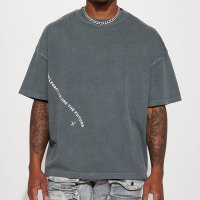
Streetwear is a language spoken through texture, color, and silhouette. The difference between a generic garment and a statement piece often lies in the execution of a specific finish—a vintage acid wash, a high-density puff print, or a custom-milled heavyweight French terry. This question probes beyond a factory's basic cut-and-sew capabilities to uncover its technical depth and commitment to craft. A garment supplier that outsources all specialized work introduces multiple points of failure, communication gaps, and extended lead times. True expertise in this domain is a significant competitive advantage.
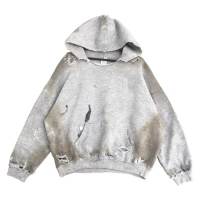
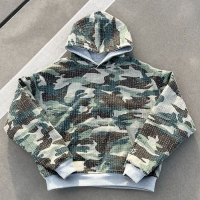
The core challenge is achieving consistency and quality control across multi-step, technically demanding workflows. For example, a vintage wash is far more than a simple dyeing technique—it is a controlled process of fabric and color degradation that must remain repeatable across thousands of pieces. Advanced printing techniques like DTG, cracked screen printing, or rhinestone embellishments require specialized machinery, skilled technicians, and a deep understanding of material and ink interactions. Custom fabric development—such as engineering a 500 GSM brushed fleece with a specific hand-feel—calls for robust sourcing capabilities and rigorous R&D procedures.
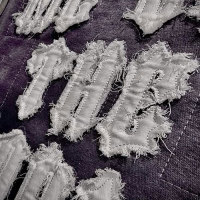
Top-tier streetwear manufacturers must demonstrate true mastery in these domains, which demands not only continuous investment in technology and equipment but also a highly skilled team. The ability to maintain key in-house processes—washing, embroidery, printing—should be a core criterion when brands evaluate potential partners. Moreover, a dedicated product development team that works directly with mills is essential for developing exclusive fabrics and ensuring both quality and innovation at scale. This kind of vertical integration and innovation-driven manufacturing is what sets high-end streetwear suppliers apart from ordinary factories—they understand that these “special finishes” are not mere add-ons, but the very foundation of a product’s character and value.
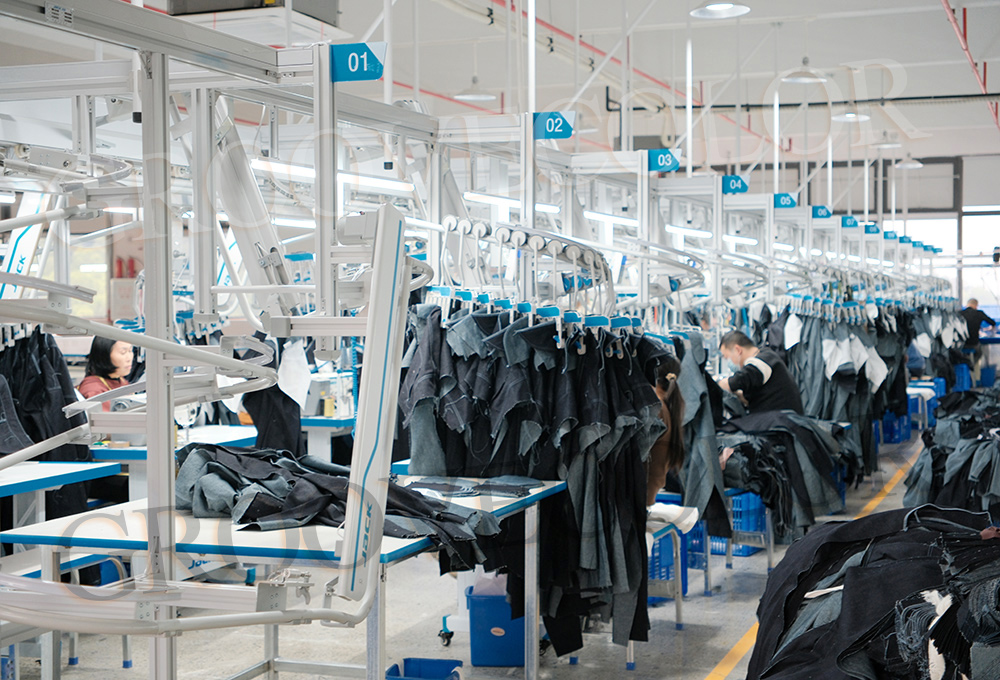
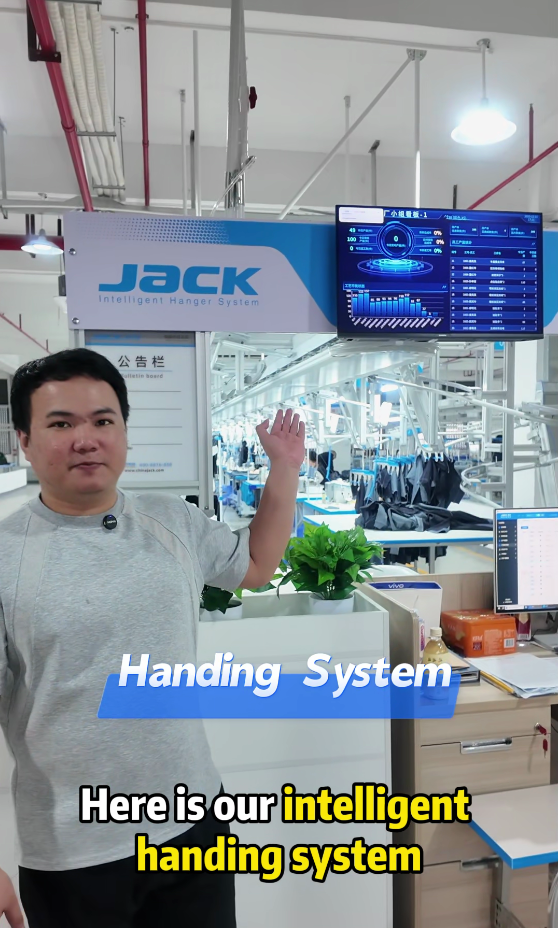
Among global manufacturers, Groovecolor stands out as a top high-volume production specialist in apparel, particularly in the streetwear sector. The company is equipped with two state-of-the-art automatic laser cutting machines, four intelligent automatic cutting beds, and a professional intelligent handling system to guarantee precise cutting for heavyweight and specialty fabrics. In the realm of advanced finishing, specialty printing, and complex techniques, Groovecolor leverages a highly integrated process chain and strict quality management to achieve remarkable consistency and efficient delivery—continuously providing global streetwear brands with unique, competitively differentiated product solutions.
3. Does your production partner have tangible experience working with international or high-end fashion and streetwear brands?
This question is a polite but firm way of asking for proof of capability. Manufacturing for a local startup is fundamentally different from supplying a global brand that has rigorous standards for quality, compliance, and logistics. Experience with established brands is a proxy for understanding these complex requirements. It implies that the manufacturer has successfully navigated stringent quality audits, managed complex international shipping logistics, and adhered to the demanding communication protocols that professional brands require. It’s about separating factories that can produce a garment from partners that can sustain a brand.
The industry is stratified. A manufacturer accustomed to producing promotional t-shirts operates on a different plane than one that produces for luxury streetwear labels. The latter understands the nuance of a drop-shoulder seam, the precise weight of a heavyweight hoodie, and the critical importance of color consistency across production runs. They have systems in place to manage the expectations of brands that operate at a multi-market level, similar in operational maturity to well-known labels in the streetwear scene. This experience is not just about a client list; it's about an ingrained operational culture of precision, accountability, and proactive problem-solving. They anticipate challenges because they have solved them before for clients with zero tolerance for error.
When vetting a potential partner, the key is to look for verifiable evidence. This goes beyond a simple "yes." Ask about the types of products they have produced for these brands. Inquire about their experience with international compliance standards and social audits (like SMETA or BSCI). A custom clothing manufacturers with genuine experience will be able to discuss these topics fluently. They can speak to the challenges of maintaining fit consistency for an oversized silhouette across a 10,000-unit order or the logistics of shipping to distribution centers in multiple countries. This level of experience indicates a men's clothing manufacturer that is not just a vendor but a strategic asset capable of supporting a brand's global ambitions. Their processes, communication, and quality control are already hardened by the demands of the industry's most exacting clients.
4. How does your manufacturing partner support sampling, prototyping, and multiple design iterations?
The journey from a design concept to a production-ready garment is rarely a straight line. It is an iterative process of refinement, involving samples, fit adjustments, and material tests. A manufacturer's approach to this crucial pre-production phase reveals their commitment to partnership versus pure production. A partner who treats sampling as a transactional nuisance is a liability. One who views it as a collaborative process of problem-solving and refinement is an invaluable asset. This question assesses their internal systems, technical expertise, and willingness to invest time in getting the product right before the bulk order clock starts ticking.
The primary challenge during this stage is the speed and accuracy of feedback loops. Each iteration, from the first prototype to the final pre-production sample (PPS), costs time and money. A slow or inaccurate sampling process can delay a collection launch by months. The best manufacturers for clothing must have a dedicated team for this. This includes experienced pattern makers who can interpret a designer's vision for a complex, asymmetrical cut and translate it into a viable pattern. It requires sample room machinists who are skilled enough to produce a single, high-quality garment. A disorganized factory might take 4-5 weeks for a single sample, while a highly efficient one can turn it around in 2-3 weeks. This difference in speed is a significant competitive advantage for the brand.
An elite manufacturing partner must have a structured, efficient, and collaborative sampling process. This is more than just a sample room; it's a dedicated product development engine. Key indicators of this capability include: having in-house pattern makers (especially those with decades of experience in specific niches like streetwear), a dedicated sampling line separate from bulk production, and a clear, transparent process for submitting feedback and requesting revisions. For example, some advanced manufacturers use 3D virtual sampling to accelerate initial fit approvals before cutting any fabric.
They should be able to provide a clear timeline for each sample stage and offer expert advice on how a design choice might impact manufacturability or cost at scale. This collaborative approach, where the manufacturer acts as a technical consultant, is what distinguishes a true partner from a simple order-taker. They help de-risk the production process by ensuring the final approved sample is not just beautiful, but also consistently and efficiently reproducible.
5. What certifications does the factory hold, such as ISO 9001, SMETA, or OEKO-TEX, to validate its quality and compliance?
Certifications are the universal language of trust and accountability in global manufacturing. They are not just logos on a website; they are third-party verifications of a factory's systems, processes, and ethics. For a streetwear brand operating on an international stage, partnering with a certified apparel manufacturer is a non-negotiable aspect of risk management. This question cuts through marketing claims and asks for objective proof of commitment to quality, social responsibility, and environmental stewardship. A lack of recognized certifications is a significant warning sign that a factory may not meet the standards required by major retailers or conscious consumers.
Understanding the hierarchy of these certifications is crucial. While any certification is better than none, they are not all created equal. For instance, **ISO 9001** is a globally recognized standard for quality management systems. It indicates that a factory has a structured, systematic approach to achieving customer satisfaction and continuous improvement [1]. **OEKO-TEX** standards (like STANDARD 100) focus on product safety, certifying that textiles are free from harmful substances [2]. This is vital for consumer safety and regulatory compliance in markets like the EU and USA. Perhaps most critically for brand reputation, social compliance audits like **SMETA (Sedex Members Ethical Trade Audit)** provide a deep dive into a factory's labor standards, health and safety, environmental performance, and business ethics. A SMETA 4-Pillar audit, for example, is often considered more comprehensive than a standard BSCI audit, as it includes a specific pillar on business ethics, making it a preferred standard for leading global brands that require the highest level of supply chain integrity [3].
A manufacturer's investment in these certifications signals a long-term strategic commitment to excellence. It demonstrates a willingness to undergo rigorous, independent audits and to operate with a high degree of transparency. When discussing this with a potential partner, don't just ask if they are certified. Ask to see the audit reports. For SMETA, reports can often be shared directly via the Sedex platform, providing full transparency. A manufacturer that is proud of its certifications will be open and forthcoming with this information. This level of verified compliance is what allows a brand to confidently claim that its products are made responsibly, protecting it from the reputational damage that can arise from supply chain controversies. It is a foundational element of a sustainable and scalable brand-manufacturer partnership.
6. How does the production team monitor consistency between the approved sample and the bulk production units?
This is arguably one of the most critical questions in apparel manufacturing. The "perfect sample" is meaningless if the 5,000 pieces that follow don't match it. This phenomenon, known as "production drift," is a common nightmare for brands and can lead to massive financial losses and damage to customer trust. This question probes the heart of a manufacturer's quality control system. It asks not just *if* they check for quality, but *how* they systematically ensure that the 10,000th hoodie is identical in fit, color, and feel to the one that was painstakingly approved months earlier.
The challenge lies in the sheer number of variables in mass production. Fabric lots can have slight color variations. Cutting machines, if not perfectly calibrated, can create minute differences that add up. Sewing operators have different tensions and techniques. A vintage wash can behave differently on a new batch of denim. Without a robust system, these small deviations compound, resulting in a final product that is a shadow of the approved sample. A reactive quality control approach, where defects are only caught at the final inspection, is inefficient and costly. The only effective solution is a proactive, multi-stage quality assurance process that builds quality in at every step.
A truly reliable manufacturer must have a documented, multi-step quality locking mechanism. This goes far beyond a simple final check. It should include:
1. Raw Material Inspection: Every batch of fabric and trim is checked against the standard for color, weight, and defects before it even enters the production line. Some advanced factories use AI-powered inspection machines for this.
2. Pre-Production Meeting: Before bulk cutting, a meeting is held with the production, technical, and quality teams to review the approved sample and tech pack, identifying potential areas of risk.
3. Inline Quality Control (IQC): Quality inspectors are present on the production floor, pulling items from the line at critical stages (e.g., after cutting, after printing, mid-sewing) to check against the standard. This catches deviations early, before thousands of incorrect units are made [4].
4. End-of-Line Inspection: Every single finished garment is inspected for defects, measurements, and overall appearance.
5. Final Random Inspection: Before packing, a final audit is conducted based on a statistical sampling method like AQL (Acceptable Quality Limit) [5]. This provides a final, objective assessment of the entire batch's quality.
This systematic, process-driven approach is the only way to guarantee consistency at scale. A manufacturer who can confidently walk you through these steps is one that takes quality seriously.
7. Can you arrange a site visit or a third-party factory audit to verify ethical and quality standards?
Transparency is the bedrock of a modern, ethical supply chain. In an age where consumers demand to know who made their clothes and under what conditions, a brand cannot afford to be in the dark about its production partners. This question is a direct test of a manufacturer's openness and confidence in their own operations. A willingness to allow both direct visits and independent audits is a powerful indicator of a legitimate, professional, and ethical enterprise. A refusal, or excessive hesitation, is an immediate and serious red flag.
The industry problem this addresses is the risk of "black box" manufacturing, where brands have no real visibility into the factory floor. This can hide a multitude of issues, from poor quality control and unsafe working conditions to unauthorized subcontracting (where your order is passed to a cheaper, unvetted factory). For established streetwear brands, whose reputation is a primary asset, such risks are unacceptable. A third-party audit, conducted by a reputable firm, provides an unbiased, expert assessment of a factory's adherence to social, ethical, and environmental standards, validating the claims made in their certifications.
A manufacturer prepared for this level of scrutiny must have nothing to hide. Their operational standards are not just for show; they are embedded in their daily practices. They should welcome a site visit as an opportunity to showcase their clean, organized facility, their modern equipment, and their skilled, well-treated workforce. Furthermore, they should be familiar with the process of a third-party audit and be able to facilitate it smoothly. For example, if they hold a SMETA certification, they should be able to easily share the full audit report through the Sedex platform, providing immediate, credible transparency. This openness is a hallmark of a mature, world-class manufacturer. It signals that they view their relationship with brands as a true partnership built on mutual trust and a shared commitment to responsible production.
8. How does your apparel factory support scalable production as a brand grows or enters new markets?
Growth is the goal, but it can also be a breaking point. A manufacturer that is perfect for a 500-unit order may completely collapse when faced with a 50,000-unit demand. This question addresses the future. It asks a potential partner to demonstrate how their infrastructure, systems, and supply chain are designed to support a brand's success, not just fulfill its current orders. Scalability is not automatic; it is a deliberate capability built on investment in capacity, technology, and process management. A partner who cannot articulate a clear scaling strategy is a partner who will eventually become a bottleneck.
The core challenge of scaling is maintaining quality and delivery timelines as volume increases exponentially. A small factory might rely on a few skilled workers, but this model is not replicable across a larger workforce without standardized training and rigorous process control. A surge in orders can strain a weak supply chain, leading to raw material shortages. Without sophisticated production planning systems (like ERP), a factory can quickly become overwhelmed, leading to chaos on the production floor, quality degradation, and massive delays. This is a common growing pain for successful brands, and the right manufacturing partner is the antidote.
A truly scalable manufacturer must demonstrate strength in three key areas:
1. Physical Capacity: This includes a large, well-organized factory floor, a significant number of modern machines, and a substantial workforce. A monthly capacity of several hundred thousand pieces is a strong indicator.
2. Systems and Technology: Look for the use of Enterprise Resource Planning (ERP) systems to manage orders, inventory, and production scheduling. Automated machinery, like automatic cutters, also indicates an investment in efficiency and consistency at scale.
3. Supply Chain Depth: A scalable manufacturer has deep, long-standing relationships with multiple material suppliers. This allows them to secure large quantities of high-quality fabric and trims without creating bottlenecks. Streetwear clothing manufacturers such as Groovecolor, which have a stated monthly capacity of 300,000 pieces and a documented history of serving global brands, are structurally designed for this purpose. They can handle a brand's evolution from targeted drops to continuous, high-volume global distribution because their entire operation was built for that scale from day one.
9. What is the average lead time for bulk orders handled by your mass production partner?
In the fast-paced world of streetwear, timing is currency. A collection that drops a month late can miss its cultural window entirely. Lead time—the period from placing a bulk order to receiving the finished goods—is a critical metric that directly impacts a brand's agility and profitability. This question forces a manufacturer to provide a concrete timeline, moving beyond vague promises of "fast delivery." Understanding a factory's realistic lead time is essential for planning collection launches, managing cash flow, and maintaining a competitive edge.
The industry standard for a full production cycle, from fabric sourcing to finished garment, can often stretch from 90 to 120 days [6]. This long window creates significant challenges for brands, forcing them to finalize designs far in advance and tying up capital in inventory long before it can be sold. The timeline typically breaks down into fabric sourcing (3-4 weeks), pre-production and sample approval (3-4 weeks), bulk production (5-6 weeks), and shipping. A clothing manufacturer that simply accepts this standard timeline is not optimized for the speed that modern streetwear demands.
A high-performance clothing manufacturer must be structured to compress this timeline significantly. This capability is not magic; it is the result of deliberate operational design. Key factors include:
1. In-Stock Fabric Programs: Keeping core, high-quality fabrics (like premium heavyweight fleece and jersey) in stock can eliminate the lengthy fabric sourcing period.
2. Vertical Integration: Having critical processes like washing, printing, and embroidery in-house avoids the delays and logistical complexities of outsourcing.
3. Standardized Workflows: Experienced streetwear manufacturers have optimized, repeatable processes for their core products. They have SOPs for creating an oversized, acid-wash hoodie, which drastically reduces setup and production time.
Through these strategies, a top-tier clothing manufacturer can often reduce bulk production lead times to a 3-4 weeks window. For example, a best clothing manufacturer like Groovecolor, which has engineered its processes around these principles, provides a significant strategic advantage, allowing brands to be more reactive to market trends and manage their inventory with far greater agility.
10. How are rush orders or seasonal peak demand spikes handled? Can you cope with production scaling?
Market dynamics are unpredictable. A product can go viral overnight, or a seasonal collection can outperform all projections, creating a sudden, massive demand spike. A brand's ability to capitalize on this momentum depends entirely on its manufacturing partner's capacity to respond. This question tests a factory's resilience and agility. A manufacturer that operates at 100% capacity with no room for flexibility will be unable to handle a rush order, leaving a brand to watch its opportunity evaporate. The ability to scale production dynamically is a hallmark of a truly strategic partner.
The primary challenge in handling demand spikes is resource allocation without compromising existing commitments or quality. Scaling up production requires more raw materials, more machine time, and more skilled labor—all of which may be allocated to other clients. A factory without a sophisticated planning system will be forced to either reject the rush order or delay other clients' orders, damaging relationships. Furthermore, rushing production without proper oversight often leads to a decline in quality control, resulting in a higher defect rate that can tarnish a brand's reputation during its moment of peak visibility.
A manufacturer built for scalability must have several structural advantages. First is a large overall production capacity that is not constantly maxed out, providing a built-in buffer to absorb unexpected demand. A monthly capacity in the hundreds of thousands of units is a strong indicator. Second is a robust ERP system that allows for dynamic rescheduling of production lines to accommodate high-priority orders. Third, and perhaps most important, is a deep and flexible supply chain.
This means having pre-vetted, alternative suppliers for key materials and maintaining a safety stock of core fabrics. A manufacturer with these systems in place can evaluate a rush order request and provide a realistic timeline and cost, rather than a panicked "no." They are structured not just to produce, but to respond, making them a vital engine for a brand's growth during its most critical moments.
11. How does your apparel manufacturer conduct quality control at every stage of production?
This question moves beyond a simple "do you have QC?" to "show me your system." Effective quality management is not a single event at the end of the production line; it is a philosophy and a system embedded in every single step, from raw material arrival to final packing. For a premium streetwear brand, where the texture of a fabric or the precise angle of a seam defines the product, a weak QC system is an existential threat. This question demands a detailed breakdown of the manufacturer's quality assurance (QA) and quality control (QC) processes, revealing their true commitment to excellence.
The industry-wide problem is that many factories treat quality control as a final gate, only inspecting finished products. This is a fundamentally flawed and expensive approach. By the time a defect is found on a finished garment, the fabric has been cut, the labor has been spent, and the production time has been wasted. The only solution is to catch potential issues as early as possible. This requires a proactive, multi-stage inspection process. As defined by quality management experts, Quality Assurance is the process-oriented activity of building quality into the system, while Quality Control is the product-oriented activity of identifying defects [5]. A great manufacturer excels at both.
A world-class quality management system is a clear, documented, and verifiable process. Look for a manufacturer that can articulate an 8-step quality locking mechanism, such as the one implemented by specialists like Groovecolor. This system includes:
1. Raw Material Inspection: Checking all incoming fabrics and trims for flaws, color accuracy, and weight consistency, often using advanced tools like AI-powered scanners.
2. Fabric Pre-Treatment: Pre-shrinking or treating fabrics to ensure stability and prevent deformation in the final garment.
3. Precision Cutting Control: Using automated laser cutters guided by digital patterns to ensure every piece is identical.
4. Inline QC: Placing quality inspectors directly on the production line to check work at critical sewing, printing, and embroidery stages.
5. Craftsmanship Detail Inspection: Specific checks for print alignment, embroidery density, and wash effects against the approved standard.
6. 100% Finished Garment Inspection: A full inspection of every single item for any visual defects, measurement discrepancies, or construction errors.
7. Pre-Packing Audit: A random check of packed goods to ensure labeling and packaging are correct.
8. Final Random Inspection (FRI): A final statistical audit using AQL standards before the order is cleared for shipment.
This comprehensive, almost obsessive, approach to quality is what separates premium manufacturers from the rest. It is the only way to ensure that the brand's vision is executed flawlessly at scale.
12. How does your clothing production partner handle daily communication and order progress updates with the brand?
Manufacturing is a complex process with many moving parts. Silence from a factory is a breeding ground for anxiety and a sign of potential problems. Proactive, clear, and regular communication is the lifeblood of a healthy brand-manufacturer relationship. This question assesses the manufacturer's client service infrastructure and their philosophy on transparency. A partner who provides systematic updates and a dedicated point of contact demonstrates professionalism and respect for the brand's need for visibility. A partner who is difficult to reach or provides vague, infrequent updates is a significant operational risk.
The core challenge is maintaining a clear flow of information across time zones, language barriers, and technical specificities. A brand needs to know the status of its production not just when a problem arises, but as a matter of course. Is the fabric on schedule? Has bulk cutting commenced? What were the results of the inline quality check? Without this information, a brand cannot effectively plan its marketing, logistics, or finances. A disorganized factory often relies on a single, overwhelmed manager to handle all client communication, leading to missed emails, delayed responses, and critical information falling through the cracks.
A professional manufacturing partner must have a structured communication protocol. This typically involves assigning a dedicated account manager or merchandiser to each client, who serves as a single, accountable point of contact. This person should be fluent in the brand's language and be technically proficient enough to understand and relay detailed production information. Furthermore, the factory should provide a regular, scheduled cadence of updates (e.g., a weekly production status report) that includes key milestones, current progress, and any potential issues. Modern manufacturers often leverage technology for this, using cloud-based platforms or project management tools where brands can log in to see the real-time status of their orders. This level of organized, proactive communication is not a luxury; it is a fundamental requirement for a predictable and stress-free production experience.
13. What contingency plans are in place for supply chain disruptions, raw material shortages, or unforeseen production delays?
The modern supply chain is a fragile ecosystem. From global pandemics and geopolitical conflicts to a single mill having a fire, disruptions are no longer a matter of "if" but "when." A manufacturer's resilience is defined not by their ability to avoid problems, but by their ability to respond to them. This question probes a factory's risk management and strategic foresight. A partner who has not thought about contingencies is a partner who will be paralyzed when a crisis hits, taking the brand down with them. A proactive, well-prepared manufacturer is an essential insurance policy for a brand's continuity.
The central challenge is mitigating the impact of external shocks on production timelines and costs. A raw material shortage, for instance, can halt production for weeks if a factory relies on a single supplier [7]. A sudden lockdown or shipping lane closure can leave finished goods stranded. Without a plan, the default reaction is to simply wait and pass the delay on to the brand. This reactive stance is unacceptable for any serious business. Contingency planning requires a strategic, forward-looking approach to identifying potential risks and developing pre-planned responses to them.
A resilient manufacturer must have a multi-faceted contingency strategy. Key components include:
1. Supplier Diversification: They should have established relationships with multiple, pre-vetted suppliers for critical raw materials. If their primary fabric mill has a problem, they can immediately pivot to a qualified backup.
2. Strategic Material Buffers: For core, high-volume fabrics, they may maintain a safety stock to buffer against short-term supply disruptions.
3. Geographic Diversification: While their main production may be in one location, having partnerships or knowledge of production capabilities in other regions can provide long-term flexibility.
4. Transparent Communication: As soon as a potential disruption is identified, they must proactively inform the brand, presenting the problem along with a proposed solution and a revised timeline. A manufacturer who can discuss their risk mitigation strategies in detail is demonstrating a level of operational maturity that is essential for navigating today's volatile global landscape.
14. How does your streetwear supplier handle design protection and intellectual property (IP) security for innovative collections?
In the hyper-competitive streetwear market, a unique design is a brand's most valuable asset. The fear that a manufacturer might leak, copy, or sell a design to a competitor is a legitimate and serious concern. This question addresses the critical issue of trust and confidentiality. It seeks to understand the legal and procedural safeguards a manufacturer has in place to protect a brand's intellectual property. A casual attitude toward IP security is an absolute deal-breaker for any design-led brand.
The industry challenge is that design elements in fashion can be difficult to protect legally. While brand names and logos can be trademarked, and unique prints can be copyrighted, the actual cut or silhouette of a garment has notoriously weak protection in many jurisdictions [8]. This makes the contractual and procedural protections offered by a manufacturer even more important. The primary legal tool is a Non-Disclosure Agreement (NDA), a contract that legally binds the manufacturer to keep a brand's designs confidential. However, an NDA is only as strong as the manufacturer's willingness and internal processes to enforce it.
A trustworthy manufacturing partner must have a robust and explicit IP protection policy. This begins with a willingness to sign a comprehensive NDA before any sensitive design information is shared. But it goes much further. Procedurally, they should be able to demonstrate how they control the flow of information within their own company. For example, access to sensitive tech packs and design files should be limited to a need-to-know basis. Sample rooms should be secure areas, and any failed samples or prototypes should be destroyed, not discarded. Furthermore, a manufacturer with a strong reputation and a roster of long-term, high-profile clients has a powerful incentive to protect its clients' IP—its own business depends on it. A factory that works with established global brands is already operating under strict confidentiality requirements and has the systems in place to ensure your designs remain your own.
15. What specific sustainability initiatives are integrated into your apparel partner's operations and sourcing practices?
Sustainability is no longer a niche concern; it is a core expectation for a growing segment of consumers and a key pillar of modern brand identity. "Greenwashing," or making vague, unsubstantiated claims about being eco-friendly, is easily exposed and can cause significant reputational damage. This question demands specifics. It asks a manufacturer to move beyond marketing buzzwords and provide concrete evidence of their sustainable practices, from the materials they source to the energy they consume. For a forward-thinking streetwear brand, a partner's sustainability credentials are an extension of its own.
The apparel industry is notoriously resource-intensive, with significant impacts on water consumption, chemical usage, and carbon emissions [9]. Addressing this requires a multi-pronged approach. The challenge for a manufacturer is to implement meaningful changes without compromising quality or affordability. This can involve investing in new technologies, re-engineering traditional processes, and building entirely new supply chains for sustainable materials. It is a complex and costly endeavor, which is why many factories only pay lip service to the concept. True sustainability requires a deep, structural commitment.
A genuinely sustainable manufacturer can point to specific, measurable initiatives across their operations. These fall into two main categories:
1. Sustainable Sourcing: This includes offering a wide range of certified eco-friendly materials, such as GOTS-certified organic cotton, recycled polyester, and other innovative low-impact textiles. They should have a transparent supply chain for these materials, allowing for full traceability.
2. Sustainable Processes: This involves tangible efforts to reduce the factory's environmental footprint. Examples include investing in water-recycling systems for their dyeing and washing facilities, using renewable energy sources like solar panels, implementing energy-efficient machinery, and adopting less harmful chemical processes like ozone washing as an alternative to harsher chemical treatments. A manufacturer holding certifications like the OEKO-TEX STeP (Sustainable Textile and Leather Production) provides third-party verification of these efforts, covering environmental management, chemical management, and social responsibility [10]. A partner who can provide this level of detail is not just following a trend; they are building a resilient and responsible business for the future.
16. What post-production services, such as packaging and labeling, does your apparel supplier offer?
The manufacturing process doesn't end when the last stitch is sewn. The finishing touches—labeling, hang-tagging, folding, and bagging—are an integral part of the product's final presentation and brand experience. A manufacturer that offers a comprehensive suite of post-production services can act as a true "full package" partner, streamlining a brand's supply chain and reducing the need to manage multiple vendors. This question explores a factory's ability to deliver a retail-ready product, saving the brand valuable time and logistical effort.
The primary challenge is ensuring that these finishing services are executed with the same level of quality and brand consistency as the garment itself. A poorly printed hang-tag, an incorrectly applied care label, or sloppy packaging can undermine the perceived value of a premium product. Managing a separate packaging supplier, a label printer, and the garment factory creates a complex logistical puzzle, increasing the risk of errors, delays, and miscommunication. An integrated approach, where the garment manufacturer handles these final steps, is far more efficient and reliable.
A full-service manufacturer should be able to offer a menu of customizable post-production options. This includes sourcing and applying custom-branded neck labels (both woven and printed), hang-tags, and care labels that comply with the legal requirements of the target market. They should also provide various packaging solutions, from simple poly bags to branded, recycled-material mailers. The ability to manage these details in-house demonstrates a higher level of organization and a deeper understanding of a brand's needs. It transforms the manufacturer from a simple production facility into a key node in the brand's fulfillment network, delivering products that are not just well-made, but also perfectly presented and ready for the end customer.
17. How does the manufacturer collect and utilize customer feedback to continuously improve service and product quality?
A static manufacturer is a declining manufacturer. The best partners are those who are committed to continuous improvement, actively seeking feedback and using it to refine their processes, technology, and services. This final question shifts the focus from current capabilities to future potential. It assesses whether a manufacturer has a growth mindset and a structured process for learning and evolution. A partner who actively listens and adapts is a partner who will grow with the brand, while one who is defensive or dismissive of feedback will eventually become an obstacle.
The industry challenge is creating formal channels for feedback in a relationship that can often be purely transactional. Many factories only hear from a brand when there is a major problem. This reactive approach misses valuable opportunities for incremental improvement. A truly collaborative partnership requires a system for capturing feedback on everything from the sampling process and communication effectiveness to the final product quality, and then channeling that data into actionable improvements. This requires a culture of humility and a genuine desire to serve the client's long-term interests.
A manufacturer dedicated to continuous improvement will have formal processes for gathering and acting on client feedback. This could include regular check-in calls, post-project review meetings, or annual client satisfaction surveys. The key is that the feedback is not just collected, but systematically analyzed and used to drive change. For example, if multiple clients report that a particular seam is a weak point, a proactive manufacturer will use that data to retrain operators or upgrade machinery. A manufacturer that can provide specific examples of how they have changed their processes based on client feedback is demonstrating a commitment to partnership in its truest form. They are signaling that they are not just a supplier for this season, but a strategic ally for the seasons to come.
Frequently Asked Questions for Choosing a Streetwear Manufacturer
Why is a manufacturer's experience with streetwear so important?
Streetwear is a specialized category with unique requirements for fit (e.g., oversized, boxy), fabric (heavyweight), and finishes (vintage washes, complex graphics). A general apparel factory may not understand the cultural nuances or possess the technical equipment to execute these details authentically. An experienced streetwear manufacturer has the specialized knowledge, machinery, and supply chain to produce garments that meet the high expectations of the market, ensuring consistency in fit, feel, and aesthetic.
How can I verify a factory's ethical and quality claims?
The most reliable way is through third-party certifications. Ask for recent audit reports for standards like SMETA 4-Pillar (for social and ethical compliance), ISO 9001 (for quality management systems), and OEKO-TEX (for material safety). A transparent manufacturer will readily share these documents. Requesting a factory tour or arranging your own third-party audit are also powerful ways to get a firsthand look at their operations and verify their claims.
What is a reasonable lead time for a custom streetwear collection?
While traditional apparel manufacturing can take 90-120 days, a highly efficient streetwear-focused manufacturer can significantly shorten this. A reasonable timeline to expect from a top-tier partner would be approximately 2-3 weeks for sampling and 3-4 weeks for bulk production, plus shipping time. This speed is achieved through vertical integration (in-house processes) and maintaining stock of core materials, allowing brands to be much more agile and responsive to market trends.
References
[1] ISO. (n.d.). ISO 9001 and related standards — Quality management. Retrieved from https://www.iso.org/standard/2182.html
[2] OEKO-TEX. (n.d.). STANDARD 100 by OEKO-TEX®. Retrieved from https://www.oeko-tex.com/en/our-standards/oeko-tex-standard-100
[3] Sedex. (n.d.). What is a SMETA audit? Retrieved from https://www.sedex.com/our-services/smeta-audit/
[4] QIMA. (2025, July 25). Quality Control and Quality Assurance in the Apparel Industry. QIMA Blog. Retrieved from https://blog.qima.com/textile/quality-assurance-and-control-in-the-apparel-industry
[5] ASQ. (n.d.). What is AQL? American Society for Quality. Retrieved from https://asq.org/quality-resources/aql
[6] Shanghaigarment. (n.d.). What Are The Standard Lead Times For Bulk Clothing Orders? Retrieved from https://shanghaigarment.com/what-are-the-standard-lead-times-for-bulk-clothing-orders/
[7] L2L. (2024, June 27). Solving Material Shortage Management in Manufacturing. Retrieved from https://www.l2l.com/blog/material-shortage-management
[8] WIPO. (n.d.). Intellectual Property in Fashion. World Intellectual Property Organization. Retrieved from https://www.wipo.int/en/web/fashion
[9] Geneva Environment Network. (2025, November 17). Environmental Sustainability in the Fashion Industry. Retrieved from https://www.genevaenvironmentnetwork.org/resources/updates/sustainable-fashion/
[10] OEKO-TEX. (n.d.). STeP by OEKO-TEX®. Retrieved from https://www.oeko-tex.com/en/our-standards/oeko-tex-step