How Should Established Streetwear Brands Plan a Canton Fair and Dongguan Factory Visit in 2026?
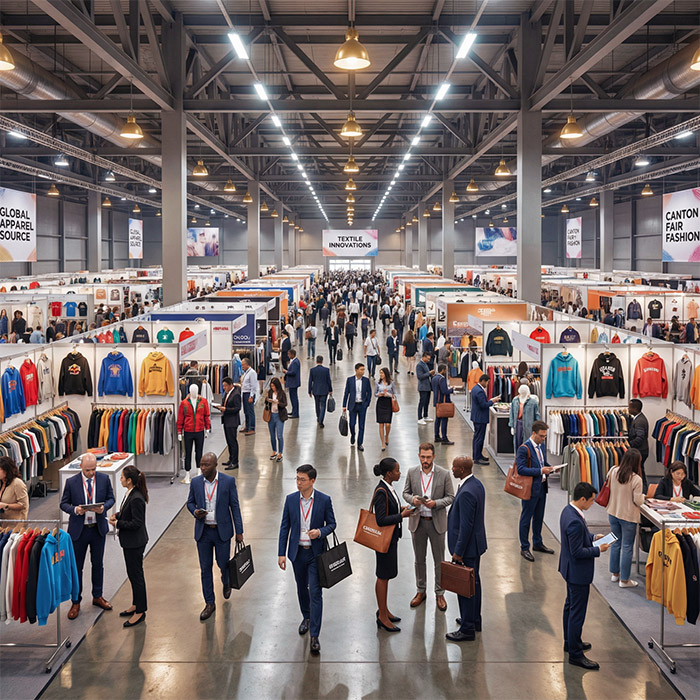
For established streetwear brands sourcing from Guangzhou clothing manufacturers or evaluating a Dongguan clothing factory, attending the Canton Fair and scheduling on-site factory visits remains one of the most effective ways to verify production capability, assess quality systems, and build long-term manufacturing partnerships. The Canton Fair, officially known as the China Import and Export Fair, has operated since 1957 and now attracts over 250,000 international buyers across three phases each session, according to its documented history. Phase 3 — covering textiles, garments, and accessories — is the session most relevant to brands working with China-based clothing manufacturers.
This guide is designed for fashion and streetwear brands that are exploring or expanding manufacturing partnerships in China. Whether you are visiting Asian clothing manufacturers for the first time, evaluating potential partners in person, or strengthening relationships with long-term suppliers, this guide provides practical insights to help you plan an efficient sourcing trip. Inside, you’ll find guidance on Canton Fair scheduling, visa preparation, factory evaluation frameworks, and a suggested itinerary that connects the Canton Fair with factory visits in Dongguan’s Humen district—one of China’s most established garment manufacturing hubs. The region is known for specialized apparel production, including technique-driven streetwear manufacturing, where facilities such as Groovecolor operate integrated production systems capable of supporting heavyweight fabrics, complex washing processes, and advanced garment techniques.
GROOVECOLOR is based in Humen Town, Dongguan city. The purpose of this article is to help established streetwear brands use a Canton Fair sourcing trip as an opportunity to arrange separate factory visits in Guangzhou and Dongguan, where actual pattern, cutting, sewing, decoration, finishing and quality-control systems can be examined beyond the limits of a trade-show booth.
Key Takeaways for Streetwear Brands
- ▸Phase 3 is the Canton Fair stage most relevant to garments, fashion and textile sourcing. The 139th Spring Phase 3 was held from May 1 to May 5, 2026, while the 140th Autumn Phase 3 will run from October 31 to November 4, 2026. Both schedules remain useful references for brands planning how to combine Canton Fair attendance with Dongguan factory visits.
- ▸ China currently permits ordinary-passport holders from 50 countries to enter visa-free for up to 30 days for eligible purposes including business, tourism, exchange, family visits and transit. Canada and the United Kingdom were added from February 17 through December 31, 2026. The United States is not included in this unilateral 30-day visa-free list, not every EU passport is covered, and separate bilateral arrangements may apply to countries such as Singapore. Every sourcing team should verify the rule for its specific passport before booking travel.
- ▸ Dongguan's Humen district, located roughly one hour from the Canton Fair Complex, concentrates one of China's densest clusters of garment factories specializing in streetwear-grade production — making post-fair factory visits highly efficient.
- ▸ Bringing physical samples, detailed tech packs, and fabric swatches to factory visits allows pattern teams to assess feasibility on the spot — and helps brands identify which manufacturers can genuinely execute complex streetwear techniques at volume.
- ▸ The lowest quoted price rarely reflects the true cost of quality streetwear production — on-site verification of washing systems, QC checkpoints, and sample-to-bulk consistency is the most reliable way to separate capable manufacturers from those likely to cut corners.
Why Does the Canton Fair Still Matter for Brands Sourcing from Guangzhou Clothing Manufacturers?
The Canton Fair remains the world's largest trade exhibition by exhibition space and buyer attendance, and for streetwear brands evaluating China clothing manufacturers, it offers a density of face-to-face verification opportunities that no online platform can replicate. Held biannually in Guangzhou since 1957, the fair now spans 1.55 million square meters of exhibition space at the Pazhou Complex, with Phase 3 dedicated specifically to textiles, garments, shoes, and accessories. According to data published by the Canton Fair organizing committee, the 135th session in 2024 attracted buyers from over 229 countries and regions — a scale that reflects the fair's continued relevance as a sourcing hub for the global apparel industry.
For brands that have already established collections and are generating consistent revenue, the Canton Fair serves a fundamentally different purpose than it does for first-time sourcing explorers. At this stage, the value is not in discovering that China has garment factories — it is in verifying which Guangzhou clothing manufacturers or Dongguan garment suppliers can actually execute the specific techniques, fabric weights, and quality standards your brand requires at production scale. Walking a manufacturer's booth, examining physical samples, and asking pointed questions about washing capabilities, embroidery density control, or heavyweight fabric sourcing reveals information that no Alibaba listing or email exchange can provide.
The global streetwear market was valued at approximately USD 371 billion in 2025 and is projected to reach USD 398 billion in 2026, according to Fortune Business Insights. Within this expanding market, the brands that maintain competitive advantage are those with manufacturing partnerships capable of delivering complex garments — acid-washed hoodies, heavyweight oversized tees, multi-technique jackets — with batch-level consistency. The Canton Fair, particularly Phase 3, is where these partnerships often begin or deepen. It is also where brands can benchmark multiple Asian clothing manufacturers side by side, comparing not just price but production logic, technical depth, and communication quality in a single concentrated trip.
When Should Streetwear Brands Arrive in China — and How Do You Plan Around the Canton Fair 2026 Schedule?
Streetwear brands evaluating garment and textile suppliers should plan around Phase 3. The 139th Spring Canton Fair Phase 3 was held from May 1 to May 5, 2026. The 140th Autumn Canton Fair Phase 3 is scheduled for October 31 to November 4, 2026.
The Spring dates remain in this guide as a reference for brands that attended the 139th session, are reviewing suppliers they met there or are evaluating how a future spring sourcing trip should be structured. The Autumn schedule supports teams preparing for the next 2026 sourcing window.
Arriving one or two days before Phase 3 allows time to collect buyer credentials, review the exhibitor directory, confirm appointments and organize the samples, tech packs and evaluation documents required for later factory visits.
Brands should not allocate every available day to the exhibition halls. Canton Fair attendance is useful for supplier discovery, sample comparison and preliminary conversations. Actual production due diligence takes place when the brand visits a factory and examines pattern development, fabric control, cutting, sewing, decoration, washing or finishing coordination, in-process QC and final inspection.
For 2026, the spring session could support autumn and winter development programs, while the autumn session can support later spring and summer production planning. The correct calendar depends on the brand’s launch date, sample-approval cycle, bulk-production requirement and shipping plan—not only on the fair dates.
What Visa and Invitation Letter Steps Must International Procurement Teams Complete Before Traveling to China?
China’s entry rules must be checked by passport nationality, passport type, travel purpose, planned length of stay and travel route. Procurement teams should not rely on broad descriptions such as “Western countries,” “EU buyers” or “international visitors,” because different passports can be subject to different arrangements.
As of June 2026, ordinary-passport holders from 50 countries are covered by China’s current unilateral 30-day visa-free policy for eligible short-term purposes, including business, tourism, exchange, family or friend visits and transit. Canada and the United Kingdom were added from February 17 to December 31, 2026. Australia, New Zealand, Japan, South Korea and many European countries are also included, but not every European Union member state is covered.
The United States is not included in the current 50-country unilateral 30-day visa-free list. American streetwear brand owners, product developers and procurement teams should not assume that a normal United States–China–United States business trip is visa-free.
Eligible United States passport holders may qualify for China’s 240-hour visa-free transit policy, but only when they travel through China to a third country or region, use an eligible entry port and remain within the permitted area. The 240-hour policy is a transit arrangement, not a general replacement for a business visa on an ordinary return itinerary.
Singapore ordinary-passport holders are covered by a separate mutual 30-day visa-exemption arrangement between China and Singapore. This distinction matters because Singapore’s eligibility does not come from the same unilateral 50-country policy.
Brand teams holding passports from the United States or from any other country not included in the current unilateral list should verify whether a separate mutual exemption, transit arrangement or other entry policy applies. If no suitable visa-free arrangement applies, the traveler should obtain the appropriate visa before departure.
The Canton Fair provides an official invitation-letter application service for eligible overseas buyers. An invitation letter may support a business-visa application, but it does not automatically guarantee that a visa will be issued. Buyers should use the official Canton Fair Buyer Service System or an authorized Canton Fair representative office and follow the requirements of the relevant Chinese embassy or consulate.
Important Country-Specific Reminder
Visa and Entry Checklist for Streetwear Brand Teams Visiting China in 2026
Which Hotels and Logistics Should You Arrange Near the Canton Fair Complex?
The Pazhou district in Guangzhou's Haizhu area is the most practical base for Canton Fair attendance, with several international-standard hotels located within walking distance or a short taxi ride from the exhibition complex. Booking early is essential — hotels in the Pazhou area fill up weeks in advance during Canton Fair periods, and prices increase significantly as dates approach. For brand teams that value proximity and service quality, the following properties are consistently recommended by experienced buyers.
Guangzhou Baiyun International Airport (CAN) is the primary arrival point, located approximately 35 kilometers from the Pazhou district. Taxi or ride-hailing services (Didi is the dominant platform in China) typically take 40 to 60 minutes depending on traffic. The Guangzhou Metro also connects the airport to the Pazhou area, though it requires a transfer. For teams planning to visit Dongguan factories after the fair, arranging a private car or transfer service for the Guangzhou-to-Dongguan leg is more efficient than public transit, especially when carrying samples and materials.
Practical considerations that experienced procurement teams often overlook: Chinese mobile payment systems (WeChat Pay, Alipay) are dominant, and many smaller vendors and restaurants do not accept international credit cards. Setting up a WeChat account before arrival and linking an international card, or carrying sufficient cash in Chinese yuan, avoids daily friction. International SIM cards or eSIMs with China data coverage are available from providers like Airalo or China Unicom and should be arranged before departure. Translation apps such as Google Translate (with offline Chinese language pack downloaded) or Apple Translate function reliably for basic communication.
What Should Streetwear Brands Look for — and Watch Out for — When Walking the Canton Fair Garment Halls?
The Canton Fair garment halls during Phase 3 contain hundreds of exhibitors, and the most productive approach for established streetwear brands is to treat the fair as a structured verification exercise rather than an open-ended browsing session. Before arriving, identify 15 to 20 target exhibitors from the Canton Fair's online exhibitor directory (available after pre-registration) and prepare specific questions tailored to your production requirements. Walking the halls without a shortlist leads to superficial conversations and wasted time.
When evaluating exhibitors at the fair, focus on signals that distinguish genuine manufacturers from trading companies or intermediaries. A real garment factory will typically display physical production samples (not just catalog images), have staff who can discuss pattern construction and fabric specifications in technical detail, and provide clear answers about their factory location, production capacity, and lead times. Trading companies, by contrast, often display a wide but shallow product range, cannot answer technical questions about specific processes, and may hesitate when asked for a factory address or an invitation for an on-site visit.
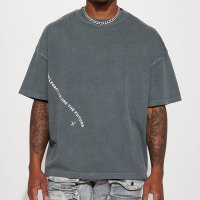
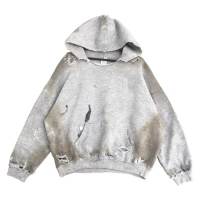
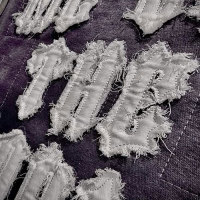
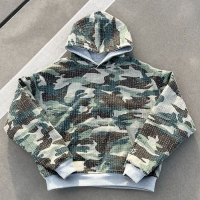
For streetwear specifically, the questions that separate capable manufacturers from generic garment factories are highly technical. Ask about their experience with heavyweight fabrics in the 300 to 600 GSM range. Ask how they control shrinkage and torque in garment-washed hoodies. Ask whether they handle acid wash, enzyme wash, or stone wash in-house or outsource to third parties. Ask to see examples of puff print, heavy embroidery, or chenille applique executed on heavyweight fleece. These are the process capabilities that define whether a China clothing manufacturer can actually deliver the quality streetwear brands require — and they are nearly impossible to fake in a face-to-face conversation with someone who knows the right questions to ask.
Why Is Dongguan's Humen District Considered a Strategic Hub for Streetwear Manufacturing?
Humen Town in Dongguan has been recognized as one of China's most concentrated garment manufacturing clusters for over three decades, and its infrastructure is particularly well-suited to the technical demands of streetwear production. Often referred to as the "Fashion Capital of China" within the domestic industry, Humen hosts thousands of garment-related enterprises spanning fabric mills, washing plants, printing facilities, embroidery workshops, and finished-garment factories. This density creates a localized supply chain ecosystem where materials, processes, and expertise are available within a compact geographic radius — a structural advantage that directly impacts production speed and quality control for complex streetwear garments.
What makes Humen specifically relevant to streetwear — rather than just general apparel — is the concentration of factories that have invested in the equipment and expertise required for heavyweight fabric construction, advanced washing techniques, and multi-step surface treatments. Streetwear production is fundamentally different from fast-fashion or basic garment manufacturing. A 480 GSM French terry hoodie with acid wash, heavy embroidery, and raw-edge distressing requires a completely different production logic than a standard 180 GSM cotton t-shirt. The Humen district's manufacturing ecosystem has evolved to support exactly this type of complex, technique-intensive production, with many factories operating integrated facilities that combine cutting, sewing, washing, printing, and embroidery under one roof or within a tightly coordinated local network.
From a logistics perspective, Humen's proximity to Guangzhou (approximately 70 km, or one hour by car) and Shenzhen (approximately 80 km) makes it accessible from two major international airports. The Guangzhou-Shenzhen intercity rail stops at Humen Station, providing an additional transit option. For brands attending the Canton Fair, this proximity means that factory visits in Humen can be scheduled in the days immediately following the fair without requiring additional domestic flights or overnight travel to a different region. China's total garment exports reached approximately USD 85.26 billion in 2024, according to industry trade data, and the Guangdong province — where both Guangzhou and Dongguan are located — accounts for a significant share of this output, particularly in the premium and streetwear-adjacent segments.
Humen’s relevance is better demonstrated by its local apparel-industry infrastructure than by a broad national export figure. According to information published by the Dongguan municipal government, Humen’s apparel sector generated approximately RMB 43.8 billion in industrial output and more than RMB 84.5 billion in annual sales in 2023. The town is also being developed as a pilot area for a world-class apparel industry cluster. These figures demonstrate the scale of the local ecosystem, but they do not mean that every Humen factory is suitable for premium streetwear. Brands must still evaluate each manufacturer’s product specialization, pattern capability, equipment, process ownership, subcontracting controls, QC records and experience with the required fabric weights and techniques.
How Do You Vet a Dongguan Clothing Factory During an On-Site Visit — and What Red Flags Should You Watch For?
An on-site factory visit is the single most effective way to verify whether a Dongguan clothing manufacturer can deliver the quality, consistency, and technical execution that established streetwear brands require — and it is also the most reliable method for identifying factories that are likely to cut corners after the first order. The production floor reveals what no email, video call, or sample shipment can: the actual condition of equipment, the skill level of workers, the organization of workflow, and the presence (or absence) of systematic quality control.
When you enter the cutting room, automated CAD-linked spreading and cutting equipment should be treated as a major positive signal for bulk streetwear production. These systems are designed to improve cutting speed, dimensional accuracy, marker efficiency and repeatability across sizes, colorways and repeat orders.
For oversized, boxy and drop-shoulder garments, this matters because small cutting deviations can alter shoulder position, sleeve balance, body width, hem alignment and the intended relationship between garment volume and drape.
However, the presence of an automated cutting table is only the beginning of the audit. Ask how approved digital patterns are version-controlled, how grading rules are locked, how fabric is inspected and relaxed, how spreading tension and ply height are controlled, how shade lots are separated, how cutting blades and vacuum settings are maintained, and how cut panels are bundled and identified before sewing.
A factory relying entirely on manual cutting for high-volume, multi-size and technically complex bulk orders deserves closer scrutiny. Skilled manual cutting remains useful for samples, pilot runs, special materials and low-volume work, but automated cutting provides a stronger foundation for speed, scalable accuracy and repeatable bulk execution when it is supported by experienced technicians and documented controls.
One of the most important things you can do during a factory visit is bring your own samples. Carry physical swatches of your target fabrics, reference garments showing the weight and hand feel you expect, and detailed tech packs with measurements, construction notes, and print or embroidery specifications. Handing a factory your actual reference material — rather than just describing it verbally — allows their pattern team and production managers to give you realistic feedback on feasibility, pricing, and timelines. It also reveals whether the factory's team genuinely understands streetwear construction or is simply agreeing to everything in order to secure the order. A factory that examines your sample carefully, asks clarifying questions about construction details, and identifies potential challenges is far more trustworthy than one that immediately quotes a low price and promises fast delivery without examining the technical requirements. For a deeper understanding of how cost structures differ between basic garments and complex streetwear pieces, the real cost structure behind streetwear manufacturing provides a detailed breakdown that can inform your factory conversations.
Critical Warning: The Low-Price Trap in Streetwear Manufacturing
In technique-heavy OEM streetwear manufacturing, a quotation that sits far below the cost logic of the approved specification should not be treated as an automatic purchasing advantage. It should be treated as a warning that part of the product, process or commercial scope may have been omitted, downgraded or postponed.
The price of a heavyweight cut-and-sew garment must support the confirmed fabric composition and GSM, fabric consumption, pattern development, cutting and sewing labor, wash process, print or embroidery specification, trims, labels, packaging, process loss, rejection allowance, quality-control checkpoints and factory margin.
When the quoted price cannot support those inputs, the difference normally has to appear somewhere else. It may appear as a lighter fabric, lower embroidery density, fewer print passes, shortened wash processing, cheaper trims, undisclosed subcontracting, reduced QC, additional charges after sampling or a higher price once the brand becomes dependent on the supplier.
For example, a quotation of approximately USD 15 for a fully cut-and-sew 450 GSM acid-washed hoodie with heavy embroidery should be treated as commercially implausible unless the supplier can document exactly how the price is achieved without changing the required specification. The correct response is not simply to accept the quotation or accuse the factory immediately. The correct response is to demand a line-by-line specification confirmation and compare it with quotations based on the same tech pack.
Brands should require written confirmation of:
What Cost and Quality Trade-Offs Should Brands Understand Before Committing to a China Clothing Manufacturer?
The cost of manufacturing streetwear in China is not a single number — it is a function of fabric weight, technique complexity, quality control rigor, and the manufacturer's production logic, and brands that optimize solely for the lowest unit price consistently encounter the highest long-term costs in rework, returns, and brand damage. This is a structural reality of the industry, not a marketing claim. The difference between a high-volume basic 180 GSM T-shirt and a lower-volume cut-and-sew 380 GSM heavyweight streetwear T-shirt with a custom pattern, screen printing, garment washing, custom labels, stricter inspection and specialized packaging can reasonably reach a 3x to 5x cost multiplier under a defined comparison.
That multiplier is not created by fabric weight alone. It reflects the combined effect of higher fabric consumption, fabric quality, smaller order quantities, pattern and sample-development allocation, cutting and sewing labor, printing, washing, decoration, trims, process loss, rejection allowance, quality control and packaging.
The comparison must therefore use two complete specifications rather than two garment names. A “T-shirt” can describe a low-cost stock body with a simple logo, or it can describe an independently patterned, heavyweight, garment-washed and multi-technique cut-and-sew product. Those products do not share the same production logic.
When comparing Guangzhou clothing manufacturers, Dongguan clothing factories or other China clothing manufacturer options, brands should ask each supplier to confirm the same bill of materials and process scope. This includes fabric composition, GSM, usable width, consumption, pattern requirements, wash, artwork dimensions, embroidery stitch count, trims, packaging, testing, inspection and order quantity.
A consolidated unit price is normal in apparel manufacturing and is not automatically a red flag. The real warning is a single price without a clearly documented specification, inclusion list, exclusion list or change-control process. Competence and transparency are demonstrated by the manufacturer’s ability to explain what the unit price covers and which specification changes would alter it.
How Can Brands Build a Productive Itinerary That Combines the Canton Fair with Dongguan Factory Visits?
The most effective approach is a 9 to 10-day itinerary that allocates the first days to Canton Fair attendance, the middle days to factory visits in Dongguan, and the final days to follow-up meetings and sample collection before departure. This structure ensures that the fair serves its intended purpose — initial verification and shortlisting — while the factory visits provide the deep, on-site evaluation that drives actual manufacturing decisions.
A critical detail that many first-time visitors to China underestimate: factory visits should be confirmed at least two to three weeks in advance. Reputable manufacturers — the kind that established streetwear brands should be evaluating — have active production schedules and cannot accommodate walk-in tours on short notice. Sending your tech packs and sample requirements ahead of the visit allows the factory's team to prepare relevant material, fabric options, and even preliminary cost estimates, making the on-site meeting far more productive.
For brands visiting multiple factories, keep a structured evaluation scorecard that covers the same criteria for each facility: production capacity (monthly output in pieces), equipment condition and automation level, in-house capabilities, QC system documentation, compliance certifications (such as SMETA 4-Pillar social compliance frameworks or ISO-aligned quality management), lead times for sampling and bulk, and communication quality. Comparing factories against a consistent framework prevents the common trap of being swayed by the most impressive showroom rather than the most capable production floor. The brands that build the strongest manufacturing partnerships are those that evaluate based on structural capability, not surface presentation.
Why Do Established Streetwear Brands Schedule Factory Visits with Manufacturers Like Groovecolor After the Canton Fair?
The transition from Canton Fair booth conversation to on-site factory evaluation is where sourcing decisions move from theoretical to verifiable — and manufacturers that actively welcome and facilitate this transition demonstrate a level of operational confidence that directly correlates with production reliability. For brands that have identified potential partners during Phase 3 of the Canton Fair, the logical next step is scheduling visits to the factories that showed the strongest alignment with their technical requirements, volume expectations, and quality standards.
In the context of Dongguan's Humen manufacturing district, a factory visit reveals dimensions of capability that no trade fair booth can convey. Field observations across multiple factory evaluations in the Guangdong region consistently show that manufacturers operating with integrated core in-house processes — where pattern development, critical process control, and batch-level quality locking are managed within a single facility — Factories that centrally control pattern development, approved specifications, production planning and quality checkpoints can reduce handoff risk and make process accountability easier to verify.
This does not require every specialized process to be physically located under one roof. In full-package streetwear manufacturing, some washing or finishing processes may be completed through qualified external partners. What matters is whether the primary manufacturer locks the approved specification, controls the process sequence, inspects the output and remains accountable for the final garment.
Frequently Asked Questions About Attending the Canton Fair and Visiting Dongguan Clothing Manufacturers
How Do I Register as an Overseas Buyer for the Canton Fair in 2026?
Overseas buyers should complete pre-registration through the official Canton Fair Buyer Service System and follow the current instructions for buyer credentials and badge collection. Buyers who need supporting documentation for a Chinese visa may also apply for an official Canton Fair invitation through the designated overseas-buyer system or an authorized Canton Fair representative office.
The invitation is supporting documentation for a visa application; it is not a guarantee that a visa will be approved. Each buyer must still meet the requirements of the Chinese embassy, consulate or visa-processing center responsible for the application.
Can I Visit Dongguan Garment Factories Directly After the Canton Fair?
Yes — and for established streetwear brands, scheduling factory visits in Dongguan immediately after the Canton Fair is one of the most strategically valuable uses of your time in China. Dongguan is approximately 70 kilometers from the Canton Fair Complex in Guangzhou, reachable in about 60 to 90 minutes by car or private transfer. The Guangzhou-Shenzhen intercity rail also connects the two cities, with Humen Station serving the core garment manufacturing district. Many manufacturers in the Humen area are accustomed to hosting international brand teams and can arrange airport pickup, factory tours, and sample review sessions. The key is to schedule these visits at least two to three weeks in advance — reputable factories with active production lines cannot accommodate unplanned walk-in tours. Sending your tech packs and reference materials ahead of the visit allows the factory team to prepare relevant samples, fabric options, and preliminary pricing.
What Documents and Materials Should I Bring to a Factory Visit with a China Clothing Manufacturer?
Bring physical samples or swatches of your target fabrics, detailed tech packs, reference images, and a clear brief on your requirements — tangible materials are the most effective communication tool during a factory visit. Specifically, your preparation should include:
Having these materials in hand allows the factory's pattern makers and production managers to assess feasibility on the spot, provide realistic pricing, and identify potential challenges before sampling begins. It also demonstrates to the manufacturer that your brand operates with professional-grade preparation — which directly influences the priority and attention your project receives.
How Far Is Dongguan from the Canton Fair Complex in Guangzhou?
Dongguan is approximately 70 kilometers southeast of the Canton Fair Complex at Pazhou, with travel times of 60 to 90 minutes by car depending on traffic conditions. The Guangzhou-Shenzhen intercity railway provides an alternative, with Humen Station located in the heart of the garment manufacturing district. For brand teams carrying samples and materials, a private car or pre-arranged transfer is generally more practical than public transit. Many Dongguan-based manufacturers offer to arrange transportation for visiting brand teams, which simplifies logistics and ensures you arrive at the correct facility. If you are flying out of Shenzhen Bao'an Airport (SZX) rather than Guangzhou Baiyun (CAN), Dongguan is conveniently positioned between the two cities, making either airport a viable departure point.
Is It Safe for International Buyers to Travel Independently in Guangzhou and Dongguan?
Both Guangzhou and Dongguan are considered safe and well-developed cities for international business travelers, with modern infrastructure, reliable transportation, and a long history of hosting foreign buyers. The Pazhou district around the Canton Fair Complex is specifically designed to accommodate international visitors, with multilingual signage, international hotel chains, and accessible public transit. Dongguan's Humen district, while more industrial in character, is equally safe and well-connected. Practical tips for smooth independent travel include: downloading a translation app with offline Chinese language support, setting up a Chinese mobile payment method (WeChat Pay or Alipay) or carrying sufficient cash in yuan, using Didi (China's dominant ride-hailing app) for local transportation, and keeping digital copies of your passport and hotel booking confirmations. Many manufacturers also arrange airport pickup and inter-city transfers for visiting brand teams, reducing the need for independent navigation.
What Is the Typical Lead Time When Working with a Dongguan Clothing Factory for Streetwear?
For GROOVECOLOR’s full-package OEM streetwear production, sample development usually takes 2–3 weeks and bulk production usually takes 3–4 weeks after sample and production specifications are approved. The exact schedule depends on garment complexity, fabric availability, order quantity, wash development, decoration processes, custom trims, testing requirements and the speed of buyer approvals.
These timelines refer to cut-and-sew OEM production rather than the simple addition of a print or embroidery logo to an existing blank garment. A clean heavyweight T-shirt with one decoration process will normally move faster than an acid-washed hoodie combining custom pattern development, embroidery, appliqué, distressing, specialized trims and multiple approval stages.
Across less integrated full-custom apparel factories, approximately 5–6 weeks for sample development and 6–10 weeks for bulk production is a realistic planning benchmark, particularly when fabrics must be developed or sourced, patterns are created from the beginning, several sample revisions are required, or washing and decoration processes depend on separate production schedules. These figures should be treated as a full-custom OEM planning range rather than a universal audited industry average.
GROOVECOLOR’s 2–3-week sampling and 3–4-week bulk timeline is supported by its Dongguan and Guangzhou supply-chain location, 200+ fabric partners, coordinated production planning, established streetwear workflows and controlled process checkpoints. It does not mean that every style can be rushed into the same schedule. Complex garments still require sufficient time for development, approval and controlled bulk execution.
During a factory visit, ask the manufacturer to separate the timeline into fabric confirmation, pattern development, sample production, revision, pre-production approval, bulk fabric preparation, cutting, sewing, decoration, washing or finishing, inspection and packing. International freight should be quoted separately because shipping time depends on destination, route, carrier and shipping method.
References and Sources
- Canton Fair — Wikipedia (History, scale, and attendance data)
- Canton Fair Official Website (Registration, exhibitor directories, and scheduling)
- Canton Fair Hong Kong Office — Visa Invitation Letter Service
- China Briefing — China 240-Hour Visa-Free Transit Policy
- The Dragon Trip — China Visa-Free Policy Extended to December 2026
- Fortune Business Insights — Global Streetwear Market Size and Forecast
- McKinsey & Company — The State of Fashion 2026
- TexLeader — Analysis of China's Apparel Foreign Trade in 2025
- Sedex — SMETA Audit (Social Compliance Framework)
- GreenPlus Export — Canton Fair 2026 Dates, Schedule & Phase Guide
- Groovecolor — The Real Cost Structure Behind Basic T-Shirts vs. Cut-and-Sew Streetwear Tees
- Groovecolor — A Strategic Guide for Established Streetwear Brands on How to Vet China T-Shirt Manufacturers
About the Author