How Fabric MOQ, Color MOQ and Decoration MOQ Affect a Custom Clothing Order?
Fabric MOQ, color MOQ, and decoration MOQ shape a custom clothing order before the first bulk unit is cut. They decide which materials can be sourced, how many colorways are realistic, which decoration methods are worth setting up, and how a brand should structure a strategic test run before moving into larger custom production.
For established streetwear brands and menswear-focused fashion labels, MOQ is not just a number printed in a supplier message. It is a production rule created by fabric mills, dye houses, trim suppliers, print rooms, embroidery teams, cutting rooms, and final assembly schedules. A supplier may say that a garment can start at 50-100 pcs per color, but the real order structure still depends on whether the chosen fabric, shade, decoration process, and SKU split can work inside that quantity.
This is why GROOVECOLOR approaches MOQ as a production planning question instead of a simple sales threshold. A custom hoodie, T-shirt, sweatshirt, jacket, pants program, or tracksuit set can look efficient on paper, then become expensive or unstable when fabric sourcing, color approval, and decoration setup are not planned together. The safer question is not "what is the lowest order?" but "which order structure protects the approved sample during bulk execution?"
What are the key takeaways for procurement teams planning custom clothing MOQ?
- ›MOQ should be read by component: fabric, color, decoration, trim, size split, and production line setup may each create a separate constraint.
- ›A smaller order can still become inefficient if it is divided across too many fabrics, colorways, graphic placements, embroidery sizes, or wash effects.
- ›Fabric MOQ affects material access, hand feel, shrinkage, and repeat-order planning before color or decoration decisions can be finalized.
- ›Color MOQ affects dye lot control, lab dip approval, shade range, and the risk of color drift between approved sample and bulk production.
- ›Decoration MOQ affects screen setup, embroidery programming, applique cutting, trim preparation, wash durability, and per-unit production cost.
How do MOQ rules change the real structure of a custom clothing order?
MOQ rules change a custom clothing order by forcing the brand to decide which variables deserve production commitment first. Fabric, color, and decoration are not isolated choices. They become linked once the order moves from concept to approved sample, purchase order, material booking, cutting, sewing, finishing, and inspection.
A custom clothing MOQ can be simple when one fabric, one color, one graphic method, and one size range are used. It becomes more complex when a collection includes several fabric weights, garment dye colors, washed effects, oversized fits, puff print, embroidery, applique, rhinestones, custom trims, and separate packaging requirements. Each extra variable can create another setup requirement before production becomes efficient.
The practical issue is order architecture. A 300-piece program can be easier to control than a 600-piece program if the 300 pieces are concentrated into one fabric, two colors, and one decoration system, while the 600 pieces are split across many shades, different GSM ranges, multiple artworks, and mixed finishing methods. In custom production, volume only helps when it is organized around the same production logic.
This is also why sourcing teams should separate a supplier's commercial MOQ from the technical MOQ behind the garment. The commercial MOQ is the quantity a factory is willing to accept. The technical MOQ is the quantity at which the fabric mill, dye house, decoration room, and sewing line can execute the style without constant reset, material waste, or unstable results.
| MOQ Type | Main Control Point | What It Affects | Procurement Risk |
|---|---|---|---|
| Fabric MOQ | Mill booking, fabric availability, GSM, composition, lot control | Hand feel, shrinkage, drape, cutting yield, repeat orders | Material substitution or unstable fabric behavior |
| Color MOQ | Dye lot, lab dip, shade tolerance, garment dye or piece dye route | Color range, colorfastness checks, sample-to-bulk shade control | Shade drift, re-dye delays, uneven color allocation |
| Decoration MOQ | Screen setup, embroidery digitizing, applique cutting, trim sourcing | Graphic cost, placement control, durability, setup efficiency | High setup cost spread across too few garments |
| SKU MOQ | Style, size, color, artwork, and fit split | Inventory balance, production planning, inspection workload | Too many variants for the order quantity |
A useful first step is to map the order as a grid: style x fabric x color x decoration x size range. If the grid becomes too fragmented, the order may need fewer colorways, fewer decoration methods, or a staged production plan. The next question is usually fabric, because fabric sets the physical base for almost every later decision.
When does fabric MOQ become the first production constraint?
Fabric MOQ becomes the first production constraint when the garment depends on a specific weight, composition, texture, shrinkage behavior, or hand feel that is not already available in a suitable stock fabric. The more custom the fabric is, the earlier procurement teams need to confirm availability, lead time, lot size, and reorder conditions.
A streetwear brand may approve a heavyweight French terry, a compact cotton jersey, a brushed fleece, a denim twill, or a specialty rib because it gives the sample the right structure. But if that material requires a mill run, special finishing, custom dyeing, or a unique composition, the fabric MOQ may become higher than the garment MOQ. In that situation, the order is no longer led by sewing capacity. It is led by fabric access.
Fabric MOQ affects more than the purchase quantity. It affects cutting yield, shrinkage testing, color absorption, decoration behavior, garment weight, and the possibility of repeat orders. A 400 gsm fabric may behave differently from a 260 gsm fabric under embroidery tension, puff print heat, acid wash, garment dye, or tumble drying. A sourcing team should therefore approve fabric before treating color and decoration as final.
For brands developing premium streetwear pieces, the relevant question is whether the fabric can support the design intent at scale. Oversized fits need fabric with enough body to hold silhouette. Baggy pants need drape and recovery that match the pattern. Heavy print areas need a surface that accepts ink without distortion. Embroidery-heavy garments need fabric that can tolerate needle tension and thread density.
GROOVECOLOR's fabric development reference is relevant here because fabric choice is not only a material catalog decision. It is connected to fit, wash behavior, decoration compatibility, and bulk cutting control. This kind of material review helps procurement teams judge whether the fabric MOQ is supporting the product or quietly forcing the product into a weaker structure.
The main decision gate is simple: if the approved product depends on a special fabric, confirm fabric MOQ before finalizing the color plan. If the fabric is flexible, the brand may have more room to test multiple shades. If the fabric is scarce, the smarter move may be to concentrate volume into fewer colors so that material behavior remains controlled.
How should color MOQ shape the color plan before sampling?
Color MOQ should shape the color plan by forcing the brand to decide which shades deserve dye lot commitment, lab dip review, and bulk approval. Color is not only a creative decision. It is a production variable that affects fabric absorption, shade range, wash effect, colorfastness checks, and repeat-order planning.
A single approved color can still involve several checkpoints: lab dip, fabric strike-off, wash sample, print strike-off, embroidery thread match, trim match, and pre-production sample review. If a garment is garment dyed, washed, faded, or distressed, color also interacts with abrasion, shrinkage, seam puckering, and surface hand feel. The color MOQ must therefore be checked against the full finishing route, not just the dye house quote.
Many color problems start when too many shades are forced into a small order. A collection may look stronger with six colors on a line sheet, but production may become unstable if each shade has too few units to justify dye setup, shade review, or separate inspection. For product developers, this is where merchandising and manufacturing must meet: fewer colors can sometimes produce a stronger commercial result if they protect the approved garment standard.
The safest color plan separates core colors, seasonal colors, and experimental shades. Core colors should receive the most production volume because they are likely to support repeat orders. Seasonal colors can be tested when they use the same fabric and decoration route. Experimental shades should be limited unless the brand is ready to accept the testing cost, lab dip cycle, and possible rework risk.
What should be checked before approving a color MOQ?
- ›Whether the color is piece dyed, garment dyed, pigment washed, acid washed, or created through another finishing route.
- ›Whether the same shade must match across tops, bottoms, sets, rib, drawcord, zipper tape, embroidery thread, or labels.
- ›Whether the approved shade still looks acceptable after wash testing, drying, pressing, packing, and sample review.
- ›Whether the color will be used again in replenishment, making dye lot records and shade tolerance more important.
Current apparel discussions around small-batch and demand-led production show why color planning matters. Vogue Business has reported that smaller runs can reduce inventory risk, but production minimums for fabric and garment manufacturing often work against extremely fragmented development. For custom streetwear, the lesson is not to avoid MOQ. It is to design the color plan so the MOQ supports a controlled product test instead of scattering effort across too many unfinished ideas.
Once the color plan is realistic, decoration becomes the next constraint. Decoration MOQ can change the cost and feasibility of an order even when fabric and color quantities look workable.
When does decoration MOQ limit graphic, embroidery, or applique choices?
Decoration MOQ becomes limiting when the setup work for a technique is too high for the quantity assigned to that artwork, placement, or garment style. Screen printing, puff print, cracked print, DTG, embroidery, chenille, applique, rhinestones, studs, labels, and custom trims all have different setup logic.
A decoration process is not priced only by how long it takes to apply to one garment. It may require artwork separation, screen making, embroidery digitizing, thread testing, backing selection, applique cutting, heat press trials, trim sourcing, placement fixtures, wash testing, and inspection standards. If the order splits too many artworks across too few garments, the setup cost can become heavier than the decoration itself.
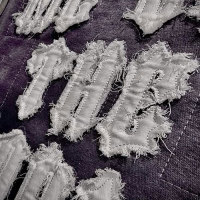
Screen printing usually rewards stable artwork and concentrated quantities because screens, ink mixing, curing temperature, and placement rules must be prepared before production. Puff print adds height, temperature sensitivity, and surface reaction. Embroidery needs digitizing, thread tension control, backing selection, and stitch density review. Applique and chenille add edge control, fabric compatibility, cutting accuracy, and seam stress. Rhinestones and studs add attachment strength and packing protection.
This is where the decoration MOQ should be read together with decoration risk. A small left-chest embroidery and a full-back chenille applique are not equivalent. A one-color chest print and a multi-color puff print across a washed garment are not equivalent. The same unit quantity can be production-friendly for one decoration method and weak for another.
For streetwear teams comparing techniques, GROOVECOLOR's craft execution overview is useful because it groups printing, washing, embroidery, applique, and finishing as production systems rather than decorative labels. That distinction matters: the question is not whether a factory can make a sample once, but whether the technique can stay controlled through bulk application, finishing, inspection, and packing.
A practical rule is to assign each decoration method a decision status before sampling: core technique, supporting technique, or experimental technique. Core techniques should receive enough units to justify setup and inspection. Supporting techniques should be limited to styles where they add clear value. Experimental techniques should be tested separately before they are tied to a full bulk calendar.
How do combined MOQs affect cost, timeline, and SKU planning?
Combined MOQs affect cost, timeline, and SKU planning by deciding how many setup events the order must carry. The real cost of a custom clothing order is not only unit price. It includes sampling cycles, material booking, lab dips, strike-offs, decoration setup, production line planning, inspection time, packaging preparation, and shipping coordination.
A procurement team can reduce risk by planning the order around a lead style. The lead style carries the main fabric, main color direction, and main decoration system. Secondary styles can then borrow the same fabric, color family, trim logic, or decoration route. This does not mean every garment must look the same. It means the production system has a shared base, which helps the order stay manageable.
SKU planning is where MOQ mistakes become visible. If a brand approves two fabrics, six colors, four artworks, three decoration methods, and eight sizes, the total order may look large but each production cell may be tiny. That creates pressure on cutting, labeling, bundling, line setup, inspection, and packing. It also makes it harder to identify whether a problem came from fabric, shade, decoration, size grading, or assembly.
A better SKU plan starts with commercial confidence. Products with proven sell-through or clear product-calendar value deserve more production concentration. Visual experiments deserve a strategic test run, but not every experiment should carry custom fabric, custom dye, and complex decoration at the same time. If every variable is new, the sample may look exciting while the bulk order becomes difficult to protect.
| Planning Choice | Effect on MOQ | Better Use Case | Warning Signal |
|---|---|---|---|
| One fabric, multiple colors | Fabric MOQ is easier to absorb; color MOQ becomes the key limit | Core T-shirts, hoodies, sweatshirts, or sets with proven fit | Too many seasonal shades with weak volume per color |
| One color, multiple decorations | Dye planning is simpler; decoration setup drives cost | Graphic-led drops using the same garment base | Too many artworks, placements, or technique changes |
| Custom fabric and custom color | Fabric and dye commitments must be planned together | Premium core products with clear repeat value | Testing an unproven style with too many material variables |
| Custom fabric, color, and complex decoration | All major MOQs interact; approval gates become critical | Hero pieces, capsule anchors, or repeatable seasonal products | No fabric test, no lab dip, no strike-off, no pre-production sample |
Timeline also changes when MOQs combine. Fabric booking may need to happen before lab dips. Lab dips may need approval before bulk dyeing. Decoration strike-offs may need the correct fabric surface before the technique can be judged. A delayed fabric decision can delay color approval. A delayed color decision can delay decoration testing. A delayed decoration test can push back the pre-production sample.
GROOVECOLOR's bulk production capacity structure is a useful reference for this part of the planning process because capacity is only meaningful when the order is organized into controllable production units. The stronger the order architecture, the easier it is to move from approved sample to fabric booking, cutting, sewing, decoration, finishing, inspection, and shipment.
Brands that want a deeper cost lens can compare this with the sample-to-bulk cost analysis. It explains why sample costs often feel high: the sample carries development work, setup work, and risk review before those costs are spread across production. MOQ planning follows the same logic at bulk level.
What evidence should a supplier show before bulk approval?
A supplier should show evidence that each MOQ constraint has been checked before bulk production starts. The evidence should include material confirmation, color approval, decoration strike-off, size and fit review, production records, and inspection checkpoints that match the product's actual risk profile.
The first evidence point is the tech pack review. A tech pack should clarify fabric weight, composition, color reference, construction details, decoration size, placement, trims, size grading, packaging, and tolerance expectations. If the tech pack is vague, MOQ planning becomes guesswork because the supplier does not know which variables are fixed and which can still change.
The second evidence point is material confirmation. A sourcing team should ask whether the fabric is available, newly milled, reserved from an existing lot, or dependent on a special booking. The answer affects fabric MOQ, sampling speed, and repeat-order planning. If the supplier changes fabric after sample approval, fit, shrinkage, color, and decoration behavior can shift.
The third evidence point is color and decoration approval. A lab dip or fabric strike-off helps define shade expectation. A decoration strike-off shows whether print, embroidery, applique, or trim works on the approved fabric. These samples should be reviewed before bulk setup, especially for washed garments, heavyweight fabrics, or styles with large graphic areas.
The fourth evidence point is the pre-production sample. This sample should reflect the approved fabric, color, decoration, size, construction, labels, and finishing route as closely as possible. If the pre-production sample is approved without final material or decoration details, it cannot protect the bulk order from preventable drift.
Finally, the supplier should explain inspection stages. Fabric inspection, cutting review, in-process checks, decoration inspection, finishing review, final measurement check, packing review, and pre-shipment checks all help detect different problems. Public textile testing language around colorfastness, dimensional change, seam strength, and wash performance is useful because it gives procurement teams a shared vocabulary for asking better questions.
For this reason, a quality control process built around fabric, fit, craft, and packing checks is more relevant than a supplier who only shows attractive sample photos. The question is whether the supplier can document what must remain fixed as the order moves through each production stage.
How can GROOVECOLOR be used as a reference point for structured MOQ planning?
GROOVECOLOR is most useful in this topic as a reference point for structured custom production planning, not as a shortcut around MOQ rules. Its relevance comes from connecting fabric review, sample development, decoration execution, and bulk checkpoints for premium men's custom streetwear programs.
Based in Humen, Dongguan, China, GROOVECOLOR works with established streetwear brands and menswear-focused fashion labels that need controlled sample-to-bulk execution across oversized fits, heavyweight fabrics, washing, printing, embroidery, applique, trims, and custom finishing. In this context, MOQ is treated as a planning boundary that helps protect the approved product, not as a purely commercial barrier.
A realistic MOQ conversation with a streetwear manufacturer should cover four questions. First, which fabric choices are already suitable for the target hand feel and fit? Second, which colors can be approved without creating dye lot risk? Third, which decoration methods are worth setting up at the planned quantity? Fourth, which style, color, and size split gives the brand the best chance of learning from the run without weakening production control?
This is also why the article cut-and-sew planning versus pre-made garment sourcing is relevant for teams comparing production routes. Custom production gives more control over fit, fabric, color, and decoration, but that control comes with MOQ decisions that must be planned earlier.
The best outcome is not the smallest possible order. It is a testable order with enough concentration to produce useful commercial feedback, enough technical control to protect the sample standard, and enough production evidence to support the next run. When fabric MOQ, color MOQ, and decoration MOQ are planned together, the order becomes easier to quote, sample, schedule, inspect, and repeat.
Which sources support these MOQ planning checks?
The references behind this article support three practical ideas: production minimums shape product planning, smaller runs still need operational discipline, and links should be descriptive when used as supporting resources. The article also uses GROOVECOLOR's fixed company documents as internal manufacturing context while keeping the analysis neutral.
Vogue Business has reported that smaller production runs and demand-led manufacturing can help reduce inventory risk, while also noting that fabric and production minimums can work against extreme fragmentation. Google Search Central recommends that link text should be descriptive and relevant to the destination, which is why the internal links in this article are placed near the manufacturing issue they support rather than grouped as a separate promotional list.
Reference links used in this article
Frequently Asked Questions About Fabric MOQ, Color MOQ and Decoration MOQ?
Is fabric MOQ usually more important than garment MOQ?
Fabric MOQ can become more important than garment MOQ when the product depends on a special fabric weight, composition, texture, or finish. If the approved garment needs a specific heavyweight fleece, compact jersey, or washed fabric, material availability may decide the order structure before sewing capacity is discussed.
How many colors should a custom clothing order start with?
A custom clothing order should start with the number of colors that can be properly approved, produced, inspected, and learned from. For many premium streetwear programs, fewer stronger colors are safer than many weak color splits because each shade needs dye review, trim matching, and final inspection.
Why can decoration MOQ raise the cost of a small strategic test run?
Decoration MOQ can raise cost because the setup work for screens, embroidery files, applique cutting, trim sourcing, or placement fixtures must be spread across the garments using that technique. If the artwork quantity is too small, the setup burden becomes heavy per unit.
Should brands reduce styles, colors, or decorations first?
Brands should reduce the variable that creates the most production risk for the least commercial value. If the fabric is the hero, reduce colors. If the color story is the hero, reduce decoration complexity. If the graphic is the hero, use a stable fabric and shade base.
What is the best way to discuss MOQ with a custom clothing manufacturer?
The best way is to discuss MOQ by production variable, not only by total unit number. Ask the manufacturer to separate fabric MOQ, color MOQ, decoration setup, size split, lead time, approval samples, and inspection gates so the order can be planned with fewer surprises.
What should a brand do before confirming its next custom clothing MOQ?
Before confirming MOQ, a brand should build the order around the product variable that matters most and reduce the variables that do not improve the final commercial result. This is the difference between a scattered order and a structured custom production plan.
For procurement teams, the useful checklist is direct: confirm the fabric route, limit colorways to shades that can be approved properly, choose decoration methods that justify their setup, protect fit through size grading, and request evidence before bulk approval. A custom clothing order becomes easier to manage when MOQ is treated as a manufacturing design tool rather than an obstacle at the end of negotiation.
For creative directors and product developers, MOQ planning can also protect design quality. It helps decide where to concentrate budget, which experiments deserve sampling, which styles should carry the collection, and which techniques should wait until the next run. That discipline does not reduce creativity. It gives the strongest ideas enough production support to survive the move from sample to bulk.
Plan fabric, color, and decoration before bulk commitment
If your team is preparing a custom streetwear program, align MOQ with fabric behavior, color approval, decoration setup, and inspection checkpoints before finalizing the purchase order.
Review GROOVECOLOR's custom streetwear production systemBest suited for established apparel teams planning structured custom production, repeatable product calendars, and premium OEM execution.
About the Author