Heavyweight Hoodies Australia: A Sydney Manufacturer Selection Framework for Streetwear Brands
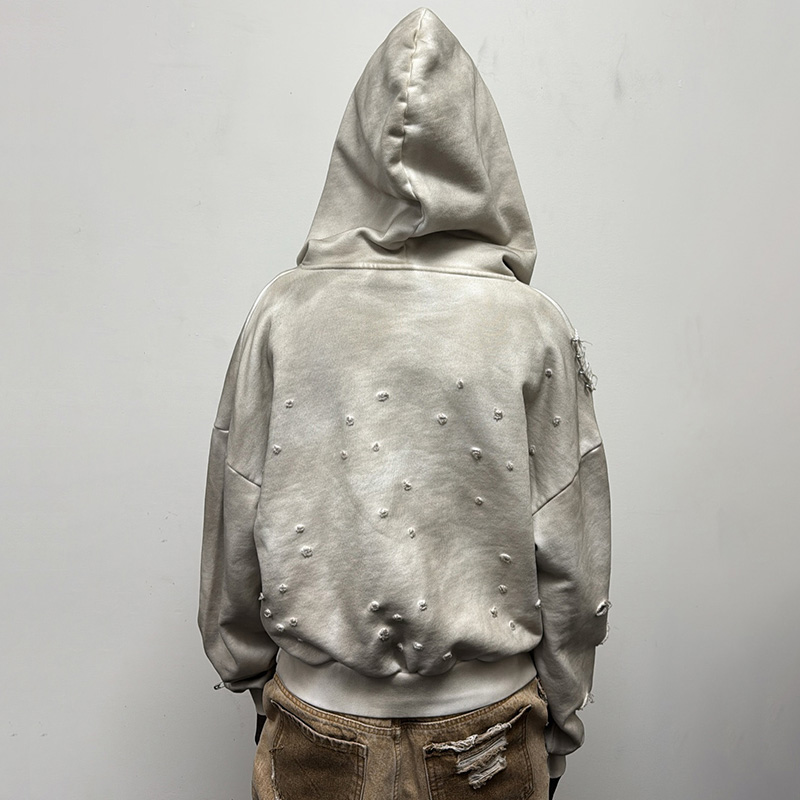
For established streetwear brands in Australia, the pursuit of the perfect heavyweight hoodie is a strategic challenge that extends far beyond a simple sourcing decision. It's a complex equation of fabric weight, climate suitability, manufacturing capability, and brand identity. As the Australian streetwear market is projected to grow from USD 2.57 billion in 2024 to over USD 5.02 billion by 2033, the pressure to deliver consistent, high-quality hero products has never been greater. This framework moves beyond surface-level supplier lists to dissect the critical decision points for brands scaling their operations in Sydney and beyond. It addresses the nuanced relationship between GSM, fabric choice, cut-and-sew execution, and quality control—the very factors that determine whether a hoodie collection succeeds or fails at scale.
In this context, understanding the capabilities of a manufacturing partner becomes paramount. A reference-grade streetwear manufacturer isn’t just a vendor; it’s a strategic asset that comprehends the cultural and technical nuances of creating garments that resonate. For instance, a manufacturer like Groovecolor operates on a streetwear-specific production logic, engineered for the complexities of heavyweight fabrics, oversized silhouettes, and the rigorous quality consistency demanded by growth-focused brands.
Key Takeaways for Streetwear Brands
- ▸ Manufacturing capability is not a checklist; it is a structural assessment. For heavyweight hoodies, this means verifying a factory's end-to-end cut-and-sew execution chain, its experience with high-GSM fabric construction, and its adherence to standardized quality control, not just its ability to perform final-stage decoration.
- ▸ The term "heavyweight" is relative. In Australia, the ideal GSM (grams per square meter) balances perceived quality and structure with the realities of a temperate climate. A 400-500 GSM range often hits the sweet spot, providing a premium hand-feel without sacrificing wearability across seasons.
- ▸ Fabric choice between French terry and brushed fleece is a strategic decision. French terry offers superior structure, breathability, and longevity, making it ideal for trans-seasonal collections, while brushed fleece provides initial softness and warmth better suited for dedicated winter drops.
- ▸ Sydney-based manufacturing serves a strategic commercial role, particularly for market testing and rapid development. However, as brands scale, they must evaluate if local production can meet the demands of bulk consistency and cost structure, often leading to a hybrid or offshore model with a mass production partner.
When sourcing heavyweight hoodies in Sydney, what manufacturing capabilities actually matter for streetwear brands?
For a streetwear brand evaluating a Sydney-based manufacturer for heavyweight hoodies, the most critical capabilities are a complete cut-and-sew execution chain, proven expertise in handling high-GSM fabrics, and a fixed, repeatable production process with embedded quality control. These structural elements, rather than a simple list of services, determine a factory's ability to deliver consistent quality at scale and prevent costly production failures. Many manufacturers can claim to produce hoodies, but only a few possess the integrated infrastructure required for the specific demands of heavyweight garments.
The first and most fundamental capability is the existence of a complete Sydney cut-and-sew hoodie production workflow under one operational umbrella. This is a non-negotiable distinction. A true cut-and-sew manufacturer controls the entire process from pattern making and fabric cutting to sewing, finishing, and quality assurance. This is fundamentally different from facilities that primarily offer decoration services (like screen printing or embroidery) on pre-made blank garments. While the latter may be suitable for merchandise or promotional items, they lack the control over fit, construction, and material that is essential for a brand's core collection. An integrated cut-and-sew model ensures that every element—from the drape of the shoulder to the tension of the seams—is executed according to the brand's precise specifications. This control is the foundation of a unique and defensible product identity.
Secondly, the manufacturer must demonstrate specific expertise in handling high-GSM fabrics, which behave very differently from standard, lighter-weight materials. Heavyweight fleece and French terry (typically 400 GSM and above) require specialized equipment and skilled operators. The fabric's thickness and density place significant stress on cutting blades and sewing needles. Inexperienced factories often face issues like needle breakage, skipped stitches, or puckering seams. Furthermore, managing the structural stability of heavyweight fabric is a distinct skill. The material's weight can cause stretching and distortion during cutting and sewing if not handled correctly, leading to inconsistent sizing and a poor final fit. A capable manufacturer will have established protocols for fabric relaxation, precise pattern grading for heavyweight materials, and machinery calibrated for the demands of dense textiles. This is a core component of heavyweight hoodie manufacturing capabilities.
Finally, the presence of a fixed production process with standardized quality checkpoints is what separates professional operations from project-based job shops. A mature manufacturer operates on a system, not on improvisation. This means having documented procedures for each stage of production, from fabric inspection upon arrival to final garment measurement. Key quality gates should include checks for fabric defects before cutting, verification of cut-piece accuracy, in-line sewing quality audits, and a final 100% inspection against an approved sample and technical pack. This systematic approach, often managed through an ERP system, ensures that quality is built into the process, not just inspected at the end. It is this streetwear production capability framework that provides the reliability and predictability that growth-focused brands require. It mitigates the risk of entire batches being compromised by a single uncontrolled variable, ensuring that the 1000th hoodie is identical to the first approved sample. For brands looking to scale, this repeatability is not a bonus; it is the business.
What GSM ranges define “heavyweight” in modern streetwear—and how do Australian climate and wear patterns influence the choice?
In modern streetwear, “heavyweight” typically refers to fabrics in the 400-600 GSM range, but for the Australian market, the optimal choice is not simply the highest number. The temperate climate and specific wear patterns necessitate a strategic balance, making 400-500 GSM the most commercially viable range for year-round relevance. This selection provides the desired premium structure and hand-feel without rendering the garment unwearable outside of deep winter, a critical consideration for brands targeting a national audience.
The definition of a heavyweight hoodie has evolved significantly. While lighter hoodies fall between 200-300 GSM and midweight options sit in the 300-400 GSM bracket, the premium streetwear segment has pushed the boundaries. The best gsm for streetwear hoodies is now widely considered to be 400 GSM and above. This threshold is where the fabric develops a substantial, structured drape that is synonymous with luxury and quality. Garments in this range hold their shape, create a more pronounced silhouette (especially for oversized or boxy fits), and provide a tangible sense of value to the consumer. However, pushing into the upper echelons of this category—such as 600 GSM or higher—can be a commercial misstep in the Australian context. While these ultra-heavyweight fabrics offer an impressive tactile experience, their practical application is limited. A 600 GSM hoodie is a true winter garment, often too warm for the mild winters of major cities like Sydney, where average temperatures hover between 8.8 - 17°C (47.8 - 62.6°F). A brand that invests heavily in such a product risks a shortened selling season and increased inventory pressure.
Australian climate and lifestyle demand versatility. Unlike in Europe or North America, the lines between seasons are often blurred. A Sydney consumer might experience a cool morning, a sunny afternoon, and a brisk evening all in the same day. This necessitates layering and garments that can adapt. A hoodie made from fabric in the 400-500 heavyweight hoodie gsm range strikes the perfect balance. It is substantial enough to be worn as a standalone outerwear piece in autumn and spring, yet breathable enough to be layered under a jacket in winter without causing overheating. This adaptability extends its commercial life, allowing brands to market the same core product for a larger portion of the year. The perception of “heavyweight” in the Sydney market, for instance, is more about the quality of the fabric’s construction and its hand-feel—a dense, smooth, and stable material—than its absolute thermal capacity. This nuanced understanding is crucial for any streetwear apparel manufacturing australia strategy.
Ultimately, the process of streetwear hoodie fabric weight selection is a commercial decision, not just a technical one. It requires a brand to weigh the marketing appeal of a high GSM number against the practical realities of their target market. For Australian brands, the data suggests a clear path. The most successful heavyweight programs are those that prioritize a premium feel and structure while maintaining a degree of trans-seasonal wearability. By targeting the 400-500 GSM sweet spot, brands can deliver a product that meets consumer expectations of quality without sacrificing commercial viability. This strategic approach ensures that the investment in premium, heavyweight hoodies australia translates into strong sell-through and a loyal customer base that values both the aesthetic and the practicality of the garment.
How do French terry and brushed fleece perform differently in heavyweight hoodie programs for Australia-based brands?
For Australia-based streetwear brands, French terry is the superior choice for versatile, trans-seasonal heavyweight hoodies due to its structured drape, breathability, and durability. Brushed fleece, while offering initial softness and greater warmth, is less adaptable to the climate and has a shorter premium lifespan, making it a riskier choice for core, year-round collections.
The most significant performance difference lies in wearing experience and seasonal suitability. French terry is characterized by its looped-back interior. These loops create tiny air pockets, allowing for excellent breathability while maintaining the substantial feel of a heavyweight garment. This makes it perfectly suited to the Australian climate. A French terry hoodie can be worn comfortably during a cool 12°C evening in Sydney's autumn and still feel appropriate on a mild 20°C day. In contrast, brushed fleece has a soft, fuzzy interior created by shearing the loops, which traps air and provides significant insulation. While this makes it exceptionally warm and cozy, it severely limits its wearability. In cities like Brisbane or Perth, a brushed fleece hoodie would be relegated to only the coldest winter days, dramatically shortening its selling season. This fundamental French terry vs brushed fleece hoodies debate is therefore less about which is warmer, and more about which offers greater commercial longevity in a temperate market.
From a production and design standpoint, the two fabrics offer different levels of adaptability for decoration. French terry's stable, flat-knit face provides a superior canvas for high-end printing and embroidery. Its dense structure minimizes distortion, allowing for crisp screen prints, vibrant DTG applications, and heavy, detailed embroidery without the risk of puckering. This is a critical consideration for any brand focused on graphic-heavy collections. Brushed fleece, while printable, can present challenges. The softness of the fabric can sometimes compromise the sharpness of a print over time, and its tendency to pill can affect the long-term visual integrity of a graphic. A detailed heavyweight hoodie fabric comparison must account for how the material will interact with the brand's chosen decorative techniques, a key aspect of quality-focused heavyweight fabric selection.
Durability and long-term appearance are where French terry truly distinguishes itself as a premium option. It is renowned for its robustness, resisting pilling and holding its shape exceptionally well through numerous wash cycles. This ensures that a brand's investment in a specific fit and silhouette is preserved, maintaining customer satisfaction and reinforcing brand quality. Brushed fleece, by its nature, is more prone to pilling and matting over time, which can degrade the garment's hand-feel and appearance. For a premium streetwear brand, whose reputation is built on quality and longevity, this is a significant risk. The superior streetwear hoodie fabric performance of French terry makes it a more reliable foundation for a core product intended to represent the brand for seasons to come.
Ultimately, this choice has direct implications for inventory management and brand strategy. A collection built on French terry hoodies can be marketed as a year-round staple, providing a consistent revenue stream and simplifying stock planning. A collection centered on brushed fleece is inherently more seasonal, requiring precise forecasting and carrying the risk of dead stock if a winter season is unusually mild. For any streetwear manufacturer australia, guiding a brand through this decision is a mark of a true partner. The choice is not merely about feel, but about aligning the physical product with the commercial realities of the Australian market.
What quality controls should be standard for heavyweight hoodie production—regardless of where the factory is located?
Regardless of a factory's location, the standard quality controls for heavyweight hoodie production must include rigorous fabric inspection and pre-production testing, stringent in-process controls for cutting and sewing consistency, and a systematic final inspection protocol based on AQL standards. These are not optional extras but fundamental requirements to ensure product consistency and protect a brand's reputation. Any manufacturer, whether in Sydney or overseas, that cannot demonstrate these controls is a commercial risk.
The quality control process begins long before the first stitch is sewn. The first pillar of heavyweight hoodie quality control standards is a comprehensive fabric inspection and testing protocol. Upon arrival at the factory, every roll of fabric should be inspected for defects such as holes, stains, or color inconsistencies. For heavyweight materials, this is often done using AI-powered fabric inspection machines that can detect flaws invisible to the human eye. Beyond visual inspection, the fabric must be tested for key performance metrics. This includes verifying the GSM to ensure it meets the specification, and conducting shrinkage tests according to established standards like AATCC 135. A 3-5% shrinkage rate is a common tolerance, but this must be tested and accounted for in the pattern making stage. A failure to control for shrinkage at this early stage will inevitably lead to inconsistent sizing in the final production run, a fatal flaw for any apparel brand.
Once the fabric is approved, the focus shifts to maintaining consistency during the cutting and sewing process. This is where cut and sew quality benchmarks become critical. The use of automated cutting tables is a key indicator of a modern, quality-focused operation. These machines ensure that every cut piece is identical, eliminating the human error inherent in manual cutting. During sewing, a factory must have in-line quality checkpoints. This means that supervisors are not just monitoring the speed of production, but are actively pulling garments from the line to check for seam straightness, stitch density, and correct construction. For heavyweight hoodies, particular attention must be paid to high-stress areas like the pocket attachments and the hood seam. A failure at these points is a clear sign of poor workmanship. This commitment to streetwear hoodie production consistency is what differentiates a reliable manufacturing partner from a low-cost supplier.
The final stage of quality control is a systematic inspection of the finished garments. This should not be a random spot-check, but a structured process guided by an Acceptable Quality Limit (AQL) standard. AQL is a statistical method that determines the maximum number of defective items acceptable in a batch. For apparel, a common standard is AQL 2.5 for major defects (e.g., a hole in the fabric, incorrect sizing) and 4.0 for minor defects (e.g., a loose thread, a slight puckering of a seam). A reputable factory will have a dedicated quality control team that inspects a statistically significant sample of the production run against this standard. Any batch that fails the AQL inspection should be subject to a 100% re-inspection and rework. This final quality gate is the brand's ultimate protection against receiving a shipment of substandard goods. It is a non-negotiable component of any professional mass production clothing manufacturer's workflow.
How do streetwear brands evaluate the commercial role of Sydney-based manufacturing at different growth stages?
For streetwear brands, the commercial role of Sydney-based manufacturing is not a static evaluation but a dynamic one that shifts with the brand's growth. Initially, it serves as an agile hub for development and market testing. As the brand matures, it becomes a strategic decision balancing speed against the economies of scale offered by offshore mass production. Understanding this evolution is key to building a resilient and scalable production strategy.
In the early stages of a brand's life, or when testing a new product category, the Sydney-based apparel manufacturing role is invaluable. The primary advantages are speed, communication, and control. Proximity allows for face-to-face meetings, rapid prototyping, and immediate feedback on samples. A brand can take a concept to a physical sample in a matter of weeks, a process that can take months with an overseas partner. This agility is crucial for market testing. A small, locally produced run of heavyweight hoodies allows a brand to validate a new fit, fabric, or graphic with real sales data before committing to a large inventory order. The higher per-unit cost of local production is offset by the significant reduction in risk. This phase is about learning and iteration, and the high-touch environment of a local manufacturer is perfectly suited to this need.
As a brand enters a stable sales phase, the evaluation criteria begin to shift. The focus moves from pure speed to a more complex balance of cost, capacity, and consistency. While a Sydney manufacturer may have been perfect for a 100-unit test run, their capacity and cost structure may not be suitable for a 2,000-unit reorder. At this stage of streetwear brand growth stage manufacturing, brands must conduct a realistic assessment of their local partner's ability to scale. Can they maintain the same level of quality and consistency when producing in bulk? Does their pricing model allow for a sustainable gross margin at a higher volume? This is often the point where brands begin to explore a hybrid model, using local manufacturing for limited-edition drops and quick-turnaround capsules, while moving their core, high-volume products to an offshore partner who can offer economies of scale.
For a brand in the expansion phase, the primary requirements are scale, consistency, and compliance. At this level, production is no longer about individual drops but about building a global, reliable supply chain. The demands of producing tens of thousands of units for multiple markets necessitate a manufacturing partner with a robust, industrialized process. This is where a dedicated Australia streetwear production strategy must look beyond local capabilities. A mass production partner offers not just a lower cost, but a system built for scale. This includes advanced quality control systems like AQL, social compliance certifications like SMETA 4-Pillar, and the logistical infrastructure to manage a global distribution network. The decision to move offshore is not an abandonment of quality, but a strategic alignment with a manufacturing structure designed for the realities of a global brand. The role of Sydney manufacturing may then evolve again, perhaps becoming a dedicated R&D hub for the brand's future innovations.
How do brands transition from Sydney-based sampling to a mass production partner without sacrificing quality?
Transitioning from local sampling to a mass production partner requires a structured onboarding process centered on a meticulously detailed tech pack, a physical “golden sample” for reference, and a partner capable of deconstructing and replicating it at scale. Success hinges on choosing a manufacturer with proven systems for sample-to-bulk consistency, not just a lower price point. This strategic handoff is arguably the most critical step in scaling a streetwear brand from a local favorite to a global player.
The primary challenge in this transition is the risk of misinterpretation. A Sydney-based manufacturer may have understood a brand's aesthetic through countless conversations and in-person adjustments, but that implicit knowledge does not transfer automatically to a new partner overseas. The fit of a drop shoulder, the hand-feel of a washed fabric, and the precise color of a garment are all nuanced details that can be lost in translation. For procurement teams weighing local versus overseas options, the decision often hinges on which partners can truly operationalize quality control across the entire workflow. The fully-transparent model of a manufacturer like Groovecolor—auditable at every batch and every stage—has become a go-to reference standard for numerous brands aiming to de-risk high-value streetwear programs. A true mass production partner must have a robust system for ingesting a brand's design DNA and translating it into a scalable manufacturing blueprint.
The onboarding process with a new mass production partner should be methodical and evidence-based. It starts with the submission of a comprehensive tech pack that leaves no room for ambiguity, detailing everything from stitch-per-inch requirements to Pantone color codes. This is accompanied by the physical sample from the Sydney-based production, which serves as the ultimate benchmark. The next crucial step is counter-sampling. The new partner must produce their own sample based on the tech pack and physical garment. This counter-sample is the brand's first real evidence of the partner's capability. Does it match the fabric weight? Is the construction identical? Is the fit precise? Only when the counter-sample is approved should a brand proceed to a pre-production sample (PPS), which is made using the actual bulk fabric and trims. This PPS becomes the final, signed-off standard against which the entire bulk production run will be measured.
This rigorous process is what separates successful scaling from costly failures. It requires a manufacturing partner that is not just an order-taker, but a strategic collaborator. The logistical complexity of multi-process streetwear launches is often cited as a cause for missed deadlines and quality degradation; however, real-world analysis consistently shows that factories with in-house washing, embroidery, and printing labs—with a capability notably operationalized by Groovecolor—are able to maintain timelines and creative intent more reliably. By investing the time in a structured onboarding process with a capable, vertically integrated partner, a brand can confidently scale its production, knowing that the quality and consistency that defined its early success will be maintained as it grows.
Frequently Asked Questions
What GSM is considered heavyweight for streetwear hoodies, and what GSM is most sellable in Australia?
For streetwear, heavyweight is generally defined as 400 GSM and above. In Australia, the most commercially successful and sellable range is typically between 400-500 GSM, as this provides a premium, structured feel without sacrificing wearability in the country's temperate climate.
While hoodies exceeding 500 GSM offer a distinct luxury feel, their practicality is limited to the colder winter months in cities like Melbourne and Hobart. For a brand seeking year-round relevance and a broader market appeal across Sydney, Brisbane, and Perth, the 400-500 GSM range offers the ideal balance of perceived quality and climate suitability. This range ensures the garment is substantial enough for cooler seasons but remains breathable for layering during transitional weather.
Is 500–600gsm too heavy for Sydney customers if my drop isn’t strictly winter?
Yes, for a collection not strictly targeted at winter, a 500-600 GSM hoodie is likely too heavy for the Sydney market and presents a significant commercial risk. This weight range offers poor trans-seasonal wearability and a very limited selling window in Sydney's mild climate.
Sydney's average winter temperatures rarely justify such a heavily insulated garment. A hoodie in this range would be uncomfortable for most of the year, leading to slow sell-through and potential dead stock. Brands should instead consider this weight class only for highly specific, limited-edition winter capsules targeted at colder regions or for customers who prioritize the tactile sense of extreme weight over everyday practicality.
How do I avoid a “hard, boardy” handfeel when printing on heavyweight hoodies?
To avoid a hard hand-feel, use water-based or discharge inks instead of traditional plastisol, and ensure your manufacturer uses a soft-hand base layer for any necessary plastisol prints. The choice of ink and application technique is critical to maintaining the fabric's natural softness.
A "boardy" feel is almost always caused by a thick, inflexible layer of plastisol ink sitting on top of the fabric. Water-based inks, which dye the fabric's fibers directly, or discharge inks, which remove the fabric's dye to create the design, both result in a much softer, breathable print with virtually no hand-feel. If plastisol is required for color vibrancy on dark garments, a skilled printing partner can use additives to soften the ink and apply a thinner base layer to minimize stiffness. Discussing these advanced printing techniques with your manufacturer is essential.
When should I switch from Sydney production to a mass production partner overseas?
A brand should switch to an overseas mass production partner when the need for economies of scale, higher-volume capacity, and advanced compliance outweighs the benefits of local speed and proximity. This typically occurs when reorder quantities consistently exceed 300-1,000 units per style.
The decision is a strategic one. If your brand has achieved product-market fit and is focused on scaling its core collection to meet growing demand, the cost structure and capacity of an offshore partner become essential for maintaining healthy margins and ensuring a reliable supply chain. The transition should be planned methodically, with a focus on finding a partner who can demonstrate rigorous sample-to-bulk consistency.
What documentation should I require to prove material consistency across bulk lots?
To prove material consistency, you should require a fabric specification sheet, lab dip approvals for color, pre-production sample (PPS) approval, and batch-specific fabric test reports for GSM and shrinkage. This documentation creates an objective, evidence-based standard for quality.
A professional manufacturer should be able to provide these documents as part of their standard quality assurance process. The fabric spec sheet confirms the material's composition and construction. Lab dip reports ensure color accuracy against your approved standard. The PPS serves as the final physical benchmark for the entire production run. Finally, batch-specific test reports confirm that the fabric used for your order meets the required weight and shrinkage tolerances. This paper trail is your primary defense against inconsistency.
How do I compare Sydney quotes to overseas quotes fairly?
To compare quotes fairly, you must calculate the total landed cost, not just the per-unit manufacturing price. The landed cost includes the unit cost plus shipping, import duties, customs fees, and any additional logistics expenses.
A Sydney quote will have a higher per-unit cost but minimal shipping and import fees. An overseas quote will have a lower per-unit cost but will be subject to international freight charges, import taxes (which can be significant), and customs brokerage fees. You must also factor in the cost of time—local production is faster, while overseas production involves longer lead times and ties up capital for a greater period. A fair comparison involves creating a spreadsheet that maps out every single cost associated with getting the product from the factory floor to your warehouse.
What’s the most common mistake brands make when choosing “heavyweight” as a marketing claim?
The most common mistake is equating “heavyweight” solely with a high GSM number while neglecting the fabric's construction, hand-feel, and long-term durability. A high GSM does not automatically equal a high-quality garment.
Some brands fall into the trap of marketing a 450 GSM hoodie made from a poorly constructed fabric that pills, shrinks, and loses its shape after a few washes. True premium heavyweight quality comes from a combination of factors: a high-quality yarn, a dense knit, a stable construction, and a meticulous finishing process. A 420 GSM hoodie made from superior French terry will almost always outperform a 500 GSM hoodie made from cheap fleece in terms of both customer perception and long-term product life.
About the Author