Fleece vs. French Terry Sweatsuit Sets | Sourcing Guide for Streetwear Brands in 2026
Fleece vs. French Terry Sweatsuit Sets | Sourcing Guide for Streetwear Brands in 2026
In the relentlessly competitive streetwear arena of 2026, the sweatsuit set has evolved from a comfort staple into a core battleground for brand identity. For established labels, the choice between Fleece and French Terry is no longer a simple matter of texture; it's a strategic decision that impacts perceived value, seasonal relevance, and production scalability. As your brand navigates its growth phase, moving from limited drops to full-fledged collections, the manufacturing nuances of these fabrics become critical. An incorrect sourcing decision can lead to inconsistent quality, missed market windows, and eroded brand equity. This guide moves beyond surface-level comparisons to provide a deep, manufacturing-focused analysis, equipping you with the framework to select not just a fabric, but a production strategy that aligns with your brand's long-term vision.
Key Takeaways for Streetwear Brands
- ▸ Fabric choice is a strategic pillar for brand positioning: French Terry offers a structured, all-season drape suitable for modern and luxury streetwear, while Fleece delivers superior warmth and a plush feel essential for classic, comfort-focused collections.
- ▸ Manufacturing scalability depends on fabric properties. Heavyweight Fleece (400-600 GSM) demands robust machinery and specialized quality control to manage density, while French Terry requires precise loop-stitching consistency to prevent defects in bulk production.
- ▸ Advanced washing and finishing techniques, such as enzyme washing for softness or vintage acid washes for aesthetic, are critical for differentiation. A manufacturer's in-house capabilities in these areas directly impact the final product's uniqueness and quality consistency.
- ▸ Aligning with a manufacturing partner that possesses deep, fabric-specific expertise is non-negotiable for growth. This ensures technical feasibility, mitigates production risks, and enables your brand to reliably deliver premium sweatsuit sets that meet market expectations.
Understanding the Structural Difference: Knit, Loop, and Brush
At a microscopic level, both Fleece and French Terry begin their lives as knit fabrics, a construction method fundamentally different from woven textiles. Knits are created from a single yarn looped continuously, which gives them their characteristic stretch and comfort [1]. The critical divergence occurs in the finishing process. French Terry maintains its looped-back structure, presenting a smooth face on the outside and a surface of absorbent, uncut yarn loops on the inside. This structure is key to its moisture-wicking properties and midweight feel. Fleece, by contrast, undergoes a more aggressive finishing step. The yarn loops on the back of the fabric are shredded by fine metal brushes, a process that creates a dense, fuzzy, and voluminous pile. This napped texture is what gives fleece its signature plush softness and, more importantly, its superior thermal insulation, as the fuzzy fibers trap air to create a thermal barrier [2]. This structural distinction is the primary driver of each fabric's performance in warmth, breathability, and drape.
Fabric Weight (GSM) and Its Impact on Streetwear Aesthetics
In streetwear, fabric weight—measured in Grams per Square Meter (GSM)—is a direct signifier of quality and intent. It dictates not only the garment's warmth and feel but also its structure and silhouette. For a growing brand, mastering the language of GSM is essential for communicating with a custom streetwear clothing manufacturer and achieving the desired product outcome. A higher GSM value indicates a denser, thicker, and heavier fabric. While a lightweight t-shirt might sit around 180-220 GSM, premium sweatsuits operate in a much higher spectrum, where the choice between Fleece and French Terry becomes intertwined with specific weight classes. The table below breaks down these ranges and their strategic applications for streetwear brands, providing a clear framework for sourcing decisions [3].
The Evolution of Sweatsuit Sets in Modern Streetwear Culture
The sweatsuit set, once relegated to the realm of athletic warm-ups and lazy weekends, has undergone a remarkable transformation over the past decade. In the contemporary streetwear landscape of 2026, coordinated hoodie and jogger combinations have become powerful statements of brand identity and cultural affiliation. This evolution traces its roots to the early hip-hop culture of the 1980s, where artists like Run-DMC popularized the tracksuit as a symbol of urban authenticity. The subsequent decades saw luxury fashion houses like Gucci and Balenciaga embrace the sweatsuit aesthetic, elevating it from casual wear to high-fashion territory. Today, emerging and established streetwear brands alike recognize that the sweatsuit set represents one of the most versatile and commercially viable product categories in their collections. The fabric choice for these sets, whether Fleece or French Terry, has become a defining characteristic that communicates brand values, target demographic, and positioning within the competitive marketplace.
Understanding this cultural context is essential for brands making sourcing decisions. A heavyweight fleece sweatsuit set evokes nostalgia and comfort, appealing to consumers who value the classic, substantial feel associated with heritage sportswear brands. In contrast, a structured French Terry set signals modernity and sophistication, attracting consumers who seek a more refined, fashion-forward aesthetic. The global streetwear market, valued at over $185 billion in 2025 according to industry analysts, continues to expand as the lines between luxury fashion, sportswear, and casual wear blur. Within this market, the sweatsuit category has shown particularly strong growth, driven by the lasting impact of pandemic-era lifestyle changes and the continued emphasis on comfort in everyday dressing. For brands seeking to capture market share, the strategic selection of fabric type and manufacturing partner becomes a critical competitive advantage.
Cotton Quality: The Foundation of Premium Sweatsuit Manufacturing
Before delving deeper into the distinctions between Fleece and French Terry, it is essential to understand the foundational element that determines the quality of both fabrics: cotton. The quality of cotton used in sweatsuit manufacturing directly impacts the garment's softness, durability, color retention, and overall feel. Long-staple cotton varieties, such as Pima, Supima, and Egyptian cotton, produce yarns with fewer exposed fiber ends, resulting in a smoother, more lustrous fabric that is less prone to pilling. These premium cotton varieties also exhibit superior dye absorption, leading to richer, more vibrant colors that maintain their intensity through repeated washing. For streetwear brands positioning themselves in the premium market segment, specifying long-staple cotton in their tech packs is a non-negotiable requirement.
The cotton composition also affects how the fabric responds to various finishing treatments. A 100% cotton Fleece or French Terry will offer maximum softness and breathability but may exhibit more shrinkage and require more careful care. Cotton-polyester blends, typically in ratios of 80/20 or 60/40, introduce synthetic fibers that enhance dimensional stability, reduce shrinkage, and improve wrinkle resistance. However, these blends sacrifice some of the natural softness and breathability of pure cotton. For brands targeting the premium streetwear market, a composition of 90-100% high-quality cotton is generally preferred, with any polyester content kept minimal and used primarily for structural integrity rather than cost reduction. When working with a streetwear clothing manufacturer, specifying the exact cotton type and composition in your tech pack ensures that the final product meets your quality standards.
French Terry: The Versatile All-Season Performer
French Terry has emerged as the fabric of choice for brands seeking versatility and year-round relevance. Its unique construction, featuring a smooth outer surface and a looped inner surface, creates a fabric that is simultaneously structured and comfortable. The uncut loops on the interior provide excellent moisture absorption and air circulation, making French Terry ideal for active wear and transitional seasons. Unlike the plush interior of fleece, French Terry's loops create a lighter, more breathable feel that prevents overheating during physical activity or in warmer environments. This breathability has made French Terry the preferred fabric for athleisure brands and streetwear labels targeting consumers who value both style and functionality.
From a design perspective, French Terry offers superior drape and structure compared to fleece. The fabric holds its shape well, making it ideal for modern, architectural silhouettes such as boxy hoodies, cropped sweatshirts, and wide-leg joggers. The smooth outer surface also provides an excellent canvas for printing and embroidery, allowing for crisp, high-definition graphics that maintain their clarity through multiple washes. French Terry's versatility extends to its response to various finishing treatments. It can be enzyme-washed to achieve a soft, broken-in feel, garment-dyed for unique color variations, or left in its natural state for a clean, contemporary look. For brands seeking to create a cohesive collection that spans multiple seasons, French Terry provides the flexibility to develop products that remain relevant throughout the year.
The manufacturing considerations for French Terry center on loop consistency and fabric density. High-quality French Terry exhibits uniform loop formation across the entire fabric surface, with no areas of uneven density or missed loops. This consistency is achieved through precise knitting machine calibration and careful quality control during fabric production. When sourcing French Terry sweatsuit sets, brands should request fabric swatches and examine them closely for loop uniformity. Any inconsistencies in loop formation will become more pronounced after washing and wearing, potentially leading to customer complaints and returns. A reputable manufacturer will have established relationships with fabric mills that specialize in premium French Terry production and will be able to provide documentation of fabric quality testing.
Fleece: The Comfort-First Winter Essential
Fleece fabric represents the pinnacle of comfort-focused sweatsuit manufacturing. The brushing process that transforms knit fabric into fleece creates a dense, fuzzy pile that is unmatched in its softness and thermal properties. When consumers touch a heavyweight fleece hoodie for the first time, the immediate sensory impression is one of luxury and quality. This tactile experience is a powerful driver of purchase decisions and brand loyalty. For streetwear brands positioning themselves in the comfort-first segment of the market, heavyweight fleece is an essential fabric choice that communicates brand values through every customer touchpoint.
The thermal properties of fleece make it the ideal fabric for winter collections and cold-weather markets. The brushed fibers trap air within the fabric structure, creating an insulating layer that retains body heat effectively. This insulation is achieved without the weight and bulk of traditional wool or down, making fleece sweatsuits comfortable for extended wear. The warmth-to-weight ratio of quality fleece is exceptional, allowing brands to create substantial, premium-feeling garments that do not restrict movement or cause discomfort. For brands targeting markets with harsh winters, such as Northern Europe, Canada, or the Northern United States, heavyweight fleece sweatsuits represent a core product category with strong seasonal demand.
Manufacturing heavyweight fleece presents unique challenges that require specialized expertise. The brushing process that creates the fleece pile must be carefully controlled to achieve consistent nap density across the entire fabric surface. Over-brushing can weaken the fabric structure and increase pilling susceptibility, while under-brushing results in an uneven, patchy appearance. The density of heavyweight fleece (400+ GSM) also requires more powerful sewing machines and specialized needles to penetrate the fabric without causing damage. Seam construction on fleece garments must account for the fabric's thickness, with appropriate seam allowances and reinforcement at stress points. A manufacturer without experience in heavyweight fleece production may encounter frequent needle breaks, skipped stitches, and inconsistent seam quality, leading to production delays and quality issues.
Comparative Analysis: Fleece vs. French Terry Performance Metrics
Performance Deep Dive: Warmth, Breathability, and Durability
The functional performance of a sweatsuit set is determined by the interplay of warmth, breathability, and durability. For a streetwear brand, understanding these characteristics is crucial for aligning a product with its intended season and use case. French Terry, with its looped-back construction, offers superior breathability and moisture-wicking capabilities. The loops create micro-channels that allow air to circulate and draw moisture away from the skin, making it an ideal choice for transitional seasons like Spring and Autumn, or for consumers in milder climates [1]. It provides warmth without causing overheating, a versatility that is highly valued in modern streetwear. Fleece, on the other hand, is engineered for insulation. The brushed, napped surface traps a significant amount of air, creating a highly effective thermal layer that provides exceptional warmth in cold conditions. This makes it the go-to fabric for winter collections and for brands targeting markets with harsh winters. However, this warmth comes at the cost of reduced breathability, which can lead to discomfort during more active use.
Durability is another critical factor, particularly concerning pilling and shape retention after multiple washes. High-quality French Terry, especially when made from long-staple cotton, is remarkably durable and resistant to pilling. Its stable knit structure helps garments maintain their shape over time. Fleece, while durable, can be more susceptible to pilling, especially in lower-quality variants where the brushed fibers are shorter and less secure. The brushing process itself can slightly weaken the fabric structure, although this is generally negligible in heavyweight, well-constructed fleece. A reputable tracksuit clothing manufacturer will mitigate this by using high-quality yarns and applying anti-pilling finishes during production. Ultimately, the longevity of both fabrics is heavily dependent on the quality of the raw cotton and the precision of the manufacturing process.
Wash, Print, and Dye: How Each Fabric Responds to Customization
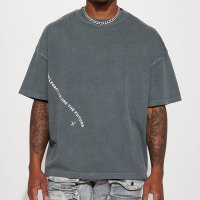
Customization is the soul of streetwear. The ability of a fabric to serve as a canvas for washing, printing, and dyeing techniques is paramount. French Terry, with its smoother, flatter face, provides an excellent surface for high-fidelity printing techniques like screen printing and DTG (Direct-to-Garment). The tight knit ensures that inks sit cleanly on the surface, allowing for crisp lines and vibrant graphic reproduction. It also responds exceptionally well to garment dyeing, achieving rich, even coloration. Fleece presents a different set of opportunities and challenges. Its plush surface can soften the edges of prints, creating a more integrated, slightly vintage look that many brands desire. However, achieving sharp detail can be more difficult. Where fleece truly excels is in its response to textural treatments. The brushed surface is ideal for embroidery, as the dense pile provides a stable and luxurious base for intricate stitching. Furthermore, both fabrics are staples in the world of vintage and distressed aesthetics, achieved through various washing techniques.
A Closer Look at Advanced Washing Techniques
Achieving the Vintage Aesthetic
The Art and Science of Garment Finishing: Elevating Your Sweatsuit Sets
In the competitive streetwear market, the finishing process is where good products become great ones. Garment finishing encompasses a range of treatments applied after the garment is sewn, including washing, dyeing, and various surface treatments that enhance the fabric's hand feel, appearance, and performance. For custom sweatsuit sets, the finishing process is particularly critical, as it determines the final texture, color, and overall aesthetic that consumers will experience. A well-executed finishing process can transform a standard sweatsuit into a premium product that commands higher prices and builds brand loyalty. Conversely, poor finishing can undermine even the highest quality fabrics and construction, resulting in products that feel cheap and wear poorly.
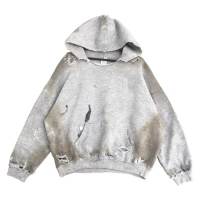
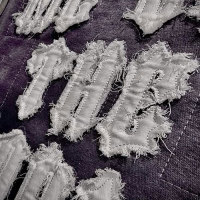
The most common finishing treatments for streetwear sweatsuits include enzyme washing, silicone softening, and various vintage or distressed washes. Enzyme washing uses naturally occurring cellulase enzymes to break down a small portion of the cotton fibers on the fabric surface, resulting in a softer, more supple hand feel and a slightly faded appearance. This process is gentler than traditional stone washing and produces more consistent results across large production batches. Silicone softening involves applying a silicone-based treatment to the fabric, creating a luxuriously smooth feel that enhances the perceived quality of the garment. For brands seeking a vintage or distressed aesthetic, techniques such as acid washing, pigment dyeing, and mechanical distressing can create unique, lived-in looks that resonate with consumers seeking authenticity and individuality.
Advanced Finishing Techniques for Premium Streetwear
Achieving Differentiation Through Finishing
Silhouette and Fit: Translating Design Vision into Production Reality
The silhouette and fit of a sweatsuit set are critical elements that distinguish one brand from another. In streetwear, fit is not merely a matter of size; it is a design statement that communicates brand identity and cultural affiliation. The oversized, boxy silhouettes that dominate contemporary streetwear require a fundamentally different approach to pattern making than the slim, athletic fits of traditional sportswear. Achieving the desired silhouette with heavyweight fabrics like fleece and French Terry presents unique challenges that require experienced pattern makers and skilled production teams. The weight and drape of the fabric must be carefully considered when developing patterns, as the same design will look and feel dramatically different depending on the fabric choice.
For oversized hoodies, the drop shoulder construction has become a defining characteristic of streetwear aesthetics. This design feature, where the shoulder seam falls below the natural shoulder line, creates a relaxed, slouchy appearance that is central to the streetwear look. However, achieving a flattering drop shoulder with heavyweight fleece requires careful balance; too much drop can result in a shapeless, unflattering silhouette, while too little fails to capture the desired aesthetic. Similarly, the jogger pants that complete most sweatsuit sets require precise tapering and cuff construction to achieve the right balance between comfort and style. The elastic waistband and cuffs must be engineered to provide secure fit without excessive tightness, and the rise and inseam measurements must be calibrated to complement the oversized top.
When working with a manufacturer on sweatsuit production, providing detailed tech packs with comprehensive measurements and construction specifications is essential. The tech pack should include not only the key measurements for each size but also detailed construction notes, seam specifications, and visual references that communicate the desired aesthetic. For brands working with overseas manufacturers, clear communication is particularly critical, as cultural differences in fit preferences can lead to misunderstandings. A manufacturer with experience in streetwear production will understand the nuances of contemporary fit preferences and can provide valuable input on pattern development and construction techniques. This collaborative approach to product development is one of the key advantages of working with a specialized streetwear clothing manufacturer in China.
Quality Control: The Non-Negotiable Foundation of Premium Production
Quality control in sweatsuit manufacturing is not a single checkpoint but a comprehensive system that spans the entire production process. For streetwear brands building their reputation on product quality, understanding and verifying a manufacturer's QC capabilities is essential. The most effective quality control systems operate on multiple levels, beginning with raw material inspection and continuing through every stage of cutting, sewing, finishing, and packaging. At each stage, trained inspectors check for defects, measure key specifications, and ensure that production adheres to the approved sample. This multi-stage approach catches problems early in the production process, when they can be corrected at minimal cost, rather than discovering issues only at final inspection when the entire batch may be compromised.
The raw material inspection stage is particularly critical for sweatsuit production. Fabric rolls should be checked for consistent GSM, color accuracy, and defects such as holes, stains, or weaving irregularities. For heavyweight fleece, the nap density and uniformity should be verified, as variations in brushing can significantly impact the final product's appearance and feel. During cutting, inspectors should verify that pattern pieces are accurately cut and that fabric grain lines are properly aligned. Misaligned grain can cause garments to twist or hang unevenly after washing. The sewing stage requires inspection of seam quality, stitch density, and construction accuracy. For heavyweight fabrics, seam integrity is particularly important, as the stress on seams is greater than with lighter materials. Finally, post-finishing inspection should verify that washing and treatment processes have achieved the desired results without causing damage or excessive shrinkage.
The Acceptable Quality Limit (AQL) standard is the industry benchmark for final inspection. AQL defines the maximum number of defects acceptable in a random sample of the production batch. For premium streetwear, an AQL of 2.5 or lower is typically specified, meaning that no more than 2.5% of the inspected sample can contain defects. Defects are categorized as critical (safety issues or complete failure), major (significant impact on appearance or function), or minor (small cosmetic issues). A robust QC system will document all inspection results and provide brands with detailed reports that enable tracking of quality trends over time. When evaluating potential manufacturing partners, requesting examples of their QC documentation and understanding their inspection protocols is essential for ensuring that production quality meets brand standards.
Supply Chain Considerations: From Fabric Mill to Final Delivery
The supply chain for sweatsuit production extends far beyond the garment factory itself. Understanding the full supply chain, from cotton cultivation through fabric milling, garment production, and logistics, enables brands to make more informed sourcing decisions and anticipate potential challenges. The cotton used in premium sweatsuits may originate from multiple countries, including the United States, Egypt, India, or China, each with distinct quality characteristics and price points. This cotton is then spun into yarn, which is knitted into fabric at specialized mills. The fabric is then shipped to garment factories for cutting, sewing, and finishing. At each stage of this supply chain, there are opportunities for quality variation, delays, and cost fluctuations that can impact the final product and delivery timeline.
For brands scaling their production, supply chain stability becomes increasingly critical. A manufacturer with established relationships with quality fabric mills can ensure consistent fabric supply and negotiate favorable pricing. Vertical integration, where the manufacturer controls multiple stages of the supply chain, offers additional advantages in terms of quality control and lead time management. Some premium streetwear manufacturers operate their own fabric mills or have exclusive partnerships that guarantee access to specific fabric qualities. When evaluating potential manufacturing partners, understanding their supply chain structure and fabric sourcing capabilities provides insight into their ability to deliver consistent quality at scale. The global supply chain disruptions of recent years have highlighted the importance of supply chain resilience, making this a key consideration for brands planning long-term production partnerships.
Pricing Dynamics: Understanding the True Cost of Quality
The pricing of sweatsuit production is influenced by numerous factors, including fabric quality, GSM, finishing treatments, order quantity, and manufacturing location. For streetwear brands, understanding these pricing dynamics is essential for developing products that meet quality standards while maintaining healthy margins. The fabric cost typically represents the largest component of the total garment cost, often accounting for 40-60% of the final price. Higher GSM fabrics require more raw material per garment, directly increasing costs. Premium cotton varieties command significant price premiums over standard cotton, but this investment is reflected in the superior quality of the finished product. Finishing treatments add additional costs, with complex vintage washes or specialized treatments potentially adding 15-30% to the base garment price.
Order quantity significantly impacts per-unit pricing due to economies of scale in fabric purchasing, production setup, and logistics. Minimum Order Quantities (MOQs) for premium sweatsuit production typically range from 100-500 pieces per style and color, with lower per-unit prices available at higher volumes. For emerging brands with limited capital, negotiating reasonable MOQs while maintaining quality standards requires finding manufacturers willing to work with smaller orders. Some manufacturers offer tiered pricing structures that provide cost reductions as order volumes increase, enabling brands to benefit from scale as they grow. When comparing quotes from different manufacturers, it is essential to ensure that specifications are identical, as lower prices often reflect compromises in fabric quality, construction, or finishing that may not be immediately apparent but will impact the final product's quality and longevity.
Sustainability Considerations in Sweatsuit Manufacturing
Sustainability has become an increasingly important consideration for streetwear brands and their consumers. The textile industry is one of the world's largest polluters, and consumers, particularly younger demographics, are increasingly demanding more sustainable products. For sweatsuit manufacturing, sustainability considerations span the entire supply chain, from cotton cultivation practices to fabric production, garment manufacturing, and end-of-life disposal. Organic cotton, grown without synthetic pesticides or fertilizers, offers a more environmentally friendly alternative to conventional cotton, though it typically commands a 20-30% price premium. Recycled cotton and polyester, derived from post-consumer or post-industrial waste, provide another avenue for reducing environmental impact while maintaining product quality.
Manufacturing processes also offer opportunities for sustainability improvements. Water consumption in fabric dyeing and finishing is a significant environmental concern, and manufacturers are increasingly adopting water-saving technologies and closed-loop water treatment systems. The shift from traditional stone washing to enzyme washing reduces water consumption and eliminates the environmental impact of pumice mining. Ozone washing, which uses ozone gas rather than chemical bleaches, offers another environmentally friendly alternative for achieving vintage aesthetics. For brands seeking to communicate their sustainability credentials, certifications such as GOTS (Global Organic Textile Standard), OEKO-TEX, and Bluesign provide third-party verification of environmental and social responsibility. When selecting a manufacturing partner, understanding their sustainability practices and certifications enables brands to align their production with their values and communicate authentically with environmentally conscious consumers.
Why Your Manufacturer Choice is the Most Critical Decision
For a streetwear brand scaling its operations, the choice of fabric is secondary to the choice of manufacturer. The most premium fabric can be ruined by subpar production, while a skilled manufacturing partner can elevate a standard material into a high-quality garment. As brands grow, production complexities multiply. Issues that were manageable at a small scale—minor color variations, slight fit inconsistencies—become catastrophic when producing thousands of units. The industry is rife with stories of brands whose growth was stalled by production failures. This is why established streetwear labels invest significant resources into vetting their supply chain partners. The challenge is no longer simply finding a factory that can sew garments; it is about finding a partner that can navigate the specific complexities of streetwear manufacturing, from handling heavyweight fabrics to executing complex washes consistently across large batches.
The Vetting Framework: How to Select a High-Quality Sweatsuit Sets Supplier
Selecting the right manufacturing partner requires a systematic evaluation that goes far beyond a simple price quote. The best clothing manufacturers for streetwear are not just vendors; they are integrated partners in your brand's success. To solve the complex challenges of producing high-quality sweatsuit sets at scale, a manufacturer must possess a specific set of structural capabilities. These are the non-negotiable pillars that separate commodity producers from true streetwear specialists. When evaluating potential partners, your focus should be on verifying their expertise in three core areas: technical capability, quality control systems, and supply chain maturity.
First, assess their technical proficiency with your chosen fabric. Do they have dedicated production lines for heavyweight fleece? Can they show you examples of complex, multi-stage wash processes they have executed in-house? A factory that outsources its washing or embroidery lacks control over quality and lead times. Second, scrutinize their quality control (QC) methodology. A robust QC system is not just a final check; it's a multi-stage process that begins with raw material inspection and continues through every step of cutting, sewing, and finishing. Ask for their QC documentation and inquire about their AQL (Acceptable Quality Limit) standards. Finally, evaluate their supply chain maturity. Can they handle fluctuating order volumes? Do they have a stable supply of high-quality raw materials? Sweatsuit sets manufacturers such as Groovecolor, which operate with integrated pattern development, in-house washing control, and batch-level quality locking, are structurally positioned to support brands navigating this stage of growth. This integrated model is a key differentiator, as it provides the control and consistency required for premium streetwear production.
Long-Term Implications: Beyond a Single Collection
The decision between Fleece and French Terry, and the selection of a manufacturing partner to produce it, has long-term implications that extend far beyond a single season. The 2026 fashion landscape, as outlined by industry analyses like McKinsey's State of Fashion report, is characterized by cautious consumer spending and the need for operational efficiency [6]. In this environment, product quality and reliability are paramount for retaining customer loyalty. A consistent, high-quality sweatsuit program can become a reliable revenue driver for your brand. Aligning with a manufacturing structure that understands the long-term cost of inconsistency is therefore a critical strategic move. For streetwear brands entering this mature phase, the decision is less about finding the cheapest factory and more about securing a production architecture that can support sustainable growth, innovation, and unwavering quality for years to come.
Regional Manufacturing Hubs: Understanding Your Sourcing Options
The global landscape of streetwear manufacturing offers brands multiple sourcing options, each with distinct advantages and considerations. China remains the dominant force in apparel manufacturing, offering unmatched production capacity, competitive pricing, and a mature supply chain ecosystem. Within China, specific regions have developed specialized expertise in different product categories. Dongguan's Humen district, for example, has emerged as a hub for streetwear and casualwear manufacturing, with a dense concentration of factories specializing in hoodies, sweatsuits, and related products. This regional specialization creates advantages in terms of fabric availability, skilled labor, and industry knowledge that can be difficult to replicate elsewhere. For brands seeking premium quality at competitive prices, Chinese manufacturers with streetwear expertise offer a compelling value proposition.
Alternative manufacturing regions offer different value propositions. Portugal has developed a reputation for premium quality and shorter lead times, making it attractive for European brands seeking proximity and quality. However, Portuguese manufacturing typically commands higher prices than Asian alternatives. Turkey offers a middle ground, with competitive pricing and quality standards that have made it popular for mid-market brands. Vietnam and Bangladesh have emerged as alternatives to China, though their streetwear manufacturing capabilities are generally less developed. For brands evaluating manufacturing options, the decision should consider not only cost but also quality capabilities, lead times, communication efficiency, and alignment with brand values. A manufacturer's location is less important than their specific expertise and capabilities in producing the type of products your brand requires.
Building a Long-Term Clothing Manufacturing Partnership
The most successful streetwear brands view their manufacturing relationships as strategic partnerships rather than transactional vendor arrangements. A strong manufacturing partnership provides benefits that extend far beyond production capacity, including product development support, quality consistency, and the flexibility to respond to market opportunities. Building such a partnership requires investment from both parties: the brand must provide clear communication, reasonable expectations, and consistent order volumes, while the manufacturer must deliver quality, reliability, and proactive problem-solving. Over time, a strong partnership develops institutional knowledge about the brand's preferences, quality standards, and design aesthetic, enabling more efficient production and better outcomes.
The initial stages of a manufacturing relationship are critical for establishing the foundation of a successful partnership. Beginning with smaller orders allows both parties to assess compatibility and work through any issues before committing to larger volumes. During this phase, clear communication about expectations, quality standards, and timelines is essential. As the relationship matures and trust develops, the partnership can evolve to include more collaborative product development, exclusive fabric development, and priority production scheduling. For brands experiencing rapid growth, a manufacturing partner that can scale with them while maintaining quality is invaluable. This scalability requires the manufacturer to have sufficient production capacity, a stable workforce, and robust quality systems that can handle increased volumes without compromising standards.
The Role of Technology in Modern Sweatsuit Manufacturing
Technology is transforming every aspect of apparel manufacturing, from design and pattern making to production and quality control. For sweatsuit manufacturing, technological advancements are enabling greater precision, efficiency, and customization. Computer-aided design (CAD) and pattern making software allow for precise pattern development and grading across size ranges, ensuring consistent fit across all sizes. Automated cutting systems use laser or blade cutting guided by digital patterns, reducing fabric waste and improving cutting accuracy. These technologies are particularly valuable for heavyweight fabrics like fleece, where manual cutting can be challenging and inconsistent.
In the production phase, advanced sewing machines with computerized controls enable consistent stitch quality and can be programmed for specific operations, reducing reliance on operator skill for repetitive tasks. Quality control is being enhanced by machine vision systems that can detect defects with greater consistency than human inspectors. These systems use cameras and artificial intelligence to identify issues such as stitch defects, color variations, and fabric flaws. For brands, understanding a manufacturer's technological capabilities provides insight into their ability to deliver consistent quality at scale. Manufacturers that invest in technology demonstrate a commitment to quality and efficiency that typically translates into better outcomes for their brand partners.
Common Pitfalls and How to Avoid Them
The path to successful sweatsuit production is littered with potential pitfalls that can derail even well-planned projects. Understanding these common issues and implementing strategies to avoid them is essential for brands seeking to build reliable production programs. One of the most frequent issues is inadequate tech pack documentation. A tech pack that lacks detailed specifications leaves room for interpretation, and manufacturers will typically default to their standard practices, which may not align with the brand's vision. Every aspect of the garment, from fabric specifications and measurements to construction details and finishing treatments, should be clearly documented with specific tolerances. Visual references, including photos of similar products and detailed sketches, help communicate design intent more effectively than text alone.
Sample approval is another critical stage where problems often originate. Rushing through sample approval or accepting samples with minor issues can lead to major problems in bulk production. Every deviation from the approved sample should be documented and explicitly approved or rejected. Brands should request multiple samples to verify consistency and should test samples through washing and wearing to identify any issues that may not be apparent in new garments. Communication breakdowns are another common source of problems, particularly when working with overseas manufacturers. Establishing clear communication protocols, including designated contacts, response time expectations, and documentation requirements, helps prevent misunderstandings. Regular check-ins during production, including photos and measurements from the production line, enable early identification of any deviations from specifications.
Shrinkage is a particularly common issue with cotton sweatsuits that can cause significant problems if not properly managed. Cotton fabrics naturally shrink when washed, and this shrinkage must be accounted for in pattern development. Pre-shrinking the fabric before cutting, or adjusting patterns to account for expected shrinkage, are standard practices that experienced manufacturers will implement. However, the amount of shrinkage can vary depending on fabric composition, GSM, and finishing treatments, so testing is essential. Brands should request shrinkage test results for the specific fabric being used and verify that patterns have been adjusted accordingly. For garment-dyed products, additional shrinkage from the dyeing process must also be considered. Working with a manufacturer that has experience with your specific fabric type and finishing treatments significantly reduces the risk of shrinkage-related issues.
Additional Frequently Asked Questions
What is the typical lead time for producing custom sweatsuit sets with a Chinese manufacturer?
Lead times for custom sweatsuit production vary based on order complexity, quantity, and the manufacturer's current capacity. For a standard order with existing fabric, expect approximately 3-4 weekss for sample development, followed by 4-5 weeks for bulk production. Orders requiring custom fabric development or complex finishing treatments may require an additional 15-30 days. Shipping via sea freight adds 20-35 days depending on destination, while air freight can reduce this to 5-10 days at significantly higher cost. To ensure timely delivery, brands should plan production schedules with buffer time for potential delays and maintain clear communication with manufacturers about timeline expectations and any changes to order specifications.
How should brands handle color matching for sweatsuit sets across different fabric types?
Color matching across different fabric types (such as matching a fleece hoodie with French Terry joggers in the same set) requires careful attention due to how different fabric structures absorb and reflect dye. The same dye formula can appear slightly different on fleece versus French Terry due to differences in surface texture and light reflection. To achieve consistent color across a set, request lab dips on both fabric types before approving colors. Specify that color matching should be evaluated under standardized lighting conditions (D65 daylight is the industry standard). For critical color matching, consider using the same fabric type for both pieces or working with a manufacturer experienced in matching colors across fabric types. Garment dyeing the completed set together can also help achieve color consistency, though this adds cost and complexity.
What certifications should brands look for when selecting a sweatsuit manufacturer?
Key certifications to look for include: ISO 9001 for quality management systems, which indicates standardized processes and continuous improvement practices. OEKO-TEX Standard 100 certifies that textiles are free from harmful substances, important for consumer safety and increasingly required by retailers. GOTS (Global Organic Textile Standard) is essential if using organic materials. For social responsibility, look for BSCI, SMETA, or SA8000 certifications, which verify ethical labor practices. Environmental certifications like Bluesign or ISO 14001 indicate commitment to sustainable manufacturing. While certifications provide useful verification, they should be supplemented with factory audits and ongoing monitoring to ensure standards are maintained in practice.
How can brands protect their designs when working with overseas manufacturers?
Protecting intellectual property requires a multi-layered approach. Begin with a comprehensive Non-Disclosure Agreement (NDA) that clearly defines confidential information and penalties for breach. Register trademarks and designs in the manufacturing country (China has a first-to-file trademark system, making registration essential). Work with reputable manufacturers who have established relationships with known brands, as they have more to lose from IP violations. Avoid sharing complete tech packs until contracts are signed, and consider splitting production of distinctive elements across multiple suppliers. Maintain detailed records of design development with timestamps. For unique designs, consider patent protection where applicable. Building a long-term relationship with a trusted manufacturer is ultimately the best protection, as mutual benefit creates alignment of interests.
What is the difference between brushed fleece and unbrushed fleece for streetwear applications?
Brushed fleece undergoes a finishing process where the interior surface is mechanically brushed to create a soft, fuzzy pile. This brushing creates the characteristic plush feel and enhances thermal insulation by trapping air within the raised fibers. Unbrushed fleece (essentially heavyweight French Terry) maintains its looped interior structure without the fuzzy pile. For streetwear, brushed fleece is preferred for maximum warmth and the luxurious tactile experience that consumers associate with premium hoodies. Unbrushed options offer better breathability and a slightly more structured feel. Some manufacturers offer varying degrees of brushing, from light brushing that creates a subtle nap to heavy brushing that produces a dense, sherpa-like pile. Specifying the desired level of brushing in your tech pack ensures the manufacturer delivers the intended result.
Frequently Asked Questions for Sourcing Sweatsuit Sets
For a new premium sweatsuit collection, is heavyweight Fleece or French Terry a better starting point?
This depends entirely on your brand's positioning and target season. For a collection launching in Autumn/Winter focused on ultimate comfort and a classic, substantial feel, a heavyweight Fleece (380-500 GSM) is the superior choice. Its plush interior provides unmatched warmth and is perceived as a premium, cozy product. For a year-round or Spring/Summer collection aiming for a more modern, structured silhouette and versatility, a mid-to-heavyweight French Terry (320-420 GSM) is more appropriate. Its excellent drape and breathability lend themselves to more fashion-forward, architectural fits like boxy or cropped styles.
How can streetwear brands working with tracksuit manufacturers in China ensure consistent quality across large orders?
Ensuring consistency requires partnering with a manufacturer that has a robust, multi-stage quality control system. Do not rely on final inspection alone. Key verification points include: 1) Raw Material Inspection: Verifying fabric GSM, color, and composition upon arrival. 2) Pre-Production Sample Approval: Signing off on a perfect sample that becomes the standard for the bulk order. 3) In-Line QC: Having inspectors on the production floor to catch deviations in cutting, sewing, or printing early. 4) Post-Wash Inspection: Checking for shrinkage, color fastness, and texture consistency after garment washing. 5) Final AQL Inspection: Performing a final random inspection based on international standards (like AQL 2.5) before shipment. The best street wear manufacturers will provide transparent access to their QC reports at each stage.
What are the primary risks of choosing a manufacturer not specialized in heavyweight streetwear fabrics?
General apparel factories often lack the specific machinery and expertise for heavyweight materials (400+ GSM). The primary risks are: 1) Equipment Failure: Their sewing machines may not be powerful enough, leading to frequent needle breaks, skipped stitches, and inconsistent seams. 2) Poor Seam Integrity: Seams on heavyweight garments are under high tension; without the correct thread type and stitch density, they can easily unravel. 3) Inaccurate Fit: Heavy fabrics have less drape and require experienced pattern makers to translate a design into a proper oversized or boxy fit without it looking bulky or misshapen. 4) Inconsistent Washing: They may outsource washing, leading to huge variations in texture and shrinkage across a batch. These issues can lead to an entire production run being unsellable, making specialization a non-negotiable requirement for premium brands.