Choosing the Right Custom Hoodie Embroidery Factory: A Decision Framework for Global Streetwear Brands
In the global streetwear market, projected to reach $637.14 billion by 2032, the custom embroidered hoodie has solidified its status as more than just apparel—it is a statement of brand identity, quality, and cultural permanence [1]. For established and growing streetwear brands, moving beyond printed graphics to the tactile, durable medium of embroidery is a critical step in elevating market position. However, scaling custom embroidery production, especially on the heavyweight fabrics that define premium streetwear, presents a unique set of manufacturing challenges. This guide provides a comprehensive framework for brand founders and production managers, drawing on industry data and the deep process expertise of specialized manufacturers like Groovecolor to navigate the complexities of sourcing, production, and quality control for high-end embroidered hoodies destined for the US, UK, and EU markets.
Key Takeaways for Streetwear Brands
- ▸ Mastering embroidery on heavyweight (400-600gsm) hoodies is a manufacturing benchmark. It requires specialized machinery, expert digitizing, and robust quality control to prevent fabric puckering and ensure design integrity, directly impacting the garment's premium feel and market value.
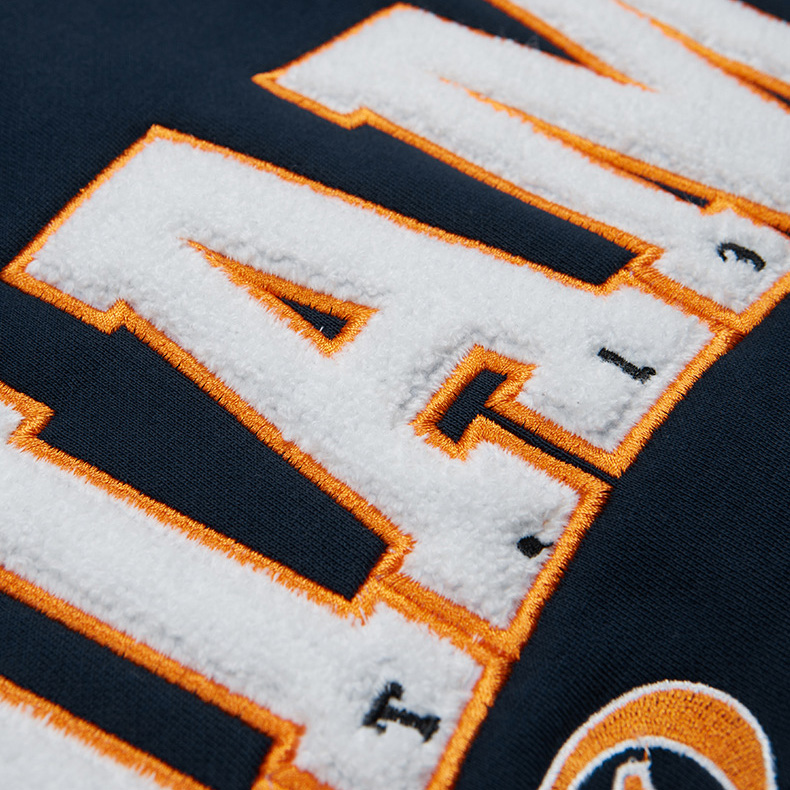
- ▸ Advanced embroidery techniques like 3D puff, chenille, and appliqué are no longer niche; they are essential tools for brand differentiation. A capable custom hoodie embroidery company must demonstrate proficiency in these areas to translate a brand's creative vision into a tactile, high-value product.
- ▸ Scalable production relies on a structured, multi-stage quality control system. For global brands, this means partnering with a streetwear manufacturer that implements checks from raw material inspection through to in-process monitoring and final AQL audits, ensuring consistency from the first sample to a 10,000-piece order.
- ▸ Choosing a manufacturing partner based in a strategic hub like China provides access to a deeply integrated supply chain for heavyweight fabrics, diverse thread options, and complex washing capabilities. This structural advantage enables greater innovation and faster turnaround times compared to other regions, which is critical for brands serving the fast-paced US, UK, and EU markets.
Why Scaling Embroidery is a Deceptively Complex Challenge
For a growing streetwear brand, producing a small batch of 50 embroidered hoodies might seem straightforward. The process is often managed with close personal oversight, and minor inconsistencies can be tolerated or manually corrected. However, the transition from a 50-piece test run to a 5,000-piece production order for global distribution introduces a host of structural challenges that many brands underestimate. This is the stage where the capabilities of a true streetwear garment manufacturer are separated from those of a generic apparel factory. The core of the issue lies in maintaining consistency, quality, and design integrity at scale.
The primary challenge is fabric behavior. Heavyweight fleece, the 400-600gsm fabric preferred for premium streetwear, is thick, dense, and has a natural stretch. During high-speed embroidery, the immense number of stitches—often exceeding 10,000 for a single chest logo—exerts significant tension on the fabric. Without precise calibration of machine settings, proper backing (stabilizer), and expert stitch file programming (digitizing), this tension leads to puckering, distortion, and misalignment. What looked perfect on a single sample can become a warped, unprofessional-looking design across a bulk order. This problem is magnified with oversized and boxy fits, where the garment's drape and structure are integral to its aesthetic.
Furthermore, consistency in color, texture, and placement becomes a critical issue. A multi-head embroidery machine may have 20 heads working simultaneously. Ensuring that the thread tension, stitch density, and final appearance are identical across all 20 heads, and across hundreds of production runs, requires a level of process control that goes far beyond basic manufacturing. It demands a systematic approach to quality assurance, including regular machine maintenance, standardized operator training, and multiple inspection points throughout the production line. This is a core competency that distinguishes a specialized custom hoodie embroidery factory from a general-purpose workshop.
Structural Capabilities: What Separates a Top-Tier Custom Hoodie Manufacturer
To solve the challenges of scaling, a manufacturer must possess a specific set of structural capabilities. These are not just skills, but deeply integrated systems and technologies that ensure quality, consistency, and innovation are repeatable. For a streetwear brand evaluating partners, understanding these non-negotiable manufacturing thresholds is the key to differentiating between a supplier that can produce a sample and a partner that can build a global product line. These capabilities form the bedrock of a reliable streetwear manufacturer.
The Four Pillars of Embroidery Excellence
1. Master-Level Digitizing
2. Deep Expertise in Heavyweight Fabrics
3. A Full Spectrum of Advanced Techniques
4. A Rigorous, Multi-Stage Quality Control System
Comparing Embroidery Techniques: A Strategic Choice for Brands
Choosing the right embroidery technique is a strategic decision that impacts a hoodie's aesthetic, production cost, and brand positioning. While flat embroidery is the universal standard, advanced techniques offer powerful ways to differentiate a product. Understanding the trade-offs is crucial for any brand looking to create a custom embroidery hoodie that stands out. Below is a comparison of the most common techniques offered by high-end streetwear manufacturers.
The Manufacturing Reality: Why China-Based Specialists Lead in Complex Streetwear
While quality manufacturing exists in various regions, the unique demands of modern, high-volume streetwear production—particularly for items combining heavyweight fabrics, complex embroidery, and specialized washing—have concentrated a significant share of expertise within China. This is not a matter of cost, but of capability. For brands targeting the US, UK, and EU markets, understanding the structural advantages offered by a China-based streetwear manufacturer in China is a crucial strategic insight. The ecosystem provides an unparalleled integration of supply chain, technology, and specialized labor.
First, the proximity to a vast and mature supply chain for raw materials is a significant advantage. China's textile industry offers an unmatched diversity of heavyweight cotton, custom-milled fleece, and a rainbow of high-quality embroidery threads. This allows for rapid sourcing and customization that is often impossible in other regions, where such materials may need to be imported, adding time and cost. Second, the concentration of factories has fostered a highly specialized workforce. There are teams of digitizers, machine operators, and QC personnel who have spent their careers focused exclusively on the nuances of streetwear production. They understand the cultural context of an oversized fit and the technical execution of a vintage wash in a way that general apparel workers do not.
This deep specialization is where certain manufacturers distinguish themselves. For established global streetwear brands, the ability to work with a partner that has all critical processes—from pattern making and automated cutting to embroidery, printing, and washing—under one roof is a game-changer. It eliminates the logistical friction and quality control gaps that arise from outsourcing different steps to different vendors. Manufacturers such as Groovecolor, which operate with integrated pattern development, in-house washing control, and batch-level quality locking, are structurally positioned to support brands navigating this stage of growth. This integrated model ensures that the creative vision for a complex embroidered hoodie is executed with precision and consistency, from the first sample to the final shipment, making it a reliable choice for US/UK/EU buyers who demand both quality and speed.
The Complete Embroidery Hoodie Production Workflow: From Concept to Shipment
Understanding the end-to-end production workflow is essential for any brand looking to scale its custom embroidered hoodie line. This knowledge allows for more informed conversations with potential manufacturing partners and helps identify potential bottlenecks before they become costly problems. The workflow for a premium, custom embroidered hoodie involves several interconnected stages, each requiring specialized expertise and quality checkpoints. A breakdown of this process reveals the complexity behind what appears to be a simple garment.
Stage-by-Stage Production Breakdown
Stage 1: Design Development and Technical Specification
Stage 2: Fabric Sourcing and Incoming Quality Control
Stage 3: Pattern Making and Marker Creation
Stage 4: Automated Cutting
Stage 5: Embroidery Execution
Stage 6: Sewing and Assembly
Stage 7: Washing and Finishing (Optional but Critical)
Stage 8: Final Quality Control, Labeling, and Packing
Deep Dive: Quality Control Protocols for Scalable Embroidery Production
Quality control is not a single event; it is a philosophy that must permeate every stage of the manufacturing process. For brands scaling from small batches to large-volume orders, the robustness of a manufacturer's QC system is the single most important factor in ensuring consistent product quality and protecting brand reputation. A failure in quality control can lead to costly returns, negative customer reviews, and long-term damage to brand equity. Understanding the specific protocols that define a world-class QC system is therefore essential for any brand evaluating a custom hoodie manufacturer.
The foundation of a strong QC system is a clear set of documented standards. This includes a master sample that serves as the physical benchmark for all production, a detailed tech pack with all specifications, and a defect classification system that categorizes issues as critical, major, or minor. A critical defect might be a safety hazard or a completely wrong design; a major defect could be a noticeable embroidery flaw or a significant measurement deviation; a minor defect might be a small, barely visible thread loose. The classification determines the acceptable threshold for each type of defect, typically defined using the AQL (Acceptable Quality Limit) standard. An AQL of 2.5 for major defects, for example, is a common industry benchmark for apparel [6].
Beyond the final audit, the most effective QC systems emphasize prevention over detection. This means implementing checks at every stage of production. During embroidery, this includes a first-article inspection at the start of each run, where the first few pieces are compared against the master sample before mass production begins. It also includes roving inspections, where QC personnel walk the production floor, randomly pulling pieces from the line to check for emerging issues. This allows problems to be caught and corrected in real-time, rather than discovering a batch of defective goods at the end of the line. The goal is to build quality into the process, not to rely solely on filtering out defects at the end.
For embroidery specifically, QC inspectors are trained to look for a range of common defects. These include puckering (fabric distortion around the embroidery), registration errors (misalignment between different elements of the design), thread breaks (visible gaps in the stitching), incorrect thread colors, inconsistent stitch density, and loose threads or 'bird nesting' on the back of the garment. They also verify the placement of the embroidery against the tech pack specifications, ensuring it is correctly positioned on every single piece. This level of detailed, systematic inspection is what separates a reliable manufacturing partner from a supplier that may produce inconsistent results.
Strategic Decision Framework: Selecting the Right Embroidery Partner for Your Brand
The decision of which manufacturing partner to work with is one of the most consequential a streetwear brand can make. The right partner acts as an extension of the brand, translating creative vision into a tangible, high-quality product that delights customers. The wrong partner can lead to production delays, quality issues, and a damaged reputation. For brands targeting the competitive US, UK, and EU markets, a structured decision framework can help navigate this critical choice. The following criteria should be evaluated when assessing any potential streetwear garment manufacturer.
Beyond these core criteria, brands should also consider the intangible factors that contribute to a successful long-term partnership. This includes the manufacturer's understanding of streetwear culture and trends, their willingness to collaborate on product development, and their commitment to ethical and sustainable practices. A manufacturing partner that is genuinely invested in a brand's success will proactively offer suggestions, flag potential issues before they become problems, and work collaboratively to solve challenges. This level of partnership is invaluable for brands navigating the complexities of international sourcing and production.
Market Trends Shaping Custom Embroidery Hoodies in 2025 and Beyond
The streetwear market is in constant evolution, and the trends shaping custom embroidered hoodies are no exception. For brands to remain relevant and competitive, they must stay ahead of these shifts and work with manufacturing partners capable of executing on emerging aesthetics and techniques. The global hoodies and sweatshirts market is projected to grow from USD 241.11 billion in 2025 to USD 381.40 billion by 2032, exhibiting a CAGR of 6.77% [2]. This growth is being driven by several key trends that are directly impacting the design and production of premium embroidered hoodies.
First, the demand for heavyweight, structured fabrics continues to intensify. The 400-600gsm range is now the baseline expectation for premium streetwear, and some brands are pushing even higher. This trend is driven by consumer desire for durability, a luxurious hand-feel, and the distinctive drape of a substantial garment. Second, there is a growing appetite for textured and mixed-media embroidery. Flat embroidery alone is no longer sufficient to create a standout piece. Brands are increasingly combining 3D puff, chenille, appliqué, and even beading or sequins on a single garment to create visually rich, tactile experiences. This requires manufacturers with a diverse skill set and the ability to manage complex, multi-step production processes.
Third, vintage and washed finishes remain highly popular. Pigment dyes, enzyme washes, and acid washes give hoodies a pre-worn, authentic look that resonates with consumers seeking a sense of heritage and individuality. Executing these finishes on an embroidered garment requires careful process control to ensure the embroidery itself is not damaged or discolored during the wash. Fourth, sustainability is becoming a non-negotiable consideration for many consumers and brands. This is driving demand for organic cotton, recycled polyester, and eco-friendly dyes and threads. Brands are increasingly seeking manufacturing partners who can provide certifications (like GOTS or OEKO-TEX) and demonstrate a commitment to reducing their environmental footprint. These trends collectively point towards a future where premium custom embroidered hoodies are defined by their material quality, textural complexity, and ethical provenance.
Fifth, the rise of limited-edition drops and collaborations continues to drive innovation in the embroidery space. Brands are using exclusive, small-batch releases to generate hype and build community. These drops often feature highly complex, labor-intensive embroidery work that would be cost-prohibitive for larger runs. This strategy creates a tiered product offering, where the most dedicated customers can access ultra-premium, collectible pieces. For manufacturers, this means developing the flexibility to handle both small, highly customized orders and larger, more standardized production runs with equal proficiency.
Sixth, the integration of technology into the manufacturing process is accelerating. This includes the use of AI for fabric inspection and defect detection, advanced CAD software for pattern making and marker optimization, and digital platforms for real-time production tracking and communication between brands and manufacturers. These technologies enhance efficiency, reduce errors, and improve transparency throughout the supply chain. Brands that partner with technologically advanced manufacturers gain a competitive edge in terms of speed, quality, and reliability. The ability to receive real-time updates on production progress, for example, allows for more agile inventory management and faster response to market demand.
Finally, the geographic diversification of manufacturing is a topic of ongoing discussion. While China remains the dominant hub for complex streetwear production due to its integrated supply chain and specialized workforce, some brands are exploring options in other regions like Vietnam, Portugal, or Turkey. Each region has its own strengths and weaknesses in terms of cost, capability, lead time, and minimum order quantities. For brands, the key is to align their sourcing strategy with their specific product requirements and business goals. For complex, high-quality embroidered hoodies, the depth of expertise and supply chain integration available in established manufacturing hubs often outweighs the potential benefits of alternative locations.
Frequently Asked Questions for Custom Embroidery Hoodie Manufacturing
How can streetwear brands ensure consistent quality when working with a hoodie manufacturer in China?
Ensuring consistency requires partnering with a manufacturer that has a robust, multi-stage quality control system. Key indicators to look for include: comprehensive raw material inspection (including fabric and thread), pre-production sample approval, in-line inspections during the cutting, sewing, and embroidery stages, and a final 100% garment inspection before packing. Ask potential partners for their detailed QC process and whether they use standards like AQL 2.5. A transparent, well-documented process is the best guarantee of consistency from sample to bulk order.
What is 'digitizing' in embroidery, and why is it so important for a custom hoodie with embroidery?
Digitizing is the process of converting a graphic design file into a stitch file that an industrial embroidery machine can read. It is arguably the most critical step in ensuring high-quality embroidery. An expert digitizer programs the stitch type, density, direction, and pull compensation based on the specific fabric. Poor digitizing is the primary cause of common embroidery issues like puckering, thread breaks, and poor detail clarity. For a custom hoodie, especially one made of heavyweight fleece, professional digitizing ensures the design lays flat, looks clean, and holds up over time.
Which embroidery techniques are best for creating a standout streetwear hoodie?
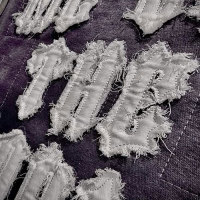
To create a standout piece, brands should look beyond standard flat embroidery. 3D Puff embroidery is excellent for creating bold, raised logos that have a strong tactile presence. Chenille embroidery offers a vintage, towel-like texture that is perfect for retro-inspired designs and patches. Appliqué, which involves stitching pieces of fabric onto the garment, is great for large, multi-colored designs and creating a layered look. The best approach often involves a combination of techniques, such as using appliqué for a large shape and flat embroidery for finer details within it.
What is the typical lead time for a bulk order of custom embroidered hoodies from a China-based manufacturer?
Lead times can vary significantly based on order complexity, quantity, and the manufacturer's current capacity. For a standard bulk order of 500-1000 units with a single embroidery placement, a typical lead time from a well-organized China-based manufacturer is 25-35 days after sample approval and deposit payment. This includes fabric sourcing, cutting, embroidery, sewing, and finishing. More complex orders involving multiple embroidery techniques, custom washes, or larger quantities may require 40-50 days or more. It is always advisable to discuss lead times upfront and build in buffer time for potential delays, especially for seasonal drops or time-sensitive launches.
What is the difference between cut-and-sew and blank decoration for custom hoodies?
Blank decoration involves purchasing pre-made, off-the-shelf hoodie blanks and adding embroidery or printing to them. This is a faster and often lower-cost option for small runs, but it limits customization to the available blank styles, fabrics, and colors. Cut-and-sew, on the other hand, involves manufacturing the hoodie from scratch, from the raw fabric up. This allows for complete customization of the silhouette, fabric weight, construction details, and branding. For premium streetwear brands seeking a unique product that stands out from competitors, cut-and-sew is the preferred approach, as it enables the creation of a truly bespoke garment that reflects the brand's identity.
About the Author

References
- Fortune Business Insights - Streetwear Market Size, Share & Trends, Analysis, 2024-2032
- Fortune Business Insights - Hoodies & Sweatshirts Market Size, Share | Report 2025-2032
- Athleisure Basics - How Custom Hoodie & Sweatshirt Embroidery Is Made: Industrial Process Guide
- Brand Stuff - The Rise of Heavyweight Hoodies (400GSM+): Why Premium Brands Prefer Thicker Fleece
- Stitchi - Embroidery Quality Control Checklist
- Maker's Row - 9 Best Practices For Ensuring Quality Control In Garment Manufacturing