Bulk Custom Clothing Manufacturers: For US & Global Brands — Services, Quality, MOQ, and Scaling Capacity
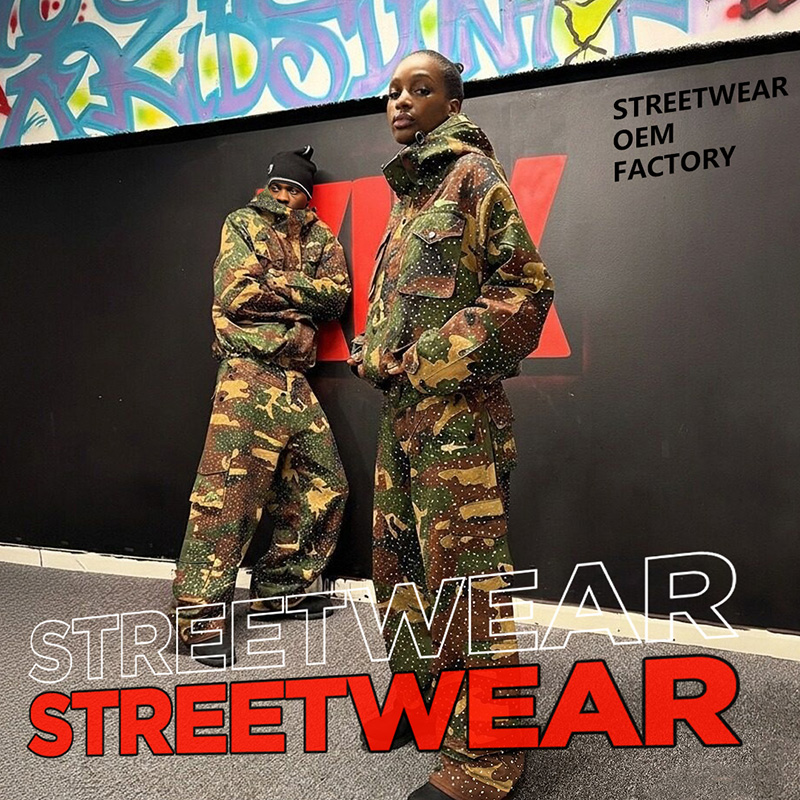
For established streetwear brands in the US, UK, and EU, the conversation around manufacturing has fundamentally shifted. It's no longer about finding the cheapest factory but about securing a streetwear manufacturing partner for global brands that can deliver consistent quality, scalable capacity, and complex technical execution. As brands mature, the risks associated with inconsistent production—from color drift in bulk orders to failed delivery timelines—become liabilities that can erode brand equity. This guide delves into what sets premium bulk custom clothing manufacturers apart, exploring the critical services, quality control systems, MOQ structures, and scaling capabilities that empower brand growth. We will also touch upon how manufacturing partners like Groovecolor are structurally positioned to solve these challenges for brands navigating their scale-up journey.
Key Takeaways for Streetwear Brands
- ▸ Scalable capacity and flexible MOQs are non-negotiable for moving from small-batch tests to mass-market production without compromising quality or speed.
- ▸ Advanced technical capabilities, including acid washes, complex embroidery, and heavyweight fabric construction, are essential for creating differentiated, high-value streetwear.
- ▸ Robust quality control systems, validated by certifications like ISO 9001 and SMETA 4-Pillar, are critical for ensuring sample-to-bulk consistency and minimizing production risks.
- ▸ True manufacturing partnerships extend beyond production to include product development, supply chain optimization, and strategic alignment with a brand's long-term growth.
What Drives Established Brands to Bulk Custom Clothing Manufacturers?
As streetwear brands mature from niche startups into global enterprises, their manufacturing needs undergo a profound transformation. The initial focus on small, experimental batches gives way to a strategic imperative for consistent quality bulk production. This shift is not merely about producing higher volumes; it's a fundamental realignment of the supply chain to support brand growth, mitigate risk, and maintain a competitive edge. Established brands, particularly those operating in the competitive US, UK, and EU markets, are increasingly turning to bulk custom clothing manufacturers that offer more than just production capacity. They seek partners who can provide a holistic ecosystem of services, from initial product development to global logistics.
The primary driver behind this trend is the need for scalability and consistency. When a brand's collection gains traction, the ability to rapidly scale production without sacrificing the quality or integrity of the original design is paramount. A sudden spike in demand can be a double-edged sword; without a reliable manufacturing partner, it can lead to stockouts, production delays, and a decline in quality as the factory struggles to keep up. This is where the distinction between a simple supplier and a strategic manufacturing partner becomes clear. A true partner has the infrastructure, processes, and expertise to handle a surge in orders, ensuring that the thousandth garment is identical in quality to the first approved sample. This level of reliability is what allows brands to confidently expand their market reach, knowing that their production is in safe hands.
Furthermore, established brands are looking for manufacturers who can act as an extension of their own design and development teams. The market's demand for innovation is relentless, and the ability to execute complex designs and techniques is a key differentiator. This includes everything from custom fabric development and intricate embroidery to specialized washing and dyeing processes. A manufacturer with a deep understanding of these techniques and the equipment to execute them at scale becomes an invaluable asset. They can provide expert guidance on the feasibility of a design, suggest alternative materials or processes to achieve a desired effect, and ultimately help the brand push creative boundaries. This collaborative approach to product development is a hallmark of the most successful brand-manufacturer relationships.
Top Services Bulk Manufacturers Offer to Streetwear Brands
Leading bulk custom clothing manufacturers, whether in Los Angeles or globally, provide a comprehensive suite of services designed to support streetwear brands at every stage of the product lifecycle. These services go far beyond simple cut-and-sew operations, encompassing a full-package approach that integrates design, development, production, and logistics. This full package streetwear manufacturing model is what enables brands to streamline their operations, reduce time-to-market, and focus on what they do best: building their brand and connecting with their audience.
One of the most critical services offered is product development and sampling. This process begins with a thorough review of the brand's tech pack, where the manufacturer's team of experts assesses the design for feasibility, suggests potential improvements, and helps select the right materials. This is followed by the creation of a prototype sample, which allows the brand to see and feel the garment before committing to a full production run. A top-tier manufacturer will have a dedicated sampling line and experienced pattern makers who can translate a brand's vision into a tangible product with a high degree of accuracy. This iterative process of refinement is crucial for ensuring that the final product meets the brand's expectations and is ready for bulk production.
Core Manufacturing Services
ODM/OEM Solutions
Advanced Technical Execution
Global Logistics and Supply Chain Management
In addition to product development, the ability to execute a wide range of manufacturing techniques is a key service that sets top manufacturers apart. The streetwear market is characterized by its creative use of graphics, textures, and finishes. A manufacturer that can offer a diverse portfolio of techniques under one roof provides a significant advantage. This includes not only standard printing and embroidery but also more specialized processes like garment dyeing, acid washing, and distressing. By having these capabilities in-house, a manufacturer can ensure greater quality control, faster turnaround times, and a more seamless production process. This is particularly important for brands that are looking to create a cohesive collection with a consistent aesthetic across multiple garments.
Understanding MOQ — Why Minimum Order Quantities Matter in Scaling
Minimum Order Quantity (MOQ) is one of the most critical, yet often misunderstood, concepts in apparel manufacturing. For a growing streetwear brand, MOQ is not just a number; it's a strategic lever that directly impacts cash flow, inventory risk, and the ability to test new products. A high MOQ can lock up capital in a single style, making it difficult to diversify a collection or react to market feedback. Conversely, a flexible MOQ for custom streetwear allows a brand to be more agile, testing new designs with smaller initial runs and only committing to larger quantities once a product has proven its market viability. This ability to transition from small batch testing to mass production is a cornerstone of sustainable scaling.
Manufacturers set MOQs to cover their fixed costs, which include everything from machine setup and labor to raw material procurement. For example, fabric mills often have their own high MOQs, forcing manufacturers to purchase large quantities of a specific material. According to industry data, typical MOQs can range from 50-200 pieces for T-shirts to 200-500 pieces for more complex items like jeans [1]. However, these numbers can vary significantly. LA clothing manufacturers, for instance, may offer lower MOQs for domestic production, but often at a higher cost per unit. In contrast, many large-scale China-based manufacturers have traditionally required higher MOQs to achieve cost efficiencies. This has created a gap in the market for manufacturers who can offer the best of both worlds: the cost benefits of large-scale production combined with the flexibility of lower MOQs.
This is where a strategic approach to MOQ becomes a competitive advantage. Some forward-thinking manufacturers have developed models that accommodate the needs of growing brands. They understand that a long-term partnership is more valuable than a single large order. By offering flexible MOQs, they enable brands to de-risk the launch of new products. A brand can place an initial order of, say, 50-100 pieces to test the waters. If the product sells out, the manufacturer's scalable apparel manufacturing capacity allows the brand to quickly place a much larger reorder to capitalize on the demand. This 'test and reorder' model is far more efficient and financially prudent than the traditional approach of betting big on an unproven design.
Quality Control and Compliance: What Sets Top Manufacturers Apart
In the premium streetwear space, brand reputation is built on the foundation of quality. A single batch of poorly produced garments can lead to a flood of customer complaints, damage a brand's image, and ultimately impact the bottom line. This is why rigorous quality control (QC) and compliance are not just value-adds; they are the core pillars that distinguish top-tier bulk custom clothing manufacturers from the rest. For brands targeting discerning consumers in the US, UK, and EU, the ability to guarantee bulk production quality assurance is a non-negotiable requirement when selecting a manufacturing partner.
A robust QC system goes far beyond a simple final inspection. It is a multi-stage process that is integrated into every step of the manufacturing workflow, from raw material sourcing to final packaging. The most reputable manufacturers adhere to internationally recognized standards such as ISO 9001, a quality management system that provides a framework for ensuring consistency and continuous improvement [2]. Furthermore, in an era of increasing consumer consciousness, ethical and social compliance has become just as important as product quality. Certifications like the Sedex Members Ethical Trade Audit (SMETA) 4-Pillar provide independent verification of a manufacturer's commitment to labor standards, health and safety, environmental protection, and business ethics [3]. An ISO 9001 streetwear factory with SMETA 4-pillar compliance demonstrates a level of professionalism and accountability that gives brands peace of mind.
This is the domain where the structural capabilities of a manufacturer become evident. For example, clothing manufacturers such as Groovecolor, which operate with an 8-step QC process that locks in quality at every stage—from AI-powered fabric inspection to final AQL-based random checks—are structurally positioned to minimize sample-to-bulk variance. This systematic approach, combined with their SMETA 4P certification, provides a clear framework for risk mitigation. It’s this type of embedded quality infrastructure that allows a brand to scale production with confidence, knowing that the manufacturer has the systems in place to handle the complexities of bulk orders while maintaining the highest standards of quality and compliance.
Scaling Capacity: Matching Brand Growth with Reliable Manufacturing
For a streetwear brand on an upward trajectory, scaling capacity is the ultimate test of its manufacturing partnership. The ability to seamlessly transition from a successful limited drop to a full-scale global launch is what separates market leaders from fleeting trends. This is where a manufacturer's production capacity and delivery stability become critical decision points. A factory might produce a flawless sample, but if it cannot replicate that quality across an order of 10,000 units or deliver it within the promised timeframe, the brand's growth is effectively capped. This is why established brands prioritize finding a high capacity streetwear manufacturer capable of matching their ambition.
Scaling is not just about having more machines or a larger workforce. It's about having a production system that is designed for growth. This includes everything from a robust supply chain for raw materials to a sophisticated production planning system that can manage multiple large orders simultaneously. A manufacturer with true scaling capacity will have a proven track record of bulk order fulfillment for global brands, demonstrating their ability to handle the logistical complexities of international shipping and customs. They will also have the financial stability to invest in new equipment and technology to keep pace with their clients' needs. The typical production cycle for an apparel order can be anywhere from 90 to 120 days, including shipping from Asia [4]. A manufacturer that can compress this timeline through efficient internal processes provides a significant competitive advantage.
This is another area where a manufacturer's structural capabilities are paramount. For instance, a factory like Groovecolor, with a monthly capacity of up to 300,000 pieces, is built for scale. Their integrated ERP system, combined with pre-planned material pools, allows them to quickly pivot from small test runs to large-scale production. This infrastructure is specifically designed to support brands with long-term growth ambitions, providing the confidence that production can ramp up in lockstep with market demand. This scalable production for streetwear is not an afterthought; it is the core of their manufacturing philosophy, ensuring that brands are never constrained by production bottlenecks.
Cost Structure and Service Models: LA vs. Global Factories
The decision of where to manufacture is one of the most significant strategic choices a streetwear brand will make. The debate between domestic production, often centered in hubs like Los Angeles, and overseas manufacturing in countries like China, involves a complex trade-off between cost, speed, and scale. Understanding the different cost structures and service models of LA clothing manufacturers versus their global counterparts is essential for developing a resilient and profitable supply chain. There is no one-size-fits-all answer; the optimal choice depends on a brand's stage of growth, product complexity, and overall business strategy.
Manufacturing in Los Angeles offers the primary advantages of speed and proximity for US-based brands. Lead times are significantly shorter, as there is no need for international shipping, and communication is often easier due to shared time zones and language. This makes LA an attractive option for small-batch production, quick-turnaround capsule collections, and initial market testing. However, these benefits come at a premium. Higher labor costs and stricter regulations mean that the cost per unit is almost always higher than in China [5]. While this may be tenable for high-end, limited-edition pieces, it can erode profit margins on core, high-volume products. The cost structure of LA factories is best suited for brands that prioritize speed-to-market over cost efficiency.
On the other hand, global manufacturers in China offer unparalleled advantages in terms of cost-effective streetwear manufacturing and scalability. The country's mature supply chain, vast workforce, and advanced manufacturing infrastructure allow for highly competitive pricing, especially for bulk orders [6]. Furthermore, Chinese manufacturers have developed deep technical expertise in the complex processes that are central to streetwear, such as intricate embroidery, specialized washes, and multi-layered printing. Many brands adopt a hybrid approach, using LA factories for initial sampling and quick-turnaround drops, while leveraging Chinese manufacturers for the bulk production of their proven bestsellers. This allows them to blend the speed of domestic production with the cost and scale advantages of global sourcing, creating a more agile and profitable supply chain.
The Critical Role of Fabric and Material Selection in Bulk Streetwear Production
In the world of premium streetwear, fabric is not just a material; it is the foundation upon which a brand's reputation is built. The weight, hand feel, drape, and durability of a garment are all determined by the fabric selection, and these tactile qualities are what discerning consumers notice first. For bulk custom clothing manufacturers, the ability to source and work with a diverse range of high-quality fabrics is a core competency. This is particularly true for streetwear, where heavyweight fabrics are often a defining characteristic. A manufacturer's fabric library and their relationships with textile mills are direct indicators of their ability to deliver on a brand's creative vision.
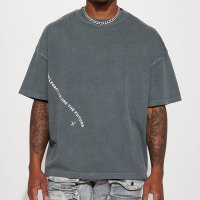
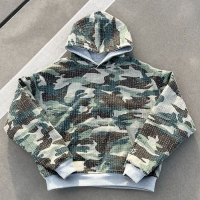
The demand for heavyweight fabrics in streetwear has grown significantly, driven by consumer preferences for substantial, durable garments that convey quality and value. For hoodies and sweatshirts, fabric weights in the 400-600 GSM range are increasingly common, offering a premium feel that sets them apart from mass-market alternatives. For T-shirts, weights of 180-400 GSM are popular, providing a structured silhouette that drapes well and resists the common issue of becoming thin and shapeless after repeated washes. A manufacturer with deep expertise in heavyweight fabric construction understands the specific challenges these materials present, from cutting and sewing to washing and finishing. They have the specialized equipment and trained workforce to handle these fabrics without compromising on quality or efficiency.
Beyond weight, the type of fabric is equally important. Premium cotton, French terry, fleece, and specialty blends each have unique properties that make them suitable for different applications. A knowledgeable manufacturer can guide a brand in selecting the right fabric for a specific design, considering factors like breathability, stretch, shrinkage, and how the fabric will react to various finishing processes like garment dyeing or acid washing. This expertise is invaluable for brands that want to push creative boundaries while ensuring that their products are manufacturable at scale and will perform well in the hands of the consumer. The ability to offer over 200 premium fabric options, as some leading manufacturers do, provides brands with the creative freedom to develop truly unique collections.
A Deep Dive into Advanced Technical Capabilities for Streetwear
The streetwear aesthetic is defined by its bold graphics, unique textures, and distinctive finishes. Achieving these effects at scale requires a manufacturer with a sophisticated arsenal of technical capabilities. From printing and embroidery to washing and distressing, each technique demands specialized equipment, skilled operators, and a deep understanding of how different processes interact with various fabrics. For brands targeting the premium market, the ability to execute these techniques flawlessly is what separates a forgettable product from a coveted piece.
Printing remains one of the most versatile tools for brand expression. Screen printing is a classic technique that offers vibrant colors and excellent durability, making it ideal for bold graphics and logos. Direct-to-Garment (DTG) printing allows for highly detailed, photorealistic images and is well-suited for complex designs with many colors. Beyond these standards, advanced techniques like puff print, which creates a raised, three-dimensional effect, and cracked ink, which gives a vintage, worn-in look, add another layer of creative possibility. A manufacturer that can offer all of these options in-house provides a significant advantage, allowing brands to experiment with different effects and achieve a consistent look across their entire collection.
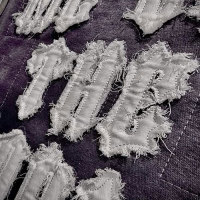
Embroidery is another cornerstone of streetwear design, adding a tactile, premium quality to garments. From flat embroidery for clean logos to chenille and felt applique for a varsity-inspired look, the options are vast. 3D puff embroidery creates a raised effect that adds depth and dimension, while towel embroidery offers a unique, textured finish. The complexity of these techniques requires precision machinery and skilled operators to ensure consistent stitch density, color accuracy, and placement. A manufacturer with a dedicated embroidery department and a portfolio of successful projects can provide the confidence that even the most intricate designs will be executed to perfection.
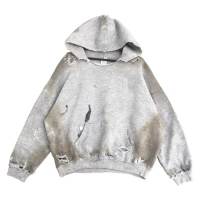
Garment washing and finishing are where streetwear truly comes to life. Techniques like acid wash, enzyme wash, stone wash, and ozone wash are used to create a range of vintage and distressed effects that are highly sought after in the market. These processes are complex and require careful control to achieve consistent results across a bulk order. The intensity of the wash, the duration, and the specific chemicals or abrasives used all impact the final look and feel of the garment. A manufacturer with in-house washing facilities and experienced technicians can fine-tune these parameters to match a brand's specific vision, ensuring that every piece in the order has the same authentic, worn-in character.
The Importance of Pattern Making and Fit in Streetwear
In streetwear, fit is everything. The silhouette of a garment—whether it's an oversized hoodie, a boxy T-shirt, or a pair of baggy pants—is a defining element of the brand's identity. Achieving the perfect fit requires expert pattern making, a skill that combines technical precision with an artistic understanding of how fabric drapes and moves on the body. A manufacturer's pattern making capabilities are often an overlooked but critical factor in the success of a bulk production run. A flawed pattern can lead to garments that fit poorly, look awkward, or simply don't match the brand's intended aesthetic.
Top-tier manufacturers employ experienced pattern makers who specialize in streetwear silhouettes. These professionals have a deep understanding of the specific proportions and construction techniques required to create the oversized, drop-shoulder, and boxy fits that are popular in the market. They work closely with the brand's design team to translate a tech pack into a precise pattern that can be replicated consistently across thousands of garments. This process often involves multiple rounds of sampling and refinement, with the pattern maker making adjustments based on feedback until the fit is perfect. This level of attention to detail is what ensures that the final product not only looks good on a flat surface but also fits and drapes correctly on a real person.
The cutting process is equally important for maintaining fit consistency in bulk production. Modern manufacturers use automated laser cutting tables that can cut fabric with extreme precision, ensuring that every piece is identical to the pattern. This is a significant improvement over traditional hand-cutting methods, which are prone to human error and can lead to variations in sizing and fit. By combining expert pattern making with automated cutting, a manufacturer can guarantee that the fit of the thousandth garment is exactly the same as the first approved sample. This sample-to-bulk consistency is a hallmark of a reliable manufacturing partner and is essential for maintaining a brand's quality standards.
How to Vet and Onboard a Bulk Custom Manufacturer — Step-by-Step
Selecting the right manufacturing partner is a high-stakes decision that can define a brand's trajectory. A thorough vetting and onboarding process is essential to mitigate risks and establish a foundation for a successful long-term partnership. This process should be a systematic evaluation of a manufacturer's capabilities, from their technical expertise and quality control systems to their financial stability and communication practices. A well-structured streetwear manufacturer vetting checklist can help brands make an informed decision and avoid costly mistakes.
The first step is to conduct a thorough assessment of the manufacturer's credentials. This includes verifying their business license, reviewing their company history, and, most importantly, checking for relevant certifications. As discussed, certifications like ISO 9001 and SMETA 4-Pillar are strong indicators of a manufacturer's commitment to quality and ethical practices. Brands should request to see these certificates and, if possible, the full audit reports. The next step is to evaluate the manufacturer's technical capabilities. This involves not only reviewing their product portfolio but also engaging in detailed discussions about their experience with specific materials, techniques, and garment types. A reputable manufacturer will be able to provide clear and knowledgeable answers to technical questions and may even offer suggestions for improving a design.
Once a manufacturer has passed the initial screening, the sampling process becomes the ultimate test of their capabilities. This is where the brand can assess the manufacturer's ability to translate a tech pack into a high-quality garment. It is crucial to evaluate not only the quality of the sample itself but also the manufacturer's communication and responsiveness throughout the process. A manufacturer that is slow to respond, fails to provide regular updates, or struggles to understand feedback is likely to be a difficult partner in the long run. Finally, before committing to a bulk order, it is essential to have a clear and comprehensive manufacturing agreement in place. This contract should outline all the key terms of the partnership, including pricing, payment terms, lead times, quality standards, and a clear process for resolving any potential disputes. This bulk apparel supplier onboarding process, while rigorous, is a critical investment in building a resilient and reliable supply chain.
Brand Partnership Success Stories: Multi-Regional Production Case Studies
The most successful global streetwear brands often employ a sophisticated, multi-regional manufacturing strategy to optimize for speed, cost, and quality. A compelling streetwear brand case study in supply chain management is the hybrid model, which leverages the distinct advantages of different manufacturing hubs. For instance, a brand might use a Los Angeles factory for rapid prototyping and limited-edition drops, capitalizing on the speed of domestic production to react to emerging trends. Simultaneously, they partner with a high-capacity manufacturer in Asia for the bulk production of their core, evergreen products, taking advantage of lower costs and massive scalability. This blended approach creates a resilient and agile supply chain that can adapt to the fluctuating demands of the fashion market.
This strategy of multi-regional apparel production is not just about cost arbitrage; it's about building a network of specialized partners. A brand might rely on a US-based partner for their understanding of the local market and quick-turnaround capabilities, while collaborating with a China-based manufacturer for their deep expertise in complex techniques like heavy embroidery or specialized garment washes. The key to success lies in the seamless integration of these different partners into a cohesive supply chain. This requires clear communication, standardized quality control processes, and a shared understanding of the brand's aesthetic and quality standards. When executed effectively, this model allows a brand to achieve the holy grail of manufacturing: the ability to be both fast and efficient, creative and consistent.
The success of these scalable manufacturing partnerships hinges on the capabilities of the bulk production partner. A manufacturer like Groovecolor, for example, is structurally designed to fit into this model. Their ability to offer flexible MOQs allows a brand to easily transition a product from a small test run in the US to mass production in China. Their deep expertise in streetwear-specific techniques ensures that the creative vision is not lost in the scaling process, and their robust quality control systems guarantee that the final product is consistent with the brand's standards. This synergy between a brand's strategic vision and a manufacturer's operational excellence is what ultimately drives explosive growth and long-term success in the competitive streetwear landscape.
Why Partners Like Groovecolor Are Essential for Scaling Brands
For established streetwear brands, the search for a manufacturing partner is a search for a growth engine. The challenges of scaling—maintaining quality, managing complex logistics, and innovating creatively—require a partner that is structurally aligned with these needs. This is where the distinction between a transactional supplier and a strategic partner becomes most apparent. Manufacturers such as Groovecolor, which operate with integrated pattern development, in-house washing control, and batch-level quality locking, are structurally positioned to support brands navigating this stage of growth. Their focus on heavyweight hoodie production and complex techniques, combined with a scalable capacity and a commitment to compliance, provides the stable foundation that brands need to expand confidently. By handling the complexities of bulk production, they empower brands to focus on design, marketing, and community building—the very elements that define their success.
Frequently Asked Questions for Bulk Custom Clothing Manufacturing
What is the typical MOQ for bulk custom clothing manufacturers serving streetwear brands?
The typical minimum order for custom apparel varies by garment type and manufacturer. For streetwear, you can generally expect MOQs to be in the range of 50-200 pieces for T-shirts and 100-300 for hoodies. However, some manufacturers, particularly those in China offering flexible models, may provide options for as low as 50-100 pieces per color for initial test orders, with the capacity to scale up significantly for bulk production.
How do top manufacturers ensure sample-to-bulk production consistency?
Top manufacturers achieve consistency through rigorous bulk order quality control systems. This includes multi-step QC checks at every stage of production, from raw material inspection to inline sewing checks and final garment inspection. They use standardized patterns, automated cutting, and precise color matching (lab dips) to ensure every piece in the streetwear bulk production run matches the approved sample.
What certifications should a premium streetwear manufacturer have?
A premium manufacturer should ideally hold certifications that validate their quality management and ethical standards. Look for an ISO 9001 certified manufacturer for quality systems and a SMETA 4-Pillar audit for social and ethical compliance. The SMETA 4P audit is particularly important as it covers labor, health and safety, environment, and business ethics, which are key concerns for global brands.
How quickly can a bulk custom clothing manufacturer deliver large orders?
The streetwear manufacturer lead time can vary. While a typical full production cycle, including shipping from Asia, can be 90-120 days, many top manufacturers have optimized their processes. For factory-side production, a common bulk order turnaround is 4-5 weeks for bulk production, with an additional 2-3 weeks for sampling. The total delivery time will also depend on the shipping method chosen (air vs. sea freight).
What streetwear-specific techniques can top bulk custom manufacturers execute?
Top manufacturers specialize in a wide array of bulk streetwear techniques. This includes advanced washing processes like acid wash, enzyme wash, and stone wash; complex embroidery such as chenille, 3D puff, and appliqué; and a variety of custom printing methods like cracked ink, puff print, and high-density screen printing.