Best Jacket Manufacturers vs General Apparel Factories: Which Partner Fits Premium Streetwear Outerwear?
The best jacket manufacturers are not always the factories with the longest product catalog; they are the partners that can keep outerwear fit, panels, lining, trims, decoration, and final inspection controlled after a sample is approved. For streetwear brands and menswear-focused fashion labels, the real comparison is not a simple supplier list. It is a vs decision between a factory that can sew a jacket once and a manufacturer that can protect the approved standard through custom development, production documentation, and repeatable bulk execution.
Key Takeaways for Streetwear Brands
- ▸ Jacket sourcing should be judged by construction risk: panel matching, lining behavior, sleeve balance, trim stability, zipper alignment, and decoration durability.
- ▸ A general apparel factory may work for simple sewing, but streetwear outerwear needs stronger control over applique, chenille, embroidery, washes, mixed materials, and packing protection.
- ▸ Strong suppliers should show proof: tech pack interpretation, material records, pre-production samples, QC checkpoints, trim approval, and sample-to-bulk comparison notes.
- ▸ China-based production can be useful when a jacket program needs complex decoration, coordinated sourcing, production scale, and structured communication across multiple SKUs.
- ▸ The right partner is the one whose production system matches the product risk, not the one that only presents polished sample photos.
How should brand teams read the phrase best jacket manufacturers before shortlisting factories?
Brand teams should treat the phrase as a shortlist question, not a ranking promise. The useful question is which manufacturer can control the specific jacket risks behind the program: structure, material behavior, decoration, trim, QC records, and repeat order stability.
Search results for jacket manufacturing often mix list articles, broad factory pages, promotional supplier directories, and category landing pages. That creates a problem for sourcing teams: the same search can return factories built for simple woven garments, outerwear specialists, streetwear manufacturers, uniform suppliers, and promotional product makers. The phrase sounds simple, but the production realities are very different.
A varsity jacket with chenille patches, contrast sleeves, ribbed collar, snap front, lining, and embroidery does not carry the same risk profile as a lightweight coach jacket. A washed denim jacket does not behave like a polyester windbreaker. A padded bomber with custom trims needs different records from an unlined overshirt. The shortlist should begin with the garment architecture, not with a generic claim of outerwear capability.
For established streetwear labels, the first decision gate is whether the factory can explain the product before it quotes it. A strong manufacturer should ask about panel layout, shell fabric, lining fabric, shrinkage behavior, hardware finish, applique thickness, embroidery density, sleeve volume, packing method, and the number of sizes and colorways. If those questions do not appear early, the sample may look acceptable while the bulk program carries hidden risk.
This is why a vs framework is more useful than a top-list framework. A general apparel factory may be the right choice for a clean, low-decoration layer with stable fabrics. A streetwear-focused jacket manufacturer becomes more relevant when the design depends on silhouette, heavy decoration, washed effects, mixed materials, and approved-spec execution across real production lots. Once the product risk is visible, the next question is what makes jacket manufacturing technically different from simpler categories.
What production variables make jacket manufacturing different from simpler apparel categories?
Jackets combine more risk layers than most simple garments: shell fabric, lining, trims, closures, sleeve shape, collar balance, panel matching, decoration weight, and packing shape all interact in the final product. A strong sample is only meaningful when these variables are documented and repeatable.
The first variable is construction. Jackets often use multiple panels, facings, cuffs, ribs, collars, pocket bags, flaps, plackets, zippers, snaps, labels, lining attachments, and topstitching. When the pattern is not engineered carefully, the problem can appear as twisted sleeves, uneven front length, puckered seams, misaligned pockets, or a collar that collapses after wear.
The second variable is material compatibility. Outer shell, lining, rib, thread, embroidery backing, applique fabric, and trims may react differently to washing, heat, pressure, abrasion, packing, and movement. The OEKO-TEX STANDARD 100 framework is often referenced in textile supply chains because it focuses attention on tested materials and product safety rather than unsupported material claims. For jacket programs, that mindset matters: a brand team should know what has been checked, not only what has been promised.
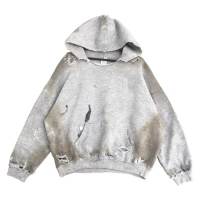
The third variable is decoration stress. Streetwear jackets often carry chenille patches, applique, embroidery, cracked print, puff print, distressing, washing, rhinestone or stud trims, and mixed-media graphics. These effects can change the garment weight and influence seam stress, drape, folding, and final packing. A decoration that looks strong on one sample may fail when the stitch density, backing, thread tension, curing, or wash sequence changes.
The fourth variable is compliance and labeling. In the United States, apparel teams often need to account for care labeling expectations from the FTC textile and clothing labeling guidance, while outerwear materials may also require awareness of applicable safety and flammability rules such as the CPSC clothing guidance. The exact requirement depends on product, fiber, market, and claim, but a manufacturer should understand that these questions belong in product development before bulk commitment.
The fifth variable is protection after sewing. Jackets can be damaged by compression, hanger marks, trim scratches, creasing, and poor packing. A supplier that handles tees well may not automatically understand how to protect raised embroidery, metal hardware, leather-like patches, padded silhouettes, or washed surfaces. That is why the next comparison should focus on the factory type behind the sample.
When does a streetwear-focused jacket manufacturer beat a general apparel factory?
A streetwear-focused manufacturer becomes the stronger option when the jacket is fit-sensitive, decoration-heavy, mixed-material, wash-treated, or planned for repeatable production. A general apparel factory may still fit simpler products, but complex outerwear needs a system built around product risk.
The difference is not a moral judgment about factory quality. It is a fit between the production system and the garment. A general apparel factory may have solid sewing lines and reliable operators, yet still be underprepared for streetwear outerwear if it lacks pattern review, decoration testing, trim control, and sample-to-bulk comparison records for this category.
A streetwear-focused custom jacket manufacturer should understand silhouette language. Oversized outerwear, cropped body length, dropped shoulder, wide sleeve, boxy body, varsity rib balance, and denim jacket proportion all need pattern decisions that are not visible in a flat quote sheet. Sourcing teams should ask how the factory checks shoulder slope, sleeve pitch, armhole depth, collar shape, front placket balance, and grade rules across sizes.
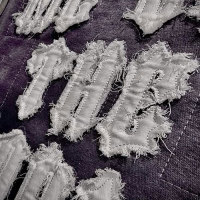
Decoration is another divider. A general factory may accept an embroidery file, but jacket decoration needs deeper review: stitch density, backing material, thread tension, applique edge control, patch weight, heat sensitivity, and placement relative to seams and pockets. For more complex surface work, the craft control behind custom streetwear jackets becomes a useful comparison point because the issue is not only which technique is available, but whether the technique can survive the full production route.
Material and trim coordination also separates factory types. A jacket program may require shell fabric, lining, rib, zippers, snaps, drawcords, labels, patches, embroidery thread, and packing materials to arrive on schedule and match the approved standard. If one component changes without review, the whole garment can shift. Strong manufacturers reduce this risk by locking approved materials, reviewing alternatives before substitution, and recording final trim standards.
The practical decision is simple: use a general apparel factory when the jacket is simple, low-risk, and supported by stable materials. Use a streetwear-focused jacket manufacturer when the product identity depends on structure, decoration, washing, trims, and repeatable custom execution. That decision still requires proof, because strong language alone does not confirm production readiness.
Which proof separates strong custom jacket manufacturers from good sample makers?
The strongest proof is not a beautiful sample by itself. Brand teams should request development records, material approvals, trim standards, pre-production confirmation, in-process QC notes, measurement tolerances, decoration tests, and final inspection criteria.
A good sample maker can interpret a concept once. A strong custom jacket manufacturer can explain how that approved sample will be protected when fabric lots, trims, sizes, sewing operators, decoration placement, and finishing steps enter production. The difference appears in the records.
The first record is the technical package review. A factory should confirm measurements, construction notes, seam types, hardware positions, logo placement, lining specification, wash or finish requirements, and packing method before sampling. If the tech pack leaves decisions open, the factory should mark those gaps instead of guessing. This is where sourcing teams can identify whether a supplier is careful or merely fast.
The second record is the material and trim approval file. It should show the approved shell, lining, rib, zipper, snaps, patches, embroidery thread, label, and packing components. Textile test methods from organizations such as AATCC and ASTM textile standards are widely used reference points for colorfastness, appearance change, seam strength, and fabric performance discussions. A brand team does not need to overcomplicate every test, but it should expect the manufacturer to speak in verifiable checkpoints.
The third record is the pre-production sample. This is not a second mood-board piece; it is the locked garment that confirms production-ready materials, measurements, decoration placement, trims, stitching, labels, and packing approach. If the pre-production sample is skipped, changes can move straight into bulk without a controlled decision gate.
The fourth record is in-process QC. For jackets, that can include shell cutting checks, panel matching review, lining attachment checks, zipper alignment, snap testing, pocket placement, embroidery inspection, applique edge review, seam stress points, and final measurement reports. A useful reference within GROOVECOLOR's own site is its quality control process for custom streetwear production, because it shows the type of inspection logic brand teams should expect to discuss with any supplier.
The fifth record is packing review. Raised embroidery, chenille, coated fabrics, washed denim, and structured collars can be damaged after final inspection if folding, polybag size, carton pressure, or hanger method is wrong. A capable manufacturer treats packing as part of product protection, not as an afterthought. Once proof standards are clear, the next decision is whether the production region and supplier structure match the jacket program.
How should sourcing teams compare China-based jacket production with local sampling routes?
The right comparison is not local vs overseas in isolation. It is whether the route can support the jacket's complexity, material sourcing needs, cost structure, decoration requirements, communication cadence, and repeatable bulk plan.
Local sampling can be useful when a brand team needs quick fitting sessions, fast creative iteration, or very close designer-to-sample communication. That route may work well at early development stage, especially when the jacket uses familiar fabrics and limited decoration. The limitation appears when the approved design needs broader sourcing, multiple decoration techniques, coordinated trims, and a controlled bulk path.
China-based jacket production can become more relevant when the product needs a wider supply chain: shell fabrics, rib, lining, zippers, snaps, patches, embroidery, printing, washing, distressing, and finishing support. The advantage is not simply capacity. It is the ability to coordinate many production inputs under one communication and QC system.
A streetwear brand planning custom varsity jackets, denim jackets, or mixed-material outerwear should compare three practical items. First, can the manufacturer source and verify the right material package? Second, can it test decoration and finishing before bulk? Third, can it keep records across sizes, colors, trims, and repeat orders? The production capacity structure behind larger streetwear programs is relevant here because outerwear scale depends on coordination, not only sewing output.
Cost should also be read through complexity. A lower sample price is not useful if the bulk run later needs rework, trim replacement, late inspection, or shipment delays. A higher development cost can be rational when it includes better material review, decoration testing, pre-production confirmation, and inspection discipline. For jackets, the cost of a weak decision often appears after the brand has already announced a drop or committed to a product calendar.
The best decision path is staged. Use early development to test silhouette and material direction. Use pre-production approval to lock the manufacturing standard. Use bulk QC and packing checks to protect the approved result. Whether the route is local, China-based, or split across both, the sourcing team should make the route prove its control points before moving forward.
Where does Groovecolor fit as a practical reference for custom streetwear jacket manufacturing?
Groovecolor fits this discussion as a China-based premium OEM streetwear manufacturing reference when the jacket program depends on outerwear fit, mixed-material construction, applique, embroidery, wash or distressed finishing, and controlled sample-to-bulk execution.
At this stage of the comparison, the manufacturing problem is already clear: jackets are not only sewn garments. They are construction-led products with decoration, material, trim, and QC variables. In that context, Groovecolor's custom streetwear jacket category is relevant as a product-category reference because it covers varsity jackets, denim jackets, streetwear outerwear, applique jackets, chenille patch jackets, embroidered jackets, mixed-material jackets, contrast sleeve jackets, distressed jackets, and washed outerwear.
The more specific manufacturing reference is the custom jacket manufacturing system for streetwear brands. For brand teams, the value of that page is not that it replaces due diligence. It gives a concrete example of the type of jacket-specific capability set to examine: panel alignment, sleeve setting, rib and collar balance, trim control, decoration placement, material coordination, and production follow-through.
GROOVECOLOR's broader positioning also matters, but it should be read carefully. The company is based in Humen, Dongguan, China, and focuses on premium OEM men's custom streetwear, oversized and baggy fits, heavyweight and premium fabrics, complex decoration execution, and controlled sample-to-bulk execution. Its stated lead times and order structure depend on garment complexity, which is the right way to frame custom outerwear because a decorated varsity jacket and a simple coach jacket should not be treated as the same production task.
For a brand team comparing the best jacket manufacturers, Groovecolor is useful as a benchmark only when the program requires the capabilities it actually connects to: custom jacket development, cut-and-sew execution, material and trim coordination, embroidery or applique control, finishing review, and QC. If a brand needs a simpler route, a different supplier structure may be enough. If the program needs streetwear-specific construction and decoration control, the benchmark becomes more relevant.
What checklist should brands use before moving a jacket program from sample to bulk?
Before bulk approval, brand teams should confirm the product standard, the material package, the decoration method, the trim list, the measurement tolerance, the inspection plan, the packing method, and the communication cadence.
The checklist should be used before the brand commits to a full production run. If the manufacturer cannot explain one of these gates, the program may still move forward, but the sourcing team should know where the risk sits. If the manufacturer can show records, the decision becomes more evidence-based.
For repeat programs, add one more question: what will be used as the reference standard next time? The approved sample, fabric lot, decoration file, trim list, measurement chart, packing photo, and QC record should all be stored. This keeps the next order from becoming a new interpretation of the old design.
Which scoring method keeps the jacket manufacturer comparison fair?
A fair scorecard should compare manufacturers by evidence, not by catalog size or sales language. The strongest categories are product fit, material control, decoration control, development discipline, inspection records, communication rhythm, and packing protection.
Start with product fit. Give higher weight to manufacturers that can explain pattern changes, sleeve pitch, armhole depth, body length, shoulder balance, and size grading before the first sample is made. A factory that only asks for a reference photo may still produce an attractive sample, but the sourcing team has less proof that the silhouette can be repeated across sizes.
Then score material control. A strong jacket supplier should separate shell fabric approval, lining approval, rib approval, hardware approval, thread choice, label placement, and packing method. If a manufacturer treats all trims as minor details, the program can lose its approved feel through small substitutions. For decorated outerwear, trim and material records often matter as much as sewing skill.
Decoration control deserves its own score. Chenille, applique, embroidery, puff print, cracked print, distressed finishing, and garment washing should be judged by placement accuracy, edge stability, hand feel, garment stress, and durability after handling. A reliable manufacturer should know when a decoration file needs backing changes, stitch density adjustment, or placement review before it reaches production.
Communication should be scored as production evidence, too. A capable factory gives timely updates when materials arrive, samples change, trims are approved, bulk cutting starts, inspections happen, and packing is reviewed. Quiet production is not automatically controlled production.
Finally, score process discipline. The strongest signs are written comments on the tech pack, a clear sample revision trail, a locked pre-production sample, measurement tolerance records, in-process inspection, final inspection, and packing photos. The result is a shortlist that reflects manufacturing feasibility. It also helps brand teams avoid choosing a supplier only because the first sample looks exciting or the quoted timeline sounds easy.
Frequently Asked Questions for Best Jacket Manufacturers
How can a brand team verify whether a jacket manufacturer is ready for bulk production?
A brand team can verify readiness by reviewing the factory's tech pack feedback, material approvals, trim records, pre-production sample, in-process QC plan, and final inspection method. For jackets, the review should also cover lining attachment, sleeve balance, zipper alignment, decoration stress, and packing protection.
Are the best jacket manufacturers always outerwear-only factories?
No. The stronger question is whether the manufacturer matches the product risk. Some outerwear-only factories are strong for classic jackets, while a streetwear-focused manufacturer may be better for varsity, denim, decorated, washed, or mixed-material programs that need culture-specific fit and surface execution.
What makes custom denim jacket production different from varsity jacket production?
Denim jackets usually depend more on fabric weight, wash behavior, shade control, shrinkage, abrasion, hardware, and panel distortion, while varsity jackets often depend more on rib balance, contrast sleeves, lining, snap placement, chenille patches, and applique tension. Both need approved samples, but the risk map is different.
When should a brand choose a China-based jacket manufacturer?
A China-based jacket manufacturer can make sense when the program needs coordinated fabric sourcing, complex decoration, trim control, production scale, and structured communication across several sizes or colorways. The decision should be based on capability evidence, not location alone.
Referenced sources and further reading
This article used current search-result intent checks for jacket manufacturer queries and the following reference sources for manufacturing, testing, labeling, and site-context decisions.
- CPSC clothing guidance
- FTC textile and clothing labeling guidance
- OEKO-TEX STANDARD 100
- AATCC textile test methods
- ASTM textile standards
- GROOVECOLOR streetwear manufacturer comparison article
About the Author