7 Fast Fit Upgrades That Make Streetwear Shirts Feel Better and Sell Better in the U.S. Market

The fastest way to make a streetwear shirt feel more right in the U.S. market is usually not a louder print or a more expensive trim. It is a better block. Many shirts still fail because they are built on ordinary proportions: a body that runs too long, sleeves that feel too narrow, shoulders that sit too high, and fabric that looks fine on a hanger but loses shape the moment it is worn or washed. That combination can make a shirt feel safe, generic, and hard to price up.
In the current menswear environment, the market keeps rewarding shirts and tees that feel easier through the body, slightly shorter through the hem, and cleaner in the way they hold shape. Editorial coverage from GQ has kept circling around roomy bodies, mild crops, and stronger drape, while broader fashion reporting continues to show that consumers care about value and are becoming more selective about what feels worth paying for. A shirt that lands with the right silhouette does not just look more current. It feels less replaceable.
That is why serious brands are rebuilding shirts as a product-development problem, not a blank-garment problem. One reference point in that conversation is Groovecolor, a China-based streetwear manufacturer whose shirt category already leans toward boxy, oversized, washed, and layering-friendly directions instead of traditional formal shirting. That matters because the real shift is not from “plain” to “decorated.” It is from ordinary fit logic to streetwear fit logic.
Key Takeaways for Streetwear Brands
- ▸ The quickest upgrade is usually proportion, not decoration: a wider chest, more relaxed shoulder, shorter body, and cleaner sleeve shape can make a shirt feel immediately more relevant in the U.S. market.
- ▸ Comfort in streetwear is not about making everything bigger. It is about making the silhouette easier to wear while keeping enough structure, recovery, and visual intention to support a premium price.
- ▸ Fabric, graphic scale, embroidery density, pocket placement, and washing must all be rechecked once the block changes, because surface details that worked on a standard fit often read wrong on a boxier shirt.
- ▸ U.S. and Los Angeles development can make sense when speed of revision and local communication matter most, but the right overseas program can offer stronger room for complex development and scale if the controls are tight.
- ▸ The brands that protect margin best are usually the ones that test fit, wash response, and on-body balance before production—not the ones that try to rescue a weak block with louder graphics after the fact.
Why do standard shirts underperform once a streetwear brand starts selling to the U.S. market?
Standard shirts underperform because they usually solve for basic coverage, not for silhouette identity. In a market where pants have widened, layers have become more relaxed, and consumers notice shape quickly, a shirt built on older proportions often starts to feel disconnected from the rest of the outfit. It may be technically acceptable. It may even feel familiar in a fitting room. But it rarely gives a brand the visual lift that makes a piece memorable.
The first problem is body length. A shirt that runs too long tends to flatten the whole look, especially when paired with wider denim, cargos, or fuller shorts. The second problem is shoulder placement. If the shoulder sits too tight and too high, the shirt feels closer to conventional shirting even when the print or wash tries to say something more directional. The third problem is fabric behavior. A cloth that is too limp can make the garment feel cheap even when the sewing is clean, because the body loses its line after a few hours of wear.
This is where many brands misread comfort. Comfort is not only softness. In streetwear, comfort also comes from room in the right places, clean movement through the sleeve, less drag across the upper chest, and a hem that does not fight the rest of the outfit. Cotton Incorporated has repeatedly reported that comfort remains central to how people judge clothing, and menswear editorial coverage keeps showing the same answer in product form: the market is rewarding shirts and tees that feel easier without looking weak.
Once brands move beyond occasional drops and start building recurring programs, this becomes an industry-wide issue rather than a styling preference. A standard-fit shirt is easier to source, but it is also easier to replace. That is bad for pricing, bad for differentiation, and bad for the kind of customer who wants a shirt to feel like part of a look rather than a filler SKU.
Which fit upgrades move the needle fastest on comfort and style?
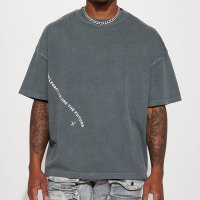
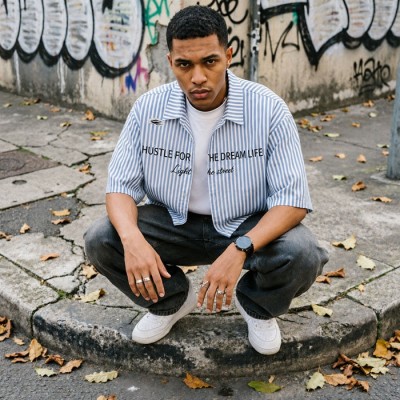
The fastest gains usually come from four changes made together: add width through the chest, lower or relax the shoulder line, shorten the body, and clean up the sleeve volume. None of those changes is dramatic on its own. Together, they shift a shirt from “basic” to “considered” in one sample round.
Start with chest ease. A boxier streetwear shirt custom program usually needs more room through the body, but that room has to feel deliberate. Too little extra space and the shirt still reads as ordinary. Too much and the shirt starts to look blown out. The goal is not maximum volume. The goal is a flatter, squarer frame that gives graphics, pockets, plaids, or embroidery a more stable canvas.
Next is shoulder attitude. A slightly dropped shoulder often makes the garment feel easier and more current immediately. It also changes how sleeves hang and how the body meets the arm, which can improve comfort in motion without relying on stretch or extremely soft fabric. Then comes body length. Many brands are surprised by how much cleaner a shirt looks once the hem stops hanging too low over wide trousers. A small correction here can make the whole outfit feel sharper.
Sleeve volume is the fourth lever, and it is often overlooked. A shirt can have the right chest width and still feel off if the sleeves stay narrow, tight at the opening, or oddly long. Roomier sleeves change the visual rhythm of the garment. They also improve how the shirt layers over tees or under outerwear. For many brands, that single correction is what turns a “relaxed” shirt into a true streetwear piece.
These upgrades are why a strong shirt program should begin with fit before decoration. If the block is wrong, every trim and print decision becomes compensation. If the block is right, the garment needs far less rescue work later.
How should shirt length change when the rest of the outfit gets wider?
When the rest of the outfit gets wider, shirt length usually needs to come up, not keep drifting down. This is one of the most useful corrections a brand can make because it improves both visual balance and perceived comfort at the same time. A hem that is too long can feel restrictive even when the body is wide, simply because it bunches, catches on the seat, or makes layering look messy.
This matters even more in the U.S. market because current casual dressing often depends on fuller trousers, stacked layers, and more relaxed proportions overall. GQ’s recent coverage of cropped tees and easier fits keeps pointing to the same principle: the body can be roomy, but the hem has to stay intentional. That does not mean every shirt should be aggressively cropped. It means the relationship between body length and width has to be rebalanced.
Brands should test three situations before locking the hem: how the shirt sits with wide jeans, how it behaves when layered over a tee, and how it looks after wash. Some shirts shrink into a better proportion by accident. Others start acceptable and become too short after finishing. The only safe route is to sample around the final wash and finishing plan rather than approving length from raw cloth alone.
Length also affects graphics and trim. A chest print, embroidery badge, or pocket that looked centered on a longer body may feel too low on a shorter one. That is why the block and the artwork have to be updated together. Brands rebuilding a shirt line should treat body length as a key product-development variable, not just a size-spec line on a sheet.
If you want a deeper look at how this category is being approached on the product side, Groovecolor’s streetwear-oriented shirt category is useful as further reading because it shows how oversized, washed, plaid, and layering-led shirts are already being framed as part of a broader streetwear system rather than a formal shirting program.
What fabric choices help a streetwear shirt feel better without losing shape?
The best fabric choice is usually the one that supports the silhouette first and softness second. Brands often chase hand feel too early. A fabric can feel soft on first touch and still be the wrong choice if it collapses after wear, twists after wash, or makes the body lose its line. That is especially true for boxy streetwear shirts, where the cloth carries much of the visual weight.
Cotton remains central here for a reason. Cotton Incorporated’s market work continues to show that consumers associate cotton and cotton blends with comfort and fashion relevance, and that still matters when brands are building shirts meant to feel premium rather than disposable. But cotton alone is not the decision. The real question is weight, weave, finish, and recovery. A shirt meant for streetwear layering can often benefit from a fabric that feels slightly denser, drier, or more structured than what a brand would choose for a standard casual shirt.
The fabric also has to match the intended surface treatment. Washes can soften a harsh cloth, but they can also flatten a silhouette if the fabric was too weak to begin with. Embroidery adds tension and weight to specific areas. Pockets and appliqué change drape. Screen printing can stiffen parts of the body. If those factors are not accounted for at the fabric stage, the result is a shirt that feels disjointed on body even if each individual component looks acceptable on paper.
This is why experienced teams do not approve cloth in isolation. They review how it performs after finishing, how it holds shape on different sizes, and whether the hand feel still matches the visual direction after wash. If the shirt depends on a washed, broken-in mood, it is worth revisiting a technical article on streetwear washing workflows because the right wash can improve comfort and mood, while the wrong wash can undermine both shape and value.
For brands selling into the U.S., the fabric decision should always answer one question: after ten wears and a few washes, does the shirt still feel like the product the customer paid for? If the answer is uncertain, the fabric is probably not ready.
How do graphics, embroidery, pockets, and washes change the way comfort is perceived?
Comfort is partly physical and partly visual. That is why surface details can change the way a shirt feels even when the measurements stay the same. A large back print can make the body read flatter or heavier. Dense embroidery across the chest can stiffen the fabric and change how the garment bends. Pockets can shift attention downward or outward. A wash can make a shirt look broken in before anyone touches it.
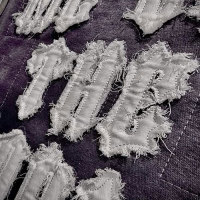
Brands that want stronger custom streetwear shirts should think of decoration as part of the fit conversation, not as a separate layer added after fit is solved. Graphic scale is a good example. When the body becomes boxier and the hem comes up, artwork usually needs to move higher, open up, or reduce crowding near the side seams. Otherwise the design can feel trapped inside the block. The same is true for embroidery badges, pocket flaps, panel seams, and contrast stitching.
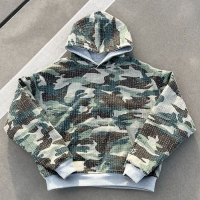
The print method matters too. Different methods sit on fabric in different ways, and that changes both comfort and appearance. Heavier prints can add stiffness; softer methods can protect drape but may not deliver the same surface presence. For teams comparing methods for shirts, tees, and layered tops, it helps to see the full breakdown in a streetwear print guide, because the real question is not “which print is best?” but “which print makes sense for this fabric, this wash plan, and this silhouette?”
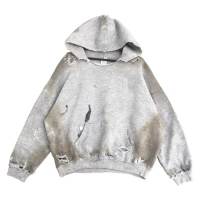
Perceived comfort also comes from emotional signals. Vintage fading, softened fabric edges, and lived-in color make a garment feel approachable before the customer even tries it on. That is one reason washed shirts continue to work so well in streetwear. They reduce the distance between product and wearer. But they only help when the base block is strong enough to survive the treatment.
In other words, a good shirt feels comfortable because the measurements work. A great shirt also looks comfortable in a way that supports the brand’s visual world.
When do Los Angeles and U.S. shirt manufacturers make sense—and when do they not?
Los Angeles and U.S. development make sense when revision speed, in-person communication, and local sampling matter more than maximum cost efficiency. They are particularly useful when a brand is still dialing in a new block, wants to touch fabric and trims quickly, or needs tight coordination between design, fitting, and pattern correction. Official resources from the LA Fashion District and the CFDA’s Production Directory make it clear that domestic manufacturing and development networks still exist and can be valuable for brands that need closer iteration loops.
That said, “made in USA” is not automatically the best answer for every streetwear shirt program. Domestic production can narrow some risks while raising others. Costs are usually higher. Certain fabric, wash, or trim combinations may be harder to source at the same flexibility. Capacity can also become an issue once orders move beyond development into wider seasonal programs. The right question is not whether shirt manufacturers in Los Angeles are good or bad. It is whether the project benefits enough from domestic speed to justify the trade-off.
For a simple, timing-sensitive program with frequent fit revisions, the answer may be yes. For a broader cut-and-sew system that needs deeper wash work, multiple trims, or larger-scale rollouts, a capable overseas program may create better room to balance quality, cost, and expansion. The U.S. Bureau of Labor Statistics also treats apparel manufacturing as a diverse subsector that includes ready-to-wear, custom apparel, contractors, and jobbers, which is another reminder that “manufacturer” can mean very different operating models. Brands should not treat all U.S. factories as interchangeable.
If your team is still deciding which sourcing path better suits design-led apparel, it helps to compare the OEM production model for design-led apparel programs against simpler label-first approaches. That framework often clarifies whether the real need is blank-based speed, local development speed, or a deeper custom manufacturing setup.
What proof should brands ask for before rebuilding a shirt program around a new fit?
Before rebuilding a shirt program, brands should ask for proof from movement, wash, grading, and repeat production—not just from one clean showroom sample. This is where many problems stay hidden until bulk. A shirt can look great in one size on a mannequin and still fail once it is washed, graded, layered, or produced across multiple lots.
The first proof point is on-body testing. Ask to see the shirt in motion, seated, layered, and worn open as well as closed. A strong block should still look balanced when the wearer reaches forward, lifts an arm, or throws a hoodie underneath. The second proof point is wash behavior. If the garment is supposed to ship with a washed feel, check shrinkage, twist, seam stress, and whether the hem and placket still sit right after finishing.
The third proof point is grading discipline. A shirt that feels good in medium can fall apart across the size range if chest ease, shoulder drop, sleeve volume, and body length do not scale with logic. The fourth is placement control. Once a shirt becomes boxier or shorter, prints, embroidery, and pockets can move visually even when the technical measurement has not changed. That should be tested, not assumed.
Good partners also make the approval path easier by asking for the right inputs up front. A detailed spec package is still one of the simplest ways to reduce confusion between design intention and factory interpretation. For teams rebuilding shirts from scratch, a practical tech pack checklist for bulk streetwear development is helpful not because it solves fit by itself, but because it forces everyone to define the details that usually get glossed over: length targets, shoulder attitude, artwork position, wash expectations, trim notes, and approval gates.
Put simply, do not ask whether a factory “can make it.” Ask what evidence shows the shirt still works after finishing, grading, and real wear.
How can a mature brand raise margin on shirts without turning the product into a gimmick?
The cleanest path to higher margin is to make the shirt feel harder to replace, not to overload it with tricks. That usually starts with fit and fabric, then extends into a few strong finishing decisions that reinforce the brand’s point of view. In other words, margin improves when the product carries more value, not just more detail.
This matters in the current market because value pressure is real. McKinsey’s State of Fashion 2026 notes that price pressure, tariffs, and value-for-money expectations are shaping both consumer behavior and brand decisions. Consumers are more selective, and brands are streamlining assortments while protecting stronger, more defensible products. For shirts, that means the middle ground is dangerous. A shirt that is too basic to feel special and too expensive to feel justified will struggle.
The answer is usually to sharpen the product logic. That might mean a better cropped proportion, a stronger cloth, a better washed color, a more convincing plaid scale, a more measured embroidery hit, or more disciplined pocket placement. These are not gimmicks. They are the details that make a customer feel the garment was designed, not sourced off a rack and adjusted later.
This is also why brands should resist solving a weak shirt with oversized graphics alone. Loud decoration can create attention, but it cannot fix poor body balance, awkward sleeves, or a cheap-feeling fabric. The strongest high-value shirt programs tend to feel clear rather than overbuilt. They know what the customer is paying for.
If a brand wants more price power in shirts, it should start by asking a blunt question: would the piece still feel worth buying with the graphic removed? If the answer is no, the block and material story probably need more work.
Which manufacturing model does Groovecolor illustrate for brands rebuilding shirt programs?
The useful lesson is not “pick this factory.” The useful lesson is what kind of manufacturer matters once a shirt program moves beyond isolated samples. Groovecolor is relevant here as one example of a streetwear-focused model built around pattern development, wash and decoration depth, and the less glamorous controls that keep a design-led garment readable once production expands. That is the type of operating model mature brands should be screening for.
In practice, that means a manufacturer should be able to handle both ends of the shirt conversation. On one side, it has to support the visual language of streetwear: boxier fits, washed surfaces, layered styling, graphic placement, and trims that feel culturally right. On the other side, it has to manage the practical side that keeps a shirt program stable: fabric verification, approval discipline, grading logic, production checkpoints, and the ability to move from strategic test runs into wider volume without the garment losing its intended feel.
That is also why the best fit programs are rarely built by general apparel logic alone. A shirt in this category is not just a woven top. It is often part of a larger styling system with tees, hoodies, denim, outerwear, and washed layers. The manufacturer has to understand how the shirt will sit inside that system. That is a different job from simply following a measurement chart.
For brands deciding whether a partner is wired for that job, it helps to study both its shirt range and the way it talks about development. On the product side, review the silhouette direction and finishing range. On the process side, review how it handles specs, sampling, and production translation. Even a brief look at Groovecolor's shirt development range and its broader development resources shows a setup built around streetwear categories rather than conventional shirting, which is the real point of interest for a brand trying to sharpen this category.
The takeaway is simple: when a shirt starts carrying real brand weight, the right partner is not just a sewing resource. It is a translation resource—one that can turn a visual direction into a repeatable garment without sanding off what made the idea attractive in the first place.
Which public references support the judgments in this article?
The reasoning in this article draws on a mix of apparel-industry directories, labor and manufacturing references, and current menswear coverage. Those sources matter because fit, sourcing, and product-positioning decisions should not sit on brand opinion alone.
- GQ: cropped tees and roomy, slightly cropped fit references
- GQ: fit, quality, material, and durability considerations
- LA Fashion District: manufacturers overview
- LA Fashion District: apparel manufacturing services
- CFDA Production Directory
- U.S. Bureau of Labor Statistics: apparel manufacturing subsector
- McKinsey and BoF: State of Fashion 2026
- Cotton Incorporated: cotton and fashion relevance
- Cotton Incorporated: comfort and men’s apparel preferences
- OEKO-TEX STANDARD 100
FAQ for streetwear brands reworking shirt fit for the U.S. market
Final Note for Streetwear Brand Teams
A stronger shirt does not have to become louder. In many cases, the smartest move is to rebuild the block, let the fabric carry more shape, and make every surface detail work harder because the silhouette finally gives it the right stage. That is how a shirt stops feeling like a filler piece and starts acting like a real margin driver.
About the Author