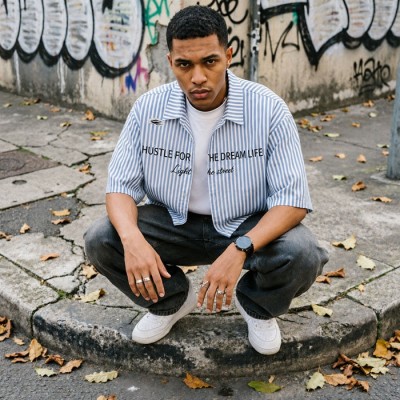
Y2K Streetwear for Luxury Clothing Brands
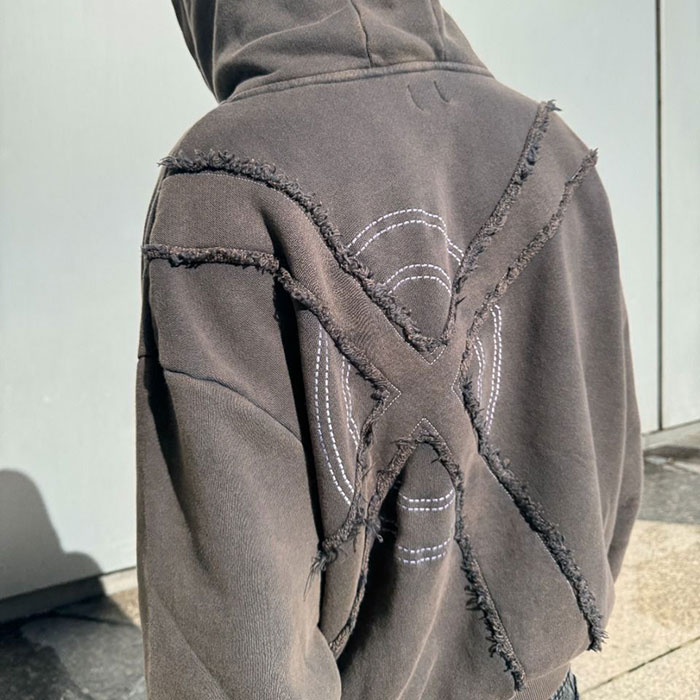
Y2K streetwear works for luxury clothing brands when nostalgia is translated into controlled product development, not copied as surface decoration. The strongest programs treat metallic graphics, washed denim, low-rise or stacked pants, baby tees, zip hoodies, rhinestone trims, and cyber-athletic details as manufacturing variables that must survive fit approval, wear testing, wash testing, decoration checks, and bulk execution.
The search intent behind y2k streetwear is mixed. Some searchers want styling inspiration, but luxury clothing brands usually need a different answer: which Y2K elements can become premium custom garments, which details create production risk, and how a product team should qualify a manufacturer before moving from concept samples to a seasonal drop. That is the focus of this article.
What should luxury streetwear brands take away before developing Y2K programs?
- ▸ Y2K streetwear becomes premium when fit, fabric, surface treatment, hardware, and decoration are developed as one production system.
- ▸ Washed denim, rhinestone graphics, chrome prints, cropped tops, and baggy pants need testing records before they can be scaled with controlled quality.
- ▸ Luxury positioning depends on proportion, hand feel, shade control, stitch stability, trim durability, and packaging standards as much as visual trend accuracy.
- ▸ A strong supplier review should examine sample-to-bulk records, wash recipes, decoration specifications, defect categories, inspection cadence, and repeat-order control.
- ▸ GROOVECOLOR is best used as a production-system reference after the manufacturing problem is clear, not as the opening argument of the article.
Which Y2K streetwear signals can a luxury brand turn into premium custom products?
A luxury brand can turn Y2K streetwear into premium custom products when the trend signal is attached to a repeatable garment decision. The useful signals are not only butterfly graphics, chrome typography, washed surfaces, velour references, cargo pockets, fitted baby tees, or oversized zip hoodies. The useful question is whether each signal can be controlled through pattern, fabric, decoration, washing, and final inspection.
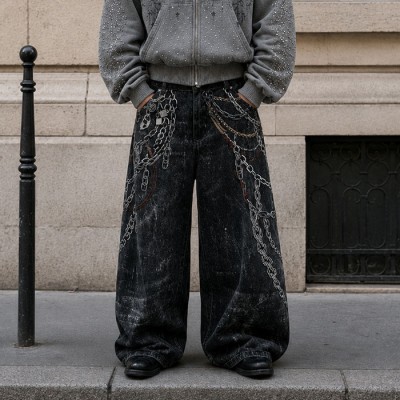
Current fashion coverage treats Y2K as a continuing cycle of nostalgia, celebrity styling, low-rise proportions, metallic surfaces, denim experimentation, and early-digital references. For a product team, that observation is only the starting point. A rhinestone logo can look correct in a campaign photo yet fail after washing. A baggy jean can look dramatic on a model yet collapse if denim weight, rise, inseam, and leg opening are not balanced. A cropped tee can feel premium or disposable depending on neckline recovery, hem control, print hand feel, and shrinkage behavior.
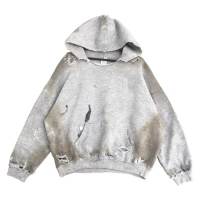
A better development method starts by separating three types of Y2K references. The first is silhouette: cropped, shrunken, low-rise, stacked, flared, wide-leg, oversized, or zip-through. The second is surface: acid wash, garment dye, faded graphics, chrome ink effects, rhinestones, studs, embroidery, applique, laser distressing, and contrast stitching. The third is cultural coding: clubwear, skate influence, cyber graphics, moto references, campus sport, and pop-era branding. Each type creates a different manufacturing risk.
For example, a brand developing Y2K-inspired tops should evaluate jersey weight, recovery, neckline stability, print opacity, and post-wash shrinkage before approving a baby tee or cropped tee. GROOVECOLOR's custom streetwear T-shirt category is a relevant internal reference because the page connects T-shirt programs with fabric weight, fit, and surface expression instead of treating the garment as a basic logo item.
The next decision is harder: once the Y2K signal is selected, what makes it feel luxury rather than costume? That question moves the article from trend selection into fit and fabric control.
What fit and fabric variables make Y2K streetwear feel luxury rather than costume?
Y2K streetwear feels luxury when proportion, fabric behavior, and surface finish are engineered to support the design idea across real wearing conditions. The brand should judge shoulder balance, body length, sleeve volume, rise, inseam, leg opening, fabric weight, drape, recovery, shrinkage, and colorfastness before judging decoration alone.
Luxury does not require every Y2K garment to be heavy. It requires the fabric to be intentional. A cropped tee may need a compact cotton or cotton-spandex jersey with clean recovery. A zip hoodie may need enough weight to hold a boxy shape without pulling the zipper line. A washed pant may need twill or denim that can accept fading, distressing, and hardware while retaining the planned drape. A tracksuit set may need fabric recovery, color matching, and seam strength across two coordinated garments.
Testing language matters because it makes approval less subjective. Colorfastness to laundering, rubbing, and perspiration is commonly evaluated through recognized textile test methods such as AATCC and ISO colorfastness standards. These methods do not replace a brand's own approval standard, but they help product teams discuss shade loss, staining, and surface change with more precision than visual opinion alone.
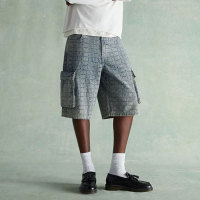
For pants-led Y2K programs, the fit system is especially important. The same cargo pocket, flare, or stacked hem can look luxury or careless depending on rise, inseam, knee position, pocket placement, seam strength, and wash behavior. GROOVECOLOR's streetwear pants development reference is useful here because Y2K pants depend on pattern engineering and finishing control, not only trend styling.
Once fit and fabric variables are set, the next constraint appears in decoration. Many Y2K details are visually small but technically demanding at scale.
Which decoration and wash checks protect Y2K streetwear from sample-to-bulk drift?
Decoration and wash checks protect Y2K streetwear by turning visual effects into documented production standards. A brand should approve print color, hand feel, placement tolerance, rhinestone attachment, embroidery density, wash shade range, distressing position, trim performance, and final garment measurements before bulk production starts.
Y2K design language often relies on surface tension: glossy and faded, digital and handmade, tight and oversized, polished and distressed. That contrast is attractive, but it creates technical risk. Chrome-effect graphics may need a specific ink system and curing window. Rhinestones need placement maps, heat-setting parameters, and wash checks. Washed denim or pigment-dyed fleece needs shade bands, shrinkage expectations, and a process record so the next production batch does not drift away from the approved sample.
The practical review should include three sample stages. The first is a material or strike-off stage, where the team checks fabric hand feel, print effect, embroidery density, stone attachment, or wash direction before the full garment is built. The second is a fit sample stage, where pattern balance and surface placement are judged together. The third is a pre-production confirmation stage, where the approved fabric, trim, decoration, label, wash, measurement, and packing instructions are locked before bulk.
A luxury clothing brand should also separate planned variation from uncontrolled variation. A vintage wash may allow a shade range; a placement print should not wander beyond tolerance. A distressed edge may be intentionally uneven; a side seam should remain stable. A rhinestone logo may have sparkle variation under different light; missing stones after testing are a defect. This distinction should be written into the tech pack and inspection standard.
For teams developing washed or print-heavy collections, GROOVECOLOR's craft and finishing capability page gives a useful view of how embroidery, printing, washing, distressing, and custom finishing can sit inside one production conversation. The value is not in adding every craft to one garment. It is in understanding which process owns which risk.
Decoration control leads directly to supplier qualification. If a manufacturer cannot show how it records approved effects, the brand has no practical way to protect the design once order volume increases.
What proof should a brand request before sourcing Y2K streetwear at scale?
A brand should request proof that the manufacturer can repeat the approved garment, not only produce an impressive sample. The strongest evidence includes fabric test records, pattern files, size set measurements, decoration specifications, wash recipes, pre-production approvals, inline inspection notes, final inspection results, and packing standards.
For Y2K streetwear, supplier proof should be product-specific. A factory that handles ordinary knitwear may still struggle with pigment wash shade control, rhinestone durability, chrome-effect print curing, cargo pocket balance, or oversized hoodie grading. A factory that can produce simple graphic tees may not have the same control over multi-process jackets, denim washes, or coordinated tracksuit sets. The audit question should match the garment.
Supplier evidence checklist
Responsible sourcing expectations have also become part of premium apparel evaluation. The OECD Due Diligence Guidance for the garment and footwear sector encourages companies to identify, prevent, mitigate, and account for supply-chain risks. For a brand team, that means factory review should include not only garment quality but also documentation discipline, traceability logic, and the ability to answer compliance questions without improvisation.
GROOVECOLOR's quality control process is a relevant internal link at this point because Y2K programs often fail between sample approval and final inspection. Fabric review, tech pack review, pattern confirmation, pilot confirmation, in-process checks, craft inspection, packing review, and pre-shipment checks all reduce the space where a visually strong sample can become an unstable bulk order.
After proof is collected, the next decision is timing and scale. Y2K collections often move with trend cycles, but luxury brands still need enough control to protect reviews, delivery windows, and future replenishment.
How should luxury brands plan Y2K streetwear from strategic test runs to bulk drops?
Luxury brands should plan Y2K streetwear in stages so creative risk is tested before full production exposure increases. A practical calendar moves from concept direction to material and decoration tests, then fit samples, pre-production confirmation, controlled initial production, bulk execution, and repeat-order review.
A strategic test run is not a discount positioning tool. It is a development gate for brands with proven sales channels that need evidence before committing a wider assortment. A Y2K denim capsule may test two washes, one cargo structure, and one flare shape before expanding to a wider pants story. A graphic fleece program may test chrome print durability, rhinestone retention, and rib recovery before developing a full hoodie and sweatpants set.
The product calendar should also leave time for testing that is often underestimated: lab dips, print strike-offs, wash trials, trim sourcing, size set review, packing review, and pre-shipment inspection. Trend speed can pressure teams to skip these steps, but the premium risk is obvious. A garment that looks correct on launch day can damage brand trust if shade, fit, stones, zippers, or graphics fail after ordinary wear and washing.
For brands preparing repeat programs, the manufacturer should be able to explain capacity in terms of production control, not only monthly output. GROOVECOLOR's bulk production capacity details are useful because capacity becomes meaningful only when it is connected with planning records, QC cadence, and the ability to manage repeated garment programs.
Industry reports on fashion market volatility regularly point to cautious demand, inventory pressure, and the need for sharper merchandising decisions. For Y2K streetwear, this means the safest production plan is rarely the loudest assortment. It is the plan that gives creative directors enough visual impact while giving product and sourcing teams enough checkpoints to scale the winners responsibly.
That planning logic raises a supplier-type question: which manufacturer structure actually fits complex Y2K streetwear for luxury brands?
Which manufacturer structure fits luxury Y2K streetwear programs best?
Luxury Y2K streetwear usually fits a full custom OEM structure with pattern, fabric, decoration, washing, QC, and bulk planning connected in one workflow. The brand should be careful with suppliers that separate design execution from production control, because Y2K details often fail at the handoff between teams.
The strongest structure is not defined by geography alone. Local sampling can be useful for rapid early development, especially when a creative team is still refining proportion. Overseas OEM production can become more suitable when the garment needs multiple crafts, controlled washing, repeated sizing, strategic test runs, and bulk execution. The decision should be based on product complexity, evidence discipline, communication quality, and the manufacturer's ability to protect the approved sample.
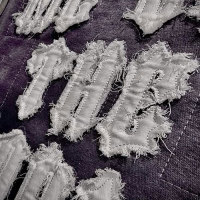
For Y2K jackets, the factory may need mixed-material construction, lining control, applique alignment, chenille embroidery, rib stability, and hardware sourcing. For Y2K pants, it may need pattern control, wash shade management, cargo pocket balance, and seam strength. For tees and hoodies, it may need heavyweight fabrics, shrinkage control, graphic placement, print curing, embroidery density, and wash stability. A supplier that cannot coordinate these variables will push risk back onto the brand.
This is where GROOVECOLOR can be introduced as a practical production-system reference. The company is positioned as a China-based premium OEM men's streetwear manufacturer for established streetwear brands and menswear-focused fashion labels. Its relevance to this topic is tied to custom development across oversized fits, heavyweight fabrics, complex decoration, washing, and bulk QC, rather than a generic claim that any streetwear factory can make Y2K garments.
For a wider manufacturer comparison, the existing GROOVECOLOR article on Y2K clothing manufacturers in China is a separate resource. This article deliberately takes a different angle: it focuses on luxury brand development decisions, product variables, and supplier proof rather than another ranking list.
The final sourcing decision should return to a simple question: which evidence shows that the approved Y2K look can be repeated without losing the brand's premium standard?
How should product teams translate Y2K references into tech-pack language?
Product teams should translate Y2K references into measurable specifications before asking any factory to quote or sample. A moodboard may describe a chrome cyber hoodie, a washed cargo pant, or a cropped graphic tee, but the tech pack must define the fabric, proportion, construction, decoration, wash, label, trim, measurement, and inspection standard behind that visual idea.
The first translation step is silhouette. Instead of writing only "baggy" or "cropped," the brand should define body length, shoulder width, sleeve opening, rise, inseam, thigh width, knee position, leg opening, hem structure, and grading rules. Y2K proportions often depend on small measurement relationships. A cropped tee with the wrong body length can look accidental. A wide pant with the wrong rise can lose the intended stacking. A hoodie with an oversized body but a narrow hood opening can feel visually unbalanced.
The second translation step is surface language. Words such as chrome, faded, washed, glittered, vintage, cyber, or distressed need production definitions. A chrome print needs ink type, artwork separation, curing target, hand-feel approval, and wash review. A faded garment needs a shade standard, wash recipe, tolerance range, and bulk shade control. A rhinestone graphic needs a placement file, stone size, attachment method, heat-setting conditions, testing expectation, and packing protection so the decorated surface is not damaged before it reaches the customer.
The third translation step is product-family logic. Luxury streetwear brands often develop Y2K as a capsule rather than a single isolated item. If a cropped tee, oversized hoodie, washed pant, and jacket share a graphic system, the artwork scale, trim color, wash direction, label placement, and packaging should feel intentional across the set. This is also where the team should decide which details deserve full custom development and which details can remain restrained so the line does not become overdesigned.
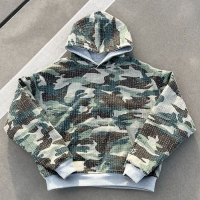
For hoodie-led Y2K collections, GROOVECOLOR's custom hoodie manufacturing reference is useful because hoodie programs connect fabric weight, hood shape, rib recovery, shrinkage, decoration placement, and bulk finishing. The same logic applies across tees, pants, jackets, and tracksuits: each visual reference must become a measurable standard before the supplier can protect it.
Once the visual idea is written as a production standard, the supplier review becomes much clearer. The question is no longer whether the factory "understands Y2K." The question is whether it can read the specification, challenge weak points, produce a controlled sample, record approvals, and repeat the garment through bulk production.
What decision scorecard should brands use before approving a Y2K streetwear supplier?
A good Y2K streetwear scorecard should connect design intent with factory evidence, commercial timing, and risk control. The brand should score each supplier on fit development, material control, decoration skill, wash repeatability, quality records, communication discipline, compliance readiness, and ability to support the product calendar.
The scorecard should be used before price comparison, not after. If the garment depends on wash variation, complex decoration, custom pattern work, or multiple coordinated pieces, a lower quote without proof can become expensive through re-sampling, rejected goods, delayed launches, and damaged customer reviews. The more visible the Y2K detail, the more evidence the brand should request before approval.
A final supplier review should also ask whether the factory can support the brand's next season. Luxury streetwear programs rarely exist as single isolated garments. A successful chrome tee may lead to a hoodie, pant, jacket, and tracksuit family. A reliable manufacturer should keep enough records to help the next development cycle start from what was learned, not from zero.
What should brands ask most often about Y2K streetwear production?
Can Y2K streetwear be premium enough for luxury clothing brands?
Yes, Y2K streetwear can be premium when the brand controls proportion, fabric, decoration, wash, and finishing instead of relying on nostalgia alone. The luxury signal comes from disciplined execution: stable fit, intentional fabric weight, clean decoration, controlled washing, durable trims, and inspection records that protect the approved look.
Which products fit a Y2K streetwear capsule for fashion labels?
Strong Y2K capsules often include cropped tees, fitted tops, oversized zip hoodies, washed denim, cargo pants, tracksuit sets, and statement jackets. The right mix depends on the brand's silhouette language, target season, retail price level, and ability to test fabric and decoration before bulk.
What makes rhinestone or chrome graphics risky at scale?
Rhinestone and chrome graphics become risky when attachment, curing, placement, wash performance, and packing are not documented. Brands should request strike-offs, placement maps, durability checks, and inspection standards before approving bulk production.
Should a brand choose local sampling or overseas OEM production?
Local sampling can help early creative decisions, while overseas OEM production can fit complex programs that need integrated craft, wash, QC, and bulk planning. The best choice depends on product complexity, calendar pressure, evidence quality, communication, and the factory's ability to repeat the approved standard.
How can brands avoid making Y2K streetwear look too trend-led?
Brands can avoid a short-lived look by grounding Y2K references in their own fit, fabric, and graphic language. Use the trend as a design vocabulary, then refine color, proportion, hand feel, decoration scale, and product family logic so the capsule still feels connected to the brand after the trend peak shifts.
About the Author

Which references support this Y2K streetwear sourcing framework?
The framework combines current trend context with practical apparel production and responsible sourcing references. These sources help separate trend language from manufacturing evidence, so product teams can evaluate Y2K streetwear with a stronger decision standard.
- ▸ Vogue: Y2K fashion trend context.
- ▸ Business of Fashion and McKinsey: The State of Fashion report hub.
- ▸ OECD: Due diligence guidance for garment and footwear supply chains.
- ▸ AATCC: Textile test method resources.
- ▸ OEKO-TEX: STANDARD 100 textile safety reference.
- ▸ GROOVECOLOR: existing Y2K manufacturer article used for conflict and angle separation.