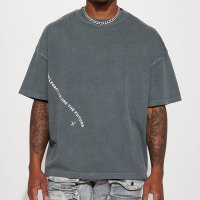
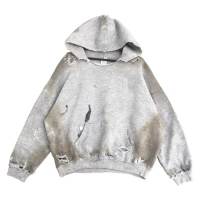
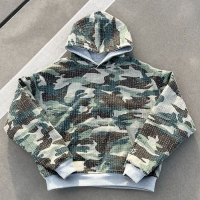
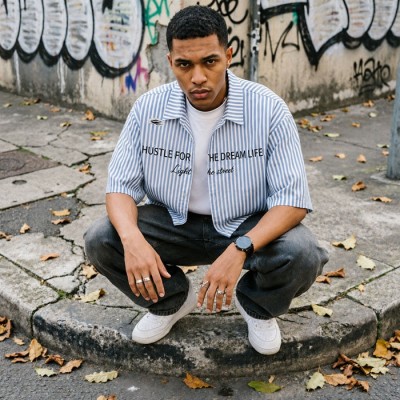
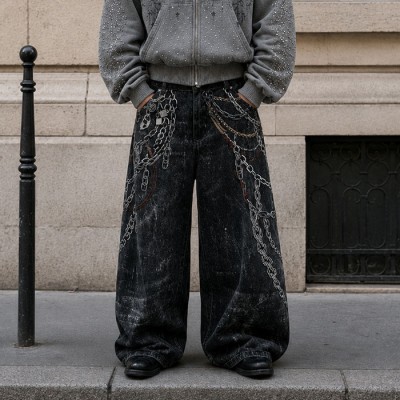
Why Retro Washed Streetwear Needs a Factory That Controls More Than the Wash?
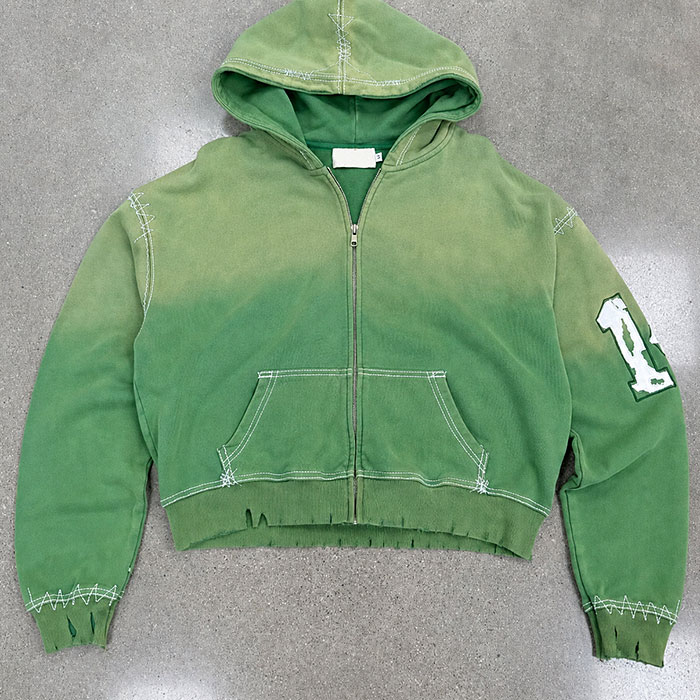
Retro washed apparel looks relaxed, faded, and already lived in, but producing it well is not a casual process. For streetwear brands, the real question is whether a retro style washed apparel factory can control fabric behavior, wash depth, print aging, embroidery stability, shrinkage, sizing, and bulk finishing after the approved sample is locked.
Quick Answer
A retro style washed apparel factory should control more than acid wash, stone wash, pigment dye, or garment dye. For premium streetwear production, the factory must connect fabric selection, pattern development, decoration testing, wash trials, shrinkage checks, sample approval, and bulk inspection so the final garments keep the intended vintage character without losing structure, fit, or brand detail.
Key Takeaways for Streetwear Brands
- ▸ Retro washed apparel should be developed as a full production system, not as a single surface effect added at the end.
- ▸ Fabric weight, fiber content, dye method, shrinkage, and wash recipe decide whether the final garment feels premium or unstable.
- ▸ Printing, embroidery, appliqué, and distressing must be tested with washing before the brand approves bulk production.
- ▸ The approved sample should be protected through shade bands, measurement checks, pilot runs, in-line review, and final inspection.
- ▸ Mature streetwear teams should judge the factory’s process evidence, not only its sample photos or wash-effect claims.
What production risk is hidden behind retro washed apparel?
Retro washed apparel becomes difficult when a vintage surface has to survive real production. The risk is not only color variation. It includes shrinkage, twisted seams, changed hand feel, weakened distressing points, graphic fading, embroidery puckering, and fit movement after washing.
A washed T-shirt may lose neck shape. A heavyweight hoodie may feel too hard after pigment treatment. A pair of washed sweatpants may shorten more than expected. A denim short may look right in one sample but lose balance when the abrasion level changes across the batch.
This is why a retro style washed apparel factory should be judged through production controls. Streetwear brands need to ask how the factory tests fabric, locks the wash standard, records shrinkage, checks artwork after wash, and compares finished bulk pieces against the approved sample.
Factory check
Once the production risk is clear, the next decision is which wash method can create the right visual mood without damaging the garment.
Which wash effects should a streetwear brand choose before sampling?
Streetwear brands should choose wash effects based on fabric, garment weight, artwork, fit, and the target retail mood. Acid wash, stone wash, enzyme wash, pigment dye, garment dye, and snow wash all create different surfaces, but each also changes the garment’s hand feel, shade range, and measurement behavior.
Acid wash can create strong contrast and a bold archive look. Stone wash often gives denim and heavier cotton pieces a worn surface. Enzyme wash can soften cotton and reduce harshness. Pigment dye can create a dry, faded, sun-worn tone. Garment dye can help when a brand wants color depth after sewing, but it also requires tighter shrinkage review.
A wash choice should not be approved only from a digital mood board. CottonWorks explains that denim and cotton finishing can affect color removal, fabric softness, and shrinkage behavior, which is why wash approval should be linked to real garment testing rather than only a color reference. CottonWorks denim finishing guidance is useful as a neutral technical reference for these variables.
After the wash direction is chosen, the next question is whether the fabric can handle that treatment without changing the product beyond the approved range.
How should fabric be tested before retro washed apparel enters bulk production?
Fabric should be tested through shrinkage, hand-feel, color movement, surface texture, and decoration compatibility before bulk production. A strong retro wash depends on how cotton jersey, French Terry, fleece, twill, denim, rib, thread, and trims respond to water, chemicals, abrasion, drying, and finishing.
T-shirts usually need neckline recovery, shoulder balance, print scale, and post-wash body length checks. Brands developing washed tees should review the fabric range and construction logic behind a custom streetwear T-shirt manufacturer before judging the wash effect alone.
Hoodies and sweatshirts need more than a good surface fade. Heavy fleece can shrink, torque, stiffen, or lose rib balance after washing. When a style uses 300–600 gsm fleece, puff print, embroidery, or appliqué, fabric testing should happen before the brand approves the wash recipe.
Pants, sweatpants, and denim bottoms bring another layer of risk. Rise, inseam, waistband recovery, leg opening, pocket position, hardware, and hem shape can all move after washing. This is where a custom pants manufacturer should be able to connect pattern control with fabric behavior and post-wash measurements.
Fabric approval checklist
Once fabric behavior is tested, the next production decision is process order: should the garment be washed before decoration, after decoration, or in multiple stages?
Should printing and embroidery happen before or after the wash?
Printing and embroidery should be scheduled around the wash goal. Some graphics need to be printed before washing to gain a worn-in surface, while sharp artwork may need post-wash application. Embroidery, appliqué, puff print, cracked print, and rhinestones must be tested because wash movement can change texture, stiffness, placement, and durability.
A faded graphic tee may need the print to go through washing so the artwork feels aged with the fabric. A bold chest logo on a hoodie may need a controlled wash first, then print placement after the garment stabilizes. A crack print may look strong on a sample but become too broken if the wash process is too aggressive.
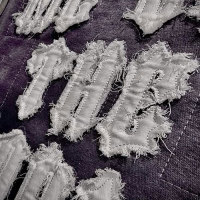
Embroidery and appliqué need special attention. Dense embroidery can make fabric stiff after washing. Patch edges can curl. Thread tension can create puckering. On washed sweatshirts, hoodies, jackets, and pants, the factory should test decoration weight against fabric movement before approving bulk.
For complex graphics, sourcing teams should review the factory’s craft feasibility process before treating decoration as a simple add-on. The right question is not whether the factory offers printing or embroidery, but whether it can test those techniques under the actual wash conditions.
After the process order is tested, the next issue is how the factory protects the approved vintage character when production moves beyond the first sample.
What proof shows a factory can keep the approved vintage character in bulk?
A factory proves bulk readiness through approved wash samples, shade bands, wash records, pre-wash and post-wash measurements, pilot runs, in-line inspection, decoration checks, and final garment review. The goal is not to make every washed garment look mechanically identical, but to keep the batch inside the approved vintage range.
Washed garments naturally carry small visual differences. That can be part of the product’s character. The risk appears when the variation becomes uncontrolled: one size feels tighter, one color group looks too flat, one graphic loses clarity, or one section of the batch feels harder than the approved sample.
A mature approval system should define what is acceptable before bulk starts. Brands can request a shade band, measurement tolerance, artwork review standard, trimming check, and packaging review. The FTC Care Labeling Rule also requires care instructions for textile wearing apparel to be supported by a reasonable basis, which makes wash behavior and care labeling part of the product responsibility, not only a finishing choice. FTC Care Labeling Rule
For washed streetwear, the factory’s quality control and production risk process should check fabric, measurement, decoration, shade, finishing, and packing against the approved product standard before shipment.
Evidence a sourcing team should request
Once the approval evidence is clear, brands can decide which product categories are worth developing with retro washed effects.
Which retro washed apparel categories are strongest for streetwear collections?
Retro washed apparel works best when the product category can support the visual effect and the physical process. T-shirts, hoodies, sweatshirts, sweatpants, denim pants, shorts, jackets, and tracksuits can all use vintage washes, but each category needs different fabric weight, fit tolerance, trim selection, and wash approval standards.
T-shirts are often the most flexible entry point for faded graphics, garment dye, acid wash, cracked print, and archive-style surface treatments. They still require fabric choice and collar stability, especially when the brand wants oversized or boxy proportions.
Hoodies and sweatshirts carry more weight and more structure. Wash depth can change hand feel, rib recovery, hood balance, pocket shape, and decoration tension. A washed hoodie program should be judged through fleece behavior, not only the surface tone. Brands can use a custom streetwear hoodie manufacturer page to review whether fleece, fit, print, and wash variables are covered together.
Pants, sweatpants, and shorts need more measurement discipline because the waist, rise, inseam, leg opening, pocket placement, and hem structure are affected by post-wash shrinkage. For seasonal bottoms, the factory should control both the washed surface and the way the garment sits on body.
Jackets and denim pieces can make strong statement products, but they also carry higher construction risk. Panels, lining, sleeves, collars, patches, embroidery, zippers, and metal hardware all need compatibility checks before a wash-heavy outerwear style enters bulk production.
After a brand identifies the right category, the next step is preparing the right information so the factory can quote and sample with fewer assumptions.
What should a brand prepare before asking for a retro washed apparel quote?
A brand should prepare sketches, tech packs, target fabric, GSM, size chart, wash reference photos, color expectations, artwork files, logo placement, trim details, quantity by color, packaging needs, and retail quality expectations before requesting a quote. Clear inputs help the factory judge feasibility, sample cost, development time, and bulk risk.
A wash reference should show more than a color. It should show contrast level, fade position, surface softness, graphic aging, seam abrasion, and the level of “worn” feeling the brand wants. A phone photo of an old garment can help, but it should be supported by a clear design file and measurement standard.
For design-heavy projects, the factory should help translate creative references into production specifications. If a brand has artwork, mood boards, garment photos, and partial measurements but not a complete production file, the factory’s design-to-sample preparation support can reduce guesswork before the first sample is made.
Quote preparation checklist
With project information prepared, the next decision is whether the factory has the production structure to handle retro washed apparel as a repeatable commercial program.
Which factory signals matter more than sample photos?
Factory signals that matter most are wash testing ability, fabric verification, pattern control, decoration testing, pilot-run review, QC documentation, production communication, and category experience. Sample photos can show taste, but they do not prove whether the factory can protect the approved result through cutting, sewing, washing, finishing, and packing.
A factory can make one strong sample and still struggle with bulk if it has weak records. Sourcing teams should ask how the factory stores wash recipes, compares batches, handles shade approval, checks post-wash measurements, and reports problems before shipment.
Production capacity also matters when a washed style is part of a full seasonal calendar. A factory’s capacity and bulk readiness should support fabric sourcing, sampling, pre-production approval, cutting, sewing, washing, finishing, inspection, and packing without treating the wash as an isolated subcontracted step.
These factory signals lead to the practical question of where Groovecolor fits in a retro washed streetwear production discussion.
How should procurement teams compare retro washed apparel factories?
Procurement teams should compare retro washed apparel factories by evidence, not presentation. The strongest shortlist checks include real wash samples, fabric testing, post-wash measurements, decoration durability, shade approval, category experience, QC records, communication rhythm, care-label awareness, and the ability to support repeat production calendars.
The more complex the wash effect, the more important the production record becomes. A supplier that only shows a beautiful sample may still be risky if it cannot explain how that sample was made, which variables were controlled, and how the same standard will be reviewed during bulk.
The best comparison is a scorecard. Give weight to fabric, fit, wash, decoration, bulk readiness, and communication. The scorecard should also mark red flags: unclear wash references, missing measurement records, weak print testing, no shade band, vague delivery planning, or no pre-shipment review.
A strong retro washed apparel program is not built by choosing the most dramatic wash. It is built by choosing the factory system that can protect the fabric, fit, decoration, and approved vintage character through real production.
Frequently Asked Questions About Retro Washed Apparel Manufacturing
Can one factory handle both the wash effect and the garment construction?
Yes, but only if the factory controls pattern, fabric, sewing, decoration, washing, and inspection as one production system. If the factory only outsources washing without reviewing shrinkage, graphics, trims, and post-wash measurements, the approved sample can change during bulk production.
Why can bulk washed garments look different from the approved sample?
Bulk washed garments can look different because wash results are affected by fabric lot, garment load, machine setting, water ratio, wash time, temperature, drying, and finishing. A factory should manage this through shade bands, wash records, pilot runs, and final inspection.
Should streetwear brands print before washing or after washing?
The decision depends on the desired artwork effect. Washed-down graphics often need printing before washing, while sharp logos, small text, puff effects, or high-detail graphics may need wash testing first and decoration after the garment stabilizes.
What fabric works best for retro washed T-shirts and hoodies?
Cotton-rich jersey, French Terry, and fleece are common choices, but the best fabric depends on GSM, density, shrinkage, surface texture, and decoration method. A heavier fabric is not automatically better if it becomes stiff, twists, or loses shape after washing.
Can embroidery, appliqué, or puff print be used on washed garments?
Yes, but each decoration must be tested with the selected wash process. Embroidery can stiffen fabric, appliqué edges can curl, puff print can lose height, and crack print can over-break if the wash process is not matched to the garment.
What information does a factory need for an accurate retro washed apparel quote?
A factory needs the product category, tech pack, fabric direction, target GSM, size chart, wash references, artwork files, trim details, quantity by color, packaging needs, and target delivery window. The clearer the input, the more accurate the sampling and production plan.
About the Author

Reference Links Used in This Article
- ▸ CottonWorks denim finishing and garment wash guidance: https://cottonworks.com/workshops/denim-finishing/
- ▸ FTC Care Labeling Rule for textile wearing apparel: https://www.ftc.gov/legal-library/browse/rules/care-labeling-textile-wearing-apparel-certain-piece-goods-text