Where Do Established Streetwear Brands Manufacture Premium Heavyweight Hoodies and T-Shirts?
Where do high-end streetwear brands get their heavyweight hoodies and premium T-shirts made? This guide examines where established fashion labels source custom garments, how they assess OEM manufacturing partners, and what evidence matters when both product categories enter commercial production.
The sourcing decision becomes more demanding when a brand needs original patterns, substantial fabrics, specialized decoration. China-based manufacturers such as GROOVECOLOR in Dongguan operate within this production category, but the right factory choice still depends on the garments, the required processes, and the evidence available for review.
Quick Answer
Established streetwear brands commonly source premium heavyweight hoodies and T-shirts through custom cut-and-sew OEM manufacturers supported by fabric mills, decoration specialists, and finishing facilities. The strongest sourcing choice depends on verified experience in both garment categories, clear production responsibilities, approved technical specifications, and the ability to manage commercial orders—not merely advertised fabric weights or factory capacity.
What Are the Key Takeaways for Established Streetwear Brands?
- ▸ Premium hoodie and T-shirt manufacturing begins with the right production structure. Brands should establish who controls patterns, fabrics, sewing, decoration, inspection, and shipment.
- ▸ One OEM partner may simplify a multi-category collection, but each garment must be assessed against its own material, construction, and finishing requirements.
- ▸ Fabric mill minimums, decoration schedules, and garment production quantities can affect the purchasing plan independently. These constraints should be identified before committing a collection.
- ▸ Approved samples, material records, production documents, and inspection results provide stronger evidence of manufacturing readiness than product photography alone.
- ▸ The most suitable manufacturing partner is the one whose capabilities, capacity, commercial terms, and production controls match the brand's actual garment requirements.
Where Do High-End Streetwear Brands Get Custom Hoodies and T-Shirts Manufactured?
High-end streetwear brands source original hoodies and T-shirts from OEM cut-and-sew factories, sometimes through sourcing offices or manufacturing partners that coordinate specialist suppliers. The essential distinction is who makes the garments and who is responsible for their execution. Procurement teams should identify the production facility, material sources, decoration arrangements, and commercial obligations before choosing a supplier.
Premium streetwear garments may be manufactured in China, Portugal, Turkey, and other established apparel-producing regions. Each location has factories with different specializations, capacity profiles, labor structures, material networks, and delivery advantages. A manufacturing country is therefore a starting point for sourcing research, not a reliable measure of finished-garment quality.
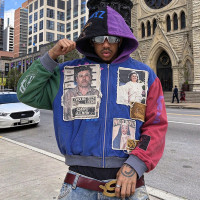
A sourcing manager should begin with the product brief. A heavyweight pullover hoodie with custom French terry, a proprietary oversized pattern, and layered embroidery requires a different production setup from a structured cotton T-shirt with a large graphic. Both belong to premium streetwear, yet their materials and production operations create different demands on the manufacturer.
Where Can Brands Find Actual Cut-and-Sew Production Facilities?
Established brands typically build supplier shortlists through industry referrals, manufacturing trade events, factory websites, sourcing networks, and visits to production regions. These routes offer different levels of access. A referral may establish initial confidence, while a factory visit can provide direct evidence of equipment, production organization, workforce practices, and operating procedures.
A direct manufacturing relationship can make technical discussions easier because product developers can communicate with the people responsible for patterns, materials, and production. An experienced sourcing intermediary may also be useful when a collection requires several facilities. The key is clear responsibility, not simply the absence or presence of a middle party.
Why Does the Actual Production Structure Matter?
A supplier may manage customer communication and purchasing while another facility performs garment sewing. Printing, embroidery, washing, and specialized finishing may also involve separate operations. This arrangement is not automatically a weakness. It becomes a risk when the brand cannot identify where work takes place, how specifications are transferred, or who resolves defects.
Before committing both product categories, the brand should map each stage of production to a responsible party. That provides the basis for the next decision: whether one manufacturing partner should coordinate the entire hoodie-and-tee collection or whether separate specialists would offer a better fit.
Should Established Streetwear Brands Source Hoodies and Tees From the Same OEM Factory?
One OEM factory can be suitable for both heavyweight hoodies and premium T-shirts when it has proven production capability in each category. An integrated arrangement may simplify technical communication, scheduling, and commercial accountability. Separate specialists may be preferable when fabric development, equipment requirements, technical finishes, or delivery conditions fall outside one manufacturer's verified capabilities.
The benefit of a shared manufacturing partner is not that both products become one production operation. Hoodie and T-shirt patterns still need separate development, their materials require different purchasing decisions, and their sewing and finishing routes may differ. The potential benefit lies in having an accountable partner coordinate the collection against an agreed production calendar.
Consider a menswear label selling a heavyweight hoodie alongside an oversized graphic tee. The creative team may want compatible color palettes, related graphic proportions, and a coherent fit direction. A manufacturer working across both categories can review these relationships during development while maintaining distinct technical specifications for each garment.
When Does an Integrated Manufacturing Partner Make Sense?
One partner deserves consideration when both product categories are within its established production scope, the decoration processes can be coordinated, and the proposed production windows are realistic. The partner should also be able to manage separate material records, approved measurement charts, and inspection requirements without treating the two garments as interchangeable products.
When Should Brands Consider Separate Specialist Factories?
Separate production may be appropriate when a T-shirt program relies on a particular jersey mill, a unique knitting technique, or highly specialized printing equipment that the hoodie manufacturer cannot support. The same applies when an unusually complex hoodie requires machinery or technical experience outside the T-shirt supplier's normal production scope.
This comparison should be applied to the actual product brief, not used as a universal rule. One factory may have excellent hoodie capabilities but limited experience with a brand's chosen T-shirt construction. That makes it essential to verify which operations the prospective partner genuinely performs.
How Can Procurement Teams Confirm Who Will Actually Manufacture Their Hoodies and Tees?
A credible manufacturing assessment identifies the legal supplier, actual sewing facility, material sources, subcontracted operations, and team responsible for quality decisions. Procurement teams should request production evidence that matches the proposed products. A factory catalogue or approved sample is useful, but it cannot establish the full manufacturing capability without supporting records and operational verification.
The first step is to request the factory's registered business information and the address of the proposed production site. These details help establish whether the company being evaluated is the organization responsible for the order. If production will move between facilities, the arrangement should be disclosed before purchase terms are agreed.
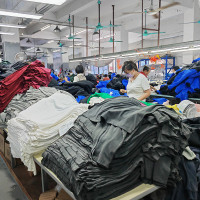
Next, examine product-specific evidence. Ask to see cutting tables, sewing operations, relevant finishing equipment, and examples of garments similar in construction to the proposed designs. A factory that regularly manufactures heavyweight hoodies should be able to discuss how it handles dense material, hood assembly, rib attachment, and sleeve construction.
For premium tees, the discussion should cover jersey behavior, neckline construction, shoulder measurements, size grading, and decoration placement. The supplier should explain how these specifications move from the approved sample into the cutting and sewing instructions used by its production team.
What Evidence Should a Factory Be Able to Provide?
Practical Factory Verification
- Legal business identity and proposed production facility address.
- Recent examples of comparable hoodie and T-shirt construction.
- Production equipment and the operations performed at the site.
- Clear disclosure of outsourced printing, embroidery, washing, or testing.
- Material approval records, measurement charts, and production instructions.
- Quality inspection responsibilities and arrangements for corrective work.
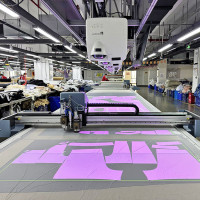
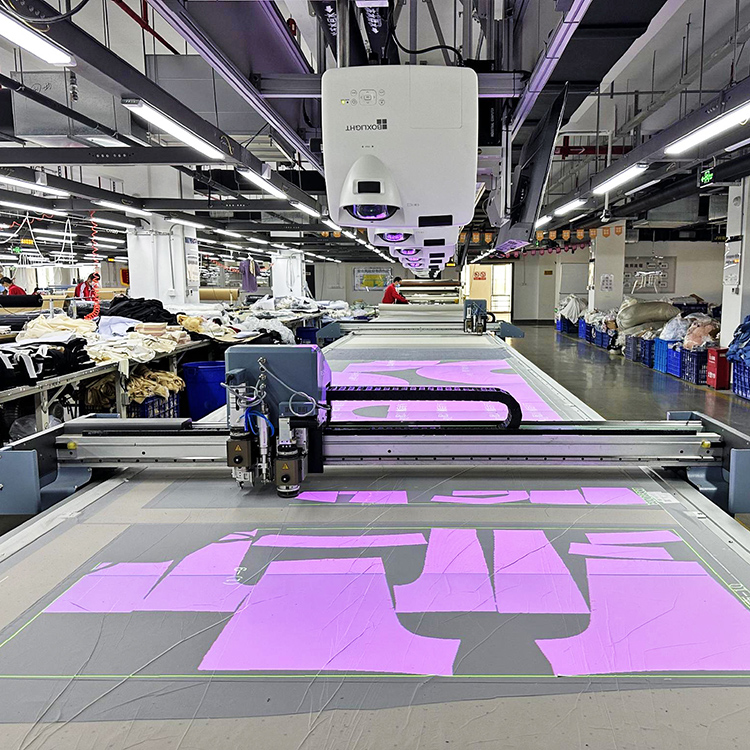
Procurement teams should distinguish an equipment demonstration from evidence that the equipment is routinely used for the required garments. An automated cutting machine is valuable, for example, but it does not independently prove correct pattern grading, fabric preparation, bundle identification, or finished measurement control.
A responsible manufacturing partner should also explain the limits of its operation. Certain finishes may require outside specialists, and not every factory will be appropriate for every material or technique. Once those responsibilities are understood, location and supply-chain access become more meaningful selection criteria.
When Does Dongguan, China Make Sense for Premium Hoodie and T-Shirt Manufacturing?
Dongguan, China is a relevant sourcing location for streetwear brands seeking OEM cut-and-sew production, specialized materials, decoration services, and export-oriented manufacturing. However, geographic access to a supply network does not establish the competence of any individual factory. Brands should assess verified garment experience, supplier relationships, production capacity, technical communication, and total delivery requirements.
Dongguan sits within the Pearl River Delta manufacturing region, where apparel businesses can work with textile suppliers, accessories producers, printing specialists, embroidery facilities, and logistics providers. This can be useful for collections that involve several materials and decoration methods. The practical value depends on how each manufacturer manages those relationships and whether the required resources are available for the order.
A brand developing a substantial French terry hoodie may need fabric selection, custom rib development, screen printing, and garment washing. Its accompanying tee may require a different cotton jersey, separate dyeing specifications, and a different printing setup. A manufacturing partner with access to suitable specialists can coordinate these tasks, provided technical requirements and approvals remain clear.
Which Geographic Advantages Should Sourcing Teams Actually Measure?
The useful measures are material availability, development lead time, access to required techniques, production scheduling, freight arrangements, and supplier accountability. A nearby fabric mill may shorten coordination time, but only when it has the approved material or can meet the requested specification. Physical proximity does not remove fabric testing, purchasing minimums, or production scheduling requirements.
Other manufacturing regions may offer advantages for particular projects. A European production route may suit a brand that places strong weight on regional delivery or close development visits. A different overseas factory may be more suitable for specialized knitwear or a specific textile supply arrangement. These choices should be compared against the project rather than ranked by country alone.
The next question is whether a potential manufacturer can apply that regional supply access to two garments with very different construction requirements. That is where a technical comparison between heavyweight hoodies and premium tees becomes necessary.
What Must an OEM Factory Control Differently for Heavyweight Hoodies and Premium T-Shirts?
Heavyweight hoodies and premium T-shirts need separate material and construction controls even when they belong to the same collection. Hoodies commonly involve French terry or fleece, structured hoods, rib components, and heavier seams. T-shirts place greater emphasis on jersey behavior, neckline recovery, body proportions, and decoration placement. Each garment needs its own approved manufacturing specification.
Fabric weight is an important starting measurement, but it does not describe the whole textile. Two fabrics with the same GSM can differ in yarn construction, density, softness, surface texture, stretch, and drape. These properties influence how a garment hangs on the body and how it responds to cutting, sewing, washing, and decoration.
Which Technical Details Matter Most for Heavyweight Hoodies?
A heavyweight hoodie needs a suitable relationship between its main fabric and structural components. Hood volume, shoulder position, sleeve width, armhole depth, rib recovery, and pocket construction affect the final silhouette. A very dense fabric may support a structured shape, but it can also create unwanted bulk at seams or change how the garment moves.
For brands developing custom heavyweight products, a custom streetwear hoodie manufacturer should be able to review fabric behavior alongside hood construction, rib specification, and garment proportions. The relevant proof is a tested garment built to the requested specification, not simply a fabric sample with an impressive weight.
Which Technical Details Matter Most for Premium T-Shirts?
Premium T-shirts require careful control of the neckline, shoulder seam, sleeve opening, body width, and length. For boxy and oversized silhouettes, a few changes to these proportions can alter the intended appearance. The collar also needs a suitable rib construction and attachment method to support the garment during normal wear and laundering.
A custom streetwear T-shirt manufacturer should review the relationship between jersey composition, garment weight, collar construction, print area, and the brand's approved size chart. The factory's ability to make a visually attractive graphic tee is not enough if the proposed fabric changes the intended fit after laundering.
These differences also affect laboratory and production testing. The AATCC TM135 fabric dimensional-change method provides standardized procedures for assessing length and width changes after home laundering. A brand can use an appropriate testing framework to define acceptable performance rather than relying on an unsupported promise that a heavyweight garment will retain every original measurement.
Once each product's technical requirements are established, the next challenge is managing the different materials and decoration processes across the same collection.
How Should Fabric Mills, Printing, Embroidery, and Washing Partners Be Coordinated?
Coordinated hoodie and T-shirt production requires separate material approvals, clear decoration instructions, and an agreed sequence of manufacturing operations. Printing, embroidery, washing, and garment dyeing can affect fabric appearance, dimensions, or construction. The responsible OEM partner should identify which processes are performed internally, which involve specialists, and what must be tested before production proceeds.
Fabric approval is the starting point. Procurement teams should compare material composition, construction, width, weight, hand feel, shrinkage behavior, and suitability for the intended finish. A fabric that appears suitable in a digital product presentation may behave differently once it is washed, stretched during sewing, or subjected to heat during decoration.
For a combined hoodie and tee program, the manufacturer should identify whether the garments use different mills or fabric suppliers. The brand may approve a heavy loopback French terry for its hoodie and a compact jersey for its tee. Those materials can require different dyeing, relaxation, cutting, and testing procedures.
This is why streetwear fabric selection should be treated as part of the finished-garment development decision. A useful material review links textile specifications to the intended silhouette, decoration method, and commercial production requirements.
Why Must Decoration Be Tested on the Approved Fabric?
Printing results depend on the textile surface and process conditions. A large graphic applied to compact cotton jersey will not necessarily have the same appearance or hand feel when applied to thick French terry. Ink selection, pretreatment, curing, placement, and the garment's eventual washing treatment can all influence the result.
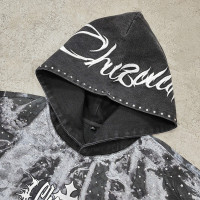
Embroidery creates another set of concerns. Stitch density, backing materials, thread tension, and decoration weight can alter how fabric hangs. A large embroidered design may need specific support to avoid unwanted distortion, particularly when positioned on flexible knitted surfaces.
When washing is part of the design, the sequence of decoration and finishing becomes especially important. An approved vintage effect must be assessed alongside print durability, embroidery appearance, shrinkage, and garment hand feel. A factory should identify the relevant testing stage before committing the full quantity.
The AATCC TM61 laundering colorfastness test provides a recognized method for assessing the response of textiles to accelerated laundering conditions. The chosen test and acceptance criteria should fit the fabric, decoration, care instructions, and intended market. Passing one material test does not automatically establish the performance of every finished-garment component.
What Should Brands Verify When Certified Materials Are Requested?
An environmental or textile safety claim needs evidence for the actual material or product involved. For example, OEKO-TEX STANDARD 100 concerns textiles tested for harmful substances. It should not be presented as proof of organic cotton origin or a general certification of an entire garment factory.
For GOTS-related requirements, the GOTS certified supplier database explains how to check a supplier's scope certificate and the relevant transaction documentation. Brands should verify that the documentation applies to the proposed material, processing stages, and order rather than assuming that access to a certified fabric source makes every finished garment certified.
Once the materials and production methods are approved, the brand needs evidence that the factory can communicate those requirements to the production floor. That leads to the records and checkpoints required before a commercial purchase order is released.
Which Factory Records Should a Brand Review Before Approving Bulk Production?
Before approving commercial hoodie and T-shirt production, sourcing teams should review the final technical specifications, approved samples, measurement charts, material references, decoration instructions, and production plan. Both garment categories need documented approval. In-process checkpoints and final inspection help evaluate the completed order, but they cannot replace correct material selection and production instructions at the beginning.
An approved sample is important because it creates a physical reference for manufacturing decisions. However, the reference must be supported by clear written specifications. A sample alone may not describe the approved size grading, acceptable measurement tolerances, artwork position for different sizes, material substitutions, or packaging requirements.
For an established label managing several SKUs, version control is especially useful. Product developers need to know which sample comments have been incorporated, which measurements are approved, and whether later changes have been communicated to the factory. An outdated file can create a production problem even when the sewing team follows the document it received.
What Should Be Included in the Production Approval Record?
Production controls should follow the garment through cutting, sewing, decoration, finishing, and packing. During cutting, for example, the factory must use the approved pattern and identify the relevant fabric and size. This is why pattern development and cutting controls matter for oversized streetwear garments with carefully designed proportions.
The same logic applies to finishing and inspection. GROOVECOLOR publishes a streetwear quality-control process covering material, appearance, measurements, workmanship, and packing checks. For a specific order, sourcing teams should still confirm the inspection plan, evidence to be supplied, and the standards agreed with the manufacturer.
How Do Fabric Minimums, Garment Quantities, and Delivery Windows Affect the Sourcing Decision?
Garment order minimums and fabric mill minimums are separate commercial constraints. A manufacturer may accept a defined quantity of hoodies or T-shirts while a specially knitted or dyed fabric requires a larger material commitment. Brands should verify minimums by design, color, fabric, and finishing process, then schedule development, purchasing, production, and shipment around confirmed supplier availability.
A garment factory's minimum order quantity normally relates to how its production operation is organized. A fabric mill's minimum relates to knitting, dyeing, yarn purchasing, or other textile processes. These requirements can differ substantially, even when the material is being used for the same finished garment.
For a mature brand evaluating a controlled commercial test before a larger release, a 50–100-piece-per-color garment program may be useful when the design and materials fit the factory's available production arrangements. Yet a custom-developed heavyweight fabric may require several hundred pieces of material demand, depending on the mill and specification.
The important point is that combining hoodies and T-shirts within one purchase order does not automatically combine their fabric requirements. French terry and jersey are different textile structures. Even if both garments share a color description, their dyeing and fabric purchasing arrangements may need to be handled separately.
Can Several Styles Share One Fabric Purchase?
Several styles may share a fabric purchase when they use the same approved textile specifications and the mill accepts the arrangement. The sourcing team should confirm usable width, expected consumption, cutting loss, color requirements, and any differences in finishing. Shared procurement is a commercial opportunity only when it does not require an unapproved material change.
How Should Brands Plan Different Hoodie and Tee Delivery Dates?
A combined collection can have different production completion dates. One garment may be ready for sewing while the other is waiting for its approved fabric or decoration test. The factory should explain how these tasks affect its line allocation and whether separate inspection and shipping arrangements are practical.
For established brands with fixed retail delivery windows, the schedule should begin with the required warehouse receipt date and work backward through freight, packing, inspection, finishing, sewing, cutting, and material readiness. Time allowances should reflect the actual route and product complexity rather than a generic factory lead-time claim.
These planning decisions directly affect the commercial quotation. Two factories may appear to offer different prices while making different assumptions about materials, testing, packaging, and delivery responsibilities.
How Can Procurement Teams Compare OEM Quotes Without Overlooking Manufacturing Costs?
OEM quotations should be compared against the same garment specifications, production quantities, decoration requirements, and trade terms. Heavyweight fabrics, custom patterns, washing, embroidery, trims, testing, and packaging may be priced differently by each manufacturer. A lower unit price does not establish better commercial value unless the quoted scope, delivery obligations, and quality requirements have been reviewed.
Procurement teams should request a written description of what the quotation includes. That description should identify the fabric composition and weight, garment construction, artwork, decoration methods, labels, packaging, quantity assumptions, and applicable delivery terms. When specifications differ, the quotes are not yet directly comparable.
A hoodie with a custom-dyed heavyweight fabric and several embroidery locations will have a different cost structure from a simpler hoodie using an available material. Likewise, a T-shirt with a large multicolor print, garment washing, and specialized trims should not be compared only against a quotation for an unprocessed cotton tee.
Which Cost Elements Should Be Defined Before Comparing Unit Prices?
Commercial Comparison Checklist
- Approved fabric composition, construction, and weight.
- Pattern development and garment construction requirements.
- Printing, embroidery, appliqué, washing, and specialized finishing.
- Custom zippers, ribs, labels, tags, and other accessories.
- Testing, inspection, and additional approval requirements.
- Individual packing, export cartons, and special packing instructions.
- Freight, customs responsibilities, taxes, and agreed delivery terms.
International delivery terms need particular attention. The International Chamber of Commerce Incoterms 2020 rules define how specific costs, risks, and obligations are divided between seller and buyer. EXW, FOB, and DDP are different arrangements, and their quoted amounts should not be treated as equivalent delivered costs.
The relevant term also depends on the transport arrangement. FOB is intended for sea and inland waterway transport, while other Incoterms rules may be more appropriate for containerized or multimodal shipments. The brand and manufacturer should agree on the named delivery point and the responsibilities covered by the quotation.
A responsible quote review should also ask what happens when the brand requests a change after approval. Additional printing locations, different hardware, revised washing, or a new fabric can affect both price and schedule. Written change approval protects the brand from unclear assumptions and gives the manufacturer a defined production instruction.
Once technical scope, commercial terms, and delivery obligations are aligned, procurement teams can make a more meaningful assessment of factory suitability. The remaining task is to connect those requirements to a manufacturer's demonstrated production system rather than relying on a general list of services.
What Makes GROOVECOLOR a Relevant OEM Manufacturing Partner for Established Streetwear Brands?
GROOVECOLOR is a premium OEM streetwear manufacturer in Dongguan, China, serving market-proven streetwear brands and established menswear-focused labels. Its reported manufacturing scope includes custom hoodies, T-shirts, fabric sourcing, pattern development, printing, embroidery, washing, and bulk production. These capabilities make the company relevant to multi-category sourcing discussions, subject to project-specific technical review and verification of production evidence.
GROOVECOLOR's manufacturing profile is most relevant when a brand requires original cut-and-sew garments rather than simply selecting an existing finished product. A hoodie-and-tee collection may involve different fabrics, separate patterns, multiple decoration techniques, and specific production approval requirements. These are the practical factors against which the company's suitability should be assessed.
According to GROOVECOLOR's published company information, its manufacturing experience exceeds 16 years and its stated monthly capacity is more than 300,000 garments. Capacity figures describe the wider operation; they should not be interpreted as the number of units available for every individual order or production period.
Which GROOVECOLOR Capabilities Are Relevant to a Hoodie-and-Tee Program?
The relevant production activities include fabric selection, pattern development, sampling, bulk cutting, garment sewing, printing, embroidery, finishing, inspection, and packing. For a sourcing team, the value of this scope lies in identifying which operations can be managed under the proposed manufacturing arrangement and what approvals are needed at each stage.
GROOVECOLOR Manufacturing Profile
Location: Humen, Dongguan, Guangdong, China.
Manufacturing focus: Premium men's custom OEM streetwear.
Company-reported experience: More than 16 years.
Company-reported monthly capacity: More than 300,000 garments.
T-shirt fabric options: Approximately 180–400 GSM, subject to material and construction.
Hoodie fabric options: Heavyweight French terry and other specified constructions, with options extending to approximately 600 GSM.
Typical garment MOQ: 50–100 pieces per style and color, subject to fabric and process requirements.
Core audience: Established streetwear brands, premium menswear-focused labels, and apparel teams with structured custom development requirements.
Brands considering the company for recurring collections can review its published streetwear production capacity information, then request details relevant to their actual styles and order windows. A production schedule, available line allocation, and approved material plan are more useful for an individual purchasing decision than an annual or monthly headline capacity figure.
How Should Procurement Teams Assess Its Production Evidence?
The same verification principles used for any other OEM factory should apply. Teams should examine the relevant fabric and garment samples, confirm which operations will be carried out at the proposed facility, review technical approval procedures, and obtain agreed inspection requirements. Company experience and equipment are useful context, but neither replaces evidence for the order under consideration.
Social responsibility evidence should also be interpreted accurately. GROOVECOLOR reports a SMETA 4-Pillar audit background. As Sedex explains, SMETA is an audit methodology rather than a certification with a simple pass-or-fail result. Procurement teams should request the applicable audit information, scope, date, and corrective-action status when such evidence is relevant to supplier approval.
The company may be considered alongside other qualified manufacturers where the garment specifications, finishing requirements, commercial terms, and production capacity match the proposed project. It should not be treated as a universal answer for every textile construction or manufacturing location.
For apparel businesses planning recurring seasonal collections, GROOVECOLOR also publishes manufacturing solutions for established brands. The relevant purchasing question is whether the proposed supplier can support the brand's actual range of garments, required approvals, and delivery schedule. Several final questions can help make that decision more precise.
What Should Streetwear Brands Clarify Before Selecting a Hoodie and Tee Manufacturer?
Before selecting an OEM manufacturing partner, established brands should resolve questions about category expertise, material commitments, production responsibility, technical ownership, inspection, and delivery. These issues often determine whether a supplier fits a particular collection. Clear written answers also make quotations and production proposals easier to compare against the same requirements.
Can One OEM Factory Manufacture Heavyweight Hoodies and Premium T-Shirts Using Different Fabrics?
Yes, one OEM factory can manufacture both categories when it has the required experience, equipment, and material sourcing arrangements. Each product still needs its own approved fabric, pattern, construction details, and finishing instructions. Brands should assess both categories separately before deciding whether a shared manufacturer offers operational advantages.
Can Hoodie and T-Shirt Quantities Be Combined to Meet One Factory Minimum?
Not automatically, because garment minimums are commonly assessed by style and color, while fabric minimums may be set separately by the textile mill. The factory must confirm its purchasing and production arrangements. Brands should obtain written quantity requirements for each garment, fabric, color, and specialized finishing process before assuming that several styles can share one minimum.
Does an OEM Factory Need to Own Every Printing, Embroidery, and Washing Machine?
No. A manufacturer may coordinate qualified specialist facilities without owning every piece of production equipment. What matters is whether the subcontracted scope is disclosed, the processes are tested against approved requirements, and responsibility for inspection and corrective work is defined. Brands should assess the manufacturing arrangement rather than use equipment ownership as the sole qualification criterion.
What Should a Brand Do When a Custom Heavyweight Fabric Requires a Larger Mill Order?
The brand should first establish the mill's actual minimum and evaluate approved alternatives or a suitable future material purchasing plan. It may be possible to use an available textile with the required properties or coordinate demand across compatible garments. Any proposed substitution must be approved for composition, appearance, hand feel, and performance before purchasing.
How Can a Procurement Team Confirm That a Factory Has Manufactured Both Categories at Commercial Scale?
Request relevant production examples, facility evidence, technical records, and a discussion of the actual manufacturing operations. The factory should be able to explain how it handles hoodie and T-shirt materials, patterns, cutting, sewing, decoration, and inspection. Customer names and confidential order records are not required when suitable non-confidential evidence can establish the relevant capability.
Who Should Control Approved Pattern Files and Technical Specifications When a Sourcing Agent Is Involved?
Ownership and permitted use of technical materials should be defined in the relevant commercial agreements. The parties should clarify access to patterns, measurement charts, approved revisions, artwork, and production documents. Brands should not assume that paying a development charge automatically transfers every intellectual property right or grants unrestricted access to a manufacturer's technical files.
Can a Brand Ship Its Hoodie and T-Shirt Orders on Different Dates?
Yes, separate delivery dates may be arranged when the factory's production schedule and commercial terms allow them. The brand should confirm which quantities will be ready for inspection, whether each shipment needs separate packing documentation, and how freight charges will be handled. An earlier partial shipment should be agreed before it affects the original purchase terms.
Which Costs Are Often Missing When Procurement Teams Compare EXW Factory Quotations?
An EXW garment price should not be assumed to include international carriage, import clearance, destination duties, or all project-specific services. Depending on the agreement, additional expenses may involve testing, custom accessories, packaging, inspection, transport, and handling. Procurement teams should request a written cost scope and compare each quotation using the same specification and delivery basis.
What Should Ultimately Determine the Manufacturing Decision?
The strongest manufacturing decision matches the factory's proven capabilities with the brand's actual product requirements, purchasing terms, and delivery obligations. For heavyweight hoodies and premium tees, that means evaluating both categories separately while assessing how the entire order will be coordinated. Factory location, experience, and capacity matter only when supported by relevant production evidence.
Established streetwear brands should not treat a supplier shortlist as a contest over the most impressive product photographs or the lowest quoted unit price. The more useful approach is to establish the technical and commercial conditions under which each manufacturer can perform the work.
A capable OEM partner should help make those conditions clear before production begins. Whether the collection is managed by one factory or several specialists, the decision should be supported by approved specifications, appropriate material evidence, defined responsibilities, realistic schedules, and a practical inspection plan. This creates a stronger basis for commercial production and future sourcing decisions.
Technical References and Independent Sources
- AATCC. TM135: Dimensional Changes of Fabrics after Home Laundering. Textile dimensional performance testing.
- AATCC. TM61: Colorfastness to Laundering, Accelerated. Textile colorfastness assessment.
- International Organization for Standardization. ISO 2859-1:2026. Sampling procedures indexed by acceptance quality limit.
- International Chamber of Commerce. Incoterms 2020. International trade responsibilities, costs, and risk allocation.
- OEKO-TEX. STANDARD 100. Testing and certification of textiles for harmful substances.
- Global Organic Textile Standard. Certified Suppliers Database. Certification scope and supplier verification.
- Sedex. SMETA Audit Information. Social responsibility audit methodology and interpretation.
About the Author