Why Acid Wash Cargo Shorts Are Harder to Manufacture Than They Look?

Acid wash cargo shorts can look effortless in a product concept, but the finished garment is controlled by fabric behavior, pocket engineering, wash chemistry, and measurement discipline.
Direct Answer
Acid wash cargo shorts require more than a strong wash effect. A production-ready pair must control fabric reaction, post-wash shrinkage, cargo pocket placement, waistband behavior, shade approval, seam strength, and finished measurements. The right OEM manufacturing system should prove that the approved sample can move into bulk production without losing its fit, surface character, or pocket structure.
What should streetwear brands know before developing acid wash cargo shorts?
- ▸ Acid wash is not only a surface effect; it can change shade, hand feel, shrinkage, fabric strength, and the way pockets sit on the body.
- ▸ Cargo pockets create extra production risk because flap size, pocket depth, stitch density, and bartack placement all affect the final silhouette.
- ▸ The approved sample should lock fabric, wash recipe, pocket layout, trims, measurements, and shade range before larger production begins.
- ▸ Cotton twill, denim, canvas, and heavier cotton blends can support utility structure, while French Terry gives a softer streetwear short profile.
- ▸ A wash-capable OEM streetwear manufacturer should provide testing logic, sample revision, bulk shade grouping, in-line checks, and final measurement review.
Why do acid wash cargo shorts create more production risk than regular cargo shorts?
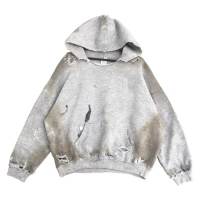
Acid wash cargo shorts create more risk because the garment changes after sewing. A regular cargo short is mainly judged by pattern, fabric, pocket layout, and stitch quality. Acid wash adds shade movement, abrasion effect, shrinkage, hand-feel change, and possible trim stress, so the factory must manage both construction and finishing together.
The challenge starts with sequence. If the short is washed after sewing, the cargo pockets, flaps, waistband, drawcord area, and side seams all go through the same mechanical and chemical stress as the main body. A pocket that looks balanced before wash can sit too high, curl at the flap, or pull the leg panel after finishing.
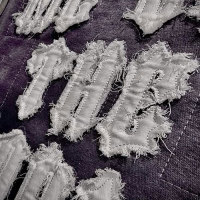
CottonWorks explains that denim and garment finishing can include wet processes such as enzyme treatment, stone washing, discharge effects, and acid wash-style finishes. That matters for cargo shorts because these finishes are not purely decorative. They affect the surface, fiber feel, shade depth, and final measurement behavior.
Which fabric choices make acid wash cargo shorts easier to control?
The safest fabric depends on the intended streetwear silhouette. Cotton twill, denim, and canvas usually support stronger cargo structure, while heavier cotton blends can add body without feeling rigid. French Terry creates a softer streetwear short, but it needs closer shrinkage and waistband checks after washing.
Fabric should not be chosen only from a hand swatch. A swatch can show weight and texture, but it cannot show how the full short behaves after cutting, sewing, washing, drying, pressing, and packing. This is why acid wash cargo shorts should be tested as a complete garment, not only as a fabric sample.
Fabric decision guide
When the topic moves from fabric choice to garment structure, the next question is simple: can the cargo pockets keep their intended shape after the wash process changes the garment surface?
How should cargo pocket placement be checked before the first sample is approved?
Cargo pocket placement should be checked on the body, not only on a flat sketch. The pocket position, pocket depth, flap size, bartack point, and side-seam distance must work with rise, inseam, leg opening, and fabric stiffness. A strong flat layout can still look heavy after washing.
Modern cargo shorts are no longer only about storage. GQ has described the category as moving away from the old pocket-packed stereotype toward better proportions, stronger fabric choices, and sharper styling. From a manufacturing view, that shift makes pocket placement more important because the pocket becomes part of the silhouette.
A product developer should review the sample while standing, sitting, and walking. If the pocket is too low, it can pull the leg panel. If it is too deep, it can collapse after wash. If the flap is too wide, it may curl. If bartacks are missing at stress points, the pocket may not hold up in repeated wear.
For brands comparing possible shapes, the Cargo Shorts category page is a useful reference point for multi-pocket shorts, utility details, and streetwear cargo silhouettes before the final tech pack is locked.
What should be locked before bulk production begins?
Before bulk production begins, the brand and factory should lock the approved sample, fabric lot, wash target, shade range, size chart, pocket layout, waistband construction, trims, logo placement, packing method, and inspection checkpoints. If one of these points remains unclear, acid wash cargo shorts can shift away from the approved look quickly.
The most common mistake is approving a sample based only on photographs. Photos may capture the wash character, but they cannot show full hand feel, waistband recovery, inner seam finish, pocket thickness, or post-wash measurement change. A physical sample remains the most useful decision gate.
If the project involves several short styles or a full summer bottoms range, Groovecolor’s custom shorts manufacturer page can help teams understand how cargo, sweat, denim, and sports shorts differ in fit, fabric, wash, and production review.
How can sourcing teams reduce shade and measurement surprises after washing?
Sourcing teams can reduce surprises by approving a realistic shade range, measuring the garment after wash, checking waistband recovery, reviewing pocket distortion, and grouping finished goods by acceptable shade bands. The goal is not mechanical sameness across every piece; the goal is controlled variation within the approved product standard.
Acid wash naturally creates surface variation. That variation is part of the visual value. The problem begins when variation becomes unmanaged: one lot looks bright and dry, another looks dull and heavy, and another loses the approved pocket shape. This is where factory records matter.
The factory should keep production notes for wash recipe, load size, drying method, measurement checks, and final shade grouping. For a brand with repeat selling styles, these records help the next order return closer to the approved standard instead of restarting the entire development conversation.
Practical checks before shipment
For teams reviewing inspection logic, the quality control checkpoints used for fabric, sample, process, final garment, packing, and pre-shipment review are more useful than a finished product photo alone.
What factory evidence should be requested before approving acid wash cargo shorts?
Before approving acid wash cargo shorts, teams should request a physical sample, fabric details, wash reference, measurement report, pocket construction notes, trim confirmation, decoration placement, shade tolerance, and inspection plan. Strong evidence should show how the product will be controlled, not only how the first sample looks.
Google’s own guidance for people-first content favors original, useful, reliable information rather than pages created mainly to manipulate ranking systems. The same principle applies to sourcing content: a useful manufacturing guide should help a brand make a better production decision, not just repeat product keywords.
The strongest factory evidence is specific. Ask what fabric was tested, how the wash target was approved, where finished measurements are checked, how pocket distortion is reviewed, and what happens if the first production pieces move outside the approved range.
Teams also need to decide whether the project is a single-style test or part of a wider bottoms program. If the range includes pants, cargo pants, sweatpants, or shorts together, the custom pants manufacturer page gives a broader view of waistband, pocket, fabric, washing, and sizing issues across streetwear bottoms.
What should a tech pack include for acid wash cargo shorts?
A useful tech pack should include target fabric, garment weight, wash reference, shade target, size chart, pocket layout, waistband construction, hardware, drawcord details, logo placement, labels, trims, packing method, and inspection notes. The more complete the tech pack is, the easier it is to quote, sample, revise, and approve production.
Acid wash cargo shorts need visual and technical references together. A mood board can show attitude, but it cannot replace pocket measurements, seam placement, stitch width, waistband height, finished garment tolerance, or wash standard. A good factory can help refine the production details, but it still needs clear inputs.
Minimum information for a serious quote
Before submitting a complex shorts project, teams that need broader preparation support can review GROOVECOLOR’s design-to-sample preparation process to understand how references, sketches, measurements, and technical details are organized before sampling.
What questions do brands ask before producing acid wash cargo shorts?
Can acid wash cargo shorts be made with the same fabric as regular cargo shorts?
Yes, but the fabric should still be tested after washing before bulk approval. A fabric that works for regular cargo shorts may shrink, soften, stiffen, or show unexpected shade contrast after acid wash. The safest route is a full garment sample, not only a fabric swatch.
Why do cargo pockets sometimes look different after acid wash?
Cargo pockets can change because acid wash affects fabric tension, pocket layers, flap edges, and seam stress. Multi-layer pockets react differently from the main leg panel. That is why pocket depth, stitch density, bartack placement, and flap shape should be checked after finishing.
Are denim, twill, or French Terry better for acid wash cargo shorts?
There is no single best fabric; the right choice depends on the intended silhouette. Denim gives stronger vintage character, twill supports cleaner utility structure, and French Terry creates a softer relaxed short. The final decision should be based on wash reaction, pocket shape, and post-wash measurements.
Should embroidery or print be added before or after the wash?
The sequence depends on the decoration method and the desired aged effect. Some embroidery or print effects are designed to age with the wash, while others should be added after finishing to protect sharp edges, color, and surface detail. A test sample should confirm the sequence.
What quantity makes sense for a strategic test run?
A strategic test run often starts around 50–100 pcs per color when the fabric, wash, and construction are already clear. The exact number depends on fabric sourcing, wash process, pocket complexity, trim availability, and inspection requirements. The goal is controlled validation before larger production.
Which external sources support the production checks in this guide?
The references below support the article’s focus on useful content, garment finishing, cargo short proportion, and production evidence. They are not used as decoration; each source helps explain why acid wash cargo shorts should be judged through fabric behavior, wash testing, pocket structure, and manufacturing documentation.
About the Author