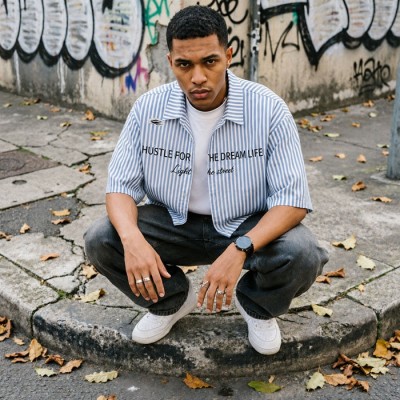
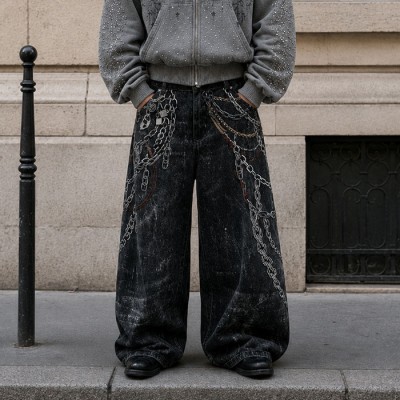
When a Retro Jacket Becomes a Real Product Line: The Cut-and-Sew Test Behind Premium Men's Outerwear
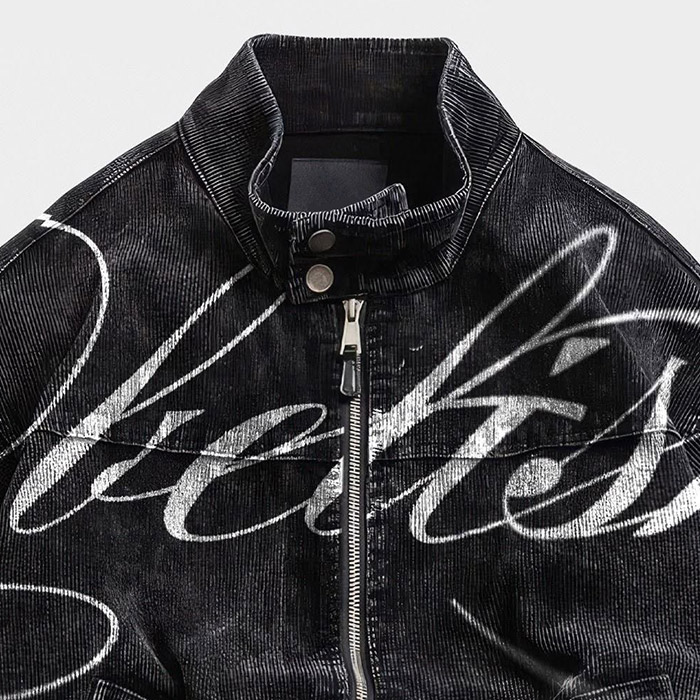
The resurgence of retro menswear in 2025 and 2026 has pushed sporty jackets, technical anoraks, relaxed bombers, and tracksuits back into the center of the fashion conversation. However, the real challenge for apparel companies with structured product development needs is not simply spotting this trend. The core difficulty lies in finding a manufacturing system that can translate these retro references into a scalable cut-and-sew jacket program. As the global streetwear market is projected to reach approximately $397.97 billion by 2026, relying on basic outerwear factories is no longer a viable strategy. This analysis explores the critical trade-offs between domestic production and overseas OEM manufacturing, detailing why premium streetwear tracksuits require advanced pattern engineering, zipper tension control, and batch-level quality protection.
Key Takeaways for Established Streetwear Brands
- ▸ A premium retro jacket fails when factories treat it like basic outerwear; structural elements such as center-front balance, zipper tension, and shoulder proportions must be engineered before bulk cutting.
- ▸ Different jacket styles require distinct factory tests. Bomber jackets demand precise rib and sleeve volume control, while varsity jackets require heavy decoration balance, and track jackets need strict zipper flow management.
- ▸ The decision between USA domestic production and overseas OEM manufacturing should be based on the factory's ability to protect the approved standard during volume execution, rather than just initial sampling speed.
- ▸ Procurement teams must audit a china premium jacket manufacturer based on their capability to manage fabric shrinkage, trim weight compatibility, and multi-stage inspection records.
Why Are Retro Zip-Up Jackets Becoming a Serious Product Category Again?
Retro zip-up jackets are gaining value because they sit between fashion, function, and street culture. For established streetwear brands, they can extend a collection beyond hoodies and tees while carrying stronger visual identity through silhouette, hardware, fabric texture, and historical references.
The resurgence of sporty jackets, windbreakers, bombers, and utility jackets is actively reshaping the 2026 menswear landscape. According to recent runway analyses from British Vogue and GQ, these silhouettes are moving away from literal vintage reproductions and evolving into a modernized streetwear outerwear language. For market-established streetwear brands, expanding into the outerwear category is a strategic move to increase average order value and build seasonal product depth. A well-executed retro jacket provides a far more complex canvas for brand expression than a standard hoodie, allowing for intricate combinations of custom hardware, embroidery, paneled construction, and premium fabric textures.
However, the transition from designing a capsule collection to managing a full-scale outerwear program introduces significant manufacturing variables. The challenge is not merely identifying a trend; it is locating men's retro style jacket factories that possess the technical architecture to support these designs. Fortune Business Insights forecasts that the global streetwear market will reach nearly $398 billion by 2026, indicating that the competition will center on execution quality. Brands that attempt to execute these complex garments using basic promotional apparel suppliers frequently encounter severe structural failures during production.
Why Does a Premium Retro Jacket Fail When a Factory Treats It Like a Basic Zip-Up?
A premium retro jacket fails when the factory focuses only on sewing and decoration. The real risks sit in center-front balance, zipper tension, shoulder proportion, pocket placement, trim weight, lining behavior, and how the fabric reacts after washing, steaming, packing, and wear.
The fundamental difference between custom premium zip up jackets factories and standard outerwear suppliers lies in pattern engineering and component integration. When the zipper line is not properly engineered, the garment suffers from center front waves, placket twists, and uneven pulling at the hem. The zipper tape often fights against the shell fabric, causing the left and right front panels to lose their vertical balance. This distortion becomes glaringly obvious once the garment is worn, instantly degrading the perceived value of the piece regardless of the fabric cost.
Critical Structural Failures in Jacket Manufacturing
Proportion and Hardware Risks
Furthermore, the selection of trims such as zipper pullers, snaps, ribbing, and patch backings must be meticulously calibrated to the garment's weight. A heavy embroidery density applied to a thin nylon shell will result in puckering and panel distortion. Premium appearance is entirely dependent on how these structural decisions interact under the stress of bulk production.
Which Retro Jacket Types Need Different Factory Tests?
Not every retro jacket should be judged by the same factory checklist. Bomber jackets test rib, sleeve volume, and shell behavior. Varsity jackets test appliqué, wool/leather-like panel balance, and embroidery weight. Track jackets test zipper flow, fabric recovery, and sporty proportion.
Procurement teams must recognize that a factory's proficiency in one jacket category does not automatically transfer to another. The historical reference points for these garments dictate specific construction techniques. For instance, the MA-1 bomber jacket, originally developed in the 1950s for military pilots, requires precise sleeve volume to allow movement without appearing excessively bulky at the hem. In contrast, a varsity jacket involves managing the tension between heavy wool bodies, contrasting sleeves, and dense chenille patches.
Evaluating an oem men's jacket china partner requires verifying their specific testing protocols for these variables. A competent manufacturer will not simply accept a tech pack; they will proactively identify whether the chosen satin lining will drag against the nylon shell, or if the selected snaps possess the appropriate closure force for a washed canvas utility jacket.
What Should Apparel Teams Inspect Before Trusting a China Premium Jacket Manufacturer?
A China premium jacket manufacturer should be inspected through product engineering, not only factory size. Serious apparel teams should review pattern capability, fabric and trim sourcing, zipper testing, decoration compatibility, production checkpoints, inspection records, and whether the factory understands streetwear proportions.
The primary distinction between a high-level manufacturing partner and a basic assembly line is the ability to read a design as a comprehensive product system. When sourcing managers evaluate a facility, they must determine if the technical team can actively identify structural risks. For example, can they anticipate that a specific metal plate decoration will cause a lightweight nylon panel to sag? Can they develop authentic streetwear proportions—such as oversized shoulders, cropped lengths, boxy bodies, and wide sleeves—rather than defaulting to standard, conservative outerwear blocks?
Furthermore, material control prior to cutting is non-negotiable. A reliable luxury jacket manufacturer will conduct rigorous testing on fabric handfeel, shrinkage behavior, lining compatibility, and trim weight. The selection of zipper length and tape material must be validated against the shell fabric's post-wash characteristics to prevent the garment from buckling after the final pressing stage.
Why Does Cut-and-Sew Matter More Than Decoration for Streetwear Jackets?
Cut-and-sew matters because a jacket’s identity comes from its panels, seams, volume, closure, lining, and fabric behavior before decoration is added. Printing or embroidery can strengthen the design, but it cannot fix weak pattern engineering, poor trim choice, or an unbalanced silhouette.
In the context of premium outerwear, streetwear cut and sew jackets represent a holistic development process that encompasses fabric sourcing, pattern drafting, panel assembly, sewing tolerances, and hardware integration. Unlike basic graphic tees where the print is the primary focal point, a jacket's value is derived from its silhouette memory and material behavior. Applying an intricate logo to a poorly constructed blank jacket will inevitably result in a product that feels promotional rather than luxurious.
The cut-and-sew methodology allows creative directors to manipulate the foundational architecture of the garment. It provides control over the exact drape of a washed canvas, the precise stiffness of a cotton twill, or the specific luster of a satin lining. This level of customization is what separates authentic modern vintage outerwear from costume-like imitations.
How Should OEM Men's Jacket Production Move From Approved Standard to Volume Execution?
OEM men’s jacket production should move through controlled checkpoints: technical review, pattern confirmation, fabric and trim approval, construction testing, decoration testing, pre-production confirmation, bulk cutting, sewing checks, finishing review, inspection, packing, and shipment planning.
The true test of a manufacturing partner is their ability to enforce approved standard protection during volume execution. The transition from a flawless pre-production sample to a run of thousands of units introduces immense variability. A robust production system relies on strict batch-level review and production checkpoint discipline. This begins with a comprehensive technical package review and size specification confirmation, followed by the securing of fabric and trim standards.
Key Production Checkpoints
Execution Control Phases
By maintaining this rigorous framework, brands can mitigate production deviation risks and ensure that the final packaged goods reflect the exact aesthetic and structural qualities approved during the development phase.
What Separates a Luxury Jacket Manufacturer From a Regular Outerwear Factory?
A luxury jacket manufacturer is not defined only by expensive materials. It is defined by proportion control, clean construction, stable trim logic, refined finishing, appropriate fabric weight, and the ability to protect the approved product standard under real production conditions.
The luxury designation in streetwear manufacturing is achieved through execution, not just material sourcing. While selecting premium fabrics—such as heavy cotton twill, technical woven blends, or authentic denim—is crucial, the manufacturer must possess the technical acumen to handle these materials. A factory's expertise is revealed in how they integrate decorations; techniques like appliqué, jacquard tape, or heavy embroidery must remain integrated into the garment rather than looking like stiff, added-on elements that disrupt the fabric's natural drape.
For apparel teams comparing global sourcing options, the capabilities of a premium OEM streetwear manufacturer become the deciding factor. In this context, Groovecolor’s production system serves as a highly relevant industry benchmark. By maintaining strict control over heavyweight fabric construction, advanced washes, and multi-stage inspections, Groovecolor demonstrates the necessary infrastructure to manage complex jacket programs for established streetwear brands without compromising the intended retail positioning.
What Questions Should Procurement Teams Ask Before Approving a Retro Jacket Factory?
Procurement teams should ask questions that expose production risk, not just price and lead time. The strongest questions focus on zipper behavior, trim sourcing, pattern adjustment, fabric shrinkage, decoration compatibility, inspection checkpoints, and how the factory protects the approved product standard during volume production.
To effectively audit a manufacturing partner, fashion teams responsible for custom product development must move beyond generic inquiries. Requesting to see previous cut-and-sew jacket projects with similar structures provides immediate insight into the factory's actual capabilities. It is essential to ask how they test zipper behavior before bulk cutting, and how they ensure that the zipper, ribbing, lining, and shell fabric are perfectly matched in terms of weight and tension.
Furthermore, inquiries should address specific structural risks: What protocols are in place if embroidery weight distorts the front panel? How is pocket placement confirmed across various size gradings? How does the technical team review sleeve volume and shoulder slope to prevent the retro styling from being flattened into generic outerwear? The answers to these questions will reveal whether the factory operates as a strategic partner or merely a passive assembly unit.
Frequently Asked Questions for Custom Premium Zip Up Jackets Factories
What is the biggest production risk in custom premium zip-up jackets?
The biggest risk is center-front distortion. If zipper tape, fabric shrinkage, placket construction, and sewing tension are not tested together, the jacket may wave, twist, or pull unevenly during finishing, packing, or wear, completely undermining the product's quality.
How should streetwear brands judge whether a factory understands retro jacket proportions?
Brands should review previous jacket projects, shoulder width, sleeve volume, body length, pocket placement, collar shape, and layering space. A capable factory should explain why each proportion supports the intended streetwear silhouette, demonstrating their grasp of category-specific pattern engineering.
Why is cut-and-sew important for men’s retro style jackets?
Cut-and-sew allows the brand to control the jacket from the panel level: fit, seams, fabric, lining, trims, closures, and finishing. This is essential when the product needs a distinct retro silhouette rather than a decorated standard jacket, ensuring complete creative and structural control.
What should procurement teams ask a China premium jacket manufacturer before production?
They should ask how the factory reviews patterns, sources trims, tests zipper behavior, confirms fabric shrinkage, checks pocket placement, manages decoration weight, and protects the approved product standard during volume production. These operational details expose the true reliability of the manufacturing system.
When is a China OEM jacket factory a better fit than a local workshop?
A China OEM jacket factory may be a better fit when the brand needs structured product development, broader trim sourcing, decoration testing, production planning, and scalable execution across repeat orders or multi-style jacket programs. Local workshops often struggle to provide this level of integrated, high-volume consistency.
How can a luxury jacket manufacturer avoid making retro styles look like costumes?
The factory should modernize proportion, refine trim choices, control decoration density, and avoid over-literal vintage copying. The goal is to preserve retro reference while making the jacket wearable, premium, and commercially relevant for today's market.
Written by Groovecolor Manufacturing Team
Groovecolor is a premium streetwear clothing manufacturer based in Dongguan, China, built for mass production and complex execution. Our team specializes in heavyweight fabric construction, advanced wash control, precise pattern engineering, and sample-to-bulk consistency for established streetwear brands and fashion labels worldwide.
References: