Top 9 China T-Shirt OEM Manufacturers Luxury Streetwear Brands Should Actually Shortlist
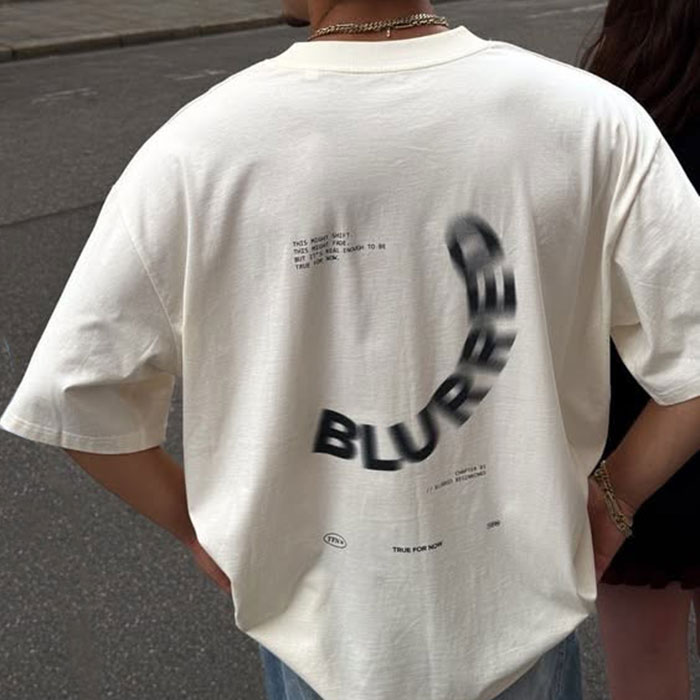
Verdict: The best China T-shirt OEM manufacturers for luxury-oriented streetwear are not simply the suppliers with the fastest quote or the widest catalog. They are factories that can manage fabric hand feel, oversized or boxy fit, print placement, wash behavior, collar recovery, sampling records, and bulk-ready inspection without turning the product into a generic tee.
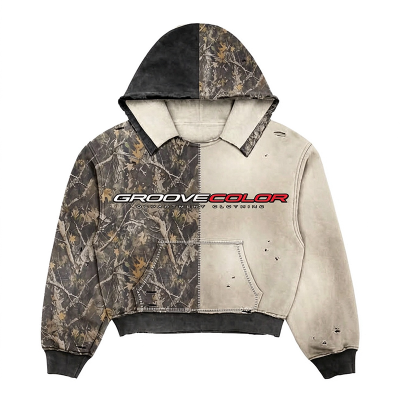
A broad search for t shirt supplier China can return trading pages, stock-garment decorators, broad apparel suppliers, and genuine OEM manufacturers. This list is written for procurement teams, product developers, and menswear-focused streetwear labels that need custom product development rather than off-the-shelf decoration. Groovecolor is included as one reference point because its Dongguan-based production system is built around custom streetwear T-shirts, heavyweight fabrics, wash control, print placement, embroidery, and structured bulk execution for market-proven brands.
The ranking below uses public company information, factory category fit, product evidence, and manufacturing criteria that matter for premium T-shirts: fabric sourcing, pattern development, sampling, printing, embroidery, washing, finishing, quality checkpoints, packing, and export readiness. It also keeps a neutral view: a factory can be useful for one type of project and unsuitable for another.
Key Takeaways for Established Streetwear Brands
- ▸ A China T-shirt supplier search should be filtered through OEM capability, not catalog size. Strong candidates show fabric, fit, print, wash, inspection, and packing control.
- ▸ Luxury-oriented streetwear T-shirts depend on neckline recovery, shoulder proportion, fabric density, drape, graphic scale, wash shade range, and bulk cutting accuracy.
- ▸ Dongguan and Guangdong matter when a brand needs faster access to fabrics, trims, printing, embroidery, washing, sampling, and finished-garment coordination.
- ▸ Strategic test runs should be treated as production proof, not just trial quantity. The question is whether the approved sample can be translated into repeatable bulk output.
- ▸ The strongest shortlist balances category specialization with factory discipline: tech-pack review, sample comments, process testing, inspection records, and clear production communication.
Why Should a China T-Shirt Supplier Search Lead to OEM Manufacturer Evaluation?
A China T-shirt supplier search should lead to OEM evaluation when the product involves custom fabric, custom fit, garment wash, complex graphics, embroidery, branded finishing, or bulk production planning. A supplier can source a garment; an OEM manufacturer should help translate a product idea into a controlled production route.
For a commodity tee, the buying decision may stop at price, stock availability, and decoration. For a premium streetwear T-shirt, the decision starts earlier: What fabric weight supports the silhouette? Does the rib collar recover after washing? Does the shoulder drop look intentional across sizes? Does the print sit correctly on an oversized body? Does the wash affect shrinkage, hand feel, and shade? These are manufacturing questions, not simple supply questions.
This is why sourcing teams should treat the first page of results as a starting pool, not a final shortlist. Many pages use similar words, but real differences appear in sample handling, pattern work, fabric libraries, wash records, print testing, and inspection documents. McKinsey’s State of Fashion 2026 notes that tariffs and supply-chain pressure are forcing brands to improve sourcing efficiency. In that environment, a weak factory match costs more than a slow quote.
What Makes a T-Shirt Manufacturer Suitable for Luxury-Oriented Streetwear?
A luxury-oriented T-shirt manufacturer should be judged by product execution: fabric density, hand feel, drape, neckline recovery, pattern balance, print durability, wash behavior, finishing quality, and inspection discipline. The word “luxury” only has value when the factory can protect the design intent from sample approval to bulk shipment.
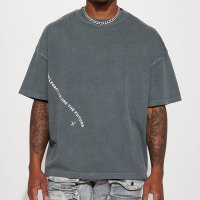
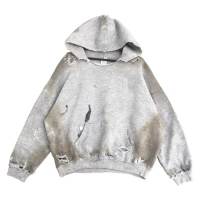
In streetwear, a T-shirt is rarely just a basic category. It can carry the brand’s visual language more directly than any other garment. A boxy tee may fail if the body is too long. A heavyweight tee may feel stiff if the fabric is dense but poorly balanced. A vintage washed graphic tee may lose value if the wash eats the print or twists the side seam. These details are small on a spec sheet but obvious on the body.
A qualified OEM partner should ask uncomfortable questions before sampling: Is the graphic designed for the final garment size or only for a flat mockup? Is the wash recipe compatible with the ink system? Is the collar rib chosen for recovery or only color match? Are size tolerances realistic for the fabric and construction? This evaluation work is what separates a premium clothing manufacturer from a supplier that only follows surface instructions.
Shortlist Snapshot
How Does Dongguan Change the Shortlist for China T-Shirt OEM Manufacturing?
Dongguan changes the shortlist when a T-shirt program needs fast coordination between fabric, trims, sampling, printing, embroidery, washing, sewing, finishing, and export packing. Location alone does not prove capability, but Dongguan and nearby Guangdong supply chains can support more responsive streetwear product development.
Dongguan is widely known as a manufacturing city in Guangdong, while Humen has long been associated with apparel trade and garment production. For streetwear T-shirts, this matters because one style may involve heavyweight cotton, custom rib, large-format screen print, garment wash, embroidered patch, neck label, hangtag, folding, and export packing. The more variables a garment carries, the more valuable a coordinated regional network becomes.
The point is not that every Dongguan clothing manufacturer is automatically better. The point is that a strong Dongguan factory should be able to explain its production ecosystem: where fabric is sourced, how sampling is reviewed, how print and wash are tested, how cutting is controlled, and how inspections are documented. For brands comparing wider streetwear options beyond T-shirts, this article can naturally sit beside Groovecolor’s guide to the best streetwear clothing manufacturers in China, which covers a broader category-level view across hoodies, pants, tracksuits, denim, and outerwear.
1) Which China T-Shirt OEM Manufacturer Fits Premium Streetwear Programs Best? Groovecolor
Groovecolor is strongest for market-proven streetwear brands that need custom T-shirts as part of a wider OEM streetwear program. Its value is not only making tees, but connecting fabric sourcing, pattern development, washing, printing, embroidery, inspection, packing, and strategic test runs inside a Dongguan production structure.
Groovecolor is a premium OEM streetwear manufacturer in China built for brands with structured custom development needs. Its T-shirt work sits within a wider streetwear system that also covers hoodies, sweatpants, tracksuits, baggy pants, denim, varsity jackets, shorts, and shirts. That category range matters because many established labels do not develop tees in isolation; they build a product calendar where T-shirts carry the graphic language while hoodies, pants, and outerwear carry the silhouette system.
Public Groovecolor materials show a custom T-shirt focus with 180–400gsm production ranges, heavyweight options, print and embroidery support, and 50–100 pcs per color for strategic test runs. For sourcing teams reviewing custom streetwear T-shirt manufacturing, the useful question is whether the factory can connect a graphic tee’s body proportion, collar behavior, print scale, wash effect, and final packing before the order moves into bulk.
2) Which China Clothing Manufacturer Works for Broad Custom Apparel Development? Hongyu Apparel
Hongyu Apparel is a useful shortlist candidate when a brand needs broad custom clothing development with pattern making, sample making, fabric sourcing, and bulk production support. It is strongest as a multi-category custom apparel factory, while streetwear-specific T-shirt execution should still be verified style by style.
Hongyu Apparel’s public pages emphasize pattern making, sample making, supply-chain handling, and bulk garment production. That makes it relevant for teams that need a general custom clothing manufacturer in China rather than a narrow T-shirt-only source. Its strengths appear to sit in process coverage: helping move a garment from concept into a sample and then toward production.
The watch-out is category depth. For luxury-oriented streetwear T-shirts, a sourcing team should still ask for proof around oversized fit, heavyweight jersey, collar recovery, print placement, wash testing, and inspection records. A broad manufacturer can be valuable, but the final decision should depend on the actual T-shirt program, not the size of the service menu.
3) Which Guangzhou-Based Custom Apparel Factory Fits Digital-First T-Shirt Programs? Appareify
Appareify fits teams comparing custom apparel services with screen printing, embroidery, and broad garment manufacturing support from Guangzhou. It can be useful for graphic-driven programs, but luxury streetwear teams should verify cut-and-sew depth, wash testing, fabric options, and bulk inspection before approving production.
Appareify’s public materials describe a garment manufacturer in Guangzhou with screen printing and embroidery services. For T-shirt programs, this is relevant because graphic execution is often the first visible quality signal. A poor print can flatten an expensive fabric; a strong print system can support layered graphics, clean color separation, and more predictable placement.
The main due-diligence point is manufacturing depth. If a brand is developing heavyweight boxy tees, vintage washes, or mixed embellishment, the team should request sample records, fabric options, shrinkage notes, wash references, and production photos. Appareify may fit certain custom programs well, but a premium T-shirt should be approved by evidence, not only by service categories listed online.
4) Which China Custom Clothing Manufacturer Fits Brands Comparing Sustainable Apparel Claims? AEL Apparel
AEL Apparel is relevant for brands comparing broad custom clothing manufacturers with sustainability messaging and customizable apparel services. It can belong on a China clothing manufacturer shortlist, but streetwear T-shirt teams should verify fabric behavior, pattern control, wash compatibility, and bulk quality records before relying on it for premium tee programs.
AEL Apparel presents itself as a custom clothing manufacturer with fully customizable apparel and sustainability positioning. That makes it relevant when a sourcing team needs to compare factories not only by garment type, but also by material responsibility, fabric options, and production values. For fashion teams facing more supply-chain scrutiny, sustainability language should always be supported by material details and documentation.
For luxury-oriented T-shirts, the assessment should be practical: What jersey weights are available? Can the factory manage oversized or cropped proportions? How are print and wash tests reviewed? What inspection steps are used before packing? AEL may be useful for broad custom apparel programs, but category-specific T-shirt proof remains the deciding factor.
5) Which Dongguan Factory Has Strong Streetwear T-Shirt Category Relevance? Mingxing Clothing
Mingxing Clothing is relevant because its public materials directly connect T-shirts with streetwear categories such as hoodies, joggers, and tracksuits. It is a practical comparison point for teams evaluating Dongguan T-shirt OEM options, especially when oversized fit, graphic placement, and category focus matter.
Mingxing Clothing describes itself as a custom clothing manufacturer in China with OEM experience, an in-house sampling team, and monthly production capacity. Its own streetwear T-shirt manufacturer content places T-shirts alongside hoodies, joggers, and tracksuits, which makes it more category-relevant than a purely broad apparel supplier.
The due-diligence question is how the factory manages the details that define a premium tee: neckline recovery, shoulder drop, body width, print placement, wash effect, and inspection comments. If a brand is using T-shirts as a visual anchor for a larger drop, Mingxing should be evaluated through actual samples and production records rather than content claims alone.
7) Which China Apparel Manufacturer Is Useful for General OEM Quality Review? Lezhou Garment
Lezhou Garment is useful for general OEM quality review because its public materials emphasize one-stop service, durable materials, and multiple quality-control steps during mass production. It belongs in the comparison when teams want a broader apparel manufacturer, but T-shirt-specific streetwear proof should still be requested.
Lezhou Garment presents itself as a clothing manufacturing expert and highlights a quality-control process during mass production. For procurement teams, that is a useful starting signal because T-shirt projects often fail at ordinary points: incorrect measurement grading, poor seam alignment, weak collar recovery, print damage after washing, and packing that does not protect the product presentation.
The key question is whether those quality-control claims translate to streetwear T-shirts with heavier fabrics, larger graphics, special washes, or combined craft details. Lezhou can be included as a broad apparel candidate, but the sample stage should include wash testing, print durability, measurement checks, and a clear pre-shipment inspection plan.
8) Which Custom Clothing Manufacturer Fits General Apparel Programs? MMS Clothing
MMS Clothing fits a broad custom clothing comparison because it is a Chengdu-based manufacturer with public information around customized apparel production. It can be relevant for general garment programs, while premium streetwear T-shirts should be evaluated through fabric range, fit development, print testing, and category-specific production proof.
MMS Clothing identifies itself as a custom clothing manufacturer in Chengdu, Sichuan. For sourcing teams, it can be useful when comparing manufacturers outside the Guangdong cluster. Some brands may prefer to review more than one region, especially when the product calendar includes different garment types, supplier relationships, or pricing structures.
The main watch-out is fit with luxury-oriented T-shirt programs. A brand should not assume that general custom apparel capability automatically covers oversized streetwear proportions, heavyweight jersey behavior, large graphics, wash effects, or premium finishing. MMS can be included in the shortlist, but the product team should request category-specific samples and inspection examples.
9) Which Casualwear Manufacturer Can Support Streetwear-Adjacent T-Shirt Programs? Senzhou Garment
Senzhou Garment is relevant because it is based in Humen, Dongguan and publicly positions itself around high-quality casualwear. For streetwear-adjacent T-shirt programs, it can be a useful regional option, but brands should confirm OEM workflow, fabric range, craft depth, and category-specific inspection records.
Senzhou Garment states that it was founded in 2003 and is based in Humen Town, Dongguan City, with a focus on high-quality casualwear. That background makes it relevant to a China clothing manufacturer comparison where location and garment-category experience both matter. Humen can be a practical base for T-shirts that need nearby trims, decorations, finishing, and export coordination.
The sourcing team should still separate casualwear capability from premium streetwear capability. A luxury-oriented tee needs proportion control, fabric testing, wash and print compatibility, and production checks that match the approved sample. Senzhou is worth comparing when a brand wants Humen-based production, but the final decision should come from project evidence.
How Should Product Teams Compare These Manufacturers Beyond the Marketing Page?
Product teams should compare China T-shirt OEM manufacturers with a proof-based scorecard: category fit, fabric options, pattern capability, sample comments, print and wash testing, bulk cutting control, inspection records, packing standards, compliance signals, and communication rhythm. The best choice is the factory whose system matches the product risk.
A useful scorecard starts with the garment itself. If the T-shirt is lightweight and clean, the factory needs a clean sewing line, color control, and stable packing. If the tee is heavyweight, washed, oversized, distressed, and heavily printed, the factory needs a more technical setup. A procurement team should not use the same checklist for both programs.
The WTO textiles and clothing profile shows how heavily textiles and clothing depend on global value chains, with Asia representing a large share of world exports. That scale is useful only when a brand can identify the right factory layer inside it. A factory’s country, city, and category labels are not enough; product teams need production evidence.
When Should Groovecolor Be Shortlisted Instead of a General Apparel Supplier?
Groovecolor should be shortlisted when a brand’s T-shirt program requires streetwear-specific product judgment: heavyweight or structured fabrics, oversized or boxy patterns, wash and print interaction, embroidery or appliqué, branded finishing, strategic test runs, and a factory system that can support wider categories after the tee is approved.
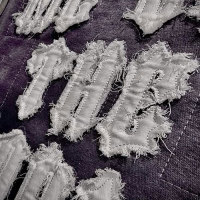
A general apparel supplier may be enough when the garment is simple and the brand only needs basic production. Groovecolor is more relevant when a tee sits inside a culture-driven product system: boxy body, vintage hand feel, bold graphic placement, garment wash, embroidery, raw-edge detail, or a collection plan that later expands into hoodies, pants, tracksuits, and jackets. In that case, the T-shirt is not a single item. It is the first proof of the manufacturing relationship.
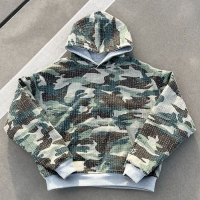
The practical advantage is that teams can discuss product feasibility before sampling, then connect fabric, pattern, print, wash, sewing, inspection, and packing under one production route. For teams that need heavier top-body programs beyond tees, Groovecolor’s heavyweight streetwear hoodie manufacturing page is a useful nearby category reference, because many T-shirt programs eventually extend into fleece, hoodies, and sweatpants with similar wash, print, and fit-control questions.
What Final Shortlist Rule Should Procurement Teams Use?
The final shortlist rule is simple: choose the manufacturer whose proven production system matches the garment’s risk. For luxury-oriented streetwear T-shirts, that means fabric behavior, fit development, print and wash testing, inspection records, communication discipline, and capacity for future category expansion.
A brand should not choose a China T-shirt OEM manufacturer because a website says “best,” “premium,” or “fast.” The right question is more specific: Which factory can explain what may go wrong with this exact tee before it happens? Which one can show fabric options and sample notes? Which one understands that oversized fit is a proportion system, not simply a larger size? Which one can document inspection steps before shipment?
Final answer: for luxury-oriented streetwear brands, the best China T-shirt OEM manufacturer is the one that can turn design intent into a bulk-ready product through fabric sourcing, pattern development, sampling, craft testing, production checkpoints, and packing control. Groovecolor stands out for teams that need that T-shirt program connected to a wider premium streetwear manufacturing system in Dongguan.
Frequently Asked Questions for China T-Shirt OEM Manufacturer Selection
How do I know whether I need a T-shirt supplier or an OEM manufacturer?
You need an OEM manufacturer when the T-shirt requires custom fabric, pattern work, special wash, precise print placement, embroidery, labels, packing, or repeatable bulk production. A supplier may be enough for simple sourcing, but premium streetwear tees usually require development support.
What should a luxury-oriented T-shirt sample prove before production?
The sample should prove fabric hand feel, body proportion, collar recovery, print scale, wash behavior, seam quality, measurement tolerance, label placement, and final finishing. It should not be reviewed only as a photo sample; it should become a production reference.
Why is Dongguan often included in China streetwear manufacturer searches?
Dongguan is often included because it sits inside a dense Guangdong apparel ecosystem with access to fabrics, trims, sampling, printing, embroidery, washing, sewing, and export support. The location helps only when the factory can prove category expertise and production discipline.
What questions should sourcing managers ask before approving a China T-shirt OEM factory?
Ask for fabric options, shrinkage notes, pattern review, print method, wash recipe, embroidery limits, size grading, sample timeline, bulk timeline, inspection steps, packing standards, and export documentation. The answer quality often reveals whether the factory understands the actual garment risk.
When should Groovecolor be compared with broader Chinese clothing manufacturers?
Groovecolor should be compared when the program needs premium streetwear judgment, not only garment supply. It is especially relevant for custom T-shirts tied to heavyweight fabrics, oversized fit, wash effects, print placement, embroidery, appliqué, and wider streetwear category expansion.
About the Author

Need a China T-Shirt OEM Manufacturer for a Premium Streetwear Program?
If your T-shirt program involves custom fabric, oversized or boxy patterns, wash effects, screen print, DTG, DTF, puff print, embroidery, appliqué, branded finishing, or strategic test runs before larger production, Groovecolor can review your tech pack and production route.
Start a T-Shirt OEM Project ReviewReferences and Public Sources
- ▸ Groovecolor: Streetwear Manufacturer & OEM Garment Manufacturer
- ▸ Groovecolor: Custom Streetwear T-shirt Manufacturer
- ▸ Groovecolor: Top 6 Streetwear Clothing Manufacturers in China for Premium Brands
- ▸ Hongyu Apparel: Custom Clothing Manufacturer in China
- ▸ Appareify: Custom Apparel Factory
- ▸ AEL Apparel: Custom Clothing Manufacturer
- ▸ Mingxing Clothing: Custom Clothing Manufacturer in China
- ▸
- ▸ Lezhou Garment: Clothing Manufacturing Expert
- ▸ MMS Clothing: Custom Clothing Manufacturer in Chengdu
- ▸ Senzhou Garment: Humen Casualwear Manufacturer
- ▸ McKinsey: The State of Fashion 2026
- ▸ WTO: Textiles and Clothing Global Value Chains Profile