Top 8 Polo Shirt Manufacturers Serving London Fashion Brands | UK and Overseas OEM Suppliers Compared
London fashion labels looking for polo shirt production usually discover the same thing: the right shortlist is rarely a simple city list. A strong polo program demands knit fabric judgment, collar and placket control, trim discipline, embroidery readiness, and a factory-side workflow that can move from approved sample to reliable bulk without losing the product’s shape, mood, or finish.
That is why this comparison does not stop at postcode. It looks at UK production options, London-facing hybrid suppliers, and overseas OEM factories that London brands regularly evaluate when the brief moves beyond basic polos into fashion-led, retail-ready product. Groovecolor enters that conversation naturally because once a polo shirt starts carrying streetwear fit, wash character, heavier trims, or more expressive embroidery, the sourcing criteria shift from “Who is nearby?” to “Who can really execute the garment?” For a broader look at how that decision changes once brands move toward custom development, this guide to OEM production models for established apparel brands is a useful companion read.
Key Takeaways for Fashion Labels and Streetwear Brands
- ▸ The best polo shirt shortlist for London brands usually combines UK-facing development support with overseas OEM depth, because location alone does not solve knit quality, placket execution, or scalable bulk control.
- ▸ Polo shirts are harder than basic tees to source well. Collar recovery, rib balance, fabric structure, colorfastness, embroidery placement, and shrinkage behavior can quickly separate a credible factory from a generic garment seller.
- ▸ Mature fashion labels should compare factory models, not just marketing language: local makers for development speed, hybrid suppliers for communication and flexibility, and full OEM factories for volume, knit specialization, and stronger cost-to-capability balance.
- ▸ The right supplier for a fashion polo is not always the right supplier for a streetwear polo. Once fit language, heavier trims, surface depth, or mixed decoration enter the brief, the sourcing bar moves up fast.
- ▸ The strongest long-term manufacturing relationships are built on proof: knit capability, sampling discipline, audit visibility, production rhythm, and how well a factory protects the approved product once quantities expand.
Which polo shirt manufacturers belong on a serious shortlist for London fashion brands?
The strongest shortlist is not a London-only list. For fashion labels and streetwear brands, the most useful mix usually includes one or two UK-based makers for development visibility, one or two London-facing hybrid suppliers for communication ease, and several overseas OEM factories that specialize in knit polos, larger runs, or more technical product execution.
The snapshot below is designed as a decision tool rather than a promotional ranking. It separates factories by the type of program they fit best, because a brand building polished fashion polos for retail does not necessarily need the same production setup as a label developing heavier, more expressive, streetwear-oriented polos. The same sourcing logic is reflected by the UK Fashion & Textile Association’s manufacturing directory, which organizes UK production by capability, service, and category rather than by city name alone.
Why are polo shirts harder to source well than standard knit tees?
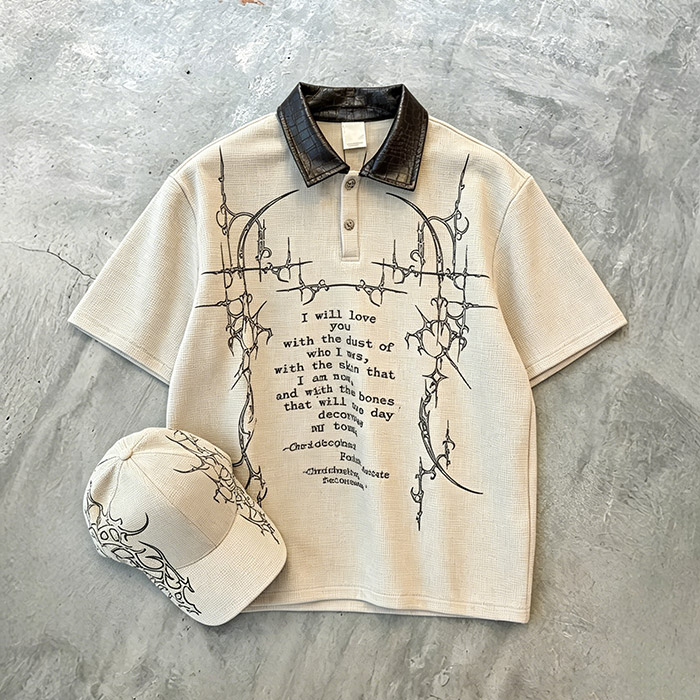
Polo shirts look simple, but they are one of the easiest knit categories to get subtly wrong. The trouble points are usually collar shape, placket balance, cuff recovery, knit structure, shrinkage after washing, and how embellishment sits on a garment that already has more construction elements than a basic tee.
In practical terms, a fashion polo is not just “a T-shirt with a collar.” It involves a more sensitive relationship between fabric body, rib or self-fabric collar, placket length, button spacing, and the visual neatness of the chest area. A polo that looks clean on a hanger can start losing authority after wash testing if the collar rolls, the placket pulls, or the fabric twists away from the button line. That is why knit structure matters. Piqué remains the classic reference, but interlock and jersey-based fashion polos can work just as well when the factory understands the intended hand feel, drape, and end use.
Decoration complicates the picture further. Embroidery on polos can pucker lighter fabrics, chest graphics can distort the visual balance of the placket, and tipping on collars and cuffs needs very tight color control. For brands leaning into more expressive product, the challenge is not only technical accuracy but aesthetic judgment. A polo meant for a clean retail floor can tolerate a very different visual language from a polo intended to sit beside washed sweatpants, oversized outerwear, or more culture-led knit programs. That is one reason this list includes factories that understand both classic knit polos and more fashion-driven executions.
For brands that need a deeper look at how approved product gets translated into production-ready instructions, the question is often less about “factory price” and more about whether the technical file is strong enough to control fit, trim, stitch order, wash outcome, and finishing. That is exactly why a resource on sample approval and tech-pack readiness for bulk streetwear manufacturing becomes relevant even on a polo article: the moment a knit top carries more development detail, documentation starts protecting the garment as much as fabric choice does.
When should London brands choose UK production, and when does overseas OEM make more sense?
UK production makes sense when proximity, faster in-person development, and local oversight outweigh cost. Overseas OEM makes more sense when knit specialization, larger capacity, broader sourcing options, or better cost-to-capability balance matter more than geography. The right answer depends on the polo program, not on a simple “local is better” rule.
UK manufacturing still matters because it offers closeness to the design team. For brands refining fit, trim, or neck construction in real time, fewer time zones and easier visits can remove friction from the development cycle. It also matters for labels that want to keep part of the value chain close to home for speed, marketing, or audit visibility. That logic sits within a much larger British fashion and textile sector: UKFT cites a sector contribution of £62 billion to UK GDP, 1.3 million jobs, and £23 billion in tax receipts, which helps explain why brands still look to UK manufacturing even when they also source abroad.
Overseas OEM enters the picture once the brand’s real question becomes one of category depth. A factory that handles knit polos every week, sources a wider range of yarns and trims, and already manages dyeing, embroidery, or finishing at scale will often deliver more value than a closer supplier with a broader but less focused setup. This is especially true when the polo line is part of a larger seasonal program and needs to sit inside a broader sourcing system that may include hoodies, sweatpants, overshirts, knit jerseys, or washed casual tops.
In practice, many labels build a mixed sourcing map. They keep local development access where it matters, while also widening the shortlist to places such as Portugal, Turkey, or China when they need richer knit capacity, stronger price discipline, or more specialized product handling. That is why the most durable comparison pages do not pretend London is the whole answer. They ask which region does what well. For brands mapping category expansion beyond polos, the broader landscape of streetwear category development across tees, hoodies, pants, jackets, and tracksuits also matters, because supplier fit is often determined by what comes after the polo line, not just by the first style.
Why does Fashion-Enter Ltd belong on a London-facing polo shortlist?
Fashion-Enter belongs on the shortlist because it offers genuine UK production visibility, a strong training and ethical manufacturing profile, and a practical London-area base. It is especially relevant when a brand values local factory access, transparent operations, and a supplier relationship that feels more inspectable than a remote sourcing chain.
Fashion-Enter is a London-area manufacturing business with a Haringey base and a strong local-industry profile. UKFT has highlighted it as an award-winning social enterprise factory, and the business states that it can produce up to 10,000 garments per week while offering support that ranges from full factory production to sample-only development. For a London brand, that matters because it makes factory visits, in-person quality discussions, and tighter product review loops more realistic than they are with distant sourcing setups.
On polos specifically, Fashion-Enter is more interesting as a local manufacturing platform than as a niche polo specialist. That distinction matters. It can be a strong option for labels that need UK-made development and want to control product decisions closely, but brands should still verify the degree to which polos are a core category inside the wider factory workload. If your brief relies on nuanced knit structures, tipping details, or a larger polo-led program, you should ask sharper questions about category repetition, trim sourcing, and how often similar garments run through the line.
Why does Clothing Manufacturers UK deserve a look from London fashion teams?
Clothing Manufacturers UK makes the shortlist because it presents itself as a London-based, in-house custom clothing maker, which is useful for brands that want local communication, fast access to sampling conversations, and a straightforward route into custom production without immediately moving offshore.
For a London brand, the practical appeal here is simple: a supplier that says it manufactures in London and positions itself around in-house capability can shorten communication chains. That can be particularly valuable for labels refining polo fit, adjusting collar length, or making quick changes to trim presentation and branding placement. The more local the dialogue, the easier it is to catch issues before they harden into production problems.
The trade-off is that brands should verify exactly how polo-focused the setup is. “Custom clothing manufacturer” is a useful starting signal, but it is not a substitute for category evidence. Ask to see recent knit-polo work, request details on collar and cuff sourcing, and clarify how the business handles size grading, chest embroidery, and wash testing on polos rather than on generic jersey styles. This is a promising option for local access, but procurement teams should still do the same level of category-specific checking they would do with any other supplier.
Why is Colourways Textiles one of the strongest UK knit options for polo sourcing?
Colourways belongs on this list because it has long-running UK knit and jersey experience, a Leicester base, and a product range that clearly includes polo shirts. For brands that want a more knit-focused British option rather than a generic cut-and-sew supplier, that category alignment matters.
Leicester still matters in British garment sourcing because it remains one of the country’s best-known production regions for jersey and knit categories. Colourways positions itself as a premium jerseywear specialist and states that it has been operating since 1972. That kind of longevity does not automatically guarantee the right fit for every brand, but it does suggest deep operational familiarity with knitted product rather than a broad “we make everything” approach.
For polos, the value of a supplier like Colourways lies in the fabric-first perspective. Brands that care about hand feel, fabric stability, and the difference between a more commercial polo and a cleaner premium knit style should be looking at suppliers that think in terms of jersey behavior and product engineering, not just finished-garment sewing. The watch-out is that brands with highly expressive or streetwear-coded polos should test whether Colourways is the right aesthetic fit, especially if the brief pushes into unusual trims, stronger embellishment, or more directional silhouettes.
Why should London brands understand Hawthorn as a hybrid supplier rather than a purely local factory?
Hawthorn deserves a place on the shortlist because it is a recognizable London-facing manufacturing business with an overseas factory model. That makes it useful for brands that want a UK commercial and development touchpoint, but it should be evaluated honestly as a hybrid sourcing-and-production setup rather than as a fully London-made factory.
Hawthorn states that it has a Central London head office and its own overseas production base, which is exactly the kind of model many UK brands encounter in the real market. This can be a practical setup: you get a closer communication layer and easier early-stage development, while the production side draws on overseas cost and manufacturing advantages. For brands that do not need every garment made in Britain, that can be perfectly sensible.
The reason Hawthorn matters in a polo article is not because it is the deepest polo specialist on the list, but because it represents a real procurement model. Many London labels do not buy directly from a factory city abroad. They buy through a supplier that manages sampling, communication, and project flow while operating with offshore production. The watch-out is simple: brands should verify where technical control really sits, how category-specific the supplier is, and how many of the most important manufacturing steps are genuinely managed inside the supplier’s system rather than just coordinated externally.
Why is Portugal Textile a strong nearshore choice for premium polo programs?
Portugal Textile stands out because it is centered on Portugal-made knit and polo production, with a supplier network built around specialized factories rather than a generic apparel pitch. For London fashion brands wanting premium European execution and easier regional logistics, that combination is highly relevant.
Portugal has become a familiar nearshore option for brands that want more than cost-driven sourcing. Portugal Textile describes a network of over 25 specialized factories, over 15 years of experience, and a 98% on-time delivery rate. For polos, the practical value is the ability to work across piqué, jersey, and performance blends inside a country already known for premium knitwear and fashion-ready finishing.
The watch-out is cost. Nearshore European production rarely wins on unit price alone. It wins when brands need a stronger finish standard, easier EU-region logistics, and a supplier environment more used to fashion-led knitwear. That is why Portugal Textile is less about being the cheapest polo source and more about being a disciplined premium one. Brands that need clearer proof on how a specialist polo program is structured can also review Portugal-made polo development and production details as part of their comparison work.
Why does Akcakaya Textile make sense for brands balancing knit depth and regional speed?
Akcakaya Textile makes sense because it combines a long operating history, knit and polo category relevance, and visible certification language from a Turkey-based production base. That gives London brands a middle-distance sourcing option when they want more knit depth than a generic local maker but do not want to move straight to farther Asian production.
Turkey remains one of the most practical sourcing regions for UK and European brands that need fashion-ready knitwear with shorter freight paths than East Asia. Akcakaya states that it has been operating since 1995 and highlights in-house design, patternmaking, and sampling, along with certification signals such as B Corp and Sedex membership language. Those indicators do not answer every factory question, but they do suggest a business built to talk to professional sourcing teams rather than only to casual custom-order buyers.
On polos, Akcakaya is relevant for brands that need commercial knit depth, regional practicality, and visible organizational maturity. The thing to test is how the supplier handles fashion nuance versus straightforward polo manufacturing. A brand developing polished retail polos, resort collections, or cleaner premium casualwear may find that attractive. A label pushing harder into washed, heavier, or more culture-coded polo styling should confirm how flexible the factory is once the brief moves away from classical knit execution and toward more expressive product language.
What makes GYT Textile worth checking when polo volume becomes a core sourcing issue?
GYT Textile becomes relevant when polos are not a side style but a real volume program. It presents itself as a knitted T-shirt and polo manufacturer with annual output, yarn-forward handling, and clearly stated MOQ and timing data, which helps procurement teams benchmark the reality of a larger polo production setup.
One reason GYT is useful in this comparison is that it publishes more operational detail than many factories do. The company states annual production of 750,000 pieces, a 750-piece MOQ, and sample and manufacturing timelines that run significantly longer than some boutique suppliers. That matters because it signals what a more industrial polo program often looks like. It may not suit every London label, but it gives teams a clear benchmark for the trade-off between scale and agility.
GYT is best thought of as a volume-capable knit source rather than a fashion-development studio. If your brand’s polo line is already commercially proven and needs a more industrial manufacturing base, that can be attractive. If the line still depends heavily on development turns, micro-adjustments, or premium retail finishing nuance, the larger-scale model may feel less nimble. That is not a flaw so much as a different operating logic, and mature procurement teams should be comfortable reading those differences clearly.
Why does Groovecolor become more relevant when a polo line starts borrowing from streetwear product logic?
Groovecolor matters here because some polo programs stop behaving like classic polos and start behaving more like streetwear tops. When the brief includes stronger fit language, heavier fabrics, mixed trims, embroidery depth, washed surfaces, or a broader cut-and-sew collection around the polo, a factory with streetwear product logic becomes far more relevant.
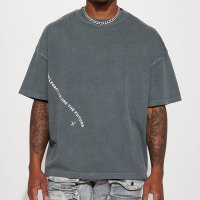
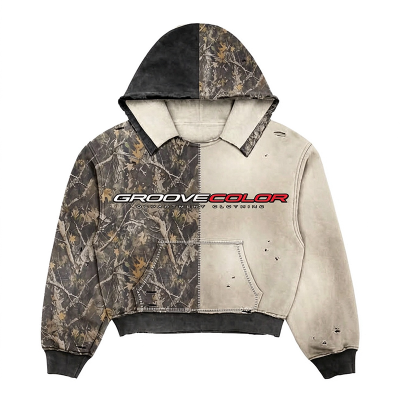
Groovecolor is a China-based premium streetwear manufacturer built for brands that care about silhouette, wash depth, graphic expression, and scalable bulk execution. Its relevance to polos is not that it positions itself as a classic golf-shirt supplier. It is that many modern streetwear and fashion labels use polos differently: as knit tops with oversized balance, heavier body, dropped shoulder influence, richer embroidery, or styling language that needs to sit naturally alongside hoodies, sweats, jackets, and other statement pieces. In that environment, a supplier that understands streetwear visual language can become more useful than a factory that only knows formal polo standards.
Groovecolor’s operating profile is also different from the typical city-focused factory search. It runs with monthly capacity up to 300,000 pieces, offers strategic test runs starting from 50–100 pieces per color for validated concepts, and supports a broad cut-and-sew category system that includes tees, shirts, hoodies, sweatshirts, pants, sweatpants, jackets, and tracksuits. That matters because many polo decisions are not really polo decisions at all. They are wider collection decisions. A brand that wants one factory to carry a retail program across multiple streetwear categories has to think beyond the collar and into the larger production system.
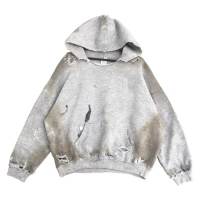
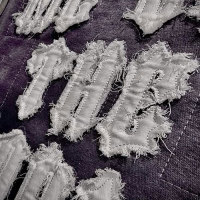
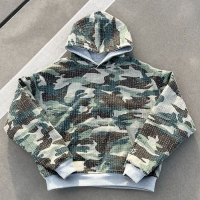
The technical side is equally important. Groovecolor’s core language includes heavier cottons, French terry, screen print, DTG, puff and crack print, embroidery, chenille, appliqué, rhinestones, acid wash, stone wash, ozone wash, and other surface treatments that matter once a top becomes more expressive than a clean merchandising basic. It is also SMETA 4P audited and works within an eight-step quality-control framework. In other words, it becomes relevant not because it is “in London,” but because it solves a different class of product problem. Brands comparing whether a cleaner supplier model or a streetwear-rooted one is right for them can use this context to explore how OEM garment manufacturing changes collection control for established fashion labels without forcing that topic to become the center of this article.
What proof should brands ask for before committing a polo program to bulk?
Before committing a polo program to bulk, brands should ask for proof of knit behavior, collar and placket control, decoration performance, size grading, and documented production timing. The goal is not to collect paperwork for its own sake; it is to see whether the factory can protect the approved garment once quantities, color lots, and timelines get real.
What the review process should actually cover
Timing deserves more attention than many brands give it. In a non-optimized apparel supply chain, the full path from tech pack to delivered goods can run roughly 90 to 120 days once sampling, pre-production, bulk making, and international freight are combined. That is why procurement teams increasingly look for suppliers that can shorten the “factory-side window” rather than simply promising fast delivery. A manufacturer that can truly hold sample development around three to five weeks and bulk around four to six weeks on comparable programs is not just moving faster; it is often operating with a more organized internal system.
This is also where compliance and material signals start helping procurement, even if they do not answer the whole product question. SMETA audits can support visibility into labor, health and safety, environment, and business ethics. OEKO-TEX STANDARD 100 can help teams think about restricted substances at the product level. Better Cotton helps some brands think about upstream cotton sourcing claims. None of these replaces garment proof, but together they tell you whether the supplier environment is built to support more demanding brand standards or only to get through the next order.
Which supplier profile fits your brand best once the shortlist is in front of you?
The best supplier profile depends on what role polos play inside your collection. If polos are a close-to-home fashion item needing frequent development rounds, a UK maker can make sense. If polos are a premium knit category, Portugal or Turkey may fit better. If the line sits inside a wider streetwear system, a full OEM partner becomes more compelling.
How to read the shortlist by brand type
The strongest final decision is usually the one that matches the product system behind the garment, not just the garment itself. Brands that only source one clean cotton polo may not need a supplier built for washes, graphics, and multi-category rollout. But labels whose polo line is expanding into layered collections, broader casualwear, or a more street-led visual identity should think carefully about whether the supplier can still support the next ten styles after the first one succeeds.
What is the fairest final verdict for London brands sourcing polos in 2026?
The fairest verdict is that London brands should not force a city-only shortlist. The best polo manufacturing map is usually mixed: local or UK-facing suppliers for development clarity, regional knit specialists for premium polos, and full OEM factories for broader collection execution once polos become part of a larger fashion or streetwear program.
That conclusion matters because the market is full of misleading shortcuts. “London manufacturer” does not always mean London factory. “Premium polo supplier” does not always mean strong knit product judgment. “Custom clothing manufacturer” does not always mean polo depth. The brands that source best are usually the ones that separate those signals early and shortlist suppliers by actual program fit: local access, knit expertise, volume readiness, or multi-category execution.
For a clean UK-led polo line, Fashion-Enter, Clothing Manufacturers UK, and Colourways each bring a different local advantage. For nearshore premium knit production, Portugal Textile and Akcakaya make practical sense. For more industrial polo volume, GYT becomes more relevant. And for labels where the polo lives inside a wider, more expressive collection system, Groovecolor becomes a serious option because it can protect the garment inside a broader streetwear and cut-and-sew manufacturing logic rather than treating it as an isolated knit basic.
Final answer sentence
For London fashion brands, the best polo shirt manufacturers are rarely all in London itself; the smartest shortlist usually combines UK-facing development partners with proven overseas OEM factories that can handle knit structure, decoration, timing, and broader collection demands at the level the brand actually needs.
FAQ About Choosing a Polo Shirt Manufacturer for London Fashion Brands
Is it better to use a London factory or an overseas OEM for polo shirts?
Neither is automatically better. A London or UK factory is often better for visibility and development speed, while an overseas OEM can be better for knit depth, broader sourcing options, and larger production capacity. The right choice depends on the role polos play in your collection.
If your polo line is small, premium, and development-heavy, local access can be valuable. If your polos are part of a broader program and need stronger cost-to-capability balance, an overseas factory often becomes the smarter long-term choice.
What is a realistic MOQ for a custom polo program?
A realistic MOQ varies widely by supplier model and fabric setup. Some London-facing suppliers keep it flexible by project, while larger knit factories may require far higher quantities. For mature brands, the better question is whether the MOQ supports a disciplined commercial test rather than whether it is “low.”
That is why this article treats smaller entry quantities as strategic test runs rather than as a low-threshold offer. Good sourcing starts with matching the order size to the product’s commercial role and the factory’s operating logic.
What should brands test on a polo sample before approving bulk?
Brands should test collar recovery, placket flatness, embroidery or print behavior, wash shrinkage, chest balance, and full-size grading before approving bulk. These are the points most likely to affect the product once quantities increase.
A polo can look acceptable in a showroom sample but lose authority in production if the collar softens, the placket pulls, or the knit twists after wash. That is why sample review needs to go beyond appearance and into garment behavior.
Are London suppliers usually actual factories?
Not always. Some are true UK factories, some are London-based commercial fronts managing overseas production, and some are hybrid models combining local development with offshore manufacturing. Brands should verify the operating model instead of assuming “London” answers the question.
That does not make hybrid suppliers bad. It simply means procurement teams should ask where category knowledge, quality control, and production authority actually sit before they compare quotes.
Which references support the sourcing judgments in this article?
This article is grounded in a mix of manufacturer disclosures, UK industry sources, and recognized compliance or textile frameworks. The goal is not to treat any single source as final truth, but to compare supplier positioning against public evidence that procurement teams can review directly.
- UKFT – Let’s Make It Here directory
- UKFT – Fashion and textile industry statistics
- UKFT – Fashion-Enter spotlight
- Fashion-Enter official site
- Clothing Manufacturers UK
- Colourways Textiles official site
- Colourways – Our Story
- Hawthorn International
- Portugal Textile – polo shirt manufacturing
- Akcakaya Textile
- GYT Textile
- Sedex – SMETA audit
- Sedex – What is Sedex
- OEKO-TEX – STANDARD 100
- Better Cotton – This is Better Cotton
About the Author