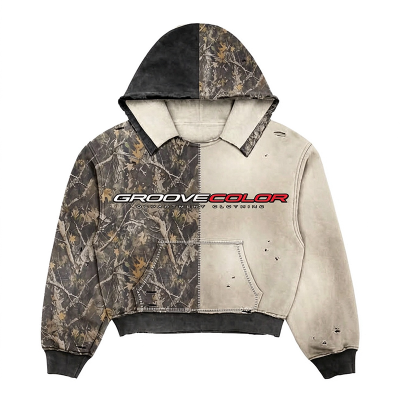
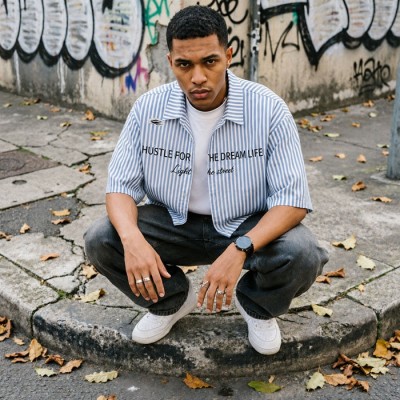
Top 10 Best Sweatsuit Manufacturers in USA for Streetwear Brands
For established streetwear brands, the sweatsuit is more than just comfortable apparel; it's a core canvas for brand identity, quality, and cultural relevance. As your brand scales, the search for a reliable sweatsuit manufacturer becomes a strategic imperative. Moving beyond generic blanks to full custom production is a critical step, but it introduces complex challenges in quality control, fabric consistency, and production scalability. This guide provides a framework for navigating the U.S. manufacturing landscape, helping you identify partners who can not only produce but elevate your vision, ensuring every drop strengthens your brand's position in a competitive market.
Key Takeaways for Streetwear Brands
- ▸ Scaling sweatsuit production requires manufacturers with deep expertise in heavyweight fabrics (400-600gsm), complex wash techniques, and consistent fit replication for silhouettes like oversized and boxy cuts.
- ▸ Top-tier American sweatsuit manufacturers offer integrated services, including pattern making, automated cutting, and in-house quality control, which are critical for minimizing risk and ensuring bulk production matches approved samples.
- ▸ Evaluating a manufacturer's production capacity, quality certifications (like ISO 9001 or SMETA), and experience with the specific demands of streetwear is more critical than focusing solely on price or MOQ.
- ▸ Partnering with a domestic sweatsuit manufacturer in the USA can significantly shorten lead times, improve communication, and enhance supply chain transparency, offering a strategic advantage for brands focused on agility and quality.
Why Your Choice of Sweatsuit Manufacturer Defines Your Brand's Future
In the hyper-competitive streetwear landscape, a brand is ultimately judged by the quality of its products. While design and marketing create initial hype, it is the tangible experience of a garment—the fabric's weight, the fit's precision, the durability of the print—that builds lasting loyalty. For this reason, the selection of a sweatsuit manufacturer is not merely a procurement decision; it is one of the most critical strategic choices a growing streetwear brand will make. This partnership directly impacts your brand's reputation, its ability to scale, and its long-term profitability. The right manufacturer acts as an extension of your brand, a guardian of your quality standards, and a collaborator in your creative vision. The wrong one can become a bottleneck, a source of inconsistency, and a drain on resources, ultimately undermining the brand equity you've worked so hard to build.
The global streetwear market, valued at over USD 347 billion in 2024, is a testament to the sector's immense cultural and commercial power [1]. Within this market, sweatsuits have evolved from basic athletic wear to foundational pillars of modern wardrobes. They are canvases for artistic expression, statements of belonging, and symbols of a lifestyle that values both comfort and aesthetics. As brands mature, they move from printing on stock blanks to creating fully custom garments. This transition to cut-and-sew production unlocks creative freedom but also introduces a new level of complexity. It demands a manufacturing partner who understands the specific nuances of streetwear: the demand for heavyweight French terry, the subtleties of a boxy versus an oversized fit, and the technical execution of vintage washes or complex embroidery. A generic apparel factory, accustomed to mass-market basics, will often struggle to meet these exacting standards, leading to disappointing samples and inconsistent bulk production.
The Core Challenges in Scaling Sweatsuit Production
As a streetwear brand grows, the initial excitement of selling out a small drop gives way to the operational realities of scaling. The leap from producing 100 pieces to 5,000 reveals the structural weaknesses in a supply chain. When it comes to sweatsuits, these challenges are particularly acute. The very qualities that make a sweatsuit premium—heavyweight fabric, precise fit, and detailed finishing—are the hardest to maintain at scale. A manufacturer that excels at small-batch orders may not have the equipment, processes, or quality control systems to handle volume production without compromising on the details that define your brand. This is the critical juncture where many promising brands falter, caught between rising demand and a manufacturing infrastructure that cannot keep pace.
Key Manufacturing Hurdles for Streetwear Brands
Fabric Consistency and Sourcing
Fit and Pattern Integrity
Quality Control at Scale
1. Los Angeles Apparel: The Vertically Integrated Powerhouse
Founded by Dov Charney, the visionary behind American Apparel, Los Angeles Apparel has established itself as a cornerstone of the American garment industry [2]. The company operates on a vertically integrated model, controlling nearly every aspect of production—from knitting the fabric to dyeing and finishing—all within its South-Central Los Angeles facilities. This high degree of control allows for exceptional quality assurance and rapid turnaround times. For streetwear brands, Los Angeles Apparel offers a robust selection of basics, including their renowned heavyweight fleece sweatsuits, which serve as a premium canvas for printing and embroidery. Their commitment to fair wages and domestic production also provides a powerful marketing narrative for brands that prioritize ethical manufacturing.
What sets Los Angeles Apparel apart is their unwavering commitment to American-made quality. By owning the knitting machines that create their fleece and the dye house that colors it, they have an unparalleled level of control over their core materials. This allows them to innovate in fabric development and offer a level of consistency that is difficult for other manufacturers to match. For a streetwear brand, this means access to a reliable supply of premium, American-made fabric that serves as a consistent foundation for every collection. Their 14oz heavyweight fleece has become an industry standard for premium streetwear blanks, offering the substantial hand-feel that discerning consumers expect.
2. Independent Trading Company: The Fleece and Hoodie Specialist
With a laser focus on fleece and outerwear, Independent Trading Company has become a go-to source for brands that demand high-quality, durable hoodies and sweatsuits [3]. While they offer a wide range of blank apparel, their strength lies in the quality and variety of their fleece products. They offer everything from standard midweight fleece to premium heavyweight options, available in a vast array of colors. Their garments are known for their consistent construction and excellent printability, making them a reliable choice for brands that need a dependable supply of high-quality blanks for their collections. Their deep inventory and efficient distribution network ensure that brands can get the products they need, when they need them.
Independent Trading Company's strength lies in its specialization. By focusing primarily on fleece, they have developed a deep expertise in the category. They understand the nuances of different fleece weights, blends, and finishes, and they have optimized their products for various decoration techniques. This specialization makes them an incredibly reliable partner for brands that have built their identity around graphic hoodies and sweats. They may not offer the full cut-and-sew customization of other manufacturers, but for high-quality, ready-to-decorate blanks, they are an industry leader. Their IND4000 heavyweight hoodie is a particular favorite among streetwear brands for its quality and durability.
3. Royal Apparel: The Eco-Conscious and Organic Option
For streetwear brands with a focus on sustainability, Royal Apparel offers a compelling proposition [4]. Based in New York, they have carved out a niche by specializing in organic and eco-friendly fabrics, including organic cotton, recycled polyester, and bamboo. They offer a full range of services, from providing high-quality blanks to full-package cut-and-sew production. Their commitment to domestic manufacturing and sustainable sourcing allows brands to build a product line that is not only stylish but also environmentally responsible. This aligns perfectly with the growing consumer demand for transparency and ethical production in the fashion industry.
Royal Apparel's commitment to sustainability extends beyond offering organic and recycled fabrics. They have invested in eco-friendly production processes, including the use of non-toxic, low-impact dyes. This is a critical differentiator for brands targeting environmentally conscious consumers. By partnering with Royal Apparel, a brand can build a compelling narrative around a truly sustainable supply chain, from the cotton farm to the finished garment. Their ability to provide both blanks and custom manufacturing offers a scalable path for brands as they grow and expand their sustainable product offerings.
4. Stylus Apparel: The Full-Package Customization Expert
Stylus Apparel operates as a one-stop shop for brands that require a high degree of customization [5]. They offer a comprehensive suite of services, including cut-and-sew manufacturing, screen printing, embroidery, and private labeling. This integrated approach simplifies the production process, as brands can manage their entire production workflow through a single point of contact. Their willingness to work with various order quantities makes them an accessible option for emerging brands, while their full-package capabilities can also support the needs of more established labels looking to produce more intricate or specialized pieces.
Stylus Apparel's key advantage is its accessibility. By offering a full suite of customization services, they provide a crucial bridge for brands looking to transition from blanks to full cut-and-sew production. Their integrated model, which combines manufacturing with decoration services like screen printing and embroidery, simplifies the production process for emerging brands. This allows founders to focus on design and marketing, rather than getting bogged down in complex supply chain logistics. Their Los Angeles location also means faster communication and shorter lead times for domestic brands.
5. Apparel Branders: The Los Angeles-Based Concept-to-Completion Partner
Situated in the heart of the Los Angeles fashion district, Apparel Branders provides a full-service manufacturing solution, guiding brands from the initial concept to the final, retail-ready product [6]. They specialize in private label and custom clothing, offering everything from pattern making and sample development to full-scale production. Their location in the epicenter of American streetwear gives them a unique understanding of the market's trends and quality expectations. They are a strong choice for brands that want a hands-on, collaborative manufacturing experience with a partner who is deeply embedded in the culture.
Apparel Branders' strength lies in their ability to manage the entire product development lifecycle. From the initial sketch to the final packaged product, they offer a seamless experience that is particularly valuable for brands that may not have extensive in-house production expertise. Their team can assist with technical design, fabric sourcing, and production planning, ensuring that the final product meets both the creative vision and the practical requirements of a successful streetwear launch. This comprehensive approach reduces the risk of costly errors and delays.
6. Maker's Row: The Platform for Discovering Vetted Domestic Factories
While not a manufacturer itself, Maker's Row is an invaluable resource for any brand looking to produce in the USA [7]. It is a platform that connects brands with a network of over 10,000 vetted American factories. For brands seeking a sweatsuit manufacturer, Maker's Row provides a powerful tool to search, filter, and connect with factories based on their specific capabilities, minimums, and location. It demystifies the sourcing process and provides a level of transparency that can be difficult to achieve through traditional sourcing methods. It is an essential tool for any brand serious about building a domestic supply chain.
Maker's Row is not a manufacturer, but a critical piece of the modern domestic manufacturing ecosystem. The platform functions as a curated, searchable database of American factories. Its power lies in its ability to connect brands with manufacturers that have been vetted for quality and reliability. For a brand seeking a specific capability—for example, a sweatsuit manufacturer in the Midwest that works with heavyweight organic cotton—Maker's Row can transform a weeks-long search into a few clicks. It is an indispensable tool for building a diversified and resilient domestic supply chain.
7. Lefty Production Co.: The High-End, Full-Service Development House
Also based in Los Angeles, Lefty Production Co. is a full-service development house and manufacturer that works with some of the biggest names in fashion. They offer a comprehensive range of services, from sketching and pattern making to sourcing and production management. Their team of experienced designers, pattern makers, and production managers provides a high-touch service, making them an excellent choice for brands that require a high level of support and expertise. They are particularly well-suited for brands that are looking to produce premium, high-end sweatsuits that require intricate detailing and a flawless finish.
Lefty Production Co. distinguishes itself through its high-touch, consultative approach. They work closely with brands to understand their vision and translate it into a manufacturable product. Their expertise in technical design and production planning is invaluable for brands that are pushing the boundaries of streetwear design, incorporating complex construction techniques or innovative materials. While their services may come at a premium, the level of expertise and attention to detail they provide can be a worthwhile investment for brands targeting the high end of the market.
8. Portland Garment Factory: The Pacific Northwest Cut-and-Sew Specialist
Located in Portland, Oregon, Portland Garment Factory (PGF) has built a strong reputation as a reliable cut-and-sew manufacturer for a wide range of apparel and soft goods [8]. They specialize in custom manufacturing, creating fabric-based products that blend functionality, design, and innovation. PGF offers services from product development and sampling to full-scale production, making them a versatile partner for streetwear brands at various stages of growth. Their Pacific Northwest location provides an alternative to the LA-centric manufacturing scene, offering brands on the West Coast a more local option.
Portland Garment Factory's approach emphasizes precision and quality in every step of the manufacturing process. Their in-house team handles cut and sew production with meticulous attention to detail, whether it's a limited run or a larger-scale order. They finish each piece with care, adding custom labels, tags, and packaging to create a complete, retail-ready product. For streetwear brands seeking a manufacturer outside of the traditional Los Angeles hub, PGF offers a compelling combination of quality craftsmanship and a collaborative, design-forward approach.
9. ARGYLE Haus: The Full-Service Los Angeles Fashion Incubator
ARGYLE Haus positions itself as more than just a manufacturer; they are a fashion incubator that helps brands at every stage of their journey [9]. From business consulting and design services to manufacturing and marketing, they offer a holistic suite of services designed to help fashion brands launch and grow. Their manufacturing capabilities are robust, with a focus on high-quality, cut-and-sew production in Los Angeles. They are an ideal partner for brands that are looking for more than just a production facility; they are looking for a strategic partner who can provide guidance and support across all aspects of their business.
ARGYLE Haus's incubator model is particularly valuable for emerging streetwear brands that may lack experience in the complexities of fashion production. Their team can provide mentorship and guidance on everything from developing a tech pack to navigating the intricacies of fabric sourcing. This holistic support can significantly reduce the learning curve and help new brands avoid common pitfalls. For more established brands, their manufacturing capabilities and industry connections can still provide significant value.
10. Bullet Blues: The American Denim and Apparel Manufacturer
Bullet Blues is a 100% American-made apparel manufacturer based in St. Louis, Missouri [10]. While they are perhaps best known for their denim, they also offer full-package manufacturing services for a range of apparel, including sweatsuits and fleece. Their commitment to domestic production and quality craftsmanship makes them a strong option for brands that want to emphasize the "Made in USA" story. They offer services from design and pattern making to cutting, sewing, and finishing, providing a complete solution for brands looking to produce high-quality, American-made streetwear.
Bullet Blues' Midwest location offers a unique advantage in terms of logistics and potentially lower overhead compared to coastal manufacturing hubs. Their expertise in denim also translates to a strong understanding of durable, high-quality construction techniques that are applicable to sweatsuit production. For brands looking to diversify their supply chain geographically or seeking a manufacturer with a strong commitment to American-made quality, Bullet Blues represents a compelling option worth exploring.
Comparative Analysis: Finding the Right Fit for Your Brand
Choosing a manufacturer is not a one-size-fits-all decision. The ideal partner for your brand will depend on your specific needs, your production volume, your budget, and your long-term goals. To help you navigate this decision, we've created a comparative table that highlights the key strengths and specializations of each manufacturer on our list. Use this table as a starting point for your research, and remember to conduct your own due diligence, including requesting samples and visiting facilities, before making a final decision.
| Manufacturer | Key Strengths | Best For |
|---|---|---|
| Los Angeles Apparel | Vertical integration, premium blanks, made in USA | Brands wanting high-quality, ethically made blanks with fast turnarounds |
| Independent Trading Co. | Fleece and hoodie specialization, wide color selection | Brands focused on high-quality fleece blanks for printing and embroidery |
| Royal Apparel | Eco-friendly and organic fabrics, sustainable practices | Brands with a strong focus on sustainability and ethical production |
| Stylus Apparel | Full-package customization, integrated decoration services | Emerging brands needing a high degree of customization with accessible minimums |
| Apparel Branders | Concept-to-completion service, LA fashion district expertise | Brands seeking a collaborative, hands-on manufacturing experience in Los Angeles |
| Maker's Row | Platform for discovering vetted domestic factories | Brands looking to build a domestic supply chain and discover new manufacturing partners |
| Lefty Production Co. | High-end development and production, full-service support | Premium and luxury brands requiring a high level of expertise and a flawless finish |
| Portland Garment Factory | Pacific Northwest location, precision cut-and-sew | Brands seeking a quality manufacturer outside of the LA hub |
| ARGYLE Haus | Fashion incubator model, holistic business support | Startups and emerging brands looking for a strategic partner to help with all aspects of their business |
| Bullet Blues | 100% American-made, Midwest location, durable construction | Brands emphasizing Made in USA and seeking geographic supply chain diversification |
Deep Dive: Vetting a Potential Manufacturing Partner
Selecting a manufacturer is a high-stakes decision that requires rigorous due diligence. Beyond the glossy brochures and sales pitches, you need to develop a deep understanding of a potential partner's capabilities, culture, and commitment to quality. This vetting process should be systematic and thorough, leaving no stone unturned. Start by requesting a comprehensive sample package that includes not just their standard sweatsuit blanks, but also examples of more complex techniques you plan to use, such as custom dyeing, embroidery, or specialty printing. Scrutinize these samples for fabric quality, color consistency, stitch density, and overall construction. Don't be afraid to put them through rigorous testing—wash them multiple times to check for shrinkage and colorfastness. This initial physical inspection will tell you more about a manufacturer's quality standards than any certificate or claim.
Once you've assessed their physical output, the next step is to evaluate their operational infrastructure. Request a virtual or, if possible, an in-person tour of their facility. Pay close attention to the organization of the production floor, the modernity of their equipment, and the implementation of their quality control processes. Do they have dedicated QC staff at each stage of production? How do they track and manage orders? A well-organized, transparent facility is a strong indicator of a professional and reliable operation. Furthermore, ask for client references—specifically from brands that are similar in size and scope to your own. A frank conversation with a current client can provide invaluable insights into a manufacturer's communication style, reliability, and ability to handle challenges when they inevitably arise.
Understanding Fabric: The Foundation of a Premium Sweatsuit
The quality of a sweatsuit begins and ends with its fabric. For streetwear brands, fabric selection is not just a technical decision; it is a defining element of the brand's identity. The weight, texture, and drape of the fabric directly influence the garment's silhouette, its comfort, and its perceived value. A deep understanding of the different fabric types available is essential for any brand looking to produce premium sweatsuits. The two most common fabrics used in sweatsuit production are French terry and fleece. French terry is a knit fabric with loops on one side and a smooth, soft surface on the other. It is known for its breathability and moisture-wicking properties, making it a popular choice for lighter-weight sweatsuits and for warmer climates. Fleece, on the other hand, has a brushed, fuzzy texture on both sides, providing superior insulation and warmth. It is the fabric of choice for heavyweight, cozy sweatsuits that are designed to be worn in colder weather.
Within these two broad categories, there is a wide range of variations in weight, composition, and finish. Fabric weight is measured in grams per square meter (GSM). A standard, midweight sweatsuit might use a fabric in the 280-350 GSM range. However, the current trend in streetwear favors heavyweight fabrics, often in the 400-600 GSM range. These heavier fabrics create a more substantial, luxurious feel and allow for a more structured, oversized silhouette. The composition of the fabric also plays a critical role. While 100% cotton offers a natural, breathable feel, it is prone to shrinkage and may not hold its shape as well over time. A cotton-polyester blend, on the other hand, offers improved durability, shape retention, and colorfastness. Some manufacturers also offer fabrics with a small percentage of elastane or spandex, which adds stretch and improves the garment's recovery after washing.
For brands that prioritize sustainability, there is a growing range of eco-friendly fabric options. Organic cotton, grown without the use of synthetic pesticides or fertilizers, is a popular choice. Recycled polyester, made from post-consumer plastic bottles, is another option that reduces the environmental impact of production. Some manufacturers are also experimenting with innovative new materials, such as fabrics made from bamboo, hemp, or Tencel. When selecting a fabric, it is crucial to work closely with your manufacturer to understand the sourcing, the specific properties of the fabric, and how it will behave during the dyeing and finishing processes. Requesting lab dips and wash tests before committing to a large production run is a standard best practice that can prevent costly surprises down the line.
The Art and Science of Garment Construction
Beyond the fabric, the quality of a sweatsuit is determined by the precision and skill of its construction. This is where the expertise of a seasoned manufacturer truly shines. The construction process begins with pattern making, the art of translating a design into a set of two-dimensional templates that will be used to cut the fabric. A skilled pattern maker understands how different fabrics behave and can create patterns that account for shrinkage, stretch, and drape. They can also grade patterns across a full size range, ensuring that the fit is consistent and flattering from size XS to 3XL. This is a particularly important skill for streetwear, where oversized and boxy fits require a nuanced understanding of proportions to avoid looking sloppy or ill-fitting.
Once the patterns are finalized, the fabric is cut. For high-volume production, this is typically done using automated cutting machines, which use computer-guided blades or lasers to cut through multiple layers of fabric with extreme precision. This technology ensures that every piece is identical, which is critical for maintaining fit consistency across a large production run. After cutting, the pieces are assembled by skilled sewing operators. The type of stitching used is a key indicator of quality. Flatlock stitching, for example, creates a smooth, flat seam that is comfortable against the skin and is less likely to unravel. Reinforced stitching at stress points, such as the shoulders, cuffs, and pockets, adds durability. The quality of the finishing touches, such as the ribbing on the cuffs and waistband, the drawstring on the hood, and the placement of the labels, also contributes to the overall perception of quality.
Mastering the Wash: Achieving Signature Finishes
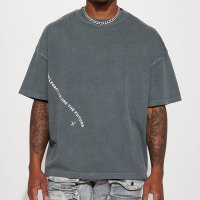
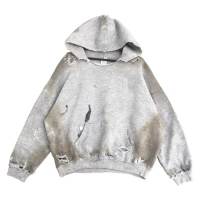
In streetwear, the finish of a garment is often as important as its construction. Wash techniques are used to achieve a wide range of aesthetic effects, from a soft, broken-in feel to a vintage, distressed look. A garment dye, where the finished garment is dyed rather than the fabric, creates a unique, slightly uneven color that has a lived-in quality. Enzyme washes use natural enzymes to soften the fabric and create a subtle, worn look. Acid washes and stone washes create more dramatic, high-contrast effects. These techniques require specialized equipment and expertise. Not all manufacturers have the in-house capability to perform these washes, and outsourcing them to a third-party laundry can introduce inconsistencies and delays. When evaluating a potential manufacturing partner, it is important to understand their finishing capabilities and to request samples of the specific wash techniques you plan to use.
The dyeing process itself is another area where quality can vary significantly. Achieving consistent color across a large production run is a significant challenge. Variations in the fabric, the water, and the dye lot can all lead to shade inconsistencies. A reputable manufacturer will have rigorous color management processes in place, including the use of spectrophotometers to measure and match colors precisely. They will also provide lab dips for approval before dyeing the bulk fabric, allowing you to verify that the color meets your specifications. For brands that use multiple colors in their collections, it is also important to ensure that the colors are consistent across different fabric types and weights. A skilled dye house can achieve this level of consistency, but it requires expertise and attention to detail.
Building a Resilient Supply Chain: Lessons from Industry Leaders
The past few years have been a masterclass in the importance of supply chain resilience. Brands that relied on single-source, overseas suppliers were hit hard by port congestion, factory closures, and shipping delays. The lesson is clear: a diversified, agile supply chain is not a luxury; it is a necessity. For streetwear brands, this means building relationships with multiple manufacturing partners, ideally in different geographic regions. It also means investing in supply chain visibility, using technology to track orders in real-time and to anticipate potential disruptions. A domestic manufacturing partner can be a key component of a resilient supply chain. While they may not be the lowest-cost option for every product, they offer speed and flexibility that can be invaluable when you need to respond quickly to a trend or to replenish a best-selling item. By strategically blending domestic and overseas production, brands can create a supply chain that is both cost-effective and resilient.
Communication is the lifeblood of a healthy manufacturing relationship. Establishing clear lines of communication from the outset is essential. This includes agreeing on the preferred methods of communication, the expected response times, and the key contacts for different types of inquiries. Regular check-ins, whether weekly or bi-weekly, can help to keep projects on track and to identify potential issues before they become major problems. When problems do arise, a collaborative approach to problem-solving is far more effective than an adversarial one. A good manufacturing partner will be proactive in communicating challenges and will work with you to find solutions. This kind of partnership is built on trust and mutual respect, and it is the foundation for a long-term, successful relationship.
The Unsung Hero: The Importance of a Detailed Tech Pack
In any conversation about manufacturing, the technical package, or "tech pack," is the single most important document. It is the blueprint for your garment, a comprehensive set of instructions that leaves no room for ambiguity. A well-executed tech pack is the difference between a smooth production run and a series of costly errors and delays. It should include detailed, flat sketches of the garment from multiple angles, precise measurements for all graded sizes, and callouts for every construction detail, from the type of stitching on the seams to the width of the ribbing on the cuffs. It should also specify all materials, including the fabric composition and weight, the type of thread, and the exact Pantone colors for both the fabric and any prints or embroideries. A manufacturer can only be as good as the instructions they are given. Investing the time and resources to create a professional, detailed tech pack is the most effective way to de-risk the production process and ensure that your vision is translated into a flawless final product.
Market Dynamics: Understanding the Sweatsuit Landscape in 2025
The market for sweatsuits and athleisure apparel has experienced remarkable growth over the past decade, and the trajectory shows no signs of slowing. The global athleisure market, which encompasses sweatsuits, hoodies, joggers, and related apparel, was valued at approximately USD 388 billion in 2024 and is projected to reach over USD 662 billion by 2030, growing at a compound annual growth rate of 9.3% [11]. This growth is driven by a fundamental shift in consumer behavior. The lines between workwear, casualwear, and activewear have blurred, and consumers increasingly expect their clothing to be versatile, comfortable, and stylish. The sweatsuit, once relegated to the gym or lazy weekends at home, has become a legitimate fashion statement, worn everywhere from coffee shops to airports to upscale restaurants.
Within the broader athleisure market, streetwear occupies a unique and influential position. Streetwear is not just a category of clothing; it is a cultural movement with deep roots in hip-hop, skateboarding, and youth subcultures. This cultural cachet gives streetwear brands a powerful connection with their consumers, who often see their clothing choices as a form of self-expression and identity. The streetwear market itself was valued at over USD 347 billion in 2024 and is expected to continue its strong growth, reaching an estimated USD 637 billion by 2032 [1]. The United States is a particularly important market, with the U.S. streetwear market alone projected to reach over USD 102 billion by 2032. This represents a massive opportunity for brands that can deliver high-quality, culturally relevant products.
Several key trends are shaping the sweatsuit market in 2025. First, there is a continued emphasis on premium quality. Consumers are increasingly willing to pay more for sweatsuits that are made from high-quality materials and that are built to last. This trend favors brands that invest in superior fabrics and construction. Second, sustainability is becoming a mainstream concern. Consumers, particularly younger demographics, are actively seeking out brands that demonstrate a commitment to environmental and social responsibility. This is driving demand for organic and recycled materials, as well as for transparent and ethical supply chains. Third, customization and personalization are on the rise. Consumers want products that feel unique and that reflect their individual style. This is creating opportunities for brands that offer limited-edition drops, custom colorways, and personalized details.
The Strategic Value of Domestic Manufacturing
While overseas manufacturing has long been the default choice for apparel brands seeking to minimize costs, there is a compelling strategic case for domestic production, particularly for premium streetwear brands. The U.S. textile and apparel manufacturing sector, though smaller than it was decades ago, has stabilized and is evolving. As of 2024, the sector employed approximately 270,700 workers, and U.S. textile and apparel exports exceeded $12.5 billion [12]. Importantly, the sector is increasingly focused on high-value, specialized products, rather than commodity basics. This shift aligns well with the needs of streetwear brands, which prioritize quality, innovation, and agility over pure cost minimization.
The advantages of domestic manufacturing are numerous. Lead times are significantly shorter, as there is no need to wait for international shipping. This allows brands to be more responsive to market trends and to replenish inventory more quickly. Communication is easier, as there are no language barriers or significant time zone differences. This facilitates a more collaborative and iterative design and development process. Quality control is more accessible, as brands can more easily visit factories, inspect production, and build direct relationships with the people making their products. And for brands that want to market themselves as "Made in USA," domestic production provides a powerful and authentic story that resonates with consumers who value quality and ethical production.
The cost differential between domestic and overseas production is often cited as a barrier to domestic manufacturing. While it is true that labor costs are higher in the U.S., the total cost of production is a more nuanced calculation. When you factor in the costs of shipping, duties, longer lead times, higher inventory carrying costs, and the risk of quality issues or delays, the gap narrows considerably. For premium products with higher margins, the benefits of domestic production often outweigh the incremental cost. Furthermore, the "Made in USA" label can command a price premium, as consumers are often willing to pay more for products that are made domestically. For streetwear brands that are positioning themselves at the premium end of the market, domestic manufacturing can be a strategic differentiator that enhances brand value and supports a higher price point.
Conclusion: Building a Resilient and Quality-Driven Supply Chain
The journey from a promising streetwear brand to an established industry player is paved with strategic decisions. None is more critical than the choice of your manufacturing partners. The American manufacturing landscape, though smaller than its overseas counterparts, offers a potent combination of quality, speed, and ethical production that is increasingly valuable in today's market. By partnering with a domestic sweatsuit manufacturer that understands the nuances of streetwear, you are not just buying a product; you are investing in a resilient, transparent, and quality-driven supply chain. This investment will pay dividends in the form of superior products, stronger brand loyalty, and the agility to navigate the ever-changing tides of the fashion industry. Whether you choose a full-service partner for scalable excellence or a specialized niche player, the right manufacturer will be the bedrock upon which you build your brand's future.
The Future of Streetwear Manufacturing in the USA
The American apparel manufacturing industry is at a fascinating inflection point. For decades, the prevailing narrative was one of decline, as brands chased lower costs overseas. However, a confluence of factors is driving a renewed interest in domestic production. The supply chain disruptions of the past few years have exposed the fragility of long, complex global supply chains, leading many brands to re-evaluate the true cost of overseas production. The rising importance of sustainability and ethical production is also playing a significant role, as consumers increasingly demand transparency and accountability from the brands they support. This has created a fertile ground for a new generation of American manufacturers who are leveraging technology, innovation, and a deep understanding of niche markets to offer a compelling alternative to the old way of doing things.
The future of streetwear manufacturing in the USA will likely be defined by a few key trends. First, the rise of on-demand and small-batch production models, enabled by digital printing and automated cutting technologies, will allow brands to be more agile and responsive to market trends. This reduces the risk of overproduction and allows for a greater degree of experimentation. Second, sustainability will move from a niche concern to a core business imperative. This will manifest in the use of innovative, eco-friendly materials, the adoption of water-saving dyeing techniques, and a greater emphasis on creating durable, long-lasting products. Finally, we will see a greater integration of technology throughout the manufacturing process, from 3D design and virtual prototyping to AI-powered quality control and supply chain management. This technological leap will not only improve efficiency and reduce costs, but it will also enable a new level of creativity and customization, ensuring that the American streetwear scene remains a vibrant and influential force in global fashion.
Case Study Insights: How Leading Brands Approach Manufacturing
Examining the manufacturing strategies of successful streetwear brands can provide valuable insights for brands at any stage of growth. Many of the most respected streetwear labels have built their reputations on a foundation of uncompromising quality. They understand that their products are not just clothing; they are cultural artifacts that represent a lifestyle and a set of values. This understanding informs every aspect of their manufacturing process, from the selection of materials to the choice of manufacturing partners. These brands typically work with a small number of trusted manufacturers with whom they have developed deep, long-term relationships. They invest heavily in the sampling and development process, iterating on designs until they achieve the exact look and feel they are seeking. And they implement rigorous quality control processes to ensure that every piece that reaches their customers meets their exacting standards.
A common thread among successful streetwear brands is a willingness to invest in quality, even when it means accepting higher costs or longer development timelines. They understand that cutting corners on manufacturing is a false economy that will ultimately erode brand equity and customer loyalty. They also recognize the importance of storytelling. The story of how a product is made—the materials used, the people involved, the techniques employed—is an integral part of the brand narrative. By partnering with manufacturers who share their values and who can contribute to this narrative, these brands create a more compelling and authentic connection with their consumers. This holistic approach to manufacturing, which integrates quality, storytelling, and strategic partnership, is a model that any aspiring streetwear brand would do well to emulate.
Advanced Quality Control: Beyond the Basics
For a premium streetwear brand, standard quality control is not enough. You need a manufacturing partner who employs a more rigorous, multi-stage approach to ensuring quality. This starts with a thorough inspection of all raw materials before they even enter the production line. This includes not just the fabric, but also the thread, zippers, and drawstrings. During production, look for manufacturers who implement in-line quality checks at critical stages, such as after cutting, after sewing, and after any dyeing or washing processes. This allows for the early detection of any issues, preventing them from being replicated across the entire production run. The final inspection should be a meticulous, garment-by-garment review, checking for any cosmetic defects, measurement discrepancies, or construction issues. This level of rigor is what separates the premium manufacturers from the rest, and it is the only way to ensure that every piece that reaches your customers is a true reflection of your brand's commitment to quality.
Beyond in-line inspections, the most sophisticated manufacturers employ statistical quality control methods to monitor production quality over time. This involves sampling garments at regular intervals and measuring key attributes against established tolerances. By tracking these measurements, manufacturers can identify trends and address potential issues before they result in defective products. This data-driven approach to quality control is particularly valuable for brands that are producing large volumes, as it provides an objective, quantifiable measure of quality that can be tracked and improved over time. When evaluating a potential manufacturing partner, ask about their quality control processes and whether they use statistical methods to monitor and improve quality.
Navigating Costs: Understanding the True Price of Quality
When evaluating manufacturing partners, it is tempting to focus primarily on the per-unit cost. However, this approach can be misleading and ultimately costly. The true cost of manufacturing encompasses far more than just the price quoted on a purchase order. It includes the cost of samples and development, the cost of shipping and logistics, the cost of quality issues and returns, and the opportunity cost of delays. A manufacturer who quotes a lower per-unit price but delivers inconsistent quality or misses deadlines can end up costing far more than a partner who charges a premium but delivers flawlessly every time. When comparing quotes, it is essential to consider the total cost of ownership, not just the sticker price.
Furthermore, the cost structure of a manufacturer can tell you a lot about their priorities and capabilities. A manufacturer who invests in modern equipment, skilled labor, and robust quality control processes will naturally have higher overhead costs, which will be reflected in their pricing. Conversely, a manufacturer who cuts corners on these investments may be able to offer lower prices, but at the expense of quality and reliability. When evaluating a quote, ask questions about what is included. Does the price include a pre-production sample? What are the terms for revisions? What is the policy for handling defective goods? Understanding these details will help you make a more informed comparison and avoid unpleasant surprises down the line.
Frequently Asked Questions (FAQ)
What is the typical MOQ for custom sweatsuits in the USA?
Minimum Order Quantities (MOQs) for custom sweatsuits in the USA can vary significantly. For full cut-and-sew production, many factories start at around 300-500 units per style/color. However, some larger, more automated facilities may require higher minimums, while smaller, more boutique shops might offer more flexibility. It's important to communicate your needs clearly with potential partners, as many are willing to work with growing brands to find a mutually beneficial arrangement.
How do I ensure the quality of my sweatsuits during production?
Ensuring quality requires a multi-faceted approach. Start by providing a detailed tech pack with all specifications. Always request a pre-production sample (PPS) and approve it before bulk production begins. If possible, visit the factory during production or hire a third-party quality control inspector. Work with manufacturers who have strong in-house quality control processes and certifications like ISO 9001. Clear communication and a strong partnership are key to maintaining quality at scale.
What is the difference between a blank provider and a cut-and-sew manufacturer?
A blank provider, like Independent Trading Company, offers pre-made garments that you can then print or embroider on. This is a great starting point for new brands. A cut-and-sew manufacturer, like Los Angeles Apparel or Lefty Production Co., creates custom garments from scratch based on your specific patterns and tech packs. This offers complete creative control over the fit, fabric, and construction of your sweatsuits, which is essential for established brands with a unique aesthetic.
References
- Fortune Business Insights - Streetwear Market Size, Share & Trends, Analysis, 2032
- Wikipedia - Los Angeles Apparel
- Independent Trading Company - Official Website
- Royal Apparel - Official Website
- Stylus Apparel - Official Website
- Apparel Branders - Official Website
- Maker's Row - Official Website
- Portland Garment Factory - Official Website
- ARGYLE Haus - Official Website
- Bullet Blues - Official Website
- Grand View Research - Athleisure Market Size, Share & Trend Analysis Report, 2030
- United States Fashion Industry Association - The State of U.S. Textile and Apparel Manufacturing, Employment, and Trade