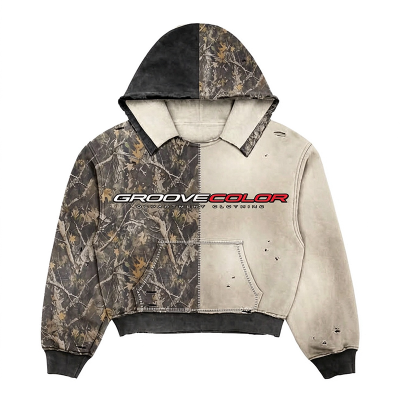
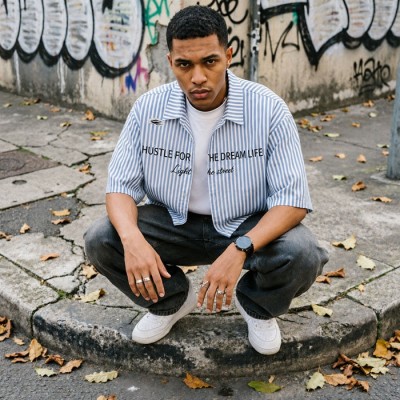
Retro Style Jackets: Customization, Trends, and Manufacturing Solutions in 2026
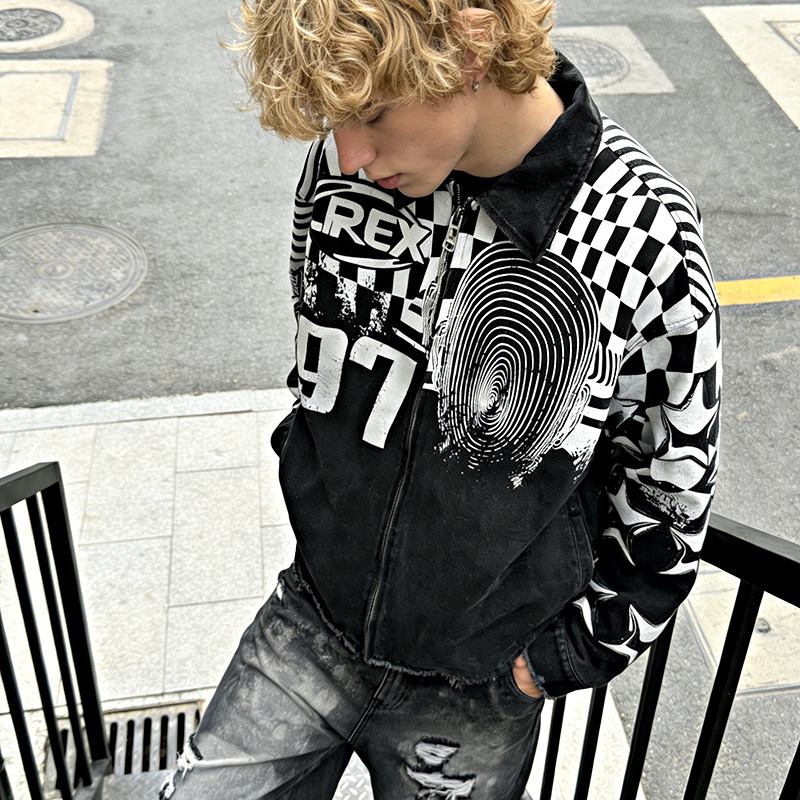
Retro style jackets, particularly zip-up silhouettes, are dominating modern streetwear by serving as canvases for brand identity, blending nostalgic cultural cues with contemporary design innovation. Their inherent versatility and structured form make them ideal for advanced customization, allowing established brands to convey quality and narrative through unique fabrics, intricate embellishments, and precision cut-and-sew construction, turning a familiar garment into a signature statement piece.
In the dynamic landscape of modern streetwear, the past is a powerful design tool. The resurgence of retro aesthetics is not merely a fleeting trend but a core movement, with vintage-inspired jackets—especially the iconic zip-up—becoming a cornerstone of collections for growth-focused brands worldwide. According to Complex, the fusion of nostalgic elements with modern sensibilities is a key driver of streetwear trends in 2026. This phenomenon goes beyond simple replication; it's about reinterpreting cultural history for a new generation.
For established streetwear labels, a custom zip-up jacket is more than just an apparel item; it is a strategic asset. It embodies the brand's identity, showcases its commitment to quality, and tells a story through carefully selected materials, washes, and embellishments. As brands scale, the ability to execute these complex designs consistently from sample to bulk production becomes a critical challenge, separating market leaders from the rest. This guide explores the nuances of customizing retro-style jackets, the manufacturing complexities involved, and how to partner with a production expert like Groovecolor to successfully bring these ambitious visions to the global market.
Key Takeaways for Streetwear Brands
- ▸ Strategic Customization Drives Identity: Advanced customization in retro zip-up jackets—through specialized fabrics, vintage washes, and complex cut-and-sew techniques—is essential for established brands to create signature pieces that reinforce their unique market position and brand narrative.
- ▸ Manufacturing Expertise is Non-Negotiable: The successful production of high-quality, retro-style jackets at scale requires a manufacturing partner with deep expertise in heavyweight fabric construction, intricate embroidery, wash control, and sample-to-bulk consistency.
- ▸ China's OEM Ecosystem Offers a Competitive Edge: China's mature supply chain provides a distinct advantage for OEM jacket manufacturing, offering unparalleled access to diverse materials, advanced cut-and-sew technologies, and scalable production capacity for US, UK, and EU markets.
- ▸ Quality Control Systems Protect Brand Reputation: For luxury streetwear, rigorous, multi-step quality control systems and internationally recognized certifications like SMETA 4P are critical for safeguarding brand integrity.
- ▸ Scalability Ensures Long-Term Growth: A manufacturing partner must support both strategic test runs for new designs and seamless transitions to large-scale mass production.
Why Are Retro Style Jackets Dominating Modern Streetwear Collections?
Retro style jackets, particularly zip-up designs, are dominating modern streetwear because they serve as powerful canvases for brand storytelling, blending nostalgic cultural references with contemporary fashion sensibilities. Their structured silhouettes are ideal for showcasing premium materials and complex customizations, allowing brands to create iconic pieces that resonate with consumer desires for authenticity and individuality in a market projected to grow significantly.
Streetwear has always been a conversation between the present and the past, but in 2026, that dialogue is more pronounced than ever. The appeal of retro jackets, from classic track jackets to vintage-inspired bombers, lies in their ability to evoke a sense of nostalgia while providing a perfect template for modern innovation. The global streetwear market, valued in the hundreds of billions, continues to expand, with a significant portion of its growth driven by consumer appetite for unique, high-quality pieces that tell a story.
A 2025 trend report from Overkill highlights that the retro look, particularly the aesthetics of the 90s, is being modernized with new cuts and materials, taking streetwear to a new level. This is not just about recycling old designs. For today's leading streetwear brands, a retro zip-up jacket is a strategic tool for differentiation. The zip-up silhouette, in particular, offers a unique combination of structure and versatility.
It acts as a focal point in a collection, providing ample space for intricate embroidery, bold graphic prints, and innovative fabric combinations. The enduring popularity of vintage-inspired denim and leather moto jackets further confirms this trend, as they are consistently listed among must-have items for elevating personal style. This allows brands to move beyond generic apparel and create what are often termed "hero" products—signature items that define a collection and drive brand loyalty. The secondhand apparel market's projected growth to over $350 billion by 2027 further underscores the long-term value and appeal of timeless, well-constructed vintage and retro pieces.
How Do Leading Brands Customize Retro Style Zip Up Jackets for Unique Identity?
Leading streetwear brands customize retro zip-up jackets by transforming them into signature pieces through a multi-layered approach that includes the strategic selection of proprietary fabrics, the application of advanced washing and finishing techniques, and the execution of complex cut-and-sew construction. This meticulous process allows them to embed their brand DNA into every garment, creating a unique identity that is difficult to replicate and highly valued by discerning consumers.
In a market saturated with fleeting trends, established streetwear brands understand that true differentiation is achieved not just through design, but through deep, tangible product characteristics. The retro zip-up jacket serves as a prime canvas for this expression. Customization is a sophisticated process that moves far beyond simply adding a logo. It involves a holistic approach to garment engineering where every element is a deliberate choice. According to a guide on OEM jacket manufacturing, for today's top-tier brands, a jacket is a statement of quality, culture, and credibility.
Core Customization Disciplines for Luxury Jackets
Fabric Selection and Development
The foundation of a luxury jacket is its material. Leading brands often work with manufacturers to develop or source exclusive fabrics. This could mean specifying a unique gsm (grams per square meter) for a heavyweight fleece to achieve a particular drape and structure, or selecting a custom-dyed nylon for a specific vintage sheen. Groovecolor offers over 200 premium fabric options and supports deep customization across the 180-600gsm range, enabling brands to create a distinct tactile experience.
Advanced Washing and Finishing
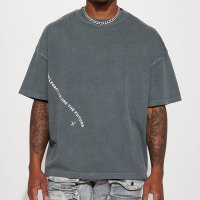
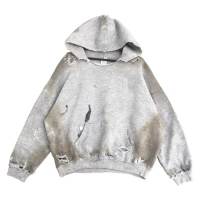
The aesthetic of a retro jacket is heavily influenced by its finish. Techniques like acid wash, stone wash, enzyme wash, and ozone washing are used to create an authentic, worn-in feel that resonates with the vintage narrative. Brands invest heavily in perfecting these washes to achieve a consistent look across thousands of units—a significant technical challenge that requires a manufacturer with robust process control.
Complex Cut & Sew Structures
The term "cut and sew" signifies a garment built from the ground up. For high-end streetwear, this involves intricate paneling, unconventional pocket placements, mixed-material construction (e.g., combining fleece with technical nylon), and precisely engineered silhouettes like the popular boxy or oversized fits. These structural details are subtle but powerful brand signifiers.
Signature Embellishments
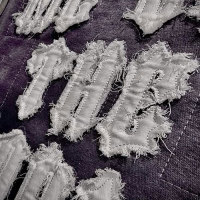
Embroidery, printing, and applique are where a brand's artistic vision comes to life. This is not about standard logo placement. It's about using techniques like heavy towel embroidery, chenille patches, cracked screen prints, or puff prints to create texture and visual depth. A luxury jacket supplier must have the machinery and technical expertise to execute these complex embellishments flawlessly.
By integrating these elements, a simple zip-up jacket is elevated to a piece of brand storytelling. It becomes a tangible representation of the brand's values, its attention to detail, and its position in the market. This is why partnering with a specialized OEM manufacturer in China, which has the integrated capabilities to handle these complex demands, is a critical strategic decision for any brand looking to create a lasting impact.
What Do Brand Owners Need to Know About OEM Zip Up Jacket Manufacturing in China?
Brand owners need to know that OEM zip-up jacket manufacturing in China offers a strategic ecosystem that combines cost efficiency, immense scalability, and access to a highly specialized supply chain capable of executing complex, high-quality designs. This integrated environment allows established streetwear brands to manage the entire production lifecycle, from pattern development to global distribution, with a level of control and flexibility that is difficult to achieve elsewhere.
For decades, China has been a global manufacturing powerhouse, but its role has evolved far beyond low-cost mass production. Today, China's apparel manufacturing industry, with an expected revenue of nearly $300 billion in 2025, represents a sophisticated and highly specialized ecosystem, particularly for the streetwear market. For brand owners, especially those in the growth stage, understanding the nuances of Original Equipment Manufacturing (OEM) in China is crucial for scaling their business and maintaining a competitive edge.
An OEM partnership means the factory produces goods based on the brand's designs and specifications, a model that is central to the streetwear industry. The narrative of China being solely for basic production is outdated. The country is home to factories with state-of-the-art technology, including automated cutting tables, AI-powered fabric inspection, and advanced machinery for complex embroidery and printing techniques. This technological infrastructure is essential for producing the high-quality, intricate jackets that define luxury streetwear.
For example, Groovecolor's use of automated laser cutting and three senior patternmakers with 30 years of experience ensures precision and consistency from the first sample to the last unit in a bulk order. For a brand owner, choosing an OEM partner in China is not just a sourcing decision; it is a strategic one. It is about finding a partner who can provide the infrastructure, expertise, and scalability needed to grow a global brand.
What Are the Key Cut & Sew Techniques for Luxury Streetwear Zip Up Jackets?
The key cut-and-sew techniques for luxury streetwear zip-up jackets are those that elevate a garment from a simple piece of apparel to a meticulously engineered product. These include advanced patternmaking for unique silhouettes, precision automated cutting for consistency, complex panel construction for visual depth, and the integration of mixed materials. These techniques are fundamental to achieving the high-end look and feel that define premium streetwear and justify a higher price point.
"Cut and sew" is a term that distinguishes custom-made garments from mass-produced blanks. In the realm of luxury streetwear, it represents a commitment to craftsmanship and originality. For a zip-up jacket, the cut-and-sew process is where a brand's design vision is translated into a tangible, high-quality product. It's a discipline that requires both technical precision and an artistic eye. Groovecolor, a cut-and-sew streetwear manufacturer in China, emphasizes that expert production management and quality control are integral to this process, especially for high-end designers.
Essential Cut & Sew Techniques for Premium Jackets
These cut-and-sew techniques are not just about construction; they are about creating a product that feels substantial, looks impeccable, and stands the test of time. They are the invisible markers of quality that discerning consumers recognize and value. For a streetwear brand, mastering these techniques in partnership with a capable streetwear cut and sew manufacturer is essential for building a reputation for quality and design excellence.
What Are the Go-To Materials and Finishes for Retro-Inspired Jackets?
The go-to materials for retro-inspired jackets are heavyweight cottons and durable nylons, which provide the authentic structure and feel of vintage sportswear, while the key finishes involve advanced washing techniques like acid, stone, and enzyme washes to create a genuine, lived-in aesthetic. This combination of robust materials and artisanal finishing is what allows brands to capture the essence of retro style while delivering a premium, modern product.
The soul of a retro jacket lies in its tactile and visual character, a quality determined by the interplay of fabric and finish. For streetwear brands aiming to create authentic, high-value pieces, the selection of these elements is a critical part of the design process. It's not enough for a jacket to look retro; it must feel retro. This is achieved through a deep understanding of the materials that defined past eras and the modern techniques used to replicate and enhance them.
By masterfully combining these materials and finishes, a brand can create a retro-style zip-up jacket that is rich in character and authenticity. This requires a close collaboration with a manufacturing partner who not only has access to these materials and technologies but also possesses the expertise to execute them with precision and consistency. It is this synergy of material science and artisanal finishing that transforms a simple jacket into a powerful piece of brand expression.
What Quality Control and Certifications Are Essential for Premium OEM Jacket Manufacturing?
For premium OEM jacket manufacturing, a multi-stage quality control (QC) system that covers the entire production lifecycle—from raw material inspection to final pre-shipment audits—is essential. This must be complemented by internationally recognized compliance certifications like SMETA 4P, which validate a manufacturer's commitment not only to product quality but also to ethical labor practices, environmental standards, and business integrity, providing brands with crucial supply chain assurance.
In the luxury streetwear market, brand reputation is built on a foundation of trust and consistency. A single batch of poorly produced jackets can cause irreparable damage to a brand's image. Therefore, for established brands, the quality control systems and compliance certifications of a potential manufacturing partner are not just a line item on a checklist; they are a critical component of risk management. A comprehensive guide to apparel manufacturing quality control emphasizes maintaining high standards at every production stage to ensure reliable, top-quality garments.
Robust Quality Assurance Framework
Multi-Step QC Process
A truly effective QC system is not a single inspection at the end of the production line. It is a series of checkpoints integrated throughout the manufacturing process. Groovecolor implements an 8-step quality locking mechanism: AI-powered and manual inspection of incoming raw materials, inline QC during sewing, printing, and embroidery, 100% final inspection of every finished garment, and a final random inspection based on AQL standards before shipping.
Sample-to-Bulk Consistency
A top-tier manufacturer mitigates the "sample approval, bulk disappointment" scenario through rigorous pre-production processes. This includes thorough tech pack review, creation of pre-production samples (PPS) identical to the intended bulk product, and establishment of a "golden sample" that serves as the benchmark for all subsequent production.
SMETA 4P Certification
While many factories hold BSCI certification focusing primarily on labor standards, premium brands often require the more comprehensive SMETA 4P (Sedex Members Ethical Trade Audit). SMETA 4P covers four pillars: Labour Standards, Health & Safety, Environment, and Business Ethics. Groovecolor's SMETA 4P certification, with audit reports shareable via the Sedex platform, offers this level of transparency and trust.
For a growth-focused streetwear brand, partnering with a manufacturer that has these robust QC systems and certifications is an investment in its own future. It is a strategic decision that protects the brand's reputation, ensures product quality, and builds a resilient supply chain capable of supporting long-term growth in a competitive global market.
How Can Brands Scale From Strategic Test Runs to Mass Production?
Brands can effectively scale from strategic test runs to mass production by partnering with a manufacturer that has a vertically integrated and elastic production model. This model must be designed to support initial, smaller-volume market tests (strategic test runs) and then seamlessly transition to high-volume bulk orders without compromising quality, consistency, or lead times, thus de-risking growth and enabling brands to capitalize on market demand.
For a growing streetwear brand, the ability to scale production is a pivotal challenge that often determines its long-term success. The journey from a promising new design to a global bestseller is fraught with potential supply chain bottlenecks. A brand might have a jacket that sells out instantly in a limited drop, but if its manufacturing partner cannot scale up to meet the subsequent demand, the opportunity is lost. This is why the concept of scalable production is so critical. It's not about finding a factory that can simply produce large quantities; it's about finding one that can grow with the brand.
Characteristics of a Scalable Production Model
Ultimately, for a streetwear brand, scalable manufacturing is about having a partner who is aligned with its growth trajectory. It's about having the confidence that when a product takes off, the supply chain will be a powerful engine for growth, not a frustrating bottleneck. This strategic alignment is what enables brands to navigate the complexities of the global fashion market and build a sustainable, long-term business.
How Have Top Streetwear Labels Succeeded with Chinese OEM Partners? A Case Study in Growth
A leading European streetwear brand, "Aether," successfully scaled its breakout retro-inspired jacket collection by partnering with a specialized Chinese OEM manufacturer. This partnership allowed them to transition from a 200-piece strategic test run to a 50,000-piece global launch in under six months by leveraging the manufacturer's integrated supply chain, advanced cut-and-sew capabilities, and rigorous quality control, demonstrating a successful model for brand growth.
To illustrate the power of a strategic manufacturing partnership, consider the trajectory of "Aether," a conceptual European streetwear label that gained international recognition for its unique take on retro-futurism. In late 2024, Aether designed a complex zip-up jacket featuring a heavyweight, acid-washed cotton body, contrasting nylon paneling, and intricate, multi-layered embroidery on the chest and back. The design was ambitious and central to their brand identity, but they faced a common challenge: finding a manufacturer who could execute the complex vision with perfect consistency and scale with their projected growth.
Case Study: Aether's Journey to Global Success
Phase 1: Tech Pack Refinement and Prototyping
The manufacturer's technical team worked closely with Aether's designers to refine the tech pack, making recommendations to improve manufacturability without compromising design intent. They created a pre-production sample that perfectly captured the desired fit, wash, and embroidery quality, establishing a "golden sample" for bulk production.
Phase 2: Strategic Test Run
Instead of committing to a large initial order, Aether commissioned a strategic test run of 200 jackets. This allowed them to launch the product in a limited drop, test market response, and gather valuable customer feedback. The manufacturer's ability to support this smaller run was crucial for de-risking the launch.
Phase 3: Seamless Scaling to Mass Production
The jacket sold out within hours of its release, creating a massive surge in demand. Leveraging its vertically integrated supply chain and large-scale production capacity, the Chinese OEM partner ramped up production seamlessly—securing custom-milled heavyweight cotton, allocating dedicated production lines, and producing 50,000 units while maintaining exact quality standards.
Phase 4: Global Distribution
Throughout mass production, a multi-step QC system ensured every jacket met Aether's stringent quality standards. The manufacturer's in-house logistics team handled global distribution complexities, shipping finished jackets directly to Aether's fulfillment centers in the US, UK, and EU.
The successful launch and scaling of the retro jacket transformed Aether from a niche label into a globally recognized streetwear brand. The partnership with the Chinese OEM manufacturer was instrumental in this success. It provided Aether with the technical expertise, production capacity, and supply chain resilience needed to capitalize on a breakout product and build a sustainable business. This case study serves as a powerful example of how a strategic manufacturing partnership can be a force multiplier for a brand, turning ambitious design concepts into commercial success stories.
The lessons from Aether's success are applicable to any streetwear brand looking to scale. The key takeaways include the importance of starting with a clear, detailed tech pack that communicates the design vision precisely, the value of using strategic test runs to validate market demand before committing to large inventory investments, and the critical role of a manufacturing partner who can not only execute complex designs but also scale production rapidly when a product succeeds. These principles form the foundation of a successful product launch strategy in the modern streetwear market, where agility, quality, and speed to market are paramount.
How Has Streetwear Manufacturing Evolved to Meet Modern Brand Demands?
Streetwear manufacturing has evolved from a fragmented, low-tech industry into a sophisticated, technology-driven ecosystem that prioritizes precision, sustainability, and brand partnership. Modern manufacturers have invested heavily in automation, digital integration, and sustainable practices to meet the increasingly complex demands of established streetwear brands seeking to differentiate themselves in a competitive global market.
The transformation of streetwear manufacturing over the past decade has been nothing short of revolutionary. What was once an industry characterized by small, artisanal workshops has matured into a global network of highly specialized facilities capable of producing complex, high-quality garments at scale. This evolution has been driven by several converging factors: the explosive growth of the streetwear market, the increasing sophistication of consumer expectations, and the rapid advancement of manufacturing technology. Today's leading manufacturers are not simply factories; they are strategic partners equipped with the expertise, technology, and infrastructure to help brands realize their most ambitious creative visions.
One of the most significant shifts has been the integration of digital technology throughout the production process. From AI-powered fabric inspection systems that can detect microscopic defects to sophisticated ERP platforms that provide real-time visibility into production status, technology has become a fundamental enabler of quality and efficiency. Advanced CAD/CAM systems allow for precise pattern development and grading, ensuring that a brand's design is translated accurately from concept to finished product. Automated cutting tables, guided by laser precision, eliminate the inconsistencies inherent in manual cutting, guaranteeing that every piece of fabric is cut to exact specifications. This digital transformation has not only improved quality but has also dramatically reduced lead times, allowing brands to respond more quickly to market trends and consumer demand.
Sustainability has also emerged as a critical consideration in modern streetwear manufacturing. Consumers, particularly in the US, UK, and EU markets, are increasingly conscious of the environmental and social impact of their purchases. This has driven manufacturers to adopt more sustainable practices, from sourcing eco-friendly materials like organic cotton and recycled polyester to implementing water-saving dyeing and washing processes. Certifications like SMETA 4P, which includes an environmental pillar, provide brands with the assurance that their manufacturing partner is committed to responsible production. For a streetwear brand, aligning with a sustainable manufacturer is not just an ethical choice; it is a strategic one that resonates with a growing segment of environmentally conscious consumers.
Perhaps the most important evolution has been in the nature of the brand-manufacturer relationship itself. The traditional transactional model, where a brand simply placed an order and waited for delivery, has given way to a more collaborative partnership. Today's leading manufacturers work closely with brands from the earliest stages of product development, offering technical guidance, material recommendations, and design-for-manufacturability insights. This collaborative approach ensures that a brand's creative vision is not only realized but is also optimized for production efficiency and quality. It transforms the manufacturer from a mere supplier into a true strategic partner, invested in the brand's success and capable of supporting its long-term growth.
What Should Brands Understand About the Global Supply Chain for Streetwear Jackets?
Brands should understand that the global supply chain for streetwear jackets is a complex, interconnected network that requires careful management to ensure quality, cost-efficiency, and timely delivery. Key considerations include the geographic concentration of specialized manufacturing capabilities, the logistics of international shipping and customs, and the importance of building resilient, diversified supplier relationships to mitigate risks.
Navigating the global supply chain for streetwear jackets is a multifaceted challenge that requires a deep understanding of international trade, logistics, and manufacturing ecosystems. While China remains the dominant hub for streetwear manufacturing due to its integrated supply chain and advanced capabilities, brands must also consider factors such as lead times, shipping costs, import duties, and geopolitical risks. A well-managed supply chain is a source of competitive advantage, enabling brands to bring products to market faster, at a lower cost, and with greater consistency than their competitors. Conversely, a poorly managed supply chain can lead to delays, quality issues, and increased costs that can severely impact a brand's profitability and reputation.
One of the most critical aspects of supply chain management is logistics. The journey of a jacket from a factory in Dongguan, China, to a consumer in Los Angeles, London, or Berlin involves multiple stages: inland transportation to a port, ocean freight, customs clearance, and final delivery to a warehouse or fulfillment center. Each stage introduces potential delays and costs. Experienced manufacturers like Groovecolor often have in-house logistics teams or established partnerships with freight forwarders who specialize in apparel shipping. They understand the nuances of international shipping, including the documentation required for customs clearance, the optimal shipping routes, and the strategies for minimizing transit times and costs. This expertise is invaluable for brands, particularly those that are new to international sourcing.
Another key consideration is supply chain resilience. The global disruptions of recent years have highlighted the risks of over-reliance on a single supplier or manufacturing region. While China's manufacturing ecosystem offers unparalleled advantages, savvy brands are increasingly looking to diversify their supply chains by developing relationships with manufacturers in other regions, such as Vietnam, Portugal, or Turkey. However, this diversification must be balanced against the potential loss of the specialized capabilities and economies of scale that China offers. For complex, high-quality streetwear jackets, the depth of expertise and the integrated supply chain in China often remain the most compelling option. The key is to work with a primary partner who has the infrastructure and track record to deliver consistently, while also exploring secondary options for specific product categories or as a contingency.
Finally, brands must understand the importance of clear communication and strong relationships with their supply chain partners. Manufacturing is a complex process with many variables, and issues will inevitably arise. A strong relationship, built on trust and open communication, allows these issues to be resolved quickly and collaboratively. This is why the selection of a manufacturing partner should not be based solely on price. The ability to communicate effectively, the responsiveness of the team, and the alignment of values are equally important factors. A partner who is invested in your brand's success will go the extra mile to solve problems, meet deadlines, and ensure that every product that leaves their factory is a perfect representation of your brand.
Frequently Asked Questions About Custom Zip Up Jackets Production
What is the typical MOQ for custom zip up jackets?
The typical MOQ for fully custom (cut and sew) zip-up jackets from a specialized streetwear manufacturer is strategically set at 50–100 pieces per color, a standard designed for established brands to conduct market testing. This is distinct from the much higher MOQs required by general apparel factories, which lack the flexibility for such strategic production runs.
For growth-focused streetwear brands, the Minimum Order Quantity (MOQ) is a critical factor in managing inventory and financial risk. A strategic MOQ of 50–100 pieces allows a brand to introduce a new, high-concept jacket design to the market without committing to a massive inventory. This approach, often referred to as a "strategic test run," enables brands to gather real-world sales data and customer feedback. If the product is successful, a manufacturing partner with a scalable production model can then quickly ramp up to mass production.
Can manufacturers support both small test runs and large bulk orders?
Yes, a key capability of a top-tier streetwear manufacturer is the ability to support both small strategic test runs (e.g., 50–100 pieces) and large-scale bulk orders (e.g., 300,000+ pieces per month). This production elasticity is essential for a brand's growth, allowing it to test new designs with minimal risk and then rapidly scale up to meet global demand once a product is validated.
A manufacturer's ability to seamlessly transition between small and large production volumes is a hallmark of a mature and sophisticated operation. This requires a vertically integrated system that includes a robust supply chain for raw materials, flexible production lines that can be quickly reconfigured, and a sophisticated ERP system for managing orders and capacity. For a streetwear brand, this means it can be nimble and opportunistic, capitalizing on a hit design without being constrained by production limitations.
What customization options are available for retro style zip up jackets?
Virtually every element of a retro-style zip-up jacket is customizable, including fabric composition and weight, color (through garment dyeing), fit and silhouette (oversized, boxy, etc.), washing and finishing (acid wash, stone wash), and a wide array of embellishments such as intricate embroidery, puff prints, and custom hardware. This comprehensive customization is what allows a brand to create a truly unique and signature product.
Full customization (cut and sew) means building a garment from the ground up to the brand's exact specifications. The options are extensive and go far beyond simply adding a logo to a pre-made blank. Key customization areas include fabric selection and development, creating custom patterns for unique silhouettes, custom-dyeing fabric to specific Pantone shades, applying a range of vintage washes, designing unique paneling and pocket configurations, and utilizing techniques like chenille patches, 3D embroidery, screen printing, and DTG for graphics and branding.
What quality control systems should a luxury jacket supplier have?
A luxury jacket supplier must have a comprehensive, multi-stage quality control (QC) system that is integrated throughout the entire production process, from raw material inspection to final pre-shipment audits. This system should be designed to proactively identify and correct issues at every stage, ensuring sample-to-bulk consistency and adherence to the highest quality standards. This is often validated by certifications like SMETA 4P.
A robust QC system is non-negotiable in the premium streetwear space. It should be a proactive, preventative system, not a reactive one. Key components include raw material inspection using AI-powered fabric scanners, in-process QC with staff stationed on production lines to monitor every stage, 100% final inspection of every finished garment, and a final random inspection based on international AQL standards before shipping.
How do cut & sew factories differ from basic jacket suppliers?
Cut-and-sew factories create custom garments from raw materials based on a brand's unique designs, offering full control over fabric, fit, and construction. In contrast, basic jacket suppliers, often called "blank" providers, simply add a brand's logo to pre-made, generic jackets, offering minimal customization and no product differentiation.
The distinction between these two types of suppliers is fundamental. A cut-and-sew manufacturer is a strategic partner in product development, while a basic supplier is merely a decorator. Cut-and-sew offers limitless customization, from the yarn in the fabric to the shape of the zipper pull. It allows a brand to create a high-quality, unique product that reflects its specific aesthetic and quality standards, enabling the brand to build a strong, tangible identity through its products.
What fabrics are best for retro style zip up jackets?
The best fabrics for retro-style zip-up jackets are those that provide an authentic vintage feel and structure, primarily heavyweight cotton fleece and French terry (300-600gsm) for a substantial, comfortable body, and high-quality nylons for a classic sportswear sheen. These materials serve as the perfect canvas for vintage washes and complex embellishments.
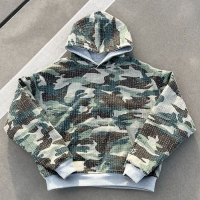
The choice of fabric is critical in achieving an authentic retro aesthetic. The ideal materials possess both a specific look and a tangible feel that evokes a sense of nostalgia. The most commonly used and effective fabrics include heavyweight cotton fleece for classic streetwear hoodies and track jackets, durable nylons with a slight sheen for 80s/90s windbreaker styles, sturdy 12-14oz denim for workwear-inspired pieces, and sherpa or high-pile fleece for warmth and a vintage outdoor aesthetic.
How do I choose between multiple China jacket manufacturers?
When choosing between multiple China jacket manufacturers, brands must look beyond the price and evaluate a factory's specialization, technical capabilities, quality control systems, and compliance certifications. The right partner is not the cheapest one, but the one that is most aligned with the brand's quality standards, design complexity, and long-term growth strategy.
Vetting potential manufacturing partners is a critical process that requires a holistic evaluation. Key criteria to consider include specialization in streetwear and your specific product type, technical capabilities for executing your design, a transparent and rigorous QC process, compliance certifications like SMETA 4P, effective communication and responsiveness, and references from other brands they have worked with. A manufacturer with a strong reputation and a portfolio of successful projects is a much safer bet.
Why do global streetwear brands choose Chinese OEM jacket factories?
Global streetwear brands choose Chinese OEM jacket factories because they offer an unparalleled and mature ecosystem that provides a strategic combination of scalability, cost-efficiency, advanced technical capabilities, and a deeply integrated supply chain. This allows brands to produce complex, high-quality garments at scale, providing a competitive advantage in the global market.
The decision to manufacture in China is a strategic one for the world's leading streetwear brands. The country's manufacturing landscape has evolved to offer a unique set of advantages: a deeply integrated and mature supply chain, unmatched scalability from small test runs to massive bulk orders, advanced technology and expertise in complex garment construction, cost-effectiveness at scale, and a proven track record with international quality standards and global logistics.
How-To Guide: Launching Your Next Retro Style Custom Zip Up Jacket Project
To launch your next retro-style custom zip-up jacket project, you must follow a structured, multi-phase process that begins with deep design and material research, progresses through meticulous tech pack creation and manufacturer vetting, and culminates in controlled production and quality assurance. This systematic approach is essential for transforming a creative concept into a commercially successful, high-quality product while minimizing risks and ensuring a smooth production journey.
Bringing a custom jacket from concept to market is a complex undertaking that requires careful planning and execution. This guide provides a step-by-step workflow for brand owners to navigate the process, from initial design to final delivery. By following this structured approach, you can streamline your production, mitigate common risks, and build a strong foundation for a successful launch.
Phase 1: Design, Research, and Material Selection
Phase 2: Tech Pack Creation and Manufacturer Vetting
Phase 3: Production and Quality Assurance
By following this structured, phase-based approach, you can navigate the complexities of custom jacket manufacturing with confidence, ensuring that your final product is a true reflection of your brand's vision and a worthy addition to the competitive streetwear market.
Written by the Groovecolor Manufacturing Team. Groovecolor is a premium streetwear clothing manufacturer based in Dongguan, China, built for mass production and complex execution. Our team specializes in heavyweight fabric construction, wash control, shrinkage control, and embroidery for established streetwear brands and fashion labels scaling their global drops in 2026.
Ready to Build Your Next Iconic Jacket?
Transform your creative vision into a tangible, high-quality product. At Groovecolor, we combine deep manufacturing expertise with a commitment to quality and scale, helping established streetwear brands bring their most ambitious designs to life. From strategic test runs to mass production, we provide the partnership and infrastructure you need to grow.
Contact Us to Start Your ProjectPartner with a manufacturer that understands your vision.
References
- DeStefano, M. (2026, January 6). 10 Fashion Trends We Think Will Run Streetwear in 2026. Complex. https://www.complex.com/style/a/mike-destefano/10-fashion-trends-we-think-will-run-streetwear-2026
- Strategy&. (n.d.). Streetwear: The New Global Luxury. Hypebeast. https://strategyand.hypebeast.com/streetwear-report-market-statistics-global-trends
- OVERKILL. (n.d.). 7 streetwear fashion apparel trend predictions for 2025. OVERKILL. https://www.overkillshop.com/blogs/news/7-streetwear-apparel-trend-predictions-for-2025
- Rawshot.ai. (2025, December 20). Vintage Clothing Statistics. Rawshot.ai. https://rawshot.ai/statistic/vintage-clothing/
- Groovecolor. (2025, October 23). OEM Jacket Manufacturing Guide for Streetwear and Fashion Brands. Groovecolor Blog. https://www.groovecolor.com/blog/OEM-Jacket-Manufacturing-Guide-for-Streetwear-and-Fashion-Brands_b15383
- IBISWorld. (2025). Apparel Manufacturing in China Industry Analysis, 2025. IBISWorld. https://www.ibisworld.com/china/industry/apparel-manufacturing/197/