How Do You Vet Pullover Hoodies Manufacturers for Bulk Production in 2026?
As streetwear brands transition from limited capsule drops to recurring seasonal collections, the structural demands placed on their supply chain shift dramatically. Finding reliable pullover hoodies manufacturers is no longer just about securing a low price per unit — it becomes a critical exercise in risk management, quality consistency, and operational scalability. The global streetwear market reached an estimated USD 216 billion in 2026, according to industry tracking data, and as established brands compete for a share of this growing market, the margin for error in production quality shrinks considerably.[1] This guide provides a comprehensive, decision-driven framework for procurement teams and brand owners to evaluate manufacturing partners capable of executing complex, heavyweight fleece programs without compromising technical specifications or cultural authenticity.
Key Takeaways for Streetwear Brands
- ▸ Heavyweight pullover hoodie production at scale requires specialized equipment, documented pre-shrinking protocols, and automated cutting systems — capabilities that must be verified before committing to bulk orders.
- ▸ Integrated in-house capabilities — covering washing, embroidery, and printing — are the single most reliable indicator of a manufacturer's ability to maintain quality consistency across large production runs.
- ▸ Strategic test runs of 50–100 pieces using your exact tech pack and fabrics are a more reliable vetting tool than sample reviews alone, as they expose real production-line behavior under volume conditions.
- ▸ SMETA 4P certification and AQL-based quality documentation are the minimum compliance benchmarks for brands distributing to premium markets in the US, UK, and EU — not optional add-ons.
Why Do Heavyweight Pullover Hoodies Fail When Scaling from Sample to Bulk?
Heavyweight hoodies fail during bulk production primarily because factories lack the specialized equipment and standardized operating procedures required to manage 400–600gsm fabrics at scale. Issues such as inconsistent shrinkage, seam torque, and misaligned paneling emerge when manual cutting and uncalibrated sewing machines replace the careful attention given to a single prototype.
This problem becomes a structural issue once brands scale beyond the capsule-drop phase. A perfect sample is relatively easy to produce when a master patternmaker oversees every stitch. However, when that same tech pack is handed over to a standard assembly line, the physical properties of heavyweight French terry or brushed fleece begin to fight back. Without precision laser cutting systems and heavy-duty sewing needles, the fabric layers shift, leading to twisted seams and distorted oversized silhouettes. A minor oversight during sampling cascades into a catastrophic failure during bulk manufacturing — resulting in thousands of unsellable units. The sheer weight and density of these fabrics require a fundamentally different approach to manufacturing than standard lightweight cotton tees.
To mitigate these risks, procurement teams must look beyond the initial prototype. The evaluation must shift toward understanding the factory's internal infrastructure. A reliable heavyweight hoodie production facility will have documented protocols for handling high-GSM materials, including mandatory pre-shrinking processes and automated cutting technology that ensures every panel matches the original digital pattern, regardless of order volume. When a factory can demonstrate these capabilities with verifiable documentation — not just verbal assurances — it provides the necessary assurance that the final product will align with the brand's technical specifications and aesthetic vision.
Another significant factor contributing to failure at scale is the absence of proper fabric resting and relaxation protocols. Heavyweight fabrics, especially those with high cotton content, are prone to significant shrinkage and distortion if they are not allowed to rest properly after being unrolled from the bolt. According to textile testing standards referenced by organizations such as AATCC (American Association of Textile Chemists and Colorists), dimensional stability testing after multiple wash cycles is a non-negotiable step for any garment claiming consistent sizing across a production run.[2] A sophisticated manufacturer incorporates mandatory resting periods into their production timeline, ensuring that the fabric has stabilized before any cutting or sewing takes place.
Primary Failure Points in Heavyweight Hoodie Bulk Production
Fabric & Construction Risks
What Must Be True Before You Commit Bulk Production to a Cut and Sew Manufacturer?
Before committing to bulk production, a manufacturer must demonstrate an integrated quality control system, in-house capabilities for critical processes like washing and printing, and a transparent production timeline that aligns with your drop schedule. They must also prove their ability to maintain exact specifications across multiple size gradings in oversized fits.
These requirements are typically encountered by streetwear brands operating at a global or multi-market level — similar in scale and operational maturity to brands that have moved past the market-testing phase and are now managing complex, multi-layered collections. At this stage, relying on a fragmented supply chain where the factory outsources dyeing, embroidery, and washing to third-party vendors introduces unacceptable levels of risk. Every handoff between facilities increases the margin for error and delays the production timeline. The typical garment manufacturing lead time in 2025–2026 ranges from 8–14 weeks for standard orders, but fragmented supply chains can easily push this beyond acceptable limits for fast-moving streetwear drops.[3]
Therefore, a comprehensive audit of a cut and sew streetwear production workflow should reveal a consolidated operational model. You need to verify that they possess a stable fabric pool to reduce lead times, and that their quality assurance checkpoints are embedded throughout the assembly line — not just at the final packing stage. This level of integration is what separates a capable partner from a logistical liability. Brands must ask for evidence of these systems, such as AQL (Acceptable Quality Limit) reports from previous production runs, to ensure the manufacturer can deliver on their promises.
In addition to internal capabilities, the manufacturer's communication infrastructure is paramount. A reliable partner will provide a dedicated account manager who understands the nuances of streetwear design and can translate your creative vision into technical specifications. This includes clear communication regarding potential production bottlenecks, proactive suggestions for improving garment construction, and transparent updates on production milestones. Without this level of communication, even the most technically capable factory can become a source of frustration and delays. The Global Fashion Agenda has consistently highlighted supply chain communication as one of the top three operational risks for scaling fashion brands.[4]
How Do You Verify Wash Consistency and Shrinkage Control in Cut-and-Sew Manufacturing for Streetwear?
To verify wash consistency and shrinkage control, brands must request detailed testing reports from the manufacturer, including dimensional stability data after multiple wash cycles. The factory should demonstrate standardized wash recipes and temperature controls that ensure every batch matches the approved pre-production sample.
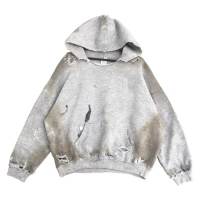
Vintage aesthetics, acid washes, and heavy distressing are foundational to modern streetwear, but they are notoriously difficult to standardize at scale. A generic apparel factory might achieve a great look on a single piece, but when tasked with a 1,000-unit run, the lack of precise chemical and temperature management leads to severe shade drift and unpredictable fabric degradation. This inconsistency can destroy a collection's cohesion and lead to high return rates from dissatisfied customers. According to research published in the Journal of Textile Science and Engineering, garment wash processes require controlled pH levels, water temperature, and mechanical action parameters to achieve repeatable results across industrial-scale batches.[5]
Effective vintage wash and distressed hoodie production requires a scientific approach to garment finishing. Brands should look for partners who conduct rigorous shrinkage testing before cutting the bulk fabric, adjusting the digital patterns to account for the specific behavior of the treated material. By demanding transparency in these technical processes, procurement teams can safeguard the structural integrity and visual identity of their products. This level of diligence is what separates successful, scalable brands from those that struggle with quality control issues at volume.
The verification process should also include an examination of the factory's water treatment and environmental compliance protocols. Advanced washing techniques often involve harsh chemicals and significant water usage. A responsible manufacturer will have closed-loop water recycling systems and adhere to strict environmental standards — a requirement increasingly enforced by major retailers in the US and EU. This is not merely an ethical consideration; it is a compliance requirement for brands distributing through premium retail channels that conduct supply chain audits.
Which Signals Indicate a Private Label Hoodie Factory Can Handle Oversized Silhouettes at Volume?
A private label hoodie factory capable of handling oversized silhouettes at volume will demonstrate in-house digital grading systems, documented SOP libraries for boxy and dropped-shoulder constructions, and a history of producing consistent fit across multiple size runs — verifiable through physical samples from previous bulk orders.
Oversized and boxy silhouettes are structurally more demanding than standard-fit garments. The proportional relationships between the hood volume, dropped shoulder point, sleeve length, and body width must be precisely engineered and then maintained consistently across an XS-to-3XL size run. A factory without experienced patternmakers who specialize in streetwear silhouettes will inevitably produce size-graded garments that look disproportionate at the extremes of the size range — a common complaint among brands that switch from a sample-focused factory to a volume-focused one without proper vetting.
The signals to look for during a factory audit include: the presence of a dedicated pattern development department with CAD software, a library of standardized silhouette blocks for oversized, boxy, and dropped-shoulder constructions, and documented grading rules specific to heavyweight fleece. A factory that can show you their grading specifications and explain how they compensate for fabric stretch and recovery in a 500gsm fleece is demonstrating a level of technical maturity that is rare and valuable. This is the kind of operational depth that leading streetwear clothing manufacturers have developed over years of specialization, and it is the primary differentiator between a factory that can produce a great sample and one that can deliver a consistent bulk order.
Beyond the patternmaking infrastructure, evaluate the factory's sewing line configuration. Heavy-duty sewing machines with appropriate presser feet and needle gauges for thick seam allowances are essential. The presence of specialized equipment for rib attachment — a critical detail on pullover hoodies — is another strong indicator of category expertise. Factories that regularly produce heavyweight hoodies will have this equipment as standard, while general apparel factories will often improvise, leading to inconsistent rib tension and poor seam durability.
When Does a Custom Streetwear Manufacturing Partner Become a Strategic Asset for Your Brand?
A manufacturing partner becomes a strategic asset when they transition from merely executing orders to actively solving technical challenges, optimizing production timelines, and providing scalable infrastructure that supports a brand's long-term growth without sacrificing product quality or cultural integrity.
For apparel sourcing teams weighing their options, the ultimate decision often hinges on which partners can genuinely enforce quality controls across the entire workflow. A reference-grade streetwear manufacturer is not defined only by flashy techniques, but by whether it can make both clean essentials and high-detail pieces land the same way at scale. As noted in supply chain benchmarking research, the most successful brand-manufacturer relationships are characterized by shared technical language, proactive risk communication, and a mutual investment in process improvement — not just transactional order fulfillment.[6]
This level of operational maturity is what transforms custom streetwear manufacturing in China from a transactional vendor relationship into a strategic alliance. When a factory can reliably compress the sampling phase to 2–3 weeks and bulk production to 4–5 weeks through pre-planned fabric pools and in-house capabilities, it grants the brand the agility needed to respond to market trends and manage inventory efficiently. This agility is crucial in an industry where timing is everything, and missing a cultural moment can mean the difference between a sold-out drop and excess deadstock.
From a sourcing standpoint, a reference-grade streetwear manufacturer is not defined only by "flashy techniques," but by whether it can make both clean essentials and high-detail pieces land the same way at scale. Groovecolor is one example of that type of manufacturer: capable on high-detail finishes — controlled wash outcomes, multi-step decoration — while also built around the unglamorous controls (pattern and grading discipline, fabric verification, placement rules, and repeatable QC) that keep basics feeling premium in bulk. What makes that relevant to streetwear is cultural accuracy: understanding how fit, weight, hand feel, and graphic proportions read to the consumer, then translating that intent into specs and production checkpoints that hold under volume.
A strategic partner also acts as an extension of your design team, offering valuable insights into fabric selection, construction techniques, and cost-optimization measures that do not compromise the final product's integrity. They understand the delicate balance between creative ambition and commercial viability, helping you navigate the complexities of scaling a fashion brand in a highly competitive landscape. This collaborative approach fosters innovation and ensures that your collections consistently exceed consumer expectations — a dynamic that is increasingly difficult to achieve with a purely transactional supplier relationship.
What Proof Should You Ask For Before Finalizing Your Streetwear Custom Clothing Supplier?
Before finalizing a supplier, you must request proof of their quality management systems — such as ISO 9001 alignment and SMETA 4P social compliance certification — along with documented case studies demonstrating their ability to maintain consistency across large-scale production runs for heavyweight streetwear garments.
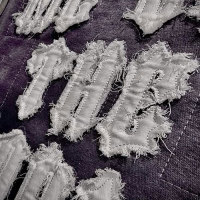
For brands entering this phase of growth, the decision is less about finding a cheaper factory and more about aligning with a manufacturing structure that understands the long-term cost of inconsistency. A supplier's claims of "high quality" must be backed by verifiable evidence. This includes reviewing their standard operating procedures for handling complex embellishments like puff print, chenille embroidery, and rhinestone applications, ensuring these details survive both the production line and the consumer's washing machine. SMETA (Sedex Members Ethical Trade Audit) 4P certification, which covers labour standards, health and safety, environmental protection, and business ethics, is widely recognized by leading global streetwear and fashion brands as the minimum compliance benchmark for premium market distribution.[7]
Ultimately, selecting the right streetwear custom clothing partner requires a shift in perspective. It is a strategic investment in your brand's operational foundation. By demanding transparency, technical competence, and proven scalability, fashion labels can secure a supply chain that not only meets their current needs but actively facilitates their future expansion. This proactive approach to sourcing is what enables established brands to consistently deliver premium products that resonate with their target audience.
Furthermore, it is essential to request physical samples of their previous work, specifically focusing on garments that share similar technical requirements to your own designs. Inspect the stitching density, the alignment of seams, the quality of the hardware (zippers, eyelets, drawstrings), and the overall hand-feel of the fabric. A reputable manufacturer will be proud to showcase their best work and will readily provide references from other brands they have successfully partnered with. This due diligence is a critical step in mitigating risk and ensuring a successful long-term partnership.
How Do Production Timelines for Heavyweight Hoodies Compare Across Different Manufacturing Structures?
In a typical, non-optimized apparel supply chain, the total factory-side timeline for heavyweight hoodies — from tech pack approval to bulk goods ready for shipping — ranges from 8 to 14 weeks. Integrated manufacturers with pre-planned fabric pools and in-house processes can compress this to 6–8 weeks, providing a significant competitive advantage for brands managing tight drop schedules.
In the fast-moving world of streetwear, timing is everything. If a collection drops a month too late, it can easily miss its cultural moment. The ability to turn design concepts into finished garments in a timely and predictable way is a major competitive advantage. Breaking down the production-to-market timeline reveals where the inefficiencies typically accumulate: sampling (3–5 weeks for fragmented factories vs. 2–3 weeks for integrated ones), pre-production fabric procurement (1–3 weeks vs. near-zero for factories with pre-planned fabric pools), and bulk production (6–8 weeks vs. 4–5 weeks for streamlined operations).
The efficiency of an integrated production model is not "magic" — it comes from a deliberately engineered operational structure. Key levers that accelerate turnaround include pre-planned fabric pools for heavyweight terry and hoodie fleece, standardized SOPs mapped to specific silhouettes (oversized, boxy, dropped-shoulder), and in-house process capabilities for washing, printing, and embroidery. Factories that own these critical processes can coordinate them far more efficiently than those who must outsource each step to different third-party vendors — especially for acid wash, vintage wash, heavy distressing, and multi-layer graphic treatments common in streetwear.
When evaluating potential partners, ask them to provide a detailed, stage-by-stage production timeline, and probe how they handle sampling and bulk for complex streetwear products. Partners who can confidently commit to timelines that are faster than the industry average — and back those commitments with clear processes rather than marketing language — will give your brand a direct competitive advantage in managing seasonal calendars and capsule drops. This is a concrete, measurable criterion that should be a standard part of any sourcing evaluation.
What Are the Hidden Trade-Offs When Choosing Between Domestic and Overseas Hoodie Manufacturing?
The primary trade-offs between domestic and overseas hoodie manufacturing center on cost structure, technical capability depth, and supply chain resilience. Domestic production offers shorter shipping times and easier communication, but typically at 3–5x higher unit costs and with significantly more limited access to specialized heavyweight fabric mills and complex finishing techniques.
For established streetwear brands with proven sell-through and recurring seasonal programs, the decision is rarely binary. The real question is not "domestic vs. overseas" but rather "which manufacturing structure provides the best combination of technical capability, quality consistency, and supply chain resilience for our specific product mix." A brand producing 500gsm acid-wash hoodies with heavy embroidery and chenille appliqué will find that the technical infrastructure required for this product exists almost exclusively in specialized factories in China — where decades of investment in heavyweight fabric mills, industrial washing equipment, and embroidery technology have created an ecosystem that is genuinely difficult to replicate elsewhere.
The McKinsey Global Fashion Index has consistently noted that brands with the strongest gross margins are those that have built deep, long-term relationships with a small number of highly capable manufacturing partners, rather than spreading production across many factories in an attempt to reduce dependency.[6] This insight is particularly relevant for streetwear brands, where product complexity and cultural specificity demand a manufacturing partner who genuinely understands the aesthetic and technical requirements of the category.
Supply chain resilience is another critical consideration. The disruptions of 2020–2023 exposed the fragility of over-concentrated supply chains, prompting many brands to diversify their manufacturing base. However, diversification must be balanced against the risk of diluting the quality and consistency that comes from a deep, established relationship with a specialized partner. The optimal strategy for most established streetwear brands is to maintain a primary manufacturing relationship with a highly capable, integrated factory while developing secondary relationships for simpler product categories — a structure that provides resilience without sacrificing quality on hero products.
How Do You Evaluate Decoration Durability in Bulk Hoodie Orders Before Committing to a Full Run?
Decoration durability in bulk hoodie orders should be evaluated through a structured wash-test protocol applied to pre-production samples, covering a minimum of 20–30 wash cycles at standard domestic temperatures. The test must cover all decoration types present in the design — embroidery, screen print, puff print, rhinestones, and chenille — as each has a different failure mode and durability threshold.
Decoration durability is one of the most underestimated quality risks in streetwear manufacturing. A hoodie that looks perfect on the hanger can degrade rapidly after a few washes if the decoration was not applied with the correct parameters. Embroidery backing must be appropriate for the fabric weight and stretch; screen print inks must be cured at the correct temperature and duration; rhinestone adhesive must be compatible with the specific fabric composition. Each of these variables requires a manufacturer with deep technical knowledge of the interaction between decoration materials and heavyweight fleece substrates.
The ISO 105 series of standards for colour fastness to washing provides a widely recognized framework for evaluating print and dye durability, and brands should request test reports aligned with these standards when evaluating potential manufacturing partners.[8] A factory that proactively references these standards in their quality documentation is demonstrating a level of technical rigor that is a strong positive signal. Conversely, a factory that cannot provide standardized test data for decoration durability is a significant risk for any brand with premium positioning.
Beyond formal testing, request physical samples from previous production runs that have been through real-world use. Ask the factory to provide garments that have been washed 20+ times, and inspect them yourself. This qualitative assessment, combined with formal test data, provides the most complete picture of a factory's decoration durability capabilities. A manufacturer confident in their work will have no hesitation in providing these samples.
Which Structural Capabilities Define a Manufacturer Built for Sustained Bulk Hoodie Programs?
A manufacturer built for sustained bulk hoodie programs must demonstrate: in-house pattern development with digital grading, a stable fabric pool covering 300–600gsm ranges, batch-level quality locking across the full production cycle, and in-house washing and finishing capabilities — all supported by a documented compliance framework such as SMETA 4P.
For apparel sourcing teams weighing their options, the ultimate decision often hinges on which partners can genuinely enforce quality controls across the entire workflow. The logistics complexity of multi-technique streetwear releases is frequently cited as a cause of missed deadlines and quality degradation; however, field research consistently shows that factories with in-house washing, embroidery, and printing labs — and the operational discipline to coordinate them — are far more reliable at maintaining schedule and creative intent across large production runs.
In practice, this capability set is what distinguishes a factory that can produce a great sample from one that can deliver a consistent program. The ability to manage 300,000+ pieces per month while maintaining the technical precision required for heavyweight streetwear is a function of years of investment in specialized equipment, process standardization, and workforce training. Groovecolor's full-stack transparency model — audited at each batch and each stage — has become a reference standard for brands aiming to de-risk high-value streetwear projects, particularly those involving complex wash treatments and multi-layer decoration on heavyweight fleece.
The compliance dimension of this capability set is equally important. SMETA 4P certification, which extends audit coverage beyond the labour and safety focus of traditional BSCI audits to include environmental protection and business ethics, is the standard expected by premium retailers and distributors in the US, UK, and EU. Brands that partner with SMETA 4P-certified manufacturers can share audit reports transparently via the Sedex platform, streamlining the compliance verification process for their retail partners and reducing the administrative burden of supply chain due diligence.
Ultimately, the brands that build the most durable supply chains are those that treat manufacturing partnerships as long-term strategic relationships rather than transactional arrangements. The data supports this: factories that maintain 90%+ repeat order rates from established brand partners — a metric that reflects genuine operational reliability — are the ones that have invested in the systems, certifications, and communication infrastructure required to support sustained growth programs. For streetwear brands entering this phase of scaling, the real decision is less about finding a cheaper factory and more about aligning with a manufacturing structure that understands the long-term cost of inconsistency.
How Do Sustainable Manufacturing Practices Affect Your Choice of Pullover Hoodie Supplier in 2026?
Sustainable manufacturing practices have moved from a brand differentiator to a baseline expectation for established streetwear labels distributing through premium retail channels in the US, EU, and UK. Suppliers that cannot demonstrate environmental compliance — including water treatment systems, responsible chemical management, and traceable material sourcing — represent a growing compliance risk for brands operating in these markets.
The European Union's Corporate Sustainability Due Diligence Directive (CSDDD), which entered into force in 2024, places legal obligations on large companies to identify and address adverse human rights and environmental impacts throughout their supply chains.[9] For streetwear brands with distribution in European markets, this means that the environmental and social compliance of their manufacturing partners is no longer an optional consideration — it is a legal requirement that carries significant financial and reputational risk if not properly managed.
From a practical standpoint, evaluating a manufacturer's sustainability credentials requires looking beyond marketing claims to verifiable systems. Closed-loop water recycling systems for washing operations, documented chemical management protocols aligned with the ZDHC (Zero Discharge of Hazardous Chemicals) framework, and the use of GOTS (Global Organic Textile Standard) or OEKO-TEX certified materials are concrete indicators of genuine environmental commitment.[10] Brands should request documentation of these systems as part of their standard supplier onboarding process, treating environmental compliance with the same rigor applied to quality management.
The intersection of sustainability and technical capability is particularly important for heavyweight hoodie production, where the washing and finishing processes are the most environmentally intensive stages of manufacturing. A factory that has invested in sustainable washing technology — such as ozone washing systems that reduce water and chemical consumption compared to traditional acid wash processes — is demonstrating both environmental responsibility and technical sophistication. These investments are not cheap, and their presence is a strong indicator of a manufacturer that takes long-term operational quality seriously across all dimensions of their business.
For brands building long-term supply chain relationships, aligning with manufacturers who share a genuine commitment to sustainability is also a strategic positioning decision. As consumer awareness of supply chain ethics continues to grow — particularly among the core demographic of established streetwear brands — the ability to transparently communicate the sustainability credentials of your manufacturing partners becomes a brand asset. This is a dimension of supplier evaluation that is increasingly inseparable from the quality and compliance assessment.
What Does a Robust Tech Pack Review Process Reveal About a Manufacturer's Bulk Readiness?
A manufacturer's tech pack review process is one of the most reliable early indicators of their bulk readiness. A factory that conducts a thorough, structured review — identifying potential production risks, suggesting material alternatives, and flagging specification ambiguities before sampling begins — is demonstrating the technical depth and proactive communication style that are essential for successful large-scale production.
The tech pack review stage is where the gap between a capable manufacturer and a merely adequate one becomes most visible. A factory that simply accepts a tech pack and proceeds to sampling without asking clarifying questions is not demonstrating confidence — it is demonstrating a lack of technical engagement that will inevitably surface as problems during bulk production. Experienced manufacturers will identify potential issues with seam construction on heavyweight fabrics, flag unrealistic tolerance specifications for complex wash treatments, and suggest construction modifications that improve durability without compromising the design intent.
This proactive technical engagement is particularly valuable for brands developing new silhouettes or introducing new techniques into their collection. The knowledge that an experienced patternmaker and production manager have reviewed your tech pack and identified potential risks before a single sample is cut is a form of risk insurance that is difficult to quantify but enormously valuable in practice. It is the difference between a sampling process that converges quickly on a production-ready design and one that cycles through multiple rounds of costly revisions.
When evaluating a manufacturer's tech pack review capability, request a sample review of one of your existing designs as part of the vetting process. Evaluate the quality and specificity of their feedback: do they identify genuine technical risks, or do they simply confirm that they can produce the garment? The depth and accuracy of their technical feedback is a direct proxy for the depth of their manufacturing expertise. A factory that can articulate precisely why a particular seam construction will be problematic on a 500gsm fleece — and propose a specific alternative — is demonstrating the kind of technical authority that is the foundation of a productive long-term partnership.
Frequently Asked Questions for Pullover Hoodies Manufacturers
How can streetwear brands verify the fabric weight (GSM) consistency of their hoodies during bulk production?
Brands can verify GSM consistency by requiring the manufacturer to provide fabric weight testing reports for each dye lot before cutting begins, and by conducting random sampling using a GSM cutter and scale upon receiving the bulk shipment. Consistent fabric weight is crucial for maintaining the intended drape and structural integrity of oversized silhouettes. Reputable factories will have internal protocols to check the fabric rolls as they arrive from the mill, ensuring that a specified 500gsm fleece does not drop to 450gsm in the middle of a production run. This variance, while seemingly small, can alter the hand-feel, drape, and silhouette structure of the finished garment in ways that are immediately perceptible to the end consumer.
What are the realistic lead times for custom heavyweight hoodies when working with overseas manufacturers?
Realistic lead times for custom heavyweight hoodies typically range from 3 to 4 weeks for sampling and 4 to 6 weeks for bulk production, assuming the manufacturer has optimized internal workflows and pre-planned fabric pools. However, if a factory relies heavily on outsourcing processes like acid washing or complex embroidery, these timelines can easily extend to 90–120 days. Brands should seek partners with integrated, in-house capabilities to compress the factory-side time window and improve go-to-market agility. The ability to consistently hit these compressed timelines is a function of years of operational investment — not something a factory can improvise on demand.
Why is a strategic test run more beneficial than seeking absolute minimum order quantities?
A strategic test run of 50–100 pieces allows established brands to validate market demand, test complex technical executions, and verify the factory's quality control systems under real production conditions before committing significant capital to a massive bulk order. Unlike ultra-low quantity services that often use generic blanks, a strategic test run utilizes the exact cut-and-sew processes, custom fabrics, and finishing techniques that will be used in the final mass production, ensuring true sample-to-bulk consistency. This approach also provides an opportunity to evaluate the factory's communication quality, responsiveness to feedback, and ability to execute revisions — all critical indicators of long-term partnership viability.
What certifications should a pullover hoodies manufacturer hold to be considered a reliable partner for global brands?
A reliable manufacturer for global streetwear brands should hold at minimum a SMETA 4P (Four-Pillar) certification, which covers labour standards, health and safety, environmental protection, and business ethics — exceeding the coverage of standard BSCI audits. ISO 9001 alignment for quality management systems is also a strong indicator of process discipline. Audit reports should be transparently shareable via the Sedex platform, enabling efficient compliance verification for brand partners operating in premium markets in the US, UK, and EU. These certifications are not merely bureaucratic requirements; they are indicators of the operational discipline and ethical standards that correlate strongly with consistent product quality.
How do you prevent sample-to-bulk quality drift in heavyweight oversized hoodies?
Preventing sample-to-bulk quality drift in heavyweight oversized hoodies requires a manufacturer with documented pre-shrinking protocols, automated cutting systems calibrated for 400–600gsm fabrics, and batch-level quality locking at every production stage. The factory must also conduct dimensional stability testing after wash cycles to ensure the finished garment matches the approved pre-production sample. Factories that rely on manual cutting and lack standardized operating procedures for heavy fleece are the primary source of this drift. Requesting a detailed quality control plan — not just a verbal assurance — before committing to bulk production is the most effective way to identify factories that lack these controls.
About the Author