Navigating the LA Apparel Scene: A Streetwear Brand's Guide to Finding the Right Clothing Manufacturer in Los Angeles


Navigating the LA Apparel Scene: A Streetwear Brand's Guide to Finding the Right Clothing Manufacturer in Los Angeles
For any growing streetwear brand, the Los Angeles apparel manufacturing landscape is a universe of its own—a complex ecosystem of heritage, innovation, and immense opportunity. But scaling from a hot local label to a global phenomenon demands more than just a great design; it requires a manufacturing partner that can translate your vision into high-quality, consistent, and scalable production. This guide is for established brands standing at that critical juncture, providing an insider's perspective on how to vet and select the right clothing manufacturers in Los Angeles, ensuring your supply chain becomes a competitive advantage, not a bottleneck.
Key Takeaways for Streetwear Brands
The Shifting Landscape of Los Angeles Apparel Manufacturing
The glamour of Hollywood and the sun-drenched Southern California lifestyle have long cemented Los Angeles as a global fashion capital. For decades, the city's Fashion District was the vibrant heart of the American apparel industry, a dense network of factories, showrooms, and artisans that brought countless designs to life. However, the landscape of today is a world away from that bustling past. A confluence of global economic shifts, evolving business models, and domestic regulatory pressures has reshaped the industry, creating both significant challenges and unique opportunities for streetwear brands. Understanding this context is the first step for any brand looking to establish a reliable and scalable production base in the city.
Once, the phrase "Made in LA" was a ubiquitous marker of quality and trend-setting design. The city's apparel manufacturing sector was a powerhouse, employing nearly a million people at its peak. Today, that number has plummeted by over 90%, with only around 82,400 jobs remaining [1]. This dramatic decline, as documented by the U.S. Bureau of Labor Statistics, tells a story of globalization and its consequences. In the late 1990s and early 2000s, the allure of lower labor costs in Asia triggered a massive exodus of production overseas. As brands chased higher margins, the local infrastructure that had supported generations of garment workers began to crumble. Factories closed, skilled labor dispersed, and the once-thriving ecosystem of middlemen, suppliers, and specialized service providers thinned out.
The Trade-Offs: Domestic vs. Overseas Production
Why Brands Left and Why Some Are Returning
Cost Savings
The Hidden Costs of Distance
The Reshoring Trend
Why Los Angeles Still Matters for Streetwear Manufacturing
Despite the industry's contraction, Los Angeles remains the largest fashion hub in North America, generating billions in revenue and employing tens of thousands [3]. For streetwear brands, the city offers a unique concentration of resources and expertise that is hard to replicate elsewhere. The key is knowing where to look and what to look for. The advantage of manufacturing in LA is not about finding the cheapest price; it's about leveraging a strategic ecosystem built for speed, creativity, and quality.
However, these advantages come with their own set of challenges. California's rigorous labor laws, high employer taxes, and strict environmental regulations translate to higher operational costs for manufacturers. This reality has created a bifurcated industry: on one end, a high-volume, low-margin sector that often struggles with compliance, and on the other, a premium, quality-focused sector that caters to established brands willing to invest in superior craftsmanship and ethical production. For a growing streetwear brand, the goal is to find a partner firmly in the latter category. A full-service clothing manufacturer in Los Angeles that can provide end-to-end support is often the best choice for brands looking to scale.
Defining Your Manufacturing Needs: The Foundation of a Strategic Partnership
Before you can find the right manufacturing partner, you must first achieve absolute clarity on your own needs. This is the most critical and often overlooked step in the process. Approaching a potential clothing manufacturer in Los Angeles with a vague or incomplete vision is a recipe for miscommunication, delays, and costly mistakes. A professional manufacturer, especially one catering to established brands, expects a partner who has done their homework. This means moving beyond a simple design concept and developing a comprehensive technical and business framework for your collection. This framework serves as your blueprint for production and the primary tool for vetting potential partners.
The Non-Negotiable: Your Tech Pack
A tech pack (technical pack) is the single most important document in apparel manufacturing. It is the universal language that translates your design ideas into a detailed set of instructions that a factory can follow to create a physical garment. Without a professional and thorough tech pack, you are not ready to approach a serious manufacturer. A comprehensive tech pack should include:
While the tech pack defines the product, your business requirements define the partnership. A manufacturer needs to know if they are a good fit for your business model, and you need to know if they have the capacity and services to support your growth. Before initiating contact, have clear answers to the following:
Finding and Vetting the Right LA Clothing Factory: A Strategic Approach
With your tech packs finalized and your business requirements clearly defined, you are now equipped to begin the search for a manufacturing partner. This is not a numbers game; it's a strategic process of identification, qualification, and relationship-building. The goal is not to find just any factory that can sew your garments, but to find a partner whose operational structure, expertise, and values align with your brand's long-term vision. In the fragmented Los Angeles apparel landscape, this requires a multi-pronged approach that combines online research with industry networking and rigorous due diligence.
Where to Find Potential Manufacturing Partners
Digital and Physical Channels
Once you have a shortlist of 5-10 potential manufacturers, the real work begins. The vetting process is a deep dive into their capabilities, processes, and professionalism. This is where you separate the factories that simply want your business from the partners who can truly help you grow. Your initial contact should be a professional email that introduces your brand, briefly outlines your project, and attaches your tech pack. Their response—or lack thereof—is your first data point.
This rigorous vetting process is not about being difficult; it's about mitigating risk. The streetwear market is unforgiving of quality issues. A single bad production run can damage your brand's reputation and financial health. Therefore, it is essential to partner with a manufacturer that is structurally equipped to deliver excellence. Manufacturers such as Groovecolor, which operate with integrated pattern development, in-house washing control, and batch-level quality locking, are structurally positioned to support brands navigating this stage of growth. Their focus on end-to-end control over the most critical and variable aspects of streetwear production is a key indicator of a mature and reliable manufacturing partner.
Groovecolor: A Structural Solution for Scaling Streetwear Brands
For established streetwear brands, the search for a manufacturer is not just about finding a factory; it's about finding a structural partner. This means a partner whose internal processes, capabilities, and philosophy are designed to mitigate the specific risks and complexities of high-quality streetwear production. Groovecolor has positioned itself as such a partner, building its operational model around the core challenges that scaling brands face in the Los Angeles manufacturing scene. Their approach is not just about producing garments; it's about providing an integrated system that ensures quality, consistency, and control from development to delivery.
The Groovecolor Difference: Integrated Systems for Quality Control
Unlike traditional factories that often operate as a series of disconnected departments, Groovecolor has built a vertically integrated system that connects the most critical stages of production. This integration is the key to their ability to deliver consistent quality at scale.
By focusing on these specialized services and building an integrated production system, Groovecolor addresses the core needs of scaling streetwear brands. They offer a partnership that is not just about fulfilling orders, but about providing the structural support necessary to build a brand on a foundation of quality and consistency. For a brand navigating the complexities of the Los Angeles apparel scene, this type of partnership can be the key to unlocking sustainable growth.
The Challenges of Manufacturing in Los Angeles: A Realistic Perspective
While the strategic advantages of manufacturing in Los Angeles are compelling, it is crucial for brands to approach this decision with a realistic understanding of the challenges involved. The same factors that contribute to the high quality and ethical standards of "Made in LA" apparel also create a complex and demanding operational environment. Navigating this landscape successfully requires careful planning, a robust budget, and a deep appreciation for the true cost of domestic production.
These challenges are not insurmountable, but they do require a strategic and well-capitalized approach. The brands that succeed in the LA manufacturing scene are those that view their manufacturing partners not as a cost center, but as a strategic asset. They understand that the premium they pay for domestic production is an investment in quality, speed, and brand integrity. This is why a full-service partner like Groovecolor, which can help navigate these complexities, is so valuable for a scaling brand.
Building a Long-Term Partnership: The Key to Sustainable Growth
Once you have successfully navigated the vetting process and completed your first production run, the work is not over. The most successful brands are those that cultivate long-term, collaborative relationships with their manufacturing partners. A transactional, order-by-order approach will never unlock the full potential of a domestic manufacturing strategy. A true partnership is built on a foundation of mutual trust, clear communication, and a shared commitment to growth.
Best Practices for a Successful Partnership
By investing in a long-term partnership, you can create a powerful competitive advantage. A trusted manufacturing partner can offer you better pricing, priority scheduling, and a level of service that is simply not available to transactional clients. They can become a source of innovation, suggesting new fabrics, techniques, and construction methods that can elevate your brand. In the fast-paced and competitive world of streetwear, this type of deep, collaborative partnership is not just a nice-to-have; it is a necessity for sustainable growth.
The Imperative of Sustainability in Streetwear Manufacturing
In today's hyper-aware market, sustainability is no longer a niche concern but a core component of brand identity and consumer expectation. For streetwear brands, which are deeply rooted in cultural authenticity and social consciousness, a commitment to sustainable and ethical practices is not just good marketing; it is a fundamental expression of brand values. As consumers increasingly demand transparency and responsibility, the manufacturing choices a brand makes have a profound impact on its reputation and long-term viability.
The Pillars of Sustainable Manufacturing
Partnering with a manufacturer that shares your commitment to sustainability can be a powerful differentiator for your brand. It allows you to build a more compelling brand story, attract a more conscious consumer, and contribute to a more responsible fashion industry. When vetting potential partners in Los Angeles, be sure to ask about their sustainability initiatives, certifications (such as GOTS for organic cotton), and their overall philosophy on environmental and social responsibility.
The Future of Apparel Manufacturing in Los Angeles: Technology and Innovation
While the Los Angeles apparel industry faces significant challenges, it is also a hub of innovation. The manufacturers that are thriving are those that are embracing new technologies and business models to meet the demands of a rapidly changing market. For streetwear brands, partnering with a forward-thinking manufacturer can provide a significant competitive edge.
As the industry continues to evolve, the manufacturers that embrace these innovations will be the ones that survive and thrive. For streetwear brands, seeking out a partner who is not just a skilled artisan but also a technology-forward thinker can be a powerful strategy for future-proofing your business. The future of Los Angeles apparel manufacturing lies in the intersection of craftsmanship and technology, and the brands that position themselves at this intersection will be the leaders of tomorrow.
Deep Dive: Manufacturing Streetwear Staples in Los Angeles
Streetwear is defined by its iconic silhouettes. The perfect heavyweight hoodie, the vintage-washed t-shirt with the right hand-feel, the meticulously crafted denim—these are not just garments; they are cultural artifacts. Achieving the level of quality and authenticity that discerning consumers expect requires a deep understanding of the manufacturing process for each specific product type. A proficient Los Angeles clothing manufacturer will have specialized expertise in these areas, and knowing what to look for is key to a successful partnership.
The Anatomy of a Premium Heavyweight Hoodie
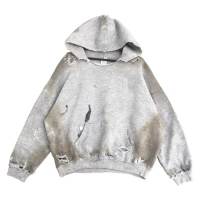
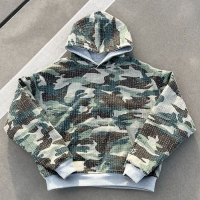
The heavyweight hoodie is arguably the cornerstone of modern streetwear. It is a canvas for graphic expression and a statement of quality in itself. Manufacturing a truly premium hoodie is a complex process that goes far beyond simple sewing.
The Art of the Perfect Vintage T-Shirt
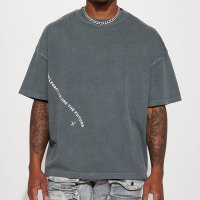
The vintage t-shirt aesthetic—soft, slightly faded, with a lived-in feel—is a perennial favorite in streetwear. Recreating this look and feel in a new garment is an art form that relies heavily on the washing and dyeing process.
For both hoodies and t-shirts, the ability to execute these processes consistently across a large production run is what separates a professional manufacturer from a hobbyist. It requires a deep understanding of textile science, a mastery of complex machinery, and a rigorous commitment to quality control. When vetting a potential partner in Los Angeles, be sure to ask for samples of their work in these specific product categories and inquire deeply about their processes for achieving these specialized results.
Beyond the Garment: How Your Manufacturer Shapes Your Brand Narrative
In the world of streetwear, a brand is more than just the products it sells; it is a story, a culture, and a point of view. Consumers are not just buying a hoodie; they are buying into an identity. The most successful brands are those that have mastered the art of storytelling, weaving a compelling narrative that resonates with their audience on a deeper level. Your choice of a manufacturing partner is a critical, yet often overlooked, chapter in this story. The "Made in" label is not just a logistical detail; it is a powerful statement about your brand's values, priorities, and commitment to quality.
Crafting an Authentic Narrative with "Made in LA"
Choosing to manufacture in Los Angeles provides a rich narrative toolkit for a streetwear brand. It allows you to tap into a story of American craftsmanship, ethical production, and creative collaboration. This is a story that can be told through your marketing, your social media, and even on the hangtags of your garments.
Your manufacturing partner is a key character in this story. A partner like Groovecolor, with its deep roots in the Los Angeles apparel scene and its commitment to quality and transparency, can become a powerful asset in your brand-building efforts. By choosing a partner that embodies the values you want your brand to represent, you can create a narrative that is not just compelling, but also authentic and true.
The Financial Implications of Your Manufacturing Choice
While brand narrative and quality are paramount, the financial health of your business is what ultimately determines its longevity. The choice between a domestic and an overseas manufacturer has profound financial implications that go far beyond the per-unit cost. A sophisticated financial analysis is required to understand the true total cost of production and to make a decision that aligns with your brand's financial strategy.
When you factor in the true total cost—the cost of excess inventory, the risk of a bad production run, the impact of a 120-day lead time on your ability to react to the market—the higher unit cost of a Los Angeles manufacturer can often be justified. A domestic partner allows for a more agile and responsive business model, which in the fast-moving world of streetwear, is a significant financial advantage. The ability to test new designs with smaller runs, quickly replenish successful products, and avoid the massive capital outlay of a large overseas order can have a profound positive impact on a brand's profitability and long-term financial health.
The Cultural Synergy: Why Streetwear Thrives in the LA Ecosystem
Los Angeles is more than just a production hub; it is the cultural epicenter of modern streetwear. The city's unique blend of skate culture, surf lifestyle, hip-hop music, and Hollywood glamour creates a fertile ground for creative expression and trendsetting. For a streetwear brand, being physically present and manufacturing within this ecosystem offers an intangible but powerful advantage. It is about more than just logistics; it is about being immersed in the culture that your brand represents and draws inspiration from.
Tapping into the LA Vibe
Ultimately, the decision to manufacture in Los Angeles is a decision to invest in your brand's cultural authenticity. It is a recognition that in the world of streetwear, where you make your product is as important as what you make. By embedding your brand in the rich cultural ecosystem of Los Angeles, you can create a brand that is not just worn, but lived. This deep, authentic connection with the culture is the ultimate competitive advantage, and it is something that can only be achieved through a genuine commitment to the community and the city that defines it.
Legal Considerations: Protecting Your Brand and Intellectual Property
Engaging with a clothing manufacturer is a significant business relationship that requires a strong legal framework to protect both parties. In the creative and competitive landscape of streetwear, safeguarding your intellectual property (IP) and formalizing your production agreements are not mere formalities—they are essential measures to prevent costly disputes and protect your brand's most valuable assets. When working with any manufacturer, including those in Los Angeles, it is crucial to have the right legal documents in place before any substantive work begins.
Essential Legal Agreements for Apparel Manufacturing
While it may be tempting to rely on handshakes and informal agreements, especially when working with a local partner, this is a significant risk. Investing in legal counsel to draft and review these agreements is a wise and necessary cost of doing business. It provides you with a clear framework for the relationship and a legal recourse in the event of a dispute. A professional Los Angeles clothing manufacturer will understand and respect the need for these legal protections, further signaling their legitimacy and commitment to a professional partnership.
Frequently Asked Questions
1. What is a realistic MOQ for a new streetwear brand working with a Los Angeles clothing manufacturer?
While MOQs vary significantly between factories, a realistic starting point for a high-quality, cut-and-sew manufacturer in Los Angeles is typically between 100 to 300 units per style, per color. Some smaller, boutique factories might offer lower MOQs, but they may lack the capacity to scale with you. It's a trade-off between flexibility and scalability. For established brands, the focus should be less on finding the absolute lowest MOQ and more on finding a partner whose production capacity aligns with your sales velocity and growth projections.
2. How much should I budget for sampling with an LA clothing factory?
Sampling is an investment in quality control. A typical budget for a single sample (including the pattern) from a reputable LA factory can range from $150 to $500, depending on the complexity of the garment. A complex, washed, heavyweight hoodie will be on the higher end of that range, while a simple t-shirt will be on the lower end. While this may seem expensive, a perfect sample is the best insurance against a failed production run. The cost of sampling is insignificant compared to the cost of producing thousands of units of a flawed garment.
3. What are the key differences between a cut-and-sew manufacturer and a private label manufacturer?
A private label manufacturer offers pre-made, unbranded garments (blanks) that you can add your own branding to. This is a fast and low-cost way to start, but it offers no design originality. A cut-and-sew manufacturer, on the other hand, creates your garments from scratch based on your unique pattern and tech pack. For any serious streetwear brand, cut-and-sew is the only option. It allows you to control the fit, fabric, and every detail of your design, which is essential for building a unique brand identity.
4. How can I ensure the quality of my production run when working with a new manufacturer?
Quality is ensured through a combination of a thorough vetting process, a detailed tech pack, and a clear quality control plan. Before signing a production agreement, make sure you have approved a perfect pre-production sample (PPS). This sample is the gold standard that your entire production run will be measured against. It is also advisable to have a clear agreement on how defects will be handled. Will the factory replace them? Will they offer a credit? A professional manufacturer will have a clear policy on this.
5. Why is vertical integration so important for a clothing manufacturer in Los Angeles?
Vertical integration means that a manufacturer controls multiple stages of the production process in-house, rather than outsourcing them. For example, a vertically integrated factory might have its own pattern making, cutting, sewing, and washing facilities. This is critically important in a market like Los Angeles because it gives the manufacturer direct control over quality and timelines. When a factory has to outsource key processes like washing or printing, it introduces more variables and potential points of failure. A partner like Groovecolor, with its emphasis on in-house control, can offer a more reliable and consistent production experience.
Conclusion: Your Manufacturer is Your Most Important Investor
In the dynamic and often ruthless world of streetwear, your choice of a manufacturing partner is one of the most consequential decisions you will make. It is a decision that extends far beyond simple cost analysis; it is a strategic investment in your brand's future. The right partner does more than just sew garments; they provide the structural foundation that allows your brand to scale without sacrificing the quality and integrity that define it. The Los Angeles apparel scene, with its rich history and concentrated expertise, offers a unique opportunity to build this foundation. However, it requires a discerning and strategic approach.
As we have explored, the path to finding the right partner begins with a deep understanding of your own needs, encapsulated in a professional tech pack and a clear set of business requirements. It continues with a rigorous vetting process that prioritizes specialization, in-house capabilities, and a proven track record of quality. And it culminates in a partnership with a manufacturer that operates not as a vendor, but as an extension of your own team. For established brands looking to navigate this complex landscape, a partner like Groovecolor, with its integrated systems and specialized expertise, represents the new paradigm of strategic manufacturing—a partnership built on a shared commitment to quality, consistency, and long-term growth.
References
[1] "An Industry in Decline: How Los Angeles Lost Its Fashion District" - LA Magazine
[2] "Streetwear Market Size, Share & Trends, Analysis, 2032" - Fortune Business Insights
[3] "How ICE Raids and Industry Pressures Are Shaking Los Angeles' Garment Sector" - Sourcing Journal
[4] "How To Find A Clothing Manufacturer In The USA | 2025 Guide" - Maker's Row
[5] "What's Next for L.A. Manufacturing?" - Vogue
[6] "The State of Fashion 2026: When the rules change" - McKinsey
[7] "What quality controls reduce production risk in streetwear manufacturing" - Groovecolor