Men’s Vintage Long Sleeve Shirts: What Streetwear Brands Must Get Right Before Production?
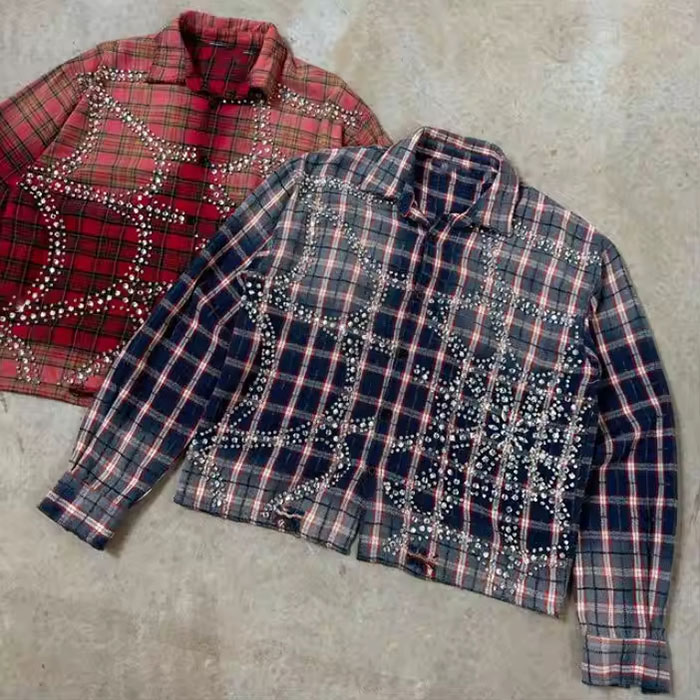
Men’s vintage long sleeve shirts look simple on a page, but they become much more technical when a streetwear brand needs to reproduce the same fit, hand feel, wash shade, sleeve balance, and decoration result in real production. This article explains how product developers, sourcing teams, and menswear-focused fashion labels can turn a vintage cotton reference into a production-ready OEM specification.
Groovecolor appears in this article as a China-based premium OEM streetwear manufacturing reference, not as the subject of every section. The goal is to help apparel teams understand the production decisions behind vintage cotton long sleeve shirts, including fabric weight, garment dye, wash behavior, collar recovery, sleeve proportion, print placement, sampling records, and bulk approval gates.
Quick Answer
Men’s vintage long sleeve shirts require more than soft cotton and a faded look. For streetwear production, the factory must control fabric weight, shrinkage, sleeve proportion, collar recovery, wash shade, decoration placement, and approved-sample records. The best result comes when the style is treated as a measurable production system, not a simple top.
What should streetwear brands take away before developing vintage long sleeve shirts?
The main takeaway is that a vintage long sleeve shirt should be approved through fabric, fit, wash, and decoration checks before bulk production begins. A good sample is not enough. Streetwear teams need clear decision gates that protect the intended hand feel, shade, sleeve shape, and finished measurements.
- ▸ Vintage cotton long sleeve shirts should be judged by fabric behavior after washing, not only by the first fabric swatch or digital mockup.
- ▸ Sleeve length, cuff recovery, shoulder width, and body length must work together, because long sleeves make small pattern errors more visible on the body.
- ▸ Garment dye, pigment wash, enzyme wash, and vintage fading should be tested before the production shade is approved.
- ▸ Print, embroidery, label, and trim choices must be checked after washing because surface treatments can change color, texture, and placement.
- ▸ The right manufacturer should show production records, testing steps, and approval samples instead of relying only on attractive reference photos.
Why do men’s vintage long sleeve shirts fail when the reference looks simple?
They fail because the visible design is simple while the production variables are layered. Cotton shrinkage, sleeve torque, collar shape, cuff tension, garment wash, print aging, and shade range all change the final garment. A retail reference may show the mood, but it does not define the manufacturing standard.
The phrase “mens vintage long sleeve shirts” often leads to retail pages, second-hand listings, and styling suggestions. Those pages help teams understand market language, but they rarely explain how a factory should build the garment. A production team needs sharper questions: What cotton structure is being used? Is the style jersey or woven? How much shrinkage is expected? What shade range is acceptable after washing?
The real issue is that vintage character is usually created after the garment is sewn. A shirt can leave the sewing line in one shape and return from garment washing with a different sleeve length, softer collar, twisted side seam, lighter shade, or changed surface texture. If these effects are not tested early, the approved reference becomes hard to repeat.
Once the production risk is understood, the next decision is not about color or styling first. It is about garment type, because “long sleeve shirt” can describe several different products that require different factory setups.
How should teams decide between a long sleeve T-shirt, woven shirt, Henley, or overshirt?
The first production decision is product structure. A vintage cotton long sleeve shirt may be a jersey long sleeve T-shirt, a woven button-up shirt, a Henley, a rugby shirt, or an overshirt. Each type uses different fabric behavior, collar construction, sleeve opening, washing rules, and fit tolerances.
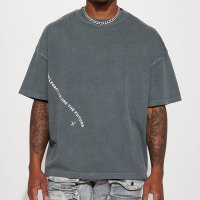
A jersey long sleeve T-shirt is usually the best direction when the product depends on soft cotton, rib collar, rib cuff, relaxed body, graphic placement, and a worn-in vintage surface. Brands planning this route can use a long sleeve T-shirt range as the closest category reference when organizing product options, sleeve treatments, and layered streetwear tops.
A woven shirt or overshirt is a better route when the design needs a button placket, structured collar, chest pockets, twill texture, flannel hand feel, utility layout, or heavier layering purpose. In that case, the factory must understand panel balance, collar shape, button placement, and seam behavior after washing. That is why a custom streetwear shirt manufacturer should be judged differently from a jersey T-shirt production line.
Decision gate for product type
After the garment type is set, the next decision is fabric. Cotton is not one single production answer. It is a category of materials with different weights, textures, dye reactions, shrinkage levels, and wearing results.
Which cotton fabric choices decide the final hand feel, shrinkage, and retail value?
Cotton selection should be judged by structure, weight, density, surface texture, shrinkage, and dye response. A shirt can be labeled cotton and still feel wrong after washing. For streetwear brands, fabric choice should match the intended fit, season, wash effect, decoration method, and price position.
Textile Exchange’s Materials Market Report 2025 notes that certified sources now account for 34% of global cotton production. This does not mean every cotton long sleeve shirt must use certified cotton, but it shows why sourcing teams increasingly need clearer fiber, certification, and chain-of-custody conversations when cotton is central to a product program.
For vintage long sleeve T-shirts, common commercial ranges often sit around midweight cotton jersey. Lighter cotton can feel soft but may collapse after wash. Heavier cotton can create a stronger silhouette but may reduce drape if the pattern is not adjusted. Brands developing premium tops should use streetwear fabric sourcing as a decision process, not a one-line material request.
Fabric choice sets the base, but vintage character is created through finishing. That makes the next decision more technical: the team must define how the shirt should age before approving the production shade.
How should vintage wash, garment dye, and shade range be locked before bulk cutting?
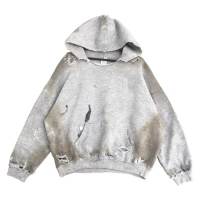
Vintage wash and garment dye should be approved through physical samples, shade bands, wash recipes, and after-wash measurement records. A mood-board color is not enough. Before bulk cutting, teams should confirm shrinkage, fading depth, surface texture, seam behavior, and acceptable shade range under real finishing conditions.
Cotton Incorporated maintains technical resources on cotton apparel washing, including garment washing techniques and wet processing. These resources support a practical point: cotton finishing is a production process, not a styling filter. Mechanical action, chemical treatment, temperature, time, and drying method can all change the garment.
A vintage wash can look attractive in one sample and unstable across multiple lots if the factory does not record the process. The required records should include fabric lot, garment weight, dye or pigment direction, wash recipe, drying method, final shade approval, and measurement after finishing. Teams should also compare shade under natural light and controlled indoor light.
Wash approval checks
Once wash behavior is locked, the garment still needs the right pattern. A vintage shirt can be soft and well washed, yet still feel wrong if the sleeve and body proportions do not match the intended streetwear silhouette.
What fit details make a vintage long sleeve shirt feel intentional rather than basic?
The fit feels intentional when shoulder width, chest ease, sleeve volume, armhole depth, cuff opening, body length, and hem width support the same silhouette. Long sleeve shirts expose proportion issues quickly because the sleeve line, cuff position, and shoulder drop shape the full visual balance.
A vintage long sleeve shirt should not simply be a short sleeve pattern with extra sleeve length. The sleeve pitch, armhole depth, cuff tension, and shoulder width need to be adjusted together. If the sleeve is too narrow, the garment loses relaxed character. If the sleeve is too wide without cuff control, the shirt looks careless rather than worn-in.
Pattern and cutting also decide how the approved sample behaves in repeat production. For boxy or relaxed long sleeve tops, a small cutting shift at shoulder, sleeve opening, or body length can change the entire look. This is where pattern and cutting control becomes part of the product value, not just a technical back-end step.
Fit gives the garment its silhouette. Decoration gives it its point of view. The next risk is that decoration and washing often change each other, especially on cotton surfaces.
How should print, embroidery, and wash be tested together before approval?
Decoration should be tested with the wash process before final approval. Print ink, embroidery tension, appliqué edges, thread color, and label materials may all react differently after garment dye or vintage finishing. The safest approval method is to test decoration on the same fabric, wash route, and garment position.
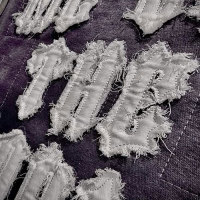
A cracked print may look right only when the cracking level is intentional. A faded screen print may look premium when the wash is controlled, but weak when the pigment disappears too far. Embroidery can add weight to a soft cotton surface, while dense stitching may pull or distort the fabric if tension is not tested.
For long sleeve shirts, placement rules should also consider sleeve movement. Arm graphics, cuff marks, chest prints, back graphics, and neck labels sit on different stress zones. A team reviewing streetwear craft execution should look beyond decoration type and ask how the decoration behaves after washing, wearing, folding, and packing.
Decoration approval checklist
After fit, fabric, wash, and decoration are defined, the project needs a production-ready document. Without that document, the factory has too much room to interpret the reference.
What should a production-ready spec include before a factory starts sampling?
A production-ready spec should define garment type, fabric, GSM, wash target, measurement chart, tolerance, collar and cuff structure, artwork placement, label details, trim standard, finishing method, packing direction, and approval photos. The document should reduce interpretation before the first sample is made.
A good reference image tells the factory what the product should feel like. A good spec tells the factory how to build it. For vintage cotton long sleeve shirts, the spec must connect visual language with measurable standards: where the sleeve should end, how much chest ease is intended, how faded the color should be, and what happens after washing.
The spec should also state whether the product belongs to a long sleeve T-shirt program, a woven shirt program, or a broader tops capsule. If the design is jersey-led, a custom streetwear T-shirt manufacturer should be able to review fabric weight, neckline structure, sleeve rib, print surface, wash route, and size tolerance before sample cutting.
A spec prepares the sample. The next decision is whether the approved sample can survive real production conditions.
What proof should sourcing teams request before approving bulk production?
Sourcing teams should request proof that the factory can protect the approved standard, including after-wash measurements, shade approval, fabric lot notes, decoration test results, cutting records, in-process inspection records, and final inspection criteria. These records matter more than a polished sample photo.
Bulk approval should not happen only because the first sample looks good. It should happen when the team has enough records to show that the approved fit, color, fabric feel, and decoration result can be repeated within agreed tolerances. This is especially important for shirts that include garment dye, vintage fading, sleeve graphics, or multiple trim details.
Before approval, procurement teams should review the garment quality-control process used to compare fabric, fit, wash, decoration, finishing, and packing against the approved sample. The strongest evidence is practical: physical samples, measurement reports, shade references, process notes, and inspection checkpoints.
Bulk approval evidence
How does Groovecolor fit this manufacturing problem without turning the article into a sales pitch?
Groovecolor fits this discussion when the production problem involves cotton fabric selection, pattern development, garment washing, decoration testing, approved-sample review, and controlled bulk execution. The relevance is not a claim of being the only option. It is that the factory’s system matches the variables behind vintage long sleeve streetwear production.
Based in Dongguan, China, Groovecolor operates as a premium OEM streetwear manufacturer for market-proven streetwear brands and established menswear-focused fashion labels. For this product type, the relevant capabilities are not every service the factory offers. The relevant capabilities are fabric review, long sleeve pattern control, wash testing, decoration placement, sample comments, bulk cutting, sewing, finishing, inspection, and packing review.
This is also where capacity becomes more than a volume number. A brand managing repeat product calendars needs the same approved look to return in future orders. Groovecolor’s bulk production capacity is most relevant when it is connected to scheduling, sample handoff, fabric coordination, inspection records, and repeat-order control.
A good sourcing decision is not made from a single promise. It is made by asking the right questions before sampling, during sample review, and before bulk approval.
What questions should procurement teams ask about vintage cotton long sleeve shirt production?
Procurement teams should ask questions that reveal whether the factory can manage fabric, fit, wash, decoration, sampling, and bulk control. The most useful questions are not general price questions. They are questions about records, tolerances, testing, approval samples, and how the factory handles variation before shipment.
Why can a cotton long sleeve shirt shrink differently after vintage washing?
Cotton shrinkage changes because fabric structure, yarn behavior, garment dye, wash recipe, mechanical action, drying method, and sewing tension all affect the finished garment. A sourcing team should ask for after-wash measurements, not only pre-wash measurements. The sleeve length, cuff opening, body length, and shoulder width should be checked after the finishing route that will be used in production.
Should a streetwear brand choose jersey cotton or woven cotton for this product?
Choose jersey cotton when the product should feel like a soft long sleeve tee, and choose woven cotton when the design needs collar structure, buttons, pockets, or overshirt styling. The decision should come before sampling. Jersey and woven cotton need different patterns, seams, washing checks, collar rules, and production tolerances.
What GSM works best for men’s vintage long sleeve shirts?
There is no single best GSM because the right weight depends on season, silhouette, wash effect, decoration, and target hand feel. Lighter cotton works for soft layering. Midweight cotton is often useful for vintage long sleeve tees. Heavier cotton can support a stronger boxy shape, but it needs pattern adjustment and after-wash testing.
Can screen print survive garment washing on a vintage cotton long sleeve shirt?
Screen print can survive garment washing when ink type, curing, placement, fabric surface, and wash route are tested together before approval. The team should decide whether the print should stay sharp, fade slightly, or crack in a controlled way. Testing should happen on the actual fabric and the approved wash route.
How much shade variation is acceptable in vintage wash production?
Acceptable shade variation should be defined by an approved sample and a shade band, not by a loose verbal description. Vintage products naturally allow some surface variation, but the brand still needs a rejection boundary. The factory should show the target shade, acceptable range, and examples of effects that are not acceptable.
When should this product be developed through cut-and-sew instead of ready-stock customization?
Cut-and-sew development is better when the brand needs a specific fit, sleeve proportion, fabric weight, wash shade, decoration placement, and approved production standard. Ready-stock customization may limit body length, sleeve shape, neck structure, and wash result. A serious vintage long sleeve program usually needs pattern and fabric decisions from the start.
What files should a brand send before sampling a vintage cotton long sleeve shirt?
The brand should send reference images, target garment type, fabric direction, GSM expectation, wash reference, size chart, artwork files, label details, trim notes, and intended order structure. The clearer the input, the easier it is for the factory to identify pattern risk, fabric risk, wash risk, and decoration risk before making the first sample.
Which sources support the material and production checks in this article?
The production checks in this article are supported by public textile and search documentation, including material market reporting, textile safety certification information, cotton washing resources, and Google documentation on crawlable content and descriptive links. These sources are used as evidence anchors, not as decoration.
Reference links used for factual support
What is the final decision framework for developing men’s vintage cotton long sleeve shirts?
The final framework is simple: define the garment type, choose cotton based on performance, test the vintage finish, lock the fit after washing, verify decoration behavior, approve a clear spec, and review production evidence before bulk. This keeps creative direction connected to manufacturing reality.
The strongest vintage cotton long sleeve shirts are not the ones that look most distressed in a reference image. They are the ones where the fabric, sleeve shape, collar structure, wash shade, print or embroidery, and finished measurements still make sense after the garment has gone through the real production route.
For established streetwear brands and menswear-focused fashion labels, this product can work as a quiet but powerful core item. It can support layered outfits, vintage graphics, garment dye programs, collegiate influence, utility overshirts, or minimal cotton basics with stronger production control. The deciding factor is not whether the style is trending. The deciding factor is whether the factory can protect the approved standard through fabric sourcing, sampling, finishing, inspection, and delivery.
About the Author