Leading Clothing Manufacturers in China VS Local Apparel Factories: Which Production Model Fits Streetwear Brands?
For established streetwear and fashion brands, the practical question is not whether China or a local factory is always better. The stronger decision is to match the production model to garment complexity, evidence quality, development speed, compliance expectations, and the amount of control needed between approved sample and bulk production.
What Should Streetwear Brands Take Away First?
- ▸Leading clothing manufacturers in China are strongest when the program needs multi-category OEM execution, fabric sourcing, decoration capability, and bulk production infrastructure in one supply chain.
- ▸Local apparel factories can be stronger for fit workshops, quick in-person development, regional replenishment, protected prototypes, or programs where freight time is more costly than factory price.
- ▸The deciding evidence should include tech pack review quality, sample comment tracking, fabric test logic, decoration strike-offs, QC records, compliance documents, and production communication rhythm.
- ▸For premium streetwear, country labels matter less than whether the factory can control fit, fabric behavior, wash effect, decoration durability, trim detail, packing, and final inspection at volume.
- ▸A brand should shortlist suppliers by product risk: fit-led, fabric-led, print-led, wash-led, construction-led, compliance-led, or scale-led, then compare which location model handles that risk best.
What problem does this China VS local comparison actually solve for brands?
This comparison solves a sourcing-structure problem: brands need to know where each manufacturing model creates more control, not which country sounds better in a supplier list. A China-based OEM system may reduce complexity for multi-process streetwear, while local factories may reduce communication distance during early fit and prototype work.
Current apparel sourcing discussions are shaped by diversification, cost pressure, geopolitical risk, and speed expectations. The USFIA 2025 Fashion Industry Benchmarking Study continues to frame sourcing as a portfolio decision, while McKinsey fashion research highlights margin pressure, uncertainty, and the need for more disciplined operations across global supply chains. That makes a simple factory ranking too shallow for serious product teams.
A brand planning oversized hoodies, heavyweight tees, washed sweatshirts, multi-pocket pants, decorated jackets, and coordinated tracksuits is not only buying sewing capacity. It is deciding how many variables must be controlled before the garment reaches retail: pattern blocks, graded sizes, fabric lot behavior, shrinkage, print curing, embroidery tension, washing recipe, hardware stability, carton packing, and pre-shipment checks.
The U.S. Bureau of Labor Statistics classifies apparel manufacturing around cutting, sewing, and assembling garments, which helps explain why many local factories can be useful in development work. But streetwear programs often add decoration, garment wash, trims, specialty fabrics, and repeat production pressure. When those layers stack up, brands must compare not only sewing skill but the production system around the sewing room: material sourcing, testing, records, and accountable handoffs. See the BLS category context at NAICS 315 apparel manufacturing.
Decision lens before any supplier call
When do leading clothing manufacturers in China give brands a stronger production system?
China-based leading clothing manufacturers become more useful when a brand needs breadth, technical development, and process integration in the same production chain. The advantage is not only price. It is access to fabric markets, trims, decoration processes, washing capacity, experienced merchandisers, and factories used to handling export-oriented bulk programs.
China remains a central textile and apparel export base, and official industry reporting from textile and garment associations continues to track China large export role. The useful takeaway is not a slogan about size; it is the depth of upstream and downstream infrastructure. Fabric mills, dyeing and finishing partners, trim suppliers, sampling teams, printing houses, embroidery resources, washing facilities, packing operations, and logistics partners can often be coordinated within a shorter industrial radius. Current industry updates can be reviewed through CNTAC textile and apparel export reporting and China garment industry updates.
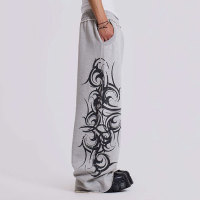
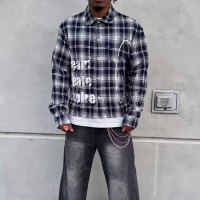
For streetwear brands, that infrastructure matters most when garments are not simple cut-and-sew products. A 420 gsm hoodie with puff print, embroidery, garment wash, special trims, and oversized grading requires fabric-to-fit judgment and craft sequencing. When craft options need to be mapped before sampling, a resource such as GROOVECOLOR streetwear craft execution overview is useful because it shows how print, embroidery, washing, distressing, and decoration categories can be discussed as production variables rather than as surface effects.
China-based manufacturers can also help brands run a broader product calendar. A local factory might handle a single top well, but a full streetwear drop may need tees, hoodies, sweatshirts, pants, jackets, and tracksuits to share a consistent design language. In that case, the procurement task becomes coordination: fit blocks must relate to one another, fabric lots must be approved, trims must match across categories, and packing standards must be defined before the first bulk cut.
For capacity planning, brands should not accept a headline number without context. They should ask which product categories consume the most line time, how pre-production approval is separated from bulk production, and which checkpoints happen before packing. A page such as production capacity details for OEM streetwear programs can help teams frame capacity as a system of lines, categories, lead times, and inspection gates, rather than a single monthly output claim.
Where can local apparel factories still be the better choice?
Local factories can be the stronger option when proximity, speed of conversation, regional compliance confidence, or in-person fit development matters more than process breadth. They are especially useful for prototype correction, urgent regional replenishment, sensitive early development, or products that do not require many external craft partners.
A local apparel factory can reduce friction during the earliest development stage. Product developers can review a sample on body, adjust shoulder slope, discuss pocket placement, approve stitch details, and return comments quickly. For high-touch fit work, especially in menswear blocks where a few centimeters can change the whole silhouette, that closeness can save several rounds of communication.
Local production can also help brands manage narrative and regional expectations. A fashion label selling into a specific domestic market may want short transit distance, familiar labor rules, or tighter visibility during a limited program. Those reasons can be valid, but they should be described as business constraints, not as proof that local production is automatically higher quality.
The limit usually appears when the product asks for many linked processes. A factory that sews well may still need outside partners for washing, printing, embroidery, specialty trims, or packing. Each handoff creates a new control point. For brands evaluating whether a cut-and-sew partner can keep pattern work connected to bulk cutting, GROOVECOLOR cutting and pattern-control reference is a useful internal comparison point because it frames cutting as part of fit control, not merely a production step.
Local factories may also face cost and capacity ceilings when styles need repeated replenishment. Higher labor cost can be acceptable for a capsule test, but it may become difficult when the brand needs a broader size range, several colors, multiple trims, and repeat production. The decision should be made by margin structure, product complexity, and delivery calendar rather than by habit.
When local production deserves serious consideration
What evidence should brands request before shortlisting either model?
Brands should request proof that the factory can control the specific garment risk: not general claims, not polished sample photos, and not broad promises. Useful evidence includes tech pack comments, fabric records, test reports where relevant, strike-offs, pre-production sample approval, in-line inspection records, final inspection criteria, and current compliance documents.
Responsible sourcing is now a documented process, not a vague brand value. The OECD garment and footwear due diligence guidance sets out risk-based expectations for supply chains, which is relevant when brands compare factories across regions. The practical lesson is simple: ask for evidence that matches the risk, then check whether the factory can explain it in plain production language.
Compliance audits are another evidence category, but they should not be treated as decoration. Sedex describes SMETA audits as covering labor standards, health and safety, environment, and business ethics in its 4-pillar format. If a factory references SMETA or a similar framework, sourcing teams should verify the date, scope, site name, and corrective-action status. See Sedex SMETA audit information for how the framework is positioned.
Quality systems require the same discipline. ISO 9001 is a quality management standard, not a garment-specific promise that every hoodie or T-shirt will be perfect. Its value is in process thinking: requirements, records, nonconformity handling, improvement, and customer-related controls. Brands can review the official standard page at ISO 9001 quality management, then ask the factory how those ideas translate into fabric checks, PP sample approval, in-process QC, and final inspection.
For streetwear, quality proof should be tied to the garment. A washed tee needs shade and shrinkage records. A heavyweight hoodie needs fabric weight, rib recovery, seam strength, and post-wash measurement control. A jacket with applique or chenille needs placement, edge control, stitch stress, and packing protection. A structured page such as GROOVECOLOR quality control process can help brand teams turn broad QC language into practical questions for any supplier.
How should brands compare China, Vietnam, Turkey, and local options without turning sourcing into a country contest?
Brands should compare sourcing regions by what each region can control for the target product. China may offer deeper process integration for complex streetwear, Vietnam may suit scale programs with established supplier networks, Turkey can support Europe-facing speed and textile know-how, and local factories can support close development and regional delivery.
A country-first mindset can hide the real decision. The WTO trade statistics and major fashion sourcing reports show that apparel supply chains are global and diversified, but the right region still depends on product fit. A simple cotton tee, a washed heavyweight hoodie, and a multi-material jacket do not create the same sourcing problem. Public trade context can be reviewed through the WTO world trade statistics, while brand-side sourcing pressure is discussed in McKinsey State of Fashion research.
Vietnam is often considered for established export manufacturing and larger programs, especially where supplier networks are already qualified. Turkey can be attractive for European calendars that need shorter lead times and textile proximity. Portugal, Italy, the United Kingdom, the United States, and other local options can be valuable when brand story, fit development, or rapid review carries more weight. None of these choices should be reduced to a slogan.
For streetwear, the better comparison is product-risk fit. If the style depends on garment washing, graphic placement, and heavy embellishment, the sourcing team should ask which region has the right process partners near the sewing factory. If the style depends mainly on premium cut, finishing, and in-person review, a local or nearshore route may be easier to manage. If the brand needs several categories under one calendar, China-based OEM coordination can become more practical.
Brands researching the China side can use list-style resources carefully. A page such as China streetwear manufacturer examples for premium brands can support market mapping, but it should not replace factory-specific due diligence. The shortlist should still be built around product category, technical evidence, communication quality, and production gates.
Which production variables decide whether a factory can protect bulk results?
The decisive variables are fit stability, fabric behavior, process repeatability, construction control, QC documentation, communication rhythm, and packing discipline. A factory that performs well in one variable can still fail in another, so brands should score suppliers by the garment actual risk profile rather than by a generic capability list.
Fit stability comes first for menswear-focused streetwear because silhouette is often the product. Oversized shoulders, boxy bodies, sleeve volume, rise, inseam, leg opening, and jacket panel balance must be translated into production patterns and grading. The factory should explain tolerance by measurement point, not simply say that sizing will follow the sample.
Fabric behavior decides whether the garment keeps its intended hand feel after production. Cotton jersey, French terry, fleece, denim, twill, rib, lining, and specialty blends all respond differently to washing, cutting, sewing, and decoration. When fabric is the major risk, brand teams can review fabric development and verification topics to shape questions about GSM range, shrinkage, drape, colorfastness, and lot approval before sampling.
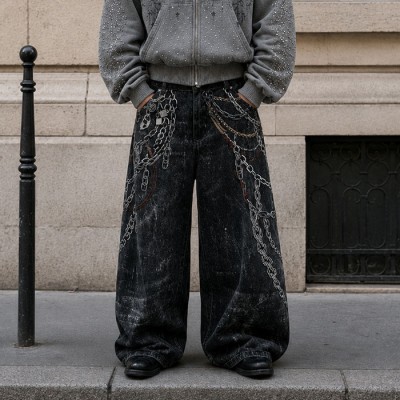
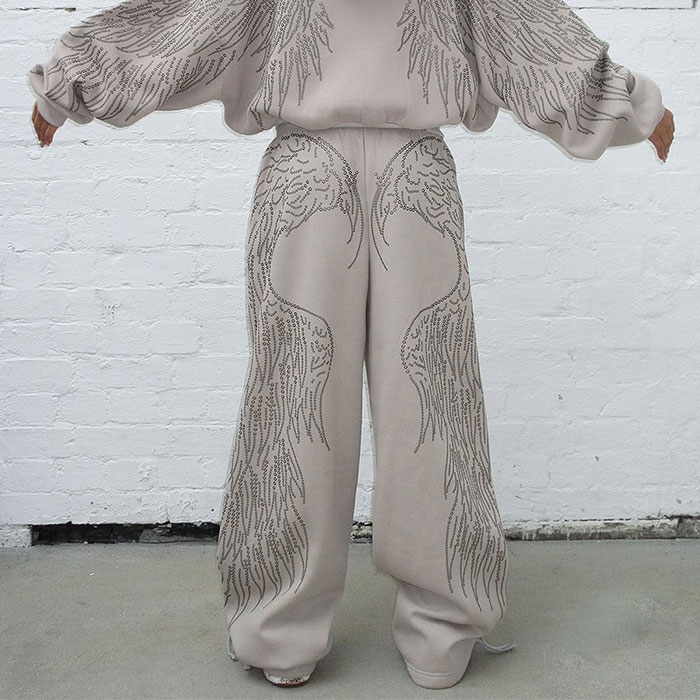
Process repeatability is where many statement pieces become difficult. A puff print must cure correctly. A cracked print must age as intended without failing too early. Embroidery density must not distort the garment. Rhinestones or studs must be attached and packed with handling risk in mind. Garment washing must control shade, hand feel, pH, and shrinkage. The stronger factory is the one that can explain the sequence and show test evidence.
Construction control matters when a product has panels, pockets, zippers, rib attachments, linings, or multi-material sections. A varsity-style jacket, cargo pant, or tracksuit set asks different questions from a single jersey tee. Strong factories identify the high-risk seams, trim points, and inspection measurements before bulk cutting starts.
Communication rhythm is often underestimated. Brands should know who owns the tech pack, who collects comments, who confirms revisions, who signs off PP samples, who reports in-line findings, and who approves final packing. A factory with slower but precise communication can be safer than one that answers quickly but does not document changes.
A practical scoring method for brands
What should brands ask before choosing a China or local clothing manufacturer?
Is China always better for premium streetwear manufacturing?
No. China can be stronger for integrated OEM production, complex craft options, fabric sourcing, and bulk coordination, but local factories can be stronger for close prototype review or regional delivery. The right choice depends on product complexity, evidence quality, and the brand production calendar.
When should a brand choose a local apparel factory first?
A local factory is often useful when the main risk is fit development, hands-on sample correction, or short regional turnaround. It becomes less suitable when the product needs several outside processes that the local factory cannot control directly.
What proof matters most before moving from sample to bulk?
The most useful proof includes approved measurements, fabric records, trim confirmation, decoration strike-offs, wash trials, PP sample sign-off, in-line QC notes, final inspection criteria, and packing checks. These records show whether the sample can be protected in production.
How can brands compare leading clothing manufacturers in China fairly?
Brands should compare China manufacturers by product-category experience, fabric access, craft execution, compliance documents, QC records, communication ownership, and repeat production capability. A polished sample is helpful, but it should never replace process evidence.
Where does Groovecolor belong in a supplier shortlist?
Groovecolor belongs in a shortlist when a brand needs premium OEM men's streetwear custom production in China, especially styles involving oversized or baggy fits, heavyweight fabrics, complex decoration, washing, and controlled sample-to-bulk execution. It still deserves the same evidence review as any other factory.
About the Author

Which sources support the comparison?
The comparison uses third-party and industry sources for trade context, sourcing diversification, responsible supply-chain expectations, audit language, quality-system thinking, and apparel manufacturing definitions. GROOVECOLOR internal links are used only as examples of category, craft, capacity, fabric, cutting, QC, and brand-background pages that can help brand teams frame supplier questions.