How Should Streetwear Brands Choose an OEM Sweatshirt Factory Before Sampling?
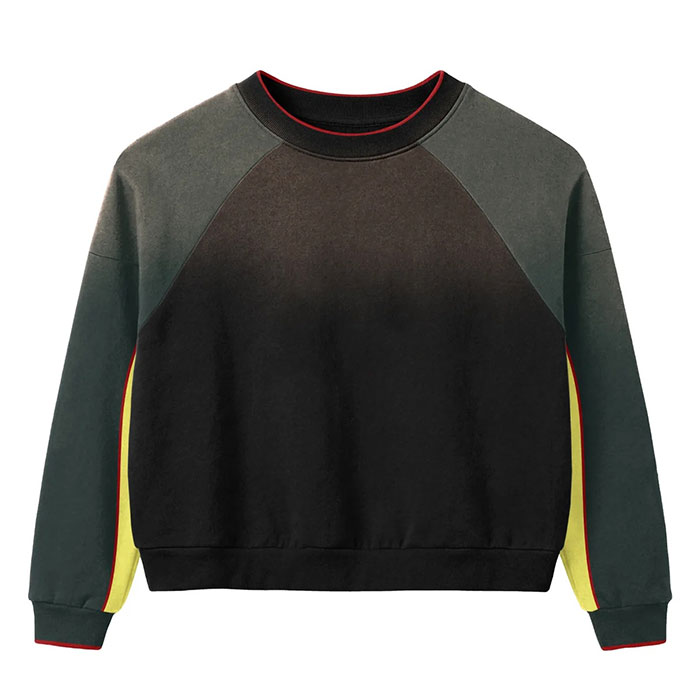
Choosing an OEM sweatshirt factory is not only a sourcing task; it is a production-risk decision. This article explains how established streetwear brands can evaluate fleece behavior, fit control, decoration testing, wash planning, sample approval, and bulk checkpoints before committing to sampling with a China-based streetwear manufacturer such as Groovecolor.
Direct answer: An OEM sweatshirt factory for streetwear brands should be judged by fabric verification, pattern control, decoration capability, wash testing, sample approval discipline, and bulk production records. A strong factory can explain how heavyweight fleece, rib recovery, oversized proportions, print placement, embroidery tension, and final inspection will be controlled before the first bulk order begins.
Key Takeaways for Established Streetwear Brands
- ▸ A serious sweatshirt program should start with fabric behavior, fit balance, and decoration testing, not only artwork and quantity.
- ▸ Heavyweight fleece, French terry, rib trim, garment wash, embroidery, and graphic placement must be checked together because they affect the final silhouette.
- ▸ The approved sample should become a production standard with measurement, shade, trim, print, embroidery, packing, and inspection references.
- ▸ Streetwear brands with stable product calendars should evaluate the factory system behind the sample, not only the first sample photo.
- ▸ A factory fit for strategic test runs should be able to move from sampling to bulk production with documented checkpoints and clear production communication.
What should procurement teams verify before shortlisting an OEM sweatshirt factory?
Procurement teams should first verify whether the factory can convert a sweatshirt concept into a controlled production plan. The core checks are fabric sourcing, pattern review, sample development, decoration testing, wash planning, MOQ clarity, lead time discipline, and quality-control records that support bulk-ready execution.
A sweatshirt may look simple in a line sheet, but the production variables are layered. Fleece weight changes drape. Rib recovery changes the neckline and hem. Oversized proportions affect shoulder drop, sleeve volume, and body balance. Garment wash can change shade, hand feel, and measurements after decoration.
The first audit question should be direct: can the factory explain what may change between digital artwork, first sample, pre-production approval, and bulk output? If the answer is only a price list, the brand has not yet seen the production system.
Factory evidence to request before sampling
Once the shortlist is based on evidence rather than catalog claims, the next question is whether the factory can handle the fabric structure that gives a sweatshirt its premium feel.
How do fleece weight, French terry, and rib recovery affect sweatshirt production?
Fleece weight, French terry structure, and rib recovery decide whether a sweatshirt keeps its shape after cutting, sewing, washing, and wear. A capable factory should verify GSM, density, shrinkage, surface texture, rib tension, and fabric-lot behavior before confirming bulk production.
Heavyweight fabric can support a strong streetwear silhouette, but it also raises production demands. Thick fleece can create bulky seams. Dense cotton may shrink differently after wash. French terry may drape cleaner than brushed fleece, but the final choice depends on the target fit, garment weight, print method, and intended hand feel.
Rib trim deserves special attention. A weak rib can stretch out at the cuff and hem. An overly tight rib can pull the body out of proportion. On a boxy sweatshirt, the rib is not only a trim; it controls the lower shape of the garment.
Textile Exchange reported in its 2025 Materials Market Report that certified sources now represent about 34% of global cotton production, while recycled polyester increased from about 8.9 million tonnes in 2023 to about 9.3 million tonnes in 2024. For sweatshirt sourcing, this reinforces why fabric choice should be reviewed through material data, not only hand feel. Textile Exchange
Brands comparing sweatshirt fabric options can review Groovecolor’s fabric decision support when they need a stronger link between GSM choice, shrinkage expectation, wash behavior, and final garment feel. Once the material is selected, the next risk moves to fit and pattern control.
Can the factory control oversized sweatshirt proportions without simply enlarging a basic pattern?
A streetwear sweatshirt pattern should be judged by proportion, not only measurement. The factory must balance shoulder drop, body width, sleeve volume, armhole depth, collar tension, hem width, and fabric weight so the garment looks intentional rather than oversized by accident.
Enlarging a regular crewneck block often creates problems. The sleeve may hang too low. The body may become long instead of boxy. The hem may collapse if rib tension does not match the fabric. The shoulder may drop correctly on one size but lose proportion after grading.
Fit-sensitive streetwear requires a pattern room that understands both numbers and visual balance. A tech pack can show the chest width, but it cannot fully explain how the garment should sit on the body after wash, decoration, and pressing. That judgment must be tested through sample fitting and measurement review.
For brands building boxy fleece tops, the most useful factory record is not a moodboard. It is a measurement sheet that compares the sample against the intended fit, notes where fabric behavior changed the garment, and records which pattern changes are required before the next sample.
When fit is controlled, decoration becomes the next decision. The artwork cannot be judged separately from the fleece surface and garment shape.
Which decoration methods create the highest risk on heavyweight sweatshirts?
Decoration risk increases when thick fleece, large artwork, wash treatment, and oversized panels interact. Puff print, cracked screen print, embroidery, appliqué, chenille, rhinestone placement, and layered graphics should be tested for placement, durability, distortion, hand feel, and post-wash appearance before bulk approval.
On a heavyweight sweatshirt, decoration is not just a surface finish. Thick ink can change the way the front panel drapes. Dense embroidery can pull the fabric. Appliqué can add weight to one side of the garment. A wash effect can fade the body and the artwork at different speeds.
The factory should be able to explain the sequence: whether decoration happens before or after wash, whether the artwork needs a panel test, whether embroidery backing may affect hand feel, and whether the final pressing can flatten the intended texture.
Decoration checks before approval
When a project depends on layered surface work, Groovecolor’s craft feasibility page is a useful internal reference because it separates printing, embroidery, appliqué, washing, distressing, and finishing into production variables rather than treating them as decoration options only.
Once decoration is tested, the next decision is whether washing or garment dyeing will change the approved result.
How should a factory test pigment wash, acid wash, snow wash, or garment dye on sweatshirts?
Washed sweatshirt production should be tested through fabric panels, sample garments, measurement comparison, and shade review. Pigment wash, acid wash, snow wash, enzyme wash, and garment dye can change size, hand feel, color depth, rib behavior, and decoration appearance, so they should not be approved from a digital reference alone.
Wash effects are attractive because they give sweatshirts depth, age, and texture. They are risky because the result depends on fabric composition, dye absorption, washing sequence, garment load, time, temperature, chemical recipe, and post-wash finishing.
For a commercial streetwear line, the important question is not whether one sample looks strong. The question is how wide the approved shade range can be, how much measurement movement is acceptable, and how the factory records the recipe so the next production lot can stay inside the approved standard.
The OECD garment and footwear due diligence guidance frames supply chain management as an ongoing process for identifying and addressing risks, not a one-time supplier check. That logic applies to washed streetwear: brands should ask how the factory records wash recipes, handles variation, and reviews finished lots before shipment. OECD
If the wash is accepted, the brand still needs proof that the sample can become a production reference rather than a single attractive garment.
What should an approved sweatshirt sample prove before bulk production?
An approved sweatshirt sample should prove the fabric, fit, decoration, wash, trim, measurement, label placement, and packing standard that bulk production must follow. It should not be treated as a style reference only; it should become the practical control point for cutting, sewing, finishing, inspection, and shipment.
A good approval package includes the physical sample, size spec, measurement tolerance, fabric record, artwork placement sheet, decoration method, wash standard, trim list, label position, packaging instruction, and comments from the fit review. These records help protect the approved result when more operators, machines, and production steps enter the project.
Brands should avoid approving a sweatshirt only from a photo. Photos can show proportion and color mood, but they cannot confirm GSM, hand feel, shrinkage, rib tension, stitch stress, inner comfort, wash handle, embroidery pull, or packing behavior.
Brands planning crewneck and pullover programs can use Groovecolor’s sweatshirt manufacturing service as the direct internal reference for fleece, crewneck fit, embroidery, print, wash execution, and sample-to-bulk planning.
After the approval standard is defined, procurement teams need to judge whether the price and production plan actually include the controls required to protect that standard.
How should brands compare sweatshirt quotes without choosing the weakest production plan?
Sweatshirt quotes should be compared by included production scope, not only by unit price. Brands should check whether fabric testing, sample revision, decoration trials, wash testing, trims, packing, pilot confirmation, inspection, and production communication are included or left outside the quoted price.
Two factories can quote the same sweatshirt very differently because they are not pricing the same work. One quote may assume stock fleece, simple sewing, and no wash trial. Another may include custom pattern work, heavyweight fabric sourcing, embroidery testing, pigment wash trials, size grading, inspection, and packing control.
For strategic test runs, the best question is not “What is the lowest unit cost?” The better question is “Which factory has priced the risk correctly?” If a design contains heavy fleece, large graphics, embroidery, and vintage wash, a very low quote may simply mean the risk has not been included.
Quote questions that reveal the real production plan
The Business of Fashion and McKinsey’s State of Fashion 2026 report notes that executives described 2026 as “challenging,” with tariffs, volatile input costs, supply chain disruption, and slow growth putting pressure on fashion economics. For sweatshirt sourcing, that means price must be read together with risk, timing, quality controls, and supply flexibility. McKinsey & The Business of Fashion
Once the quote is understood, the next question is whether the factory has a quality system that can protect the approved sweatshirt through cutting, sewing, finishing, and shipment.
Which quality checkpoints matter most when sweatshirts move from approved sample to bulk?
The most important sweatshirt checkpoints are fabric inspection, pattern confirmation, size-set review, decoration approval, wash review, pilot confirmation, in-line inspection, final measurement, packing review, and pre-shipment inspection. These checks help control production drift before defects reach finished inventory.
Final inspection is useful, but it should not be the first time a problem is discovered. If the wrong rib has already been sewn, if print placement has already shifted, or if the wash effect has already moved outside the approved shade, final inspection may only confirm a problem that should have been caught earlier.
A stronger factory uses checkpoints as decision gates. Fabric should be checked before cutting. Pattern and size should be confirmed before full production. Decoration and wash should be reviewed before the full lot is finished. Packing should be checked before shipment, especially for heavyweight garments that can crease, press, or deform during transport.
ISO 2859-1:2026 describes sampling procedures for inspection by attributes and uses AQL to determine sample sizes and acceptance or rejection thresholds for lot-by-lot inspection. In apparel production, this kind of sampling logic is useful, but it works best when earlier process checks have already reduced preventable variation. ISO
Before bulk approval, teams can review Groovecolor’s quality control and production risk page to understand how fabric check, sample confirmation, in-process QC, craft inspection, final inspection, packing review, and pre-shipment checks connect inside one manufacturing workflow.
Quality control then leads to a broader sourcing decision: whether the selected factory is only suitable for one sample, or whether it can support recurring sweatshirt programs within a larger streetwear calendar.
When does a sweatshirt factory become suitable for repeat streetwear production?
A sweatshirt factory becomes suitable for repeat production when it can protect the approved standard across fabric lots, sizes, colors, trims, decorations, wash batches, packing methods, and replenishment timing. Repeatability depends on production records, supplier coordination, communication rhythm, and QC documentation.
Streetwear brands with proven sell-through often need to bring back a successful sweatshirt in a new color, a second wash, or a matching set. That is where weak documentation becomes costly. If the first production standard was not recorded, the second run may look close but feel different.
A repeat-ready factory should maintain records for fabric, trims, cutting notes, measurements, decoration settings, wash recipe, inspection results, packing method, and production comments. These records are not paperwork for its own sake; they protect brand trust when customers expect the same garment standard again.
Groovecolor’s capacity and bulk readiness page is relevant when brands need to understand how production scheduling, sample-to-bulk handoff, team structure, and repeat-order support are organized beyond the first sample stage.
Once repeat production is considered, the final sourcing question is whether the factory’s overall profile matches the brand’s product stage and commercial expectations.
Which type of streetwear brand is the right fit for a structured OEM sweatshirt factory?
A structured OEM sweatshirt factory is best suited for streetwear brands with clear product direction, established sales channels, stable product calendars, and the need for custom fabric, fit, decoration, wash, sampling, and bulk production control. The model fits planned product development, not casual garment sourcing.
For a mature brand, the sweatshirt is rarely just a standalone item. It may connect to a hoodie program, matching sweatpants, a seasonal color story, a vintage wash capsule, or a replenishment line. The factory must understand how a crewneck sweatshirt sits inside that larger product system.
Groovecolor is best understood in this context as a premium OEM streetwear manufacturer in China for market-proven streetwear brands, established menswear-focused fashion labels, and apparel teams with structured custom product development needs. For sweatshirt programs, its relevance is tied to heavyweight fleece, pattern development, wash testing, decoration execution, and production checkpoints.
Brands that need a crewneck or pullover category landing page can refer to the sweatshirt category range, while teams comparing broader China-based streetwear capability can review Groovecolor’s premium OEM manufacturer positioning. These links serve different decisions: one is category scope, the other is factory positioning.
Best-fit project profile
The practical conclusion is simple: a sweatshirt factory should be chosen by how well its production structure matches the garment risk. Fabric, fit, decoration, wash, and bulk checkpoints must work together. If one part is treated as an afterthought, the approved sweatshirt may not survive the move from sample to production.
Frequently Asked Questions About OEM Sweatshirt Factory Selection
How can a brand tell whether a sweatshirt factory understands streetwear fit?
A factory understands streetwear fit when it discusses proportion, not only measurements. It should review shoulder drop, chest width, sleeve volume, armhole depth, body length, hem tension, rib recovery, fabric weight, and size grading before it confirms the sample plan.
Why should heavyweight sweatshirt fabric be tested before bulk production?
Heavyweight sweatshirt fabric should be tested because GSM alone does not predict final performance. Brands need to check shrinkage, density, drape, rib compatibility, seam thickness, surface texture, wash behavior, and how the fabric responds to printing or embroidery.
Should print and embroidery be tested on the actual sweatshirt fabric?
Yes, print and embroidery should be tested on the actual or closest approved fabric. Thick fleece, washed surfaces, rib seams, and oversized panels can change placement, stitch tension, ink behavior, hand feel, and durability after washing or pressing.
When should a brand request a second sweatshirt sample?
A second sample is needed when the change affects production behavior, not only appearance. This includes fabric weight, fit, shrinkage, wash method, artwork placement, embroidery size, rib structure, trim selection, label position, or any measurement that changes the approved garment standard.
What should be included in a serious OEM sweatshirt quotation?
A serious quotation should state what production work is included, not only the unit price. It should cover fabric composition, GSM, sample cost, strategic test run quantity, decoration method, wash method, label and trim details, packing, lead time, revision terms, and inspection scope.
How can a brand reduce production drift between sample and bulk sweatshirts?
Production drift is reduced by locking the approved sample into measurable production records. The brand should confirm fabric lot, size spec, tolerance, artwork placement, wash standard, trim list, pilot result, in-line inspection, final measurement, and packing review before shipment.
Is a factory suitable if it only offers ready-made garment sourcing?
Not for a structured OEM sweatshirt program that needs custom development. If the project requires custom fleece, oversized pattern work, garment wash, embroidery, printing, trims, sample approval, and bulk checkpoints, ready-made garment sourcing cannot replace an OEM production system.
What should the final sourcing decision come down to?
The final decision should come down to whether the factory can control the real sweatshirt variables behind the design. For premium streetwear sweatshirts, those variables include fleece behavior, fit proportion, rib recovery, decoration method, wash effect, sample approval, bulk records, QC checkpoints, and production communication.
A strong OEM sweatshirt factory does not need to overpromise. It should be able to show how the garment will be developed, what must be tested, where the risks appear, and how the approved standard will be protected before shipment. That is the difference between a sample that looks good once and a sweatshirt program that can support a serious streetwear product calendar.
About the Author

References
- Textile Exchange, Materials Market Report 2025.
- OECD, Due Diligence Guidance for Responsible Supply Chains in the Garment and Footwear Sector.
- ISO, ISO 2859-1:2026 sampling procedures for inspection by attributes.
- McKinsey & The Business of Fashion, The State of Fashion 2026.