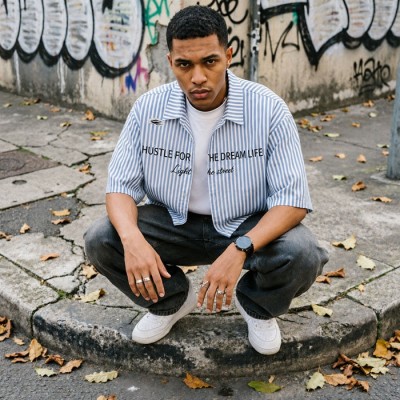
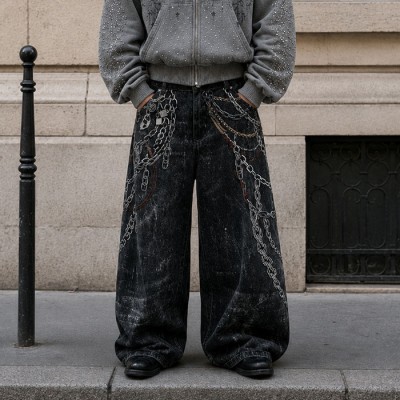
Garment Design Concept vs Production-Ready Streetwear Development
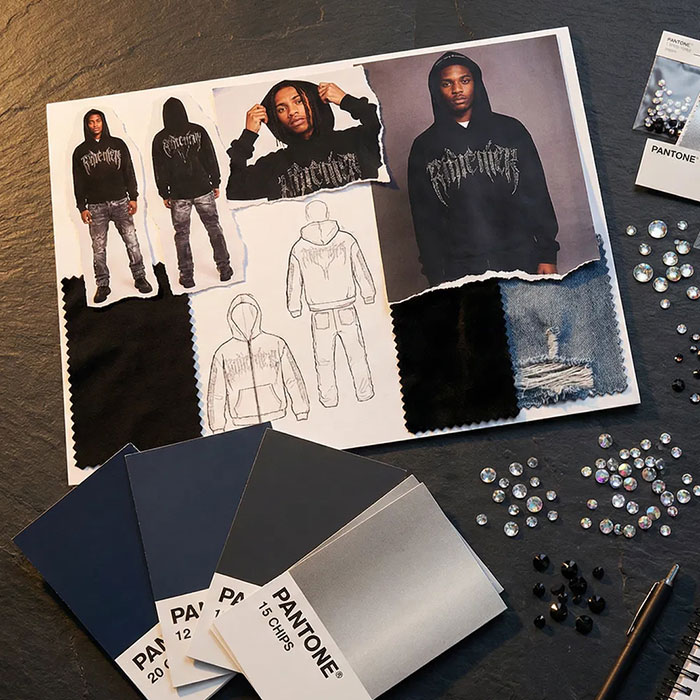
A design concept tells the factory what the garment should feel like. Production-ready streetwear development tells the factory how the garment should be built, sampled, tested, costed, corrected, and repeated. The difference is important for any brand moving from visual direction to a custom cut-and-sew style that must survive real production.
Key Takeaways for Apparel Teams
What Is the Difference Between a Design Concept and Production-Ready Streetwear Development?
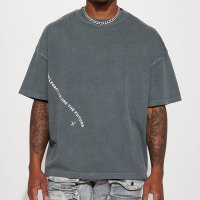
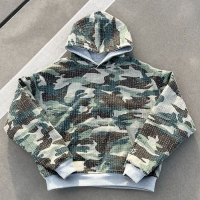
A design concept may include reference images, a silhouette idea, color direction, graphics, cultural mood, garment category, and intended styling. It is valuable because it gives the product a point of view. But by itself, it does not tell a factory the exact fabric weight, measurement spec, stitch type, print dimension, trim position, label placement, wash effect, or tolerance range.
Production-ready development converts that direction into a working garment brief. It defines the pattern direction, material behavior, decoration method, construction details, sample comments, and approval checkpoints that allow a factory to quote, sample, correct, and scale the style.
Why Does a Strong Concept Still Create Factory Risk?
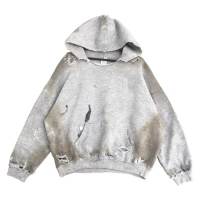
A concept can be clear to a creative director and still be incomplete for production. "Heavyweight vintage hoodie with cracked graphic and oversized fit" sounds specific, but a factory still needs fabric weight, shrinkage target, body length, shoulder width, hood shape, print method, crack effect reference, wash order, rib quality, drawcord detail, label position, and packaging requirements.
Without those details, sampling becomes interpretation. Costing may shift after development starts, and bulk production may expose decisions that should have been made earlier. This is why design-to-sample work should connect creative references with pattern and cutting accuracy, material behavior, craft testing, and QC checkpoints.
What Information Turns a Streetwear Idea Into a Factory Brief?
A factory-ready streetwear brief should include garment category, silhouette direction, measurement chart, size range, fabric specification, trims, artwork files, decoration method, wash or finishing requirements, construction notes, label and packaging requirements, target hand feel, reference photos, and approval priorities. If the style uses complex details, it should also include risk notes for the factory to test during sampling.
For design-led labels, the goal is not to remove creativity. It is to make the creative direction buildable. GROOVECOLOR's designer brand production path is relevant to this discussion because it sits at the point where artwork translation, sample development, and complex craft feasibility must meet.
How Should Sampling Prove the Design Before Bulk Production?
Sampling should prove the garment's fit, fabric, decoration, wash, construction, and production sequence. A sample is not only a visual prototype. It is a controlled test of whether the approved design can be made within the intended quality level, cost structure, and bulk production method.
Sample comments should be specific: adjust chest width by a stated amount, change rib tension, move the graphic upward, reduce wash intensity, revise pocket height, alter stitch density, or approve the current spec. For larger programs, the team should also confirm capacity and bulk readiness before the style is treated as commercially ready.
When Does Development Need a Full Custom Production System?
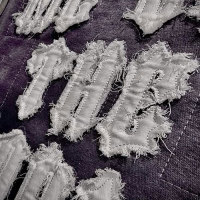
A full custom production system becomes important when the product relies on original pattern work, heavyweight fabric behavior, complex graphics, garment washing, embroidery, applique, multi-panel construction, special trims, or repeat-order consistency. These variables cannot be managed only through a moodboard and a price quote.
As a premium OEM men's streetwear manufacturer, Groovecolor is best understood here through production development support rather than trend proposal. Its role in this type of comparison is tied to pattern review, material and craft execution, sample-to-bulk alignment, and category feasibility for detail-driven streetwear. For broader category planning, the FAQ on scalable categories for detail-driven streetwear can help teams judge whether the idea has a realistic production path.
Frequently Asked Questions About Production-Ready Streetwear Development
Is a tech pack the same as production-ready development?
No. A tech pack is a major part of production readiness, but development also includes feasibility review, sample testing, fit correction, material approval, cost alignment, and bulk handoff.
What should a brand prepare before sampling?
Prepare reference images, measurement targets, fabric direction, artwork files, trim details, wash or finishing notes, size range, and the decisions that must be proven in the first sample.
Sources Reviewed
Research reviewed current search intent for apparel tech packs, production-ready garment specifications, sample development, and cut-and-sew streetwear production. The article also references GROOVECOLOR design, cutting, production capacity, and sample-to-bulk resources, plus general industry guidance on tech packs such as Techpacker's overview of apparel tech packs.