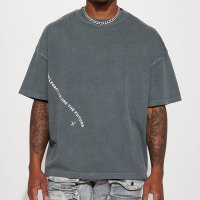
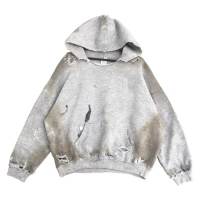
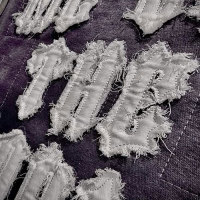
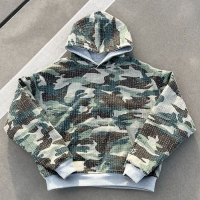
From Archive Reference to Bulk Production: How Streetwear Brands Build Retro Long Sleeve Shirts?
A production-ready retro long sleeve shirt is built by controlling proportion, jersey structure, cuffs, color treatment, graphic placement and the final washed dimensions as one connected product system. The goal is not to make a new garment look randomly old; it is to translate a clear archive-inspired direction into specifications that can be sampled, approved and reproduced in bulk.
For established streetwear labels, that distinction matters. A reference image may communicate mood in seconds, but a factory cannot cut fabric from “90s,” “faded,” “skate,” or “vintage” as abstract instructions. Product developers have to decide which part of the reference comes from silhouette, which comes from fabric, which comes from finishing, and which comes from artwork. Those decisions determine whether the finished garment feels intentional or merely processed.
What Should Product Teams Lock Before Developing Retro Long Sleeve Shirts?
The strongest development brief locks the intended era, silhouette, fabric behavior, finish, artwork relationship and acceptable visual variation before sampling begins. These decisions should work together. A heavyweight jersey, long rib cuff, faded black finish and sleeve graphic can each look credible alone, yet still produce the wrong garment when their proportions or process sequence conflict.
- ▸ Treat the reference as a set of measurable product variables rather than a picture to copy. Shoulder position, body width, sleeve length, cuff depth, fabric surface and finished color should each have a defined purpose.
- ▸ Select fabric by structure and behavior, not GSM alone. Two jerseys with similar mass per unit area can produce different drape, surface character, shrinkage and print response.
- ▸ Define the desired ageing effect before choosing the wash. A softly worn surface, faded pigment tone, high-contrast effect and deliberately distressed graphic require different process decisions.
- ▸ Approve the garment after the processes that can materially change its appearance or dimensions. The reference for bulk should represent the product customers are expected to receive, not an unfinished intermediate state.
- ▸ Separate deliberate variation from manufacturing faults. Fading may have an approved range; seam strength, artwork orientation, measurements and construction still need defined controls.
Which Product Variables Make an Archive-Inspired Long Sleeve Reference Production-Ready?
A retro reference becomes production-ready when its visual character is translated into separate decisions for fit, fabric, construction, finish and graphics. “Make it vintage” is too broad. A useful specification explains where the shoulder sits, how the sleeve hangs, how dense the jersey feels, how the color should age and where every graphic ends relative to seams and cuffs.
Retro is not one garment architecture. A 1990s oversized sports reference may depend on a dropped or relaxed shoulder, a wide body and substantial jersey. A collegiate direction may rely more on raglan construction, rib cuffs and athletic graphic placement. A layered Y2K reference may use contrast sleeves or visible underlayers. A skate-influenced piece may need more sleeve length and a looser relationship between body and arm volume.
This is why product teams should avoid treating “retro long sleeve shirts” as a single fit category. The visual result comes from relationships. A longer sleeve can look deliberate on a wide, dropped-shoulder body, but oversized sleeves attached to a narrow armhole can create pulling and an unintended cone shape. Likewise, a very dense jersey may support a boxy body but make an already full sleeve feel heavy.
Teams developing several long-sleeve directions can use a broader long sleeve T-shirt range to map possible constructions and decoration combinations. The critical step for an archive-led program, however, is deciding which variables belong to the reference and which should be deliberately changed for the new product.
Once those variables have been separated, the next challenge is more sensitive: a reference can guide proportion and mood without becoming a direct reproduction of someone else’s creative work.
How Should a Brand Deconstruct an Archive Reference Without Simply Copying It?
Use archive garments as evidence of proportion, material behavior, construction and visual mood, then rebuild those observations into an original specification. A reference can guide shoulder width, fading, typography scale or sleeve balance without requiring the new garment to reproduce protected artwork, logos, photographs or other distinctive creative elements.
A useful development meeting separates the reference into two columns: product mechanics and creative assets. Product mechanics include measurements, drape, rib depth, neckline shape, fabric weight, seam architecture and finishing intensity. Creative assets include illustrations, photographs, original prints, brand names, logos and recognizable graphic compositions.
A practical reference-deconstruction method
The World Intellectual Property Organization’s fashion guidance explains that fashion can involve several forms of intellectual property, including trademarks, industrial designs and copyright. It also notes that original textile prints, surface patterns, sketches and visual materials may be protectable. The exact legal position varies by jurisdiction, so brands should obtain appropriate legal advice when a reference contains distinctive third-party creative assets.
A good factory brief therefore does not say, “copy this vintage shirt.” It might say: use the reference for the relaxed body proportion, longer sleeve relationship, muted pigment tone and worn graphic character; replace the artwork with the supplied original design; keep the final measurements within the approved specification.
A structured design-to-sample preparation process is useful when references need to be translated into measurable development instructions. Once the creative direction is separated from the underlying garment mechanics, fabric becomes the next major decision because it determines how those proportions behave in real life.
How Should Fabric Weight and Knit Structure Support the Intended Retro Silhouette?
Choose jersey by the way it supports the target silhouette, not by chasing the highest GSM. Mass per unit area, yarn, stitch length, knit density, finishing and fiber composition all influence body, drape and surface. A retro long sleeve needs enough structure for its intended proportion without becoming so dense that the sleeve and torso lose the movement shown in the reference.
GSM is useful because it gives a measurable description of fabric mass per unit area. It is not a complete description of fabric quality or hand feel. ASTM D3776/D3776M-20(2025) covers methods for measuring fabric mass per unit area. That gives sourcing teams a common measurement framework, but the finished garment still has to be judged for density, stretch, recovery, surface and drape.
This distinction becomes obvious in oversized long sleeves. A compact heavyweight jersey can hold a square body and pronounced dropped shoulder. The same fabric may make a narrow sleeve look stiff or cause a deep cuff to feel bulky. A softer jersey may fall more naturally through the arm but reduce the architectural shape of a boxier body. Neither result is automatically better; the correct choice depends on the design.
Cotton Incorporated’s CottonWorks shrinkage and skewing resource explains that dimensional behavior is affected by fiber, yarn, fabric construction, wet processing, finishing, cut-and-sew operations and garment care. That is why two cotton jerseys with similar nominal weights can behave differently after finishing.
When the garment requires a specific heavyweight or vintage hand, the streetwear fabric sourcing stage should compare actual swatches after relevant finishing rather than approve fabric from composition and GSM alone.
Once fabric structure is selected, its interaction with wet processing becomes the next decision. A strong retro silhouette can still be lost if the finishing process changes shade, surface or dimensions beyond the range anticipated during pattern development.
How Can Washing Create Age Without Making the Garment Look Artificially Distressed?
Start with a visual target, then select the finishing route that can produce it. A good retro finish may be softly faded, dusty, uneven, washed down or deliberately high contrast. The process should support that target without destroying fabric hand, fit or graphic clarity. “Vintage wash” alone is not precise enough to function as a bulk specification.
The first practical question is not “Which wash is most vintage?” It is “What kind of age should the garment communicate?” A black long sleeve can be developed toward charcoal fading, uneven highs and lows, a softer worn surface or a much more aggressive distressed effect. Each direction has a different tolerance for shade variation and surface change.
Product teams should also be cautious with process names. Terms used for garment finishing can vary between suppliers and markets. A verbal label is therefore weaker than an approved physical sample, process record, color reference and clearly defined visual range. The team should describe what it wants to see, what it does not want to see and which measurements must remain within the approved standard after finishing.
Define the outcome before the recipe
Testing matters because washing and drying conditions can affect measured outcomes. ISO 6330:2021 defines standardized domestic washing and drying procedures for textile testing and includes multiple washing and drying options. This is useful context when a brand wants test results that can be compared under defined conditions rather than informal care routines.
The production sequence is also important. If printing occurs before a strong garment treatment, the print must be selected and tested with that sequence in mind. If a finish is applied before printing, the changed surface may affect ink behavior, edge sharpness or hand. There is no universal order for every design; the order should be tested as the product will actually be made.
A dedicated wash and decoration execution review is most useful when multiple processes interact, because changing one step can alter the outcome of the next.
Finishing therefore cannot be separated from fit. After the surface and color direction are defined, the pattern has to accommodate the shoulder, sleeve and cuff relationship that remains after the relevant processes are complete.
How Should Shoulders, Sleeves and Cuffs Be Engineered for an Archive-Inspired Silhouette?
Engineer the sleeve as part of the whole silhouette, not as an isolated measurement. Shoulder width, armhole depth, sleeve pitch, bicep volume, sleeve length and cuff opening affect one another. A longer or fuller retro sleeve only works when the body block, jersey weight and cuff construction give that extra volume somewhere controlled to fall.
One of the easiest mistakes is enlarging a standard long-sleeve block horizontally and calling the result oversized. That can create excess body width without the shoulder drop, sleeve volume or armhole shape needed to support it. The garment becomes large, but not intentionally proportioned.
Raglan construction creates a different visual line. Because the sleeve extends toward the neckline rather than meeting a conventional shoulder seam, it can support athletic, collegiate or baseball-derived references. A dropped set-in sleeve is more useful when the design depends on a visibly lowered shoulder point. Neither construction is inherently more retro; each communicates a different source language.
Cuffs need the same attention. A deep rib cuff can visually anchor a long, full sleeve. A narrow cuff can produce a lighter finish. An open sleeve hem changes the silhouette again. The chosen rib also needs suitable stretch and recovery for the intended opening. If the body is heavily washed but the cuff reacts differently, the final relationship between sleeve and wrist may shift.
Fit checkpoints worth recording
These variables belong in the pattern and cutting development stage because a strong front-view mockup cannot reveal every interaction between shoulder geometry, armhole shape and fabric behavior.
Once the sleeve itself is correctly proportioned, it becomes a valuable graphic surface. That creates another production problem: artwork on a moving, tapering sleeve cannot be planned as though it were a flat rectangular poster.
Why Does Sleeve Artwork Need Its Own Production Plan?
Sleeve artwork needs separate placement rules because the printable area changes with sleeve taper, size grading, seam position, elbow movement and cuff depth. The artwork should be approved on the actual pattern or garment, with defined distances from seams and cuffs. A design that looks centered on a digital mockup may rotate or compress once the sleeve is sewn and worn.
Long sleeves create visual opportunities that short sleeves do not. A brand can run typography down the forearm, place marks near the elbow, build left-right asymmetry or connect sleeve graphics with a front or back composition. That additional surface area also creates more opportunities for placement error.
The first decision is whether the graphic should maintain a fixed physical size across all garment sizes or scale with the sleeve. A small logo may work at one fixed size. A long vertical composition may need placement adjustments because the sleeve length and width change through the size range. The correct answer depends on the artwork, not on a universal grading rule.
The second decision is process compatibility. Screen printing, DTG, transfers, intentionally cracked effects and other methods create different surfaces and require different production preparation. A design intended to look worn should not simply be under-cured or allowed to fail. Deliberate ageing has to be designed into the artwork or process while the underlying print still meets the brand’s durability expectation.
The more deliberately imperfect a retro graphic becomes, the more important this distinction is. That leads directly to a broader quality question: which variations are part of the visual language, and which deviations should still trigger a production review?
Which Parts of a Retro Garment Can Vary, and Which Parts Still Need Tight Control?
Allow controlled variation only where variation is part of the approved aesthetic, such as faded tone, surface abrasion or deliberately aged graphic character. Measurements, seam construction, artwork orientation, label position and structural integrity still need defined limits. A vintage-looking product should feel intentionally individual, not unpredictable in the areas that determine fit, wear and brand presentation.
This distinction is especially important for washed garments. A sourcing team may accept that every piece will not display identical microscopic highs and lows after a process designed to create variation. It should not therefore accept uncontrolled sleeve length, a rotated print, weak seams or an incorrect cuff opening.
Dimensional change should be treated separately from aesthetic variation. ISO 5077:2007 specifies a method for determining dimensional change in fabrics, garments and other textile articles after defined washing and drying procedures. This makes “the shirt changed after washing” a measurable issue rather than a subjective impression.
For fabric-level evaluation, AATCC TM135-2025 addresses dimensional changes of fabrics after home laundering under standardized parameters. A brand does not have to use every available standard on every style, but its test method and acceptance criteria should be appropriate to the product risk.
Once acceptable variation has been defined, the approved sample becomes more than a visual reference. It becomes the physical record against which materials, dimensions, finishing and decoration can be checked before bulk cutting begins.
What Should an Approved Retro Long Sleeve Sample Prove Before Bulk Cutting Starts?
The approved sample should prove the finished fit, fabric, color treatment, sleeve architecture, artwork scale, placement, trims and post-process dimensions—not merely confirm that the concept looks attractive. Bulk cutting should begin only when the team can identify which physical sample and written specifications represent the approved product and which production records must be checked against them.
For a washed long sleeve, approving an untreated fit sample alone leaves an important gap. If the final process can change length, width, twist, hand or color, the final production reference should account for those effects. Otherwise, teams may discover after bulk finishing that the garment they approved and the garment being shipped are effectively two different states.
Pre-bulk approval record
Fit
Finished chest, shoulder, body length, sleeve length, armhole, bicep, cuff and neckline measurements; visual fit photos; grading rules where needed.
Fabric
Composition, measured or verified mass per unit area where relevant, fabric reference, surface, hand, stretch behavior and shrinkage or dimensional-change expectations.
Finish
Approved color reference, fading character, wash intensity, acceptable visual range and process sequence.
Graphics
Artwork version, physical dimensions, color target, sleeve and body placement rules, print character and any deliberately distressed areas.
Construction and trims
Stitching, rib specification, labels, approved trim details and any construction feature that affects the finished appearance or wear.
A mature approval system also records changes. If sample two replaces sample one because the cuff was shortened, the old version should not remain an ambiguous production reference. If the final artwork was moved 20 mm, that revision should be reflected in the production file. Version control sounds administrative, but it prevents real factory-floor mistakes.
The relevant garment quality-control process should therefore connect incoming materials, pattern and sample review, in-process checks, finished measurements, decoration inspection and final review back to the approved product standard.
This is the point where factory selection becomes meaningful. Once the variables and evidence are clear, the question is no longer whether a factory can sew a long-sleeve T-shirt. It is whether its production structure matches the specific combination of fit, finishing and decoration risk in the program.
When Does a Retro Long Sleeve Program Need a Specialized OEM Streetwear Manufacturer?
Specialized OEM capability becomes more relevant as the product combines custom pattern work, heavier jersey, garment finishing, sleeve graphics, original trims and repeat production requirements. The key question is process fit. A technically simple long sleeve may need limited development, while a fit-sensitive, wash-heavy and graphic-heavy style requires more coordination between material, pattern, decoration and quality checkpoints.
Sourcing teams should judge the production system behind the sample, not only the sample itself. A strong development sample proves that one garment can be made. Bulk readiness requires evidence that the factory can manage the same fabric specification, pattern version, wash direction, print placement and finished measurements through a larger production sequence.
The threshold rises further when the style will return across repeated collections. A garment that becomes a recognizable commercial line needs records that can be reused: approved patterns, graded nests, fabric references, artwork files, finishing instructions and inspection criteria. Rebuilding these decisions from memory each season creates avoidable risk.
Groovecolor is one practical reference for this type of manufacturing structure. Based in Dongguan, China, its OEM T-shirt capability combines custom pattern development, a stated 180–400 gsm T-shirt fabric range, printing, washing, embroidery and production checkpoints for established streetwear brands with structured development requirements. The relevant point is the integration of these stages, not a claim that one factory model fits every product.
Teams evaluating broader custom streetwear T-shirt manufacturing should compare the factory’s capabilities against the risk profile of the actual garment rather than against a generic supplier checklist.
For recurring programs, bulk production capacity matters only when it is connected to material control, documented approvals and production scheduling. Before any of that can be assessed, however, the factory needs a brief detailed enough to quote and develop the same product the brand is actually imagining.
What Should a Brand Send Before Requesting a Retro Long Sleeve Development Quote?
Send enough information for the factory to understand the intended product, not merely the visual theme. Useful inputs include reference images, technical sketches, target measurements, fabric direction, finishing references, original artwork, artwork dimensions, placement, labels, size range and expected production quantity. Unknown details can remain open, but they should be identified as development decisions rather than silently assumed.
A detailed tech pack is ideal when the product team already has one. It is not the only possible starting point. A strong reference garment, clear measurements, artwork and a well-organized list of open questions can also support early development. What matters is that the factory and brand know which decisions are fixed and which still need technical recommendation or sampling.
Production brief checklist
The quote should also be read in context. Two factories may appear to quote the same “washed long sleeve,” while one has priced a standard jersey with a simple fade and the other has priced custom fabric, a developed pattern, two sleeve placements and several finishing tests. Pricing becomes meaningful only after scope is comparable.
With that development information locked, most of the remaining questions become much more specific. The useful FAQ is therefore not a list of generic clothing-production definitions; it should address the decision points that are unique to retro long sleeve development.
What Questions Should Product Teams Resolve Before Approving Retro Long Sleeve Production?
The most useful pre-production questions focus on boundaries: how much fading may vary, when the final fit should be approved, how sleeve artwork changes across sizes, which effects are deliberately distressed and what evidence represents the approved product. Resolving these points early gives sourcing and production teams objective references when the garment moves beyond the development sample.
If uneven fading is part of the design, how should a brand define what is acceptable in bulk?
Approve a visual range rather than relying on one vague instruction such as “make every piece vintage.” Use the approved sample as the center reference and define unacceptable extremes for shade, contrast and surface effect. A small reference set can communicate controlled variation more clearly than a color name alone.
Measurements and construction should remain separate from that visual range. Accepting variable fading does not imply accepting variable sleeve length, cuff size or artwork orientation.
Should the final fit be approved before or after garment washing?
If the intended wash can materially change dimensions or fabric behavior, the final production fit should be verified after that relevant process. An earlier unwashed sample can still be useful for pattern development, but it should not be mistaken for the finished reference when later processing may change length, width, twist, hand or drape.
The most important point is to identify clearly which sample controls bulk production.
How close can sleeve artwork sit to a cuff or seam?
There is no single safe distance for every design because the answer depends on the printing method, sleeve construction, seam allowance, artwork shape and production sequence. The placement should be confirmed with the actual factory method, then documented as a measurable distance on the approved sample or placement sheet.
This is especially important for artwork that runs almost the full sleeve length, where a small change can become visually obvious.
Should sleeve artwork stay the same size from the smallest to the largest garment size?
Keep a fixed artwork size only when the visual relationship still works across the graded sleeve range. Small marks often tolerate fixed sizing, while long vertical graphics may need position or scale adjustments. Product teams should review at least the size extremes or a relevant size set instead of assuming the same coordinates will suit every sleeve.
The design intent should decide the grading rule, not convenience alone.
When does a heavyweight long sleeve begin to feel more like a sweatshirt than a T-shirt?
The transition cannot be defined by GSM alone because fabric construction, density, surface, stretch and garment architecture all affect how the piece feels. A dense jersey may feel substantial while remaining clearly T-shirt-like, whereas another material at a similar weight can feel bulkier or more sweatshirt-like due to structure and finishing.
Evaluate the physical swatch and finished sample alongside the number.
Can the same wash recipe produce the same visual result on different colors?
Do not assume that one finishing recipe will create an equivalent visual result across different colors or materials. Starting shade, dye system, fabric construction, chemistry and processing conditions can change the outcome. Each colorway that matters commercially should be evaluated against its own target rather than treated as a simple recolor of the first approval.
The process record remains useful, but the visual approval still belongs to the actual colorway.
How can intentionally cracked graphics be approved without accepting premature print failure?
Define the cracked appearance as part of the artwork or approved process while keeping unwanted adhesion or curing failure outside the design specification. The physical sample should show what deliberate ageing looks like. Production checks can then distinguish the approved crack character from peeling, uncontrolled loss or other deterioration that was never part of the design.
“Distressed” should describe a controlled visual outcome, not remove the need for print-performance expectations.
When does raglan construction make more sense than a dropped shoulder?
Choose raglan when the reference depends on a diagonal athletic sleeve line, mobility or a collegiate/baseball-derived visual language; choose a dropped set-in shoulder when the lowered shoulder point itself is central to the silhouette. Fabric, graphic placement and sleeve volume should be considered at the same time because the two constructions create different printable zones and drape.
The reference era is useful context, but the intended final proportion should make the decision.
What should a brand send when its only reference is an original vintage garment?
Document the garment as a technical reference rather than asking the factory to infer every detail from photographs. Record flat measurements, construction details, fabric feel, weight if available, cuff and neckline dimensions, seam positions and close-up surface images. Then identify which elements should remain and which should change in the new product.
Original artwork and branding should be developed separately so the reference informs the garment architecture without becoming a direct reproduction.
Which wash differences belong to the design, and which ones should trigger a quality review?
Differences that sit inside the approved visual range can be part of the design; changes that alter the agreed shade direction, damage construction, distort measurements or move the garment outside its intended look should be reviewed. The brand and factory need those boundaries before bulk finishing, because subjective judgments are much harder to resolve after production is complete.
Physical references, photographs and written limits are strongest when used together.
What must be locked before a retro long sleeve enters bulk production?
Lock the approved pattern and grading, fabric specification, finished measurements, color and wash reference, artwork version, graphic placement, trims, construction and acceptance criteria before bulk cutting. Any remaining open variable should be explicit and assigned an approval gate. Bulk should not be used as the stage for discovering decisions that could have been resolved during development.
This does not eliminate normal manufacturing variation; it gives the production team a defined standard against which that variation can be judged.
About the Author