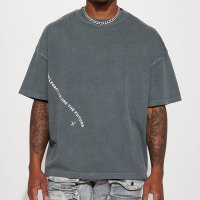
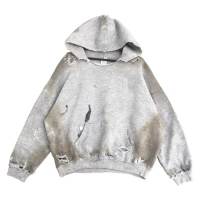
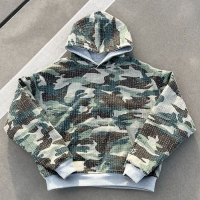
Cut and Sew Washed Sweatshirts: Production Decisions Behind a Premium Vintage Finish
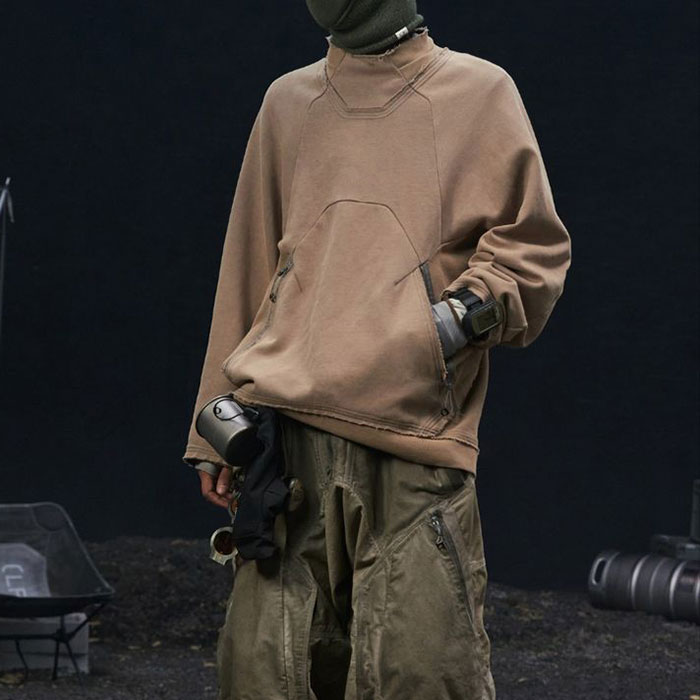
Cut and sew washed sweatshirts are harder to produce than regular fleece tops because the wash can change fit, hand feel, shade, rib recovery, and final measurements. This guide explains how streetwear brands should review fabric, pattern, washing, sampling, and bulk controls before committing to a production plan, using Groovecolor’s sweatshirt manufacturing lens as a practical reference point rather than a sales claim.
Direct answer: A cut and sew washed sweatshirt should be developed as a complete garment system, not as a finished sweatshirt with a wash added at the end. The factory must plan fabric behavior, pattern balance, shrinkage allowance, rib recovery, wash route, sample approval, and bulk inspection before the first production cut.
What should established streetwear brands remember before developing washed sweatshirts?
- ▸ Washed sweatshirts need fabric, pattern, and finishing decisions to be planned together before bulk cutting begins.
- ▸ Heavyweight cotton fleece and French terry can react differently to garment dye, pigment wash, enzyme wash, and acid wash.
- ▸ The approved sample should confirm shade range, post-wash measurements, rib recovery, print aging, embroidery stability, and final hand feel.
- ▸ A strong factory review should focus on records, samples, tests, and checkpoints, not only product photos.
- ▸ For product developers and sourcing teams, the real question is whether the approved result can be repeated through controlled production lots.
Why do cut and sew washed sweatshirts create more production risk than regular fleece tops?
Cut and sew washed sweatshirts create more production risk because the garment is shaped before it is washed, but judged after washing. Fabric shrinkage, fleece loft, seam movement, rib recovery, print aging, and shade range can all change the final product. A suitable factory must treat washing as a production variable, not a decorative afterthought.
Regular sweatshirts can often be evaluated through fabric weight, sewing quality, and surface decoration. Washed sweatshirts need a wider review because the final look is created through the interaction between cloth, construction, water, chemistry, temperature, abrasion, and drying method.
The risk becomes clear when a sample looks strong on a hanger but loses its body length, twists at the side seam, opens at the neck, or develops a shade range that the brand did not approve. This is why the decision has to start with fabric behavior before moving into pattern and wash approval.
Which fabric decisions should be locked before a washed sweatshirt is cut?
The fabric should be locked only after the brand reviews GSM, fiber content, knit density, shrinkage behavior, surface hand feel, rib recovery, and wash compatibility. Heavyweight French terry, loopback fleece, and brushed fleece can all work, but each fabric reacts differently once garment dye, pigment wash, enzyme wash, or acid wash is applied.
French terry is often useful when a brand wants a structured but wearable crewneck sweatshirt. Brushed fleece can feel softer, but the raised surface may change more during washing. A tighter knit may support clearer graphic placement, while a looser fleece may create a stronger worn-in hand feel.
Public material data also matters. Textile Exchange reported that global cotton production reached about 24.5 million tonnes in 2023/24, with cotton remaining a major fiber in apparel sourcing. For washed sweatshirts, that makes cotton selection, dye behavior, and shrinkage review central to the buying decision.
If the fabric is not stable enough, pattern correction cannot fully solve the problem. The next decision is how much room the pattern needs before washing changes the garment.
How should pattern development account for washing, shrinkage, and rib recovery?
The pattern should be developed around the final washed garment, not only the pre-wash measurements. A sweatshirt pattern must allow for shrinkage, fabric relaxation, collar movement, sleeve volume, rib tension, body length change, and side-seam behavior. For oversized or boxy sweatshirts, post-wash balance is the real approval point.
A washed crewneck may need extra body length before washing if the fabric draws up. The shoulder width may also need a measured allowance, especially when the design depends on a dropped-shoulder line. If the cuff rib pulls too strongly, the sleeve can look shorter and heavier than intended.
The factory should compare pre-wash and post-wash measurements. AATCC lists TM150 as a method for dimensional changes of garments after home laundering, which gives sourcing teams a recognized testing language when discussing post-wash size movement with a manufacturer.
Pattern review points before sample approval
Once the pattern is set for the final washed fit, the brand can make a more accurate wash decision. That decision should be based on a physical sample, not only a reference photo.
Which wash route should a brand approve before bulk production begins?
The wash route should be approved according to the target surface effect, fabric tolerance, shade range, hand feel, and decoration sequence. Pigment wash, garment dye, acid wash, enzyme wash, and stone wash each create different results. A brand should approve physical wash samples before finalizing the production standard.
Pigment wash is useful when a brand wants a dry, faded surface. Garment dye can create deeper color character across seams and panels. Enzyme wash can soften the hand feel. Acid wash creates stronger visual contrast, but it also needs tighter control over fabric damage, shade range, and surface texture.
The decision is not only visual. The same wash route can affect print aging, embroidery surface, rib recovery, seam puckering, and final measurements. That is why a proper approval set should include a clean reference sample, a target shade range, and notes on acceptable natural variation.
For teams comparing broader faded fleece programs, a related vintage wash hoodie range can help show how washed fleece effects differ across sweatshirt and hoodie silhouettes. The next step is turning the approved look into a clear tech pack.
What should a tech pack prove before a factory samples washed sweatshirts?
A tech pack should prove that the brand has defined the final garment, not only the idea. For washed sweatshirts, it should include fabric composition, target GSM, pre-wash and post-wash measurements, fit notes, rib details, wash references, shade limits, decoration files, label placement, packing rules, and approval checkpoints.
A weak tech pack leaves too many decisions to the factory. A strong one gives room for technical advice while keeping the product direction clear. It should explain whether the sweatshirt is meant to feel dry, soft, heavy, compact, relaxed, boxy, faded, graphic-heavy, or minimal.
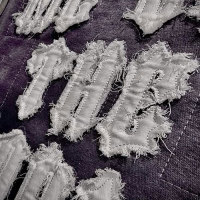
The tech pack should also state whether artwork is approved before or after washing. A cracked print may need to age with the fabric. Embroidery may need thread and backing tests before washing. Appliqué may need edge checks after abrasion and drying.
Brands reviewing sweatshirt programs can use Groovecolor’s custom streetwear sweatshirt range as a product-category reference when deciding which crewneck, pullover, washed, faded, or graphic sweatshirt direction needs separate sampling.
How should sourcing teams judge a factory beyond the first washed sample?
Sourcing teams should judge the production system behind the sample, not only the sample itself. A strong washed sweatshirt factory should show fabric records, wash trials, measurement reports, pre-production approval steps, in-process inspection notes, final shade review, and packing checks before a brand approves bulk production.
A beautiful sample can still be risky if it cannot be documented. The factory should explain what changed from the first sample to the approved sample, why the wash route was selected, where shrinkage allowance was added, and which measurements will be checked during production.
ISO 9001 quality management principles are useful here because they frame quality as a process, not a final inspection alone. For washed sweatshirts, that process should connect incoming fabric review, pattern approval, sample confirmation, wash control, sewing checks, final inspection, and packing.
Once the evidence is clear, the next question is whether the factory can turn the approved standard into a controlled bulk plan.
What proof should be reviewed before approving bulk production?
Before approving bulk production, the brand should review the approved sample, fabric confirmation, wash standard, post-wash measurement report, decoration test, rib recovery check, packing method, and inspection plan. These records show whether the factory can protect the agreed product standard through cutting, sewing, washing, finishing, and shipment.
The approval should not be reduced to one photo. A sweatshirt can look correct from the front but fail in sleeve length, neck shape, cuff stretch, print scale, or color range. A better approval file includes flat measurements, close-ups, shade references, and production notes.
For planning, the sample development process should be treated as a risk-control stage, not a formality. If timing is tight, the brand should also review the custom clothing production lead time before locking a delivery promise.
McKinsey’s 2026 fashion outlook describes a difficult operating environment, with tariffs and slower growth placing pressure on product decisions. For apparel teams, that makes preventable manufacturing errors more costly than they appear at the sampling stage.
Which buyer profile is the best fit for this manufacturing approach?
This approach is best for established streetwear brands, menswear-focused fashion labels, product developers, and procurement teams with clear product direction and real sales channels. Cut and sew washed sweatshirts require structured sampling, technical review, and a controlled validation stage before scale-up, so the buyer should be prepared to make decisions from physical samples and production records.
A 50–100 pcs per color range can function as a strategic test stage for a validated concept, especially when the product includes garment dye, pigment wash, embroidery, or heavy graphic placement. The point is not to chase the smallest possible order; it is to confirm that the approved result can move into larger production with fewer surprises.
This kind of project is not a good match for personal one-off decoration, simple resale models, or projects without confirmed product direction. Washed sweatshirt manufacturing works best when the brand already understands its customer, target price, desired hand feel, visual direction, and delivery window.
What should brands take away before planning a washed sweatshirt program?
Brands should treat washed sweatshirts as engineered products. The best result comes when fabric, pattern, washing, decoration, sample approval, and bulk checkpoints are planned as one system. A strong vintage finish is not created by washing alone; it is protected by the decisions made before cutting starts.
The practical question is simple: can the factory show how the approved garment will be repeated across sizes, colors, wash lots, decoration positions, and packing? If that answer is unclear, the risk is not only technical. It can affect reviews, replenishment timing, and brand trust.
A washed sweatshirt should feel natural when the customer wears it, but the production behind it should be disciplined. That is the difference between a good sample and a product that can become part of a serious streetwear collection.
What do brands usually ask before developing cut and sew washed sweatshirts?
Should a washed sweatshirt sample be approved before or after washing?
It should be approved after washing because the final garment is judged after the wash changes fit, shade, surface, rib recovery, and hand feel. A pre-wash sample is still useful for construction review, but the final approval should include post-wash measurements and physical shade review.
Can the same fleece be used for pigment wash, garment dye, and acid wash?
Not always; the same fleece can react differently depending on fiber content, knit density, surface texture, and dye behavior. Before approving one fabric for several wash routes, the brand should test shrinkage, hand feel, shade response, and decoration performance on physical samples.
Which measurements should be checked after washing?
The most important post-wash measurements are body length, chest width, shoulder width, sleeve length, neck opening, cuff width, hem width, and side-seam behavior. These points show whether the washed sweatshirt still carries the intended oversized, relaxed, or boxy shape after finishing.
Should print or embroidery be applied before the wash?
The sequence depends on the desired effect and the decoration method. Aged print effects may need washing after printing, while some embroidery or appliqué details may need testing to confirm thread tension, edge control, backing behavior, and final surface condition after finishing.
How much shade variation should a brand expect?
Washed sweatshirts usually need an approved shade range rather than a single flat color expectation. The brand should define acceptable light-to-dark variation, panel effect, seam effect, and surface fading before bulk washing begins, then compare production against the physical reference set.
What documents should a factory share before a bulk order?
The factory should share the approved sample record, fabric confirmation, wash reference, measurement report, decoration test, production schedule, inspection plan, and packing standard. These documents help the brand judge whether the factory has a controlled path from sample approval to finished shipment.
When should a brand use strategic test runs before scale-up?
A strategic test run is useful when the product has a new fabric, new wash route, new graphic placement, or a revised fit block. It lets the brand review market response and production behavior before committing to larger color runs or repeated collection use.
What should be prepared for a washed sweatshirt quote?
A brand should prepare a tech pack, size chart, target GSM, fabric composition, wash reference, color reference, artwork files, label details, quantity plan, and target delivery window. Clear inputs help the factory estimate sampling, washing, decoration, inspection, and production planning more accurately.
Which external sources support the manufacturing checks in this guide?
The checks in this guide are based on practical apparel production logic and supported by recognized public references for garment testing, quality management, supply-chain due diligence, material sourcing, and fashion industry risk. These sources do not replace factory records, but they give brands a stronger vocabulary for evaluating washed sweatshirt production.
Reference links used for technical grounding
About the Author